Denver, CO
Denver Catholic community bids farewell to Archbishop Samuel Aquila


On Sunday, a special Mass was held to say goodbye to the archbishop of the Archdiocese of Denver, Samuel J. Aquila.
Aquila was appointed as the diocese’s archbishop in 2012 and submitted his resignation last year as he neared his 75th birthday, in accordance with Canon Law. Pope Leo XIV accepted his resignation in February and appointed his successor, Archbishop-designate James R. Golka.
A Mass of Thanksgiving was held at the Light of the World Catholic Church on Sunday to bid farewell to the man who led the diocese for nearly 14 years and to thank him for his service. Aquila was ordained as a priest in the Archdiocese of Denver in 1976, and this year marks his 50th anniversary as a priest.
As archbishop, Aquila spoke out against abortion and called on officials to find a balance between protecting the United States’ borders and welcoming immigrants.
Aquila says that during his time as archbishop, the diocese has received many blessings and seen significant growth, including an increase in the number of young families.

“I think that the Lord has blessed this archdiocese tremendously, especially since World Youth Day in 1993; things really began to change here. Many new apostolates were born from the visit of Pope John Paul II, of Saint John Paul II. And there is a very deep awareness of how God providentially watches over this archdiocese,” said Aquila. “And so, I am handing off a very blessed archdiocese with many young families and many people who are deeply committed to the gospel.”
He shared a feeling of gratitude and joy for the opportunity to serve the diocese, knowing the faithful, and leading people to Christ. Aquila hopes that his community has found a deeper love of Christ and the sacraments through his service and an understanding of the importance of being missionary disciples.
“Of being those who go out themselves and invite others to encounter Christ and to come to know Jesus Christ. And proclaiming the, what we call the ‘kerygma,’ the basic good news of the gospel, or the joy of the gospel. That in Jesus Christ sin and death have been conquered, and He is the one that is the way to the Father,” Aquila said.
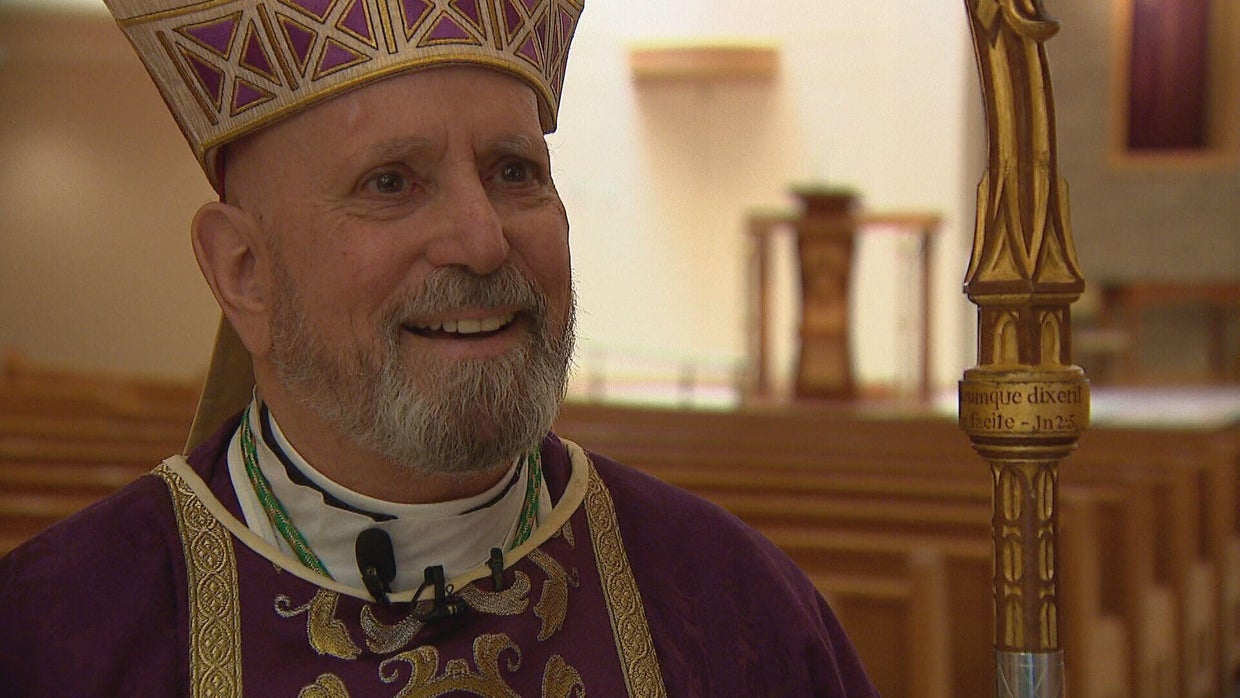
He said he hopes the diocese continues to grow in faith and that he believes Golka will be a good shepherd of that faith.
“The blessing is that my successor is an incredibly good man whose heart is on fire for Jesus Christ,” he shared. “And so, it’s like running a race and handing off the baton and saying, ‘Okay, you run with it.’ And knowing that Archbishop-designate Golka, who will be Archbishop Golka on Wednesday, that he will be one who continues caring for the gospel and making disciples for Christ.”
Golka’s installation as the new archbishop will begin with evening prayers at the CoBank Arena at the National Western Complex on March 24, followed by an Installation Mass the next day. A Mass of Taking Possession of the Cathedral will take place on March 26 at the Cathedral Basilica of the Immaculate Conception.


The Nuggets are declining Jalen Pickett’s fourth-year team option for the 2026-27 season, releasing him from his contract, league sources told The Denver Post.
Former Nuggets general manager Calvin Booth drafted Pickett with the 32nd overall pick in 2023. The 6-foot-2 reserve combo guard has struggled to break into Denver’s everyday rotation throughout his first three years in the league.
His $2.41 million salary next season would’ve offered the Nuggets a sliver of cap relief, but they chose instead to move on from the former Penn State star. Monday was the deadline to make a decision on his option.
Pickett, 26, averaged 5.2 points, 2.3 rebounds and 2.3 assists in 16.1 minutes per game last season. He appeared in 50 games, highlighted by a career-high 29-point, seven-assist performance in January to lead the Nuggets in an upset over Philadelphia without their entire starting lineup.
Pickett is shooting 38.7% from the 3-point line on two attempts per game in his first three years. He also boasts a sturdy 3.63 career assist-to-turnover ratio.
But he’s remained a deep bench option under two different head coaches in Denver, from Michael Malone to David Adelman. Booth was fired in April 2025. Then, new co-general managers Jon Wallace and Ben Tenzer signed veteran point guard Tyus Jones off the buyout market late last season when the Nuggets wanted ball-handling depth. Jones received playoff minutes over Pickett during their first-round series against the Timberwolves.
Want more Nuggets news? Sign up for the Nuggets Insider to get all our NBA analysis.


Firefighters say a car crash was the cause of a large fire that broke out north of the Denver International Airport on Saturday afternoon.
The Brighton Fire Rescue District says a vehicle was traveling through the area of E. 120th Avenue and N. Watkins Road around 2 p.m. when it crashed. Fortunately, the people inside the vehicle did not suffer serious injuries, but the fire department says the vehicle’s catalytic converter caught the nearby grass on fire.

The 120 Fire quickly grew, and firefighters responded with engines, brush trucks and water tenders to attack it from multiple sides. Multiple agencies responded to assist as the winds continued to push the fire across the grassland.

It covered around 237 acres by the time firefighters brought it under control around 3:30 p.m. BFRD says firefighters continued to put out hotspots and monitor a large cottonwood tree that was smoldering nearly 30 feet up the trunk.
With Independence Day approaching, the fire rescue district shared a reminder that a single spark can ignite a fast-moving grass fire. They added that aerial fireworks are illegal in Brighton and pose a serious fire risk in the current conditions.
-

 Technology3 minutes ago
Texas data breach hits 3M license customers
-
 Business6 minutes ago
Rocket Lab enters satellite communications market with $8-billion deal
-
 Entertainment11 minutes ago
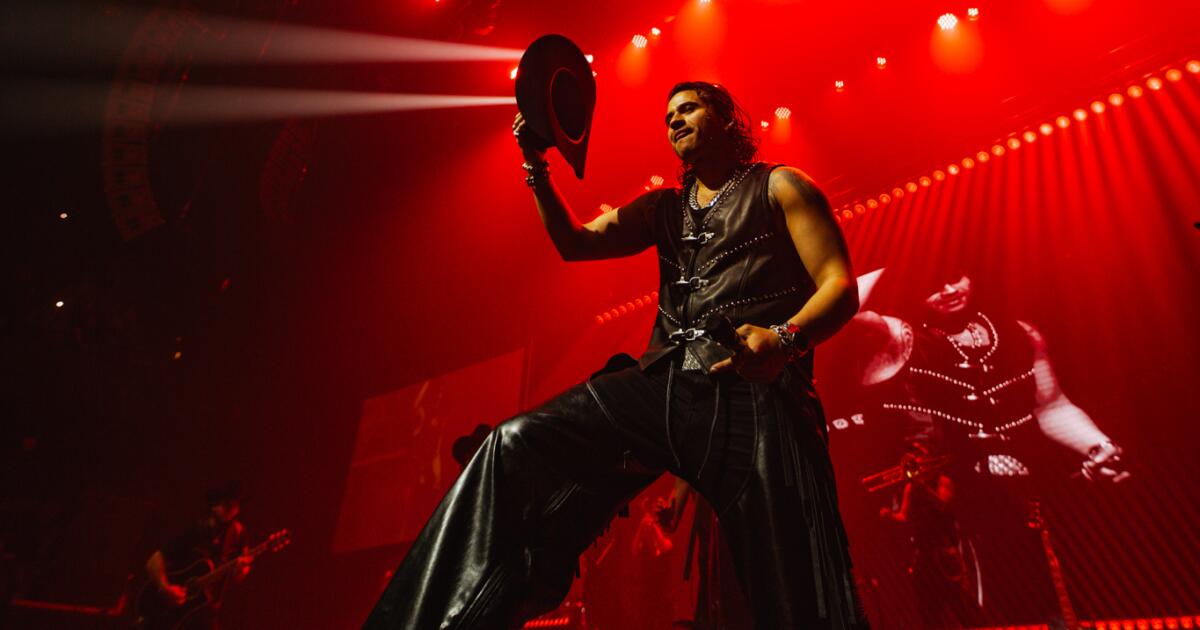
Jesús Ortiz Paz and Jimmy Humilde took their legal dispute to Instagram. Here’s the breakdown
-

 Lifestyle18 minutes ago
Inside Hearts On Fire’s Plan For a New Era of Diamond Jewellery
-
 Politics21 minutes ago
Anthropic partners with California to expand AI use by government workers
-
 Sports33 minutes ago
Lions release cornerback Terrion Arnold soon after judge sets his bond at $1 million
-

 World41 minutes ago
EU will ‘come to its senses’ on Israel, former Netanyahu adviser says
-
 News1 hour ago
Senate Ethics Committee dismisses complaint against Sen. Ruben Gallego

