Denver, CO
City of Denver, mayor announce opening of newest tiny home village despite ongoing neighborhood objections


DENVER — The City of Denver will open its newest and largest micro-community on Tuesday, with the capacity to house nearly 60 individuals who are facing homelessness.
Denver Mayor Mike Johnston announced the opening at a media walk-through on Monday.
The site, which sits just off Santa Fe Boulevard and Evans Avenue, is called La Paz, and is completely fenced off and enclosed.
Despite that, there are still very vocal neighborhood objections to the site.
Denver mayor announces opening of new tiny home village, neighbors still object
“The zoning meeting was a fiasco,” said neighbor Douglas Danger. “The way they handled it was terrible. They treated the neighbors like we were third-class citizens. You’ve dumped this in our neighborhood — what are you going to do for the neighbors for taking this on?”
In his more than three decades living in the Overland neighborhood, Danger has witnessed a lot of change. But the city’s new micro-community is a change he and his neighbors have struggled to accept.
“There is no real plan for safety, and the city does not listen,” he said.
The mayor and his team are undeterred by those neighborhood objections, ready to open up Tuesday.
“If you’re looking at the beautiful tiny homes you see all around you, those were designed through our partnership with Oakwood Homes,” Mayor Johnston said at the site on Monday. “A huge thank you to Oakwood Homes, who’s been our local partner and provider.”
The 60 tiny homes were built in Colorado, all part of the mayor’s House1000 initiative now called All In Mile High.
All of the tiny homes are outfitted with a bed, a floor heater and a desk. The village also has two community rooms on-site.
“They feature showers, bathrooms, kitchen, laundry,” said Jose Salas, spokesperson for the city of Denver.
The village is low barrier, which means there are no requirements — including drug tests — needed to move in. This is consistent with Johnston’s housing first initiative.
“That means we do not screen up front to say, ‘Have you already gone through a drug rehab program? Have you already gone through a workforce training program? Have you already completed mental health services?’” Johnston said. “What we know is that it’s very hard to receive those services if you’re living in a tent every night and not sure if you’re going to freeze to death or get attacked in the middle of the night.”
“We have a no-drugs-and-alcohol policy,” said Dede de Percin, CEO of the Colorado Village Collaborative. “But we’re also not one strike you’re out.”
The Colorado Village Collaborative will operate the site, which features multiple security cameras and 24-hour staffing.
“We will do intakes tomorrow when people arrive here and start connecting people with services right away,” de Percin said. “We also will have on-site peer counselors, case managers, resource navigators — I mean all those services will be here from the get-go. We find that every neighborhood we go into — it starts a little stressful and then it chills out.”
Danger isn’t so convinced, especially after recently visiting the encampment at W. Colfax Avenue and Umatilla Street that will be shut down by the city on Tuesday and relocated to the new tiny home village.
“This is what you’re going to dump in my neighborhood?” Danger said. “I’m a sprinkler guy now by trade, and I’m not afraid of nothing. I go into crawl spaces full of spiders and snakes. I went to that site, and I’ve never been more fearful in my life of anything. I openly saw three people shooting up. I watched a guy defecate right in the middle of the road.”
The micro-community will start out with 60 tiny homes with the ability to double in size depending on how things go.
In terms of the costs, Johnston and his team estimate each tiny home costs the city about $25,000 per unit. That does not include infrastructure improvements to the site like Xcel Energy service and concrete pads. But it’s much less than the estimated $100,000 it costs the city per hotel room they are opening up to the homeless.
The Follow Up
What do you want Denver7 to follow up on? Is there a story, topic or issue you want us to revisit? Let us know with the contact form below.


There have been many great offensive linemen in Denver Broncos history, so this list is likely going to vary greatly from person to person. In fact, my take might be a little too bold, but I’m sticking with it.
At the top spot, I think Garett Bolles has earned it. Since coming into the league as a first-round pick in 2017, he has grinded through one of the worst periods in Broncos’ history and grown from beleaguered oft-penalized first-round bust into a perennial All-Pro caliber left tackle. Even more, he has stayed a Bronco through his entire career. The rest of my list speaks for itself and is a throwback to Super Bowl greatness.
Here’s where our Mile High Report staff landed on the top five for offensive line:
Scotty Payne: Tom Nalen was the leader of Mike Shanahan’s offensive line, Ryan Clady was a top LT on a Hall of Fame career before injury and Stink was a key member of the Broncos Super Bowl winning OL back in the 90s. I included Bolles and Meinerz since both will be on this list once their successful careers are over with.
Chris Hart: This position group was one of the toughest to come up with a top five. Denver has an incredible history of top-tier offensive lineman. There are several players I left off who were certainly deserving. I posted Tom Nalen as my top guy because he was a stalwart at the pivot for many years for the franchise. We all know what Gary Zimmerman and Mark Schlereth provided on the field and they are both Super Bowl champions. The last two spots go to two recent Broncos, left tackles Garret Bolles and Ryan Clady. Bolles, a decade into his career, continues to play at a high level and Clady was a fantastic blindside protector whose career ended earlier than it should due to injury.
Ian St. Clair: For the first time in Elway’s career, he had a blind-side protector. And Zimmerman is one of the best to ever do it. Same for Nalen, who should be in the HOF. Clady was special. Bishop was the first Broncos offensive lineman in franchise history to get a Pro Bowl invite and provided one of the best in-game quotes ever when he said in Denver’s endzone at old Cleveland Stadium before hiking the ball at the 2-yard line in what would become The Drive, “We got ‘em right right where want ‘em.” And Schlereth helped lock down the left side of the line that was one of the best in league history.
Sadaraine: The top 3 are largely indisputable, other than maybe swapping Schlereth and Zimmerman. Ken Lanier started 178 consecutive games, which is nuts for an OT, and appeared in 3 Super Bowls. Garret Bolles has crafted himself into an all-time great at tackle and may move up the list.
Ross Allen: The Hall-of-Famer Gary Zimmerman was everything you could ever ask for in a left tackle and was a huge reason why John Elway and that 1997 team was so dominant. Schlereth also gets his credit as he was a massive contributor to Denver’s Super Bowl successes. There’s a strong case for Tom Nalen deserving a spot in the Hall of Fame too. And for the past two years I’ve become a huge spouter of Bolles being destined for the Ring of Fame. He’s an incredible talent as has been the cornerstone of this team for a while now. I just hope he gets his Super Bowl.
Joe Mahoney: Top 3 are a no-brainer. Bolles will finish his career with more starts on the OL than any other Bronco. The man he will pass is Ken Lanier. Since stats from Lanier’s era don’t exist we only have starts to go off, but Lanier was an iron man. He started 167 NFL games and 165 were for the Broncos.
There is a bit of variation here, but a general consensus of who should be in the Top 5. I loved the throwback to Keith Bishop who was a big part of the John Elway fourth quarter magic back in the day.
Who gets into your top five offensive lineman list?

The Denver Nuggets are running it back with at least one free agent from last year’s team. According to Shams Charania of ESPN, the Denver Nuggets have re-signed point guard Tyus Jones.
Free agent guard Tyus Jones has agreed to a one-year deal to return to the Denver Nuggets, sources tell ESPN. Jones played a reserve role after joining Denver on the buyout market last season, and enters his 12th NBA season as his agent Kevin Bradbury of LIFT Sports Management… pic.twitter.com/OxPTfX8C7l
— Shams Charania (@ShamsCharania) July 2, 2026
Jones played 11 regular season games for Denver last year and got into 3 post-season contests as well. The Nuggets are desperately lacking in point guards who can handle the rock, especially after they decided not to pick up the fourth-year option on fellow point guard Jalen Pickett. Denver liked Jones and his ability to handle on-ball pressure better in the playoffs, and obviously feel there is utility in having him on the 15-man roster for his passing acumen and mistake avoidance despite being a target at just 6 feet tall. They did not draft a point guard, so it’s possible Jones is the first PG off the bench for the Nuggets – but in recent years they’ve relied on players like Bruce Brown to shoulder some of those duties as well even if they’re not pure point guards, so it remains to be seen just how much court time Jones is going to get.
His 5:1 assist-to-turnover ratio in his career points to his high floor in ball security though, and the Nuggets have proven time and again over the past several years that they can be truly great if they don’t have silly turnovers. Jones comes back to the Mile High looking to help the Nuggets minimize their mistakes so they can maximize their talent.
Welcome back, Tyus!

The Fourth of July weekend is one of the biggest celebrations of the summer, and Denver is delivering a packed lineup of events for every kind of adventurer. Whether you’re looking to watch fireworks light up the Colorado sky, catch a live concert at Red Rocks, enjoy rooftop parties, indulge in seasonal food and drinks or explore the city’s thriving arts and culture scene, there’s no shortage of ways to celebrate Independence Day.
Here’s your guide to the best music, food, fireworks, nightlife, arts, and cultural events happening across Denver this Fourth of July weekend.
Follow @303magazine on Instagram
Read: Best Rooftops to Watch 4th of July Fireworks + Sip Cocktails in Denver
Read: The Ultimate 4th of July Outdoor Colorado Music Guide
FASHION EVENTS

Denver Fashion Week Fall 2026 Second Model Auditions
Where: TBA
Cost: $10+
The Lowdown:
Following overwhelming demand from aspiring models across Colorado, Denver Fashion Week (DFW) has announced a second round of model auditions for its upcoming Fall/Winter 2026 runway season.
MUSIC EVENTS
Read: The Ultimate 4th of July Outdoor Colorado Music Guide


Gillian Grogan and EMMA ROSE
Where: Skylark Lounge – 140 S. Broadway
Cost: $18+
The Lowdown:

Zeds Dead with Sippy, Baauer, Holly, HYDRAULIX & LUMBERJVCK
Where: Red Rocks Amphitheatre – 18300 W Alameda Pkwy, Morrison
Cost: $205+
The Lowdown:

Flobots
Where: Levitt Pavilion Denver – 1380 W Florida Ave
Cost: $0+
The Lowdown:

Don Toliver with SahBabii, SoFaygo, Chase B
Where: Ball Arena – 1000 Chopper Cir
Cost: $105+
The Lowdown:
FOOD EVENTS
Read: Best Rooftops to Watch 4th of July Fireworks + Sip Cocktails in Denver

Dumpling Love: Dim Sum Party
Where: Stir Cooking School Highlands – 3215 Zuni St.
Cost: $120 per person
The Lowdown:
Join the dumpling party and learn how to make pork bao buns, shrimp shumai, pan-fried gyoza, and crab cheese rangoons. All classes include a full bar with beer, wine, and house-curated cocktails for purchase.

Stars, Stripes, and Deck Nights
Where: Woodie Fisher Kitchen & Bar – 1999 Chestnut Pl.
Cost: Free
The Lowdown:
Celebrate America’s 250th with our festive Bomb Pop Drinks, featuring real Bomb Pops and High Noon buckets!

4th of July Rooftop Fiesta at Cimera
Where: The Source Hotel – 3330 Brighton Blvd.
Cost: $60+
The Lowdown:
The experience is an open rooftop gathering featuring live-fire cooking, craft cocktails, and skyline views throughout the evening. Guests will enjoy Peruvian street skewers, duck & chorizo paella, and ceviche prepared live on-site.

Farmers Market Central Park
Where: Central Park – 29th Ave & Roslyn
Cost: Free
The Lowdown:
Local vendors provide Colorado-grown produce, tasty baked goods, specialty meats, gourmet food items and more!
LIFESTYLE EVENTS

Mystic Magnolias; A Southern Gothic Cabaret
Where: Colorado Sake Co – 3559 Larimer St
Cost: $25+
The Lowdown:
Saunter yourself out to The Mystic Magnolias, a Burlesque AND Drag Show with chilling charm and dripping in Southern Gothic atmosphere.

America 250 | Colorado 150 Drone Show presented by Visit Denver
Where: DPAC/Denver Performing Arts Complex – 1400 Curtis St.
Cost: Free
The Lowdown:
Following Sunset Cinema’s showing of National Treasure on July 3rd at Sculpture Park, stay to enjoy the 4th of July Drone Show! This special event will be brought to you by Visit Denver, celebrating American 250 | Colorado 150, including an appearance by Mayor Mike Johnston.

Beat The Bomb Summer Mission: America250 Edition
Where: Beat The Bomb – 3863 Steele St, Unit 1273
Cost: $39+
The Lowdown:
Beat The Bomb announces the limited-time-only Summer Mission: America250 Edition – celebrating America’s 250th with five new games, a collectible beach towel, and a red, white, and blue Paint Blast!

Independence Day Concert with Denver Municipal Band (Cheesman Park)
Where: Cheesman Park – 1900 E. 11th Ave.
Cost: Free
The Lowdown:
Price:Free
Join the Denver Municipal Band’s Concert Band for an Independence Day concert at Cheesman Park Pavilion with special guest Denver District 10 City Councilmember Chris Hinds narrating Aaron Copland’s Lincoln Portrait.
Follow @303magazine on Instagram
Whether you’re dancing at a concert, enjoying a garden dinner, cheering on your favorite soccer team or exploring a new exhibition, Denver offers plenty of ways to fill your 4th of July weekend calendar. Gather your friends, support local businesses, and discover something new around the city.
-
 Lifestyle4 minutes ago
L.A. Affairs: He wanted L.A. I wanted New York. A panic attack changed everything
-
 Politics8 minutes ago
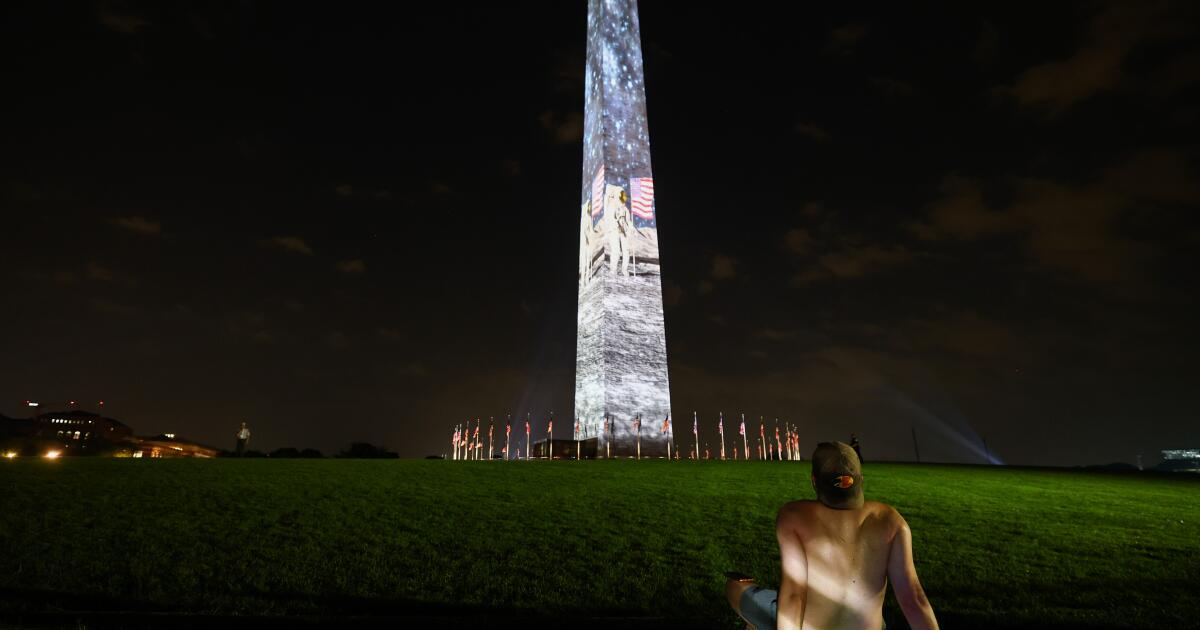
Trump refashions America’s 250th as a celebration of himself
-
 Sports23 minutes ago
How Dodgers’ Max Muncy, vying for his third All-Star selection, continues to evolve
-

 World35 minutes ago
Germany’s Merz defends NATO spending after Trump calls it ‘ridiculous’
-
 News58 minutes ago
Oregon ER doctors win a ‘David and Goliath’ battle against a national company
-

 Videos2 hours ago
Iran gets ready for Khamenei’s funeral • FRANCE 24 English
-

 Los Angeles, Ca2 hours ago
2 arrested after 3 LASD deputies injured during East L.A. World Cup celebration
-

 Detroit, MI3 hours ago
Ex-girlfriend in custody after Taylor man found fatally stabbed, police say

