In mid-February, the Department of Justice lost its head antitrust enforcer — just weeks before it was scheduled to argue one of the year’s biggest anti-monopoly cases in court.
Technology
Will Trump’s DOJ actually take on Ticketmaster?


Antitrust Division chief Gail Slater announced her departure suddenly, via a post on her personal X account. But to those who follow the agency closely, it was far from surprising. For months, leaks about the division described tensions between Slater and her team with DOJ leadership, and President Donald Trump’s penchant for personal dealmaking raised questions about who would really call the antitrust shots.
Over the summer, two of Slater’s top deputies were fired for what the DOJ said was “insubordination.” One of them later described pushing back against a wireless networking deal between Hewlett Packard Enterprise (HPE) and Juniper Networks, peddled by “MAGA-In-Name-Only” lobbyists and DOJ officials. The week before Slater announced her departure, a third deputy also left the agency.
The timing drew extra scrutiny because Mike Davis, one of the lobbyists close to Trump who worked on the HPE-Juniper deal, is also reportedly working for Live Nation. Live Nation did not provide a comment on the reported connection. “What was happening implicitly before is now explicit,” one former DOJ official, speaking on background to discuss personnel matters, says of Slater’s sudden departure. “A lot of very powerful corporations have figured out that they can just push through fantasy deals and fantasy outcomes in ways that were impossible before, and all they have to do is pay.” After Slater posted about her departure, Attorney General Pam Bondi thanked her in a statement “for her service to the Antitrust Division which works to protect consumers, promote affordability, and expand economic opportunity.”
”A lot of very powerful corporations have figured out that they can just push through fantasy deals”
The DOJ and a group of what’s grown to 40 state attorneys general sued Live Nation-Ticketmaster in May 2024, seeking to break up the company they allege used anticompetitive practices to lock artists and venues into its orbit. By allegedly tying together different parts of its business, using exclusionary contracts, and threatening “financial retaliation” to keep new players out of the market, the company succeeded in driving up ticket prices for consumers, they argue. Live Nation said in a blog post at the time that the lawsuit “ignores everything that is actually responsible for higher ticket prices.”
With jury selection in the case slated to begin on March 2nd, many are left wondering if the DOJ will remain on the case. Should the agency settle and choose to no longer be involved in the trial, at least some of the 40 states who joined the DOJ in the initial lawsuit could — and likely would — continue to push ahead with the litigation. “We look forward to going to trial on March 2 against Live Nation,” California’s top antitrust enforcer, Paula Blizzard, said at an event the day of Slater’s announcement. Tennessee Attorney General Jonathan Skrmetti also plans to move forward with the states’ lawsuit, Capitol Forum reported.
The DOJ very well may remain a lead plaintiff. Omeed Assefi, who is taking over Slater’s role in the interim, pledged to continue her agenda, MLex reported. As of February 17th, he has said the case is strong and favors trial, according to Capitol Forum. Global Competition Review also reported last week that Assefi encouraged staff to look to his work on criminal antitrust enforcement as a guide to how he’ll lead the division. “Ask them how I feel about settling cases in lieu of trial,” he reportedly said. “Ask them how I feel about accepting half measures and mere monetary penalties in lieu of seeking justice.”
But Slater, too, was known as a serious enforcer of antitrust law — and reports suggest her agenda was overruled.
“The states are no stranger to real politik”
In general, states are always prepared for changes in their trial partners, says Gwendolyn Lindsay Cooley, former Wisconsin antitrust chief and chair of the National Association of Attorneys General Multistate Antitrust Task Force. (Cooley agreed to speak generally about the role of state enforcement and not about the Live Nation case in particular, which Wisconsin was part of during her time there.) “The states are no stranger to real politik,” Cooley says. State enforcers understand that priorities and personnel can change with administrations, either in state offices or at the DOJ. This can require changes, like reassigning the most seasoned lawyers to fill gaps left by federal attorneys. But Cooley says there are plenty of experienced litigators in the states. “My understanding from talking with states generally is that this is something they were prepared for, and so should be able to take this in stride,” Cooley says.
The T-Mobile-Sprint merger litigation may serve as a guide. After Trump’s DOJ approved the merger, some states settled their cases, but others continued a fight to block the merger. In the end, however, they failed — a court let the merger close anyway.
States could be more aggressive in pursuing the Live Nation-Ticketmaster trial. The company has been widely criticized by musicians and concertgoers alike, including after infamously bungling a Taylor Swift ticket presale in 2022. In an interview with Bloomberg, attorneys general for California and Connecticut said they’d maintain a high bar for settling. “Any resolution that is politically motivated or impacted, or any settlement that comes from trying to placate the president or meet his demands is not likely to fly with Connecticut or California either,” Connecticut AG William Tong said.
In fact, citizen complaints about Ticketmaster are among the top 10 things state AGs commonly hear about, according to Cooley. “That’s something that the state AGs are going to be really paying attention to.”
Follow topics and authors from this story to see more like this in your personalized homepage feed and to receive email updates.



NEWYou can now listen to Fox News articles!
When firefighters arrive at a major blaze, they often face the same problem. They have to walk into danger without knowing exactly what is inside.
Smoke hides everything. Floors may be unstable. Toxic gases can build up quickly. Even experienced crews sometimes enter buildings with limited information about what they are about to face.
Now, a new type of robotic vehicle could help change that. Instead of firefighters stepping into the unknown, a rugged robot can roll inside first. It can scan the scene, locate the fire and send back critical information in real time. That insight helps crews make smarter decisions before anyone risks their life inside. For firefighters, that extra visibility could make a big difference.
Sign up for my FREE CyberGuy Report
Get my best tech tips, urgent security alerts and exclusive deals delivered straight to your inbox. Plus, you’ll get instant access to my Ultimate Scam Survival Guide – free when you join my CYBERGUY.COM newsletter.
SHERIFF’S OFFICE TESTS AMERICA’S FIRST SELF-DRIVING POLICE SUV
A firefighting robot built by Hyundai Motor Group can enter burning buildings before crews, using thermal cameras and real-time video to locate flames and hazards. (Hyundai Motor Group)
The robot is built to drive straight into the fire
This robotic firefighter is designed for environments where heat, smoke and collapsing structures make it dangerous for people. The vehicle carries a powerful water cannon that can fire a focused stream or a wide spray depending on the situation. Cameras that detect infrared heat allow it to see through thick smoke.
One of its most important features is a self-cooling system. The robot sprays a protective curtain of water around its body to prevent overheating. That system allows it to keep operating even when surrounding temperatures climb to nearly 1,500 degrees Fahrenheit. In conditions like that, most humans could not safely enter.
How the firefighting robot moves through dangerous spaces
Fire scenes are chaotic. Debris blocks hallways. Floors collapse. Visibility disappears. To handle those challenges, the robot uses six independently powered wheels. Each wheel has its own motor, which allows the vehicle to rotate in place and move through tight spaces.
It can climb steep ramps like those found in parking garages or warehouses. It can also roll over obstacles about a foot tall. An advanced driving system scans the terrain around the robot and helps guide it around hazards. At the same time, cameras send live video back to firefighters outside the building. Crews can see where flames are spreading and where survivors may be trapped. That information helps firefighters form a plan before they move in.
A glowing hose that helps firefighters navigate smoke
Another feature focuses on a very practical problem firefighters face during rescues. The robot carries a hose that glows in dark, smoky environments.
Firefighters often rely on hoses to find their way out of buildings when visibility drops close to zero. The glowing hose creates a visible path that helps rescuers navigate thick smoke and find their way back to safety. It may sound simple. In the middle of a fire, it could be life-saving.
CHINA’S COMPACT HUMANOID ROBOT SHOWS OFF BALANCE AND FLIPS
Hyundai unveiled an unmanned firefighting robot. (Hyundai Motor Group)
Why are firefighting robots starting to show up in disaster zones
Firefighting robots are part of a growing trend in emergency response. Across the world, machines are stepping into tasks that place humans at extreme risk. Autonomous mining trucks now work in remote mines. Robots clear landmines in former war zones. Some robotic dogs even carry water cannons to assist firefighters.
The idea is straightforward. Let machines handle the most dangerous early moments while human responders focus on rescue and strategy. Over time, these systems may become even smarter. Engineers are exploring ways artificial intelligence could analyze fire size, smoke patterns and heat levels to help guide firefighting decisions.
Where this firefighting robot is already being used
The robotic firefighter was developed by Hyundai Motor Group, working with South Korea’s National Fire Agency. The company recently donated several of the vehicles to fire stations in the country so crews can begin using them in real emergencies. Two robots have already been delivered, with additional units expected soon.
The technology has already seen its first real-world test during a factory fire in North Chungcheong Province. There is also a serious reason for the push toward safer tools. According to the Korea National Fire Agency, 1,788 firefighters have been injured or killed at fire scenes over the past decade. Robots that can enter dangerous environments first could help reduce that number.
What this means to you
Most people will never see one of these machines rolling down their street. At least not yet. But firefighting technology often spreads quickly once departments see real benefits. U.S. fire agencies already use drones, thermal cameras and robotics in certain rescue situations. A robot that can scout a burning building before firefighters enter could eventually become another tool in that toolbox. For firefighters, it means better information and fewer blind entries into dangerous structures. For the rest of us, it could mean faster rescues and safer emergency response.
THE NEW ROBOT THAT COULD MAKE CHORES A THING OF THE PAST
Six independently powered wheels allow the firefighting robot to climb ramps, navigate debris and move through tight spaces inside damaged structures. (Hyundai Motor Group)
Take my quiz: How safe is your online security?
Think your devices and data are truly protected? Take this quick quiz to see where your digital habits stand. From passwords to Wi-Fi settings, you’ll get a personalized breakdown of what you’re doing right and what needs improvement. Take my Quiz here: Cyberguy.com.
Kurt’s key takeaways
Every firefighter knows the first moments inside a burning building are the most unpredictable. Smoke hides the layout. Heat builds rapidly. Structural damage can happen without warning. A robot that rolls in first could change that dynamic. It gives crews eyes inside the building before they commit to entry. Technology like this will never replace firefighters. However, it can give them something incredibly valuable. Better information when every second counts.
If your local fire department had a robot that could enter a burning building first, would you want them to use it? Let us know by writing to us at Cyberguy.com.
CLICK HERE TO DOWNLOAD THE FOX NEWS APP
Sign up for my FREE CyberGuy Report
Get my best tech tips, urgent security alerts and exclusive deals delivered straight to your inbox. Plus, you’ll get instant access to my Ultimate Scam Survival Guide – free when you join my CYBERGUY.COM newsletter.
Copyright 2026 CyberGuy.com. All rights reserved.

Ikea’s new Matter-over-Thread products were supposed to prove that the smart home could be cheap, accessible, and reliable. The highly anticipated line — which includes sensors, remotes, smart plugs, air-quality monitors, and smart bulbs — has most everything you need to build a smart home, with prices starting at $6. It’s an exciting idea, but it’s still not ready for primetime.
When I first got the Ikea devices in January, I had a lot of problems connecting them to my main platform, Apple Home. And it turned out I was not alone. Reddit forums and user reviews were full of reports of onboarding and connectivity issues. Many people were struggling to get devices connected to every smart home platform — from Apple Home to Google Home, and even Ikea’s own Dirigera hub. YouTuber Shane Whatley documented his experience trying to onboard to Apple Home in real time, and it’s fairly painful to watch.
While I waited for Ikea to figure out what was up, I tried some more creative troubleshooting in my home. The only (admittedly odd) fix I found was to force Apple Home not to use my main Home Hub, an Ethernet-connected Apple TV. Instead, I told it to use a HomePod, and was able to onboard an Ikea Bilresa button and a Grillplats smart plug that had repeatedly failed to connect. (Hat tip to Whatley for this idea.)
Why Apple would prefer I not use my high-powered, hardwired Home Hub is anyone’s guess. In any case, it didn’t last long. When I tried to add a Myggspray motion sensor as well, it failed. I then tried connecting the same Myggspray to Google Home using an Android phone, and it joined on the first try. Admittedly, I have a complicated network, but this points towards Apple causing issues, not my setup.
While Ikea said that “the products work seamlessly” for most customers, it did acknowledge the problems “some users” were experiencing. It published a troubleshooting page, and online forums quickly filled with advice on getting the gadgets connected. These range from simple “restart your phone” to the inexplicable “just leave it alone for a few days, and then it will work” to the more complicated “dive into your internet router’s network settings and enable IPv6” (Thread and Matter run over IPv6).
One intrepid smart home reviewer, A Smarter House, painstakingly combed through all the proposed fixes and tried as many as he could on as many platforms as possible. This excellent deep dive by the YouTuber and blogger goes through the issues and what he tried that worked. His conclusion: There is not a single problem, but multiple, and the problems differ depending on the platform you are using.
Over the last few weeks, Ikea has rolled out several updates to its Dirigera hub to improve Matter-over-Thread stability and updated the troubleshooting page with more potential fixes. Ikea initially pointed to “users’ varying and sometimes complicated home networking setups,” something that’s difficult to replicate in a lab. And sure, individual network setups are often problematic. But the widespread nature of the issues points to something bigger: a problem with the core promise of Matter.
Problems at the heart of the Matter
With Matter came the promise of compatibility with every ecosystem, from Apple Home and Amazon Alexa to Home Assistant and Google Home. The industry was watching Ikea’s rollout closely; it was the first time Matter devices had been tested at the scale the standard was designed for — inexpensive devices for lots of people that would just work.
“While Thread provides a robust and secure foundation at the network layer, optimizing the end-to-end experience requires ongoing collaboration across all these interconnected components.”
— Ann Olivo, Thread Group
But what has become clear since Matter’s enthusiastic launch is that Apple, Google, and Amazon are now fully focused on pursuing their own agendas. The cooperative spirit that defined the standard’s early development has stalled, and it’s every platform for itself in the race for users.
Matter is an interoperability standard, but interoperability with Matter devices is still largely elusive. Rather than being a plug-and-play solution for manufacturers — make a Matter device, and it will just work with any platform — there remains a huge onus on each manufacturer to ensure its devices work properly with each platform before release. Which is basically the same problem they had before Matter launched.
Only now manufacturers have a playbook to follow that supposedly makes their devices work with everyone — easy, right? Apparently not. My theory is that it’s how the platforms interact with the devices that is causing many of these problems — something manufacturers have no control over.

Thread is a low-power, IP-based wireless protocol for smart home devices. It operates locally as a self-healing mesh network and promises low latency. It uses Thread Border Routers to connect to other networks and the internet.
Matter-over-Thread devices use Matter as the application layer, a shared language that enables compatibility across different smart home platforms.
This was implicitly confirmed by Thread Group, the organization that runs the Thread protocol, when I asked for comment on the issues users were seeing with Ikea’s Matter devices. “A seamless onboarding experience relies on orchestrating multiple components and layers within the smart home ecosystem, including the mobile app, application protocol, network protocol, platform software, and hardware design,” Ann Olivo, VP of marketing for Thread Group, told me via email. “While Thread provides a robust and secure foundation at the network layer, optimizing the end-to-end experience requires ongoing collaboration across all these interconnected components.”
That’s not to say Thread is blameless here. The protocol is frustratingly obtuse, and there are still too few troubleshooting solutions. Thread Border Routers remain a major pain point. Having too many, not enough, or the wrong ones can cause onboarding and connectivity issues. That last one is down to the problem of multiple TBRs from different companies still not working together. In practice, this means many homes now have several Thread Border Routers — Apple TVs, Eero routers, Echos, Google TV Streamers — that don’t always cooperate.
Additionally, Ikea may have shot itself in the foot by releasing its line of smart bulbs weeks after the remotes and sensors (they’re still not widely available). The latter are battery-powered, the former mains-powered. Thread is a low-power mesh network that relies on mains-powered repeaters to route signals. If you bought battery-powered buttons and sensors but have no mains-powered devices, that could be why you’ve seen devices drop off the network.
What is Ikea doing about it?

In 2024, the Connectivity Standards Alliance (the organization behind Matter) had to set up an interoperability lab to help manufacturers test their devices across all platforms. Whether Ikea took advantage of this or just took the promise of platform interoperability at face value isn’t clear. But either way, it now has a big mess to clean up.
The company is scrambling to improve reliability through software updates to its Dirigera hub, focused on improving Thread network performance and Matter onboarding stability. These include optimizing network communication and implementing “better cleanup of network settings after configuration changes, and fixes for connectivity disruptions that could cause device onboarding to fail,” according to David Granath, range manager at Ikea, who is leading the development of its smart home products. “In addition, we had an issue where outdated IPv6 network addresses could linger after configuration changes, such as turning IPv6 off on the WiFi router.”
You don’t need Ikea’s hub or app to onboard Matter devices — you should be able to just use your platform’s app. But the new Thread reset function in Ikea’s Home Smart app, which the company says “helps to rebuild the local Thread mesh if devices or border routers have fallen out of sync,” did help with some of my issues. Additionally, a Thread network check tool (iOS only) that shows your Thread network and which border routers are part of it is also useful. (There are a few other apps that offer this, too.)
Ikea’s stumble reveals a fundamental problem with Matter’s promise that you can build a device once and trust the platforms to handle the rest
Over the last week, I worked with Ikea and these new tools to troubleshoot my setup, and tried resetting and re-adding several devices, along with a new Bilresa button Ikea sent.
I got the new button connected to Apple Home on the first try, and yes — I cheered. I was also finally able to add the Timmerflotte temperature sensor to the Dirigera hub, and I had my first successful attempt at using Ikea devices with multi-admin (which lets you share devices across platforms), adding the Grillplats smart plug from Apple Home into Google Home.
However, an existing Kajplats lightbulb and Myggspray motion sensor still wouldn’t connect to Apple Home — giving me the now familiar “Unable to Add Accessory: Operation timed out” alert after about three minutes of trying to connect. But I was able to set up both of those in Google Home.
Ikea’s efforts may have improved things, but connecting devices still remains hit or miss. Even if it resolves the problems — and it looks like it’s moving in the right direction — Ikea’s stumble reveals a fundamental problem with Matter’s promise that you can build a device once and trust the platforms to handle the rest.
Until the major players prioritize interoperability, every manufacturer risks ending up where Ikea is now, scrambling for solutions in a sea of problems. Users who don’t turn to places like Reddit and YouTube for help will simply return their gadgets and move on. And the smart home will remain stuck in the early-adopter phase that Matter was supposed to leave behind.
While it’s clear there are ways to onboard these devices and keep them connected, the current experience is poor — not because any one company is failing, but because all of them are. And that’s not good news for Matter. Ultimately, what or who is at fault isn’t really the point; the point is that Matter promised it would just work, and it just doesn’t.
Follow topics and authors from this story to see more like this in your personalized homepage feed and to receive email updates.

NEWYou can now listen to Fox News articles!
Identity theft tied to major data broker breaches has cost Americans more than $20 billion over the past decade, according to a 2026 report from the U.S. Senate Joint Economic Committee.
That figure comes from just four breaches: Equifax (2017), Exactis (2018), National Public Data (2023) and TransUnion (2025). The estimate applies federal identity-theft loss data, including a typical loss of about $200 per victim, across hundreds of millions of exposed records.
The result is a multibillion-dollar total. It’s also a narrow one. The calculation shows reported financial losses. It doesn’t account for damaged credit files, delayed loan approvals, higher borrowing costs or the hours consumers spend restoring their financial records after misuse.
So where does that leave you?
Sign up for my FREE CyberGuy Report
Get my best tech tips, urgent security alerts and exclusive deals delivered straight to your inbox. Plus, you’ll get instant access to my Ultimate Scam Survival Guide – free when you join my CYBERGUY.COM newsletter.
HOW DEBIT CARD FRAUD CAN HAPPEN WITHOUT USING THE CARD
Massive data breaches at Equifax, Exactis, National Public Data and TransUnion exposed personal information that criminals later used for identity theft and financial fraud. (Nastasic/Getty Images)
What this median leaves out
The $200 figure used in the federal estimate is a median. It marks the midpoint of reported identity theft losses collected by the FTC. Many cases fall above it. FTC Consumer Sentinel data shows that losses swing widely depending on how the fraud happens. When money is moved through bank transfers or payment apps, reported median losses are markedly higher than in cases involving unauthorized credit card charges.
Loan or lease fraud can leave you with balances that need formal disputes before lenders correct the record. Reversing a charge doesn’t automatically restore a credit file. Accounts opened in your name can generate hard inquiries.
Missed payments linked to fraudulent loans can appear before the account is identified as fraudulent. And lenders reviewing a mortgage or auto application evaluate the report as it exists at that time. A $200 median captures a reported dollar amount. It falls short of showing how identity misuse can stifle borrowing terms or access to credit later.
The time cost of identity theft
After identity theft, the first step the FTC directs you to take is to file a report at IdentityTheft.gov. That generates a recovery plan and an identity theft report, which can be used to dispute fraudulent accounts. This is your starting point, and not anywhere close to a resolution.
Victims are instructed to contact each affected creditor directly, close or freeze compromised accounts and request written confirmation that the account was fraudulent. If a new line of credit was opened, that often requires submitting more documentation, completing affidavits and following up until the lender updates its reporting to the credit bureaus.
The FTC also advises placing a fraud alert with one of the three nationwide credit bureaus, which must notify the others. A credit freeze must be placed separately with each bureau. If you later apply for credit, they must temporarily lift the freeze before lenders can access your credit report. The Identity Theft Resource Center (ITRC) reports that victims frequently spend weeks resolving cases involving new account fraud. Complex cases can stretch even longer, especially when collection agencies become involved or when fraudulent tax returns trigger IRS identity verification.
1 BILLION IDENTITY RECORDS EXPOSED IN ID VERIFICATION DATA LEAK
An identity theft victim in Albany, New York, looks over documents he’s gathered. Victims of identity theft frequently spend weeks disputing fraudulent accounts, contacting lenders and restoring their credit reports after stolen data is misused. (John Carl D’Annibale/Albany Times Union via Getty Images)
During that period, you may be gathering records, mailing certified letters, waiting on hold with creditors or tracking dispute deadlines. The process moves at the pace of institutional review. All this time required to repair records is part of the cost of your stolen identity.
Earlier this year, a 57-year-old woman in Los Alamitos, California, discovered her identity had been stolen after receiving a voicemail from a Hertz rental location in Miami asking when she planned to return a Mercedes-Benz. She had never rented the vehicle, reported $78,500 in losses and spent nearly 10 days trying to recover from a single stolen ID.
Here’s where identity theft becomes more expensive
In its March 2025 Consumer Sentinel Network release, the FTC said consumers lost more than $12.5 billion to fraud in 2024, a 25% increase from 2023. Identity theft made up a large share of those reports. When misuse goes undetected, it spreads.
A stolen Social Security number can be used to open multiple accounts over time. Hard inquiries appear across different credit bureaus. New lenders and collection agencies show up, and each additional account adds another dispute you need to resolve. Identity theft often doesn’t stop after the first incident.
The ITRC says 31.5% of general consumer victims were targeted twice in a year, and 24.6% were hit three times last year. Even though fewer people reported a first-time identity theft, repeat targeting is becoming more common. Once your information is exposed, it can be used again. Losses can grow fast, too.
The same ITRC report found that more than 20% of victims reported losses exceeding $100,000. As the fraud spreads, so does the cleanup. What starts as a single unauthorized account can turn into disputes with lenders, credit bureaus and collection agencies. That buildup over time is where identity theft becomes more expensive.
How identity theft protection and credit monitoring can help
If you rely on occasional credit checks or alerts from a single bank, you’re only seeing activity tied to one account. If fraud appears elsewhere, it may not surface until a lender flags it.
Identity protection services can track activity across all three major credit bureaus and alert you to new inquiries or accounts as they appear. Some also scan breach datasets for exposed personal identifiers, including Social Security numbers and email addresses. Earlier alerts mean fewer fraudulent accounts can accumulate before you step in.
5 MYTHS ABOUT IDENTITY THEFT THAT PUT YOUR DATA AT RISK
Identity theft tied to major data broker breaches has cost Americans more than $20 billion over the past decade, according to a Senate report. (Sara Diggins/The Austin American-Statesman via Getty Images)
Many services provide three-bureau credit monitoring and real-time alerts when there are changes to your credit report. Some also scan known data breach records for exposed personal information and connect members with fraud resolution specialists who help with documentation and disputes. Certain plans include identity theft insurance that can help cover eligible recovery costs, subject to policy limits.
Monitoring does not prevent every identity theft attempt. It can reduce how far fraud spreads and how long it takes to contain it.
See my tips and best picks on Best Identity Theft Protection at Cyberguy.com.
Kurt’s key takeaways
The numbers tied to major data broker breaches show just how expensive stolen information can become. A single exposed record may seem harmless at first, but once that information spreads through the data broker ecosystem, it can resurface again and again. For many victims, the real damage is not just the money lost. It is the time spent disputing accounts, repairing credit files and trying to stop fraud from spreading further. Identity theft rarely happens in one clean event. It often unfolds slowly as criminals reuse the same stolen details across multiple lenders, services and databases. The good news is that you are not powerless. Monitoring your credit, limiting how widely your personal information appears online and responding quickly to alerts can reduce the damage if your information is misused. The earlier you catch suspicious activity, the easier it is to stop it before it spreads.
Have you ever checked your credit report or searched your name online and found information about yourself that surprised you? Let us know by writing to us at Cyberguy.com.
CLICK HERE TO DOWNLOAD THE FOX NEWS APP
Sign up for my FREE CyberGuy Report
Get my best tech tips, urgent security alerts and exclusive deals delivered straight to your inbox. Plus, you’ll get instant access to my Ultimate Scam Survival Guide – free when you join my CYBERGUY.COM newsletter.
Copyright 2026 CyberGuy.com. All rights reserved.

Health5 minutes ago
Adult ADHD stimulant prescriptions are surging, and doctors are raising concerns

Sports11 minutes ago
Venezuela hero Eugenio Suarez taps faith after shocking Team USA: ‘All the glory is for the Lord Jesus’

Technology17 minutes ago
Robot firefighters enter burning buildings first
Business23 minutes ago
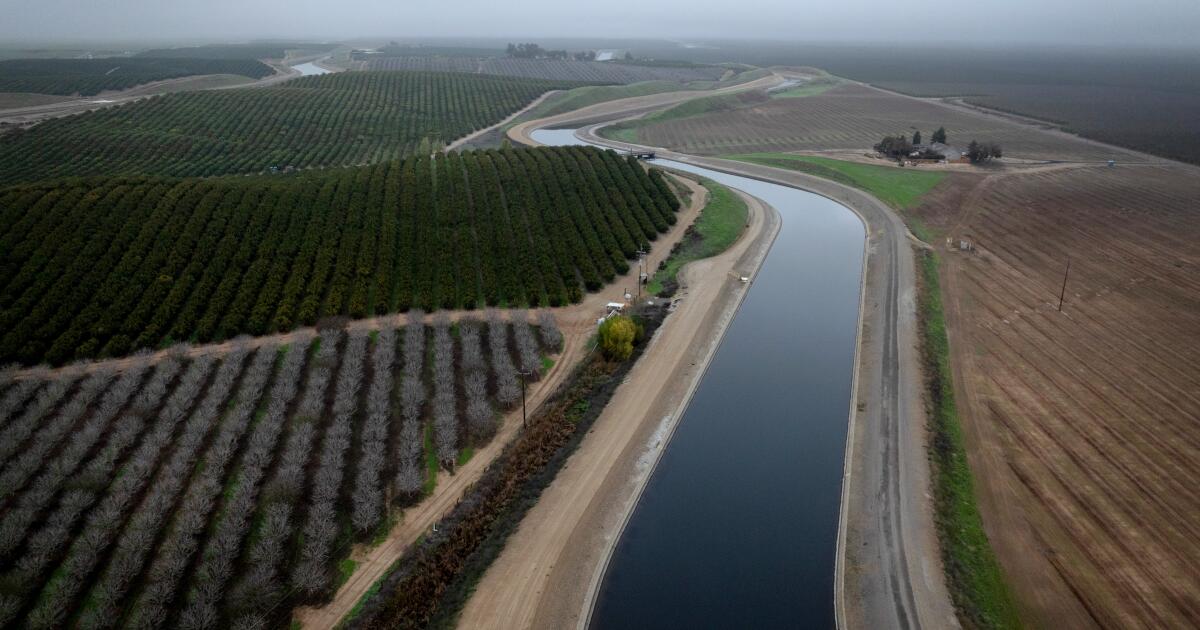
California will get $540 million for water projects, Trump administration announces

Entertainment29 minutes ago
Author Brian Doherty falls to his death; the libertarian is recalled as a champion of freedom

Florida1 year ago
Florida High School Football Rankings: Top 25 teams – Oct. 21

Oregon2 years ago
How old is Bo Nix? What to know about Oregon quarterback ahead of 2024 NFL Draft

Connecticut2 years ago
Cleary's 21 help Le Moyne down Central Connecticut State 69-64 in OT

Virginia2 years ago
99th annual Pony Swim held in Virginia

Indiana2 years ago
Indiana Members Credit Union announced as new anchor tenant at Bottleworks District

World1 hour ago
Ukraine ‘informally’ opens all six clusters in EU membership bid

News2 hours ago
World Baseball Classic scores, results: Venezuela defeats Team USA to win first WBC title

News11 hours ago
Map: Small Earthquake Shakes Northern California

Politics12 hours ago
Mamdani references Palestinian ‘genocide’ during St Patrick’s Day event

World13 hours ago
Ex-Belgian diplomat ordered to stand trial over murder of Congo’s Lumumba
-

 Oklahoma1 week ago
OSSAA unveils Class 6A-2A basketball state tournament brackets, schedule
-

 Oklahoma3 days ago
Family rallies around Oklahoma father after head-on crash
-

 Michigan1 week ago
Operation BBQ Relief helping with Southwest Michigan tornado recovery
-

 Nebraska5 days ago
Wildfire forces immediate evacuation order for Farnam residents
-

 Southeast1 week ago
‘90 Day Fiancé’ alum’s boyfriend on trial for attempted murder over wild ‘Boca Bash’ accusations
-

 Health1 week ago
Ancient herb known as ‘nature’s Valium’ touted for improving sleep and anxiety
-

 Connecticut1 week ago
Exclusive | Ex-CBS anchor Josh Elliott back on Connecticut dating scene after ugly Liz Cho split
-

 Georgia2 days ago
How ICE plans for a detention warehouse pushed a Georgia town to fight back | CNN Politics