


The tech trial of the year, Musk v. Altman, was ultimately a fight for control. Elon Musk argued that Sam Altman, with whom he helped found the now-massive company OpenAI, shouldn’t direct the future of AI. Altman’s lawyers, in turn, poked at Musk’s own credibility. A jury came to a verdict on Monday after just two hours of deliberation, dismissing Musk’s claims due to the statute of limitations.
Technology
LG will release the first 1000Hz, 1080p gaming monitor this year


If you just can’t choose between refresh rate and resolution, LG’s next gaming monitor could solve your problem, as the UltraGear 25G590B monitor is the first one announced that will be capable of a native 1000Hz refresh rate at 1,920 x 1,080 resolution. So far, the 1,000Hz models we’ve seen have only been capable of 720p at the most, but this 24.5-inch IPS display does not have that limitation, as the company says it’s ready for esports competitors (whether they’re in an FPS or Excel), who need maximum responsiveness.
LG hasn’t revealed the 25G590B’s price or release date beyond “second half of 2026,” but said it has a “minimalist” stand, an integrated hook for headset storage, and customizable lighting. More information will be available on LG’s website here.
Of course, there are also AI-enabled features, too:
The 25G590B incorporates on-device gaming AI features designed to boost both immersion and usability. AI Scene Optimization adds visual realism and depth by intelligently adjusting picture settings according to game genre, while AI Sound presents a more authentic spatial audio experience along with clearer in-game communications (when using a compatible headset). These AI-driven capabilities complement the monitor’s ultra-fast performance to create the ideal platform for competitive gaming.


Food delivery drones launch in NJ
FOX Business correspondent Madison Alworth reports on drone food delivery services launching in New Jersey on ‘America Reports.’
NEWYou can now listen to Fox News articles!
Your next Papa Johns order could soon drop from the sky. Just do not expect a large pepperoni pizza to come floating down yet.
Papa Johns has launched a drone delivery test with Wing, the drone company owned by Alphabet. The first flights are happening near Sun Valley Commons in Indian Trail, North Carolina, outside Charlotte. Eligible customers can order through the Wing app and receive a limited menu of Papa Johns Oven Toasted Sandwiches, including Philly Cheesesteak, Chicken Bacon Ranch and Steak & Mushroom.
Even though Little Caesars is already testing drone delivery for full-size pizzas in Texas, Papa Johns is taking a different route: sandwiches first. For now, the company is using a smaller, drone-friendly menu while it works with Wing on aerodynamically designed packaging that could help future pizza orders fly more smoothly.
Sign up for my FREE CyberGuy Report
- Get my best tech tips, urgent security alerts and exclusive deals delivered straight to your inbox.
- For simple, real-world ways to spot scams early and stay protected, visit CyberGuy.com – trusted by millions who watch CyberGuy on TV daily.
- Plus, you’ll get instant access to my Ultimate Scam Survival Guide free when you join.
UBER EATS TAKES FLIGHT WITH DRONE DELIVERIES
Papa Johns says drone delivery could eventually become part of its app-based ordering experience. (Wing)
Why Papa Johns drones are starting with sandwiches
A sandwich box is compact. A pizza box is wide, flat and fussy. Anyone who has ever carried a pizza home on the passenger seat of their vehicle knows the rule. Keep it level or prepare for a cheese landslide. That same problem gets trickier when a drone is involved. Drones have payload limits. They also need packages that fit their delivery systems and stay stable during flight.
That helps explain why Papa Johns is starting with sandwiches. Wing says the companies are also working on custom, aerodynamic packaging informed by both Papa Johns and Wing. In other words, the sandwich test may be the starting point, while the companies figure out how to package food for future drone delivery. So, for now, the sky is open for toasted sandwiches. The pizza has to wait.
How the Papa Johns drone delivery test works
The test is limited to residents near Sun Valley Commons in Indian Trail, North Carolina. Eligible customers can place orders through the Wing app and choose from a curated menu of Papa Johns Oven Toasted Sandwiches. Charlotte-area residents can check delivery eligibility and sign up for updates through Wing’s delivery page at wing.com/get-delivery
For now, customers order through Wing. However, the longer-term plan is to connect Wing’s drone network directly with Papa Johns’ own app and its proprietary AI-powered food ordering agent, powered by Google Cloud. That could eventually make drone delivery feel less like a separate test and more like another delivery option inside the Papa Johns ordering experience. Wing says the goal goes beyond one restaurant test. This is Wing’s first direct partnership with a national restaurant brand. It also builds on Papa Johns’ existing relationship with Alphabet through Google Cloud. The company sees the partnership as a way to build a broader model for AI-powered restaurant ordering and drone delivery.
“This partnership is a true collaboration, bringing together Wing’s pioneering technology and Papa Johns commitment to innovation,” said Heather Rivera, Chief Business Officer at Wing. “Together, we are defining a new blueprint for how agentic commerce and industry-leading operational design will shape the future of food delivery.”
Papa Johns says the effort is about building the future of hot delivery. That means more than strapping food to a drone. Workers need to prepare orders differently. Restaurants need space for pickup. The packaging has to survive the trip. The technology also has to fit into a busy lunch or dinner rush without slowing the store down. That last part may be the real test. A drone delivery system only works if it helps during the chaos, not after it.
ROBOTS ARE TAKING OVER UBER EATS DELIVERIES. IS YOUR CITY NEXT?
Papa Johns is testing drone delivery with Wing in Indian Trail, North Carolina, starting with a limited sandwich menu. (Wing)
Why pizza is such a tough drone delivery challenge
Pizza seems perfect for fast delivery. It is hot, familiar and often ordered by people who want food quickly. Yet pizza boxes create several problems for drone companies. A pizza box has a large surface area. That can affect stability. The box also needs to stay flat. A sandwich can tolerate a little movement. A hot pizza with melted cheese and toppings cannot.
That is why other companies have been working on bigger drones and special delivery setups. Flytrex recently announced a partnership with Little Caesars in Wylie, Texas, using its Sky2 drone. The company says the drone can carry up to 8.8 pounds, travel up to four miles and deliver up to two large pizzas with drinks. That shows pizza delivery by drone can happen. It also shows why Papa Johns may be taking a slower path.
Drone delivery is still a local experiment
Drone delivery has been talked about for years, but it still feels rare for many communities. Wing already works with companies such as Walmart and DoorDash, and it has expanded service in several metro areas.
Still, the business has to clear several hurdles. The weather can disrupt flights. Regulations can limit how drones operate. Restaurants have to train staff. Customers also need to live in the right delivery zone. Then there is the money. A drone can look amazing in a promo video. The tougher question is whether each delivery makes financial sense when the system runs every day.
MAN VS MACHINE: PHILADELPHIANS AREN’T TAKING KINDLY TO SHARING SIDEWALKS WITH DELIVERY ROBOTS
Papa Johns and Wing are testing drone-friendly packaging that could help future pizza deliveries take flight. (Wing)
What this means to you
If you live near the test area, this could be a fun way to try a faster food delivery option. It may also give you a preview of where takeout is heading. However, drone delivery will probably roll out in small steps. At least at first. Customers need to live in the right delivery zone, order through the right app and choose items the drone system can carry safely.
The bigger shift could come later. If Wing’s system connects directly with the Papa Johns app, customers may eventually see drone delivery as one more option at checkout. That would make the experience feel much more normal than opening a separate drone app just to order lunch. For customers, the biggest benefits could be speed and convenience. A drone can avoid traffic, parking issues and some of the delays that hit traditional delivery during peak hours.
At the same time, there are practical questions. People may wonder about noise, safety, privacy and whether drones belong over our neighborhoods. Those concerns will no doubt grow as more restaurants join in.
Take my quiz: How safe is your online security?
Think your devices and data are truly protected? Take this quick quiz to see where your digital habits stand. From passwords to Wi-Fi settings, you’ll get a personalized breakdown of what you’re doing right and what needs improvement. Take my Quiz here: CyberGuy.com
Kurt’s key takeaways
Papa Johns flying sandwiches instead of pizza feels a little backwards at first. After all, it is a pizza chain. But once you think about a hot pie bouncing around under a drone, the sandwich-first approach starts to make sense. The company gets to test the tech, customers get a faster delivery option and the pizza stays with the regular delivery crew until the drone setup can handle a hot pie without turning it into a cheesy mess.
CLICK HERE TO DOWNLOAD THE FOX NEWS APP
If drone delivery becomes common, would you be excited to get dinner dropped from the sky, or would all those buzzing drones over your neighborhood drive you crazy? Let us know by writing to us at CyberGuy.com
Sign up for my FREE CyberGuy Report
- Get my best tech tips, urgent security alerts and exclusive deals delivered straight to your inbox.
- For simple, real-world ways to spot scams early and stay protected, visit CyberGuy.com – trusted by millions who watch CyberGuy on TV daily.
- Plus, you’ll get instant access to my Ultimate Scam Survival Guide free when you join.
Copyright 2026 CyberGuy.com. All rights reserved.

In a strictly legal sense, three weeks of testimony added up to nothing. But the trial offered a more damning broader takeaway: Almost nobody in this saga seems worth trusting. Some of the most powerful people in tech seem temperamentally incapable of dealing with each other honestly. And if that’s true, it raises a bigger question: Why are they in control of a trillion-dollar industry that’s set to upend people’s lives?
OpenAI was, in the testimony of both Musk and Altman, founded to stop powerful AI from being owned and advanced by the wrong people. Testimony and evidence showed its founding team fretting about who would control artificial general intelligence (AGI), a buzzword for AI that broadly equals or surpasses human knowledge and ability. They deeply feared Google DeepMind and its leader, Demis Hassabis. In 2015, Altman said he’d been mulling over whether anything could “stop humanity from developing AI” — and after concluding it was impossible, that he wanted “someone other than google to do it first.”
Fellow cofounders Greg Brockman and Ilya Sutskever so strongly opposed one-person control that they seemed willing to torpedo a lucrative deal that could — in their words — give Musk an “AI dictatorship.” In a part of the same email addressed to Altman, Brockman and Sutskever questioned his motivations, writing, “We haven’t been able to fully trust your judgements throughout this process … Is AGI truly your primary motivation? How does it connect to your political goals?”
These concerns would be quickly borne out. A central focus of Musk v. Altman was “the blip,” a five-day period in November 2023 when OpenAI’s board removed Altman as CEO. Sutskever had spent more than a year architecting his ouster, assembling a 52-page memo alleging “a consistent pattern of lying, undermining his execs, and pitting his execs against one another.” The implications were broader than executive infighting, potentially impacting the public rollout of AI systems. Then-CTO Mira Murati, for instance, testified in court that Altman told her OpenAI’s legal team had okayed skipping a safety review for one of its models — a statement, she said, that turned out to be false.
In closing arguments, Musk attorney Steven Molo hammered home the long list of people who had testified under oath that Altman was, in one way or another, a liar — all of whom Altman had worked with for years. “The defendants absolutely need you to believe Sam Altman,” Molo told the jury. “If you cannot trust him, if you don’t believe him, they cannot win. It’s that simple.”
But during court proceedings, Musk — who now leads competing lab xAI, under his space company SpaceX — didn’t come off any better. Joshua Achiam, now OpenAI’s chief futurist, testified that Musk’s race against Google led him to take an “obviously unsafe and reckless” approach to achieving AGI. When he and others raised concerns, he says, Musk argued that OpenAI’s for-profit makeover created incentives to disregard safety, but his own xAI is for-profit and has, at best, a haphazard approach to safety. And in the name of making sure OpenAI remained open, Musk was obsessive in his need for control over it. In closing arguments, Sarah Eddy, one of OpenAI’s attorneys, told the jury that Musk “wanted dominion over AGI.”
As one X user put it, “if untrustworthyness had mass, putting Musk and Altman too close to one another would collapse the courtroom and all of earth into a black hole.”
OpenAI and Musk did not immediately respond to requests for comment.
It’s not just Musk and Altman, either. Trial evidence suggested Murati helped get Altman removed, then switched sides to support his reinstatement while appearing “totally uninterested” in disclosing the role she’d played. Shivon Zilis, a close Musk associate who served on OpenAI’s board, asked Musk if he’d “prefer I stay close and friendly to OpenAI to keep info flowing” during his departure — avoiding revealing that she had two children with him at the time. Brockman’s diary entries played a key role in Musk’s case; at one point, he admitted Musk could “correctly” claim “we weren’t honest with him” if OpenAI made a for-profit shift without his involvement.
Musk v. Altman gave each man an opportunity to sling dirt at the other and, in theory, establish himself as the more scrupulous guardian of AI. But a more obvious takeaway is that several of the AI industry’s household names are at best naive — and, at worst, hypocrites with little regard for the consequences of their actions.
Public sentiment about AI is at an all-time low. In a Pew Research survey from last summer, half of US adults said the “increased use of AI in daily life makes them feel more concerned than excited” — and only 10 percent said they felt more excited than concerned. Many of these concerns are related to job loss, but protests are also surging against mass data center construction across the country. Some resistance has turned potentially violent, with individuals allegedly attempting to attack Altman’s home on two occasions. And many tech CEOs themselves maintain that they have bunkers or other doomsday-prepping plans for if things go horribly wrong.
These companies push public messaging that AI empowers its users. But a 2025 Pew Research study found that nearly 60 percent of US adults feel they have little to no control over how AI is used in their lives. In the US, the prospect of meaningful government regulation — which could at least offer some level of external oversight — remains shaky. And now, it’s clearer than ever how far the AI world’s biggest players will go to maintain control.
Amid the trial’s reams of evidence, one document offers a rare example of Altman and Musk offering to cede some power. In March 2015, Altman emailed Microsoft CEO Satya Nadella with a simple request: Sign a letter that he and Musk were drafting, asking the US government to establish “a new regulatory agency for AI safety” and address “the biggest risk to the continued existence of humanity that most people are ignoring.” Weeks later, Nadella responded to shut down the idea. The “issue of human safety and the control problem will become real issues,” he said. But executives, he insisted, should be calling for “federal funding and encouragement of research,” not oversight. Altman promptly agreed. The letter, he promised, would be changed — leaving the option of regulating the AI industry “if and when.”
Follow topics and authors from this story to see more like this in your personalized homepage feed and to receive email updates.

NEWYou can now listen to Fox News articles!
An unexpected recall text message pops up on your phone. It mentions a familiar company like Amazon, a specific order and a possible safety issue. As a result, it is meant to grab your attention fast.
In the text we received, the message claims that an item from a February 2026 order has been recalled. Next, it tells you to stop using it and click a link for a refund. It also signs off as “Amazon Account Support Team.”
It looks convincing, yes. But when you look a little closer, the red flags start to show up.
Sign up for my FREE CyberGuy Report
- Get my best tech tips, urgent security alerts and exclusive deals delivered straight to your inbox.
- For simple, real-world ways to spot scams early and stay protected, visit CyberGuy.com – trusted by millions who watch CyberGuy on TV daily.
- Plus, you’ll get instant access to my Ultimate Scam Survival Guide free when you join.
AMAZON ALERTS CUSTOMERS ABOUT IMPERSONATION SCAMS
A fake Amazon recall text may use a familiar company name, order number and safety warning to push users into clicking a suspicious link. (Kurt “CyberGuy” Knutsson)
How this Amazon recall scam text works
Let’s walk through what this message is doing and why it raises concern.
It comes from an unfamiliar or unknown number
This is the first red flag. That alone should make you pause. Legitimate companies usually contact you through verified channels tied to your account, not random text numbers. Amazon says it will never ask for sensitive information outside its official website or app.
“Dear Amazon Customer,”
Companies like Amazon usually address you by your name. A generic greeting signals mass messaging.
“This update applies to an item recorded in your February 2026 order (Order No. 113-6285795-7079515).”
Scammers often include an order number to build trust. It looks official. However, it doesn’t prove the sender has access to your real account.
“Following a recent review, the item has been found to significantly fall short of expected quality standards and is now subject to a recall action.”
The language sounds formal but vague. Notice what is missing. The message never names the product, which is something a real recall would always include.
“Please stop using the item for now.”
This line adds urgency. Safety concerns push you to act quickly without verifying details.
“Please follow the link below to review recall details and request a refund online.”
This is the core of the scam. It tries to move you off the platform and onto a link the sender controls.
The link: https://rzxr.vxybcf.xxx/…
This is one of the biggest red flags. The domain has nothing to do with Amazon. It looks random and disposable. Legitimate messages from Amazon use official domains like amazon.com.
“Customer safety remains a priority.”
This sounds reassuring, but adds no real information. It is filler to make the message feel polished.
“Amazon Account Support Team”
Another generic sign-off. Real emails or texts from Amazon often include more structured branding and consistent formatting.
FBI WARNS OF DANGEROUS NEW ‘SMISHING’ SCAM TARGETING YOUR PHONE
Scam texts claiming to be from Amazon may direct users to fake refund pages designed to steal passwords or payment details. (iStock via Getty Images)
Red flags in this Amazon recall text scam
A few simple checks can quickly tell you something is off:
- Comes from an unfamiliar or unknown number
- Uses a generic greeting
- Doesn’t name the product
- Includes a suspicious link
- Pushes urgent action
When you see several of these at once, treat the message as a scam.
What happens if you click an Amazon scam link
That link likely leads to a fake page designed to look like a real Amazon site. From there, a few things can happen. You may be asked to log in. That gives attackers your username and password. You may be asked for payment details under the idea of “processing a refund.” You could also trigger a download that installs malware. The goal is always the same. Get your data or access to your accounts.
“Scammers that attempt to impersonate Amazon put consumers at risk. We will continue to invest in protecting consumers and educating the public on scam avoidance”, an Amazon spokesperson told Cyberguy. “We encourage consumers to report suspected scams to us so that we can protect their accounts and refer bad actors to law enforcement to help keep consumers safe. Please visit our help pages to find additional information on how to identify scams and report them at amazon.com/ReportAScam.”
How to stay safe from Amazon text scams
A few simple checks can help you spot the scam early and protect your account before any damage is done.
1) Verify orders and contact Amazon through official channels
Open the Amazon app or type amazon.com into your browser. Do not use the link in the text. Amazon says that when a product is recalled, affected customers are notified through official channels such as email, push notifications and a dedicated “Your Recalls and Product Safety Alerts” page within their account. Check your Orders page and the “Your Recalls and Product Safety Alerts” section. If anything still seems unclear, contact Amazon Customer Service directly. Never use the contact details provided in the message.
2) Avoid tapping unknown links
That shortened or random-looking domain is a major warning sign. Even if the message looks polished, treat any unfamiliar link as unsafe. If you want to investigate, go to the company’s official site on your own.
3) Use strong antivirus software to block malicious links
If you accidentally tap a link like this, strong antivirus software can help stop harmful sites from loading or block downloads before they install. Many tools now include real-time protection against phishing links, which adds a layer of defense when a scam slips through. Get my picks for the best 2026 antivirus protection winners for your Windows, Mac, Android and iOS devices at CyberGuy.com.
4) Use the Report Spam feature on your phone
Scroll to the bottom of the message and tap Report Spam or Report Junk. This helps your device and carrier block similar messages in the future. It also flags the number for others.
MASSIVE SCAM SPREADING DESIGNED TO TRICK YOU AND STEAL YOUR MONEY
Amazon recall scam messages often use generic greetings, unknown numbers and vague product details to target unsuspecting shoppers. (iStock)
5) Consider identity theft protection after a scam attempt
If you entered any personal information, keep an eye on your accounts. Identity theft monitoring services can alert you to suspicious activity, such as new accounts opened in your name or unusual credit changes. That kind of early warning can make a big difference. See my tips and best picks on Best Identity Theft Protection at CyberGuy.com.
6) Remove your personal data from public databases
Scammers often rely on personal details to make messages feel convincing. Data removal services can help reduce how much of your information is available online, making it harder for criminals to target you with personalized scams. Check out my top picks for data removal services and get a free scan to find out if your personal information is already out on the web by visiting CyberGuy.com/FreeScan.
7) Watch for urgency and pressure
Be cautious of urgent language. Scammers often try to pressure you into acting immediately before you have time to verify the message. Take a moment to verify. A real recall will still be there after you check it through official channels.
8) Protect your accounts with stronger login habits
Turn on two-factor authentication (2FA) wherever possible. Use unique passwords for each account. A password manager can make that easier and reduce risk if one account is exposed. Check out the best expert-reviewed password managers of 2026 at CyberGuy.com.
9) Keep your device updated and secure
Make sure your phone’s software is up to date. Security updates can help block malicious links and downloads before they cause harm.
Kurt’s key takeaways
A text like this can look convincing. That’s exactly what it is designed to do. It uses a familiar name like Amazon and urgency to push you into acting fast. Slow down, take a closer look and the red flags start to show up. If something feels off, trust that instinct and verify it before you click anything.
CLICK HERE TO DOWNLOAD THE FOX NEWS APP
Would you have clicked that link if it showed up on your phone during a busy day? Let us know by writing to us at CyberGuy.com.
Sign up for my FREE CyberGuy Report
- Get my best tech tips, urgent security alerts and exclusive deals delivered straight to your inbox.
- For simple, real-world ways to spot scams early and stay protected, visit CyberGuy.com – trusted by millions who watch CyberGuy on TV daily.
- Plus, you’ll get instant access to my Ultimate Scam Survival Guide free when you join.
Copyright 2026 CyberGuy.com. All rights reserved.
-
Oregon5 minutes ago
Oregon Lottery Powerball, Pick 4 results for May 18
-

 Rhode Island17 minutes ago
RI Philharmonic announces 2026 Summer Pops theme, schedule
-

 South-Carolina23 minutes ago
Where to watch Tennessee-South Carolina baseball: TV, channel, stream
-

 South Dakota29 minutes ago
South Dakota expands ICE partnership to boost deportations, save money
-

 Tennessee35 minutes ago
Tick bites rising in 2026: Symptoms, diseases to watch in Tennessee
-

 Texas41 minutes ago
How Tommy Moffitt became Texas A&M’s culture‑changing X‑Factor
-
 Utah47 minutes ago
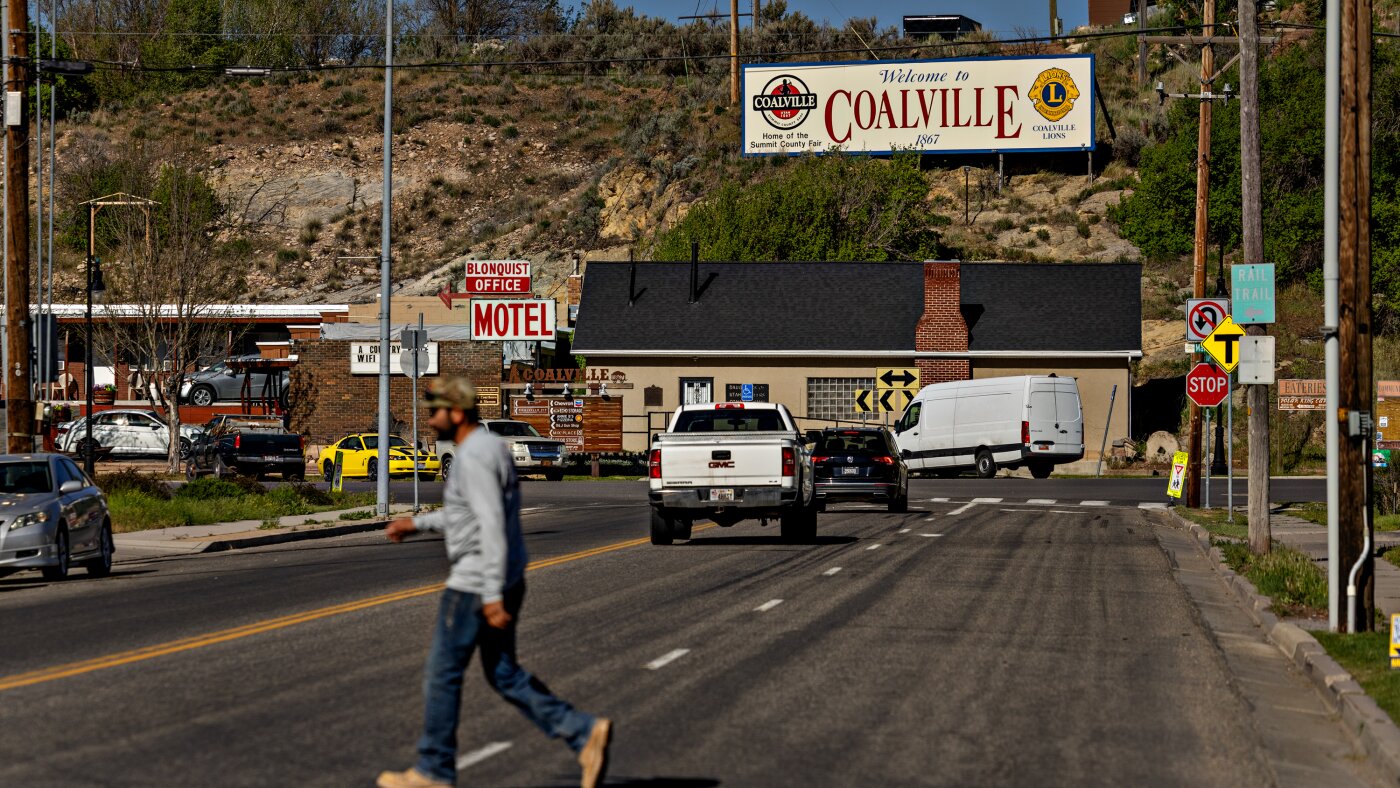
In conservative Utah, some communities are ditching fossil fuel power for clean energy
-
Vermont53 minutes ago
VT Lottery Powerball, Gimme 5 results for May 18, 2026

