Oklahoma
If Oklahoma is Going to Course Correct, Defense is the First Priority


NORMAN — Against Gonzaga, Oklahoma was crushed on the glass and in the paint. The Sooners were never able to gain footing while the Bulldogs punished their interior defense and general toughness — causing Porter Moser to explicitly call for his wings to be more decisive going for a rebound.
Then OU traveled to Sioux Falls, SD to take on Nebraska where the Cornhuskers caught fire late in the first half, never to look back.
Two losses where Oklahoma was dominated inside in one and on the perimeter in the other. Now, Moser is calling upon himself to get his team to return to a better defensive mindset.
“It starts with me,” Moser said on Wednesday. “We got to get our defense back. That’s a (Moser) coached team that I put out there. Usually has a better defense, and it’s being addressed.”
The Sooners are staring at a two-game home stand against Oral Roberts on Thursday (7 p.m., SEC Network+) and Alcorn State on Sunday (1 p.m., SEC Network+) where they will have an opportunity to get back on track defensivley.
“I think ORU does a phenomenal job of moving,” Moser said. “They move and they cut. They have great little movement, great little actions. They’ve got great shooters. They’re really trying to shoot a lot of threes.”
Moser’s right — Oral Roberts likes to shoot a lot of threes. Glancing at their percentages (a hair under 30% from three) will give you the impression that there’s little cause for concern for the Sooner perimeter defense.
But the Golden Eagles lead the Summit League in three-point attempts by a large margin. To date, Oral Roberts has launched 195 threes, with North Dakota State’s 158 good enough for second. Needless to say, Oklahoma will have its hands full from the sheer number of attempts.
“We need habits off the ball right now,” Moser said. “We need habits off the ball and rebounding. It’s instinct. Those are two off-the-ball things that we’ve not done in those two losses.
“I do believe our defense is going to get better, get fixed, starting with me and continue to grow a lot of new guys coming together,” Moser added.
Moser’s passion is apparent when he pontificates about coaching better and inspiring better defensive efforts. But as any coach will tell you, it comes down to the players executing. Moser can tell them what to do, but he doesn’t want to see players with their “head’s above their feet, relaxing.”
Xzayvier Brown will be called upon to lead that effort on the perimeter defensively.
“Every detail and possession is important,” Brown said. “This team is very mature and not dwelling on the loss.”
Brown stressed that the team focused on defense immediately following the loss to Nebraska. His 20 points against the Cornhuskers helped keep the Sooners afloat — along with Nijel Pack’s season-high 27-point performance — but he understands that this team is built to defend.
“In both (losses) there were spurts where we played good defense, but there were also spurts where we didn’t,” Brown said. “We’re trying to put a full game together on defense.”
Oklahoma has the blueprint, they just need to put it together. Oral Roberts will offer a chance to redeem the porous perimeter defensive effort from last Saturday.


In this week’s Your Vote Counts, Oklahoma’s Own Scott Mitchell leads Jason Dunnington and Sen. Paul Rosino in a discussion about new Oklahoma laws, including those addressing data centers. Other topics include inflation and the ongoing impact of the war in Iran.

Looking for the perfect spot to celebrate Independence Day in Oklahoma this year? From massive fireworks displays over Grand Lake to food truck festivals and live music across the OKC metro, communities are pulling out all the stops to celebrate the Declaration of Independence. Grab your lawn chairs, round up the family, and get ready for an unforgettable week of summer fun. Here is your ultimate guide to the best Fourth of July events happening right in your backyard!
Key takeaways
- The bigger picture: Oklahoma communities are going all out for Independence Day in 2026, with celebrations spanning from Norman’s four-day Fourth Fest to major fireworks displays in Edmond, Tulsa, and on Grand Lake — giving families across the state plenty of options close to home.
- More details: Highlights include Liberty Fest in Edmond, one of the largest fireworks displays in the metro area, the Duck Creek Fireworks on Grand Lake featuring a War Bird flyover tribute synchronized to patriotic music, and Tribute to Liberty in Midwest City, which combines live music, a laser show, and fireworks in honor of the Declaration of Independence’s 250th anniversary.
- Why this matters: This year’s celebrations carry extra weight as part of America’s semiquincentennial, with several events — including Tribute to Liberty and the Duck Creek Fireworks — built around honoring both the nation’s founding and the service members who’ve defended it.
- Date: 9:45 p.m. July 1-4
- Location: Reaves Park; 2501 S Jenkins Ave., Norman
This year’s Fourth Fest is bigger than ever before, spanning four days. The city has added additional programming across multiple parks. Before the fireworks, enjoy a wide range of attractions including bouncy houses, local vendors, food trucks, pony rides, and a petting zoo. The fireworks show begins at 9:45 p.m. on July 4.
- Date: 8:30 p.m. July 3
- Location: Scissortail Park, 300 SW 7th St., Oklahoma City
OKCPHIL’s Red, White, and Boom concert is a high-energy celebration that brings the community together for an unforgettable summer evening of music. The Oklahoma City Philharmonic performs a vibrant program of American classics, fan favorites, and patriotic anthems.
- Date: 6-10 p.m. July 3
- Location: Boomer Lake Park; 2310 E Lakeview Road, Stillwater
This Independence Day celebration will include area vendors, food trucks, hometown hospitality, and a fireworks show. Free parking will be available at Stillwater High School’s Pioneer Stadium.
- Date: July 3-4
- Location: Yukon City Park & Chisholm Trail Park, 2200 S Holly Ave., Yukon
Bring the whole family to Freedom Fest in Yukon! Experience a lineup of live outdoor concerts, peruse the food trucks on site, and enjoy the activities for kids.
- Date: 2-10 p.m. July 4
- Location: Buck Thomas Park, 1903 NE 12th St., Moore
Enjoy one of the largest fireworks shows in the state with food trucks, vendors, and activities throughout the day. Admission is free. Fireworks will begin around 9:45 p.m.
- Date: 7-10 p.m. July 4
- Location: Joe B. Barnes Regional Park, 8700 E Reno Ave., Midwest City
Bring your chairs and join Midwest City in its celebration of the 250th anniversary of the Declaration of Independence. Enjoy food trucks, games, The Wise Guys performing live on stage, a huge fireworks display, and a laser show.
- Date: 9:30 p.m. July 4
- Location: University of Central Oklahoma; 100 N University Drive, Edmond
Liberty Fest’s grand finale is one of the largest fireworks displays in the metro area. Bring your entire family to witness the spectacular show. Parking is available in lots on campus.
- Date: July 4
- Location: Grand Lake O’ the Cherokees, 32888 S 4507 Road, No. 8123, Afton
Duck Creek Fireworks is the longest-running tradition on Grand Lake. Keep an eye out for the highly anticipated War Bird flyover, a tribute to the men and women serving overseas. The fireworks, beginning at sunset, will be synchronized to patriotic music.
- Date: July 4
- Location: River West Festival Park, 2100 S Jackson Ave., Tulsa
Celebrate America’s independence at Tulsa’s annual FreedomFest celebration. This celebration includes all-ages entertainment and a variety of activities and tasty concessions. FreedomFest features one of the largest free fireworks displays in Oklahoma.


Odds of winning the Powerball and Mega Millions are NOT in your favor
Odds of hitting the jackpot in Mega Millions or Powerball are around 1-in-292 million. Here are things that you’re more likely to land than big bucks.
The Oklahoma Lottery offers several draw games for those aiming to win big.
Here’s a look at June 27, 2026, results for each game:
Winning Powerball numbers from June 27 drawing
03-16-28-30-59, Powerball: 11, Power Play: 2
Check Powerball payouts and previous drawings here.
Winning Lotto America numbers from June 27 drawing
03-08-18-22-39, Star Ball: 06, ASB: 02
Check Lotto America payouts and previous drawings here.
Winning Pick 3 numbers from June 27 drawing
3-6-9
Check Pick 3 payouts and previous drawings here.
Winning Cash 5 numbers from June 27 drawing
15-17-20-25-26
Check Cash 5 payouts and previous drawings here.
Winning Powerball Double Play numbers from June 27 drawing
02-26-34-43-45, Powerball: 15
Check Powerball Double Play payouts and previous drawings here.
Winning Millionaire for Life numbers from June 27 drawing
26-32-38-51-52, Bonus: 05
Check Millionaire for Life payouts and previous drawings here.
Feeling lucky? Explore the latest lottery news & results
Are you a winner? Here’s how to claim your lottery prize
- Sign Your Ticket: Please make sure to sign and complete the back of your ticket
- You have 180 days from the draw date to claim your prize.
- Prizes up to $600: Can be claimed at any Oklahoma Lottery retailer or at the Oklahoma Lottery Winner Center, located at 300 N. Broadway in downtown Oklahoma City. Hours of operation are Monday – Friday 7:30 am – 4:00 pm.
- Prizes from $601 to $49,999: These can be claimed at the Oklahoma Lottery Winner Center or by mail. Payments can be issued as a check or direct deposit (ACH). Claiming in person requires a photo of the front and back of the winning ticket, a valid ID, official proof of Social Security number and a completed claim form.
- Prizes of $50,000 or more: These can be claimed in person at the Oklahoma Lottery Winner Center or by mail. Payment options include check or ACH. Bring a photo of the front and back of the winning ticket, proof of Social Security number, a completed claim form, and valid ID.
Mail-in Claims: Mail the original signed ticket and a completed claim form to the Oklahoma Lottery, P.O. Box 548810, Oklahoma City, OK 73154. For direct deposit, include a voided check or bank letter with your account details. Non-winning tickets are not accepted, and Oklahoma Lottery assumes no responsibility for lost or stolen mail.
For additional details, refer to the official Oklahoma Lottery claim page.
When are the Oklahoma Lottery drawings held?
- Powerball: 9:59 p.m. CT Monday, Wednesday and Saturday.
- MEGA Millions: 10 p.m. CT Tuesday and Friday.
- Lucky for Life: 9:38 p.m. CT daily
- Lotto America: 9:15 p.m. CT Monday, Wednesday and Saturday.
- Pick 3: 9:10 p.m. CT daily.
- Cash 5: 9:10 p.m. CT daily.
- Powerball Double Play: 9:59 p.m. CT Monday, Wednesday and Saturday.
- Millionaire for Life: 10:15 p.m. CT daily.
This results page was generated automatically using information from TinBu and a template written and reviewed by an Oklahoma editor. You can send feedback using this form.
-
 Lifestyle14 minutes ago
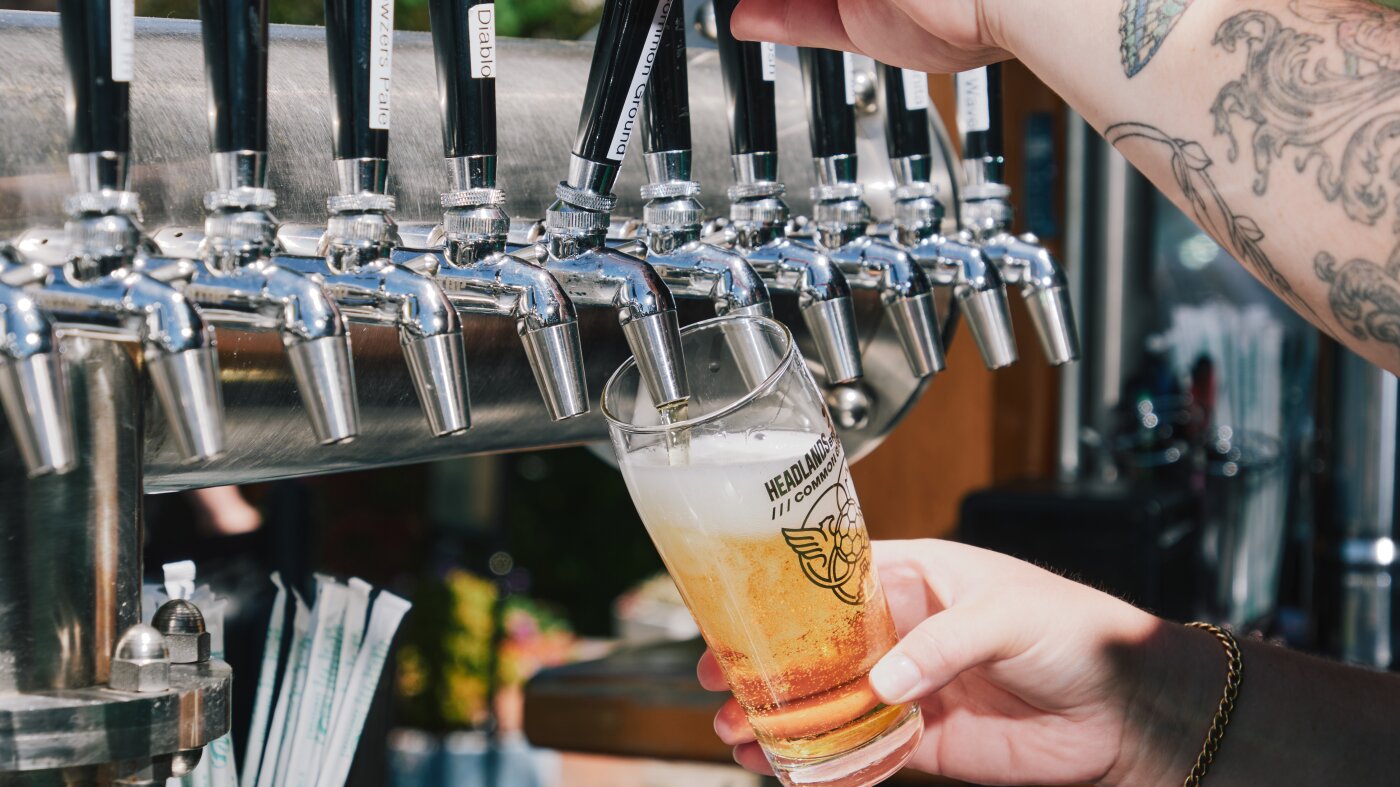
3 World Cup rivals find ‘Common Ground’ in a cross-border beer
-

 Technology26 minutes ago
The Flipper Zero creators’ Busy Bar productivity display will go on sale next month
-

 World29 minutes ago
Families watch in horror as skydiving plane crashes in France, killing all 11 aboard
-

 Politics34 minutes ago
DOJ launches grand jury probe into Marxist mogul Neville Roy Singham’s funding of leftist groups
-

 Health41 minutes ago
America’s lifespan has doubled since 1776 — experts reveal what changed
-

 Sports44 minutes ago
Thekla embarrasses Stardom’s Starlight Kid after retaining AEW World Women’s Championship at Forbidden Door
-

 Technology49 minutes ago
AI may spot deadly heart risk in a routine ECG
-
 Business56 minutes ago
SpaceX IPO sparks race for luxury housing in Southern California

