Mississippi
Weekend Getaway Guide: Biloxi, Mississippi


Named after the Native American tribes who originally inhabited the land as early as 8000 BCE, Biloxi was officially established in 1699 by Pierre Le Moyne D’Iberville as the first French settlement in the Mississippi Valley. Today, it’s known for its towering casino resorts offering endless entertainment and round-the-clock gambling, but you needn’t be a high roller to enjoy this coastal community. Known as the Seafood Capital of the World in the early 1900s, Biloxi is brimming with fresh-catch restaurants and eager to share its historic schooners and nautical instruments at the Maritime and Seafood Industry Museum. Back in town, the renowned Ground Zero Blues Club brings you up close with celebrated musicians, and come October, Biloxi hosts what USA Today calls the number one annual car show in the U.S., Cruisin’ the Coast. So whether you’re there for the slot machines, the shrimp and grits, or the vintage cars, odds are you’ll have a good time.
FRIDAY

Courtesy Coastal Mississippi
CHECK-IN ➞ Mere steps from the beach, the White House Hotel offers a boutique escape away from the flashy high-rise casinos in a stately, white-columned 1890 mansion. Formerly the private home of Walter and Cora White, it evolved over the years into a boarding house and then a full hotel after the tourism boom of the 1920s. Though it holds more than 130 years of history, it doesn’t show its age, with modern decor and amenities, along with an ocean-facing pool. Ongoing renovations and additions will include 49 new rooms with French doors and balconies, as well as a full refresh of the on-site restaurant, Cora’s.
EVENING ➞ Hop onto Beach Boulevard for a quick drive over to dinner at centrally located Catch 110. One of the city’s newest restaurants, this surf-and-turf eatery with a loungey vibe serves dishes such as creamy crab au gratin and elk tenderloin with a blackberry balsamic reduction (and the complimentary cheddar biscuits are a highlight).
Even if slot machines and blackjack tables aren’t your thing, it’s worth at least stepping inside some of the sprawling casinos with their grand atriums. Top spots include Beau Rivage Resort & Casino, Hard Rock Biloxi, and Golden Nugget. All three feature live entertainment (including concerts and full theater productions), numerous restaurant and nightlife options, and splashy pools, in addition to hundreds of gaming opportunities.
SATURDAY
MORNING ➞ Fuel up for the day at downtown Greenhouse Biloxi, an artsy, female-owned cafe with an unmissable, pink-painted facade. The homemade sweet-potato biscuit sandwich, stuffed with pimento cheese, ham, and a fried egg, is an excellent breakfast choice; pair it with a specialty sip, such as the Age of Aquarius peanut butter and honey latte or the Biloxi Fog, made with earl grey tea and orange syrup.
Photo by Eddie Robinson

After breakfast, set sail on a Biloxi Shrimping Trip to learn firsthand about the area’s historic industry. The 70-minute cruise is not only instructive, but also interactive, with a trawling demonstration that allows visitors to see or even hold some of the net’s bounty.
Back on dry land, make your way to the architecturally stunning, Frank Gehry–designed Ohr-O’Keefe Museum, which showcases the life and art of Biloxi native George Ohr, aka “the Mad Potter.” The prolific ceramic artist’s groundbreaking work largely went unrecognized until well after his death. Admire the iconic, thin folds and twists of Ohr’s unglazed clay vessels and his Burned Babies, salvaged pieces from an 1894 fire that destroyed his studio.
AFTERNOON ➞ Stop for lunch at Shaggy’s, a coastal Mississippi favorite. The oceanfront restaurant offers plenty of patio seating overlooking the beach, so settle in and order the signature royal red shrimp roll (think of it as the Biloxi version of a classic New England lobster roll) or any of the fresh-caught seafood platters.
Courtesy Coastal Mississippi

Next, head back downtown for a bit of afternoon shopping and sightseeing. Pop into Marley’s Music for reasonably priced used records, Cornerstone Boutique for silk dresses and stylish hats, and Vintage Roots for a well-curated selection of antiques, from patterned Pyrex dishes to collectible trinkets. Gallery 782 artist co-op sells locally made art (paintings, pottery, jewelry— you name it) at all price points, making it great for stocking up on gifts. Be sure to check out the small-but-mighty Coastal Mississippi Mardi Gras Museum to learn about Biloxi’s celebrations since the early 20th century and marvel at the flamboyantly bejeweled outfits (you can even play dress-up with some of the glittering robes and feathered hats in the back room).
For a pre-dinner drink, Fly Llama Brewing is an ideal choice. Its range of creative beverages will delight all palates, with inventive hard seltzers in flavors like muscadine and pickle, margarita-inspired sours complete with Tajin rims, and nonalcoholic options such as a dry-hopped green tea.
Courtesy Coastal Mississippi

EVENING ➞ Dinner at White Pillars is a real treat. James Beard Award semifinalist Chef Austin Sumrall helms the Southern farm-to-table favorite, crafting one-of-a-kind, flavorful dishes such as Nashville-style hot fried oysters with housemade pickles and Alabama white barbecue sauce, crispy Caesar Brussels sprouts, and wood-grilled Gulf fish with crawfish curry.
Courtesy Coastal Mississippi

Finish the night at Ground Zero Blues Club, the Biloxi outpost of Morgan Freeman’s famous music establishment that showcases local blues acts in a lively setting (plus, they have a full food menu if you’re still feeling snacky). It’s a packed house even on weeknights, so be sure to grab tickets ahead of time.
SUNDAY
MORNING ➞ Beginning around 1975, the U.S. saw an influx of Vietnam War refugees coming into the country, with a large number seeking out the Gulf Coast for its familiar subtropical climate and fishing industry. The flourishing Vietnamese community drew the Nguyen family to Biloxi, where they opened breakfast-and-lunch spot Le Bakery in 1982. Today it’s a local grab-and-go favorite, serving up a wide assortment of fresh-made, fruit-filled pastries and loaded banh mi sandwiches. Grab a raspberry (or guava or chocolate) Danish, then sit at one of the picnic tables for a quick breakfast in the sunshine.
Courtesy Coastal Mississippi

Use your last hour or two in Biloxi to dive deeper into the coast’s shrimping and fishing history at the Maritime and Seafood Industry Museum. Three light-filled floors of exhibits include vintage vessels, antique equipment, and an extensive timeline that walks visitors through the local marine history, putting it into context of what was happening around the country and the world.
• • •
DAY TRIPS
Three coastal Mississippi destinations a short drive away
Artsy Enclave
Just across the Biloxi Bay Bridge lies Ocean Springs, a sweet, small town with a creative spirit. Visit the whimsical Walter Anderson Museum of Art, experience creative fine dining at Vestige, and shop for stunning blown glass and pottery at Hillyer House.
Fresh-Air Fun
Twenty miles from Biloxi, Pascagoula offers outdoorsy activities along with a vibrant downtown. Kayak along the Pascagoula River, the largest free-flowing river system in the contiguous U.S., or sip on cocktails at the Hancock rooftop bar.
Quaint Charm
A 45-minute drive down the coastline, Bay St. Louis is a seaside community home to dog-friendly beaches and locally owned shops and restaurants, including beloved antique and flower store the French Potager and Mockingbird Cafe, a brunch favorite.
This article appears in the Fall 2025 issue of Southbound.
Advertisement


GPS data from the Mississippi Department of Marine Resources, obtained by CBS News, tracks the movements of the boat that carried Nolan Wells to Horn Island on July 4. Wells was found dead after going missing following an outing on the island.
The vessel left a dock at approximately 9:56 a.m. that morning and arrived at Horn Island at 11:14 a.m. CBS News has previously reported that Wells was not on the boat when it departed the island.
According to the GPS data, the boat left Horn Island at 4:31 p.m. and returned to its original departure dock. It then traveled into Fort Bayou around 5:52 p.m. before returning to the dock at 6:06 p.m.
Later that evening, the boat went to the Fort Bayou boat launch at 7:19 p.m., according to the MSDMR report. From there, it traveled over land — presumably towed by a vehicle — to the Biloxi, Mississippi, residence of the boat’s owners.
The MSDMR report indicates that the boat’s owner, his mother and one other individual who was reportedly with Wells on the day of the incident have cooperated with the investigation.
The department’s report ends on July 5, following notification that the Jackson County Sheriff’s Office would take over as the lead investigative agency.
Wells, 18, was last seen on July 4 on Horn Island, where he had taken a boat trip with friends to celebrate the holiday, officials said. Wells traveled to the island with his friends but did not return to the mainland with them that afternoon, Jackson County Sheriff John Ledbetter has said.
He was last seen on the island at 3 p.m., according to attorney Ben Crump’s office. His mother reported him missing later that night and a search began.
His body was discovered July 6 off the coast of the island, which is about 10 miles south of the Mississippi mainland, following a search that involved the U.S. Coast Guard, the Mississippi Department of Marine Resources and the National Park Service.
Dental records confirmed the body was Wells, Jackson County coroner Bruce Lynd told CBS News. An autopsy took place on July 7, Lynd said, but the results were not immediately made public. Wells’ body was flown to Washington, D.C., for an independent autopsy, according to Crump.
Wells’ parents have said they don’t believe their son would’ve stayed behind on the island by choice when his friends left by boat.
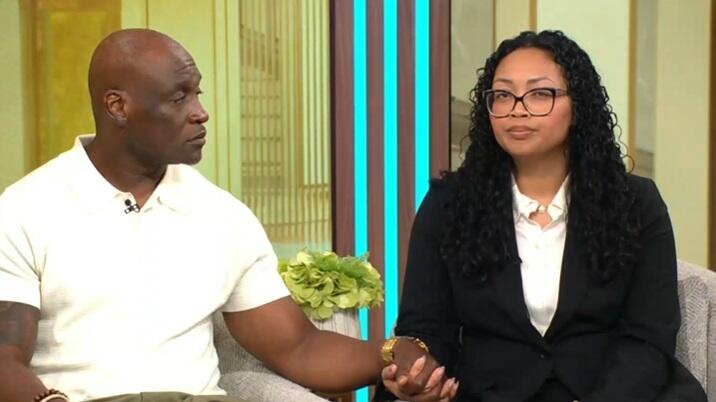
“No, he wouldn’t. Nolan always stays with the group,” Elmore Wonsley, Nolan’s father, told “CBS Mornings” last week. “If you be with me, you come back with me. So that I don’t understand, and with me being a parent, if I was in that situation, I would have told them, ‘You’re going to get back on this boat with me because I don’t want to answer to your parents if something happens to you.’”
When directly asked if he believed Nolan was left behind on the island, his father responded, “Yes. I don’t believe he decided to stay on the island by himself. It just doesn’t — that’s not his character.”
Wells went to Ocean Springs High School and was a rising sophomore on Southwest Mississippi Community College’s football team. Crump said Wells was a good swimmer.


Permanent daylight saving time in New Jersey
House approves permanent DST: NJ gets later sunsets year-round but darker winter mornings; sunrise could be ~8:25 a.m.
Are Americans finally done changing the clocks twice a year? Congress moved a step closer to ending the ritual after the U.S. House passed legislation that would make daylight saving time permanent.
It hasn’t been approved by the Senate yet, but it did pass the House with broad support (308-117). If it passes the Senate, it could be signed by President Donald Trump or become law without his signature, unless he vetoes it.
Trump has previously backed ending twice-a-year time changes.
“I am going to work very hard to see The Sunshine Protection Act signed into Law. It’s time that people can stop worrying about the ‘Clock,’” he wrote in a May Truth Social post.
A few versions of the Sunshine Protection Act were introduced in Congress. Rep. Vern Buchanan, R-Florida, introduced the one that’s gaining ground last year.
Here’s what to know about daylight saving time and the move to change it.
What is daylight saving time and why do we use it?
Daylight saving time is the practice of setting clocks forward an hour from March until November in an effort to gain more sunlight during the summer months.
According to the Library of Congress, it was first enacted in 1918 as a fuel cost-saving measure during World War I.
Daylight saving time became federal law under the Uniform Time Act of 1966. Under the law, some states can opt to exempt themselves from daylight saving time.
Would Mississippi keep daylight saving time year-round?
In 2021, the Mississippi Legislature passed a law saying the state plans to stick with daylight saving time year-round. But that only takes effect if Congress changes the federal law to let states adopt it all the time. A bill updating the effective date died in committee in the 2026 session.
Nineteen states, including Mississippi, are ready to make daylight saving time permanent if Congress changes the law to make the twice-a-year time shift optional, according to the National Conference of State Legislatures (NCSL).
How later sunrises would affect Mississippi
Sunrise and sunset times in summer would look the same.
But the period from November to March would be different. The amount of daylight would be the same, just shifted an hour later than usual.
Mississippi could expect the latest winter sunrises around 7:59 a.m. in mid-January. The earliest sunsets would shift from about 4:46 p.m. in early December to 5:46 p.m., according to timeanddate.com.
Why permanent daylight saving time failed before
Yes. Congress did drop Daylight Saving Time before.
The move failed in 1974 after parents worried about kids going to school before dawn, risking more vehicle crashes.
Some parts of the country, like Michigan or Indiana, don’t see sunrise until after 9 a.m. with the permanent daylight saving time.
When clocks fall back in 2026
Clocks will “fall back” from 2 a.m. to 1 a.m. on Sunday, Nov. 1, 2026, unless Congress changes the law.
Daylight saving time ends on the first Sunday in November each year, under current law. That’s when we get back that missing hour of sleep from the spring time change.
Does Mississippi change clocks twice a year?
Yes. Mississippi, which is in the Central time zone, observes daylight saving time.
What time is it in Mississippi?
Visit timeanddate.com to see the current time in Jackson.
Which states don’t observe daylight saving time?
Most of the U.S. participates in daylight saving time except for Hawaii and most of Arizona. The Navajo Nation in the northeast corner of the state does participate.
Bonnie Bolden is the Deep South Connect reporter for Mississippi with USA TODAY Network. Email her at bbolden@usatodayco.com.
Melina Khan is a national trending reporter for USA TODAY. Keep up with her on X @melinakh and Instagram @bymelinakhan.
Mississippi
Mississippi teen accused of killing elderly couple had worked for them before shooting: family

A teenager in Mississippi knew the elderly couple he’s accused of killing before sparking a standoff with law enforcement, according to new testimony in court.
Cordarius Hobbs, 17, is charged with killing 74-year-old Billy Blair and his 71-year-old wife Virginia Carol Blair during a home break-in on June 3 in Mendenhall, Mississippi.
Family members of Hobbs testified during the Thursday preliminary hearing that he knew the couple.
Family members testified that Hobbs did work for the Blairs for things like cleaning around the house before the alleged shooting, according to WAPT.
Billy Newsome, Hobbs’ grandfather, said he believes his grandson was called to work on the day of the alleged shooting but believes he’s innocent.
“My grandson used to work for the man, why you gone rob a man that you work for,” Newsome said. “Why you gone stay there that long and you know the police out there, and then you gone wait until everybody gets there to run, it just ain’t adding up, something just ain’t right here.”
On June 3, three contractors installing a generator at the Blairs’ home discovered Carol Blair’s car door open with several guns on the seats around 10 a.m., prompting them to call the Simpson County Sheriff’s Department for a welfare check at 11:30 a.m, according to a Mississippi Bureau of Investigation investigator.
By noon, the investigator said that officers arrived and were met with shots fired at them, starting a nearly two-hour-long standoff.
Hobbs was captured after trying to run away from officers, the official said, adding that the teen was unarmed when he was caught.
Carol Blair was found in a bedroom curled in the fetal position and had three gunshots to the back of her head. Bill Blair was found lying on his back in the kitchen with three gunshot wounds to his face.
The state investigator said three firearms were found inside the home as well as 280 shell casings, all owned by Bill Blair.
Hobbs’ defense attorney, Zachary Vaugh, argued that there’s a lack of direct forensic evidence connecting the teenager to the shooting.
“There was nothing to say he’s a principal, he’s the one that pulled the trigger on these things,” Vaugh said. “One of the things alone was, one of the victims was shot twice on one side of the head and once on the other. I think that’s pretty compelling that somebody else may have been in there. There’s a lot of things that are possible, just a tremendous amount of things.”
“When you have an officer say there’s no one that can identify him at the time of the shooting, I just don’t see how that adds up,” he said.
Hobbs is charged with two counts of capital murder and one count of burglary, in addition to 10 other charges. He was denied bond.
In a statement on Facebook, the couple’s family previously said, “We are crushed in spirit, bruised, and brokenhearted, but we are not alone.”
Jason Busby, who was friends with the couple, remembered them as being extremely selfless when speaking with WLBT.
“The man would’ve given you the shirt off his back, his wife is the same, and they’re just great people. It’s just a tragedy,” Busby said. “Everybody around here is still in shock. They were just good people.”
-

 Health3 minutes ago
Game-changing cholesterol pill wins FDA approval after cutting LDL nearly 60%
-

 Sports9 minutes ago
2026 AL, NL MVP Odds: Ohtani Favored; Alvarez Holding Off Challengers
-

 Technology15 minutes ago
Tesla helped save a driver. Is your car ready?
-
 Business21 minutes ago
SpaceX stock erases all its gains and slides below IPO price in intraday trading
-
 Entertainment27 minutes ago
Contributor: Hollywood will stop fueling racism when audiences demand better
-
 Politics39 minutes ago
Trump seeks prime-time spotlight for election claims, sparking concerns he’ll intervene
-
 Science45 minutes ago
California employer health premiums will cost as much as a new car in 2027
-
 Sports51 minutes ago
How Spain ‘recaptured the spirit of 2010’ in its run to the World Cup final

