Austin, TX
Paxton sues Austin, four other Texas cities, over marijuana possession policies


Texas Attorney General Ken Paxton is suing Austin, San Marcos and three other cities that have adopted policies that he says violate state marijuana laws.
Paxton alleges the five cities — which also include Killeen, Denton and Elgin — have rules that instruct police not to enforce Texas’ drug laws.
He argued Texas Local Government Code forbids cities from adopting policies in which a city is not fully enforcing drug laws. In addition, he said, the Texas Constitution notes it is unlawful for cities to adopt ordinances that conflict with state law.
“I will not stand idly by as cities run by pro-crime extremists deliberately violate Texas law and promote the use of illicit drugs that harm our communities,” Paxton said in a statement. “This unconstitutional action by municipalities demonstrates why Texas must have a law to ‘follow the law.’ It’s quite simple: the legislature passes every law after a full debate on the issues, and we don’t allow cities the ability to create anarchy by picking and choosing the laws they enforce.”
In May 2022, Austin voters approved a proposition to sanction the possession of 4 ounces or less of marijuana and ban the use of no-knock warrants by police.
About 11% of people registered to vote in Travis County participated in the election, which is common when a vote is not held in November.
San Marcos, Elgin, Killeen and Denton later joined the ranks to decriminalize low-level marijuana possession. Similar efforts are now underway in Dallas and have been led by voter engagement nonprofit Ground Game Texas.
Austin police already weren’t arresting people for low-level possession. Prosecutors began dropping misdemeanor marijuana cases after a state law in 2019 legalized hemp. After some back and forth in 2020, Austin police agreed to stop citing people for the offense.
Congressman Greg Casar, who wrote the resolution to stop pursuing low-level marijuana cases, said the policies promote social justice and that local resources should “go to keeping people safe, not chasing people down for low level pot offenses.”
The City of Austin did not immediately respond to a request for comment but said it was aware of the lawsuit.
“Ken Paxton’s lawsuits represent an anti-democratic assault on the constitutional authority of Texas Home Rule cities to set local law enforcement priorities,” Julie Oliver, executive director for Ground Game Texas, said. “In each of the cities sued, a supermajority of voters adopted a policy to deprioritize marijuana enforcement in order to reduce racially-biased law enforcement outcomes and save scarce public resources for higher priority public safety needs.”
Paxton has asked the district court to repeal city’s ordinances and make them enforce state law.
Copyright 2024 KUT News. To see more, visit KUT News.


AUSTIN (KXAN) — As flood threats continue across parts of South Central Texas, Austin Pets Alive! has activated emergency response efforts to support animal shelters affected by the inclement weather.
In a social media post, APA! wrote, “We began offering aid last night, working to secure fosters for 10 dogs in the Castroville shelter, an open-air shelter that sits at the bottom of a valley.”
APA! said the situation escalated overnight with additional shelters reporting flooding. One shelter confirmed that floodwaters reached its facility, APA! added.
Communities overwhelmed due to weather include Uvalde, Castroville and Sabinal.
The nonprofit is asking the Austin community to foster, adopt or donate to free up capacity for animals displaced by the disaster. APA! needs to clear out its facilities to assist the animals in need of shelter.
Here are ways you can help:
- Adopt: APA! is offering a “Name Your Own Adoption Fee” on all animals.
- Foster: The shelter is seeking foster homes for a minimum of three weeks.
- Donate: Proceeds will fund vans and response teams setting up a staging and triage center at the heart of the disaster zone, along with an expanded stockpile of preventatives, PPE and additional supplies.
If you would like to donate, click here.

AUSTIN, Texas — With heavy rain expected across parts of Central Texas this week and flooding top of mind, the city of Austin is proposing to put more money toward flood mitigation improvements in next year’s budget.
The proposal would invest in new flood infrastructure, add staff, and help move flood mitigation projects forward, according to city leaders. Austin City Councilmember Ryan Alter said the investments are aimed at keeping the city prepared for future flooding.
Residents who live near waterways say they have seen how quickly conditions can change. David Haderspeck, who lives near Shoal Creek, said the creek “fills up pretty fast” and “gets a lot higher than you’d expect.” He said he has watched the water rise dramatically after rain.
“I’ve seen it come up probably 10 to 15 feet to the ordinary high-water mark,” he said.
This week, parts of Central Texas, including the Hill Country, are expected to get heavy downpours. While Austin is not expecting the same impacts as parts of the Hill Country, leaders said the city is using this year’s budget planning to continue investing in flood safety.
Alter said the city has the expertise to address flooding risks but needs to follow through on projects.
ALSO| Central Texas urged to prepare as heavy rainfall sits in forecast over next two days
“We have the experts. We just have to put the plans into practice, and that’s what we’re doing in this budget,” he said.
Under the budget proposal, the city would provide about $134.5 million for the Drainage Utility Fund, which helps pay for flood mitigation, drainage infrastructure and watershed protection efforts.
Alter said the proposal would shift more of the funding balance toward building new infrastructure.
“What we’re going to do is shift that balance a little bit more to building new infrastructure so that when we do have large flooding events, we’ve got that infrastructure in place to keep people safe,” he said.
The proposal also adds staff and invests in both new and existing flood mitigation projects across the city.
Asked whether the proposed investments would be enough moving forward, Alter said, “I do…I think we’re doing the right thing and just making sure that our residents have the infrastructure to stay safe.”
Alter said heavy rain cannot be prevented, but the city’s goal is to have infrastructure in place to help keep people safe when it happens.

FILE – LinkedIn logos are displayed on an iPhone and computer screen. (Photo by Carl Court/Getty Images)
AUSTIN, Texas – The Texas Attorney General’s office has opened an investigation into LinkedIn over allegations that the professional networking platform misleads consumers with advertising and profiting from misleading or fake job listings, otherwise known as “ghost jobs.”
LinkedIn investigation

In this photo illustration a Linkedin logo seen displayed on a mobile phone. (Photo Illustration by Stanislav Kogiku/SOPA Images/LightRocket via Getty Images)
What we know:
Texas announced on Tuesday it has issued a Civil Investigative Demand (CID) seeking documents, data and internal communications related to LinkedIn’s advertising, marketing, job listing verification practices and its Premium subscription services.
The investigation centers on whether LinkedIn violated Texas’ consumer protection laws by promoting paid subscription services while allegedly failing to disclose that some job listings on the platform may not actually be representative of hiring opportunities.
What is a ‘ghost job’?
An image of a woman holding a cell phone in front of a LinkedIn logo displayed on a computer screen. On Tuesday, January 12, 2021, in Edmonton, Alberta, Canada. (Photo by Artur Widak/NurPhoto via Getty Images)
Dig deeper:
LinkedIn is owned by Microsoft and the world’s largest professional networking platform, with more than 1 billion registered users worldwide.
A “ghost job” generally refers to a position advertised online that either is no longer available or that an employer has no immediate intention of filling. The attorney general’s office cited independent studies estimating that ghost jobs account for between one-fifth and one-third of online job postings.
Texas AG targets Premium Subscription Fees
Photographer: Mark Felix/Bloomberg via Getty Images
What they’re saying:
According to the office of the attorney general, LinkedIn does not independently verify the hiring status of most job listings on its platform. Ken Paxton’s office alleges that the company’s marketing for its Premium subscription services does not disclose that a significant number of postings could be inactive, unfilled or not reflect genuine employment opportunity.
“I will use every resource available to my office to help job-seeking Texans find and secure real employment opportunities,” Paxton said in a statement. “LinkedIn has a duty to provide the services it advertises and ensure that consumers paying for Premium subscriptions are receiving access to legitimate job postings.”
Texas officials said LinkedIn’s Premium Career and Premium Business subscriptions cost about $39.99 and $69.99 per month, respectively, and are marketed to jobseekers looking to improve their employment prospects.
What’s next:
The investigation does not include any formal allegations of wrongdoing, and no lawsuit has been filed.
The Source: Information in this article was provided by the Texas Attorney General’s Office.
-

 Politics2 minutes ago
Lindsey Graham’s final act reverberates in Senate as sister is urged to “keep pedaling”
-

 Health8 minutes ago
Is lettuce still safe to eat amid Taco Bell illness probe? Doctors answer
-

 Sports14 minutes ago
Marcello Hernández roasts Jake Paul, Tiger Woods and Bill Belichick in ESPYS monologue
-

 Technology20 minutes ago
You paid for it. So why is your device showing ads?
-
 Business26 minutes ago
Paramount shareholder lawsuit accuses Ellisons of corruption
-
 Entertainment32 minutes ago
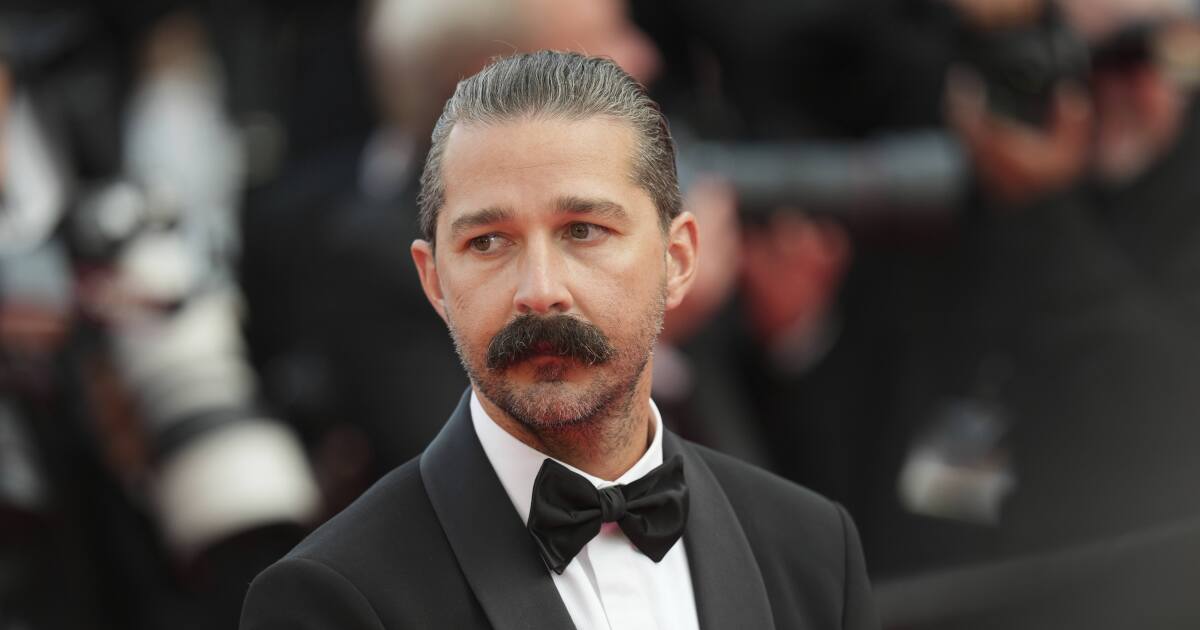
‘You’re scaring my people.’ Shia LaBeouf’s alleged stalker arrested after posting viral video
-
 Politics44 minutes ago
Californians back Becerra and reject AI data centers by big margins, poll finds
-
 Science50 minutes ago
How to eat safely amid outbreak of diarrhea-causing cyclosporiasis

