Wisconsin
Wisconsin football’s glimpses of progress don’t last against loaded Indiana Hoosiers squad


BLOOMINGTON, IND. – Given the Wisconsin football team’s résumé, a win would have been a lot to expect.
Indiana is the No. 2-ranked team in the country for a reason. The Hoosiers are getting outstanding quarterback play, have potential NFL talent on the offenisve line and at receiver and have studs at each level of the defense.
Indiana is headed to the College Football Playoff. The Badgers are still finding their way.
So one week after getting its first Big Ten win of the season, did UW show progress in its 31-7 loss to Indiana on Saturday, Nov. 15?
In answering that question, consider:
- Indiana’s 10-7 halftime lead equaled its second-closest first half of the season. It was tied with Iowa and led Oregon by 3 points.
- The Badgers’ five sacks Saturday were the most allowed by Indiana this season. Wisconsin’s seven tackles for a loss was the second-highest total for a Hoosiers’ opponent.
Of course the Badgers need much more to become a consistent winner, but what they showed Saturday was more in line with what we saw from the team in its two previous games against Oregon and Washington than what it delivered against Iowa, Ohio State and Maryland.
The challenge Saturday was maintaining that standard of play for 60 minutes against a team that ranks top six nationally in total offense and defense.
“I think the first half you saw us execute a majority of the half, and I think that wasn’t the case in the second half,” said graduate outside linebacker Darryl Peterson, who had a career-high 2½ sacks. “Obviously, the last two games, we’ve got to try to put together four quarters of execution, all three phases.”
Famililar struggles haunt Badgers
Despite the spirited start, Wisconsin’s Achilles heel came back to trip it.
It gained just 23 yards in the second half, and its 168 total yards for the game was its second-lowest total of the season behind the 144 it gained against No. 1 Ohio State.
Injuries played a role in those struggles. Running back Gideon Ituka, a spark for the run game the previous two games, was carted off the field and taken to the hospital after a hard hit in the third quarter and center Davis Heinzen, who made his third straight start, didn’t finish the game due to an ankle injury.
Meanwhile, the defense didn’t force a turnover for the sixth game this season and was carved up by IU quarterback Fernando Mendoza, who connected on 22 of 24 throws for 299 yards. Big plays were huge as he gained 166 of those yards on just five completions.
His opposite number, Wisconsin freshman Carter Smith, completed nine of 15 passes for 98 yards and one touchdown.
“It’s a tale of two halves,” Wisconsin coach Luke Fickell said. “In the first half, to be honest with you, that’s kind of the way you’d draw it up for us, methodically doing some things, moving the football, taking care of the football, eliminating big plays other than one defensively.
“I think that was the idea of the way we want to be able to play right now and the complementary idea of what football’s got to look like for us.”
The ups and downs of Carter Smith’s first start
Smith was given a looser rein in his second game and was given the opportunity to make more plays downfield.
The coaches showed him great trust in calling what proved to be Wisconsin’s biggest play of the day, a 45-yard touchdown pass to tight end Lance Mason on a fourth-and-1 play.
That score tied the game, 7-7, with 3 minutes 42 seconds to go in the first half, but in the second half Smith turned it over twice. The crucial one was his fumble at the UW 21 that almost instantly led to a Hoosiers touchdown that pushed their lead to 24-7. Two of Indiana’s three second-half touchdowns came off Smith turnovers.
The Badgers tried to take some chances in the second half. They just didn’t work out.
“To think that you’re going to methodically drive 12, 13 plays down the field on a really, really good football team, it’s not (realistic) …” Fickell said. “We’ve got to be able to take some more shots. We’ve got to give him some more opportunities. We’ve got to turn him loose a little bit more, and unfortunately, you know, it didn’t work well for us.”
Smith entered the game during the second series against Washington but didn’t get starter snaps in practice that week. Heading into the Indiana game, he received more of those reps in practice.
He also had more put on his plate.
“That’s something that comes with playing quarterback,” Smith said about the added workload. “So it’s something I need to get better with is having a lot on my plate and being able to handle it all.”
Two games to go, much to accomplish
The loss guarantees Wisconsin (3-7, 1-6) its second straight losing season, but the team has two games remaining.
Next Illinois (7-3, 4-3) comes to Camp Randall on Nov. 22; then UW plays at Minnesota (6-4, 4-3) on Nov. 29.
“We got to keep pushing, and we’re going to find out a hell of a lot about everybody that’s in this program, whether they’re seniors that have two guaranteed opportunities to play the game of football left, or young guys,” Fickell said. “Everything has got to be evaluated, and we’ve got to grow.”



Manuel Franco claims his $768 million Powerball jackpot
Manuel Franco, 24, of West Allis was revealed Tuesday as the winner of the $768.4 million Powerball jackpot.
Mark Hoffman, Milwaukee Journal Sentinel
The Wisconsin Lottery offers multiple draw games for those aiming to win big.
Here’s a look at July 13, 2026, results for each game:
Winning Powerball numbers from July 13 drawing
05-25-36-40-48, Powerball: 03, Power Play: 2
Check Powerball payouts and previous drawings here.
Winning Pick 3 numbers from July 13 drawing
Midday: 4-6-2
Evening: 4-1-8
Check Pick 3 payouts and previous drawings here.
Winning Pick 4 numbers from July 13 drawing
Midday: 0-6-6-8
Evening: 1-6-6-2
Check Pick 4 payouts and previous drawings here.
Winning All or Nothing numbers from July 13 drawing
Midday: 01-04-05-06-07-08-10-11-13-15-22
Evening: 05-06-07-09-12-14-16-19-20-21-22
Check All or Nothing payouts and previous drawings here.
Winning Badger 5 numbers from July 13 drawing
23-24-25-26-29
Check Badger 5 payouts and previous drawings here.
Winning SuperCash numbers from July 13 drawing
01-07-13-18-24-29, Doubler: N
Check SuperCash payouts and previous drawings here.
Feeling lucky? Explore the latest lottery news & results
Are you a winner? Here’s how to claim your lottery prize
- Prizes up to $599: Can be claimed at any Wisconsin Lottery retailer.
- Prizes from $600 to $199,999: Can be claimed in person at a Lottery Office. By mail, send the signed ticket and a completed claim form available on the Wisconsin Lottery claim page to: Prizes, PO Box 777 Madison, WI 53774.
- Prizes of $200,000 or more: Must be claimed in person at the Madison Lottery office. Call the Lottery office prior to your visit: 608-261-4916.
Can Wisconsin lottery winners remain anonymous?
No, according to the Wisconsin Lottery. Due to the state’s open records laws, the lottery must, upon request, release the name and city of the winner. Other information about the winner is released only with the winner’s consent.
When are the Wisconsin Lottery drawings held?
- Powerball: 9:59 p.m. CT on Monday, Wednesday, and Saturday.
- Mega Millions: 10:00 p.m. CT on Tuesday and Friday.
- Super Cash: 9:00 p.m. CT daily.
- Pick 3 (Day): 1:30 p.m. CT daily.
- Pick 3 (Evening): 9:00 p.m. CT daily.
- Pick 4 (Day): 1:30 p.m. CT daily.
- Pick 4 (Evening): 9:00 p.m. CT daily.
- All or Nothing (Day): 1:30 p.m. CT daily.
- All or Nothing (Evening): 9 p.m. CT daily.
- Megabucks: 9:00 p.m. CT on Wednesday and Saturday.
- Badger 5: 9:00 p.m. CT daily.
That lucky feeling: Peek at the past week’s winning numbers.
Feeling lucky? WI man wins $768 million Powerball jackpot **
WI Lottery history: Top 10 Powerball and Mega Million jackpots
This results page was generated automatically using information from TinBu and a template written and reviewed by a Wisconsin editor. You can send feedback using this form.

(WLUK) — The IRS is giving Wisconsin residents and business owners who were affected by severe weather in April, more time to file their taxes.
These taxpayers now have until Nov. 2, 2026, to file various federal individual and business tax returns and make tax payments.
Following the disaster declaration issued by the Federal Emergency Management Agency (FEMA), individuals and households that reside in Bayfield, Brown, Buffalo, Iowa, Jackson, Jefferson, Juneau, Kenosha, Kewaunee, Manitowoc, Marathon, Milwaukee, Outagamie, Racine, Rock, Sauk, Vernon, Washington, Waukesha, Waupaca, and Winnebago counties, as well as the Oneida Indian Reservation qualify for tax relief.
The declaration permits the IRS to postpone certain tax-filing and tax-payment deadlines for taxpayers who reside or have a business in the disaster area. For instance, certain deadlines falling on or after April 13, 2026, and before Nov. 2, 2026, are granted additional time to file.
Penalties on payroll and excise tax deposits due on or after April 13, 2026, and before April 28, 2026, will be abated as long as the tax deposits are made by April 28, 2026.
The Nov. 2, 2026, deadline also applies to affected quarterly payroll and certain excise tax returns normally due on April 30 and July 31, 2026.
If an affected taxpayer receives a late filing or late payment penalty notice from the IRS that has an original filing, payment or deposit due date that falls within the postponement period, the taxpayer should call the telephone number on the notice to have the IRS abate the penalty.
Manuel Franco claims his $768 million Powerball jackpot
Manuel Franco, 24, of West Allis was revealed Tuesday as the winner of the $768.4 million Powerball jackpot.
Mark Hoffman, Milwaukee Journal Sentinel
The Wisconsin Lottery offers multiple draw games for those aiming to win big.
Here’s a look at July 12, 2026, results for each game:
Winning Pick 3 numbers from July 12 drawing
Midday: 1-7-0
Evening: 4-3-1
Check Pick 3 payouts and previous drawings here.
Winning Pick 4 numbers from July 12 drawing
Midday: 9-7-1-7
Evening: 5-2-5-2
Check Pick 4 payouts and previous drawings here.
Winning All or Nothing numbers from July 12 drawing
Midday: 02-04-06-07-10-11-13-15-16-20-21
Evening: 03-05-08-09-10-11-16-17-18-21-22
Check All or Nothing payouts and previous drawings here.
Winning Badger 5 numbers from July 12 drawing
02-09-20-23-28
Check Badger 5 payouts and previous drawings here.
Winning SuperCash numbers from July 12 drawing
02-06-07-14-29-39, Doubler: N
Check SuperCash payouts and previous drawings here.
Feeling lucky? Explore the latest lottery news & results
Are you a winner? Here’s how to claim your lottery prize
- Prizes up to $599: Can be claimed at any Wisconsin Lottery retailer.
- Prizes from $600 to $199,999: Can be claimed in person at a Lottery Office. By mail, send the signed ticket and a completed claim form available on the Wisconsin Lottery claim page to: Prizes, PO Box 777 Madison, WI 53774.
- Prizes of $200,000 or more: Must be claimed in person at the Madison Lottery office. Call the Lottery office prior to your visit: 608-261-4916.
Can Wisconsin lottery winners remain anonymous?
No, according to the Wisconsin Lottery. Due to the state’s open records laws, the lottery must, upon request, release the name and city of the winner. Other information about the winner is released only with the winner’s consent.
When are the Wisconsin Lottery drawings held?
- Powerball: 9:59 p.m. CT on Monday, Wednesday, and Saturday.
- Mega Millions: 10:00 p.m. CT on Tuesday and Friday.
- Super Cash: 9:00 p.m. CT daily.
- Pick 3 (Day): 1:30 p.m. CT daily.
- Pick 3 (Evening): 9:00 p.m. CT daily.
- Pick 4 (Day): 1:30 p.m. CT daily.
- Pick 4 (Evening): 9:00 p.m. CT daily.
- All or Nothing (Day): 1:30 p.m. CT daily.
- All or Nothing (Evening): 9 p.m. CT daily.
- Megabucks: 9:00 p.m. CT on Wednesday and Saturday.
- Badger 5: 9:00 p.m. CT daily.
That lucky feeling: Peek at the past week’s winning numbers.
Feeling lucky? WI man wins $768 million Powerball jackpot **
WI Lottery history: Top 10 Powerball and Mega Million jackpots
This results page was generated automatically using information from TinBu and a template written and reviewed by a Wisconsin editor. You can send feedback using this form.
-

 Technology58 seconds ago
Humanoid robots perform live surgery in world first
-
 Business7 minutes ago
A ‘next generation studio’ for YouTube creators
-
 Entertainment13 minutes ago
Finn Wolfhard is taking ‘control of the narrative’
-
 Lifestyle19 minutes ago
What are your most cherished memories of the 2026 World Cup in L.A.?
-
 Politics25 minutes ago
Commentary: Two Lorenzos from Mexico. One fulfilled his American dream. ICE killed the other
-
 Sports37 minutes ago
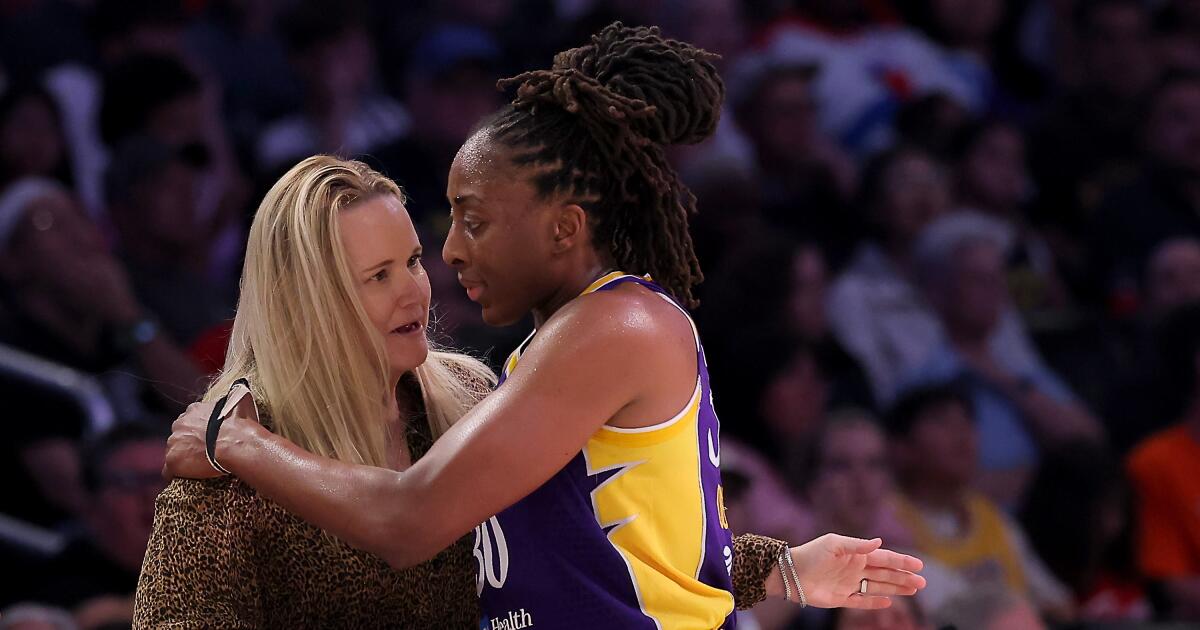
What will the Sparks do next? The franchise is at a crossroads after firing its GM
-
World49 minutes ago
Euronews explains: can Hungary's PM Magyar really remove president Sulyok from office?
-

 News1 hour ago
Mexico files criminal complaints in US over migrant deaths in custody

