Wisconsin
Kids fishing clinics part of spring tradition in southeastern Wisconsin


As part of a spring tradition in southeastern Wisconsin, free learn-to-fish clinics for youth will be held April 18 at eight public sites in Milwaukee and Washington counties.
The events, offered free for children ages 15 and under, are staffed by members of local fishing clubs and presented by the Milwaukee and Washington county parks departments, the Department of Natural Resources, the Wisconsin Council of Sport Fishing Organizations and the Hunger Task Force Fish Hatchery.
All children must be accompanied by an adult.
Additional free clinics will be held in similar formats April 25 and June 27 at private clubs in Waukesha County.
The programs are part of campaign started about 40 years ago to get Wisconsin youth outdoors and teach fishing basics.
“These free, family-oriented clinics are designed to introduce beginners to fishing while helping established anglers sharpen their skills ahead of the open water season,” the DNR said in a statement.
The clinics will feature hands-on sessions on knot-tying, water safety, fish identification and fishing techniques as well as casting games, painting and tattoos, according to the DNR.
The lakes, ponds or lagoons at host sites are stocked with panfish or trout before the clinics.
Fishing equipment is available, but participants are encouraged to bring a rod and reel if possible.
No preregistration is required. The instructional sessions typically last about 1 hour and will be held from 9 a.m. to 2 p.m. on April 18.
Milwaukee County locations hosting clinics are: Brown Deer Park, 7835 N. Green Bay Road; Dineen Park, 6901 W. Vienna St.; Greenfield Park, 2028 S. 124 St.; Kosciuszko Park, 2201 S. 7th St.; McCarty Park, 8214 W. Cleveland Ave.; Mitchell Park, 524 S. Layton Blvd.; Scout Lake Park, 6201 W. Loomis Road; and Sheridan Park, 4800 S. Lake Drive.
And in Washington County, a clinic will be held Saturday at Regner Park, 800 N. Main St., West Bend.
Clinics will occur rain or shine, so participants are encouraged to dress for the weather. Adults are also encouraged to inquire about joining a club to expand their knowledge and help with future clinics.
The clinics are held on formally designated urban waters and are reserved by state statute for youth ages 15 and younger and people with certain disabilities.
Along with DNR staff, members of the following clubs and organizations will provide angling instruction at the clinics: Okauchee Fishing Club; Inner City Sportsmen Club; Milwaukee Great Lakes Sports Fishermen; Southside Sportsmen’s Club; Bayview Rod & Gun Club; South Milwaukee 1400 Fishing & Hunting Club; and Walleyes Unlimited.
In addition, two private clubs in Waukesha County will offer free fishing clinics later in spring and summer.
Wern Valley Hunting Preserve and Sporting Clays will hold clinics April 25 at a pond on its grounds. The events will run from 9 a.m. to 1 p.m. The club is located at S36 W29657 Wern Way, Waukesha.
And on June 27, Daniel Boone Conservation League will hold free fishing clinics at its pond. The clinics will run from 9 a.m. to 1 p.m. The club is located at 4694 Hwy. 167, Hubertus.
For more information on the Milwaukee or West Bend kid’s fishing clinics, contact Laura Schmidt, DNR fisheries biologist, at Laura.Schmidt@wisconsin.gov or (414) 416-0591. For information on the clinic at Wern Valley in Waukesha, contact Al Shook at arshook56@gmail.com or (414) 218-0774. And for nformation on the clinic at Daniel Boone in Hubertus, contact MarySusan Diedrich at msd55@att.net or (414) 379-3770.
Stamp design contests: The DNR is accepting artwork entries in the design contests for the 2027 Wisconsin wild turkey, ring-necked pheasant and waterfowl stamps.
The contests are held annually and provide Wisconsin artists with an opportunity to showcase their talents, commemorate their work and promote wildlife conservation across the state.
Hunters are required to purchase a species-specific stamp to legally harvest a turkey, pheasant or waterfowl species in Wisconsin. Sales of the three stamps generate hundreds of thousands of dollars annually for species management throughout the state, including habitat management, restoration, education and research projects, according to the DNR.
Stamp design entries for this year’s contests must be received or postmarked by Aug. 1, 2026.
Registration, rules, entry information and reproduction rights agreements are available on the DNR’s Wildlife Stamp Funding and Stamp Design Contest webpage.



Topline
The Wisconsin Elections Commission voted Friday to send two complaints to prosecutors alleging Elon Musk violated state election laws by writing checks to voters last year, the Milwaukee Journal Sentinel reported—after Musk invested tens of millions of dollars to support failed conservative candidate Brad Schimel.
Elon Musk gives a $1 million check to Nicholas Jacobs during a town hall in Green Bay, Wisconsin, on March 30, 2025. (Photo by ROBIN LEGRAND/AFP via Getty Images)
AFP via Getty Images
Key Facts
The commission voted 5-1 finding probable cause Musk violated the state’s election bribery statute when he offered money to people who voted in the 2025 election.
This is a developing story and will be updated.


Manuel Franco claims his $768 million Powerball jackpot
Manuel Franco, 24, of West Allis was revealed Tuesday as the winner of the $768.4 million Powerball jackpot.
Mark Hoffman, Milwaukee Journal Sentinel
The Wisconsin Lottery offers multiple draw games for those aiming to win big.
Here’s a look at July 13, 2026, results for each game:
Winning Powerball numbers from July 13 drawing
05-25-36-40-48, Powerball: 03, Power Play: 2
Check Powerball payouts and previous drawings here.
Winning Pick 3 numbers from July 13 drawing
Midday: 4-6-2
Evening: 4-1-8
Check Pick 3 payouts and previous drawings here.
Winning Pick 4 numbers from July 13 drawing
Midday: 0-6-6-8
Evening: 1-6-6-2
Check Pick 4 payouts and previous drawings here.
Winning All or Nothing numbers from July 13 drawing
Midday: 01-04-05-06-07-08-10-11-13-15-22
Evening: 05-06-07-09-12-14-16-19-20-21-22
Check All or Nothing payouts and previous drawings here.
Winning Badger 5 numbers from July 13 drawing
23-24-25-26-29
Check Badger 5 payouts and previous drawings here.
Winning SuperCash numbers from July 13 drawing
01-07-13-18-24-29, Doubler: N
Check SuperCash payouts and previous drawings here.
Feeling lucky? Explore the latest lottery news & results
Are you a winner? Here’s how to claim your lottery prize
- Prizes up to $599: Can be claimed at any Wisconsin Lottery retailer.
- Prizes from $600 to $199,999: Can be claimed in person at a Lottery Office. By mail, send the signed ticket and a completed claim form available on the Wisconsin Lottery claim page to: Prizes, PO Box 777 Madison, WI 53774.
- Prizes of $200,000 or more: Must be claimed in person at the Madison Lottery office. Call the Lottery office prior to your visit: 608-261-4916.
Can Wisconsin lottery winners remain anonymous?
No, according to the Wisconsin Lottery. Due to the state’s open records laws, the lottery must, upon request, release the name and city of the winner. Other information about the winner is released only with the winner’s consent.
When are the Wisconsin Lottery drawings held?
- Powerball: 9:59 p.m. CT on Monday, Wednesday, and Saturday.
- Mega Millions: 10:00 p.m. CT on Tuesday and Friday.
- Super Cash: 9:00 p.m. CT daily.
- Pick 3 (Day): 1:30 p.m. CT daily.
- Pick 3 (Evening): 9:00 p.m. CT daily.
- Pick 4 (Day): 1:30 p.m. CT daily.
- Pick 4 (Evening): 9:00 p.m. CT daily.
- All or Nothing (Day): 1:30 p.m. CT daily.
- All or Nothing (Evening): 9 p.m. CT daily.
- Megabucks: 9:00 p.m. CT on Wednesday and Saturday.
- Badger 5: 9:00 p.m. CT daily.
That lucky feeling: Peek at the past week’s winning numbers.
Feeling lucky? WI man wins $768 million Powerball jackpot **
WI Lottery history: Top 10 Powerball and Mega Million jackpots
This results page was generated automatically using information from TinBu and a template written and reviewed by a Wisconsin editor. You can send feedback using this form.

(WLUK) — The IRS is giving Wisconsin residents and business owners who were affected by severe weather in April, more time to file their taxes.
These taxpayers now have until Nov. 2, 2026, to file various federal individual and business tax returns and make tax payments.
Following the disaster declaration issued by the Federal Emergency Management Agency (FEMA), individuals and households that reside in Bayfield, Brown, Buffalo, Iowa, Jackson, Jefferson, Juneau, Kenosha, Kewaunee, Manitowoc, Marathon, Milwaukee, Outagamie, Racine, Rock, Sauk, Vernon, Washington, Waukesha, Waupaca, and Winnebago counties, as well as the Oneida Indian Reservation qualify for tax relief.
The declaration permits the IRS to postpone certain tax-filing and tax-payment deadlines for taxpayers who reside or have a business in the disaster area. For instance, certain deadlines falling on or after April 13, 2026, and before Nov. 2, 2026, are granted additional time to file.
Penalties on payroll and excise tax deposits due on or after April 13, 2026, and before April 28, 2026, will be abated as long as the tax deposits are made by April 28, 2026.
The Nov. 2, 2026, deadline also applies to affected quarterly payroll and certain excise tax returns normally due on April 30 and July 31, 2026.
If an affected taxpayer receives a late filing or late payment penalty notice from the IRS that has an original filing, payment or deposit due date that falls within the postponement period, the taxpayer should call the telephone number on the notice to have the IRS abate the penalty.
-
 Entertainment6 minutes ago
‘Hail Satan? Not me.’ Charley Crockett fires satanic duo Twin Temple, so Jack White hires them
-
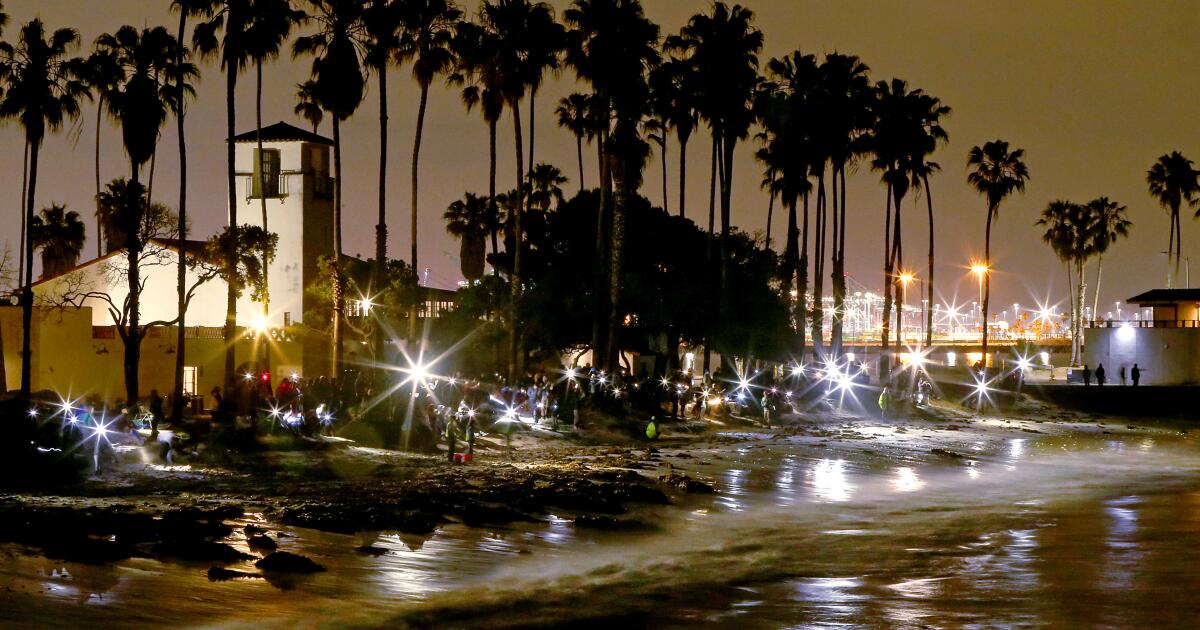 Lifestyle11 minutes ago
It’s time for the night trip to the beach — the grunion are running
-
 Politics18 minutes ago
After lawsuit, ICE pauses construction of Bay Area detention facility
-
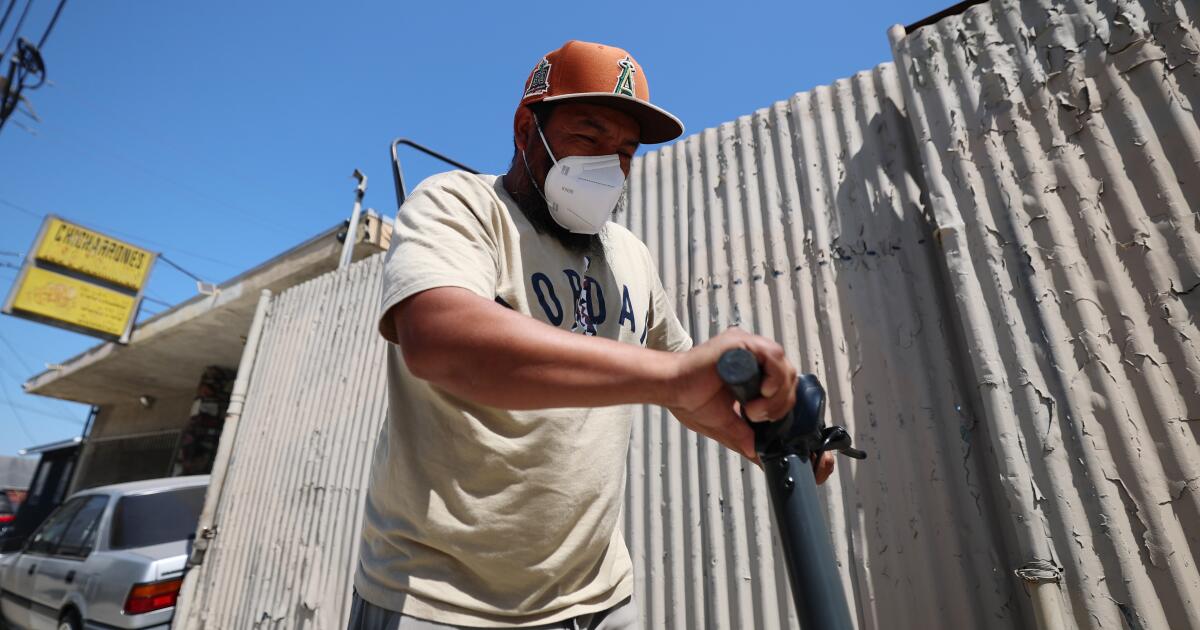 Science24 minutes ago
Anger grows in Boyle Heights as warehouse fire leaves stench, flies and vermin in its wake
-
 Sports30 minutes ago
Spain delivers surprise rout of France, clinches berth into World Cup final
-

 World42 minutes ago
US says latest Iran strike wave over, IRGC claims damage to US Naval HQ
-
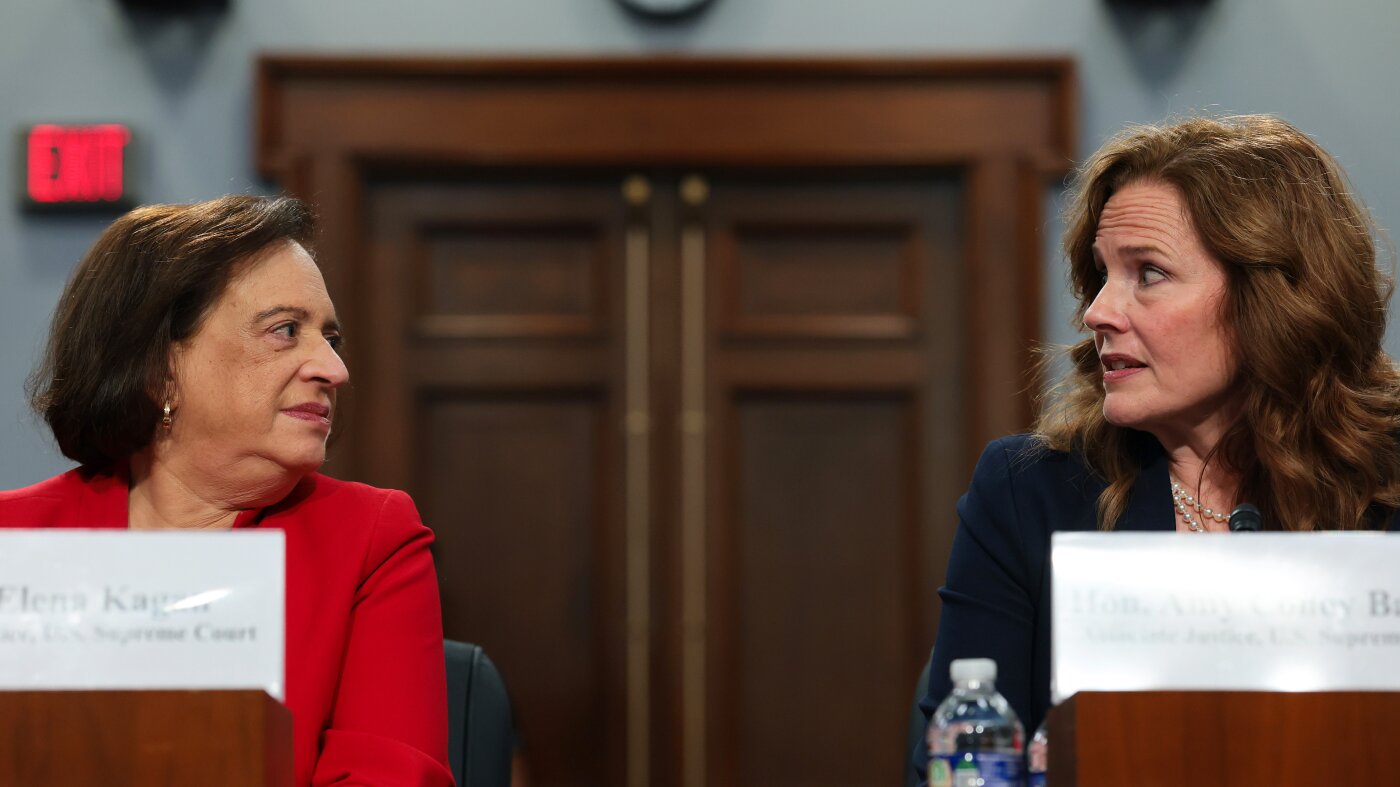 News1 hour ago
Supreme Court Justices give chilling accounts of threats to their safety
-

 Los Angeles, Ca3 hours ago
Stabbing at Chino Hills liquor store ends in attempted murder arrest

