Midwest
Pritzker names new head of embattled Illinois family services agency

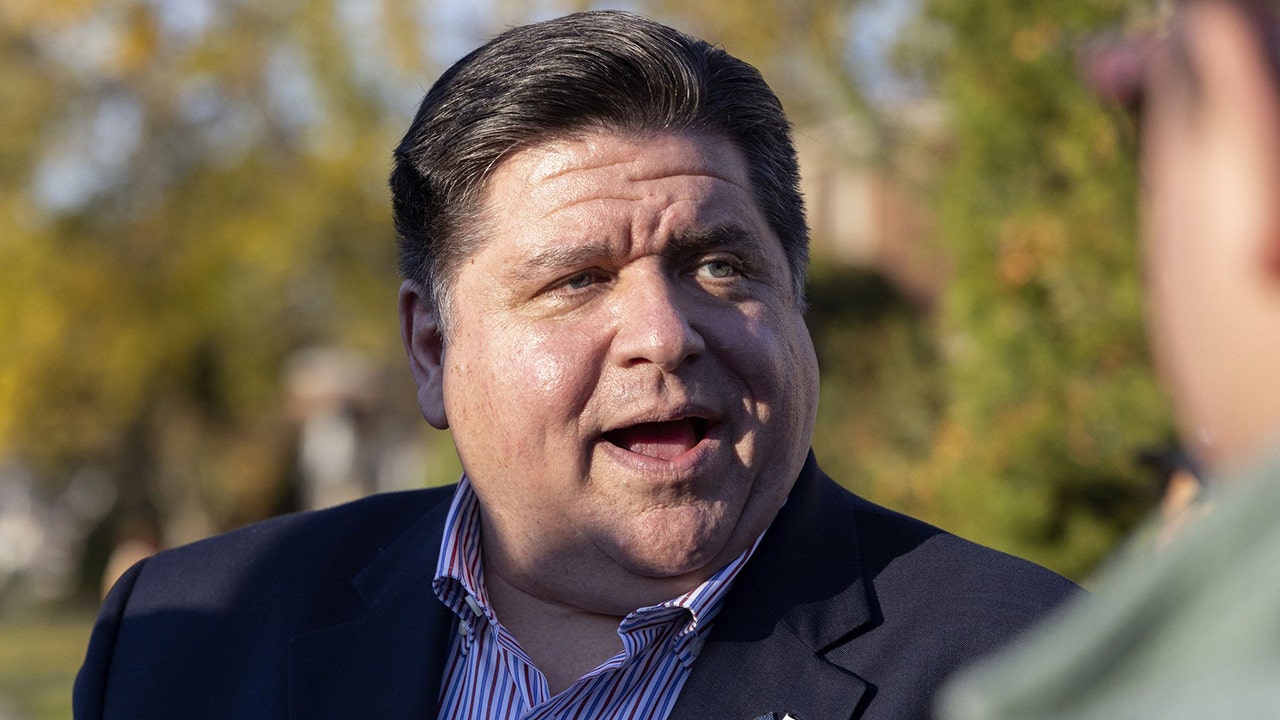
Gov. J.B. Pritzker on Wednesday named his director of juvenile justice to take over the troubled Department of Children and Family Services.
Heidi Mueller, 49, will replace Marc D. Smith, who has been at the helm since 2019 and has been held in contempt of court numerous times for improper housing of young people under the agency’s care. Smith, who announced his resignation in October, will help with the transition through January.
Mueller has been director of the Department of Juvenile Justice since 2016. The agency oversees the custody of young people committed to the state by Illinois courts.
HEAD OF EMBATTLED ILLINOIS CHILD SERVICES AGENCY TO RESIGN AT YEAR’S END
“I have witnessed firsthand the critical importance of a strong and supportive safety net for our state’s most vulnerable residents and the tragedy that results when there are holes in that net,” Mueller said in a statement. She thanked Smith for “driving real progress at DCFS.”
Mueller, who currently makes $173,250, was chosen after a nationwide search. Pritzker said her “transformative” work at Juvenile Justice has gained her national attention.
“Heidi’s care and compassion for the most at-risk young people in our state and her exceptional leadership are hallmarks of her career and I know that her passion and expertise will be a significant asset as we continue to improve our state’s child welfare system,” Pritzker said in a statement.
Gov. J.B. Pritzker greets constituents as he campaigns in Bellwood, Illinois, on Nov. 1, 2022. (Erin Hooley/Chicago Tribune/Tribune News Service via Getty Images)
Smith, 54, whose salary is $210,000, began his tenure months into Pritzker’s first term. The Democrat had pledged reforms, releasing an outside report on agency failures including the deaths of three children under its care in just a few months.
But the department continued to struggle. In 2022, Smith was held in contempt of court on numerous occasions for failing to find proper placement for young people in the agency’s care. Pritzker repeatedly blamed his Republican predecessor for the dismantling of private social-service agencies capable of proper youth housing during a budget stalemate with Democrats in the Legislature from 2015 to 2017.
The situation has seen little improvement. DCFS’ own annual report on placement released last week showed that during the fiscal year that ended last June, hundreds of children were kept in so-called temporary quarters, in some cases for months, or held in psychiatric hospitals beyond need for treatment or juvenile incarcerations past their release dates because DCFS had no place to put them.
The DCFS inspector general’s annual report released last week indicated that during the same fiscal year, 160 children with some level of involvement with the department had died.
PRITZKER ADMIN SCRAPS CHICAGO MIGRANT CAMP PLAN OVER SOIL CONTAMINATION CONCERNS
“The DCFS director has arguably the hardest and most important job in state government. Heidi Mueller has an outstanding reputation as a reform-minded manager and brings substantial child welfare experience to the task,” said Charles Golbert, the Cook County public guardian, whose office has filed class-action lawsuits over lengthy placements in psychiatric hospitals and juvenile justice incarceration. He urged Mueller to make the expansion of DCFS’s placement capacity an urgent priority.
Heidi Dalenberg, interim legal director of the American Civil Liberties Union of Illinois, which also has legal action against DCFS, said Mueller “must embrace the challenge of finding a safe place to stay — preferably with the child’s family members” and turn away from large, institutional settings.
“This is a challenging job that requires a leader with vision and a commitment to transformational change,” Dalenberg said.
Robert Vickery, currently deputy director of programs at Juvenile Justice, will serve as interim director of the agency during a search for Mueller’s permanent replacement.
Read the full article from Here


Cleveland watch enthusiasts and luxury collectors are invited to experience “Watches & Wonders Comes to Cleveland,” an exclusive two-day event hosted by Alson Jewelers on June 12 and June 13.
Cleveland watch enthusiasts and luxury collectors are invited to experience “Watches & Wonders Comes to Cleveland,” an exclusive two-day event hosted by Alson Jewelers on June 12 and June 13.
CLEVELAND, OH, May 30, 2026 /24-7PressRelease/ — Cleveland watch enthusiasts and luxury collectors are invited to experience “Watches & Wonders Comes to Cleveland,” an exclusive two-day event hosted by Alson Jewelers on June 12 and June 13.
Bringing together some of the world’s most celebrated watchmakers, the event offers guests the opportunity to explore exceptional timepieces while connecting directly with brand representatives from Breitling, Cartier, TUDOR, Chopard, IWC, and Panerai.
The celebration begins Friday, June 12, from 5 p.m. to 7 p.m. with an evening of watches, whiskey, and hors d’oeuvres in a sophisticated atmosphere designed for collectors and newcomers alike.
Festivities continue Saturday, June 13, from 10 a.m. to 4 p.m., featuring champagne and light bites while guests browse the newest luxury watch collections.
During the event, attendees who purchase any new watch from participating brands will receive a complimentary watch winder, adding even more value to the experience. In addition, every watch purchase automatically enters guests for the chance to win a $1,000 gift card.
Known for offering an elevated shopping experience in the Cleveland area, Alson Jewelers’ Luxury Watch Collection continues to showcase premier craftsmanship and timeless design from leading Swiss watchmakers. Guests are encouraged to RSVP by June 6 to reserve their place at this highly anticipated event.
About Alson Jewelers
With a legacy of excellence in fine jewelry and customer service, Alson Jewelers remains a premier destination for bridal and luxury jewelry. Family-owned and operated, Alson is known for its knowledgeable staff and commitment to helping clients celebrate life’s most meaningful moments. The store offers an exceptional selection of designer engagement rings, wedding bands, and fine jewelry, along with expert jewelry and watch repair services. Fully equipped for custom design, Alson Jewelers works closely with clients to create one-of-a-kind engagement rings, wedding bands, and fine jewelry pieces. Above all, Alson Jewelers prides itself on delivering a warm, personalized experience in their Cleveland jewelry store that makes every guest feel welcomed and cared for from the moment they walk through the door.
# # #

These real estate transactions, recorded the weeks of May 11 and May 18, are compiled from information on file with Peoria, Tazewell and Woodford counties. They represent sales of $78,000 or more.
PEORIA COUNTY
726 W. Corrington Ave., Peoria: David Schroff to Aaron M. Niebuhr, $79,900.
2601 W. Willowlake Drive, #36, Peoria: Arlene K. Raymer to Richard D. Cordis, $80,000.
125 SW Jefferson Ave., W4C, Peoria: Main Street Associates to Lisa Becker, $80,000.
1525 E. Hendryx Lane, Peoria: Scott E. Hall to Christine M. Paluska, $89,900.
218 W. Elm St., Chillicothe: Wilma L. McCord and Tena K. Shane to Aaron Martin and Rhiannon Cluff, $90,000.
1620 N. Wisconsin Ave., Peoria: Mary R. Lahue and Lyall L. Suttong to Oscar Davila and David Davila Duenas, $90,000.
2310 W. Heading Ave., West Peoria: Cyrus A. Taylor and Aimee C. Hood to Anthony L. and Holly M. Catencamp, $99,000.
4444 N. Knoxville Ave., #308, Peoria: Donna Utzinger to Timothy Funk, $100,000.
315 E. Elmhurst Ave., Peoria: Nathaniel C. and Kayleigh M. Bratton to Rae Richards, $111,000.
2306 W. Laura Ave., West Peoria: Aaron Dawson to Karin L. and Tatum M. Kellum, $116,000.
412 W. Ash St., Elmwood: Brian and Kristina Windish to Raven N. Koeppel, $117,450.
2112 W. Ayres Ave., West Peoria: Bryan Christianson and Rose Mary Garcia Ramirez to Joshua Smith, $120,000.
5008 N. Best St., Peoria Heights: Donald F. Harris to Max D. Rutschke, $124,900.
1701 W. Thames Drive, Peoria: Saleh Alarami Sr. and Nawa Aladawi to Omar Musaitif, $125,000.
5208 S. Cameron Lane, Mapleton: Clair E. Jr. and Easter L. Phillips to GLM Real Estate Holdings LLC Series Seven, $125,000.
3516 W. Richwoods Blvd., #10, Peoria: Carren White to Alyssa Athamnah, $126,900.
2928 N. Renwood Ave., Peoria: Richard A. and Mary J. Gebhardt to Amanda L. Miles, $129,500.
5511 W. Dirksen Parkway, Peoria: John C. Defreitas to Tyrone and Jennifer Redd, $130,000.
1026 E. Richwoods Blvd., Peoria: Matthew Jaja to Joshua D. Woodman, $132,000.
5002 N. Glen Elm Drive, Peoria Heights: John 14 Six Real Estate Investments LLC to Anja Olsen, $133,000.
804 W. Maywood Ave., Peoria: Gary and Jessica Olson to Michelle Stephenson, $134,000.
503 W. Main St., Elmwood: Michael L. and Debra A. Uryasz to Mark Schwartz, $135,000.
605 S. Parkhill Drive, Chillicothe: Chance and Brooke Burkle to Daniel and Lindsey Griffith, $135,000.
2115 E. Riverview Court, Peoria Heights: Curtis Von Behren and Lynette Mahieu to Laura Sherman, $136,000.
319 E. Calhoun St., Brimfield: Deborah and Larry E. Blackburn to Drayke Stahl, $147,000.
4900 N. Knoxville Ave., #111A, Peoria: Gabriel I. Chapman to James H. and Debra S. Rada, $150,000.
3900 N. Stable Court, #210, Peoria: Steve D. Penninger and Dawn Chung Penninger to Kara J. Woerner, $150,000.
5613 N. Mar Vista Drive, Peoria: Shelley Ingram and Tara and Mary Mehlenbeck to Evan Ackerman and Grace Streitmatter, $153,000.
5913 S. Madison St., Bartonville: Brian J. Monge to Matthew Eisenhower and Shannon Huddleston, $155,000.
7113 S. Depot St., Bartonville: Chris O’Niell Inc. to Joseph Bell and Abbey J. Mendez, $157,784.
1827 W. Winnebago Drive, Peoria: Debra Fore to Alexis Seltveit, $159,000.
5626 W. Plank Road, Peoria: Anupama Uddavolu and Nandika Gogineni to Chirta Sabapathy and Subbareddy Kanagasabapathy, $160,000.
300 N. Stanley Drive, Chillicothe: Barbara J. and Timothy Harris to Benjamin S. and Sarah A. Errion, $160,000.
4542 N. Thornhill Drive, Peoria: Meredith Baldwin to Mercedes Baldwin, $160,000.
4811 W. Redbud Drive, Peoria: Michele L. Mooney to Kenneth W. Hanks, $161,000.
5626 N. Montello Drive, Peoria: Alonso R. Prado to Ryan and Kara Burmeier, $165,000.
11801 W. Route 150, Brimfield: Samuel L. and Juliene J. Hoerr to MJ MH Properties LLC, $165,000.
125 SW Jefferson Ave., #W-6A and #W6B-1, Peoria: AMG Real Properties LLC VI to William L. Hurt, $174,900.
2401 W. Sherman Ave., West Peoria: Patsy D. Bowers to Justin Kuhlman and Marissa R. Miller, $176,000.
3823 N. Saymore Lane, Peoria: Diane M. Roecker, Beth A. Van Dusen, Mark E. and Gary V. Hohulin and Jill M. Martini to Walter and Denise Wiebe, $177,500.
16212 N. Admiral Drive, Chillicothe: Chase E. and Melissa L. Farmer to Sebastian and Lizbeth White, $179,900.
2715 S. Tiara Strip, Peoria: Charles D. and Marian S. Hertz to Sandra Graack, $180,000.
2817 N. Harper Terrace, Peoria: Jonathan L. and Sandra D. Schafer to Rosario and Sergio Ibarra, $184,900.
1249 N. Fifth St., Chillicothe: Alice A. Guttensohn and Cynthia L. McCully to Connor McGann, $184,900.
514 W. Timber Ridge Drive, Peoria: Leslie D. Moe Kaiser to Donna Utzinger, $185,500.
1806 W. Glen Ave., Peoria: Dylan Gronset to Jacob Welch, $186,000.
3902 N. Melcosta Drive, Peoria: Arius Hounwanou and Gracia N. Matenda to Kamden M. Damrow, $187,000.
2115 W. Jubilee Lane, Dunlap: Susan K. Begner and Hayley Wilson, $190,000.
3217 N. Twelve Oaks Drive, Peoria: Patrick and Kathy Risen to Dario H. Magana, $190,000.
12202 N. Riverview Road, Chillicothe: Robert E. and Joanne E. Young to Kevin Hollingsworth, $193,200.
1817 W. Bel Aire Ave., Peoria: Lamicka Hoover to Assan Colley to Zadie Payne, $195,000.
209 W. Northland Ave., Peoria: Christopher S. and Denise A. Hanley to Meagan Hanley, $195,000.
123 SW Jefferson Ave., #E17A-B, Peoria: AMG Real Properties LLC VI to William L. Hurt, $197,500.
1110 NE Glen Oak Ave., Peoria: Amy C. Panek to Preston Brawner and Joan E. Schon, $200,000.
7802 N. University St., Peoria: Wayne2 LLC to Ham Estate University Inc., $200,000.
1446 N. Fourth St., Chillicothe: Jesse and Kaylee Burford to Carter Williamson and Marshal Pruitt, $210,000.
4501 W. Legion Hall Road, Dunlap: Gerald H. Dixon and Pamela A. McCollister to Kosta and Erika L. Demetreas, $212,000.
304 N. Magnolia St., Elmwood: Tammi K. and Andrew Barnes to Kristine Joseph, $212,000.
1210 N. Elmwood Ave., Peoria: Aroosa Khan to Ethan and Audrey Griffith, $215,000.
4321 N. Nelson Drive, Peoria: Alexander M. and Jacquelyn C. Eddlemon to Joseph D. McGrew, $215,000.
5029 W. Juniper Court, Peoria: Andrew J. Jr. and Becky A. Moore to Jeffrey P. and Rebecca J. Cappello, $217,000.
2820 W. Huntington Drive, Peoria: Anthony and Angela Hill to David J. Teggelaar, $219,900.
5019 N. Edgebrook Drive, Peoria: Shay and Hannah Morgan to Kyle and Brooke A. Berst, $224,500.
105 N. Louise St., Chillicothe: Tyler Halvorson and Michaela Grant to Rafael M. Ochoa, $225,000.
5200 N. Knoxville Ave., #107N, Peoria: Uma Shetty to Debra J. McGlothlen, $225,000.
6925 N. Patricia Lane, Peoria: Jeff Cohen to Kenton and Maria Burnham, $229,270.
949 NE Glen Oak Ave., Peoria: Olivia P. Leon to Jonah and Olivia Kramer, $232,500.
1419 W. Moss Ave., Peoria: Brian L. and Sarah Gruber to Benton and Sadie Morris, $245,000.
406 W. Lawndale Ave., Peoria: Constance R. Weaver to Dennis and Olivia Thornton, $245,000.
303 E. Lyndale Road, Peoria: Suzanne Salrin to Cheryle A. Duffy Lehrer, $250,000.
6434 N. Robinwood Drive, Peoria: Peggy A. Drain to Daniel C. King, $260,000.
6315 N. Post Oak Road, Peoria: Daryl and Laura Carlson to Christopher Whitley and Kimberly Boggess, $274,000.
6126 S. Navajo Drive, Peoria: Chad M. and Stacie L. Breedlove to Jason and Leslie Meeks, $280,000.
13022 N. Crater Lane, Dunlap: Alec Wagenbach to Conner R. and Sierra R. Wieland, $285,000.
9156 N. Timber Lane, Peoria: Noriko Smith to Matthew Jaja, $285,600.
3725 W. Eagle Point Drive, Peoria: Renate B. Fitzgerald to Ajayi F. Fimihan, $289,900.
2810 W. Willowlake Drive, #A3, Peoria: Scott T. and Josephine L. Barrows to Donald Doss and Stacey Willingham Doss, $295,000.
116 N. Magnolia St., Elmwood: Robert E. Shoop to 116 Magnolia Place LLC, $300,000.
9310 N. Frye Road, Peoria: Sorin M. and Monica Calugar to Matthew and Stella Wolf, $315,000.
7320 W. Akron Road, Princeville: Kevin and Michelle Hardesty to John and Betty Perring, $352,000.
9913 W. Guinivere Drive, Mapleton: Brian Osmulski to Guinivere Properties LLC, $359,000.
6906 N. Fox Point Drive, Peoria: James C. and Jill L. Kreid to Kyle A. and Haley A. Freiburger, $360,000.
5209 N. Prospect Road, Peoria Heights: Wendell D. and Marilyn J. Cox to Constance R. Weaver, $372,500.
5220 S. Acre Road, Mapleton: Lawrence E. Jr. and Catherine A. Thomason to James P. and Laura L. Tessem, $400,000.
1520 W. Harborway Drive, Chillicothe: Matthew C. and Jennifer L. Denny to Chase and Melissa Farmer, $400,000.
13815 N. Wild Spruce Lane, Chillicothe: Darren and Denise Conklin to Heather N. and Joshua S. Benway, $410,000.
7014 N. Bradford Place, Peoria: Jeffrey D. and Nicole M. Stahl to Shawn and Melissa Harrison, $460,000.
4501 W. Legion Hall Road, Dunlap: Kosta and Erika L. Demetreas to Ethan R. Martin, $460,000.
3925 W. Crimson Road, Dunlap: Sadia B. and Shams B. Ilahi to Subhani M. and Shamimoon B. Shaik, $470,000.
2716 W. Woods Edge Drive, Peoria: Mandalay Partners LLC to Tammie S. and Nicole D. Turner, $499,500.
11913 W. Sweetbriar Lane, Brimfield: Mark A. and Shawn L. Phelps to Alejandro and Mackenzie Ibarra, $500,000.
9517 W. Whittingham Point, Mapleton: Andrew D. and Dianna Mullins to Allison L. Eckert, $515,000.
6526 N. St. Marys Road, Peoria: Ryan A. and Jennifer L. Miller to Ranier J. and Elizabeth Estigoy, $575,000.
5401 W. Stonebridge Court, Peoria: Bradley W. and Nancy J. Dunham to Jerry and Joe A. Bell, $575,000.
11308 N. Hickory Woods Court, Dunlap: Michael A. Weber to William Hurst and Jennifer Williams Hurst, $575,000.
9711 N. Cherrybark Court, Peoria: Andrew and Amanda Chambers to Caleb and Erin Strader, $580,000.
3000 W. Saddle Creek Drive, Dunlap: Michael A. Smith and Alyssa L. Alvarado to Cody M. Sevcik and Ashley Schlapper Sevcik, $678,500.
11819 N. Deerfield Drive, Dunlap: Blake P. and Tamara L. Olt to Sam K. Mach and Phung L. Thai, $700,000.
8700 N. Allen Road, Peoria: Vonachen Enterprises LLC to TCIF Allen Road Peoria LLC, $4,015,000.
TAZEWELL COUNTY
Parcel Number 17-17-23-300-005, Tazewell County: Richard J. Smith to Amanda J. and Christopher P. Aeschliman, $80,000.
12245 Sunset Drive, Manito: David R. Good to Dawson King, $87,000.
729 N. Main St., Creve Coeur: Garron Systems Inc. to Kenneth C. Spirling, $89,901.
1005 Irene St., Pekin: Ashlei and Dylan Bowen to Susan Hutchinson, $95,000.
102 Coriell St., Green Valley: Joslyn Livengood to Carl R. Pettijohn Sr., $104,000.
108 S. Church St., Green Valley: Stephen J. Wilkin to Joshua A. Milby, $105,000.
320 Derby St., Pekin: First Pekin Savings Bank to Michael T. Combs, $105,000.
915 Lincoln Road, Marquette Heights: Micah Bouillon to Matthew Moland and Auna Plunk, $112,000.
107 N. Verry St., Armington: Dorthy L. Stanley to Chad W. and Sophie G. Barth, $115,000.
Parcel Number 17-17-23-300-005, Tazewell County: Richard J. Smith to Lori A. and Michael D. Strnad, $120,000.
130 Sun Valley Court, East Peoria: DRD Ventures LLC to Patricia L. Jackson, $125,000.
3500 Bloomington Road, East Peoria: Brian and Brayden Beckman to Rachel Brandt, $130,000.
110 Yates Road, Marquette Heights: Alicia M. and Ismael M. Ponce to Rebecca S. Louis, $130,000.
102 Moushon Drive, East Peoria: Breanne R. Frye and Timothy and Tricia Gardner to Claire V. Schmitt, $135,000.
332 S. Carol Ave., Morton: Peoria Heights Properties LLC to Jennifer L. and Kendrick O. Arvin, $139,900.
417 Wagner St., Washington: Oak Tree Ventures LLC 1112G A B 417W 302C Protected Series to Lena Steiner, $140,000.
305 Midway St., Pekin: Christopher L. Forbis to Zachary M. Cooney, $142,000.
914 Henrietta St., Pekin: Karen J. and Thomas J. Sego to Gannon and Mikeala Gardner, $142,500.
108 Turnron Place, East Peoria: Betty J. Bridges to Melvin Robertson, $143,000.
516 Carola St., Creve Coeur: Amanda and Robert Stasz to Kacy Catton, $143,000.
105 Loren St., Washington: Angela K. Irwin to Connor Pichon, $145,000.
Parcel Number 23-23-07-200-006, Tazewell County: Richard A. Litwiller to Kenneth E. Litwiller, $146,000.
400 Coventry Lane, Mackinaw: Nicole Schlueter to Carol A. Guernsey, $150,000.
113 Grant St., Washington: Bruce E. Wood to Thompson Cody, $155,000.
120 Douglas, Marquette Heights: Amanda and Matthew Tisdale to David J. Lange, $155,500.
101 W. 8th St., Delavan: Darcy R. Cruz to Drew Dixon, $160,000.
1515 Chestnut St., Pekin: Ryan Swanson to Daniel and Teresa Botkin, $160,000.
411 Woodland St., Pekin: Violet M. and Walter Sweet to Margarito Gloria, $160,000.
913 Springfield Road, East Peoria: Riki Kettwich to Boston T. Eaton and Jenna Lentz, $162,500.
700 W. Jefferson St., Morton: Hillcrest Dental Laboratory Inc. to Angie and Shannon Powers, $165,000.
109 Berry Road, Marquette Heights: Clark O. and Michelle Vandegraft to Nicholas J. and Sabrina M. Frank, $168,300.
408 Camelot Drive, Washington: Jerry L. and Michael E. Boles and Amy R. Cranford to Mehradad Elyaderani, $169,900.
904 Coolidge Ave., Pekin: Cory T. Pfanz to Emma C. Ladage and Joshua Messenger, $178,000.
2841 Allentown Road, Pekin: Anita F. Wood to Caleb Walsh, $180,000.
Parcel Number 22-22-12-400-002, Tazewell County: Sally J. Griffith, Cindy S. Lawhorne, Rebecca A. Meissner and Patricia A. Springer to Abby R. and Wade M. Springer, $184,000.
306 E. Madison St., Mackinaw: Daniel Cottingham and Jill L. Dunham to Nathan T. Proctor, $185,000.
204 Hemlock St., Pekin: Judith A. and Merle A. Northrup to Shannon Harmon and Clay Wilcox, $187,500.
203 Meadowlark Lane, Washington: Carolyn L. and David L. Williamson to Tyler Wehrli, $190,000.
902 Saint Julian St., Pekin: McCall Rafferty to Lyle J. Bright and Ashlyn Covey, $195,000.
208 Madison St., Hopedale: James D. Polson to Catherine Birkey, $200,000.
13931 2nd St., Pekin: Charles McGlothlin Jr. to David A. and Kristin L. Daniels, $204,990.
4 James Court, Minier: Martha Cornwell to Marcelo Vargas Jr., $205,000.
504 E. Adams St., Morton: Ashley A. and Clinton M. Mathewson to Austin M. Schroeder, $205,000.
504 Hope St., Washington: Jesse P. Hoffman to Braden Staker and Emma Walton, $205,000.
19294 Springfield Road, Groveland: Lesley and Robert Albright III to Wesley Schaefer, $205,000.
306 Parkway Lane, Pekin: Nicholas M. Sangalli to Kelli Leonard, $205,100.
116 Gottlieb Court, Creve Coeur: Laura J. Franklin to Susan Engstrom, $210,000.
125 Division St., East Peoria: Andrew L. and Emily C. Zimmerman to Nathan A. Kloter, $210,000.
1905 Highwood Ave., Pekin: Christine A. Tuzil to Ellen C. Tuzil, $210,000.
1823 Highwood Ave., Pekin: Kyle Hedman and Laura S. Mitchell Hedman to Clarice Collins, $212,500.
26342 Litwiller Road, Delavan: Delmar L. and Ruthie E. Martin to Laura K. and Roland L. Martin, $220,000.
112 Bondurant St., Washington: Amy Morgan to Heather L. McCormick and Gary W. and Susan E. Sweet, $225,000.
2233 Autumn Drive, Pekin: Chelsee and Derick J. Leibel to Kailey A. and Keaton J. Rice, $225,000.
1 Millard Court, Minier: Joan and Larry Jerome to Teresa and William Washburn, $225,000.
1919 Sierra Court, Pekin: Micah Bouillon to Andrew Hopper and Annalee Johanson, $230,000.
119 Putnam St., East Peoria, 701 S. Main St., Morton, and 129 Reutter Court, East Peoria: Cheryl K. and Jerry W. Majors to Joshua M. and Lindsay A. Majors, $233,500.
604 Pleasant Hill Road, East Peoria: Jessica Watson to Brayden L. and Olivia G. Blunier, $235,000.
523 N. Main St., Morton: Chris Owen to Matthew Miller, $240,000.
300 Daniel Parkway, Washington: Joshua and Starr Barrett to Cody and Samantha Smock, $240,000.
44 Brooke Circle, Morton: Austen Wood to Michelle L. Harrison, $249,000.
210 Vernon Drive, Hopedale: Elizabeth K. and Everett M. Hilgert to Danielle and Jason Garber, $260,000.
104 Revere Drive, East Peoria: Charles L. and Debra S. Hartwell to Sue E. Clark and James Reames, $265,000.
310 Hillcrest Drive, Washington: Terri and Timothy E. Wiese to McKayla and Miles Bannister, $270,600.
112 Heatherview Drive, East Peoria: Patricia and Scott Laird to Patsy Bowers and Katrina Johnson, $289,000.
638 Mickel Parkway, Washington: Aaron T. Kurth to Douglas and Judith Scheirer, $295,000.
Parcel Numbers 11-11-32-100-018 and 11-11-32-100-026, Tazewell County: Joshua K. and Laura M. Lohnes to Heather M. and Nathan A. Gray, $299,000.
1802 Golfview Lane, Pekin: Carolyn and Stephen T. Stagg to Arlene J. Meyer, $300,000.
528 Cottonwood Circle, East Peoria: Drake and Roxanne Heinhorst to Linda Jenkins, $340,000.
414 Harbor Pointe Drive, East Peoria: Carolyn L. Johnson to Jam M. Riddle, $350,000.
1501 Gingoteague Way, Pekin: David A. and Kristin L. Daniels to Abigail Robertson and Adam Weed, $350,000.
400 S. Missouri Ave., Morton: Justin P. and Mary E. McCollum to Morgan Nichols, $355,000.
Parcel Number 12-12-03-100-001, Tazewell County: Irene E. Kaiser and Lisa K. Quigley to Marilyn K. and Martin D. Hohulin Jr., $360,000.
2110 Highwood Ave., Pekin: Arlene J. Heine to Clair O. and Lonna L. Anderson, $399,900.
76 Hickory Ridge Court, Morton: Laura A. and Mark A. Messner to Andrew and Laura Steiner, $400,000.
1400 Westminster Drive, Washington: Silvia L. Rodriguez and Omar A. Perez Vega to Codi R. and Patrick B. Conway, $415,000.
25401 Longview Road, Hopedale: Deeann L. and Kyle D. Sands to Brady and Christina Whitaker, $430,000.
1115 Tottenham Court, Washington: Greg and Wanda L. Passini to Casey and Zachery Morgenstern, $450,000.
121 Woodcrest Ave., Morton: Catherine A. and William P. Streeter to Lesley A. and Robert L. Albright III, $450,000.
209 Pinehurst Lane, Washington: Dennis II and Tonya J. Dooland to Brian and Mary Cagle, $525,000.
601 Brendalyn Drive, Mackinaw: Larry and Linda Young to Brian and Katherine Maloy, $535,273.
5 Old Farm Lane, Washington: James G. and Laura L. Cotner to Jason and Maggie Burrow, $615,000.
13535 Baer Road, Tremont: New Horizons Properties LLC Series Baer to James and Pearl Bult, $650,000.
WOODFORD COUNTY
307 W. Lincoln St., Metamora: Renee Slone to Thomas and Kerry Brock, $110,000.
706 N. State St., Roanoke: Sherry West to Logan Entringer, $115,000.
1152 N. Upper Skyline Drive, East Peoria: Susan K. Pierce to M4 Properties LLC and Derek Tipsword, $125,000.
207 N. Adams St., Washburn: Hayden Noble to Monica Jones, $128,000.
1635 N. Tremont St., East Peoria: Big Bobs Hunting LLC to Jerhamie Dykes, $140,000.
528 W. 5th St., Minonk: Elliott and Jerica Johnson to Dylan M. Palmore, $155,000.
1202 Arthur Lane, Metamora: Robert G. and Jean M. Campen to Willam and Katelyn Guth, $271,000.
1004 Thornberry Lane, Germantown Hills: Michael and Veronica Axelson to Dominic and Katherine Axelson, $306,600.
102 Wildflower Ave., Metamora: Josh and Breayn Klausing to Allison Trostle and Benjamin Connor, $315,000.
235 E. Surrey Lane, East Peoria: Tara and Mary Mehlenbeck to Zachary and Jessica Coltrin, $345,000.
208 Karagen Circle, Germantown Hills: Marcus B. Whitfield to Jordan and Mallorie Cruse, $358,000.
833 Stonelake Drive, Metamora: Kyle Rich and Jennifer Main to Adam and Heidi Brumbaugh, $391,297.
905 Stonelake Drive, Metamora: Travis and Tondalaya Brainard to Tyler and Kiara R. Deatherage, $405,000.
1317 Cedarlake Drive, Metamora: Tammie and Nicole Turner to Kevin Mathew and Ashika Shabu, $431,000.
6 Maple Drive, Goodfield: Marjory J. Kuntz to Justin and Bonni Fehr, $450,000.
Parcel Numbers 08-26-200-012 and 08-23-400-021, Woodford County: David B. Streid to Worth Walnut Creek LLC, $1,200,000.

The resort area of southwest Michigan along Lake Michigan is wildly popular with Chicagoans in summer and fall for good reason. The coastal stretch offers sophisticated dining and shops, breweries, wineries, beaches, sunsets on Lake Michigan and a vacation vibe wherever you go.
If you haven’t been in a couple of years, you’ll find Indiana’s coast, home of the Indiana Dunes National Park and Indiana Dunes State Park, is worth more than a hiking or gas-station stop.
Though the towns along the lake are small and don’t have centers of commerce, many exciting new places have sprung up on U.S. Route 12, the scenic drive that skirts the lake’s edge.
Beverly Shores and Michigan City, Ind.
Miles from Chicago: 54
Sadly, the orange Studebaker that for years served up excellent wood-fired pizza is no longer parked in Beverly Shores, a small lake community famous for its collection of historic homes from the 1933-34 Chicago World’s Fair. The only way to get a South Shore Ovenworks pie now is to reserve the food truck for a private event.
Console yourself with shopping. The founder and former owner of Cowboys and Astronauts, a men’s store in Andersonville, has opened Blanket Fort (1 E. Dunes Highway), a design studio and shop in Beverly Shores. Matthew Buccilla describes his style as “vintage modern meets-cozy cabin-meets Japanese wabi-sabi.” His bona fides include designing spaces around the world for furniture maker Herman Miller. Blanket Fort, located in a cool midcentury building, is open the first and third weekends of the month.

The Heron, a French restaurant in Michigan City, Ind.
Neighboring Michigan City has seen an explosion of new restaurants, including The Heron (522 Franklin St.) which thankfully has strayed from the usual New American/Italian playbook and instead focuses on French food. A great happy hour from 4-6 p.m. (even Fridays!) features $10 martinis and deeply discounted wine and beer.
Up the street is Rocco’s Tavern (827 Franklin St.) from the family who owns Cafe Farina next door and Farina’s Supper Club in Michiana. Rocco’s makes you feel like you’re in a Rush Street steakhouse.

Interior of Rocco’s Tavern in Michigan City, Ind.
A reservation-only 12-seat Lebanese restaurant, C.12, (132 E. 6th St.) just opened in the lower level of a 100-year-old Masonic Temple. It’s owned by longtime area restaurateur Momahed “Moe” Mroueh. Diners sit around a horseshoe-shaped counter with an open kitchen. There’s one seating a night, offering a prix-fixe tasting menu ($65).
Also below ground is The Nightingale (1108 Franklin St.), a moody spot with small lamp-lit tables, great old-school cocktails, and live music, mostly jazz and blues. It’s open only occasionally so check before you go.
Cellar Door (1901 Franklin St.) opened last year in an historic building that once housed Harmony Bar. Cellar Door is everything you want in a classic neighborhood tavern — friendly service, carved wooden bar, games (10-pin bowling! Vintage pinball!), patio — and then add good wine and creative food. The head bartender and chef came from the well-regarded Hummingbird Lounge in New Buffalo.
A few new shopping options have popped up in Michigan City, too: The Wren (410 Wabash St.), a gift shop with a focus on sustainable, natural products, is across from Lighthouse Place Outlet Mall. Abigail Hayden Interiors & Design (607 Franklin St.) is a charming shop in the Arts District, filled with home accessories and art, as well as the owner’s own line of upholstered furniture.

The Standard 1208 in Michigan City, Ind.
The Standard 1208 (1208 E. Second St. at U.S. 12), formerly called Unsalted No Sharks and located in downtown Michigan City, has opened in an old Standard Oil station across from Burn ’Em Brewing (1215 E. Second St.). In addition to cool gifts and souvenirs, The Standard serves Italian sub sandwiches, great for taking to the beach. A second location just opened in New Buffalo (19 N. Whittaker St.).
Michiana, Ind.
Miles from Chicago: 67

The bar at Tavern on Twelve in Michiana, Ind.
Heading north on Route 12, Swells: A Dive Bar (3201 U.S. 12), cooks up four kinds of pizza: tavern style, Detroit style, deep dish and hand-tossed (New York style) and manages to do it all extremely well. There are soups, salads and sandwiches, too. It’s the sort of place where groups come to watch their team on TV. A dive bar with Veuve Clicquot on the menu? Sign me up.
Just up the road is Tonelli’s Tavern on Twelve (3103 U.S. 12), from the owner of Michigan City’s popular Tonelli’s, which closed a few years ago. This property has hosted a few restaurants in recent years (Blind Pig, Trip’s Tree House), but Tonelli’s seems to have found a groove in its 12 months in business, serving up classic Italian red-sauce fare at decent prices.
New Buffalo and Union Pier, Mich.
Miles from Chicago: 70

Farmette, a provisions store on the outskirts of New Buffalo
Across the border in Michigan, you might think not much changes in the little towns along Red Arrow Highway save for the time change. But many new restaurants and shops have opened, and a couple of longtime favorites have shuttered.
Just past all the new cannabis dispensaries on Route 12 (some 18 or so with more on the way), Farmette (18439 U.S. 12) on the outskirts of New Buffalo has become an instant favorite, with an in-house bakery specializing in sourdough, a coffee and drinks bar, and specialty food shop with a well-stocked freezer and refrigerator case, as well as produce and flowers in season (much of it grown on site). The owner tended Rick Bayless’ garden in Chicago once upon a time.
New Buffalo is home to arguably the hottest restaurant along this coast: PostBoy (207 N. Whittaker St.), which opened in fall of 2024. Heading the kitchen is James Galbraith, who founded Benton Harbor’s foodie favorites Houndstooth and Anemel. Galbraith previously worked under Chicago chefs at Intro, Blackbird, Elske, S.K.Y., Bellemore, and Boka. There’s a hopping patio and indoor/outdoor bar; be sure to reserve ahead. This place gets jammed.
If you’re looking for food to take to your Airbnb or vacation home, Angela’s Provisions (225 N. Whittaker St.) has homemade soups, pastas, breakfast and lunch sandwiches and salads, made to order or stocked in the fridge/freezer case.

Bookshore in New Buffalo, Mich.
The perfect hostess gift for discerning hosts is at Bookshore, which features big, gorgeous art books meant for a coffee table — or any surface. It’s owned by the same family that runs the popular tourist draw Stray Dog restaurant.
Harbor Country’s biggest news lately was the closing of Greenbush Brewing Company in Sawyer, a popular spot for 12 years. But beer lovers have other options.
The newest of the lot, which opened last fall, is Mangata Beer Co. (15936 Red Arrow Highway) in Union Pier, a sister operation of the award-winning Transient Artisan Ales (4229 Lake St.) in Bridgman. This tasting room focuses on easy-drinking, lower-alcohol beers such as pilsners, lagers, saisons and Belgian ales, all created at Transient’s brewhouse.
Sawyer and Three Oaks, Mich.
Miles from Chicago: 80

Longstory, a restaurant in Three Oaks, Mich.
Fulcra Brewing Company (13400 Red Arrow Highway) opened last July in a two-room bungalow in Sawyer, the dream of two home brewers (one a Dark Matter Coffee alum.) Fulcra focuses on balanced, drinkable brews. A beer garden has just opened; look for live music, food trucks or restaurant pop-ups, the owners say.
Three Oaks saw the closing of its popular pizza take-out, Patellie’s, last winter. But while pizza lovers mourned the loss, the owners used the space to expand their wine and beer store. P.+E. Bottle Shop (28 N. Elm St.) now carries cheese, bread, crackers, olives and prepared food — all the stuff that goes great with wine. And speaking of wine, there’s now a much-expanded selection of wine and craft beer.
For breakfast or lunch, two Chicago transplants have reopened the popular Viola Cafe (102 N. Elm St.), which was closed for a few years. Along with their chef, former Chopping Block owner Shelley Young, they’ve put a Southern twist on it. Think po’ boys, beignets, meat loaf, greens, fried green tomatoes and mac ’n’ cheese alongside breakfast classics.
Three Oaks had not had a stylish dinner spot for dinner until recently, with the opening of Longstory (8 Maple St.) in December 2024. The restaurant has had some bumps, with chef changes and the like, but is popular with locals, who gather for happy hours and order from the New-American-with-an-accent menu of chicken shawarma, Tuscan kale salad, polenta torte, grilled fish, New York strip, roasted beets and more.
Inside the popular boutique Goods & Heroes (7 Maple St.), a former clearance room has become a store within a store, GH Yarn Haus, which specializes in natural fibers and holds knitting get-togethers and classes.

Dreihart Winery, a wine tasting room, in Three Oaks, Mich.
A small wine tasting room (capacity: 25) opened in spring 2025 just off Three Oaks’ main drag. Dreihart Winery (6 Linden St. E.) is an offshoot of 6 Linden, which sells local meat, produce, eggs and cheeses, along with imported pastas and such. Winemaker Gottfried Hart, a charming man with a few stories to tell, is usually pouring. A former co-owner of Hickory Creek Winery in Buchanan, he’s one of several area winemakers who understands that Michigan can produce dry, complex wines similar to those from Austria and his native Germany. Grab some smoked trout rillette to pair with your wine.
Jan Parr, a former Chicago journalist, lives in the middle of the Indiana Dunes, in Beverly Shores. She writes about local happenings at DunesDiva.com.
-
Pittsburg, PA1 second ago
Steelers WR finally escapes doghouse after one game-changing phone call
-

 Augusta, GA3 minutes ago
What is the cheapest place to buy a home in GA? This city ranks 8 in US
-

 Washington, D.C8 minutes ago
Storm Team4 Forecast: May ends with sunshine and clear skies
-

 Cleveland, OH15 minutes ago
Watches & Wonders Comes to Cleveland Hosted by Alson Jewelers
-

 Austin, TX18 minutes ago
Texas agency denies Austin ISD pause for 3 middle schools facing takeover risk
-

 Alabama23 minutes ago
Oklahoma State Baseball Live Scoring for NCAA Regional vs. Alabama State
-

 Alaska30 minutes ago
Here’s Why Alaska Air Shares Popped Higher This Week | The Motley Fool
-

 Arizona33 minutes ago
Arizona Lottery Mega Millions, Pick 3 results for May 29, 2026

