North Dakota
What to expect in North Dakota’s state primaries


WASHINGTON (AP) — While possible Republican vice presidential hopeful Doug Burgum travels the country campaigning for former President Donald Trump, the race to succeed him back home as North Dakota governor tops the list of contests voters will decide in statewide and local primaries on Tuesday.
Burgum decided earlier this year not to seek a third term following his unsuccessful run for the White House. That created an opening not just for his own job but also for the state’s lone seat in the House.
Republican Kelly Armstrong has represented the state in Congress since his election in 2018 but has opted to run for governor rather than seek a fourth term in Washington. His primary opponent is Lt. Gov. Tammy Miller, who seeks a promotion after serving 17 months as Burgum’s second in command.
Armstrong won the endorsement of the state Republican party at its April convention, which Miller did not attend. Meanwhile, Burgum has endorsed Miller to succeed him.
The winner of the Republican primary will face Democratic state Sen. Merrill Piepkorn of Fargo, as well as independent candidate Michael Coachman, a frequent statewide office-seeker who led an unsuccessful effort to recall Burgum in 2021. Republicans have held the governor’s office since 1992.
Five Republicans and two Democrats are running to replace Armstrong in Congress. Vying for the GOP nomination are former foreign service officer and military veteran Alex Balazs, former state Rep. Rick Becker, Public Service Commissioner Julie Fedorchak, attorney and former Miss America Cara Mund and Sharlet Mohr of Williston, an unsuccessful candidate for the Williston Basin School Board in 2023.
Balazs narrowly won the state party’s endorsement over Fedorchak after a prolonged vote at the state convention. Fedorchak leads the field in fundraising and had the largest campaign war chest as of late May. She is the only candidate in the field to have previously won statewide office.
In the Democratic primary, former teacher and military veteran Trygve Hammer faces frequent candidate Roland Riemers, who is simultaneously running for a seat on the Grand Forks School Board. Hammer has raised about $388,000 for the campaign and had about $141,000 in the bank as of late May.
Neither Riemers nor Mohr in the Republican primary has reported any campaign finance disclosures to the Federal Election Commission. A Democrat hasn’t won this seat since 2008.
Voters will also decide on a statewide ballot measure that would put an age limit on those running for the state’s U.S. Senate or House seats. People who would reach the age of 81 by the start of the final year of their term would be prohibited from appearing on the ballot.
Contested GOP primaries will be held in five state Senate and 10 state House districts. About half the seats in each chamber are up for election in November. Republicans have overwhelming supermajorities in both houses of the legislature.
Further down the ballot, Kirsten Baesler seeks another term as the state superintendent of public instruction. She faces three other candidates in the nonpartisan primary, including Republican Jason Heitkamp, a former state senator and cousin of former Democratic Sen. Heidi Heitkamp. The top two vote-getters will advance to the general election.
Republican Sen. Kevin Cramer is also up for reelection this year, but both he and Democrat Katrina Christiansen are unopposed in their primaries.
Here’s a look at what to expect on Tuesday:
PRIMARY DAY
The North Dakota state primary will be held Tuesday. The last polls close at 9 p.m. ET in the state’s westernmost counties, although polls in most of the state close at 8 p.m. ET. All polls close at 7 p.m. local time, but North Dakota spans two time zones.
WHAT’S ON THE BALLOT
The Associated Press will provide vote results and declare winners in 20 races. These include contested partisan primaries for governor, House, state Senate and state House, a nonpartisan primary for superintendent of public instruction and a statewide ballot measure on congressional age limits. Republican and Democratic primary contests appear on the same ballot, but voters may cast votes in only one party’s primaries.
WHO GETS TO VOTE
North Dakota does not have a formal statewide voter registration system. Any voter who meets the age, citizenship, residence and ID requirements may participate in the primary.
DECISION NOTES
The counties that usually have the biggest impact on North Dakota elections are Cass, home to Fargo and the most populous, and Burleigh, the home of the state capital of Bismarck. Grand Forks and Ward also have a sizable share of voters. A candidate with leads in these four counties would be difficult to overtake in a statewide contest.
In the gubernatorial race, Armstrong last won a competitive primary in 2018 for his first run for the House. He won that race with 56% of the vote, carrying Cass, Burleigh, Grand Forks and Ward.
For the at-large House seat, Republicans Fedorchak and Mund and Democrat Hammer all have previous statewide vote performances that may prove instructive. Fedorchak was unopposed in her 2022 Public Service Commission primary, but she won the general with 71% of the vote. Hammer received about 30% of the vote in his Public Service Commission race that year. Mund received 38% of the vote when she challenged Armstrong as an independent in 2022. She carried Cass County, but the bulk of those Fargo-area voters willing to vote for a pro-abortion rights independent against a GOP incumbent probably won’t be voting in this year’s Republican primary.
Other things to remember: The ballot measure on congressional age limits must receive at least 50% of the vote to pass. In the state House primaries, there are two winners per seat, and voters select up to two candidates.
The AP does not make projections and will declare a winner only when it’s determined there is no scenario that would allow the trailing candidates to close the gap. If a race has not been called, the AP will continue to cover any newsworthy developments, such as candidate concessions or declarations of victory. In doing so, the AP will make clear that it has not yet declared a winner and explain why.
North Dakota requires an automatic recount in primaries if the vote margin is 1% or less of the highest vote cast for a candidate of that office. Recounts for ballot measures are automatic if the vote margin is 0.25% or less of the top vote-getter’s vote total. A losing candidate may also request and pay for a recount if the vote margin is more than 1% but less than 2% of the highest vote cast for that office. The AP may declare a winner in a race that is eligible for a recount if it can determine the lead is too large for a recount or legal challenge to change the outcome.
WHAT DO TURNOUT AND ADVANCE VOTE LOOK LIKE?
In the 2022 primaries, North Dakota had a voting age population of about 585,000. That year, votes cast in the Republican Senate primary made up about 13% of the voting-age population, while votes in the Democratic primary made up about 4%. About 48% of votes in that election were cast before primary day.
As of Wednesday, a total of 27,271 ballots had been cast ballots before primary day.
HOW LONG DOES VOTE-COUNTING USUALLY TAKE?
In the 2022 primaries, the AP first reported results right at 9 p.m. ET as the final polls closed in the state. The election night tabulation ended at 1:10 a.m. ET with about 98% of total votes counted.
ARE WE THERE YET?
As of Tuesday, there will be 147 days until the November general election.
Copyright 2024 The Associated Press. All rights reserved.


There are moments that remind us exactly who we are as a community, and the recent fire at Antelope Creek Bar and Grill in Mooreton was one of them. Many already know the awful loss that unfolded. It was a brutally hot day, the kind where the sun feels heavy and the air is so thick, and social media quickly filled with photos, videos, and comments documenting the devastation. Heartbreaking. Gut‑wrenching. A place that held memories for so many suddenly only visions smoke and charred remains.
But even in the middle of all that loss, something else rose up, something that always seems to show itself around here when life gets hard. Kindness. Pure, steady kindness.
The volunteer firefighters were the first reminder. They never cease to amaze me. They drop everything … work, family, whatever they were in the middle of and suit up in layers of gear despite the heat and humidity. They’re regular people with regular jobs, yet they show up like it’s the most natural thing in the world. No spotlight. No applause. Just service. Just heart.
Then came the folks who arrived with water, Gatorade, and anything they could think of to help ease the burden of those battling the blaze. Nobody organized it. Nobody asked. They simply showed up because that’s what people do here. That alone would have been enough to warm my heart.
But it didn’t stop there.
As the day went on, I saw posts from other regional businesses, specifically other bar and grills, reaching out with messages of support. These are places that could easily be seen as competition, yet there they were, offering help, extending care, and standing shoulder to shoulder with the owners who had just watched their livelihood disappear. “We are here. How can we help?” they wrote. No rivalry. No hesitation. Just neighbors being neighbors.
If you ever need a reminder of what makes this valley special, it’s moments like that. People who could have stayed quiet choosing instead to lift someone else up. Businesses that could have focused on themselves choosing instead to stand with another in their darkest moment. It’s the best of us. The part of small town life that doesn’t make headlines but makes all the difference.
We talk a lot about community, but this, this right here is what it looks like. It looks like firefighters sweating through their gear on a 90‑degree day. It looks like strangers handing out cold drinks. It looks like business owners reaching across the aisle to say, “You’re not alone.” It looks like compassion showing up before anyone has time to think twice.
Loss has a way of revealing character. And what I saw in the wake of that fire was a valley full of people who still believe in showing up, still believe in helping, still believe in each other. In a world that can feel divided and loud, this quiet, steady goodness is worth noticing. Worth celebrating. Worth holding onto.
Because when the smoke clears and the debris settles, what remains is the strength of a community that refuses to let anyone face hardship alone. And that, more than anything, is the story worth telling.
That is the true Best of the Valley. The people.
Bobbi Steffens resides in the Southern Valley and discovered her passion for writing through an unexpected path.
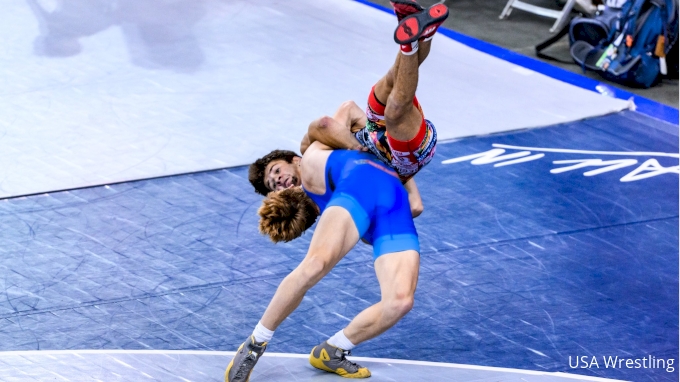
Greco-Roman action concluded at the 2026 Fargo Nationals as many of the nation’s top high school wrestlers battle for national titles inside the Fargodome in Fargo, North Dakota. The tournament continues to showcase some of the country’s best up-and-coming talent across multiple age divisions and weight classes.
Opening-round matches featured returning All-Americans, nationally ranked wrestlers, and rising prospects looking to make their mark on one of wrestling’s biggest stages.
Follow along for complete Greco-Roman results, updated brackets, and coverage throughout the tournament. Subscribe to FloWrestling to watch every match live and on demand.
2026 U.S. Marine Corps Junior Nationals
Fargo Nationals 2026 Schedule
Saturday, July 11
- 9:00 a.m. ET – Session III: Junior Boys Freestyle | Championship (2 rounds) & Consolation (5 rounds)
- 4:00 p.m. ET – Session IV: 16U Boys Freestyle | Championship (2 rounds) & Consolation (5 rounds)
Sunday, July 12
- 11:00 a.m. ET – Session V: 16U Boys Freestyle & Junior Boys Freestyle | Quarterfinals, Semifinals & Consolation (through Consolation Semifinals)
- 4:00 p.m. ET – Session VI: 16U Boys Freestyle & Junior Boys Freestyle | Placement Matches (3rd, 5th, 7th)
- 6:00 p.m. ET – 16U Boys Freestyle & Junior Boys Freestyle | Parade of All-Americans & Championship Finals
Monday, July 13
- 12:00 p.m. ET – Beach Wrestling Competition: 16U Boys & Junior Boys | Gastropub Volleyball, 3234 43rd St. S, Fargo, ND 58104
Tuesday, July 14
- 9:00 a.m. ET – Session VII: Junior Boys Greco-Roman | Championship (3 rounds) & Consolation (4 rounds)
- 4:30 p.m. ET – Session VIII: 16U Boys Greco-Roman | Championship (3 rounds) & Consolation (4 rounds)
Wednesday, July 15
- 10:00 a.m. ET – Session IX: 16U Boys Greco-Roman & Junior Boys Greco-Roman | Round of 16, Quarterfinals, Semifinals & Consolation (4 rounds)
- 4:00 p.m. ET – Session X: 16U Boys Greco-Roman & Junior Boys Greco-Roman | Consolation Quarterfinals & Consolation Semifinals
- 5:00 p.m. ET – 16U Boys Greco-Roman & Junior Boys Greco-Roman | Placement Matches (3rd, 5th, 7th)
- 6:30 p.m. ET – 16U Boys Greco-Roman & Junior Boys Greco-Roman | Parade of All-Americans & Championship Finals
Thursday, July 16
- 2:00 p.m. ET – Session XI: Junior Girls Freestyle | Championship (2 rounds) & Consolation (1 round)
- 6:00 p.m. ET – Session XII: 16U Girls Freestyle | Championship (2 rounds) & Consolation (2 rounds)
Friday, July 17
- 10:00 a.m. ET – Session XIII: 16U Girls Freestyle & Junior Girls Freestyle | Round of 32 & Consolation (2 rounds)
- 4:00 p.m. ET – Session XIV: 16U Girls Freestyle & Junior Girls Freestyle | Round of 16, Quarterfinals & Consolation
Saturday, July 18
- 11:00 a.m. ET – Session XV: 16U Girls Freestyle & Junior Girls Freestyle | Semifinals, Consolation & Consolation Semifinals
- 3:00 p.m. ET – Session XVI: 16U Girls Freestyle & Junior Girls Freestyle | Placement Matches (3rd, 5th, 7th)
- 4:30 p.m. ET – 16U Girls Freestyle & Junior Girls Freestyle | Parade of All-Americans & Championship Finals
Fargo 2026 Wrestling Live Stream
Fargo Nationals 2026 will stream live on FloWrestling from the Fargodome in Fargo, North Dakota, from July 10-18.
Fargo Wrestling 2026 Brackets
Refresh this page throughout the tournament for the latest brackets and live results below. You can also view the full visual brackets at USA Wrestling.
Full brackets and results can be found on USA Bracketing.
Round Of 16
100 – Symon Woods, IL over Ben Kinney, PA (TF 8-0 (0:57) )
100 – David Serrano, FL over Nathan Dornin, CA (TF 8-0 (1:21) )
100 – Eldon Roth, WI over David Wesierski, IL (TF 8-0 (2:43) )
100 – Logan Wray, WA over Aniya Polk, OH (TF 11-3 (1:33) )
100 – Jackson Taylor, KY over Diontae Calhoun, IL (F 0:12 )
100 – Logan Raske, TN over Bennett Scheier, KS (F 0:32 )
100 – Rocco Valvano, IL over Rhoan Rambo, OK (Dec 7-6 )
106 – Ty Martin, IA over Brandon Henderson, OR (TF 12-4 (3:00) )
106 – Grady Swalberg, UT over Gabe Terriquez, OK (TF 10-0 (1:39) )
106 – Derik Kiefer, GA over Jakoby Odineal, TN (TF 8-0 (1:11) )
106 – Frank Fuentes, CA over DeVaughn Miller, AL (TF 11-2 (4:26) )
106 – Dakota Harmer, MI over Aidan Ortega, IL (Dec 7-4 )
106 – Anthony Castillo, CO over Dylan Coulson, ID (TF 14-6 (3:30) )
106 – Parker Williams, FL over Caden Bock, WI (F 1:46 )
106 – Stephano Calderon, SC over Jack Litton, IA (TF 8-0 (0:54) )
113 – Cason Craft, OK over Damien Yeoman, IA (TF 8-0 (0:31) )
113 – Koa DeLoach, FL over Rowdy Angst, MO (TF 9-0 (1:49) )
113 – Evan Centeno, UT over Camron Smith, PA (Dec 10-5 )
113 – Blackburn Savage, OH over RJ Phelan, FL (TF 11-1 (0:33) )
113 – William Yoshida, TX over Xzander Donner, KS (TF 8-0 (1:32) )
113 – Niko Odiotti, IL over Ace Schweitzer, NE (TF 17-6 (5:44) )
113 – Tanner Rhoton, KS over Onofre Gonzales, CO (TF 8-0 (2:07) )
113 – Austin Hayes, MD over Vincent DeMarco, IL (Dec 12-10 )
120 – Michael Rundell, IL over Landen Modica, LA (TF 9-0 (1:50) )
120 – Joel Friederichs, MN over Alejandro Perez, CO (TF 14-5 (5:06) )
120 – Dustin John Snider, CO over Benjamin Proper, VA (TF 8-0 (3:57) )
120 – Brendon Oehme, SD over Lazarus McEwen, WA (F 4:18 )
120 – Tyler Verceles, MD over Camm Colgate, CA (TF 9-1 (2:54) )
120 – Brand’n Edstrom, ID over Layne Martin, MI (F 4:39 )
120 – Ray Long, IL over Shawn Coffel, TX (TF 9-0 (1:39) )
120 – Kaleb Blackner, UT over Carter Booze, NE (F 1:02 )
126 – Isaiah Jones, OK over Jesse Landtroop, OR (TF 10-0 (0:51) )
126 – Kai Plinski, WV over Audon Clark, WA (TF 9-0 (4:35) )
126 – Thiago Silva, CA over Dylan Nieuwenhuis, MI (TF 9-0 (3:21) )
126 – Nicolas Enzminger, ND over Mathew Prine, IA (F 0:33 )
126 – Loc Webber, OH over Jorge De La Rosa, OR (TF 9-0 (2:04) )
126 – Cruzer Dominguez, NE over Carter Wallis, MO (TF 13-5 (5:20) )
126 – Derion Williams, OH over Mateo Gallegos, PA (Dec 10-6 )
126 – Titan Friederichs, MN over Evan Provost, OR (TF 8-0 (1:46) )
132 – Elijah Hyet, IA over Tanner Telford, UT (TF 8-0 (3:00) )
132 – Jamiel Castleberry, IL over Kellen Downing, MT (Dec 7-2 )
132 – Kaleb Pratt, IL over Quenten Halverson, AK (TF 9-1 (4:52) )
132 – Max Francisco, AK over Jamison Gregory, MI (TF 8-0 (0:30) )
132 – Aidan McClure, IL over Lazaro Soto, FL (Dec 1-1 )
132 – Tommy Wurster, OH over Samuel Moody, UT (TF 9-1 (3:49) )
132 – Caleb Schaefer, IN over Jr Ortega, CO (TF 13-2 (0:51) )
132 – Robert Ruscitti, IL over Jonas DesRochers, WA (TF 12-3 (5:49) )
138 – Blake Nevils, ID over Louden Elliott, NY (TF 8-0 (0:43) )
138 – Matthew Orbeta, CA over Carsten Burkemper, MO (Dec 6-4 )
138 – Jack Baker, CA over Blaze Van Gundy, OH (TF 8-0 (0:33))
138 – Thomas Banas, IL over Rayce Schriever, CO (TF 8-0 (1:58) )
138 – Nicholas Sorrow, MI over Dayton Fitzgibbon, WA (TF 10-0 (4:38) )
138 – Cael Humphrey, CA over Jensen Boyd, IN (F 1:07 )
138 – Christopher Grossman, MT over Deven Lopez, CO (Dec 6-3 )
138 – Gage Bjerga, MN over Ames-Michael Hoevker, CA (TF 8-0 (0:40) )
144 – Ned Kauffman, PA over Connor Allison, MD (TF 8-0 (0:55) )
144 – Tyler Stephens, MD over Garrison Sartain, OK (Dec 6-1 )
144 – Mason Goelz, IN over Mihai Necula, GA (TF 8-0 (1:41) )
144 – Anthony Delgado, NV over Coreu Powe, AL (TF 9-0 (4:08) )
144 – Liam Collins, MN over Anthony Severino, NY (TF 8-0 (1:28) )
144 – Mason DesRochers, WA over Cody Trevino, IA (TF 8-0 (0:52) )
144 – Adante Washington, IL over Daniel Green, MT (TF 10-2 (2:32) )
144 – Tyler Yancey, TX over Jack Bronte, CA (TF 10-1 (5:47) )
150 – Austin Collins, CO over Connor Crum, WA (TF 9-1 (2:23) )
150 – Hayden Reuter, AK over Tristan North, WI (Dec 9-4 )
150 – Landon Quiroga, FL over Jax Fuhrman, PA (F 0:38 )
150 – Gavin Weichelt, CO over Julian Glover, KS (TF 9-0 (2:06) )
150 – Alexander Penzkover, WI over Samson McKissick Staley, NY (TF 11-0 (1:30) )
150 – Dimitri Kizer, OK over Chance Ruble, MO (F 2:11 )
150 – David Burchett, CO over Carlos Valdiviezo, CA (TF 10-0 (1:49) )
150 – Legend Ellis, OK over Ezekiel Bolton, AK (Dec 8-1 )
157 – Wyatt Medlin, IL over Cohen Long, IN (TF 8-0 (2:07) )
157 – Parker Casey, IA over Keith Remington, TX (F 2:18 )
157 – Jayden Dela Rosa, CA over Micah McCaskill, TX (TF 8-0 (0:35) )
157 – Kaleb Mead, MN over Kaleb Griffith, NE (F 2:36 )
157 – Donald Jackson, KS over Diego Valdiviezo, CA (Dec 9-4 )
157 – Jacob Morris, AK over Cash Hatfield, IA (TF 8-0 (0:24) )
157 – Daniel Acosta, TX over Louden McDoulett, OK (Dec 11-8 )
157 – Gregory Torosian, CA over Lazaro Torralba, MD (Dec 8-2 )
Round Of 32
106 – Aidan Ortega, IL over Paul Fitzpatrick, MD (Dec 9-3 )
106 – Anthony Castillo, CO over Jon Boone, AL (TF 10-2 (0:58) )
106 – Brandon Henderson, OR over Christopher Goucher, NC (ID 2:18 )
106 – Caden Bock, WI over Major Dodge, TX (F 0:50 )
106 – Dakota Harmer, MI over Riley Smith, PA (F 3:29 )
106 – Derik Kiefer, GA over Jose Jimenez, ID (TF 18-9 (3:55) )
106 – DeVaughn Miller, AL over Miles Aase, MN (Dec 8-2 )
106 – Dylan Coulson, ID over Jaxen Buckman, AZ (F 0:53 )
106 – Frank Fuentes, CA over Casey Koerner, IL (TF 8-0 (1:08) )
106 – Gabe Terriquez, OK over Austin Rohrbacher, MI (TF 8-0 (0:42) )
106 – Grady Swalberg, UT over Kevin Bisonaya, IL (TF 16-7 (5:59) )
106 – Jack Litton, IA over Bryant Razo, WA (TF 9-0 (4:08) )
106 – Jakoby Odineal, TN over Jake Gondik, WI (TF 9-1 (0:57) )
106 – Parker Williams, FL over Jensen Sosbe, IN (TF 16-8 (3:29) )
106 – Stephano Calderon, SC over Rex Kohner, CA (TF 10-0 (1:26) )
106 – Ty Martin, IA over JoJo LaRocco, PA (TF 8-0 (1:49) )
113 – Ace Schweitzer, NE over Carlos Rivera, NY (TF 8-0 (1:36) )
113 – Austin Hayes, MD over Jacob Carr, DE (TF 11-0 (2:26) )
113 – Blackburn Savage, OH over Carson Raper, NC (TF 9-0 (1:01) )
113 – Camron Smith, PA over Thomas Emery, IL (TF 9-0 (0:48) )
113 – Cason Craft, OK over Nicholas Yetzer, VA (TF 9-0 (0:44) )
113 – Damien Yeoman, IA over Vince McCoy, IN (TF 12-3 (5:59) )
113 – Evan Centeno, UT over William Clanton, NY (TF 8-0 (2:17) )
113 – Koa DeLoach, FL over Hector Ortiz, TX (TF 14-6 (2:33) )
113 – Niko Odiotti, IL over Javean Centeno, MN (TF 9-1 (1:40) )
113 – Onofre Gonzales, CO over Carter Lirgg, SC (TF 11-0 (2:18) )
113 – RJ Phelan, FL over Trey Kraemer, MN (TF 8-0 (1:16) )
113 – Rowdy Angst, MO over Blake Brose, MN (TF 14-2 (1:32) )
113 – Tanner Rhoton, KS over Andre Rice, IL (Dec 8-6 )
113 – Vincent DeMarco, IL over Kolten Land, IN (TF 9-0 (5:19) )
113 – William Yoshida, TX over Trevor Jacob Christner, MI (TF 12-4 (2:34) )
113 – Xzander Donner, KS over Ashdyn Densley, UT (F 1:57 )
120 – Alejandro Perez, CO over Caleb Morrow, IN (TF 8-0 (0:38) )
120 – Benjamin Proper, VA over Landon Clore, MD (TF 9-1 (1:55) )
120 – Brand’n Edstrom, ID over Grant Fearing, CA (TF 9-1 (1:26) )
120 – Brendon Oehme, SD over David Vazquez, NJ (TF 14-2 (4:50) )
120 – Camm Colgate, CA over Colin George, CO (TF 10-2 (2:24) )
120 – Carter Booze, NE over Spencer Shore, OH (Dec 5-2 )
120 – Dustin John Snider, CO over Griffin Magee, ND (TF 8-0 (0:46) )
120 – Joel Friederichs, MN over Jesse Judkins, UT (TF 8-0 (0:23) )
120 – Kaleb Blackner, UT over Mason Hoffman, OK (F 1:32 )
120 – Landen Modica, LA over Joshua Enoch, OR (TF 8-0 (1:53) )
120 – Layne Martin, MI over Max Schroeder, WI (TF 10-0 (1:12) )
120 – Lazarus McEwen, WA over Bennett Ferraro, PA (TF 9-0 (2:00) )
120 – Michael Rundell, IL over Waylon Burress, MO (TF 8-0 (0:44) )
120 – Ray Long, IL over Ethan Waxberg, CA (TF 14-4 (0:57) )
120 – Shawn Coffel, TX over Donovan Jenkins, FL (TF 12-2 (2:25) )
120 – Tyler Verceles, MD over Messiah Grant, NY (F 1:34 )
126 – Audon Clark, WA over Aiden Jalajel, OK (TF 10-0 (2:34) )
126 – Carter Wallis, MO over Noah Henderson, OK (TF 8-0 (0:42) )
126 – Cruzer Dominguez, NE over Diesel Knudsen, UT (TF 9-0 (1:26) )
126 – Derion Williams, OH over Collin Frey, WI (TF 9-0 (2:14) )
126 – Dylan Nieuwenhuis, MI over Hoyt Harshman, WA (Dec 8-5 )
126 – Evan Provost, OR over Irving Bicoy III, HI (TF 13-4 (4:41) )
126 – Isaiah Jones, OK over Jeremiah Lawrence, IL (Dec 10-10 )
126 – Jesse Landtroop, OR over Xamian Munoz, CA (TF 10-0 (2:26) )
126 – Jorge De La Rosa, OR over Ethan Humphrey, IA (Dec 12-8 )
126 – Kai Plinski, WV over Easton Olson, UT (Dec 6-4 )
126 – Loc Webber, OH over Lincoln Werner, AK (TF 14-3 (3:31) )
126 – Mateo Gallegos, PA over Erik Perez, FL (TF 9-0 (1:41) )
126 – Mathew Prine, IA over Saitaro Kong, MN (F 1:18 )
126 – Nicolas Enzminger, ND over Brayden Buchanan, VT (DQ 4:53 )
126 – Thiago Silva, CA over Evan Schomburg, PA (TF 9-0 (2:59) )
126 – Titan Friederichs, MN over Arik Korfhage, OH (TF 9-0 (0:31) )
132 – Aidan McClure, IL over Lane Monroe, UT (F 2:42 )
132 – Caleb Schaefer, IN over Gabriel Roehl, MN (Dec 8-1 )
132 – Elijah Hyet, IA over Graydon Martin, VA (F 5:14 )
132 – Jamiel Castleberry, IL over Kayden McDonald, WV (TF 8-0 (1:36) )
132 – Jonas DesRochers, WA over Jasper Croom, FL (TF 10-0 (2:29) )
132 – Jr Ortega, CO over Cole Cronan, CA (TF 8-0 (1:42) )
132 – Kaleb Pratt, IL over Charlie Trujillo, TX (TF 9-1 (4:06) )
132 – Kellen Downing, MT over William Atkinson, AL (TF 12-4 (4:30) )
132 – Lazaro Soto, FL over Trey Smith, OR (Dec 7-5 )
132 – Max Francisco, AK over Taegan Gilmore, OH (Dec 8-6 )
132 – Quenten Halverson, AK over Scott Cascio, LA (F 2:54 )
132 – Robert Ruscitti, IL over Dmytro Bohdan, NJ (TF 11-2 (2:27) )
132 – Samuel Moody, UT over Lytning Hazen, CA (F 1:49 )
132 – Tanner Telford, UT over Nathaniel Mitchell, CA (TF 8-0 (0:41) )
132 – Tommy Wurster, OH over Kael Davis, PA (TF 9-1 (4:32) )
132 – Jamison Gregory, MI over Chase Kastner, CT (TF 11-3 (5:02) )
138 – Blake Nevils, ID over Alexander Bermudez, AZ (TF 8-0 (0:46) )
138 – Cael Humphrey, CA over Reid Yakes, FL (Dec 5-0 )
138 – Carsten Burkemper, MO over Josiah Sims, OH (Dec 11-4 )
138 – Christopher Grossman, MT over David Crilly, FL (F 2:49 )
138 – Deven Lopez, CO over Grady Iverson, ND (F 2:23 )
138 – Gage Bjerga, MN over Kyle Menuez, CO (TF 8-0 (2:02) )
138 – Jack Baker, CA over Jack Simpson, CO (TF 8-0 (1:50) )
138 – Jensen Boyd, IN over Zac Bleess, MO (TF 9-0 (4:07) )
138 – Louden Elliott, NY over Gael Ramirez, OH (TF 12-4 (5:56) )
138 – Matthew Orbeta, CA over Jacob Woehr, TX (TF 8-0 (0:13) )
138 – Nicholas Sorrow, MI over Christian Ripa, CA (TF 8-0 (1:31) )
138 – Thomas Banas, IL over Cash Bratt, OK (TF 8-0 (1:33) )
138 – Blaze Van Gundy, OH over Jesse Gatto, VA (TF 13-4 (5:06) )
138 – Rayce Schriever, CO over Austin Ellis, UT (F 3:34 )
138 – Dayton Fitzgibbon, WA over Jake Nieto, NY (Dec 14-12 )
138 – Ames-Michael Hoevker, CA over Aidan Larson, OR (Dec 17-15 )
144 – Cody Trevino, IA over Cash Botting, WI (Dec 5-4 )
144 – Mason DesRochers, WA over Kayden Hanlon, NV (TF 10-1 (1:38) )
144 – Mihai Necula, GA over Landon Blanton, IL (TF 9-0 (2:17) )
144 – Ned Kauffman, PA over Jacksen Carter, SD (TF 9-0 (1:36) )
144 – Tyler Stephens, MD over Brody Schmitt, NE (TF 8-0 (2:32) )
144 – Connor Allison, MD over Kiernan Meink, NE (Dec 12-8 )
144 – Garrison Sartain, OK over Cooper Wing, ID (TF 11-0 (3:48) )
144 – Mason Goelz, IN over Bryson Burton, OK (F 5:27 )
144 – Coreu Powe, AL over Beck Yurkunas, MI (TF 9-1 (3:00) )
144 – Anthony Delgado, NV over Todd Whitescarver, MT (Dec 6-5 )
144 – Liam Collins, MN over Stephen Myers, WV (F 5:14 )
144 – Anthony Severino, NY over Jordan Loya, ID (Dec 5-1 )
144 – Daniel Green, MT over Clinton VerHeecke, IL (F 1:46 )
144 – Adante Washington, IL over Judah Perrault, MN (TF 8-0 (1:19) )
144 – Jack Bronte, CA over Chase Mills, MN (Dec 9-3 )
144 – Tyler Yancey, TX over Taylor Torres, CO (TF 9-1 (4:27) )
150 – Austin Collins, CO over Luke Steffens, MO (TF 9-0 (1:03) )
150 – Hayden Reuter, AK over Gunner Butt, IN (TF 8-0 (2:04) )
150 – Connor Crum, WA over Bradley Lazzerini, OK (Dec 7-0 )
150 – Tristan North, WI over Jake Mescher, ID (F 3:35 )
150 – Landon Quiroga, FL over Hunter Gordon, TX (Dec 3-2 )
150 – Jax Fuhrman, PA over Cole Cichocki, MI (F 0:31 )
150 – Julian Glover, KS over Izaiah Sanchez, WI (TF 8-0 (0:55) )
150 – Gavin Weichelt, CO over Alexander Shvartsman, IL (TF 8-0 (2:49) )
150 – Alexander Penzkover, WI over Jayce Kolendich, MT (Dec 6-5 )
150 – Samson McKissick Staley, NY over Bennett Kujawa, MN (Dec 9-4 )
150 – Dimitri Kizer, OK over Kaden Martineau, UT (TF 11-0 (1:11) )
150 – Chance Ruble, MO over Dawson Mack, IL (F 5:33 )
150 – Carlos Valdiviezo, CA over Parker Zutter, MN (Dec 8-5 )
150 – David Burchett, CO over Mathias Hogue, MT (Dec 6-3 )
150 – Ezekiel Bolton, AK over Murphy Randolph, KS (TF 14-4 (1:58) )
150 – Legend Ellis, OK over Ryan Hager, OH (Dec 8-3 )
157 – Wyatt Medlin, IL over Tharin Svetanant, VA (TF 8-0 (1:05) )
157 – Cohen Long, IN over Drezdyn Ballard, TX (F 1:35 )
157 – Keith Remington, TX over Eugene Miller IV, VA (TF 9-0 (1:46) )
157 – Parker Casey, IA over Luke Louzensky, TN (TF 9-0 (1:45) )
157 – Jayden Dela Rosa, CA over Dominic Way, WV (TF 12-4 (1:44) )
157 – Micah McCaskill, TX over Mack Powell, OK (F 2:40 )
157 – Louden McDoulett, OK over Jacob Alvarez, IL (TF 9-0 (1:44) )
157 – Daniel Acosta, TX over Noah Aubert, PA (TF 9-1 (1:37) )
157 – Gregory Torosian, CA over Gregory Green, NY (TF 9-0 (1:00) )
157 – Lazaro Torralba, MD over Connor Heron, CO (TF 10-2 (2:39))
157 – Kaleb Griffith, NE over John Gagen, KS (TF 9-0 (0:18) )
157 – Kaleb Mead, MN over Braxten Antuna, OK (TF 10-0 (1:23) )
157 – Donald Jackson, KS over Taryn Nichols, MO (TF 10-0 (5:15) )
157 – Diego Valdiviezo, CA over Bohdan Bendina, IL (TF 8-0 (0:47) )
157 – Cash Hatfield, IA over Braxston Widrikis, CO (TF 17-9 (5:36) )
157 – Jacob Morris, AK over Nathaniel Roybal, NM (TF 9-0 (0:53) )
165 – Cael Gilmore, OH over William Tripp, SC (TF 9-0 (0:39) )
165 – Karl Ledbetter, UT over Zane Willobee, MI (TF 11-0 (2:20) )
165 – Keegan Rager, WY over Braylon Stewart, LA (Dec 8-4 )
165 – Preston Scott, OK over Jonre Fisher, VA (Dec 7-0 )
165 – Drake Morrison, ID over Ryen Macdonald, VA (TF 8-0 (1:30) )
165 – Deacon Dressler, IN over Coehn Weber, IL (TF 10-0 (1:56) )
165 – Harrison Smith, NV over Paxon Legatt, GA (Dec 2-1 )
165 – Tre Haines, WA over Austin Perez, IL (TF 8-0 (4:01) )
165 – Aiden Arnett, IL over Brenden Ging, NE (TF 8-0 (0:56) )
165 – Tyree Graham, FL over Aiden Hernandez, ID (TF 8-0 (1:34) )
165 – Jozeph Valenzuela Smith, AZ over Dalton Humeniuk, MN (TF 12-3 (5:06) )
165 – Jared Remington, TX over Jance Novak, WA (F 1:49 )
165 – Thunder Page, KS over Blake Allen, VT (TF 8-0 (1:26) )
165 – Clayton McGuire, AK over Maxum Rodgers, NE (TF 8-0 (0:49) )
165 – Luke Knox, PA over Ryker Cox, NY (F 1:42 )
165 – Emerson Tjaden, KS over Reed Wilson, MO (Dec 8-5 )
175 – Ivan Ivanov, ID over Ethan Fischer, MN (TF 8-0 (1:15) )
175 – Noah Howk-Erwin, IA over Murphy Beyer, WI (TF 16-8 (3:21) )
175 – Grady Weinbrenner, MN over Adonis Kelley, OH (TF 8-0 (0:21) )
175 – Brock Armstrong, ID over Pratham Sharma, CA (Dec 4-0 )
175 – Logan Hinton, SC over Benjamin Rosen, CA (TF 12-2 (3:00) )
175 – Ty’Quavion Smart, IL over Ryan Lewis, ID (TF 8-0 (2:03) )
175 – Spencer Madsen, WI over Charles O’Malley, KY (TF 11-1 (2:44) )
175 – Lucas Boe, FL over Will McNair, GA (F 4:13 )
175 – Mason Carnrite, CA over Tate Sailer, ND (Dec 8-6 )
175 – James Hansen, ID over Talon Boyd, OH (Dec 11-10 )
175 – Tyler Abell, MO over Brayden Koester, IA (Dec 7-4 )
175 – Jad Urribarri, FL over Zane Engels, MN (Dec 8-7 )
175 – Noah Tucker, MD over Eli Smith, IL (Dec 8-1 )
175 – Simon Jarrell, WA over Landen Messer, OH (TF 9-0 (2:12) )
175 – Abram Davidson, IL over Angelo Adame, CA (Dec 6-2 )
175 – Gary High, TN over Kannon Grant, WY (F 2:27 )
190 – Victor Marks-Jenkins, MD over Rylan Moran, OH (TF 8-0 (1:46) )
190 – Hugh Meyer, ND over Andrew Rubino, NE (TF 8-0 (2:28) )
190 – Caden Grenier, MN over Braylen Bieber, IA (TF 9-1 (1:57) )
190 – Kannon Freschette, WA over Mark Aeschliman, IL (TF 10-2 (2:46) )
190 – Kyle Gallo, FL over Nikolas Gallardo, NV (F 3:25 )
190 – Carson Langford, OR over Owen Lexvold, MN (TF 10-2 (3:33) )
190 – Braden Strain, OK over Zion Johnson, SC (TF 8-0 (1:10) )
190 – JT Smith, NE over Townsend Winans, VA (Dec 6-1 )
190 – Andy Franke, IA over Jakaleb Robinson-Barnes, SC (TF 8-0 (1:49) )
190 – Ibrahim Zaky, VA over Logan Ellwanger, WI (TF 19-9 (2:53) )
190 – Gabriel Cohn, MN over Joseph Fitak, IL (TF 9-1 (4:44) )
190 – Waylon Cressell, IA over John Manley, OH (TF 8-0 (2:47) )
190 – Blaise Turner, ID over Garrett Lees, WA (TF 8-0 (1:56) )
190 – Cash Morrell, PA over Sean Perez, TX (TF 8-0 (1:31) )
190 – Chase Amspacher, PA over Snowden Gabrielsen, OR (TF 8-0 (1:13) )
190 – Shepard Stephens, UT over Jaxon Hamilton, AZ (TF 10-1 (2:24) )
215 – Ladd Holman, UT over Lucas Nance, IL (TF 9-0 (2:01) )
215 – Joseph Camelin, MO over Brendan Lamfers, IA (TF 18-7 (4:40) )
215 – Joaquin Ruiz, UT over Joseph Harriman, CA (TF 9-0 (2:14) )
215 – Xander Dossett, GA over Luke Sobey, SC (TF 9-0 (1:27) )
215 – Gage Ponton, ID over Ryan Schneider, CT (TF 8-0 (3:56) )
215 – Seth Hernandez, OK over Teigen Moreno, IL (F 0:46 )
215 – Tyce Faber, MN over Gavin Muller, IA (F 0:48 )
215 – Layne O’Neil, MI over Ares Swain, WA (F 1:30 )
215 – Carter Brown, MO over Kaden Stitt, IA (F 1:27 )
215 – Noah Mathis, KS over Kendahl Hoare, PA (Dec 4-1 )
215 – Kellen Fellure, IN over Braeden Maxey, MN (Dec 4-2 )
215 – Cooper Reves, KS over Beaudry Payne, MT (TF 11-1 (1:28) )
215 – Carter Vannest, CA over Joseph Figueroa, AZ (TF 10-1 (1:13) )
215 – Jarod Anderson, IA over Daniel Moylan, CA (MFF)
215 – Jaxson Mathenia, IL over Matthew Polcyn, GA (F 2:09 )
215 – Jaxon Penovich, IL over Jackson Bowden, RI (TF 9-0 (0:59) )
285 – Leland Day, CO over Sebastian Espinosa, OH (F 1:07 )
285 – Sean Thornton, IL over Hans Wiederkehr, NY (TF 10-0 (4:07) )
285 – Matthew Cooley, CA over Kade West, WA (Dec 4-2 )
285 – Camden Williams, IN over Payton Green, MD (TF 8-0 (1:54) )
285 – Noah Larios, CA over Lincoln Gaylor, OH (F 0:32 )
285 – Bryce Watkins, PA over Riley Harmon, OR (F 0:41 )
285 – Ryder Balkema, MI over Evan Gillespie, PA (F 0:47 )
285 – Joe Constable, IA over Gabriel Fimbres, AZ (Dec 8-3 )
285 – Ashton Honnold, IA over Darion Bitz, ND (TF 9-0 (1:57) )
285 – David Finch, OR over Grant Bahnsen, TX (F 1:35 )
285 – Angus Machen, IN over Jackson Eggink, NE (F 0:46 )
285 – Preston Krueger, WI over Logan McClellan, OH (TF 8-0 (0:37) )
285 – Jeremy Marshall, IL over Blake McMullen, MN (Dec 1-1 )
285 – Carter Johnson, ND over Jesse Romero, MO (F 2:39)
285 – JT Kelso, IA over Luis Garcia, KS (TF 8-0 (2:09) )
285 – Ke’shawn Jones, TX over Jaxson Hulbert, WA (TF 10-0 (3:27) )
Round Of 64
106 – Aidan Ortega, IL over Fernando Morales, TX (TF 9-1 (5:24) )
106 – Christopher Goucher, NC over Deshaun Lebron, TX (F 1:44 )
106 – Derik Kiefer, GA over Kaleb Whyte, CT (TF 8-0 (3:17) )
106 – Parker Williams, FL over Jack Mulvahill, OR (F 2:30 )
113 – Ace Schweitzer, NE over Izic Zarate, IA (TF 8-0 (0:31) )
113 – Andre Rice, IL over Tobias Guillen, ID (TF 9-0 (2:43) )
113 – Ashdyn Densley, UT over Nixon Dayao, AZ (F 1:10 )
113 – Austin Hayes, MD over Ryan Penn, PA (TF 8-0 (1:36) )
113 – Blackburn Savage, OH over Caden Brayfield, MO (TF 8-0 (0:34) )
113 – Blake Brose, MN over Vaughn Graff, OR (TF 18-10 (4:26) )
113 – Camron Smith, PA over Cameron Schofield, IN (Dec 6-1 )
113 – Carlos Rivera, NY over Koichiro Abe, PA (F 2:46 )
113 – Carson Raper, NC over Simon Carter, CO (TF 9-0 (5:11) )
113 – Carter Lirgg, SC over Thomas Gorst, UT (F 5:01 )
113 – Cason Craft, OK over Eisa Scrapper, CA (TF 8-0 (1:12) )
113 – Damien Yeoman, IA over Jaydyn Schommer, NE (TF 8-0 (1:51) )
113 – Evan Centeno, UT over Jackson Yetzer, VA (TF 10-0 (2:33) )
113 – Hector Ortiz, TX over Jaden Medina, KS (TF 8-0 (1:08) )
113 – Jacob Carr, DE over Caden Swaney, SD (TF 8-0 (1:22) )
113 – Javean Centeno, MN over Cayden McCullough, OH (TF 11-3 (5:25) )
113 – Koa DeLoach, FL over Gavyn DeCol, UT (TF 8-0 (1:27) )
113 – Kolten Land, IN over Carter McNeese, VA (TF 8-0 (0:56) )
113 – Nicholas Yetzer, VA over Diego Martinez, IL (F 5:31 )
113 – Niko Odiotti, IL over Kyle Andres, MO (F 0:56 )
113 – Onofre Gonzales, CO over Gabriel Martinez, CA (Dec 8-1 )
113 – RJ Phelan, FL over Burke Blue, ID (TF 10-0 (0:37) )
113 – Rowdy Angst, MO over Derek Weible, AZ (TF 8-0 (0:28) )
113 – Tanner Rhoton, KS over Hudson Fleming, IA (TF 8-0 (1:42) )
113 – Thomas Emery, IL over Julian Moore, KS (F 2:20 )
113 – Trevor Jacob Christner, MI over Peter Page, AR (TF 14-6 (1:23) )
113 – Trey Kraemer, MN over Karsten Kilgore, WY (TF 10-0 (1:38) )
113 – Vince McCoy, IN over Giovani Panfilo-Ortiz, WA (TF 8-0 (0:37) )
113 – Vincent DeMarco, IL over Bodey Schweiger, WA (Dec 3-1 )
113 – William Clanton, NY over Oliver Oei, GA (TF 12-4 (6:00) )
113 – William Yoshida, TX over Tristan Mendenhall, ID (TF 14-4 (3:00) )
113 – Xzander Donner, KS over Landon Quirk, CA (Dec 3-2 )
120 – Alejandro Perez, CO over Daniel Goodwin, IL (TF 8-0 (2:07) )
120 – Benjamin Proper, VA over Carter Gary, IN (TF 12-4 (5:36) )
120 – Bennett Ferraro, PA over John Bean, CT (TF 9-0 (1:58) )
120 – Brendon Oehme, SD over Chance Wuhr, OH (TF 8-0 (1:11) )
120 – Caleb Morrow, IN over Evan Thao, WI (TF 10-1 (2:19) )
120 – Camm Colgate, CA over Jackson Robbins, IN (TF 8-0 (1:18) )
120 – Carter Booze, NE over RiSu Choi, MI (Dec 4-1 )
120 – Colin George, CO over Chase Hager, UT (TF 8-0 (0:33) )
120 – David Vazquez, NJ over Cael Stricker, IA (TF 11-2 (1:35) )
120 – Donovan Jenkins, FL over Hunter McGrane, ND (Dec 16-10 )
120 – Dustin John Snider, CO over Xzephren Donner, KS (TF 10-0 (0:15) )
120 – Ethan Waxberg, CA over D’Anthony Garcia Reyes, WA (FF)
120 – Grant Fearing, CA over Jackson Mostrom, WA (TF 12-4 (3:32) )
120 – Griffin Magee, ND over Eli Sanders, AL (F 5:29 )
120 – Jesse Judkins, UT over Keylan Freeman, OK (TF 14-2 (1:54) )
120 – Joel Friederichs, MN over Pilot Swab, MI (TF 12-3 (4:42) )
120 – Joshua Enoch, OR over Logan Turner, MT (TF 8-0 (0:31) )
120 – Kaleb Blackner, UT over Wade Pugh, CO (F 0:50 )
120 – Landen Modica, LA over Miles Blanton, NM (TF 8-0 (3:31) )
120 – Landon Clore, MD over Thales Silva, CA (TF 11-2 (2:41) )
120 – Layne Martin, MI over Tyler Donne, OR (TF 8-0 (0:26) )
120 – Lazarus McEwen, WA over Michael Keith, WY (TF 8-0 (2:04) )
120 – Mason Hoffman, OK over Domenico Novosel, CA (TF 9-0 (4:19) )
120 – Max Schroeder, WI over Wesley Francis, AR (TF 9-0 (0:23) )
120 – Messiah Grant, NY over Vince von Bernewitz, VA (Dec 9-4 )
120 – Michael Rundell, IL over Jeremy Lynch, WA (TF 8-0 (1:37) )
120 – Ray Long, IL over Hamid Hashimi, CO (TF 9-0 (2:17) )
120 – Shawn Coffel, TX over Stephen Burgess, SC (TF 10-1 (0:52) )
120 – Spencer Shore, OH over Karson Bachelder, IN (TF 9-0 (3:16) )
120 – Tyler Verceles, MD over Derick Jorissen, ND (F 1:22 )
120 – Waylon Burress, MO over Urijah Duran, CO (F 3:54 )
120 – Brand’n Edstrom, ID over Pierce Ritchey, TX (TF 10-2 (2:43) )
126 – Aiden Jalajel, OK over Cameron Haynes, OH (TF 9-0 (0:44) )
126 – Arik Korfhage, OH over Kason Palser, NE (DQ 5:46 )
126 – Audon Clark, WA over Dayton Albrecht, CO (ID 2:13 )
126 – Brayden Buchanan, VT over Philip Streff, NE (TF 9-0 (1:30) )
126 – Carter Wallis, MO over William Harvey, FL (TF 16-6 (3:26) )
126 – Collin Frey, WI over CJ Williams, SC (TF 9-0 (2:10) )
126 – Cruzer Dominguez, NE over Eli Carter, AL (TF 11-2 (1:18) )
126 – Derion Williams, OH over Tristan Pino, CO (TF 8-0 (4:29) )
126 – Diesel Knudsen, UT over Dylan DeBoer, WY (TF 8-0 (1:08) )
126 – Dylan Nieuwenhuis, MI over Andrew Taylor, FL (TF 9-0 (2:56) )
126 – Easton Olson, UT over Tyler Cooper, MI (TF 8-0 (1:18) )
126 – Erik Perez, FL over Rene Cordero, CA (TF 8-0 (3:30) )
126 – Ethan Humphrey, IA over Camden Kuntz, ID (Dec 13-10 )
126 – Evan Provost, OR over Gavin Donaldson, CT (TF 8-0 (1:29) )
126 – Evan Schomburg, PA over Eli Archibeque, NM (TF 8-0 (1:27) )
126 – Hoyt Harshman, WA over Pierce Bultmann, IL (TF 9-0 (3:30) )
126 – Irving Bicoy III, HI over Carson Blum, MI (TF 15-6 (4:48) )
126 – Isaiah Jones, OK over Masakiyo Joe, TX (F 0:35 )
126 – Jeremiah Lawrence, IL over Edward Vitu, OH (TF 9-0 (1:53) )
126 – Jesse Landtroop, OR over Matthew Quigley, MI (TF 8-0 (2:43) )
126 – Jorge De La Rosa, OR over Caleb clemans, WA (TF 8-0 (1:29) )
126 – Kai Plinski, WV over Everett Stephens, FL (TF 8-0 (1:43) )
126 – Lincoln Werner, AK over Matthew Valdez, NM (TF 9-0 (4:16) )
126 – Loc Webber, OH over Marquavious Lane, GA (TF 12-4 (4:01) )
126 – Mateo Gallegos, PA over Jack Lowe, TN (TF 8-0 (1:15) )
126 – Mathew Prine, IA over Steven Maitre, MA (TF 9-0 (1:47) )
126 – Nicolas Enzminger, ND over Steven Rodriguez, AR (TF 11-0 (0:25) )
126 – Noah Henderson, OK over J Chavez, CA (TF 8-0 (0:52) )
126 – Saitaro Kong, MN over Ryker Schingeck, WI (ID 3:30 )
126 – Thiago Silva, CA over James Murray, TX (TF 9-0 (1:40) )
126 – Titan Friederichs, MN over Tyler Shin, VA (TF 9-0 (1:34) )
126 – Xamian Munoz, CA over Eric Bice, NV (TF 13-4 (1:58) )
132 – Aidan McClure, IL over Colby Roesler, NY (TF 10-2 (2:25) )
132 – Caleb Schaefer, IN over Kennan Beatty, MO (TF 12-3 (5:50) )
132 – Charlie Trujillo, TX over Dominic Cordero, TN (TF 8-0 (1:14) )
132 – Chase Kastner, CT over Luke Galipeau, VT (TF 13-0 (1:53) )
132 – Cole Cronan, CA over Coy Mehlert, IA (F 2:16 )
132 – Dmytro Bohdan, NJ over Daniel Myint, IL (TF 13-5 (3:55) )
132 – Elijah Hyet, IA over Alex Gau, MN (F 4:58 )
132 – Gabriel Roehl, MN over Cordell Lee, AL (TF 8-0 (3:17) )
132 – Graydon Martin, VA over Jacob Leeper, OK (F 0:36 )
132 – Jamiel Castleberry, IL over Brennan Sprague, NY (Dec 5-5 )
132 – Jamison Gregory, MI over Perry Morgan, MO (TF 8-0 (1:02) )
132 – Jasper Croom, FL over Jonathan Emma, PA (TF 14-6 (5:27) )
132 – Jonas DesRochers, WA over Adam Khan, NY (TF 8-0 (1:20) )
132 – Jr Ortega, CO over Max Millage, IA (TF 9-0 (2:19) )
132 – Kael Davis, PA over Anthony Zuranski, IN (Dec 7-3 )
132 – Kaleb Pratt, IL over Carson Owens, MO (TF 8-0 (5:46) )
132 – Kayden McDonald, WV over Jordan Manyette, PA (Dec 7-5 )
132 – Kellen Downing, MT over Aidenn Chhourm, OH (TF 10-2 (1:37))
132 – Lane Monroe, UT over Drake Pollins, MI (TF 16-6 (4:40))
132 – Lazaro Soto, FL over Martez Sheard, WI (TF 8-0 (3:27) )
132 – Lytning Hazen, CA over Shane Rettig, SC (TF 8-0 (0:47) )
132 – Max Francisco, AK over Slater Thomas, IA (TF 12-4 (3:53) )
132 – Nathaniel Mitchell, CA over Liam Angle, OH (TF 8-0 (0:53) )
132 – Quenten Halverson, AK over Brayden Hawes, MN (TF 9-0 (2:28) )
132 – Robert Ruscitti, IL over Boston Noland, OH (TF 10-0 (1:22) )
132 – Samuel Moody, UT over Peter Filli, NY (Dec 11-6 )
132 – Scott Cascio, LA over Joel Jurado, AZ (TF 10-1 (2:35) )
132 – Taegan Gilmore, OH over Dalton Stragand, PA (TF 9-0 (1:33) )
132 – Tanner Telford, UT over Zachary Pendell, NY (TF 8-0 (0:29) )
132 – Tommy Wurster, OH over Conner Anderson, MO (TF 9-0 (0:56) )
132 – Trey Smith, OR over Conner Chancellor, OK (TF 14-4 (2:52) )
132 – William Atkinson, AL over Eoin Comes, VT (TF 8-0 (0:26) )
138 – Aidan Larson, OR over Jet Abbott, UT (TF 8-0 (0:48) )
138 – Alexander Bermudez, AZ over Giovanni Gutierrez, NJ (TF 10-1 (2:37) )
138 – Ames-Michael Hoevker, CA over Noah Wuthnow, KS (Dec 9-3 )
138 – Austin Ellis, UT over Caden Briquelet, AZ (TF 8-0 (0:35) )
138 – Blake Nevils, ID over Harrison Dea, IL (TF 8-0 (0:26) )
138 – Blaze Van Gundy, OH over Joseph Scott, FL (TF 10-1 (5:26) )
138 – Cael Humphrey, CA over Cole Mallon, MA (F 0:47 )
138 – Carsten Burkemper, MO over Meyer Murray, MI (TF 8-0 (3:47) )
138 – Christian Ripa, CA over Jacob Ness, CO (TF 8-0 (0:42) )
138 – Christopher Grossman, MT over Landon Salindong, CA (TF 11-0 (2:13) )
138 – David Crilly, FL over Michael Poulette, MO (TF 10-2 (5:12) )
138 – Dayton Fitzgibbon, WA over Cash Prado, GA (TF 8-0 (0:36) )
138 – Deven Lopez, CO over Noriel Gonzalez, CT (TF 11-0 (2:03) )
138 – Gael Ramirez, OH over William Christopher, WI (F 2:03 )
138 – Gage Bjerga, MN over Dean Wainwright, IL (TF 9-0 (2:02) )
138 – Grady Iverson, ND over Caleb Hennig, TX (TF 14-4 (2:38) )
138 – Jack Baker, CA over Kane Johnson, MN (F 3:14 )
138 – Jack Simpson, CO over Noah Sanchez, NV (Dec 5-1 )
138 – Jacob Woehr, TX over Kash Long, CO (TF 8-0 (0:56) )
138 – Jake Nieto, NY over Kohen Sanders, AZ (TF 9-0 (2:08) )
138 – Jensen Boyd, IN over Henry Martin Schultz, SC (F 1:26 )
138 – Jesse Gatto, VA over Cael Brubaker, TX (TF 13-3 (3:41) )
138 – Josiah Sims, OH over Colton Huff, IL (Dec 9-5 )
138 – Kyle Menuez, CO over Benjamin Jones, OH (TF 13-5 (0:53) )
138 – Louden Elliott, NY over Isaiah Rosales, CA (TF 8-0 (1:24) )
138 – Matthew Orbeta, CA over Bekim Zherka, FL (Dec 5-5 )
138 – Nicholas Sorrow, MI over Grady Roybal, UT (TF 9-0 (2:27) )
138 – Rayce Schriever, CO over Jackson Harrison, NY (TF 8-0 (0:16) )
138 – Reid Yakes, FL over Braiden Bartlett, TX (TF 11-2 (5:47) )
138 – Zac Bleess, MO over Morgan Beard, AL (TF 9-0 (1:54) )
138 – Thomas Banas, IL over Hunter Hurl, OR (Dec 9-2 )
144 – Anthony Delgado, NV over John Riley, OH (TF 8-0 (3:58) )
144 – Anthony Severino, NY over David Purtee, OH (F 0:44 )
144 – Beck Yurkunas, MI over Fischer Barr, MO (TF 13-5 (4:07) )
144 – Brody Schmitt, NE over Berkley Behrens, OH (Dec 5-4 )
144 – Bryson Burton, OK over Daniel Linares, CA (TF 8-0 (0:34) )
144 – Cash Botting, WI over Braxton Montgomery, AL (TF 8-0 (2:27) )
144 – Chase Mills, MN over Jaxon McAtee, WA (TF 9-0 (1:40) )
144 – Clinton VerHeecke, IL over Owen Kistler, AZ (TF 11-0 (0:45) )
144 – Cody Trevino, IA over Steven Frink, CA (TF 8-0 (1:11) )
144 – Connor Allison, MD over Helo Blackwell, CA (TF 10-0 (1:01) )
144 – Cooper Wing, ID over Frankie Zambada, CA (TF 11-3 (1:59) )
144 – Daniel Green, MT over dylan devincent, OH (TF 8-0 (0:52) )
144 – Garrison Sartain, OK over Ivan Woodhull, WI (TF 8-0 (1:32) )
144 – Jack Bronte, CA over Kingston Chavez, IN (TF 15-6 (4:25) )
144 – Jacksen Carter, SD over Jayzahn Jones, OH (TF 9-0 (2:56) )
144 – Judah Perrault, MN over Nicholas Nedd Jr., PA (TF 19-10 (4:53) )
144 – Kayden Hanlon, NV over Burke Niebauer, PA (TF 9-0 (2:02) )
144 – Kiernan Meink, NE over Michael Roesch, IN (TF 9-0 (3:19) )
144 – Landon Blanton, IL over Renzo Gann, TX (TF 14-6 (4:11) )
144 – Liam Collins, MN over Leo Cisper, KS (F 1:01)
144 – Mason DesRochers, WA over Matthew Laird, IL (TF 8-0 (0:46) )
144 – Mason Goelz, IN over Jaeden Brandon, VA (TF 8-0 (2:14) )
144 – Mihai Necula, GA over Braydon Naeole, HI (TF 10-1 (1:35) )
144 – Ned Kauffman, PA over Swayze Martin, AL (TF 8-0 (1:12) )
144 – Stephen Myers, WV over Lucas Mojica, CA (TF 8-0 (1:40) )
144 – Taylor Torres, CO over Joseph Springer, OH (TF 8-0 (0:42) )
144 – Todd Whitescarver, MT over Josh Brezac, NC (TF 9-0 (1:19) )
144 – Tyler Stephens, MD over Trandyn Lundquist, WA (TF 8-0 (2:56) )
144 – Coreu Powe, AL over Isaac Lowe, FL (TF 16-6 (5:09) )
144 – Jordan Loya, ID over Walker Gaulrapp, MN (TF 8-0 (3:37) )
144 – Tyler Yancey, TX over Kirk Wilson, NE (TF 10-1 (4:55) )
150 – Austin Collins, CO over Wyatt Kimes, OH (TF 10-0 (0:28) )
150 – Bennett Kujawa, MN over Isaiah Callahan, OH (TF 9-0 (3:14) )
150 – Bradley Lazzerini, OK over Max Wolfley, TN (TF 9-0 (0:35) )
150 – Connor Crum, WA over Cade Johnston, CA (TF 8-0 (5:57) )
150 – Gavin Weichelt, CO over Chase Kline, IN (TF 10-0 (0:39) )
150 – Hayden Reuter, AK over Cam Matthews, IL (TF 9-0 (2:44) )
150 – Hunter Gordon, TX over Levi Shivers, AK (TF 9-0 (1:38) )
150 – Izaiah Sanchez, WI over Luke Sanborn, MN (TF 8-0 (0:41) )
150 – Jake Mescher, ID over Favio Rivero, NE (TF 10-1 (3:28) )
150 – Jax Fuhrman, PA over Christian Banuelos, CA (FF)
150 – Jayce Kolendich, MT over Kenneth Buckholdt, MD (TF 8-0 (0:55))
150 – Julian Glover, KS over Camron Bennett, IA (TF 9-0 (2:00) )
150 – Murphy Randolph, KS over Travonte Burgess, FL (TF 8-0 (1:12))
150 – Tristan North, WI over Ivan Kyrianenko, FL (TF 8-0 (0:36) )
150 – Alexander Penzkover, WI over Evan Protopapa, OH (TF 9-0 (2:05) )
150 – Alexander Shvartsman, IL over AZaan Shannon, OK (F 2:35)
150 – Carlos Valdiviezo, CA over Camron Duffield, MO (TF 13-4 (4:51) )
150 – Chance Ruble, MO over Ty Adams, ID (TF 8-0 (0:21) )
150 – Cole Cichocki, MI over Ryan Krupp, CO (Dec 12-9 )
150 – David Burchett, CO over Dylan Galvez, IL (TF 11-0 (1:47) )
150 – Dawson Mack, IL over Maurice Ellis, CT (TF 12-4 (2:00) )
150 – Dimitri Kizer, OK over David A. Burchett, CO (TF 10-0 (3:56) )
150 – Ezekiel Bolton, AK over Breck Ritchie, WI (Dec 8-6 )
150 – Gunner Butt, IN over Harry Kittredge, CT (F 4:37 )
150 – Kaden Martineau, UT over Sawyer Owens, ND (TF 14-6 (4:24) )
150 – Landon Quiroga, FL over Brock Claypool, IL (Dec 4-0 )
150 – Legend Ellis, OK over Benjamin Aguilar, VA (Dec 6-0 )
150 – Luke Steffens, MO over Gabe Cohen, NY (F 0:46 )
150 – Mathias Hogue, MT over Alec Fraser, WA (TF 8-0 (5:27) )
150 – Parker Zutter, MN over Gage Grandel, NE (TF 10-1 (3:29) )
150 – Ryan Hager, OH over Ryan Johnston, IL (Dec 8-5 )
157 – Bohdan Bendina, IL over Kaleeb Tribbett, FL (TF 12-3 (1:52) )
157 – Braxston Widrikis, CO over Tamarion Johnson, TN (F 1:25 )
157 – Braxten Antuna, OK over Aidan Finnigan, PA (TF 9-0 (3:53) )
157 – Cash Hatfield, IA over Wyatt Pierce, NY (TF 10-0 (1:24) )
157 – Cohen Long, IN over Jerrith Garrett, MN (F 1:17 )
157 – Connor Heron, CO over Isaac Balden, NV (F 5:37 )
157 – Daniel Acosta, TX over Henry Dodge, VT (TF 10-0 (0:27) )
157 – Diego Valdiviezo, CA over Aibar Aitkaliuly, RI (Dec 7-5 )
157 – Dominic Way, WV over Cam Benavidez, CO (TF 9-0 (1:11) )
157 – Donald Jackson, KS over Jayden Cardona, TX (Dec 7-5 )
157 – Drezdyn Ballard, TX over Dillon Gray, ME (TF 20-10 (5:51) )
157 – Eugene Miller IV, VA over Riley Cornutt, AL (TF 8-0 (2:33) )
157 – Gregory Green, NY over Jack Mulnix, FL (Dec 7-3 )
157 – Gregory Torosian, CA over Grady Neal, IL (TF 8-0 (1:41) )
157 – Jacob Alvarez, IL over Brody Ernest, WI (Dec 14-11 )
157 – Jacob Morris, AK over Tristen Dood, MI (TF 8-0 (1:09) )
157 – Jayden Dela Rosa, CA over Theodore Reinhart, VA (TF 10-0 (0:22) )
157 – John Gagen, KS over Elijah Smith, VA (TF 9-0 (2:07) )
157 – Kaleb Griffith, NE over Danny Peters, IA (Dec 11-6 )
157 – Kaleb Mead, MN over Onyx Kunsaitis, ID (Dec 3-2 )
157 – Keith Remington, TX over Colin Rutlin, MO (Dec 10-5 )
157 – Lazaro Torralba, MD over Cruz Morales, TX (TF 9-0 (3:45) )
157 – Louden McDoulett, OK over Cavin Carlson, MN (Dec 7-5 )
157 – Luke Louzensky, TN over Deegan Frazier, KS (TF 8-0 (1:13) )
157 – Mack Powell, OK over Raymond Holland, ID (TF 8-0 (0:19) )
157 – Micah McCaskill, TX over Bodie Hochstein, NE (TF 14-6 (5:42) )
157 – Nathaniel Roybal, NM over MaClane Englert, PA (TF 17-9 (3:53) )
157 – Noah Aubert, PA over Austin Owen, AL (TF 9-0 (1:04) )
157 – Parker Casey, IA over Mason Espinoza, AZ (TF 8-0 (1:14) )
157 – Taryn Nichols, MO over Elliott Crews, VA (Dec 4-4 )
157 – Tharin Svetanant, VA over Jack Alexander, CO (Dec 4-2 )
157 – Wyatt Medlin, IL over Brigham Cookson, UT (TF 9-0 (0:30) )
165 – Aiden Arnett, IL over Logan Hayes, PA (TF 8-0 (0:58) )
165 – Aiden Hernandez, ID over Colten Jones, VA (F 0:58 )
165 – Austin Perez, IL over Antwann Huffman, PA (TF 8-0 (0:53) )
165 – Blake Allen, VT over Weston Emmons, PA (TF 12-4 (3:00) )
165 – Braylon Stewart, LA over Adler Thomas, OH (TF 8-0 (0:37) )
165 – Brenden Ging, NE over Jordan Marmolejos, AZ (TF 9-0 (1:37) )
165 – Cael Gilmore, OH over Andrew Peterson, CA (TF 8-0 (0:12) )
165 – Clayton McGuire, AK over Nathan Craig, OH (F 1:01 )
165 – Coehn Weber, IL over Jacob Hadden, OK (Dec 6-1 )
165 – Dalton Humeniuk, MN over Gavin Pogue, OR (TF 11-2 (2:41) )
165 – Deacon Dressler, IN over Mack Rutledge, UT (TF 14-6 (2:17) )
165 – Drake Morrison, ID over Adrian Monaco, KS (F 0:45 )
165 – Emerson Tjaden, KS over Jet Rank, TX (TF 9-0 (1:25) )
165 – Harrison Smith, NV over Easton Hochstein, NE (TF 11-1 (4:14) )
165 – Jance Novak, WA over Andres Rojas, FL (TF 14-6 (4:36) )
165 – Jared Remington, TX over Joseph Stimac, WI (TF 8-0 (0:23) )
165 – Jonre Fisher, VA over Carter Allen, NY (TF 8-0 (1:01) )
165 – Jozeph Valenzuela Smith, AZ over Alex Lamarre, CT (TF 10-0 (0:44) )
165 – Karl Ledbetter, UT over Marcos Gradillas-Flores, AZ (TF 8-0 (0:42) )
165 – Keegan Rager, WY over Logan Pericht, FL (TF 8-0 (1:01))
165 – Luke Knox, PA over Connor Hockenbery, OH (TF 13-4 (1:33))
165 – Maxum Rodgers, NE over Trenton DeLoney, ID (TF 9-0 (1:43) )
165 – Paxon Legatt, GA over Garvan Leo, MS (TF 8-0 (0:56) )
165 – Preston Scott, OK over Joshua Di Giulio, PA (TF 13-4 (1:54) )
165 – Reed Wilson, MO over Xavier Smiley, IL (TF 11-1 (1:58) )
165 – Ryen Macdonald, VA over Shannon Hughes, IA (MFF )
165 – Ryker Cox, NY over Rider Eggett, UT (TF 8-0 (1:09) )
165 – Thunder Page, KS over Badesire Lubala, GA (F 2:40 )
165 – Tre Haines, WA over Kingsley Mincer, FL (TF 8-0 (3:17) )
165 – Tyree Graham, FL over Myles Burroughs, MA (TF 15-6 (4:37) )
165 – William Tripp, SC over Tyler Habeck, IL (F 5:08 )
165 – Zane Willobee, MI over Brody Walker, UT (TF 9-0 (1:38) )
175 – Abram Davidson, IL over Preston Harms, MN (TF 8-0 (0:52) )
175 – Adonis Kelley, OH over Griffin Goins, OK (TF 8-0 (1:14) )
175 – Angelo Adame, CA over Vlad Chechkovsky, FL (Dec 7-0 )
175 – Benjamin Rosen, CA over Damien Davison, MN (F 0:43 )
175 – Brayden Koester, IA over Grayson Baumann, IN (TF 10-0 (2:17) )
175 – Brock Armstrong, ID over Drew Adams, AL (TF 14-5 (4:30) )
175 – Charles O’Malley, KY over Cross Rodriguez, CA (Dec 14-7 )
175 – Eli Smith, IL over David Aarhus, ND (TF 8-0 (1:21) )
175 – Ethan Fischer, MN over Charles Orr, CA (TF 8-0 (1:10) )
175 – Gary High, TN over Joe Novero, NE (TF 8-0 (1:35) )
175 – Grady Weinbrenner, MN over William Julian, IL (F 1:38 )
175 – Ivan Ivanov, ID over Cameron Sommers, IN (TF 8-0 (0:35) )
175 – Jad Urribarri, FL over Rocky Penny, CT (F 1:47 )
175 – James Hansen, ID over Cooper Theriault-Dinielli, RI (F 2:03 )
175 – Kannon Grant, WY over Kace Fullmer, ID (ID 4:39 )
175 – Landen Messer, OH over Casey Liess, MA (Dec 9-7 )
175 – Logan Hinton, SC over Michael Byrne, VA (TF 16-7 (3:46) )
175 – Lucas Boe, FL over Rylan Harvey, OK (F 1:58)
175 – Mason Carnrite, CA over Maximus Evans-Pryor, KS (Dec 14-11 )
175 – Murphy Beyer, WI over Ayden Hinsey, ND (TF 8-0 (0:35) )
175 – Noah Howk-Erwin, IA over Weston McLaughlin, WY (TF 11-1 (1:17) )
175 – Noah Tucker, MD over Carmine Battaglia, PA (TF 10-0 (1:01) )
175 – Pratham Sharma, CA over Kristoff Plettenberg, IA (TF 11-2 (3:36) )
175 – Ryan Lewis, ID over Eli Guerra, OH (F 1:10 )
175 – Simon Jarrell, WA over Slade Barnett, MN (TF 8-0 (4:18) )
175 – Spencer Madsen, WI over James Escobar, IL (TF 8-0 (1:16) )
175 – Talon Boyd, OH over Luke Sincock, WA (TF 8-0 (0:29) )
175 – Tate Sailer, ND over Quinn Livingston, OK (TF 10-0 (1:38) )
175 – Ty’Quavion Smart, IL over Judah Eck, WA (F 0:56 )
175 – Tyler Abell, MO over Shane Stoffer, OR (F 1:48)
175 – Will McNair, GA over Peyton Ogles, OH (TF 9-0 (0:37) )
175 – Zane Engels, MN over James Porpora, NE (TF 12-4 (1:35) )
190 – Andrew Rubino, NE over Connor Messner, PA (TF 8-0 (0:51) )
190 – Andy Franke, IA over Kaidin Cooper, IN (TF 8-0 (0:59) )
190 – Blaise Turner, ID over Tre Driggett, FL (TF 15-6 (5:07) )
190 – Braden Strain, OK over Addison Velador, KS (TF 8-0 (1:38) )
190 – Braylen Bieber, IA over Alexander Swain, UT (TF 8-0 (1:38))
190 – Caden Grenier, MN over Noah Sandlin, OH (TF 9-0 (1:26) )
190 – Carson Langford, OR over James Holiday, CA (Dec 6-3 )
190 – Cash Morrell, PA over Colton Jarecki, NE (TF 10-0 (0:49) )
190 – Chase Amspacher, PA over Logan Mumy, NC (F 0:28 )
190 – Gabriel Cohn, MN over Mason Savidan, CA (TF 8-0 (2:38) )
190 – Garrett Lees, WA over Hugo Cuevas, WY (TF 9-1 (1:23) )
190 – Hugh Meyer, ND over Ethan Patch, VT (TF 8-0 (1:59) )
190 – Ibrahim Zaky, VA over Max Birth, MD (TF 8-0 (0:24) )
190 – Jakaleb Robinson-Barnes, SC over Brandon Moreno, KS (Dec 4-0 )
190 – Jaxon Hamilton, AZ over Kalel Williams, MI (F 1:13 )
190 – John Manley, OH over Noah Colon, CT (Dec 3-1 )
190 – Joseph Fitak, IL over Hudson Krogh, NE (TF 9-0 (3:30) )
190 – JT Smith, NE over Alexander Graeve, IA (TF 8-0 (0:17) )
190 – Kannon Freschette, WA over Brock Schmidt, WI (F 1:16 )
190 – Kyle Gallo, FL over Bruce Walker, UT (TF 9-0 (2:34) )
190 – Logan Ellwanger, WI over Caleb Kazarian, HI (TF 10-2 (1:33) )
190 – Mark Aeschliman, IL over Sire Minggia, IN (TF 12-3 (2:22) )
190 – Nikolas Gallardo, NV over Tanner Menge, ND (TF 8-0 (1:34) )
190 – Owen Lexvold, MN over Tyler Stevens, OH (TF 8-0 (1:12) )
190 – Rylan Moran, OH over Adrian Guerra, VA (TF 14-6 (4:27) )
190 – Sean Perez, TX over Ozwald Medina, CA (TF 9-1 (3:35) )
190 – Shepard Stephens, UT over Ryker Smith, OK (TF 8-0 (0:58) )
190 – Snowden Gabrielsen, OR over Jayden Zajac, MN (F 0:49 )
190 – Townsend Winans, VA over Colton McKee, IL (Dec 7-0 )
190 – Victor Marks-Jenkins, MD over Michael McCullough, CO (F 1:26 )
190 – Waylon Cressell, IA over Brady Allessie, PA (TF 8-0 (0:27) )
190 – Zion Johnson, SC over Brody Barnhart, PA (Dec 11-8 )
215 – Ares Swain, WA over Nash Mullis, NC (TF 13-5 (5:13) )
215 – Beaudry Payne, MT over Brody Hoffman, WI (TF 9-0 (1:01) )
215 – Braeden Maxey, MN over Aaron Thomas, AR (F 1:03 )
215 – Brendan Lamfers, IA over Franco Latorre, PA (TF 8-0 (2:09) )
215 – Carter Brown, MO over Glenn Weatherford, IL (TF 8-0 (1:15) )
215 – Carter Vannest, CA over Asa Doyle-Naegeli, VA (TF 8-0 (0:28) )
215 – Cooper Reves, KS over Kevin Haywood, IL (F 0:36 )
215 – Daniel Moylan, CA over Daniel Damm, FL (Dec 8-4 )
215 – Gage Ponton, ID over Owen Conroy, PA (TF 17-8 (3:31) )
215 – Gavin Muller, IA over Alexander Johnson, WI (TF 8-0 (0:27) )
215 – Jackson Bowden, RI over Benjamin Green, NC (TF 12-2 (2:59) )
215 – Jarod Anderson, IA over Nolen Bishop, MI (TF 11-2 (4:30) )
215 – Jaxon Penovich, IL over Cale Metzler, IN (TF 9-0 (0:44) )
215 – Joaquin Ruiz, UT over James Howey, NY (TF 8-0 (0:26) )
215 – Joseph Camelin, MO over Kadin Dibbini, KS (TF 9-0 (2:52) )
215 – Joseph Figueroa, AZ over Alex Llano Torres, NY (F 0:25 )
215 – Joseph Harriman, CA over Ian Ellis, PA (F 4:14 )
215 – Kaden Stitt, IA over Andrew Turenne, GA (TF 8-0 (1:02) )
215 – Kellen Fellure, IN over Corbyn Schumack, OR (TF 11-3 (3:27) )
215 – Kendahl Hoare, PA over Soren Jensen, UT (TF 9-0 (0:57) )
215 – Ladd Holman, UT over Holden Hoiness, MT (TF 9-0 (1:02) )
215 – Layne O’Neil, MI over Logan Van Duyne, IL (Dec 12-5 )
215 – Lucas Nance, IL over Quintin McLeod, IN (TF 9-0 (2:31) )
215 – Luke Sobey, SC over Samuel Swais, IL (TF 8-0 (2:02) )
215 – Matthew Polcyn, GA over Quinton Ortegon, WI (F 1:32 )
215 – Noah Mathis, KS over Christopher Locklear, NC (TF 8-0 (0:28) )
215 – Ryan Schneider, CT over Marcelino Bellacosa, CO (TF 10-2 (4:20) )
215 – Seth Hernandez, OK over Sebastian Morera, FL (Dec 8-6 )
215 – Teigen Moreno, IL over Ryden Torgerson, ND (F 2:13 )
215 – Tyce Faber, MN over Dallas SultonEL, VT (TF 8-0 (0:41) )
215 – Xander Dossett, GA over Benjamin Bernstein, TN (F 0:22 )
215 – Jaxson Mathenia, IL over Redmond Lindsey, OK (F 1:30 )
285 – Angus Machen, IN over Zachary Kurtz, PA (F 4:12 )
285 – Ashton Honnold, IA over Odin Schwabenbauer, WA (TF 9-0 (4:52) )
285 – Blake McMullen, MN over Gavin DeEntremont, NY (TF 8-0 (0:49) )
285 – Bryce Watkins, PA over Julius Hernandez, WY (F 0:30 )
285 – Camden Williams, IN over Damian Bodiu, TX (F 1:08 )
285 – Carter Johnson, ND over Brandon Swain, UT (F 1:14 )
285 – Darion Bitz, ND over Eli Swartz, CA (F 1:16 )
285 – David Finch, OR over Legend Benedict, SD (TF 8-0 (1:10) )
285 – Evan Gillespie, PA over Jaden Rodriguez, NE (Dec 12-8 )
285 – Gabriel Fimbres, AZ over Jaxson Woodward, NY (Dec 9-2 )
285 – Grant Bahnsen, TX over Jackson Stephens, PA (F 0:13 )
285 – Hans Wiederkehr, NY over Dakota Carmona, PA (Dec 2-1 )
285 – Jackson Eggink, NE over Sebastian Rodriguez, OK (Dec 17-10 )
285 – Jaxson Hulbert, WA over Clayton Henderson, TN (TF 8-0 (0:48) )
285 – Jeremy Marshall, IL over Noah Martin, IN (Dec 2-1 )
285 – Jesse Romero, MO over Skylar Folau, OR (TF 8-0 (0:56) )
285 – Joe Constable, IA over Samson Smith, WI (TF 8-0 (0:24) )
285 – JT Kelso, IA over Landon Smith, WY (TF 12-2 (5:29))
285 – Kade West, WA over Jayden Dunn, IA (TF 8-0 (0:37) )
285 – Ke’shawn Jones, TX over Clayton Whitenight, PA (TF 10-0 (2:57) )
285 – Leland Day, CO over Carter Dietz, IA (TF 8-0 (1:07) )
285 – Lincoln Gaylor, OH over Slade Theriot, OK (F 2:32 )
285 – Logan McClellan, OH over Jericoh Powe, MI (TF 8-0 (1:29) )
285 – Luis Garcia, KS over Sullivan Haas, MI (Dec 8-4 )
285 – Matthew Cooley, CA over Roland Jones, MN (TF 9-1 (4:35) )
285 – Payton Green, MD over Dylan Boone, MI (TF 10-0 (1:52) )
285 – Preston Krueger, WI over Billy Moore, SC (F 0:15 )
285 – Riley Harmon, OR over Martin Thomas, AL (F 1:21 )
285 – Ryder Balkema, MI over Clayton Shipley, OH (TF 10-2 (4:30) )
285 – Sean Thornton, IL over Seth Saxton, MI (TF 8-0 (0:49) )
285 – Sebastian Espinosa, OH over Eli Cline, TN (Dec 6-3 )
285 – Noah Larios, CA over Jaxton Holyoak, UT (TF 10-2 (1:11) )
Round Of 128
113 – Andre Rice, IL over Dante Fabrizio, OH (F 0:36 )
113 – Bodey Schweiger, WA over Bobby Hernandez Jr., WY (TF 11-1 (2:33) )
113 – Caden Brayfield, MO over Nicholas Karlesky, IL (TF 11-3 (3:38) )
113 – Cayden McCullough, OH over Landon Yeager, IN (F 3:32 )
113 – Evan Centeno, UT over Eli Mayer, CA (F 1:42 )
113 – Hector Ortiz, TX over Brodie Henderson, CA (F 1:04 )
113 – Jacob Carr, DE over Adam Balde, MO (TF 10-0 (0:17) )
113 – Jaydyn Schommer, NE over Xavier Arciliares, PA (MFF)
113 – Thomas Emery, IL over Gunner Fry, IA (TF 10-2 (1:45) )
113 – Xzander Donner, KS over Michiah Gillins Jr, FL (F 1:08 )
120 – Alejandro Perez, CO over John Winseman, NY (F 0:57 )
120 – Benjamin Proper, VA over Jesse Chastain, OK (F 0:21 )
120 – Brand’n Edstrom, ID over Kline Kiburz, IA (TF 10-0 (0:44) )
120 – Cael Stricker, IA over Kai Makridakis, TX (Dec 10-8 )
120 – Caleb Morrow, IN over Xavier Garcia, CA (Dec 7-1 )
120 – Chance Wuhr, OH over Julius Mark Villamil, CA (TF 18-8 (3:33) )
120 – Chase Hager, UT over Adrian E. Villarreal, OK (F 2:37 )
120 – Derick Jorissen, ND over Regan Johnson, MN (Dec 12-9 )
120 – Domenico Novosel, CA over Gerald Wright, MO (F 0:45 )
120 – Hunter McGrane, ND over Kaden Weaghington, AZ (TF 11-0 (1:53) )
120 – Jesse Judkins, UT over Reed Hamey, OH (TF 8-0 (0:41) )
120 – Kaleb Blackner, UT over Kylan Berry, ME (F 0:38 )
120 – Max Schroeder, WI over Brandon Gaither, IL (F 4:16 )
120 – Michael Keith, WY over Tyson Lee, UT (TF 10-0 (1:00) )
120 – Michael Rundell, IL over Miles Molina, MD (TF 9-0 (1:42) )
120 – Miles Blanton, NM over Declan Leonard, CA (Dec 9-3 )
120 – Ray Long, IL over Trevor Calp, PA (TF 10-0 (0:33) )
120 – Spencer Shore, OH over Cody Palmentiero, CT (TF 12-0 (1:44) )
120 – Vince von Bernewitz, VA over Cooper Smith, KS (Dec 7-6 )
120 – Xzephren Donner, KS over Jaxton Kimling, MI (F 3:50 )
126 – Brayden Buchanan, VT over Conley Evans, UT (TF 8-0 (0:41) )
126 – Caleb clemans, WA over Rylan Bowers, LA (TF 10-0 (3:38) )
126 – Cameron Haynes, OH over Paxton Redenius, IA (FF)
126 – Carter Wallis, MO over Christian Gregory, MI (TF 8-0 (0:23) )
126 – CJ Williams, SC over Sammy Stewart, MI (Dec 6-1 )
126 – Cruzer Dominguez, NE over Macauley Fuld, TX (TF 8-0 (0:21) )
126 – Dayton Albrecht, CO over Tavin Vendetti, WY (TF 11-0 (1:52) )
126 – Derion Williams, OH over Kyan Patton, AR (F 2:12 )
126 – Diesel Knudsen, UT over Rocco Mikolyzk, MN (F 3:52 )
126 – Dylan Nieuwenhuis, MI over Brock Goebel, NE (TF 9-0 (4:08) )
126 – Edward Vitu, OH over Patrick Stark, UT (TF 10-0 (0:42) )
126 – Erik Perez, FL over Gavin Harkrider, OK (F 1:19 )
126 – Ethan Humphrey, IA over Jameson Hare, WV (TF 8-0 (1:05) )
126 – Evan Provost, OR over Logan Pascarella, NY (TF 10-0 (1:13) )
126 – Evan Schomburg, PA over Luke Jennings, CO (TF 9-0 (2:06) )
126 – Everett Stephens, FL over Kolten Wragge, NE (F 1:37 )
126 – Gavin Donaldson, CT over Henry Bonn, ND (TF 13-4 (2:13) )
126 – Hoyt Harshman, WA over CJ Weaver, TN (TF 10-2 (2:40) )
126 – Irving Bicoy III, HI over Fisher Yeager, KS (F 1:00 )
126 – Isaiah Jones, OK over Benjamin Schmidt, LA (F 0:20 )
126 – J Chavez, CA over Kellen Schoeff, IN (Dec 11-10 )
126 – James Murray, TX over Landyn Fincher, OR (TF 18-7 (4:46) )
126 – Kai Plinski, WV over Trey Spottedbear, MT (TF 10-0 (0:30) )
126 – Kason Palser, NE over Cole Anderson, WY (F 0:19 )
126 – Lincoln Werner, AK over Nathan Fisher, IL (TF 9-0 (2:45) )
126 – Marquavious Lane, GA over James Bilby, KS (Dec 10-3 )
126 – Masakiyo Joe, TX over Tomas Melendez, VA (Dec 18-13 )
126 – Mateo Gallegos, PA over Caleb Kirk, LA (TF 11-1 (3:26) )
126 – Matthew Quigley, MI over Anthony Tseperkas, CT (F 1:27 )
126 – Matthew Valdez, NM over Seth Hall, UT (TF 10-2 (3:35) )
126 – Nicolas Enzminger, ND over Lucas Flannery, FL (TF 8-0 (0:45) )
126 – Philip Streff, NE over Anthony Perry III, OH (TF 8-0 (2:10) )
126 – Rene Cordero, CA over Trace Rial, IA (TF 11-2 (5:22) )
126 – Ryker Schingeck, WI over Michael Santos, VA (Dec 5-4 )
126 – Steven Maitre, MA over Dylan Fillinger, IL (Dec 7-6 )
126 – Tyler Cooper, MI over Zack Olsen, KS (TF 8-0 (0:48) )
126 – Tyler Shin, VA over Matthew Deutch, IL (F 0:49 )
126 – Xamian Munoz, CA over Ayden Tokita, ID (TF 11-0 (1:18) )
132 – Adam Khan, NY over Cole Belden, VT (TF 12-3 (2:30) )
132 – Aidan McClure, IL over Jesse Rae, ID (TF 8-0 (3:48) )
132 – Anthony Zuranski, IN over Maverick Basta, CO (TF 8-0 (0:57) )
132 – Boston Noland, OH over Adarein Hawkins, MO (TF 14-4 (1:37) )
132 – Brayden Hawes, MN over Damian Tebano, NY (Dec 13-11 )
132 – Caleb Schaefer, IN over Joey Enzminger, ND (TF 8-0 (2:17) )
132 – Carson Owens, MO over Timothy Walker Jr, CA (Dec 11-9 )
132 – Charlie Trujillo, TX over Ricardo Lara, WA (TF 8-0 (0:59) )
132 – Colby Roesler, NY over Carl Andrade, VA (TF 9-0 (4:41) )
132 – Cole Cronan, CA over Tristan Aldridge, TN (TF 11-2 (3:38) )
132 – Conner Anderson, MO over Elijah McCrery, NE (TF 12-4 (2:48) )
132 – Conner Chancellor, OK over Kaden Costigan, AK (TF 13-4 (5:27) )
132 – Cordell Lee, AL over Austin Guerrieri, DE (TF 20-11 (5:19) )
132 – Dmytro Bohdan, NJ over Elian Debien, OR (F 0:38 )
132 – Elijah Hyet, IA over Braxton Wilson, NE (TF 11-0 (2:15) )
132 – Eoin Comes, VT over Roberto Casasola, KS (F 1:57 )
132 – Gabriel Roehl, MN over Sion Williams, VA (F 0:49 )
132 – Graydon Martin, VA over Xavier Mccauley, AR (TF 10-2 (2:38) )
132 – Jacob Leeper, OK over Curtis Griffin, PA (TF 15-4 (1:02) )
132 – Jamiel Castleberry, IL over Lyric Warner, MI (TF 9-0 (1:40) )
132 – Jamison Gregory, MI over Kristian DeClercq, IL (TF 8-0 (1:28) )
132 – Jonas DesRochers, WA over Mason Katschor, MI (TF 9-0 (3:33) )
132 – Jonathan Emma, PA over Conner Cooper, NE (TF 13-4 (3:46) )
132 – Jordan Manyette, PA over Cooper Howell, CO (TF 8-0 (1:05) )
132 – Jr Ortega, CO over Perry Fowler, UT (Dec 9-5 )
132 – Kaleb Pratt, IL over Sammy Sanchez, WY (TF 9-0 (0:57) )
132 – Kayden McDonald, WV over Lukah Zherka, FL (TF 10-1 (5:41) )
132 – Kellen Downing, MT over Zechariah Egrubay, WA (TF 8-0 (0:29) )
132 – Kennan Beatty, MO over Edan Fugett, OK (F 0:20 )
132 – Lane Monroe, UT over Pace Plankenhorn, KS (TF 12-3 (1:55) )
132 – Lazaro Soto, FL over Benjamin Walsh, IA (TF 10-0 (4:07) )
132 – Liam Angle, OH over Ridge Adams, ID (TF 9-1 (1:25) )
132 – Luke Galipeau, VT over Leon Richard, OR (F 0:34 )
132 – Lytning Hazen, CA over Jake Margolis, FL (FF)
132 – Martez Sheard, WI over Aidan Carlson, MN (Dec 4-1 )
132 – Max Francisco, AK over Parker Graveman, SD (TF 9-0 (1:54) )
132 – Max Millage, IA over Santiago Garcia, TX (Dec 17-14 )
132 – Nathaniel Mitchell, CA over Eli Schultz, MN (Dec 5-5 )
132 – Perry Morgan, MO over Brodie Gibbs, VA (F 1:19 )
132 – Peter Filli, NY over Leslie Hall, TX (F 0:51 )
132 – Quenten Halverson, AK over Talon Tahdooahnippah, OK (TF 15-6 (2:40) )
132 – Robert Ruscitti, IL over Camden Messmer, AK (TF 8-0 (2:18) )
132 – Samuel Moody, UT over Logan Makiney, IL (TF 9-0 (2:07) )
132 – Scott Cascio, LA over Paliku Chang, HI (TF 11-2 (2:30) )
132 – Slater Thomas, IA over Alden Walker, IN (TF 21-11 (4:52) )
132 – Taegan Gilmore, OH over Xavier Dew, UT (F 1:27 )
132 – Tommy Wurster, OH over Anthony DeVito, AL (TF 11-0 (0:31) )
132 – William Atkinson, AL over Alois Schlumpf, WI (TF 10-1 (2:24) )
132 – Zachary Pendell, NY over Lucas Bach, IL (F 4:46 )
138 – Alexander Bermudez, AZ over Efrain Rivera, SC (Dec 10-6 )
138 – Austin Ellis, UT over Kobe Negrete, CA (TF 8-0 (0:40) )
138 – Bekim Zherka, FL over Utah Heady, KY (TF 9-0 (2:39) )
138 – Blake Nevils, ID over Matthew Mayr, VA (TF 8-0 (0:21) )
138 – Braiden Bartlett, TX over John Paul Hatgas, OH (TF 24-12 (4:29) )
138 – Cael Humphrey, CA over Zachary Kuen, CT (TF 9-0 (1:09) )
138 – Carsten Burkemper, MO over Kayden Eller, IA (TF 12-4 (2:24))
138 – Cash Prado, GA over Jordan Marrow, HI (TF 10-2 (1:38) )
138 – Colton Huff, IL over Nathan Rioux, IN (Dec 8-5 )
138 – David Crilly, FL over Darren Miniconzi, Jr., PA (F 2:12 )
138 – Deven Lopez, CO over Henry Ibanez, AZ (TF 8-0 (1:46) )
138 – Gage Bjerga, MN over Benjamin Scheiner, MD (TF 9-0 (2:14) )
138 – Grady Iverson, ND over Shane Stream, IL (TF 30-21 (5:01) )
138 – Grady Roybal, UT over Kai Christiansen, ID (Dec 7-3 )
138 – Jack Simpson, CO over Jaylen Civil, MO (Dec 7-6 )
138 – Jackson Harrison, NY over Alessio Farrell, OH (TF 10-2 (2:10) )
138 – Jacob Ness, CO over Jenson Wadsworth, OH (F 1:27 )
138 – Jake Nieto, NY over Cameron Toston, AK (TF 8-0 (0:28) )
138 – Jaxon Ziehn, CA over Riley Dilka, KS (Dec 15-8 )
138 – Jensen Boyd, IN over Jadon Dinwiddie, IL (F 0:47 )
138 – Jesse Gatto, VA over John David Shattuck, AL (TF 8-0 (0:51) )
138 – Jet Abbott, UT over Shane McGuin, VA (F 1:43 )
138 – Joseph Scott, FL over Ty Petersen, ID (TF 8-0 (1:22) )
138 – Kane Johnson, MN over Nicolas Vives, CT (TF 8-0 (1:35) )
138 – Kash Long, CO over Luke Kern, MA (TF 8-0 (2:51) )
138 – Kyle Menuez, CO over Ryan Barmann, MO (TF 11-1 (1:56) )
138 – Landon Salindong, CA over Payten Staugler, OH (TF 12-1 (1:22) )
138 – Louden Elliott, NY over Elisha Blackmon, CO (TF 9-0 (2:27) )
138 – Morgan Beard, AL over Darius Dickinson, WY (F 1:56 )
138 – Noah Sanchez, NV over Bennett Fuller, MT (TF 9-0 (1:58) )
138 – Noah Wuthnow, KS over Malachi Clement, IA (F 1:12 )
138 – Noriel Gonzalez, CT over Mason Langlois, MI (TF 10-2 (5:45) )
138 – Thomas Banas, IL over Wyatt Mason, WY (TF 9-0 (1:54) )
138 – William Christopher, WI over Xander McCann, MT (TF 8-0 (1:43) )
144 – Adante Washington, IL over Jayden Acomb, NY (TF 10-0 (0:31) )
144 – Anthony Delgado, NV over Colton Steldt, WI (TF 9-0 (4:40) )
144 – Anthony Severino, NY over Gavyn Kemp, IN (TF 11-2 (5:08) )
144 – Benjamin Nadig, SD over Dalton Ellis, AL (TF 10-2 (2:32) )
144 – Braydon Naeole, HI over Sayyed Hussein, VT (TF 8-0 (0:39) )
144 – Brody Schmitt, NE over Xavier Gonzalez, SC (TF 13-5 (5:23) )
144 – Bryson Burton, OK over David Elias, AZ (TF 10-2 (3:23) )
144 – Burke Niebauer, PA over Wyatt Fisher, MO (F 3:46 )
144 – Cash Botting, WI over Colton Peshell, UT (F 1:31 )
144 – Cody Trevino, IA over Brayden Mixay, OK (TF 8-0 (1:17) )
144 – Connor Allison, MD over Evan Madigan, ME (F 1:08 )
144 – Cooper Wing, ID over Hunter Arnold, AZ (Dec 6-1 )
144 – dylan devincent, OH over Jasper Sonberg, IA (TF 10-2 (3:26) )
144 – Fischer Barr, MO over Sawyer Hartel, CT (F 2:59 )
144 – Garrison Sartain, OK over Bennett Lerch, KS (TF 8-0 (0:38) )
144 – Isaac Lowe, FL over Matthew Diamond, NY (F 2:00 )
144 – Ivan Woodhull, WI over Ryan Fletcher, IA (F 3:00 )
144 – Jack Bronte, CA over Michael Ciancio, WI (TF 8-0 (2:11) )
144 – Jaxon McAtee, WA over Nathan Katz, MA (TF 8-0 (1:29) )
144 – Jayzahn Jones, OH over Vincent Konecki, IL (F 4:03 )
144 – Jordan Loya, ID over Talon Belding, NE (F 1:17 )
144 – Josh Brezac, NC over Jett Atchley, ID (TF 12-1 (3:33) )
144 – Judah Perrault, MN over Jace Davis, OK (TF 12-3 (1:10) )
144 – Kirk Wilson, NE over Pietro Schineider, CA (F 0:45 )
144 – Landon Blanton, IL over Joseph Drewry, TN (Dec 9-6 )
144 – Liam Collins, MN over Keagen Elliott, MI (TF 8-0 (0:35) )
144 – Lucas Mojica, CA over Everon Riddle, NC (TF 18-7 (4:10) )
144 – Mason Goelz, IN over Patrick Provost, MO (TF 14-5 (4:50) )
144 – Matthew Laird, IL over Gabriel Salsamendi, CT (TF 13-4 (3:00) )
144 – Michael Roesch, IN over Anthony Pergolino, NY (TF 10-0 (1:15) )
144 – Mihai Necula, GA over Brody Makloski, CO (TF 9-0 (2:07) )
144 – Owen Kistler, AZ over Nathan Phillips, NM (F 0:47 )
144 – Swayze Martin, AL over Truman Winningham, OR (TF 18-9 (5:10) )
144 – Taylor Torres, CO over Max Mooney, VA (Dec 7-2 )
144 – Trandyn Lundquist, WA over Aiden Stephenson, TX (F 5:06 )
144 – Walker Gaulrapp, MN over Carter Jones, VT (TF 10-0 (0:27) )
150 – Alec Fraser, WA over Alex Larson, KS (F 2:22 )
150 – Alexander Penzkover, WI over Wallace Evans, AK (TF 8-0 (1:02) )
150 – Austin Collins, CO over Colton Seger, MT (TF 9-0 (0:18) )
150 – AZaan Shannon, OK over Kaydn Smith, MO (Dec 15-13 )
150 – Bennett Kujawa, MN over Sawyer Jorgensen, KS (TF 9-0 (2:28) )
150 – Bradley Lazzerini, OK over Brayden Lobdell, MD (TF 8-0 (0:46) )
150 – Breck Ritchie, WI over Jace Mizushima, CO (F 3:37 )
150 – Brock Claypool, IL over Kaio Sims, NV (TF 8-0 (2:41) )
150 – Cade Johnston, CA over Jace Briquelet, AZ (TF 10-0 (0:38) )
150 – Cam Matthews, IL over Jaxon Carter, MA (TF 9-0 (1:29) )
150 – Camron Bennett, IA over Matthew Ford, VA (TF 9-0 (1:01) )
150 – Camron Duffield, MO over Brady Patterson, IA (Dec 8-3 )
150 – Carlos Valdiviezo, CA over Laine Everson, WI (TF 10-0 (0:27) )
150 – Chase Kline, IN over Jimmy Landis, OH (TF 10-2 (2:13) )
150 – Christian Banuelos, CA over Tegan Grant, MT (TF 9-0 (0:21) )
150 – Cole Cichocki, MI over Jack Abramson, NJ (F 4:32 )
150 – Connor Crum, WA over David Schneider, RI (TF 9-0 (2:36) )
150 – David A. Burchett, CO over Logan Mojica, CA (Dec 6-4 )
150 – David Burchett, CO over Aldar Tugulchiev, NY (TF 8-0 (1:37) )
150 – Dawson Mack, IL over James Kosza, MI (TF 10-1 (3:23) )
150 – Dimitri Kizer, OK over Nikolas Gray, FL (F 1:02 )
150 – Evan Protopapa, OH over Alfredo Bermudez, NJ (F 0:51 )
150 – Ezekiel Bolton, AK over Nicolas Toung, MD (TF 8-0 (1:08) )
150 – Favio Rivero, NE over Breyden Buee, ND (TF 21-10 (4:21) )
150 – Gabe Cohen, NY over Austin Solis, IL (TF 13-4 (6:00) )
150 – Gage Grandel, NE over Amrin Pratt, IN (TF 9-0 (0:30) )
150 – Gavin Weichelt, CO over Ryan Radliff, NY (TF 8-0 (0:16) )
150 – Harry Kittredge, CT over Landon Hill, UT (TF 8-0 (1:04) )
150 – Hayden Reuter, AK over Colton Bell, KS (F 2:16 )
150 – Ivan Kyrianenko, FL over Alex Ogle, MN (TF 11-2 (3:59) )
150 – Izaiah Sanchez, WI over Maverick Sanchez, HI (F 0:35 )
150 – Jake Mescher, ID over Tye Johnson, NC (TF 10-2 (2:27) )
150 – Jayce Kolendich, MT over John Longley, TN (F 0:39 )
150 – Julian Glover, KS over Brayden McMullan, WY (TF 8-0 (0:15) )
150 – Kaden Martineau, UT over Bobby Johnson, SC (TF 8-0 (1:42) )
150 – Landon Quiroga, FL over Pedro Puga, UT (F 0:29 )
150 – Legend Ellis, OK over Mathias Dahlstrom, ND (TF 8-0 (5:03) )
150 – Levi Shivers, AK over Brooks Leintz, ND (TF 11-2 (2:00) )
150 – Mathias Hogue, MT over Brayden DuMoulin, AZ (F 0:30 )
150 – Maurice Ellis, CT over Hunter Anderson, TX (TF 13-2 (5:18) )
150 – Ricky Montalvan, FL over Kozad Porter, WY (TF 8-0 (0:27) )
150 – Ryan Johnston, IL over Cord Williams, ID (TF 8-0 (1:22) )
150 – Samson McKissick Staley, NY over Braxton Shines, IN (TF 8-0 (1:53) )
150 – Travonte Burgess, FL over Brayden Linsmeier, MN (TF 8-0 (1:51) )
150 – Ty Adams, ID over Cowboy Elliott, PA (TF 9-0 (0:42))
157 – Bodie Hochstein, NE over Asa Wexler, MD (F 0:33 )
157 – Bohdan Bendina, IL over Simon Reese, MA (TF 8-0 (1:16) )
157 – Braxston Widrikis, CO over William Velarde III, WY (F 0:49 )
157 – Braxten Antuna, OK over Essek Meighan, AZ (TF 8-0 (0:34) )
157 – Brigham Cookson, UT over Cashil Clark, OH (Dec 9-6 )
157 – Brody Ernest, WI over Paxton Pettinger, CO (TF 16-8 (3:31) )
157 – Cash Hatfield, IA over Froylan Mendez, OR (TF 8-0 (1:36) )
157 – Cavin Carlson, MN over Noah Jones, AZ (TF 8-0 (1:01) )
157 – Cohen Long, IN over Hayden Smith, NC (TF 11-2 (1:55) )
157 – Connor Heron, CO over Caden Swinford, AL (TF 8-0 (1:43) )
157 – Daniel Acosta, TX over Hunter Artim, CA (TF 9-0 (1:43) )
157 – Danny Peters, IA over Colton Wilson, MO (Dec 9-2 )
157 – Diego Valdiviezo, CA over Noah Cerino, NC (TF 8-0 (1:58) )
157 – Dominic Way, WV over Alex Williams, UT (TF 13-4 (1:55) )
157 – Donald Jackson, KS over Caleb Irwin, GA (TF 10-0 (0:54) )
157 – Drezdyn Ballard, TX over Richard Dunlavey, AK (TF 9-0 (2:09) )
157 – Elliott Crews, VA over Jamison Devlin, NJ (TF 10-0 (1:15) )
157 – Grady Neal, IL over Jacob Bayless, OH (F 4:48 )
157 – Gregory Green, NY over Harry Nejberger, PA (F 1:41 )
157 – Isaac Balden, NV over Alex Martinez, WI (TF 11-2 (1:23) )
157 – Jacob Alvarez, IL over Isaiah McDaniel, CT (Dec 10-6 )
157 – Jayden Dela Rosa, CA over Tristan Johns, NV (TF 8-0 (0:15) )
157 – John Gagen, KS over Joshua Ushman, IN (F 4:51 )
157 – Kaleb Griffith, NE over Gage Bird, UT (TF 10-0 (0:16) )
157 – Kaleb Mead, MN over Bo Daniel, MT (TF 8-0 (1:18) )
157 – Kaleeb Tribbett, FL over Jacksyn Thorpe, WI (TF 11-0 (1:06) )
157 – Keith Remington, TX over Micah Pola, NE (TF 9-0 (1:30) )
157 – Lazaro Torralba, MD over Kash Brown, ND (TF 9-0 (0:33) )
157 – Luke Louzensky, TN over Konnor Fordyce, ID (F 5:10 )
157 – MaClane Englert, PA over Darrin Nielsen, WA (TF 13-2 (2:23) )
157 – Mason Espinoza, AZ over Jordan Vereen, SC (Dec 6-0 )
157 – Noah Aubert, PA over Luis Bastardos, FL (TF 8-0 (0:50) )
157 – Parker Casey, IA over Demian Garcia, CA (TF 9-0 (0:57) )
157 – Raymond Holland, ID over Heston McMillan, WY (TF 13-4 (1:03) )
157 – Riley Cornutt, AL over Clay Kimmy, PA (Dec 8-2 )
157 – Tamarion Johnson, TN over Benjamin Ploehn, UT (TF 8-0 (1:11) )
157 – Taryn Nichols, MO over Samuel Semken, AZ (TF 12-4 (3:42) )
157 – Tharin Svetanant, VA over Cash Wheat, MD (Dec 8-6 )
157 – Theodore Reinhart, VA over Clark Thompson, ND (TF 10-2 (3:32) )
157 – Tristen Dood, MI over Xander Maas, OH (TF 8-0 (3:48) )
157 – Wyatt Medlin, IL over John Savin Nguyen, NY (TF 8-0 (0:21) )
165 – Adler Thomas, OH over Brian Moreno, ID (TF 10-1 (4:24) )
165 – Adrian Monaco, KS over Riley Dighton, SD (TF 8-0 (2:35) )
165 – Aiden Arnett, IL over James Fajardo, AL (TF 9-0 (0:20) )
165 – Aiden Hernandez, ID over Tatum Todd, MT (Dec 10-7 )
165 – Alex Lamarre, CT over Landon Lockhart, CO (TF 17-8 (4:32) )
165 – Andres Rojas, FL over Corey Robinson, IL (TF 11-2 (6:00) )
165 – Andrew Peterson, CA over Dominic Ramos, PA (TF 15-5 (2:46) )
165 – Austin Perez, IL over Gabriel Galindo, CO (TF 10-1 (2:23) )
165 – Badesire Lubala, GA over Seth Thornton, AZ (TF 8-0 (0:53) )
165 – Blake Allen, VT over Rodrigo Salinas, IL (F 2:23 )
165 – Braylon Stewart, LA over Braxton Winkey, IA (F 1:13 )
165 – Brenden Ging, NE over Bryce Bryant, IL (Dec 8-5 )
165 – Brody Walker, UT over Xavier Uchime, GA (TF 13-4 (4:42) )
165 – Cael Gilmore, OH over Grant Maas, NE (TF 8-0 (1:09) )
165 – Carter Allen, NY over Joseph Moore, WI (F 0:41 )
165 – Clayton McGuire, AK over Bear Bryant Siegal, FL (TF 8-0 (0:31) )
165 – Coehn Weber, IL over Christian Stoeber, CA (TF 9-1 (2:24) )
165 – Colten Jones, VA over Izaac Martin Poole, ME (TF 8-0 (1:47) )
165 – Dalton Humeniuk, MN over Jack Davis, IN (TF 8-0 (0:36) )
165 – Deacon Dressler, IN over Blake Watkins, CT (TF 10-2 (2:26) )
165 – Drake Morrison, ID over Isaac Tritz, MT (F 0:35 )
165 – Easton Hochstein, NE over Josiah Walbom, OH (TF 8-0 (2:03) )
165 – Emerson Tjaden, KS over Aydan Groom, IA (TF 10-0 (1:11) )
165 – Garvan Leo, MS over Luis Rodriguez, AZ (F 0:22 )
165 – Gavin Pogue, OR over Arthur Mckoy, OH (TF 8-0 (2:08) )
165 – Harrison Smith, NV over Cole Aguirre, MO (TF 9-0 (2:07) )
165 – Jance Novak, WA over Reo Edwards, WY (TF 8-0 (1:49) )
165 – Jet Rank, TX over Gabe Hernandez, PA (TF 10-1 (2:38) )
165 – Jonre Fisher, VA over Jasper Harper, IL (TF 11-2 (3:00) )
165 – Jordan Marmolejos, AZ over Anh Nguyen, MI (Dec 9-6 )
165 – Joseph Stimac, WI over Elijah Wilson, SC (Dec 19-18 )
165 – Joshua Di Giulio, PA over Cohen Davis, IN (TF 9-1 (5:29) )
165 – Jozeph Valenzuela Smith, AZ over Victor Smith, GA (TF 12-4 (4:22) )
165 – Karl Ledbetter, UT over Audiel Becker, KS (TF 12-4 (1:41) )
165 – Keegan Rager, WY over Grayson Fabrycki, OR (TF 10-0 (3:25) )
165 – Kingsley Mincer, FL over Elias Rimbert, AK (TF 10-2 (0:50) )
165 – Logan Pericht, FL over William Brown, TN (TF 12-4 (1:41) )
165 – Luke Knox, PA over Clayton Loftis, TN (F 0:07 )
165 – Mack Rutledge, UT over Alken Maxutov, TX (TF 11-3 (1:24) )
165 – Marcos Gradillas-Flores, AZ over Grant Gugelman, ID (TF 11-0 (3:00) )
165 – Maxum Rodgers, NE over Alex Andre, CA (F 2:33 )
165 – Myles Burroughs, MA over Xander Nielsen, UT (TF 10-2 (3:23) )
165 – Nathan Craig, OH over Ivan Fiel, VA (Dec 7-6 )
165 – Paxon Legatt, GA over Landen Larson, MN (Dec 4-1 )
165 – Reed Wilson, MO over Aiden Bruce, OK (TF 8-0 (0:45) )
165 – Rider Eggett, UT over Jaylen Howard, IN (TF 12-4 (2:01) )
165 – Ryker Cox, NY over Colton Tollefson, WI (TF 12-3 (2:17) )
165 – Shannon Hughes, IA over Marcus Macias, WI (TF 9-0 (5:07) )
165 – Tre Haines, WA over Brady Martin, KS (TF 10-2 (1:31) )
165 – Trenton DeLoney, ID over nate law, MD (TF 12-4 (0:45) )
165 – Weston Emmons, PA over Luke Bennett, NJ (TF 8-0 (0:46) )
165 – William Tripp, SC over Maddox Slater, ND (F 4:24 )
165 – Zane Willobee, MI over Jett Fanucchi, TX (TF 9-0 (1:49) )
175 – Brock Armstrong, ID over Leif Larwin, OR (TF 8-0 (5:12) )
175 – Carmine Battaglia, PA over Cale Nedens, MT (TF 9-0 (1:27) )
175 – Cooper Theriault-Dinielli, RI over Jordan Sonon-Hale, IL (F 2:44 )
175 – Cross Rodriguez, CA over Zoya Wexler, MD (F 2:42 )
175 – Damien Davison, MN over Cory Langenberg, NE (F 3:33 )
175 – Eli Smith, IL over Jude Holiday, CA (Dec 10-5 )
175 – Grayson Baumann, IN over William Vang, WI (TF 9-0 (1:34) )
175 – Griffin Goins, OK over Ivan Gallegos, CO (Dec 6-6 )
175 – Ivan Ivanov, ID over Preston Burroughs, MA (TF 10-2 (2:49) )
175 – James Porpora, NE over Walker Howell, CO (F 1:59 )
175 – Joe Novero, NE over Macklin Penner, IA (TF 8-0 (1:05) )
175 – Kace Fullmer, ID over Jaxson Shaffer, OH (TF 8-0 (1:00) )
175 – Landen Messer, OH over Steve Contreras, UT (F 0:52 )
175 – Luke Sincock, WA over Jacob Funicello, AZ (TF 13-4 (1:38) )
175 – Maximus Evans-Pryor, KS over Alfonzo Rivera, PA (F 3:30 )
175 – Michael Byrne, VA over Max Voelker, WI (TF 11-0 (2:39))
175 – Murphy Beyer, WI over Ilyas Benamara, PA (TF 11-2 (1:04) )
175 – Pratham Sharma, CA over Conner Duvall, WA (TF 8-0 (1:24) )
175 – Preston Harms, MN over Cash Curry, WV (TF 12-3 (3:43) )
175 – Quinn Livingston, OK over Jonathan Donohoe, VA (TF 8-0 (0:25) )
175 – Ryan Lewis, ID over Zion Talia, UT (TF 10-0 (1:15) )
175 – Rylan Harvey, OK over Walter Smith, ND (F 0:27 )
175 – Simon Jarrell, WA over Isaac Dunnom, WI (Dec 10-3 )
175 – Spencer Madsen, WI over Jamari Powell, MI (TF 11-2 (2:18) )
175 – Ty’Quavion Smart, IL over Ryan P. Groom, IA (TF 8-0 (1:49) )
175 – Tyler Abell, MO over Miles Martinez, TX (TF 9-0 (1:22) )
175 – Vlad Chechkovsky, FL over Braxten Roche, MI (TF 9-0 (1:51) )
175 – Weston McLaughlin, WY over Sunny Fager, UT (TF 14-6 (4:21) )
175 – Will McNair, GA over Ryan Fencil, AZ (TF 8-0 (0:26) )
175 – William Julian, IL over Brody Kramer, ND (TF 10-2 (4:22) )
190 – Adrian Guerra, VA over William Moran, NJ (TF 8-0 (0:42) )
190 – Braden Strain, OK over Carter Lester, OH (Dec 6-3 )
190 – Braylen Bieber, IA over Austin Turner, TX (TF 8-0 (0:41) )
190 – Bruce Walker, UT over Eli Forcier, IA (TF 13-2 (2:51) )
190 – Caden Grenier, MN over Christian Lopez, CT (TF 8-0 (0:50) )
190 – Chase Amspacher, PA over Jayden Chavez brown, NV (F 0:53 )
190 – Connor Messner, PA over Benny Crowley, MI (F 1:01 )
190 – Garrett Lees, WA over Marco Casillas, IL (Dec 11-6 )
190 – Hudson Krogh, NE over Atticus Feldon, UT (TF 9-0 (1:02) )
190 – Hugh Meyer, ND over Jordan Ness, OR (F 2:48 )
190 – Jakaleb Robinson-Barnes, SC over Samuel Cushman, IL (Dec 14-11 )
190 – James Holiday, CA over Alexander Lospalluto, CT (TF 9-0 (2:50) )
190 – Jayden Zajac, MN over Ocie House, AL (TF 8-0 (0:56))
190 – JT Smith, NE over John Bramlett, TN (TF 8-0 (1:56) )
190 – Kalel Williams, MI over Miles McDorman, OH (Dec 3-3 )
190 – Kannon Freschette, WA over Alejandro Contreras, MO (F 0:41 )
190 – Logan Ellwanger, WI over Rolando Gonzalez, GA (F 1:33 )
190 – Mason Savidan, CA over Tristan Clemen, CO (TF 9-0 (2:02) )
190 – Max Birth, MD over George Mansfield, UT (F 0:42 )
190 – Michael McCullough, CO over Edwin McBride, AL (TF 8-0 (0:45) )
190 – Nikolas Gallardo, NV over Zachary Michaud, IL (Dec 4-2 )
190 – Sean Perez, TX over Michael Feeney, OH (TF 8-0 (2:25) )
190 – Shepard Stephens, UT over Conner Hoar, IN (TF 8-0 (1:37) )
190 – Townsend Winans, VA over Lucas Cahill, AR (TF 8-0 (2:09) )
190 – Tre Driggett, FL over Kellen Wegner, IA (TF 8-0 (0:43) )
190 – Tyler Stevens, OH over Maxim Sherrill, MI (F 1:29 )
190 – Waylon Cressell, IA over Kyler Campbell, MI (TF 10-0 (0:57) )
190 – Zion Johnson, SC over Aiden Nassire, NY (F 2:46 )
215 – Brendan Lamfers, IA over Devin McColloch, OK (TF 10-0 (0:56) )
215 – Brody Hoffman, WI over Logan Leeson, WA (Dec 8-8 )
215 – Carter Vannest, CA over Noah Templin, PA (TF 10-2 (1:36) )
215 – Glenn Weatherford, IL over Jacob Purtee, OH (TF 16-7 (4:16) )
215 – Jackson Bowden, RI over Koen Kreller, NV (F 1:11 )
215 – Kellen Fellure, IN over Easton Hill, OK (Dec 11-4 )
215 – Logan Van Duyne, IL over Ethan Ono, CA (TF 9-1 (3:07) )
215 – Lucas Nance, IL over Dylan Frass, OH (Dec 10-8 )
215 – Matthew Polcyn, GA over Donovan Aguilera, CO (F 0:51 )
215 – Samuel Swais, IL over Brian Fernandez-Oritz, FL (TF 8-0 (0:38) )
215 – Teigen Moreno, IL over Joash Brandt, KS (TF 10-1 (1:58) )
215 – Tyce Faber, MN over Masen Twomey, WY (F 3:41 )
285 – Blake McMullen, MN over Tyce Cole, FL (Dec 3-1 )
285 – Darion Bitz, ND over Brendan Flowers, OH (TF 10-0 (0:46) )
285 – David Finch, OR over JD McWalter, MT (F 0:28 )
285 – Gabriel Fimbres, AZ over Serif Ozsunar, FL (Dec 7-5 )
285 – Jackson Eggink, NE over Gable Eddy, IA (Dec 8-5 )
285 – Jaden Rodriguez, NE over To’o Grover, WA (TF 11-3 (4:14) )
285 – Jaxton Holyoak, UT over Andreas Thomas, IL (F 0:32 )
285 – JT Kelso, IA over Grady Kowaleski, OH (TF 12-4 (3:35) )
285 – Leland Day, CO over Lennox Charley, ND (F 1:46 )
285 – Matthew Cooley, CA over Tyler Williams, VA (F 0:56 )
285 – Seth Saxton, MI over Jonathan Rose, SC (TF 9-0 (2:02) )
285 – Skylar Folau, OR over Lance Clelland, VA (F 0:40 )
Round Of 64
94 – Mason Irwin, NJ over Kamari Tate, IL (Dec 7-7 )
94 – Jarek Gallegos, CO over Donovan Valvano, IL (TF 8-0 (0:30) )
94 – George Dipsey, NJ over Connor Clark, PA (Dec 7-0 )
100 – Gavin Boller, MI over Lucas Larson-Owen, WA (Dec 9-3 )
100 – Rei Pate, VA over Jaxson Barton, IL (Dec 6-1 )
100 – Shay Lundvall, IA over Rylan Ruckman, NE (TF 8-0 (0:35) )
100 – Thatcher Purser, UT over Axl Kind, WI (TF 8-0 (1:10) )
100 – Dustin Alvarado, CO over Taylor Chambliss, OH (F 0:26 )
100 – Owen Santos, CA over Tyree Williams, TX (TF 8-0 (1:03) )
100 – Samuel Greenstreet, OR over Luke Collins, CO (TF 9-0 (1:10) )
100 – Axel Cuevas, CO over Gable Helmrich, IA (TF 8-0 (0:26) )
100 – Kylan Nakamura, HI over Gabriel Eads, IL (TF 8-0 (1:30) )
100 – Kanin Kumfer, AK over Joey Cotter, CT (Dec 12-6 )
100 – Dublin Scholz, CO over Esmae Morris, OH (Dec 6-1 )
100 – Samuel Floody, RI over Armando Ramirez, ID (TF 8-0 (1:19) )
100 – Brison Romero, CO over Yaziel Navarro, TX (TF 8-0 (1:27) )
100 – Jayce LeJeune, OH over Joshua Eller, WA (Dec 5-0 )
100 – Kenly Estevez, FL over Miles Davis, IL (TF 8-0 (0:29) )
100 – Grayson Schroeder, MN over Cooper Heffelman, CO (TF 9-0 (1:11) )
100 – Cyrus Millage, IA over Micah Pettis, WA (TF 8-0 (1:28) )
100 – Dylan Stubbs, UT over Cole Martin, MO (Dec 3-1 )
100 – Dustin Woodruff, OH over Morrison Motley, VA (F 0:52 )
100 – Leonidas Murillo, PA over Myles Lux, AZ (TF 8-0 (0:26) )
106 – Amir Newman-Winfrey, IA over Aiden Salindong, CA (TF 11-0 (0:33) )
106 – Leland Frost, AZ over Korben Collae, PA (TF 8-0 (1:17) )
106 – Logan Bailey, CT over Tyrus Connors, WY (F 0:34 )
106 – Greyson McDonald, FL over Jaden Uhde, DE (F 3:39 )
106 – Manuel Cacoilo, CA over Haedyn Cochran, IN (Dec 9-8 )
106 – Cooper Combs, TN over Ryder Gill, IL (TF 13-4 (1:17))
106 – Michael Perna, NJ over Benjamin Holbein, GA (ID 3:38 )
106 – Gavin Hoeft, MN over Rudy Everin, RI (TF 8-0 (1:13) )
106 – Chase VanPortfliet, MI over Bryx Leichleiter, NE (TF 13-4 (3:41) )
106 – Gavin Light, OK over Evan Weaghington, AZ (TF 8-0 (0:29) )
106 – Colton Benwell, MO over Evann Linn, MN (Dec 6-2 )
106 – Cole Lemberg, IL over Isaac Costa, KS (TF 8-0 (0:29) )
106 – Henry Antrobus, IN over Gavin Lamers, WI (TF 12-3 (2:24) )
106 – Quentin Walls, CA over Kyler Brady, OH (TF 8-0 (0:59) )
106 – Ivan Larsen, MN over Lewis Pfarr, MT (TF 12-4 (2:53) )
106 – Miro Parr-Coffin, WA over Cole Simpson, CO (TF 12-3 (4:00) )
106 – Jack Thrush, AZ over Austin Jacobs, MI (TF 8-0 (1:08) )
106 – Paul Donnici, MO over Jaxson Tocco, NY (TF 12-4 (0:56) )
106 – Colton Perry, OK over Ioannis Kypriotakis, TX (TF 8-0 (1:43) )
106 – Michael Bird, IL over Cade Stutzman, IA (F 0:28 )
106 – Harper Hamacher, MN over Keyen Taplin, KS (Dec 6-5 )
106 – Carmine Crisman, MT over Eli Pomeroy, CO (TF 9-0 (2:27) )
106 – Parker Wingen, SD over Keegan Johnson, OH (TF 9-0 (0:37) )
106 – Jack Holman, UT over Colin Weber, WI (TF 11-2 (2:00) )
106 – Colter Campbell, AK over Cline Schumann, AR (TF 9-0 (2:53) )
106 – Paxton Terry, NE over David Matthew Fleming, WV (TF 8-0 (0:53) )
106 – Cam Johnson, NC over Ryan Fuenffinger, MN (TF 8-0 (1:25) )
106 – Ryder Ream, PA over Micah Vargas, IN (TF 8-0 (1:21) )
106 – Jantz Greenhalgh, UT over Kashton Broeckelman, KS (TF 8-0 (1:02) )
106 – Jayson Sanchez, CA over Anthony Gilbert, WY (F 0:25 )
106 – Jaxson Hackett, FL over Christian Wolfley, TN (F 1:02 )
106 – Casen Becker, CO over Isaiah Ruffin, MI (TF 8-0 (1:52) )
113 – Manny Novelli, AK over Reinier Perez, CO (Dec 7-1 )
113 – Shea Colleran, IL over Maximilian Holley, OH (Dec 6-0 )
113 – Wyatt Hueftle, NE over Brodie Harmon, OK (TF 9-0 (1:28) )
113 – Titus Slaughter, AL over Anderson Osgood, IA (Dec 9-8 )
113 – Rooney Olmedo, MI over Odin Duncombe, MN (TF 8-0 (1:06) )
113 – Tate St. Laurent, IN over Jamison Hempstead, PA (TF 9-0 (1:55) )
113 – Abel Vasquez, CA over Eli Shea, CT (TF 10-1 (1:16))
113 – Gunner Killingsworth, AR over Chandler Minor, TN (Dec 3-0 )
113 – aiden linko, WV over Braylen Johnson, AL (TF 16-7 (2:37) )
113 – Dalton McDaniel, MO over Julian Jaimez, WA (F 3:22 )
113 – Dominic DeMarco, IL over Vincent Nikollaj, FL (F 3:40 )
113 – Robinson Zukeran, UT over Enzo Ramirez, CA (F 1:28 )
113 – Brody Gherardini, CO over Colton Strange, NE (Dec 6-3 )
113 – Sylas Strey, MN over Joey Rowlands, OH (Dec 5-2 )
113 – Ashur Whitmer, IA over Cody Bakhsh, DE (TF 10-1 (1:39) )
113 – Evan Cies, PA over Felix Morales, TX (TF 9-0 (0:59) )
113 – Xander Edstrom, ID over Luca Sodano, OH (F 2:51 )
113 – Braxton Plunk, OK over Harley Mann, VA (TF 10-2 (1:43) )
113 – Elijah Governor, WA over Vander Tran, NV (TF 8-0 (2:35) )
113 – Leonydes Peraza, FL over Barron Phillips, MO (TF 10-2 (0:51) )
113 – Lincoln Whitcome, IA over Owen Larson, MI (F 0:55 )
113 – Ryan Milheim, PA over Chase Koznarsky, IN (TF 10-0 (0:40) )
113 – Jake Strickland, SC over Bode Walker, SD (F 1:35)
113 – Chase Lawrence, MN over Theodore Balicki, TN (TF 8-0 (0:58) )
113 – Truin Meneely, CO over Kellen Mitchell, AL (Dec 8-5 )
113 – Isaac Showalter, IL over Carson Spires, UT (TF 8-0 (1:03) )
113 – Brady Knadler, TX over Reed Rider, IA (Dec 10-5 )
113 – Karver Peasley, WA over Santino Pascarella, NY (Dec 9-5 )
113 – Fynn Reinerio, KS over David Krantz, PA (Dec 6-3 )
113 – Luke Rafferty, OH over Ronan Riley, AZ (Dec 3-0 )
113 – Garrett Bjerga, MN over Bryson Gelinas, OK (TF 8-0 (0:33) )
113 – Riley Crandall, PA over Rama Valencerina, CA (Dec 8-5 )
120 – Spenser McCammon, IN over Beckett Loughren, IA (TF 8-0 (1:15) )
120 – Colton Roberts, WA over Adan Board, CA (TF 9-0 (1:37) )
120 – Max Burd, OK over Julian Hartwig, IL (TF 8-0 (1:15) )
120 – Peter Alexander Schutz, MN over Kayson Grant, WY (TF 8-0 (0:47) )
120 – Adrian Rojas, FL over Gavin Stow, CO (TF 12-1 (2:37) )
120 – Ivahn Martinez, IN over Matthew Herrera, OR (TF 10-0 (3:15) )
120 – Wade Stubbs, KS over Gavin Guevara, CA (TF 8-0 (1:12) )
120 – Colin Harter, PA over Tolkien Lawlor, VT (TF 8-0 (1:22) )
120 – Jaxon Lambert, AL over Talon Walker, WY (TF 8-0 (0:37) )
120 – Matthew DeAngelo, VA over Jax Quintana, CO (Dec 11-7 )
120 – Alyis Brown, FL over Trevor Eggleston, NY (F 1:49 )
120 – Owen Williams, ID over Riker Dewitt, IA (TF 9-0 (2:41) )
120 – Blake Mauch, UT over Cordeus Wahl, OK (TF 11-0 (1:06) )
120 – Atticus Salinas, NV over Anthony Rodriguez, Jr., CA (TF 8-0 (2:19) )
120 – Roy Barak, FL over Jordan Hill, NY (TF 10-0 (1:15) )
120 – John McKay, MI over Mason Bruber, NE (TF 8-0 (0:44) )
120 – Tucker McLennan, MN over Phillip Griffin, NJ (F 1:45 )
120 – Cody Sieminski, OR over Anthony Landrum, CO (F 0:54 )
120 – Bryce Dacoco, CA over Jasper Kling, PA (TF 14-4 (2:19) )
120 – Jacob Naylor, MD over Finn Wilson, MO (TF 9-0 (1:05) )
120 – Diego Robertty, IA over Bo Ellis, IL (TF 10-0 (1:17) )
120 – Matthew “Cash” Helgerson, CO over Isaac Apodaca, WA (F 1:52 )
120 – Dylan Osolin, OH over Connor Avery, UT (F 2:36 )
120 – Bryce Fiore, FL over Drayson Lathim, OR (TF 9-0 (2:00) )
120 – Uriah Holiday, CA over Mason Emerson, ID (TF 13-5 (2:54) )
120 – Lincoln Swick, WI over Xavier Jacquez, CO (TF 8-0 (2:31) )
120 – Joshua Golightly Jr., VA over Nox O’Brien, UT (Dec 10-3 )
120 – Dylan Phillips, MI over Ikaika Alcantara, NV (TF 8-0 (1:09) )
120 – Xavier Seabury, NY over Cooper Clarke, IL (TF 8-0 (2:37) )
120 – Frank Ramirez, CA over Bentley Mattern, WA (Dec 12-9 )
120 – David McClurg, CA over Lydon Vega, IN (TF 14-6 (3:19) )
120 – Jesse Grossman, MT over Jayce Gruber, MN (TF 13-4 (1:34) )
126 – Trestin Houck, AK over Brodie Lawrence, MN (TF 11-0 (1:26) )
126 – Tucker Brill, NE over Brighton Prine, GA (TF 8-0 (0:36) )
126 – Cael Muller, PA over Malachi Pettis, WA (Dec 9-8 )
126 – Lucas Medina, IL over Ryan Keum, NY (TF 9-0 (2:00) )
126 – Dashaun Thomas, IN over Gunner Adams, OH (TF 9-0 (1:19) )
126 – Beckett Edstrom, MN over Kale Crass, WI (TF 10-0 (1:13) )
126 – Scout Scott, ID over Jonathan Toriello, CT (TF 9-1 (2:00) )
126 – CJ Weaver, TN over Bronx Hanlon, NV (F 0:30 )
126 – Max Lu, PA over Deacon Meyers, WI (TF 8-0 (1:49) )
126 – Tristan George, CO over Hugo Hughes, IA (TF 9-1 (2:34) )
126 – Bo Link, IA over Christopher K Kallai, OH (TF 8-0 (0:28) )
126 – Arcadius Cruz, WA over Gideon Comstock, TN (TF 10-0 (0:32) )
126 – Vannak Khiev, IL over Wyatt Feltgen, FL (F 1:15 )
126 – Jahryzen Pagaragan, NV over Ben Pece, WI (TF 10-0 (0:31) )
126 – Flynn Arnestad, PA over Aaryan Sharma, VA (TF 10-2 (1:09) )
126 – Finn McDermott, IL over Drake Wisvary, ID (TF 8-0 (0:53) )
126 – Liam McClain, MI over Kellen Williams, KS (Dec 8-6 )
126 – Tristin Cruz, PA over Parker Ingram, OK (Dec 10-7 )
126 – Kosta Hatzigeorgiou, MO over Samuel Burega, NY (TF 8-0 (1:33) )
126 – Mason Ekle, AK over Joshua Garcia, CA (TF 11-0 (2:30) )
126 – Jeremy Carver, IN over Carsen Hanshaw, NE (TF 13-5 (3:20) )
126 – Landon Near, IL over Cruz Enderle, MO (Dec 9-7)
126 – Quentin Jackson, KS over Luke Thompson, IL (Dec 6-4 )
126 – Jaden Washington, IL over Esteban Aranguiz Jr., KS (TF 9-0 (1:36) )
126 – Ayden Ledesma, OH over Drew Heisler, IN (TF 8-0 (1:15) )
126 – Cody Householder, PA over Jacobi Ellis, OK (TF 8-0 (0:49) )
126 – Tanner Stuart, PA over Carter Patton, OH (TF 10-2 (1:33) )
126 – Haris Nurakhunov, CA over Finnegan McCullah, MO (Dec 7-7 )
126 – Zachary Donalson, AR over Deacon Gibbs, IN (TF 9-0 (0:45) )
126 – Jeremy Powell Jr., IL over Ethan Duenas, CA (Dec 12-8 )
126 – Sullivan McNamara, MN over Liam Schroeder, IL (Dec 9-7 )
126 – Ethan Alvarez, IN over Behzod Rakhmatov, TX (Dec 4-0 )
132 – Gunner Knudsen, UT over Cole Armstrong, ID (F 1:21 )
132 – Weston Baumgartner, MD over Henry Jones, VA (TF 8-0 (0:23) )
132 – Kade Mustin, NY over Jack Clemenson, ND (F 0:44 )
132 – Lewis Davis, AR over Hayden Vandagriff, OK (F 0:49 )
132 – JJ Jump, OR over Evan Ulrich, WV (Dec 14-10 )
132 – Isaac Weber, WI over Grahm Jacobson, MN (TF 14-3 (3:58) )
132 – Dominick Turner, MO over Garrett Bills, IA (Dec 8-3 )
132 – Kasyn Ingle, IN over Christian Cherizier, NJ (TF 19-10 (3:51))
132 – Alex Choo, TX over Logan Barry, RI (TF 9-0 (3:09) )
132 – William Coleman, CO over Tavarius Briar, IL (Dec 3-3 )
132 – Jericho Burkart, OK over Armani Quintana, WA (F 2:56 )
132 – Dominic Olson, NE over Ezekiel Rodrigues, MN (F 3:38 )
132 – Noah Garcia, IA over Lucas Stirling, WY (TF 8-0 (0:48) )
132 – Myles Hoover, PA over Tanner Morvari, MN (Dec 4-1 )
132 – Cale Wimberly, FL over Avery Rios, OK (F 3:34 )
132 – Ryder Owen, WA over Zane Gillespie, IA (TF 8-0 (1:17) )
132 – Ryan Bozelli, NY over Benjamin Armstrong, IN (Dec 6-1 )
132 – Reece Vendegna, WI over Nehemiah Boyden, GA (TF 9-0 (1:42) )
132 – Case Gustafson, FL over Brock Nice, ME (TF 13-3 (2:34) )
132 – Evan Stachewicz, MI over Gavin Price, CO (TF 9-0 (2:47) )
132 – Gryphon Foster, NY over Damian Kemble, OH (Dec 8-6 )
132 – Lucas Reeves, PA over Finn Williams, NE (TF 10-0 (0:42) )
132 – Caleb Poe-Hatten, MT over Luca Phillips, SC (Dec 9-7 )
132 – Obadiah Willis, IL over Brody Weimer, IN (TF 8-0 (1:01) )
132 – Shae Morrison, OR over Anthony Flores, ID (Dec 5-2 )
132 – Joseph Stewart, OH over Levi Burkett, VA (Dec 7-2 )
132 – Dylan Parker, NV over Quint Copeland, CO (Dec 4-1 )
132 – Alessandro Vitello Jr., GA over Saxon Bristol, HI (F 1:53 )
132 – Hunter Jared Young, UT over Giovanni Ramos, OK (F 1:11 )
132 – Ryatt Rodden, OK over Lee Furnace III, MO (TF 11-1 (1:12) )
132 – Graeson Harris, PA over Evan Durand, MD (TF 8-0 (3:23) )
138 – Tyler Paulson, WI over Graeson Swarm, NE (TF 9-1 (1:54) )
138 – Benjamin Howard, IL over Jayden Mattern-Badillo, MN (TF 12-2 (1:39) )
138 – Adam Rea, MO over Nathaniel Anaya, ID (TF 9-0 (0:22) )
138 – Elliot Wullbrandt, OR over Vincent Peyron jr., CA (F 0:23 )
138 – Jalal Naghib, FL over Grant Taylor, KS (TF 10-1 (1:18) )
138 – Dawson Beckley, OK over Oliver Bongle, WI (F 0:48 )
138 – Carsten Cagle, OK over Josyah Perez, AZ (F 0:53 )
138 – Jaxsen Bailey, CT over Gabriel Dickun, PA (TF 9-0 (1:03) )
138 – Nolan Carlson, UT over Elijah Paddock, NV (TF 10-0 (1:37) )
138 – Uriah Anderson, UT over Cannon Terry, KS (Dec 4-0 )
138 – Gavin Mason, IN over Noah Lynch, SC (Dec 11-8)
138 – Adonis Washington, IL over Ryker Eberhart, IA (TF 8-0 (0:58) )
138 – Cayden Neisen, MN over Carter Kinard, PA (TF 8-0 (0:28) )
138 – Maximus Pearch, IL over Jude Pratt, IN (TF 10-1 (2:13) )
138 – Aspen Tritz, WI over Matthew Moore, SC (TF 10-0 (0:23) )
138 – Austin Schield, WA over Joshua Pullins, CA (TF 10-0 (0:32) )
138 – Chase Morrison, MI over Braxtyn Bauer, IN (TF 10-2 (3:04) )
138 – Dwaine Goforth, IL over Danny Gatto, VA (Dec 7-7 )
138 – Ethan Gomez, NM over Damian Ramos Hernandez, IL (TF 9-0 (3:44) )
138 – Hudson Morris, AK over Parker Joseph, PA (TF 15-4 (2:21) )
138 – Kain Ornelas, NE over Leonaides Lopez, TX (TF 13-4 (4:00) )
138 – Kiernan Delaney, IL over Cole Millan, CA (F 1:46 )
138 – Marcel Hawkins, OK over Mikhail Kolpashchikov, FL (TF 9-0 (2:39))
138 – Reid Stoddard, VA over Jayden Maillard, OH (TF 9-0 (1:24) )
138 – Riggin Montgomery, ID over Anthony Colantuono, PA (Dec 7-1 )
138 – Rocco Gannon, WA over Gabriel Beyer, WI (TF 13-4 (1:45) )
138 – Te’Jon Beals, IL over Camden Caufield, UT (TF 8-0 (1:22) )
138 – Xavier Sonon-Hale, IL over John Vaughn, IN (Dec 10-7 )
138 – Tyson Crowsey, TX over Zyaire Strowder, OH (TF 10-1 (1:55))
138 – Bodie Fichter, MO over Evan MacCallum, NE (Dec 10-8 )
138 – Lukas Welburn Jr., CT over Cooper Mack, ND (Dec 7-4)
144 – Axel Rodriguez, IL over Isaac Churchman, AR (TF 10-0 (1:15) )
144 – Alex Briggs, OH over Ethan Halladay, NV (TF 9-0 (0:37) )
144 – Jeremiah Hayes, IL over Gabriel Martinez, CO (TF 8-0 (0:24) )
144 – Jacob Gutknecht, TX over Aedan Ortega, CA (TF 16-6 (2:36))
144 – Brogan Lefever, NY over Hayes Halstead, IL (F 0:32 )
144 – Murphy Lengkeek, MI over Talon Hazelton, TX (TF 10-0 (0:30))
144 – Anthony Oscar, OH over Korbin Ingram, OK (TF 9-0 (1:01) )
144 – Dalin Mendell, OH over Hunter Heath, IL (Dec 5-2 )
144 – Devin Ehler, IL over Antonio Sutton, GA (TF 8-0 (0:39) )
144 – Jackson Humphrey, CA over Breyden Childress, WA (Dec 3-0 )
144 – Jacob Sutphin, IL over Javen Gomez, MI (TF 9-0 (2:38) )
144 – Jaden Neunsinger, MN over Jake Jones, Jr., MD (TF 8-0 (1:20) )
144 – Jax Zamarripa, TX over Caleb Brown, NY (TF 8-0 (0:45))
144 – Jeremiah Herron, FL over Zadien Strowder, OH (TF 8-0 (1:26) )
144 – Jett Kramer, IA over Urban Baum, IL (TF 8-0 (3:36) )
144 – Mason McDonald, PA over Gavyn Wilkins, WI (TF 8-0 (0:21) )
144 – Ryder Zychek, CT over Abdul Nuur, ND (TF 10-0 (0:45) )
144 – Shane Ostermiller, AK over Jaxson Butcher, IA (TF 9-0 (2:00))
144 – William Colvin, MO over Nathan McCabe Jr., AK (TF 8-0 (0:27) )
144 – Jacob Vanderiet, MO over Trey Neith, PA (TF 13-5 (3:52) )
144 – Chase Shults, MI over Damian Garcia, IL (F 2:00)
144 – Reid Nicklay, WI over Blake Patrick, NY (Dec 14-13 )
144 – Leyton Collazo, FL over Kixten Barney, UT (TF 11-2 (1:38) )
144 – Caiden Schuckers, PA over Ryder Harmon, WA (TF 9-0 (1:04) )
144 – Rooney LaFever, OK over Maddox Stonitsch, IL (TF 11-0 (4:00) )
144 – Warren Christensen, UT over Noah Kauffman, IA (F 2:50 )
144 – Liam Bentley, TX over Leonardo Peccini, CT (TF 8-0 (1:05) )
144 – Derek Crawford, OR over Javauris Ross, FL (Dec 5-4 )
150 – Kaine Lewis, OH over Parker Gauthier, MI (TF 8-0 (0:43) )
150 – Bridger Stephens, CA over Eli Silvernail, IN (TF 8-0 (1:58))
150 – Brody Wieland, MN over Madden Martinez, CA (F 0:56 )
150 – Caleb Flint, IL over Caddo Gilmore, AR (TF 9-0 (1:38))
150 – Ethan Regas, OR over Carter Barz, MN (TF 11-0 (1:18) )
150 – Everett Zeitler, WI over Ryder Hood, KS (TF 8-0 (1:07) )
150 – Gavin Cantera, OH over Dane Raveis, CT (TF 8-0 (1:14) )
150 – Imran Boziev, IL over Emmitt Henley, VA (TF 9-0 (1:26) )
150 – Jimmy Milder, IA over Anthony Feely, IL (F 1:10 )
150 – Luke Banas, IL over Dennis Barker, VA (Dec 7-4 )
150 – Ry Talbot, UT over Alex Cole, OK (TF 8-0 (1:03) )
150 – Nolan Seman, MN over Hayden Sweeney, AR (F 0:39 )
150 – Lincoln Steele, ID over Noah Moylan, CA (Dec 6-0 )
150 – Christopher Navarro, IL over Brady Mcalister, FL (Dec 2-1 )
150 – Leif Syrko, PA over Cael Short, VA (TF 9-0 (1:37) )
150 – Daniel Jones, NY over Max Volk, ND (TF 11-2 (1:11) )
150 – Oakley Rich, KS over Anthony Soto, NY (TF 10-1 (1:04) )
150 – Kaden Clark, AL over Rasik Garvey, CA (TF 9-1 (1:56) )
150 – Nico Diaz, PA over Derek Hernandez, NJ (TF 8-0 (0:27))
150 – Stetson Gabel, CO over Nicholas Hartwig, OH (TF 13-4 (1:57) )
150 – Trent Collins, SC over Zachary Brown, MA (TF 10-0 (0:30) )
150 – Giovanni Magistrelli, OH over Reid Lanman, IN (TF 10-0 (1:03) )
150 – Gehrig Stalker, NY over Jake Kroope, PA (F 2:32 )
150 – Vincent Torres, CO over Titus Wise, ID (TF 9-0 (2:00) )
150 – Jake Amiott, NC over Murphy Rousse, MI (F 1:32 )
150 – Braxton Glodo, IL over Mason Pierce, MT (TF 10-1 (1:20) )
150 – Jay Hammarsten, MN over Benjamin Iturrino, TX (TF 8-0 (2:44) )
150 – Reza Massjouni, VA over Rhys Safratowich, ND (TF 9-0 (0:55) )
157 – Dylan Sardina, WI over Jaxon Ingram, ID (F 1:27 )
157 – Tommy Rowlands, OH over Micah Ochoa, CA (TF 10-0 (1:10) )
157 – Landon Weidler, IL over Dante Gadani, PA (F 1:13 )
157 – Jahsiah Jackson, NY over Tyce Thompson, OK (TF 15-7 (3:10) )
157 – Rowdy Roybal, UT over John Cheney IV, FL (TF 10-0 (0:44) )
157 – Brextin Marrah, MO over Brenden Campbell, CO (TF 10-2 (1:45) )
157 – Rylen Hanson, IA over Cameron Reeves, AR (TF 11-0 (1:29) )
157 – Aaron Schmitz, MT over Jacob Chromey, WA (TF 9-0 (1:32))
157 – John Neff, ID over Bly Christianson, CT (TF 10-1 (2:15) )
157 – Blake Baumann, WI over Jasper Sarkis, NY (F 1:44 )
157 – Hamza Sayeed, GA over Dominic Cadwallader, PA (TF 9-0 (1:17) )
165 – Jordan McKinney, OK over Marcos Zellers, TX (TF 11-0 (1:06))
165 – Beau Brown, MO over Roland Goodenough, NY (TF 8-0 (1:26) )
165 – Jaiden Finger, AZ over Gabriel Byrne, VA (TF 10-0 (1:01) )
165 – Stuart Clum, OH over Paxon Armstrong, MO (F 1:26 )
165 – Brock Conway, NY over Anthony Rickman, WI (TF 10-0 (0:59) )
Round Of 128
106 – Aiden Salindong, CA over Bridger Adams, ID (TF 13-4 (2:28) )
106 – Bryx Leichleiter, NE over Jonathan Helbert, NC (TF 13-4 (3:11) )
106 – Cade Stutzman, IA over Tiago Erazo, VA (TF 8-0 (1:56) )
106 – Carmine Crisman, MT over Jacob Gambito, WA (F 0:25 )
106 – Casen Becker, CO over Rhett Hardy, OK (TF 9-0 (2:12) )
106 – Cooper Combs, TN over Carson Altice, UT (F 2:33 )
106 – Paul Donnici, MO over Ryan Shirazi, CA (TF 20-12 (3:12) )
106 – Quentin Walls, CA over Joseph Hahn, MI (TF 15-6 (3:51) )
106 – Ryder Ream, PA over Esaias Koethe, IA (TF 9-0 (2:56) )
113 – Aiden Linko, WV over Riley White, OH (TF 10-0 (1:17) )
113 – Anderson Osgood, IA over Chase Wolgamuth, FL (Dec 10-3 )
113 – Barron Phillips, MO over Cain Ramirez, IL (F 0:23 )
113 – Brady Knadler, TX over Sebastian Gutierrez, CA (TF 10-0 (2:41) )
113 – Brodie Harmon, OK over Jose Diaz, TX (F 0:45 )
113 – Brody Gherardini, CO over Tyler Cobb, VA (TF 14-3 (2:53) )
113 – Bryson Gelinas, OK over Robert Frijouf, FL (Dec 10-8 )
113 – Chandler Minor, TN over Edwin Jara, MO (TF 8-0 (1:50) )
113 – Chase Lawrence, MN over Jayden Lindsley, MT (TF 9-0 (1:08) )
113 – Cody Bakhsh, DE over Isai Sanchez, WI (TF 8-0 (1:46) )
113 – Dalton McDaniel, MO over Benjamin Marino, NY (Dec 7-7 )
113 – David Krantz, PA over Joshua Schanen, WI (TF 11-2 (1:53) )
113 – Dominic DeMarco, IL over Braiden Foster, NV (TF 10-2 (3:49) )
113 – Eli Shea, CT over Everett Bluman, MA (Dec 6-4 )
113 – Enzo Ramirez, CA over Samuel Madsen, IN (F )
113 – Evan Cies, PA over Dylan Hutt, IA (TF 11-0 (0:28) )
113 – Felix Morales, TX over Brycen Kothenbeutel, MN (TF 11-2 (3:30) )
113 – Harley Mann, VA over Gavin Gianelloni, AK (TF 14-5 (2:15) )
113 – Isaac Showalter, IL over Isiah Reed, NE (Dec 7-2 )
113 – Jake Strickland, SC over Xander Webber, OH (Dec 7-2 )
113 – Jamison Hempstead, PA over Troy Davis, IA (F 0:52 )
113 – Kellen Mitchell, AL over Colby Brown, GA (TF 11-3 (3:18) )
113 – Luke Rafferty, OH over Trent Carter, VA (TF 11-1 (2:41) )
113 – Owen Larson, MI over Alistair Taylor, CA (Dec 13-6 )
113 – Rama Valencerina, CA over Hayden Bessette, TX (TF 10-1 (1:04) )
113 – Reinier Perez, CO over Brahnan Heidt, ND (Dec 7-0 )
113 – Ronan Riley, AZ over Curtis Westfall, IN (TF 19-10 (3:19) )
113 – Rooney Olmedo, MI over Frank Motes, NV (F 0:45 )
113 – Ryan Milheim, PA over Max Hartvigsen, UT (TF 9-0 (0:29) )
113 – Santino Pascarella, NY over Aden Spinelli, IL (Dec 7-0 )
113 – Shea Colleran, IL over Xzavier Gomez, NM (Dec 14-7 )
113 – Sylas Strey, MN over Kaleb Collae, PA (TF 11-2 (3:32) )
113 – Titus Slaughter, AL over Nolan Ourada, MN (TF 8-0 (2:00) )
113 – Vander Tran, NV over Brayden Gibbons, NY (Dec 2-1 )
113 – Xander Edstrom, ID over Kamdyn Goulet, ND (TF 11-0 (2:18) )
120 – Alyis Brown, FL over Bryce Lavoie, TX (TF 8-0 (0:37) )
120 – Anthony Landrum, CO over Brayden Head, IN (Dec 13-8 )
120 – Anthony Rodriguez, Jr., CA over Aiden Harris, IA (Dec 12-8 )
120 – Beckett Loughren, IA over James Knox, PA (Dec 9-4 )
120 – Blake Mauch, UT over Zavier Heater, WY (TF 8-0 (0:23) )
120 – Bryce Dacoco, CA over Alejandro Vega, ID (F 3:34 )
120 – Bryce Fiore, FL over Maddux Rabczak, IL (F 3:15 )
120 – Colin Harter, PA over Edison Omar, NE (F 1:24 )
120 – Colton Roberts, WA over Emillio Peterson, ID (TF 12-3 (3:38) )
120 – Cordeus Wahl, OK over Richardson A. Coston, WA (F 3:16 )
120 – Diego Robertty, IA over Dallas Blauser, PA (TF 8-0 (0:27) )
120 – Dylan Osolin, OH over Berdj Serrano, NV (TF 8-0 (2:23) )
120 – Dylan Phillips, MI over Javen Russo, GA (Dec 8-6 )
120 – Finn Wilson, MO over River Moosman, UT (F 2:43 )
120 – Frank Ramirez, CA over Reid Harris, UT (TF 9-1 (0:51) )
120 – Gavin Guevara, CA over William Dircks, MN (TF 8-0 (1:03) )
120 – Gavin Stow, CO over Cooper James, AR (TF 10-0 (0:41) )
120 – Ivahn Martinez, IN over Logan Rowlands, OH (TF 8-0 (1:13) )
120 – Jax Quintana, CO over Holden Dufour, AK (TF 8-0 (3:00) )
120 – Jaxon Lambert, AL over Luke Provost, OR (TF 9-0 (3:40) )
120 – Jesse Grossman, MT over Jordan Patron, NY (TF 14-4 (1:37) )
120 – John McKay, MI over Camden Runnels, AR (Dec 6-2 )
120 – Jordan Hill, NY over Connor Collins, IL (Dec 10-4 )
120 – Joshua Golightly Jr., VA over Ethan Melendez, CT (TF 8-0 (0:27) )
120 – Julian Hartwig, IL over Dylan Frechette, MA (Dec 10-5 )
120 – Kayson Grant, WY over Grady Maas, NE (TF 14-5 (3:27) )
120 – Lincoln Swick, WI over Gabriel Waite, MI (Dec 15-11 )
120 – Lydon Vega, IN over Joshuah Hernandez, WY (Dec 8-5 )
120 – Mason Emerson, ID over Aidan Coleman, VA (TF 8-0 (0:28) )
120 – Matthew “Cash” Helgerson, CO over Mason Gibson, TX (TF 12-2 (2:37) )
120 – Matthew DeAngelo, VA over James Jr. Sanders, FL (TF 10-0 (0:49) )
120 – Max Burd, OK over Mason Brown, NC (TF 11-0 (3:05) )
120 – Owen Williams, ID over Jackson Walker, NV (TF 8-0 (0:52) )
120 – Phillip Griffin, NJ over Gunner Hamilton, KS (TF 8-0 (0:20) )
120 – Xavier Jacquez, CO over Jackson Burnham, CT (TF 9-0 (1:08) )
120 – Xavier Seabury, NY over Jacob Willaman, OH (Dec 6-1 )
126 – Arcadius Cruz, WA over Juda Rowell, SC (TF 11-2 (0:40) )
126 – Behzod Rakhmatov, TX over Clayton Birkholz, MN (TF 16-7 (3:19) )
126 – Bo Link, IA over Ethan Jones, NY (F 0:59 )
126 – Carsen Hanshaw, NE over Cooper Sessions, WY (TF 8-0 (0:44) )
126 – CJ Weaver, TN over Jeremy Cannedy, Jr., VA (F 3:54 )
126 – Cruz Enderle, MO over Terance O’Connor, ID (TF 9-0 (0:47) )
126 – Drake Wisvary, ID over Mason Messner, PA (Dec 11-8 )
126 – Drew Heisler, IN over Nathan Jacoby, NY (TF 8-0 (1:04) )
126 – Esteban Aranguiz Jr., KS over Jacob Driscoll, AK (TF 10-2 (3:50) )
126 – Finnegan McCullah, MO over Jake Gonzales, CO (TF 8-0 (1:40) )
126 – Flynn Arnestad, PA over Josiah Witcher, AK (TF 8-0 (1:20) )
126 – Gunner Adams, OH over Elijah Jones, AZ (Dec 3-2 )
126 – Jacobi Ellis, OK over Braden Ghormley, WY (TF 10-2 (3:42) )
126 – Jahryzen Pagaragan, NV over Ethan Kowalski, MI (TF 8-0 (0:27) )
126 – Jeremy Powell Jr., IL over Jackson Ross Wells, VA (F 1:52 )
126 – Jonathan Toriello, CT over Brody Nedens, MT (TF 9-0 (1:36) )
126 – Joshua Garcia, CA over Sebastian Stsiapanau, SC (TF 8-0 (0:48) )
126 – Kale Crass, WI over Jaxon Hansen, ID (F 1:35 )
126 – Kosta Hatzigeorgiou, MO over Liam Nielsen, UT (TF 10-0 (1:31) )
126 – Liam McClain, MI over Micah Hinsey, ND (TF 8-0 (1:41) )
126 – Lucas Medina, IL over Bryson Lopez, WY (TF 8-0 (0:32))
126 – Malachi Pettis, WA over Carter York, MO (TF 8-0 (0:25) )
126 – Max Lu, PA over Grady Hoerr, IL (TF 8-0 (2:47) )
126 – Quentin Jackson, KS over Marco Guadalajara, MN (TF 13-2 (1:56) )
126 – Sullivan McNamara, MN over Mason Buchanan, MI (F 1:08 )
126 – Tanner Stuart, PA over Brandon Avila Ramos, NV (F 3:44 )
126 – Trestin Houck, AK over Tripp Martin, OK (TF 9-0 (1:21))
126 – Tristan George, CO over Van Hickman, OH (TF 12-0 (1:03) )
126 – Tristin Cruz, PA over Dominic Melody, IL (F 1:21 )
126 – Tucker Brill, NE over RJ Beighley, PA (F )
126 – Vannak Khiev, IL over Aiden Shaw, PA (F 0:35 )
126 – Zachary Donalson, AR over Kameo Rozet, HI (TF 9-0 (0:51) )
132 – Alessandro Vitello Jr., GA over Tristan Eril-Coto, FL (TF 8-0 (1:07) )
132 – Anthony Flores, ID over Logan Schweitzer, NE (TF 8-0 (1:53) )
132 – Armani Quintana, WA over Logan Backus, TN (F 0:31 )
132 – Avery Rios, OK over Micah Rocha, WA (Dec 12-7 )
132 – Brock Nice, ME over Chad Votta, MD (TF 10-0 (0:29) )
132 – Caleb Poe-Hatten, MT over Santino Martinez, NM (Dec 7-6 )
132 – Case Gustafson, FL over Jaxen Moody, OH (F 0:48 )
132 – Christian Cherizier, NJ over Kyle Baker, PA (TF 8-0 (2:00) )
132 – Cole Armstrong, ID over Kyler Hanchosky, OH (TF 8-0 (0:48) )
132 – Damian Kemble, OH over Odai AL-Hameli, AR (TF 10-0 (0:57) )
132 – Dominic Olson, NE over Bryan Cubias, KS (TF 9-0 (1:26) )
132 – Dominick Turner, MO over Easton Reyes, OK (Dec 15-13 )
132 – Evan Durand, MD over Bo Hake, IA (Dec 8-3 )
132 – Evan Stachewicz, MI over Korver Biggs, AZ (TF 8-0 (0:50) )
132 – Evan Ulrich, WV over Sam Howard, IL (TF 9-0 (1:17) )
132 – Gavin Bell, NY over Jason D Long, CO (TF 14-4 (2:24) )
132 – Gryphon Foster, NY over Gage Southwick, UT (F 0:57 )
132 – Gunner Knudsen, UT over Rocco Gambaiana, NE (TF 8-0 (0:15) )
132 – Hayden Vandagriff, OK over Jackson Camden, AK (F 3:59 )
132 – Henry Jones, VA over Mason Colon, TX (TF 10-2 (3:18) )
132 – Hunter Jared Young, UT over Sam Dagel, MN (TF 11-2 (0:46) )
132 – Isaac Weber, WI over Dean Phillips, AZ (F 0:54 )
132 – Jack Clemenson, ND over George Bringus, MO (TF 10-2 (1:17) )
132 – Jericho Burkart, OK over Bryson Christenson, UT (Dec 10-7 )
132 – JJ Jump, OR over Jack Morehouse, MT (TF 9-0 (1:05) )
132 – Joseph Stewart, OH over Korvin Bayles, UT (TF 10-2 (3:04))
132 – Kade Mustin, NY over Elijah Montoya-Mora, NM (TF 9-0 (1:55) )
132 – Kasyn Ingle, IN over Grady Erlandson, MI (F 1:36 )
132 – Lee Furnace III, MO over Lucas Martinez, WA (TF 10-0 (0:54) )
132 – Levi Burkett, VA over Edwin Konrath, AZ (TF 9-0 (0:50) )
132 – Lewis Davis, AR over Colton Atha, GA (TF 8-0 (1:00) )
132 – Logan Barry, RI over Nathan Nguyen, WA (Dec 9-7 )
132 – Luca Phillips, SC over Ethan Pick, OK (TF 8-0 (1:20) )
132 – Lucas Reeves, PA over Sawyer Spaulding, KS (F 1:54 )
132 – Myles Hoover, PA over James Baty, SC (TF 8-0 (1:00) )
132 – Nehemiah Boyden, GA over Tru Mahlen, MN (TF 9-0 (1:19) )
132 – Noah Garcia, IA over Russell Douglas, MT (TF 10-0 (0:34) )
132 – Obadiah Willis, IL over Henry Evans, TX (TF 10-1 (0:58) )
132 – Quint Copeland, CO over Mike Mandjack, MI (TF 9-1 (3:32) )
132 – Ryan Bozelli, NY over LaShawn Haley, PA (Dec 6-1 )
132 – Ryatt Rodden, OK over Troy Monts, KS (TF 8-0 (0:31) )
132 – Ryder Owen, WA over Jackson Brown, WV (TF 8-0 (0:33) )
132 – Saxon Bristol, HI over Crew Cox, NY (TF 13-4 (1:47) )
132 – Shae Morrison, OR over Braiden Hale-Toomey, WI (TF 8-0 (1:09) )
132 – Tanner Morvari, MN over Thomas Pratico, AL (TF 9-0 (2:41) )
132 – Tavarius Briar, IL over Jace Kimling, MI (TF 8-0 (2:23) )
132 – Weston Baumgartner, MD over Sean Lewis, OH (TF 8-0 (0:20) )
132 – Zane Gillespie, IA over Ryder Thompson, IL (Dec 3-1 )
138 – Adonis Washington, IL over israel rosales, NY (TF 10-2 (1:16) )
138 – Anthony Colantuono, PA over Breiydyn Hoffman, IL (Dec 9-6 )
138 – Benjamin Howard, IL over Amari Jenkins, PA (Dec 12-10 )
138 – Braxtyn Bauer, IN over Langston McClain, OH (F 0:28 )
138 – Camden Caufield, UT over Ben Barrett, CO (TF 10-1 (3:37) )
138 – Cannon Terry, KS over Jack Grygelko, MN (TF 8-0 (1:03) )
138 – Cole Millan, CA over Easton Smith, OK (TF 8-0 (0:56) )
138 – Danny Gatto, VA over Hunter Howk, AR (TF 11-2 (1:38) )
138 – Elijah Paddock, NV over Russell Goolsbey, WY (TF 8-0 (0:37) )
138 – Gabriel Dickun, PA over Cael Lemar, ND (TF 9-0 (0:48) )
138 – Gavin Mason, IN over Donald Alicea, GA (TF 8-0 (3:15) )
138 – Hudson Morris, AK over Jon Landis, OH (TF 8-0 (0:50) )
138 – Isaac Brown, OH over Nicholas Sanchez, PA (TF 10-2 (1:32) )
138 – Jalal Naghib, FL over Xavier Flores, IN (Dec 4-3 )
138 – Jayden Maillard, OH over Liam Sanchez, CO (Dec 9-2 )
138 – John Vaughn, IN over Riddick Meyer, WI (F 1:43 )
138 – Joshua Pullins, CA over Ryan Jacobson, AZ (TF 10-0 (1:27) )
138 – Josyah Perez, AZ over Oliver Barbour, WY (TF 8-0 (0:40) )
138 – Jude Pratt, IN over Dominic Rodriguez, FL (Dec 14-10 )
138 – Leonaides Lopez, TX over Kolby Reid, MO (TF 8-0 (2:42) )
138 – Lukas Welburn Jr., CT over Johnathan Marth, WI (F 0:38 )
138 – Marcel Hawkins, OK over Logan Matthews, NY (TF 8-0 (1:33) )
138 – Matthew Moore, SC over Preston Andersen, WA (TF 9-0 (0:30) )
138 – Nathaniel Anaya, ID over Michael Crawford, Jr, PA (TF 8-0 (0:38) )
138 – Tyler Paulson, WI over Gavin Swenson, ND (TF 8-0 (0:44) )
138 – Zyaire Strowder, OH over Landen Adams, SD (TF 14-6 (1:46) )
144 – Alex Briggs, OH over Talon Flowers, CO (F 1:38 )
144 – Axel Rodriguez, IL over Chrystopher Hawkins, MO (Dec 5-1 )
144 – Breyden Childress, WA over Duran Clark, AL (TF 8-0 (0:35) )
144 – Brogan Lefever, NY over Bradley Vandegrift, NE (TF 10-2 (2:00) )
144 – Caiden Schuckers, PA over Jaxon Arfaras, FL (TF 18-8 (3:04) )
144 – Caleb Brown, NY over Noah Eger, OH (Dec 13-8 )
144 – Dalin Mendell, OH over Christopher Gaither, NC (Dec 7-1 )
144 – Damian Garcia, IL over Hudson Blair, NE (TF 12-4 (2:50) )
144 – Gavyn Wilkins, WI over Yael Carillo Gutierrez, MO (TF 13-2 (2:23) )
144 – Jacob Gutknecht, TX over Jacob Kober, MT (TF 11-0 (1:42) )
144 – Jacob Sutphin, IL over Cooper Monson, ND (TF 9-0 (1:48) )
144 – Jaden Neunsinger, MN over Sigmar Solaas, TX (Dec 3-2 )
144 – Javauris Ross, FL over Danan Nelson, MN (TF 8-0 (1:21) )
144 – Jeremiah Herron, FL over Travis Ryan Price, GA (TF 8-0 (2:40) )
144 – Jett Kramer, IA over Kingston Stricker, MI (ID 2:49 )
144 – Joshua Gray, IN over Owen Kuehl, MN (TF 9-0 (2:21) )
144 – Kixten Barney, UT over Vinny Peretti, OH (TF 11-2 (3:10) )
144 – Korbin Ingram, OK over Christian White, ID (Dec 7-2 )
144 – Leonardo Peccini, CT over Adrien Provencher, VT (TF 9-0 (1:04) )
144 – Murphy Lengkeek, MI over Ryder Martyn, CO (F 0:18 )
144 – Noah Kauffman, IA over Bentley Holmes, NE (TF 9-0 (3:37) )
144 – Reid Nicklay, WI over Kai Frogley, ID (F 1:38 )
144 – Rooney LaFever, OK over Daman Gale (Dolhay), WA (TF 8-0 (1:25) )
144 – Shane Ostermiller, AK over Jack Hutchinson, KS (TF 9-0 (2:48) )
144 – William Colvin, MO over Porter Daniels, FL (F 1:41 )
144 – Wyatt Rock, NY over Trevor Humburg, IN (Dec 12-8 )
150 – Alex Cole, OK over AJ Gleckler, OH (Dec 10-4 )
150 – Apollo Cardenas, NE over Ethan Bosco, PA (TF 10-1 (4:00))
150 – Benjamin Iturrino, TX over Jordan McMillan, AR (F 0:58 )
150 – Braxton Glodo, IL over Wes Holman, WY (TF 8-0 (0:23) )
150 – Bridger Stephens, CA over Kelen Smith, MO (TF 8-0 (0:44) )
150 – Caddo Gilmore, AR over Jackson Brown, MI (TF 9-0 (0:49) )
150 – Christopher Navarro, IL over Evan Brubaker, UT (TF 10-0 (0:17) )
150 – Dennis Barker, VA over Jasper Victor, OR (Dec 10-3 )
150 – Derek Hernandez, NJ over Eli Swank, UT (Dec 5-3 )
150 – Emmitt Henley, VA over Jake Sobylak, NY (TF 8-0 (0:45) )
150 – Ethan Regas, OR over Samuel Moore, OK (F 4:00 )
150 – Everett Zeitler, WI over Heath Varner, MI (TF 8-0 (0:41) )
150 – Gage Cook, MN over Emilio Taylor, CA (Dec 10-6 )
150 – Giovanni Magistrelli, OH over Cayton Pahl, MN (TF 8-0 (0:21) )
150 – Hayden Sweeney, AR over Gabriel Robinson, HI (TF 14-6 (3:07) )
150 – Jake Amiott, NC over Rex Edmonds, IA (Dec 4-2 )
150 – Jimmy Milder, IA over Andrew Kamins, TX (TF 10-0 (0:40) )
150 – Kaden Clark, AL over Carter Hanes, NE (TF 9-0 (0:40) )
150 – Kaine Lewis, OH over Ian McMillan, AZ (F 0:28 )
150 – Leif Syrko, PA over Rafe Henrickson, WI (F 1:52 )
150 – Logan Warke, PA over Isaiah Dubas, CO (TF 10-2 (1:07) )
150 – Madden Martinez, CA over Kaleb Kumm, VA (TF 8-0 (0:36) )
150 – Max Volk, ND over Jaxon Ebner, NE (F 3:55 )
150 – Noah Moylan, CA over Bennett Nocula, WA (TF 8-0 (1:21) )
150 – Oakley Rich, KS over Maxwell Countryman, MO (TF 8-0 (0:43))
150 – Owin Koethe, IA over Nathaniel Hernandez, FL (TF 8-0 (0:32) )
150 – Rhys Safratowich, ND over Nathanial Lewis, OH (F 1:28 )
150 – Trent Collins, SC over Mark Taddeo, TN (TF 12-4 (2:27) )
150 – Vincent Torres, CO over Ben Busch, KS (TF 10-2 (1:15) )
157 – Adriel Gomez, KS over Grant Stanford, IA (Dec 15-9 )
157 – Ashton Frison, TN over Sebastian Nokes, WY (TF 8-0 (0:55) )
157 – Brenden Campbell, CO over Elijah Brown, IN (TF 10-1 (1:49) )
157 – Bum-Erdene Boldsukh, WA over Luke Zadra, OH (TF 9-0 (0:46) )
157 – Cameron Reeves, AR over Curtis Bohannan, OK (F 1:09 )
157 – Champ Thompson, OK over Trent Keller, IA (TF 13-3 (3:48) )
157 – Cole Orcutt, AL over Caden Winkler, OK (F 0:30 )
157 – Dylan Buelow, HI over Devlon Childress Jr, TX (TF 8-0 (0:56) )
157 – Dylan Sardina, WI over Oscar Minard, MO (F 3:24 )
157 – Gage Grizzle, KS over Neyland Dalton, TN (F 1:37 )
157 – Hamza Sayeed, GA over Ryker Kopp, ND (TF 9-0 (0:23) )
157 – J.W. Adams, OH over Carter Kozielec, PA (F 1:54 )
157 – Jack Torosian, CA over Haas Lundeen, ND (TF 10-1 (2:32) )
157 – Jacob Chromey, WA over Gavin Scott, VA (TF 8-0 (0:32) )
157 – Jacob Penzkover, WI over James Caden Grace, TX (TF 9-0 (1:25) )
157 – Joshua Czerniejewski, WI over Jackson Roth, IN (F 3:58 )
157 – Kooper Kovnesky, MT over Wyatt Harvey, OR (TF 9-0 (0:34) )
157 – Landon Weidler, IL over Wyatt Zenor, OR (F 0:18 )
157 – Liam Frey, ND over Noah Carvajal, IL (TF 13-0 (1:18) )
157 – Logan Nitti, ID over Raydan Duke, PA (TF 9-0 (0:25) )
157 – Lucas Sei, NJ over Levi Chicas, AZ (Dec 8-3 )
157 – Nathan Bell, MI over Jack Johnson, TN (TF 8-0 (0:34) )
157 – Skylar Arellano-Phipps, IL over Jacob Thompson, MI (TF 8-0 (2:43) )
157 – Tyce Thompson, OK over Ladris Kelley, WA (Dec 7-2 )
157 – William McKenzie, FL over Charles Mierzwinski, WI (TF 8-0 (2:00) )
165 – Anthony Rickman, WI over Max Shanno, IA (F 1:11 )
165 – Blest Woods, IA over Jaylynn Bland, GA (TF 8-0 (1:30) )
165 – Forrest Uhing, NE over Braylen Woodard, WA (TF 11-3 (2:12) )
165 – Gavin Sullivan, CO over Drayke Lawrence, OK (F 1:13 )
165 – Howard Hill, FL over Tavian Franks, OH (F 1:57 )
165 – Jacob Napier, IA over Chase Hughes, VA (Dec 3-2 )
165 – Max Christensen, IL over Nolan Johnston, OR (TF 10-1 (1:28) )
165 – Michael Daleiden, WI over Haydyn Middleton, OR (F 2:25 )
165 – Owen Thomas, IA over Cruz Garcia, FL (TF 8-0 (1:23) )
165 – Terriel Cooke, FL over Stran Talley, OK (Dec 4-1 )
165 – Will Hair, SC over Kyle Joyce, GA (Dec 7-3 )
175 – Destan Skelly, MN over Emmett Shedek, IA (TF 8-0 (0:48) )
175 – Lukas Gonzalez, WA over Juan Pablo Longa, FL (F 2:46 )
190 – Braydon Beaton, AZ over Kasjan Wnuk, CT (Dec 10-10 )
190 – Bryce Collins, PA over Chase Sullivan, CO (Dec 4-4 )
190 – Gideon Vargas, CA over Aiden Mauch, AZ (Dec 9-3 )
190 – Layth Qouchbane, OR over Ari Rupe, FL (F 1:47 )
190 – Payton Kimmerle, IA over Ayden Wofford, OR (F 1:54 )

ABERCROMBIE — Long before lumber yards, Germans from Russia built their North Dakota homes from the prairie itself — clay, stone, straw and even manure — and a strong turnout heard how July 12, at Fort Abercrombie State Historic Site’s latest ND250 commemoration program.
Wyatt Atchley, an education coordinator with NDSU Libraries’ Department of Special Collections, traced the group’s journey from German lands to the Black Sea region and finally to the Dakotas, where their descendants now make up an estimated 30% to 40% of North Dakota’s population.
Fleeing war, taxes and religious suppression, Germans first settled in Russia under Catherine the Great’s 1763 invitation, Atchley said. The Black Sea Germans who would later populated the Dakotas came under Alexander I’s 1803 invitation, which promised free land, religious freedom, cultural autonomy and exemption from military conscription — promises made “in perpetuity.”
Russia revoked those promises in the late 1800s, requiring military service beginning in 1874 and restricting the German language. Between 1873 and 1914, more than 100,000 Germans from Russia emigrated to the United States, settling heavily in the “German-Russian Triangle” of central and southern North Dakota. Those who stayed behind saw their communities destroyed by Soviet collectivization and World War II.
Arriving on a treeless prairie much like the steppe they had left, the settlers used vernacular architecture — homes built by nonprofessionals from local earthen materials using puddled clay, rammed earth, adobe brick, and stacked or cut stone, Atchley said. He emphasized they did not build sod houses, a method associated with Norwegian settlers, because Germans from Russia brought generations of earthen-building experience with them.
Many of the homesteads survive in the Father William Sherman collection at NDSU, roughly 13,000 photographs and documents gathered in the 1970s that form one of the largest homestead collections in the country.
Site supervisor Lenny Krueger said the free program drew visitors from as far as Fargo and Delaware.
“We’re always learning something new about North Dakota, even as the staff here,” Krueger said.
Manisha Reddy is a reporter for the Wahpeton Daily News and Richland County News Monitor. Manisha can be reached by calling (701) 291-3581 or emailing manisha.reddy@wahpetondailynews.com.
-
 Entertainment2 minutes ago
‘You’re scaring my people.’ Shia LaBeouf’s alleged stalker arrested after posting viral video
-
 Politics14 minutes ago
Californians back Becerra and reject AI data centers by big margins, poll finds
-
 Science20 minutes ago
How to eat safely amid outbreak of diarrhea-causing cyclosporiasis
-
 Sports26 minutes ago
Magical Lionel Messi leads Argentina past England for trip back to World Cup final
-

 World38 minutes ago
Toronto engulfed by wildfire smoke as US cities threatened
-
 News1 hour ago
Argentina is back in the World Cup final after a thrilling semifinal win over England
-

 Los Angeles, Ca3 hours ago
Remains of murder victim identified as missing Southern California millionaire
-

 Detroit, MI3 hours ago
4Warn Weather Alert: Wildfire smoke leading to ‘unhealthy’ air quality in Metro Detroit

