Kansas
Kansas bill would make providers ask women why they’re seeking abortions


Topeka, Kansas — Kansas would require abortion providers to ask patients why they’re terminating their pregnancies and report the answers to the state under a measure moving through the Republican-controlled Legislature. Frustrated Democrats are pointedly suggesting a similar rule for vasectomies and erectile dysfunction.
The state House planned to take a final vote Thursday. The bill would require providers to ask patients 11 questions about their reasons for terminating a pregnancy, including that they can’t afford another child, raising a child would hinder their education or careers, or a spouse or partner wanted her to have an abortion. At least seven states require similar reporting.

Backers of the bill argued during a House debate Wednesday that the state needs data so lawmakers can create programs to address their concerns. Opponents saw an attempt to harass abortion providers, shame patients and stigmatize abortion.
Approval in the House would send the measure to the Senate. Both chambers have large anti-abortion majorities, and last year Republicans overrode vetoes of other restrictions on providers by Democratic Gov. Laura Kelly, a strong supporter of abortion rights.
Democrats are frustrated because Republicans and anti-abortion groups have pursued new rules for abortion providers and aid to anti-abortion counseling centers despite a decisive statewide vote in August 2022 to protect abortion rights under the state constitution.
“Quite honestly, I don’t understand it, you know, because I think Kansans made it very, very clear how they want Kansas to operate in this arena,” Kelly said during a brief Associated Press interview. “Why would an elected official who’s facing an election in November go against the wishes of their constituents?”
Democrats fight back
Unable to stop the bill from passing – and possibly becoming law – Democrats, particularly female lawmakers, attacked what they saw as the unfairness of requiring women to face detailed questions about their motives for seeking health care when men would not. Democrats started with vasectomies.
Then, Kansas City-area Democratic Rep. Stephanie Sawyer Clayton called erectile dysfunction “a scourge” that lowered the state’s birth rate. She suggested requiring doctors to ask male patients whether they wanted to treat it because a spouse wanted that or because it caused the man stress or embarrassment.
“If we are going to subject one group to humiliating questions when they get legal health care, then all groups should be subjected to humiliating questions when they get legal health care,” she said. “Or we can vote against this bill.”
Republicans argued that doctors often ask patients questions when they seek care, including about their mental health and whether they have guns in their homes.
“This is about abortion reporting. It has nothing to do with the male body parts,” said House health committee Chair Brenda Landwehr, a Wichita Republican.
In Kansas, a doctor who provides an abortion already are must report the patient’s age and ethnicity, whether the person was married, and the method used to terminate a pregnancy.
The state allows abortions for almost any reason until the 22nd week of pregnancy, and that wouldn’t change under the bill.
Similar laws elsewhere
States requiring doctors to report the reasons for an abortion include Arizona, Arkansas, Florida, Louisiana, Nebraska, Oklahoma, South Dakota and Utah. Minnesota’s Democratic-controlled Legislature repealed its similar reporting requirement last year.
The law in Oklahoma, where most abortions are banned, includes a list of more than 30 questions that a provider must ask a patient about her motives. Potential reasons include relationship problems and not feeling mature enough to raise a child.
“Everyone on both sides of this issue should agree on the need for better reporting,” said Tessa Longbons Cox, a senior research associate at the anti-abortion Charlotte Lozier Institute.
But none of the other states with such a reporting law have had a statewide vote on protecting abortion rights, as Kansas has. In pursuing anti-abortion measures, Republican lawmakers have said their new rules don’t go against voters’ wish to maintain some abortion access.
“This bill has nothing to do with eliminating abortion in Kansas, doesn’t ban it, doesn’t touch on that whatsoever,” Landwehr said. “I’ve respected that vote.”



The Kansas Lottery offers several draw games for those aiming to win big.
Here’s a look at July 10, 2026, results for each game:
Winning Mega Millions numbers from July 10 drawing
02-39-44-46-56, Mega Ball: 23
Check Mega Millions payouts and previous drawings here.
Winning Pick 3 numbers from July 10 drawing
Midday: 4-0-8
Evening: 0-0-3
Check Pick 3 payouts and previous drawings here.
Winning 2 By 2 numbers from July 10 drawing
Red Balls: 01-03, White Balls: 02-08
Check 2 By 2 payouts and previous drawings here.
Winning Millionaire for Life numbers from July 10 drawing
14-42-46-47-57, Bonus: 05
Check Millionaire for Life payouts and previous drawings here.
Feeling lucky? Explore the latest lottery news & results
Are you a winner? Here’s how to claim your lottery prize
All Kansas Lottery retailers will redeem prizes up to $599. For prizes over $599, winners can submit winning tickets through the mail or in person at select Kansas Lottery offices.
By mail, send a winner claim form and your signed lottery ticket to:
Kansas Lottery Headquarters
128 N Kansas Avenue
Topeka, KS 66603-3638
(785) 296-5700
To submit in person, sign the back of your ticket, fill out a claim form, and deliver the form along with your signed lottery ticket to Kansas Lottery headquarters. 128 N Kansas Avenue, Topeka, KS 66603-3638, (785) 296-5700. Hours: 8 a.m. to 5 p.m., Monday through Friday. This office can cash prizes of any amount.
Check previous winning numbers and payouts at Kansas Lottery.
When are the Kansas Lottery drawings held?
- Powerball: 9:59 p.m. CT Monday, Wednesday and Saturday.
- Mega Millions: 10 p.m. CT Tuesday and Friday.
- Pick 3 Midday/Evening: 1:10 p.m. and 9:10 p.m. CT daily.
- 2 By 2: 9:30 p.m. CT daily.
- Lucky for Life: 9:38 p.m. CT daily.
- Lotto America: 9:15 p.m. CT Monday, Wednesday and Saturday.
- Super Kansas Cash: 9:10 p.m. CT Monday, Wednesday and Saturday.
- Millionaire for Life: 10:15 p.m. CT daily.
This results page was generated automatically using information from TinBu and a template written and reviewed by a Kansas editor. You can send feedback using this form.

WICHITA, Kan. (KSNW) — Two Kansas parents were charged Thursday in connection with the shooting deaths of their two children.
The Ellsworth County Attorney’s Office charged Aaron French and Makayla French of Brookville with four counts each of aggravated child endangerment.
On March 28, law enforcement responded to a home near Kansas Highway 141 and Avenue N near Kanopolis Lake.
A 5-year-old girl and an 8-year-old boy had been shot, according to the Kansas Bureau of Investigation. The 5-year-old was pronounced dead at the scene. The 8-year-old was taken to a Wichita hospital, where he died almost a week later.
The KBI said a young child in the home picked up a loaded, unsecured shotgun and shot the siblings.
Aaron French, 37, and Makayla French, 28, have been ordered to appear in court on July 28.
For more Kansas news, click here. Keep up with the latest breaking news by downloading our mobile app and signing up for our news email alerts. Sign up for our Storm Track 3 Weather app by clicking here. To watch our shows live on our website, click here.
KSHB 41 reporter Isabella Ledonne reports on stories in Overland Park, Johnson County and topics about government accountability. Share your story idea with Isabella.
—
Saturday marks the final FIFA World Cup 26 match in Kansas City with Argentina set to meet Switzerland on the pitch at Kansas City Stadium.
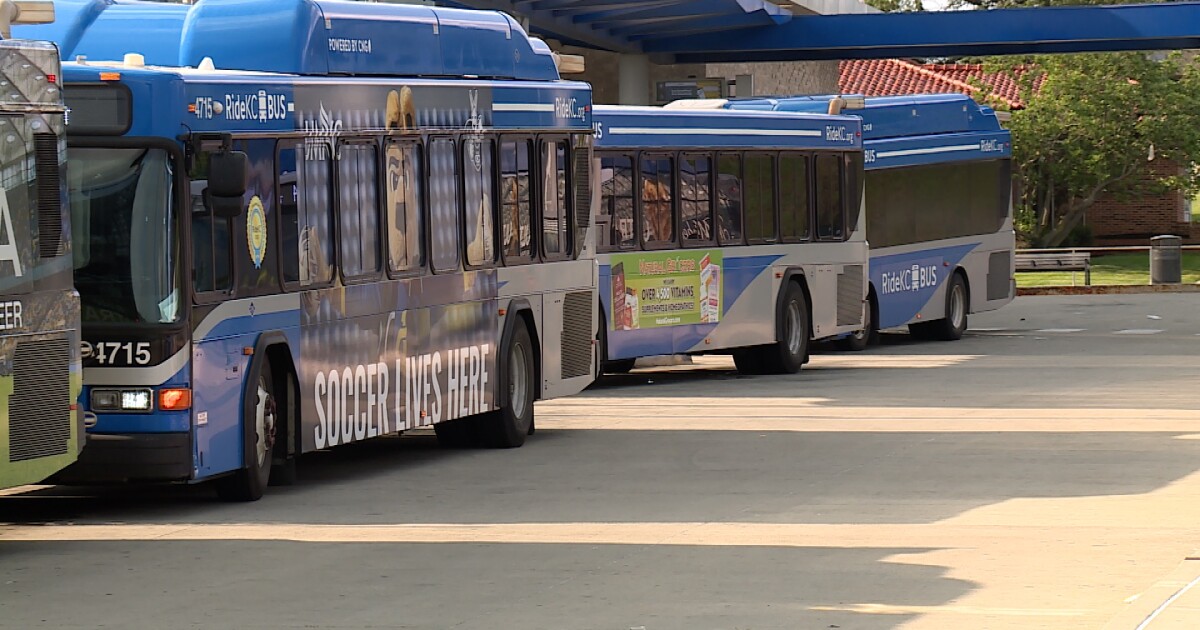
Kansas City to reduce bus transit frequency, extended hours after World Cup
Public transportation received a big boost during the World Cup.
Johnson County launched JOCO United, and according to leaders, the airport drop and ride service that was implemented for the tournament will stick around.
“It has been very smooth every time,” Johnson County resident Mariah Wickham said. “I’ve been up and down so many times.”
Kansas City, Missouri, also bumped up its transit options, but not all of the those will be sticking around once the final whistle blows.
Tens of thousands of people have been using the airport link, streetcar and the buses to get around Kansas City. The city poured millions of dollars into building up its public transit infrastructure. The KCATA added more frequency to bus transit lines and the streetcar, pushing more fans to use public transportation during the tournament.
Brian Luton
“With the World Cup here, I was able to exercise using the streetcar more frequently and that was really fun,” Trish Luancing said. “It wold be nice to not have to drive everywhere and not have to worry about parking.”
But thousands have been relying on public transit for years, regardless of what event was in town.
“It’s been busier since the World Cup,” Jeffrice Jackson, a bus rider, said. “It’s been smooth sailing.”
The KCATA added streetcar ‘bus bridge’ links, extended bus service hours and increased frequency on East-West routes to link riders to the streetcar. It’s benefited both travelers and commuters.
Brian Luton
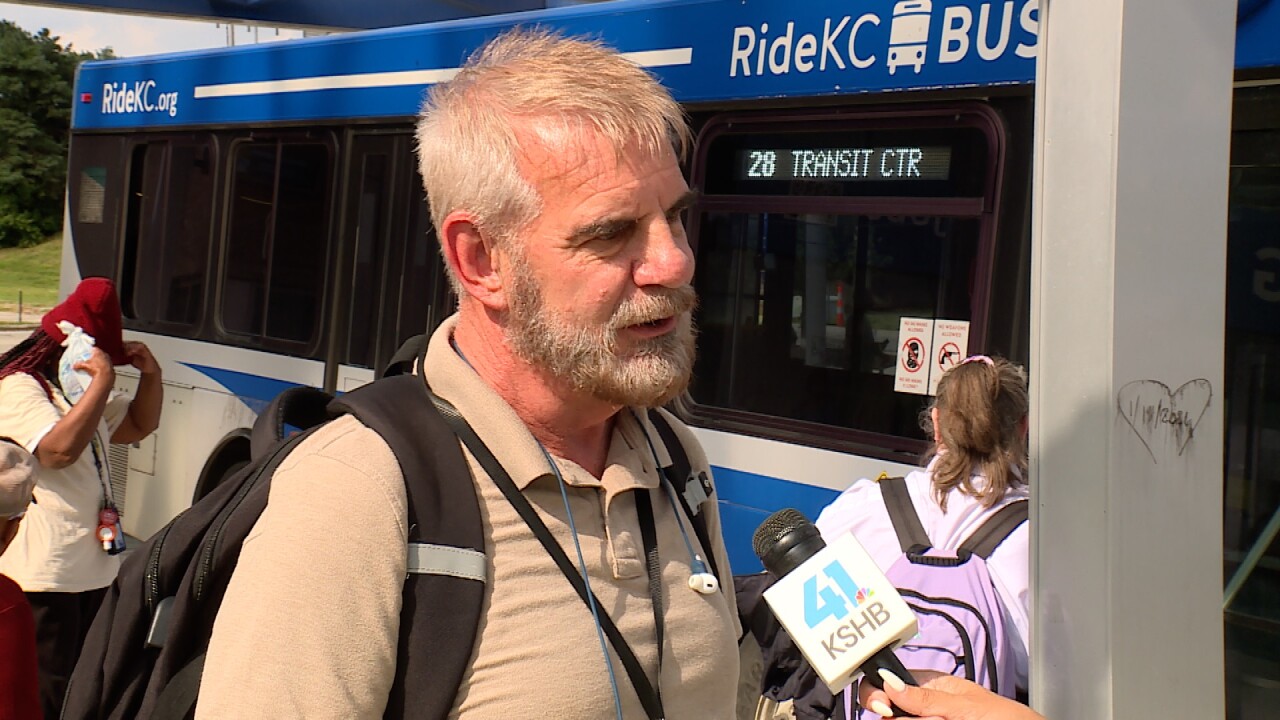
“[Service] has been more consistent with the World Cup than it was previously,” Jerry Breault, a rider said. “We were missing buses or routes because there weren’t enough drivers to drive that route.”
But the add-on’s stop on Sunday, July 12. If the transit authority can’t find more money, more than a dozen routes will be cut, potentially impacting more than 8,000 riders.
“It’s a little frustrating,” Breault said. “A lot of us rely on it just to get back and forth to work, to take care of our daily needs. It looks like we may be having to find alternatives and we’re not very happy about that.”
The KCATA will potentially suspend these weekday and weekend routes by September:
Weekday Route Eliminations:
- 9 – 9th Street, 365 average weekday ridership
- 21 – Cleveland Antioch, 512 average weekday ridership
- 23 – 23rd Street, 266 average weekday ridership
- 25 – Troost Local, 1,460 average weekday ridership
- 27 – 27th Street, 422 average weekday ridership
- 57 – Wornall, 411 average weekday ridership
- 71 – Prospect Local, 464 average weekday ridership
Weekend Route Eliminations:
- 9 – 9th Street, 349 average weekend ridership
- 21 – Cleveland Antioch, 312 average weekend ridership
- 23 – 23rd Street, 312 average weekend ridership
- 25 – Troost Local, 1,431 average weekend ridership
- 27 – 27th Street, 455 average weekend ridership
- 57 – Wornall, 595 average weekend ridership
- 71 – Prospect Local, 982 average weekend ridership
Bus fares came back earlier this summer to offset some of the operation costs, but many have reported issues with the free fare cards and eligibility.
“There’s always funding challenges with the KCATA,” Kansas City, Missouri, Mayor Quinton Lucas said. “How are the fare re-institutions working right now?”
Brian Luton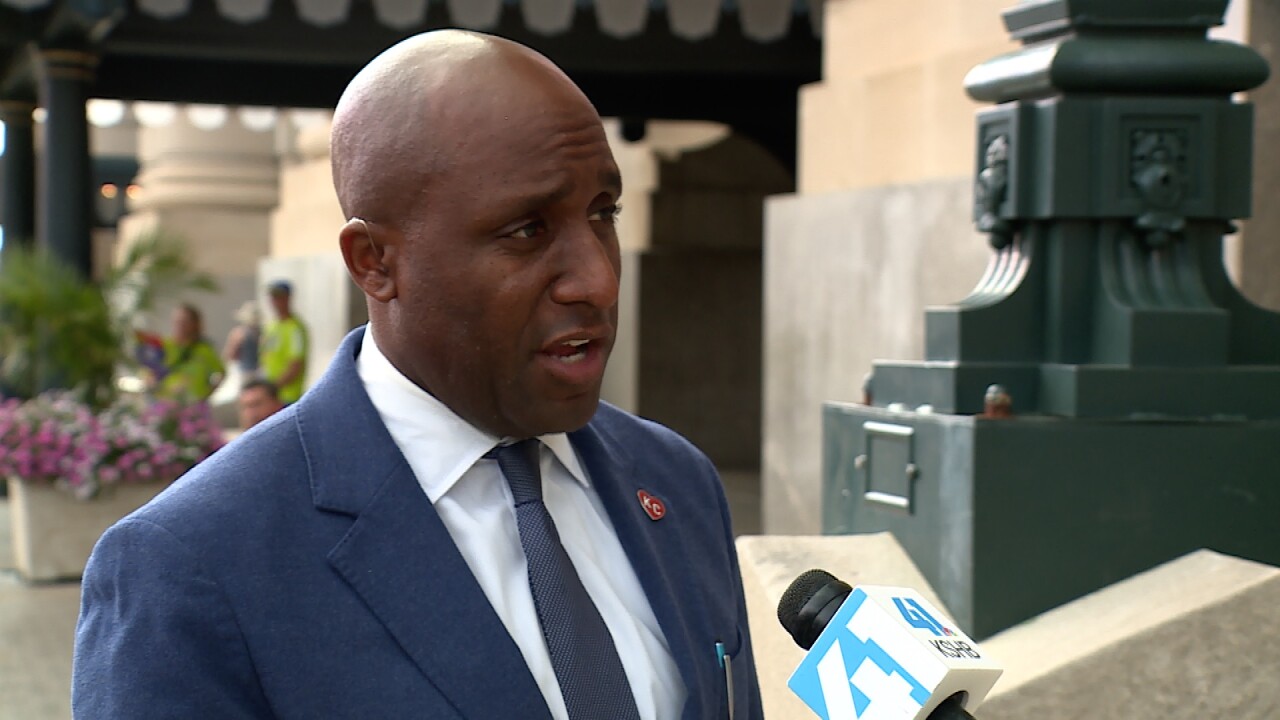
Mayor Lucas told KSHB 41 News Reporter Isabella Ledonne the transit improvements implemented for the World Cup “should continue,” and there are plans to talk with the KCATA commissioners to “make it work”.
“KCATA cannot just be Kansas City supported alone forever,” Mayor Lucas said. “Our approach and our preference is that the region got to see how much they would like [expanded service] during the World Cup. It was always intentional that if they liked it, maybe they would invest and maybe they would want this thing to go further.”
That’s good news to the thousands of daily riders.
Brian Luton
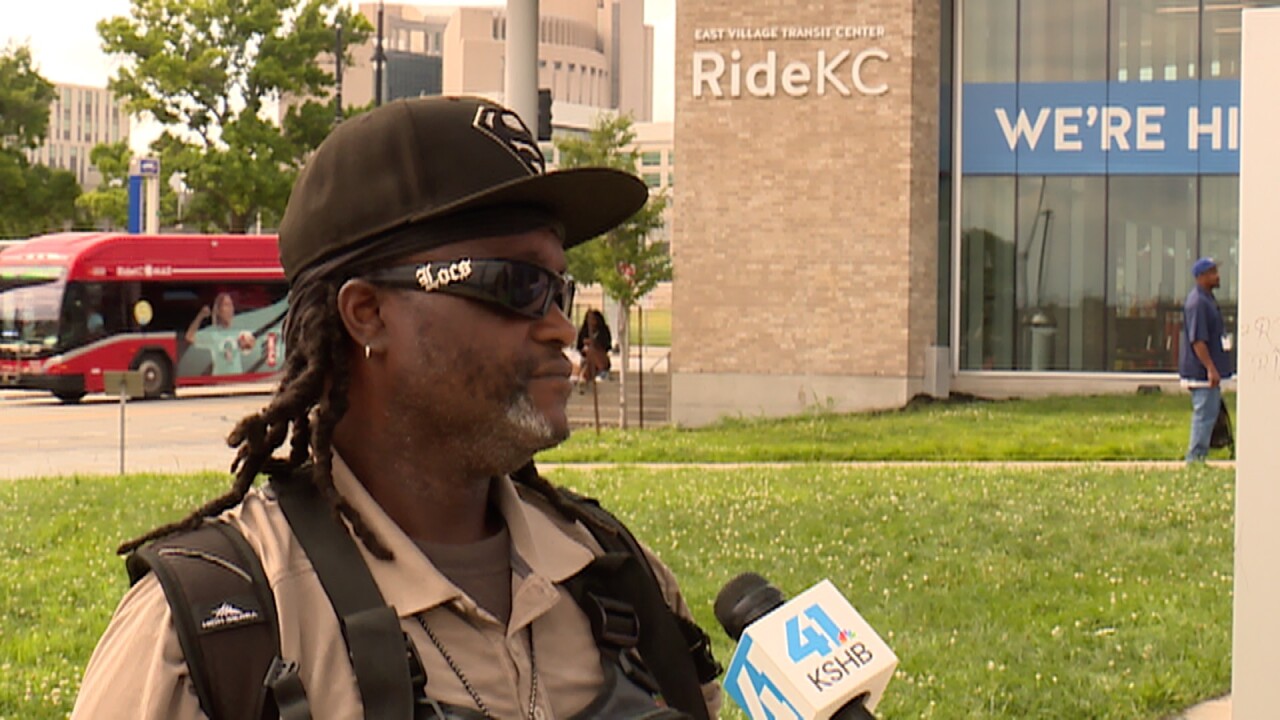
“I think it’s good because it helps people get around if they need to get around,” Jackson said.
The KCATA did not make themselves available for an interview.
—

-

 New York49 minutes ago
How ‘The Wire’ Star Jamie Hector Spends a Hot Day in Brooklyn
-

 Los Angeles, Ca52 minutes ago
Burglars ransack Sherman Oaks condo building during fumigation
-

 Detroit, MI1 hour ago
Metro Detroit weather forecast, July 10, 2026 — 11 p.m. Update
-

 San Francisco, CA1 hour ago
Classical music series helps reconnect downtown San Francisco community
-

 Dallas, TX1 hour ago
Dallas police officers, paramedics recall saving woman stuck in a ravine for days;
-

 Boston, MA2 hours ago
Red Sox win 7th straight game just hours after landing in New York
-
 Denver, CO2 hours ago
One tree at a time: Denver nonprofit works to close shade gap as heat dome threatens neighborhoods
-

 Seattle, WA2 hours ago
VIDEO: West Seattle Summer Fest 2026 day 1, evening report

