Iowa
Even conferring diplomas, I see how Iowa has shut the door on public education


My passion for public education has been, let’s say, exacerbated by the actions of our state legislators.
Recently I had the pleasure of handing diplomas to graduates. I did nothing to help these individuals reach this milestone. I was standing on a stage facing the students, who had surmounted myriad odds to achieve their place on the steps to the stage.
I was facing all the people to the left and right, sitting on bleachers, who had had to beg them to get out of bed to go to school. I was facing all the faculty, who screamed alternately with joy and frustration during the years that culminated in this one hour celebration. All the people in that gymnasium were living witnesses to determination and hope and expectations and sacrifice and silliness and confidence and doubt and, most importantly, to the existence of, the efficacy of, the accessibility of public education.
Fittingly, the faculty was sitting behind the students. Behind is fitting, because they have been behind these students, lifting them up, reigning them in, pushing them forward, through this challenging journey.
A few of us are born to thrive in academia; the rest of us wrestle our way through the accouterments of education: requirements, curriculum, technology, tuition, new personalities, old habits, textbooks, lectures, traditions and innovations.
This diploma represents the equivalent of Indiana Jones stepping into space in his quest for the holy grail.
This diploma has prepared our students for “what if?” What if I take a step and find solid footing? What if I take a step and fall into space? We know that the faculty has prepared them for welding, nursing, growing, teaching, cooking, and dozens of other careers, but our students are stepping out into the space of the real world, a world that is not even close to the predictable environment of public education.
This diploma is part of hundreds of individuals stories, as varied as the shoes they are wearing, as varied as their DNA.
This is the only time they’ll all look alike, in caps and gowns, not sure if that cap is going to stay on, sweating under the robe. They are sitting closer together than they ever have in this journey through libraries and classrooms and internships and coffeeshops.
They line up to climb the steps, hand their name card to the dean, who double-checks to make sure she pronounces their name correctly, and they walk a few feet to a person they don’t know who hands them this precious folder.
I am the person they don’t know. I have not shared a cup of coffee or a beer with any of them. I have never read a single word they have written. I did not help them choose a major, I did not help them find a book, I did not suggest they redo an assignment. I did not hand them tissues as they cried in my office. I did not celebrate with them when they outdid themselves. I did nothing to get them up on that stage.
But I represent everything that is amazing and noble about a folder from Eastern Iowa Community College, from any institution of public education. I serve on the Board of Trustees. How I got on this stage with the “dignitaries” is another journey, that started somewhere. Maybe it started in a one-room country school, one room, two paths, a big bell in the belfry and assorted students, K-8, sitting in that one room with one teacher. I had an eighth-grade education by the time I finished kindergarten.
Maybe it started in a Works Progress Administration-built high school whose architectural style required 40 granite steps between creaky wooden floors.
Maybe it started when I sampled and rejected and finally accepted a career in public education.
Regardless, my passion for public education has been, let’s say, exacerbated by the actions of our state legislators as they have stripped away not only the pillars, but the foundations of public education. They have turned public education, even in the public schools, into a cut-throat competition for — money. Not for students. Not for staff. Not for communities. For profit. We used to confine competition to the playing field, the gym, the court. Now public schools are being forced to compete for services — the services of book sellers, the services of social workers and counselors. Our elected officials have stripped away the kind of funding that probably supported their own educations.
So, I shook hands with public education. Four Madisons, three Rileys, six Michaels, one Brecken, a couple Brandons and dozens more hands of real people with real names with a real education. I shook hands with the future. I shook hands that will build, guide, give, teach, save, protect. I shook hands with what has been the pride of Iowa: public education.
Interestingly, there were no legislators on that stage. That is unusual and significant. You tell me why.
Dianne Prichard is on the Board of Trustees of Davenport-based Eastern Iowa Community College.



Iowa State coach T.J. Otzelberger on Tre Singleton player comparisons
Iowa State coach T.J. Otzelberger on Tre Singleton player comparisons
It didn’t take Tre Singleton long to learn the lesson that has dawned on so many Iowa State basketball transfers before him.
“There’s not much to do around Ames,” the Northwestern transplant said July 14, “besides get better and be good at basketball.”
Perhaps not a slogan the Ames Chamber of Commerce will be adopting any time soon, but a sentiment – and, maybe, self-fulfilling prophecy – that the Cyclones themselves have turned into something of a brand, going back to the early days of Fred Hoiberg’s Transfer U tenure.
Get in the lab. Get better. Get wins.
Repeat.
“Cut all the distractions,” Singleton said of the setup. “It helps you key in on the things you need to work on to get better at.
“It helps me come in here every day with the focus of being better.”
That’s a focus Iowa State and its fans hope they’ll be able to appreciate this winter when Singleton is expected to take on a significant role for a Cyclones team that will reconfigure itself after losing three starters off last year’s Sweet 16 squad.
Most notably, Singleton has the look and feel of a Joshua Jefferson approximation. At least in terms of style and role. Expecting a transfer coming off a promising, but certainly not elite freshman season to just slide into the spot previously occupied by an All-American and first-round NBA Draft pick would probably be … unwise.
“I think it’s best to stay away from any comparisons to other guys because Tre needs to be the best version of himself,” said Iowa State coach T.J. Otzelberger. “There’s differences between him and Joshua, even though I know there’s a natural inclination to draw that comparison.”
That natural inclination comes from their similar size (both 6-foot-8 though Jefferson has 30 pounds on 215-pound Singleton), versatility as playmaking power forwards, ability to rebound and high-IQ play.
I think the expectation for Singleton (and Iowa State fans) is to see if the sophomore can operate in that same Jefferson role, if not with the same sort of production and overall impact.
“We see him as somebody who can create advantages for us offensively to make plays,” Otzelberger said. “He’s a gifted passer. He takes a lot of pride in making the right play.”
I think the high-end hope would be that Singleton can approach that Jeffersonian impact in a year or two.
“Tre,” Otzelberger said, “is a very gifted player.”
Singleton’s bet on Iowa State’s development model and the Cyclones’ bet on Singleton to maximize it seems like the sort of transfer portal match that’s often overlooked amid doom-and-gloom bellyaching about player movement.
I’m sure the dozens (dozens!) of Northwestern hoops fans would disagree, but Singleton’s move from a middling Big Ten program with a sparse NBA track record to a Big 12 contender with a strong developmental program seems like not only an inoffensive use of the portal but one that rewards both ascendant players and programs.
We’ll see how it plays out, but Singleton and Iowa State feels like a win-win marriage of skillset, opportunity and culture.
“I chose Iowa State,” Singleton said, “because it fits me as a person. “
Besides, Evanston has the lakeshore and a world-class city 20 miles away. Which, sure, I’d call amenities, but aspiring NBA players might consider distractions.
You take your wins where you can get them, I suppose.
Iowa State columnist Travis Hines has covered the Cyclones for the Des Moines Register and Ames Tribune since 2012. Contact him at thines@amestrib.com or (515) 284-8000. Follow him on X at @TravisHines21.

See the unique cotton candy art at the Iowa State Fair
Cotton candy has been a popular treat at the State Fair for decades, but one family is pushing the fluffy limit on the sweet classic.
It’s all about the food at the Iowa State Fair, and a panel of judges has named their top new foods coming to the fair in 2026.
From an initial list of 84 entries, the field was narrowed to 11 contenders. Judges tasted each of the 11 new foods and voted for three finalists during a Facebook livestream event from the fairgrounds on Tuesday, July 14.
Those three will compete for fairgoers’ votes for the 2026 Best New Food at the Iowa State Fair.
Last year, Winn & Sara’s Kitchen’s bacon chicken ranch eggroll took home the top honor.
These three finalists will face off in public voting Aug. 13-19 at the Iowa State Fair. The winner will be announced Aug. 21.
What are the top three new foods at the 2026 Iowa State Fair?
All-American Scrambled Egg Roll
Winn & Sara’s Kitchen will try for its third-straight win with a breakfast offering. The All-American Scrambled Egg Roll is stuffed with bacon, sausage, hash browns, eggs and cheddar, finished with cheesy ranch.
- Cost: $15
- Vendor: Winn & Sara’s Kitchen
- Where: Next to the craft beer tent, west of the Jacobson Building
Porky Parm Gnocchi
The Pork Parm Gnocchi features gluten-free potato gnocchi with sausage, parmesan cream and pesto. It’s topped with an America 250 flag and a suvenir piggy pal.
- Cost: $14
- Vendor: Destination Grille
- Where: Between the Jacobson Building and the Craft Beer Tent
Ultimate Minneapple Pie
An offering from a Minnesota State Fair vendor making its first Iowa State Fair appearance, the Ultimate Minneapple Pie includes fried apple pie with ice cream and apple syrup.
- Cost: $14
- Vendor: Minneapple Pie
- Where: Near the Anne and Bill Riley Stage
More standout new foods at the 2026 fair
Here are the eight other items that rounded out the top 11:
- 1776 Dubai Strawberries from The Strawberry Station, $19. Fresh strawberries topped with milk chocolate, pistachio crème and crunchy kataifi. Find it at West Marketplace.
- Cajun Cluck ’N’ Chaos from Cluckin’ Coop, $14. Cajun chicken sloppy joe with slaw, spicy pickles, pickled egg and pickle cotton candy. This lunch-cafeteria special is served right across the street from the Animal Learning Center at Little Hands on the Farm.
- Crunchy Lamb Wrap from HoQ, $19. Deep‑fried naan stuffed with risotto, lamb and cheese. Located east of the Administration Building.
- Garlic Dill Pickle Cheese Curds from Brad and Harry’s Cheese Curds, $9. Garlic‑dill mashup curds. You can find Brad and Harry’s Cheese Curds west of the Jacobson Building.
- Star Spangled Swine from Whatcha Smokin’ BBQ, $15. Pork belly with apple‑chipotle rub and honey crystals. Located next to the Iowa craft beer tent, west of the Jacobson Building.
- Strawberry Bliss from Iowa Specialty Crop Growers Association, $8. Shortbread, strawberry, meringue and milk chocolate. Located in the Agriculture Building, under the southwest stairs.
- Stuffed Tater Kegs from Tater Todd and Hot Doug’s, $10. Loaded potato bites with breakfast or cheese options. Located in front of the Agriculture Building.
- Sweet Americana from Over the Top, $13. Strawberry shortcake, lemon bar and blueberry crisp ice creams. Over the Top’s stand is on Grand Avenue, just outside the Varied Industries Building.
Previous winners of Best New Foods at the Iowa State Fair
- 2013: Zag’s Po Boys — Shrimp Corn Dog
- 2014: Multiple vendors — Funnel Cake on a Stick
- 2015: The Rib Shack — Ultimate Bacon Brisket Bomb
- 2016: Iowa Turkey Federation — Not Your Mamma’s Taco
- 2017: Steer ‘N’ Stein — Pork Almighty
- 2018: Applishus — Apple Eggroll
- 2019: G Mig’s Wrap Stand — Georgie’s Roast with the Most Wrap
- 2020: No fair due to COVID-19
- 2021: Cluckin’ Coop by the Iowa Egg Council/Iowa Poultry Association — Chicken Egg Salad with Fry Bread
- 2022: The Rib Shack — The Finisher
- 2023: What’s Your Cheez — Deep-Fried Bacon Brisket Mac-n-Cheese Grilled Cheese
- 2024: Winn & Sara’s Kitchen — Bacon Cheeseburger Eggroll
- 2025: Winn & Sara’s Kitchen — Bacon chicken ranch Eggroll
Cooper Worth is a service/trending reporter for the Des Moines Register. Reach him at cworth@gannett.com or follow him on X @CooperAWorth.

Hear from Iowa folk duo Weary Ramblers on their song Pretty Lights of Denver
Hear from Kathryn Severing Fox and Chad Elliott of Weary Ramblers as they discuss their musical chemistry and creative process.
What would RAGBRAI be without Hairball and the Pork Tornadoes?
Cyclists on the July 19-25 ride will have the chance to rock with both of the venerable Iowa party bands as they perform on back-to-back nights.
They’re perennials on the Register’s Annual Great Bicycle Ride Across Iowa, as traditional as the Mississippi River tire dip. Hairball will bring its signature pyrotechnic, costumed arena rock tribute to the main stage in the overnight town of Boone on Tuesday, July 21, and the Pork Tornadoes will be in Marshalltown on July 22 to perform selections from their seemingly endless, genre-spanning repertoire.
Other headlining party-cover faves booked in RAGBRAI overnight towns will include the Spazmatics in Dyersville, Not Quite Brothers in Independence and Gut Feeling in Onawa.
But if you’re a fan of original music, make plans to spend a little extra time at the stage in Guthrie Center, the Monday, Day 2, overnight town.
While Gimikk, a RAGBRAI classic cover band that also proudly performs some originals, will be the headliner, don’t miss the other Iowa originals on the bill.
Most prominent are the Nadas, a fixture on the state’s music scene for nearly 35 years. Co-founders Jason Walsmith and Mike Butterworth got their start in Ames in the early 1990s while students at Iowa State University. Expanding into a five-member ensemble, they worked to build a following across the country and have sold thousands of records on their independent Authentic label featuring their original, alt-rock-leaning folk-Americana tunes.
Marking 25 years of the Nadas in 2018, Walsmith told the Register, “As long as it’s fun, we’re always going to do it.” And they still are, performing regularly and adding another album, “Come Along for the Ride,” to their lengthy discography in 2023.
Also on the bill: a duo that has launched with a bang. The Weary Ramblers, Iowans Chad Elliott and Kathryn Severing Fox, are songwriting and performing partners who got their start in 2022. Elliott, a veteran guitarist and singer on the Iowa scene, and Severing Fox, a classically trained musician steeped in jazz violin, released a debut album in 2024 that hit the top 10 on the Americana charts and produced a hit single, “Pretty Lights of Denver.”
In December 2025, they collected a major award for independent songwriters presented at the Grand Ole Opry in Nashville, Tennessee. With a second album starting to chart, they were back in Tennessee again in January to compete in the International Blues Challenge, and came home the overall winners for solo or duo act.
In growing demand as touring performers, they opened for the Des Moines Symphony at the annual Yankee Doodle Pops show July 3 on the grounds of the Iowa Capitol, drawing an enthusiastic response from a crowd of nearly 100,000.
Superintendent summons former students to put on a show
Steve Smith, the Guthrie Center RAGBRAI entertainment chair who tapped the Nadas and Weary Ramblers, is high on a third act: Hillbilly Air Show, the afternoon’s opener. They’re a country duo that includes former Navy fighter pilot Brick Imerman and whose songbook is rich with the tunes of honky-tonk balladeers like George Strait and Alan Jackson.
One thing Imerman, of Panora, and Elliott, a Lamoni native who lives in Jefferson, have in common: They spent their school days in Guthrie Center, where Smith was a teacher and now is superintendent of the regional school district.
“There’s just a personal connection,” said Smith, who counts himself a big fan of the musical careers his former students have forged. And he said he’s been kicking himself for 25 years after failing to book the Nadas for a school reunion when he had the chance,. He said he wasn’t going to pass up the opportunity a second time.
Smith said he got some pushback from other Guthrie Center RAGBRAI organizers for his unorthodox choices, but stuck by them.
He said he hopes the town’s show and an effort to keep food and beverage vendor prices reasonable will reward the riders for climbing some of the 2026 ride’s steepest hills coming into and leaving town.
So far, he said, he’s gotten a positive reception from veteran RAGBRAI riders who’ve heard about his eclectic music lineup.
“They said they don’t always go to the (overnight town) shows, but, ‘If you’re having them, we’re there,’” he said.
Hillbilly Air Show goes on at 2 p.m., followed by the Weary Ramblers at 4 p.m. and the Nadas at 6:30 p.m. Smith invites Des Moines metro residents who aren’t on the ride to join the party.
“We’re a town of 1,600 that’s going to be invaded by another 30,000 to 40,000, but we’re ready,” he said.
RAGBRAI 2026 music headliners
Onawa, Day 0, Saturday, July 18
8:30 p.m.: Gut Feeling
Harlan, Day 1, Sunday, July 19
8 p.m.: Decoy
Guthrie Center, Day 2, Monday, July 20
9 p.m.: Gimikk
Boone, Day 3, Tuesday, July 21
8:30 p.m.: Hairball
Marshalltown, Day 4, Wednesday, July 22
8:45 p.m.: Pork Tornadoes
Independence, Day 5, Thursday, July 23
8:45 p.m.: Not Quite Brothers
Dyersville, Day 6, Friday, July 24
9 p.m.: Spazmatics
-

 Minnesota2 minutes ago
Smoke from wildfires in Minnesota and Canada exposes millions to dangerous air quality
-

 Mississippi8 minutes ago
How permanent daylight saving time would impact Mississippi
-
 Missouri14 minutes ago
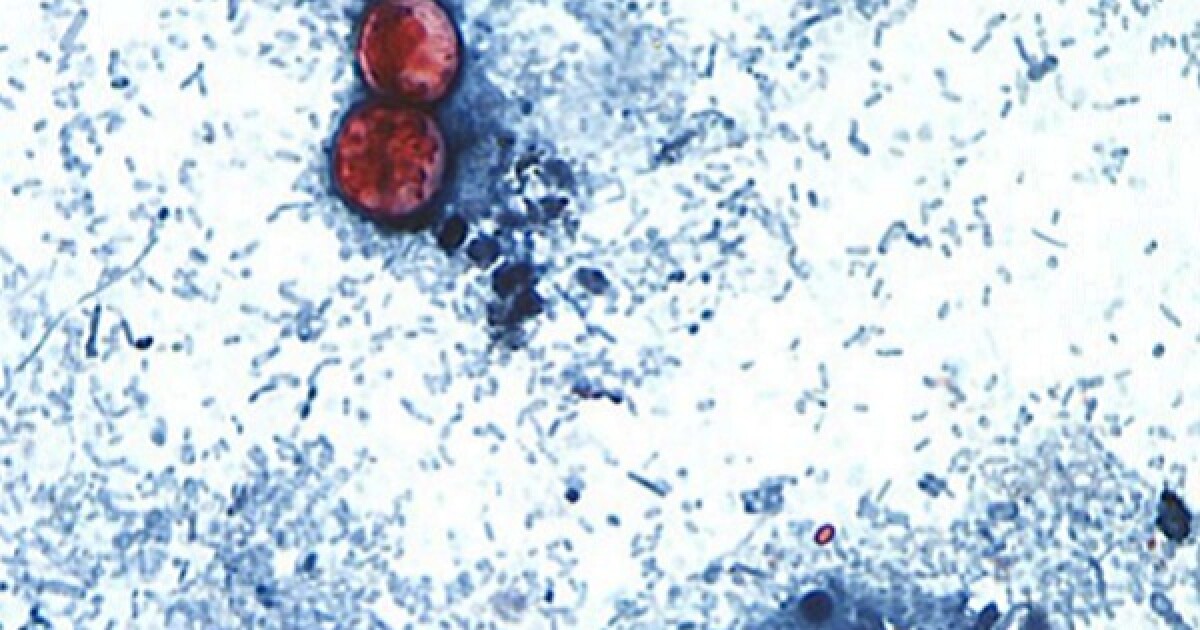
Missouri reports 43 cases of parasitic infection that’s sickened thousands nationwide
-

 Montana20 minutes ago
Governor Gianforte Announces Montana Ranks as Top 10 State for Job Growth
-

 Nebraska27 minutes ago
Roanoke County teen heads to national rodeo finals in Nebraska
-

 Nevada32 minutes ago
Nevada’s modern boomtowns are these fast-growing cities, study said
-

 New Hampshire39 minutes ago
NH Forests: A Story of Revival and the Challenges Ahead: Business NH Magazine
-

 New Jersey44 minutes ago
NJ Spine Doctor, Daughter, Granddaughter Killed In Plane Crash, Police Say

