Many individuals arrested and charged based on facial recognition scan results often feel compelled to plead guilty, especially if they have a criminal record. This situation can lead to longer sentences and increased scrutiny from law enforcement and prosecutors, contrasting with the case of Robert Williams in Detroit City.
Detroit’s recent $300,000 settlement with Williams raises broader concerns about how facial technology is used to solve crimes. It underscores increasing worries about privacy rights and the importance of establishing protections as technology advances.
TOPSHOT – A live demonstration uses artificial intelligence and facial recognition in dense crowd spatial-temporal technology at the Horizon Robotics exhibit at the Las Vegas Convention Center during CES 2019 in Las Vegas on January 10, 2019. (Photo : DAVID MCNEW/AFP via Getty Images)
Robert Williams Sued the Detroit Police Department After being Mistakenly Identified as Theft Suspect
Detroit has agreed to pay $300,000 to Robert Williams, who was wrongly accused of theft due to flawed facial recognition technology. Williams sued the Detroit Police Department after he was wrongfully arrested in front of his family and jailed for 30 hours in 2020,
The case was dismissed on Friday when the settlement between Williams and the city was filed in federal court. As part of the lawsuit settlement, the Detroit Police Department will also have to change its policies on how police will utilize this technology to prevent future misidentifications.
Advertisement
The Associated Press reported that Williams, whose driver’s license photo was wrongly flagged as a match to a suspect in a 2018 shoplifting case at a Shinola store, expressed relief at the settlement.
In a press briefing on Friday, Williams expressed optimism that the new safeguards would improve the facial recognition technology and photo lineup policies. However, he preferred that the police would not use the technology.
The settlement, announced by the American Civil Liberties Union (ACLU) and the Civil Rights Litigation Initiative at the University of Michigan Law School, highlighted persistent concerns regarding the technology’s imperfections and its disproportionate impact on Black individuals, such as Williams.
According to the ACLU, Detroit police have agreed to new restrictions barring arrests solely based on facial recognition outcomes. The policy also prohibits arrests based on photo lineups derived from facial recognition searches.
ACLU attorney Phil Mayor said police could use facial technology to generate leads and then conduct traditional investigative procedures to determine whether the identified person committed a crime before making an arrest.
Advertisement
Read Also: China Proposes Measures for Facial Recognition Use, Demands ‘Individual Consent’
Policy Reforms of the Detroit Police Department
In August, Chief of the Detroit Police Department James White introduced new policies on facial technology amid ongoing litigation, prompted by an incident where a pregnant woman was mistakenly charged with carjacking.
At the time, White emphasized that police must have additional evidence beyond facial recognition technology to establish a suspect’s capability, opportunity, and intent to commit a crime.
Under the terms of the agreement with Williams, Detroit police will review cases involving facial recognition use from 2017 to 2023. They will notify prosecutors if investigations reveal that arrests were made without corroborating evidence.
As Detroit grapples with the aftermath of settling with Robert Williams, the effects extend beyond the city’s borders. This agreement signals a move towards accountability and changes in how facial recognition technology is used, highlighting the need to balance innovation with civil rights.
Advertisement
Using this technology responsibly to pursue justice is crucial to prevent harm to individuals like Williams and promote fairness in communities.
Related Article: Meta Hit by a Lawsuit in Texas Due to its Facial Recognition Technology, Allegedly Violated the Users Privacy
ⓒ 2024 TECHTIMES.com All rights reserved. Do not reproduce without permission.
(WXYZ) — The highly-anticipated premiere of “The Odyssey” is officially here, with showtimes starting Thursday across metro Detroit.
The epic, directed by Christopher Nolan, was shot entirely with IMAX cameras, the first film to be shot with them. It will be available to watch in a variety of formats in the area and across the state.
On the website for the film, it lists all of the premium format options and where you can find them. Check out the details below.
IMAX 70mm
Advertisement
This is the premiere format to watch the film, presented in IMAX’s 1.43:1 expanded aspect ratio, according to the website.
“It is the largest and highest-resolution format available and gives you an unparalleled sense of immersion as the image fills IMAX’s signature floor-to-ceiling screen,” the website reads.
Across the country, there are only a 30 theatres that are capable of playing IMAX 70mm, and only one in Michigan. To see the film in that format, you’ll have to go to Celebration! Cinema in Grand Rapids.
IMAX
As we’ve said, “The Odyssey” is the first feature film shot entirely on IMAX cameras. “The film was shot and designed to be experienced on the biggest screen possible, and IMAX delivers on this,” star Anne Hathaway said.
Advertisement
It comes in the 1.90:1 expanded aspect ratio, filling your entire field of vision.
There are several theatres showing the film in IMAX in metro Detroit. They are:
MJR Southgate
MJR Troy
AMC Forum 17 in Sterling Heights
AMC Livonia 20
AMC Star Great Lakes
Cinemark Ann Arbor
70mm
The 70mm film is a large format that “offers a bright, clear image up to 3 times the resolution of standard digital projection formats,” according to the website. It’s shown at a 2.20:1 aspect ratio.
In metro Detroit, there are three theatres showing it in 70mm. They are:
MJR Southgate
AMC Forum 17 in Sterling Heights
AMC Livonia 20
35mm
35mm is the classic film format shown at a 2.39:1 aspect ratio. “It projects light through the entire 35 millimeter frame to deliver clear, high resolution images with rich analog color,” the website reads.
Advertisement
Only the Michigan Theater in Ann Arbor is showing the film in 35mm.
Dolby Vision
According to the film’s website, The Dolby Vision projection system has a 1,000,000:1 contrast ratio.
“Dolby Vision allows you to experience every detail and nuance captured by the large format film cameras Christopher Nolan used in production,” the website reads.
You can see the film in Dolby Vision at AMC in Clinton Township, Sterling Heights and Great Lakes.
Advertisement
Premium Large Format
The premium large format movie will be in either 2.39:1 or 1.85:1 aspect ratio, depending on the theatre. “It features larger wall-to-wall screens, superior projection technology, including laser projection,” the website reads.
Here are places you can see “The Odyssey” in Premium Large Format.
Brother Nature Host Jack Nissen joins FOX 2 Detroit Live Host Aaron Jordan for a “Brother Nature @ Night” segment! The two talk about Jack’s completion of his backyard project, as well as his adventures on the Huron River and at the Detroit Zoo.
(WXYZ) — The third annual Detroit Sandwich Party is coming to Eastern Market on Labor Day weekend, bringing a massive free festival for sandwich lovers.
The festival is scheduled for Sunday, Sept. 6 at Eastern Market. It’s organized by Carlos Parisi, Will McDowell and Bekah Galang.
Watch our 2025 interview with Carlos in the video below
Advertisement
Detroit Sandwich Party returns to Eastern Market with an expansion on Aug. 31
Organizers are looking for vendors, volunteers and sponsors for the 2026 event. You can learn more and sign up to be a vendor, volunteer or sponsor here.
The event is free to enter, and each vendor will be selling smaller-sized sandwiches for purchase, so people can try as many sandwiches as they want.
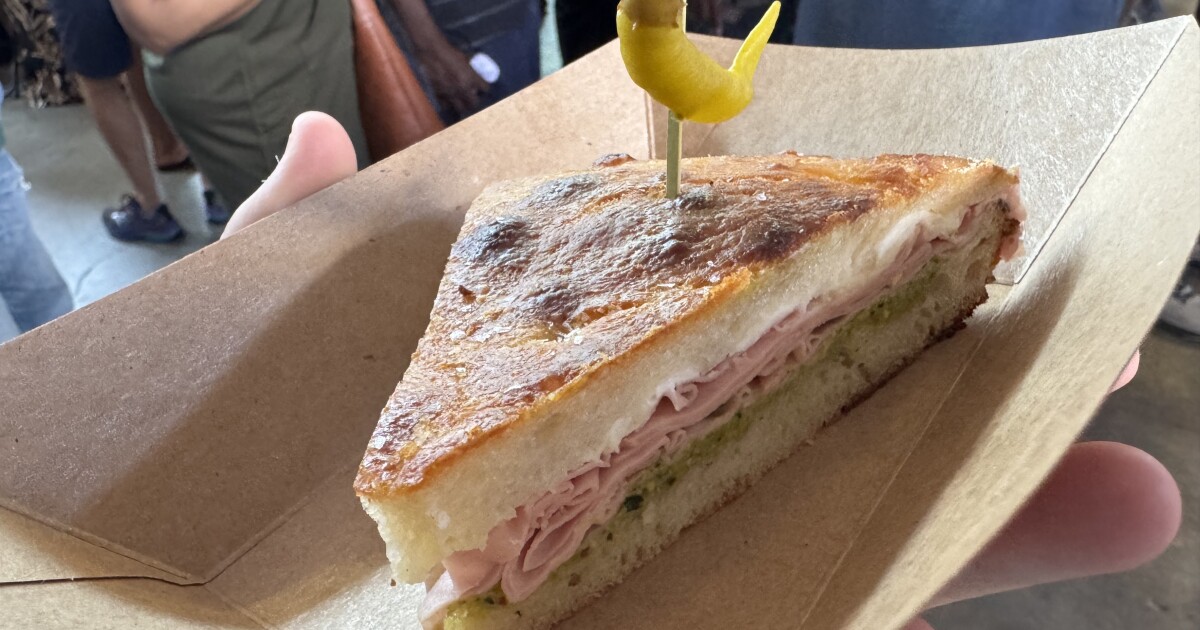
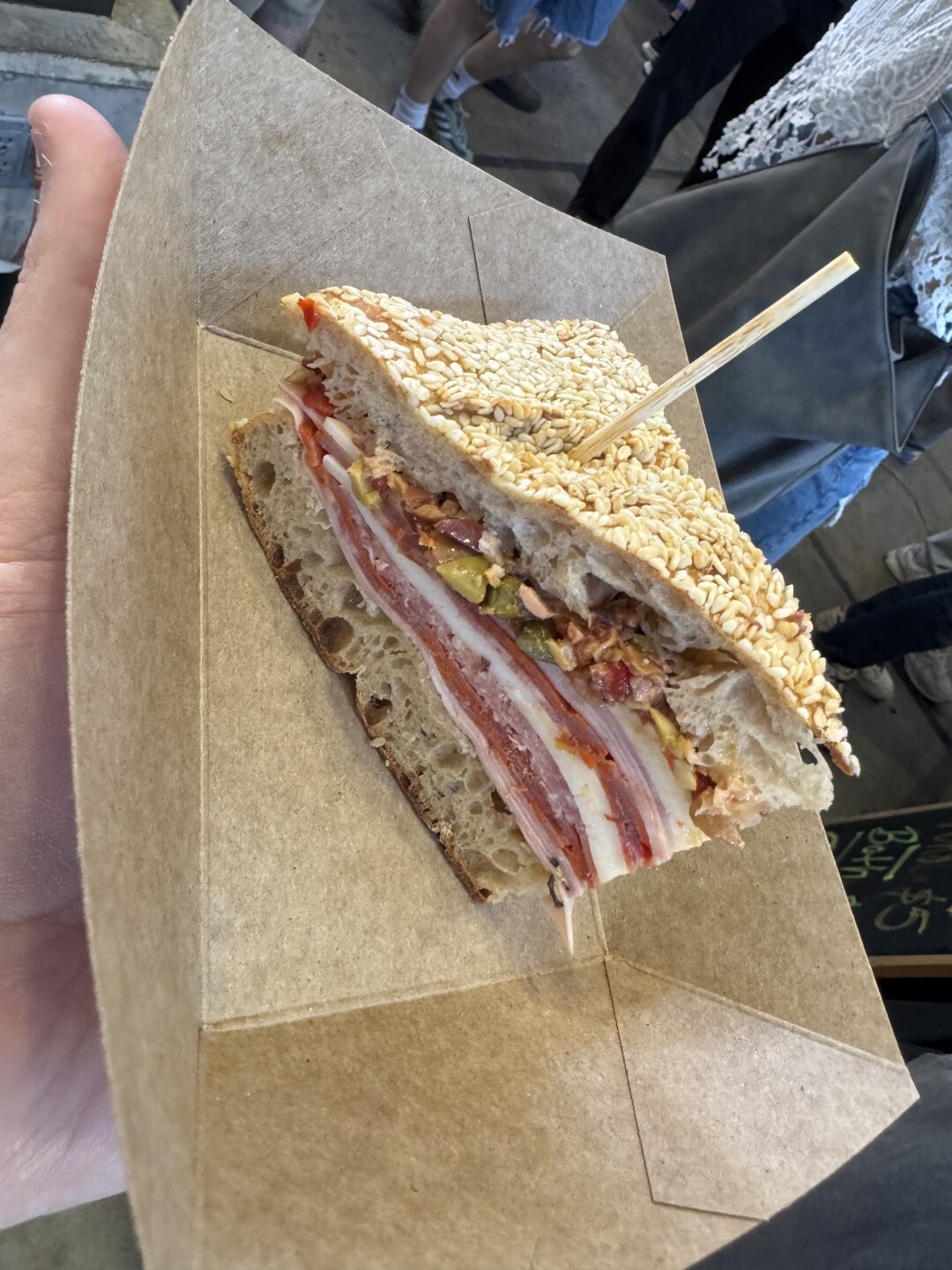
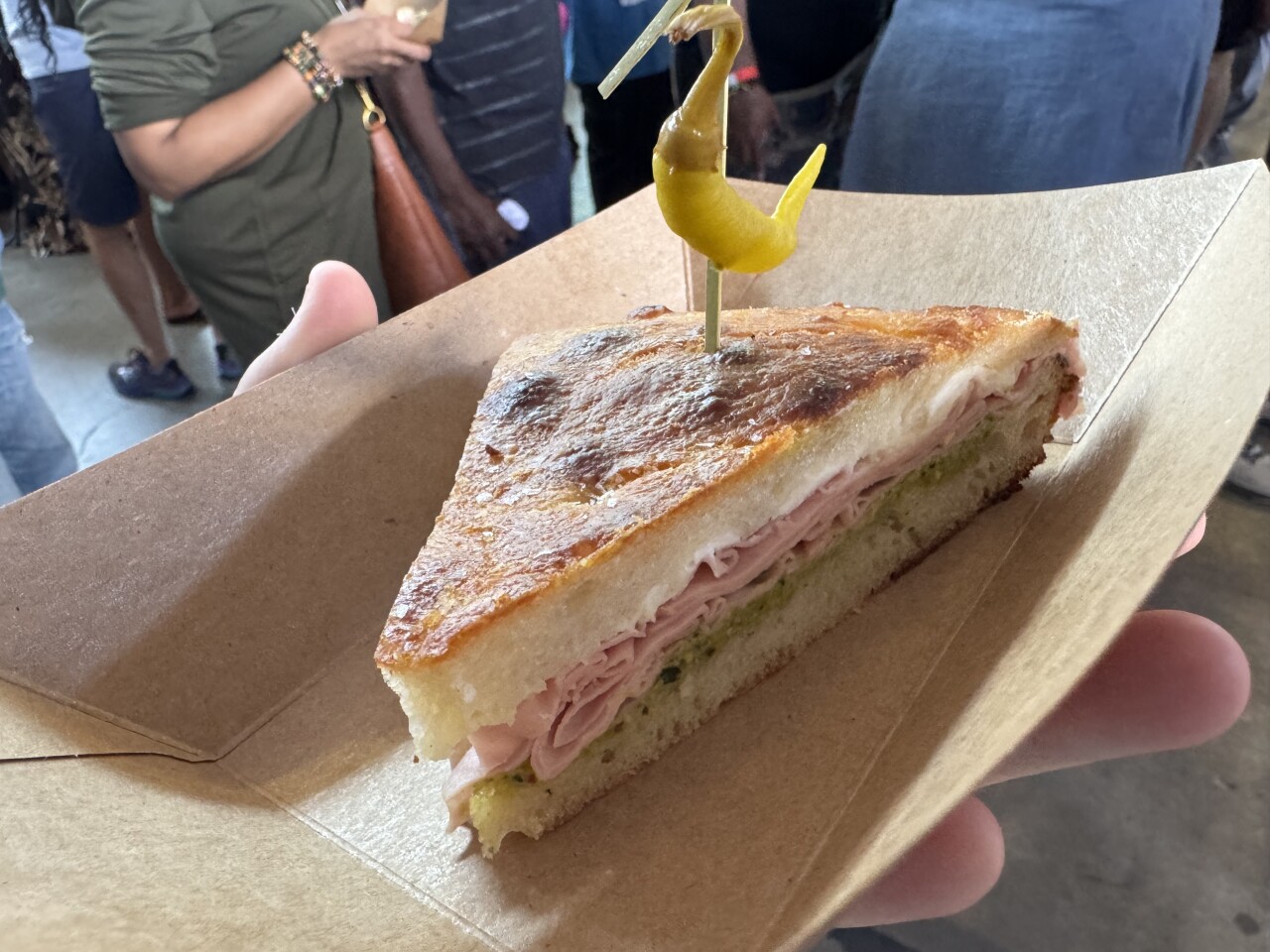
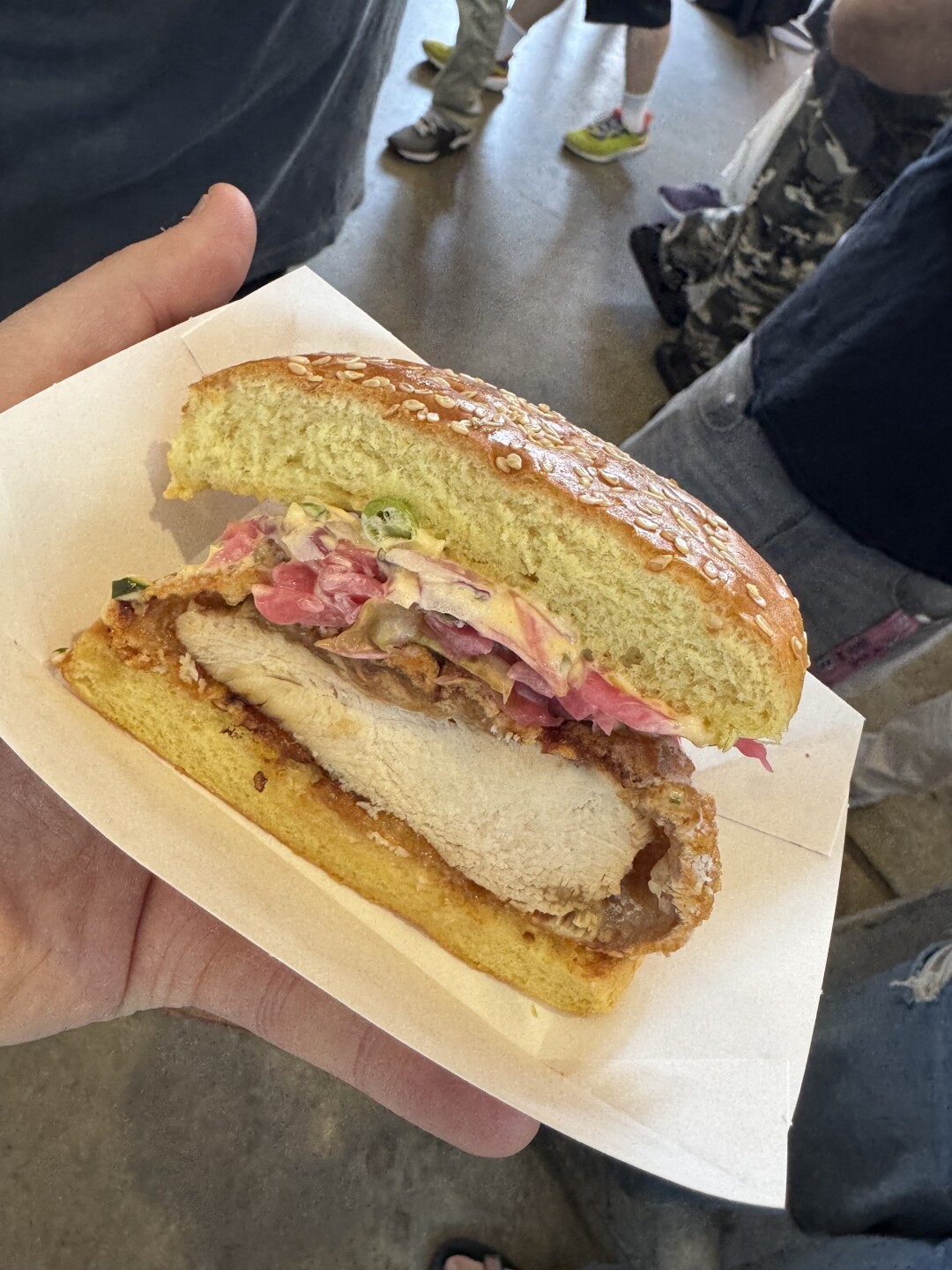
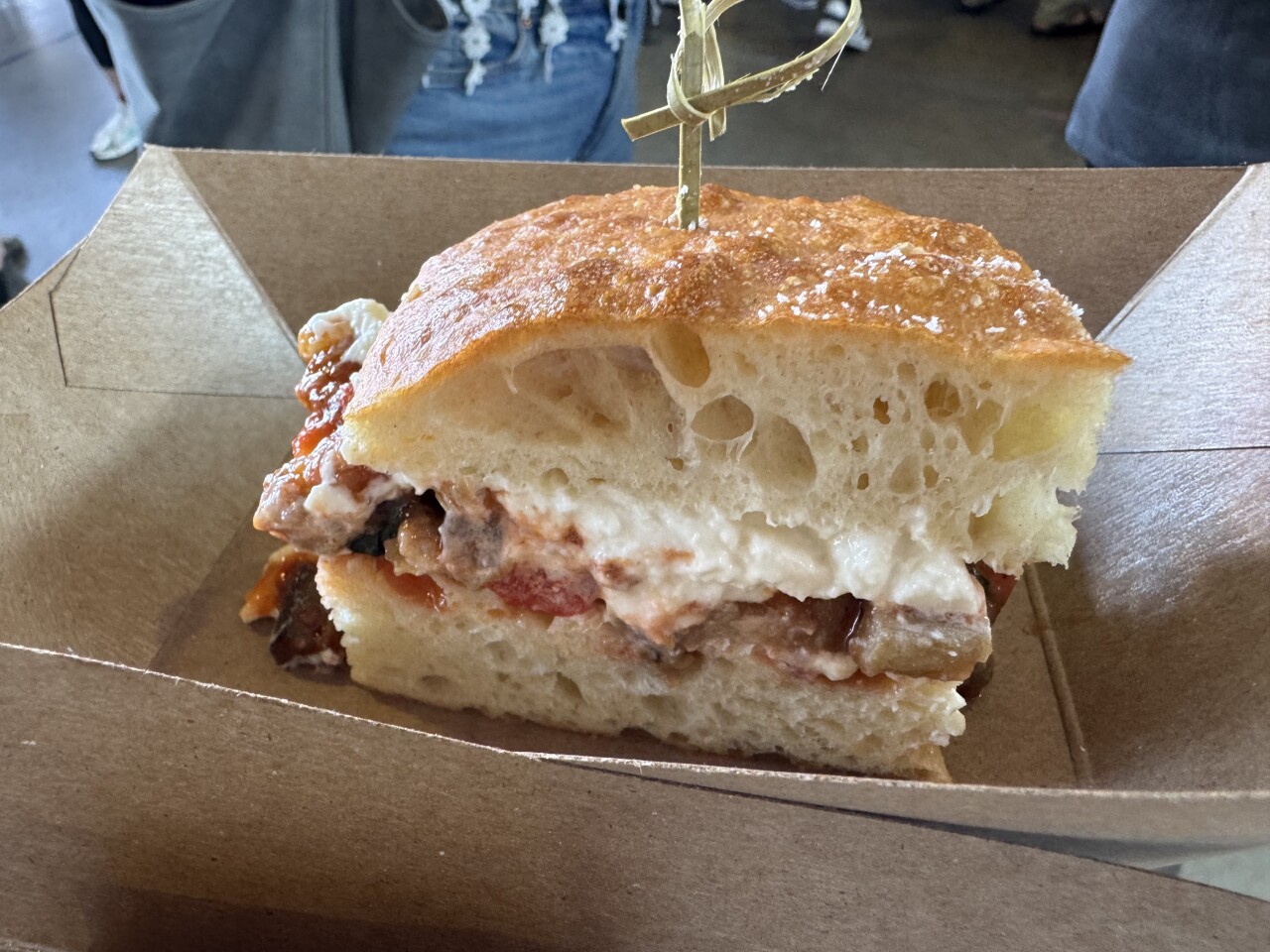
Below are some sandwiches from the 2025 festival from Leña, Tall Trees Cafe, Bar Chenin and more






 Dallas, TX2 minutes ago
 Boston, MA14 minutes ago
 Denver, CO20 minutes ago
 Seattle, WA26 minutes ago
 San Diego, CA32 minutes ago
 Milwaukee, WI38 minutes ago
 Atlanta, GA44 minutes ago
 Minneapolis, MN50 minutes ago
