Lifestyle
Hunker down with these 13 mysteries and thrillers from 2025


Mysteries and thrillers are enjoyable no matter the season, but there’s something extra satisfying about curling up in the winter with a warm drink and an all-engrossing read. The 13 (spooked already?) books in this list, recommended by NPR staff and critics, fit the bill: stalkers, witchcraft, missing persons, suburban horror — there’s something here for every thrill-seeker. And for more nail-biters, check out Books We Love, our annual year-end reading guide.
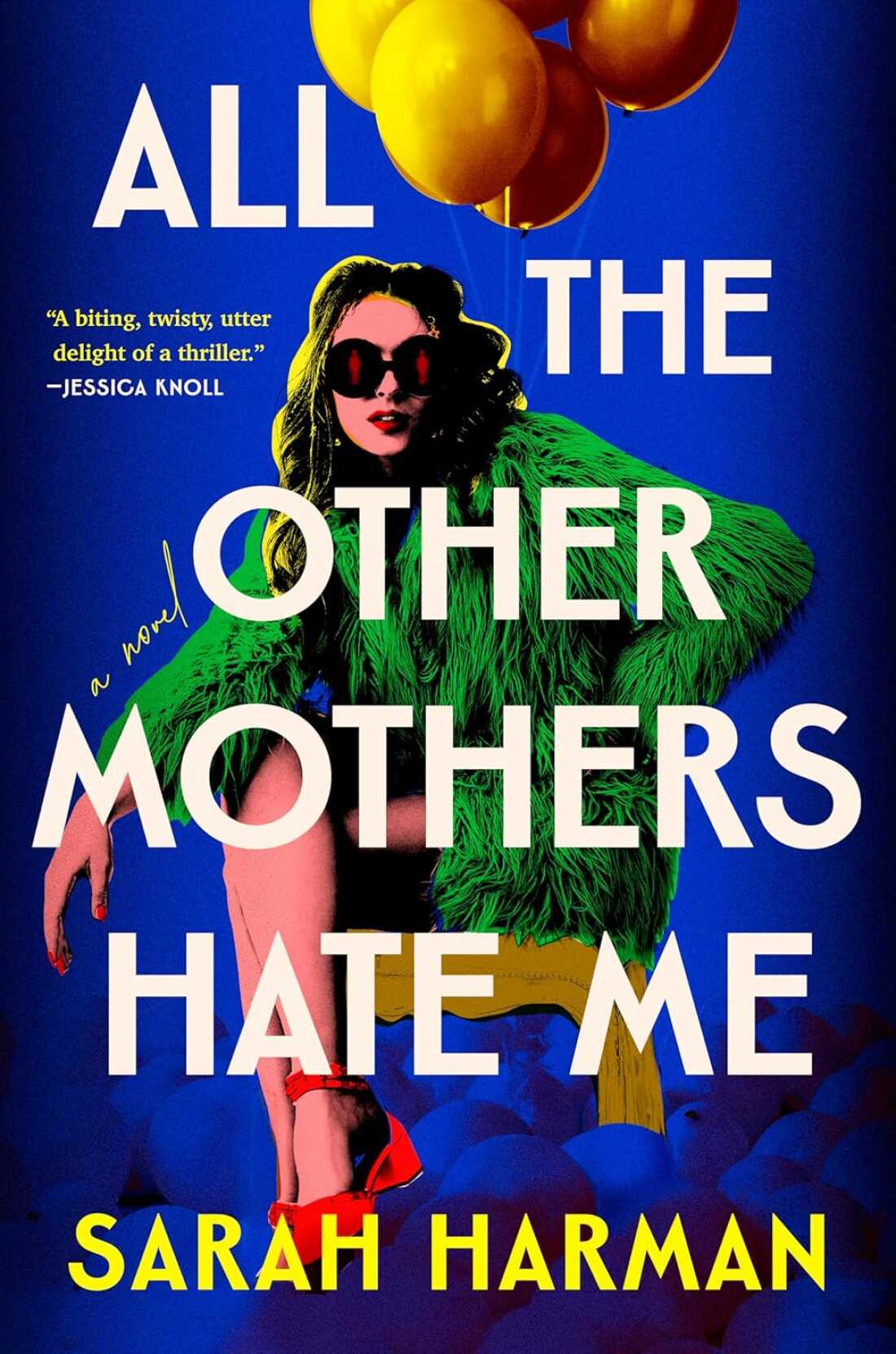
All the Other Mothers Hate Me, by Sarah Harman
This book got me out of a reading rut! It’s about a mom who is struggling to keep her life together – while simultaneously trying to solve the mystery of her son’s missing classmate. It’s got fun twists and turns and characters who surprise you. Very plot driven and definitely hard to put down. — Elissa Nadworny, correspondent

Audition, by Katie Kitamura
I guess I could explain the plot to you: An actress meets up with a man who is convinced she’s his mother. It turns out she’s not. I think? Maybe she is? Or, maybe she’s not but actually kind of is? What is a mother? The most impressive thing about this Booker Prize finalist is how Katie Kitamura plays with the narrative and toys with the reader without being overly clever about it all. She’s stingy with details and answers, but generous with intrigue and depth. — Andrew Limbong, correspondent, Culture Desk and host, Book of the Day
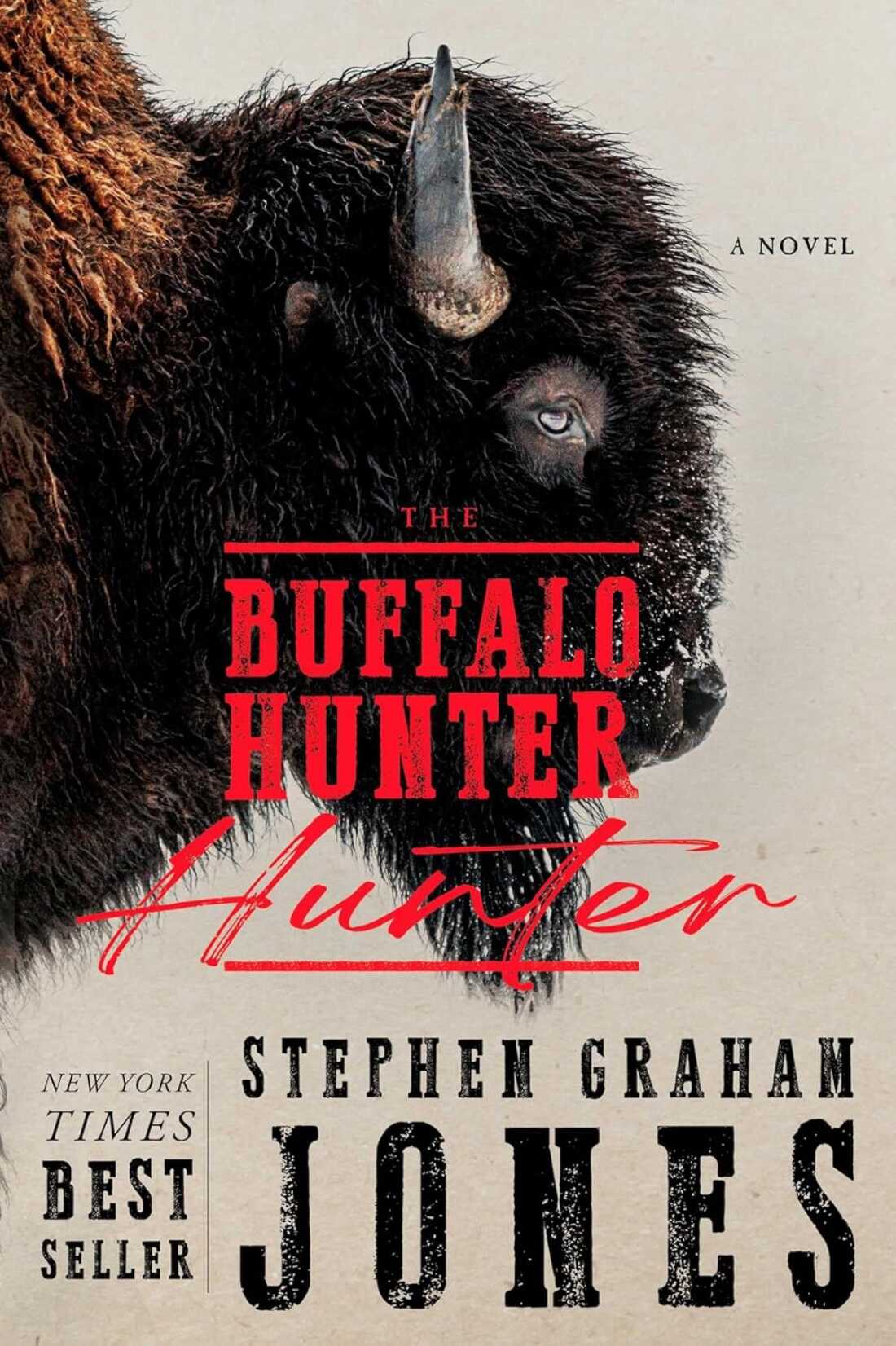
The Buffalo Hunter Hunter, by Stephen Graham Jones
The Buffalo Hunter Hunter is many things: a clever nesting doll of narratives, a sanguine revenge thriller stitched inside the corpse of an old vampire yarn, and a fearsome accounting of America’s murderous past. Lucky for us, Stephen Graham Jones has bound it all together with a hero (antihero?) for the ages — a man from the Blackfeet tribe, aptly named Good Stab, who is determined to right the wrongs of the past, even if it takes him a few lifetimes. — Cory Turner, correspondent and senior editor, Education

Death of the Author, by Nnedi Okorafor
This book will keep you guessing until the last chapter. The plot jumps back and forth between two connected stories: one about a human author and one about a robot obsessed with human stories. The book tackles some big themes, including fame and immigrant identity. But one of my favorite things about it is that the robot storyline is absolutely gripping. I couldn’t put this book down, and thank goodness I didn’t, or I would have missed the final twist! — Rebecca Hersher, correspondent, Climate Desk

Elita, by Kirsten Sundberg Lunstrum
This absorbing midcentury American take on Nordic noir opens with two men apprehending a seemingly feral girl on Elita, a tiny island in the Puget Sound that for years has been home only to a federal men’s prison. Kirsten Sundberg Lunstrum elevates the moody mystery with her choice of protagonist – Bernadette Baston, a scholar of child development and single mother, who consults on the girl’s case. Bernadette is fascinated by the child’s fierce independence in a world that sets stark constraints on the lives of women and girls. She must fight for her own independence in order to uncover the girl’s origins in this slow-burn study of insular communities and working motherhood. — Kristen Martin, book critic and author of The Sun Won’t Come Out Tomorrow: The Dark History of American Orphanhood

Heartwood, by Amity Gaige
Heartwood is a perfect thriller for people who don’t like thrillers (🙋♀). A nurse nicknamed Sparrow who is trying to move past the trauma of working during the height of the COVID-19 pandemic disappears while hiking the Appalachian Trail. The narration alternates among three women: a state game warden leading the search, a lonely retiree who becomes very invested and the missing woman herself, whose plight is told via the journal that keeps her going while lost. Heartwood is equal parts gripping and moving, filled with empathy and hope — not just for Sparrow’s safe return but for human connection overall. — Arielle Retting, senior editor, Newsroom
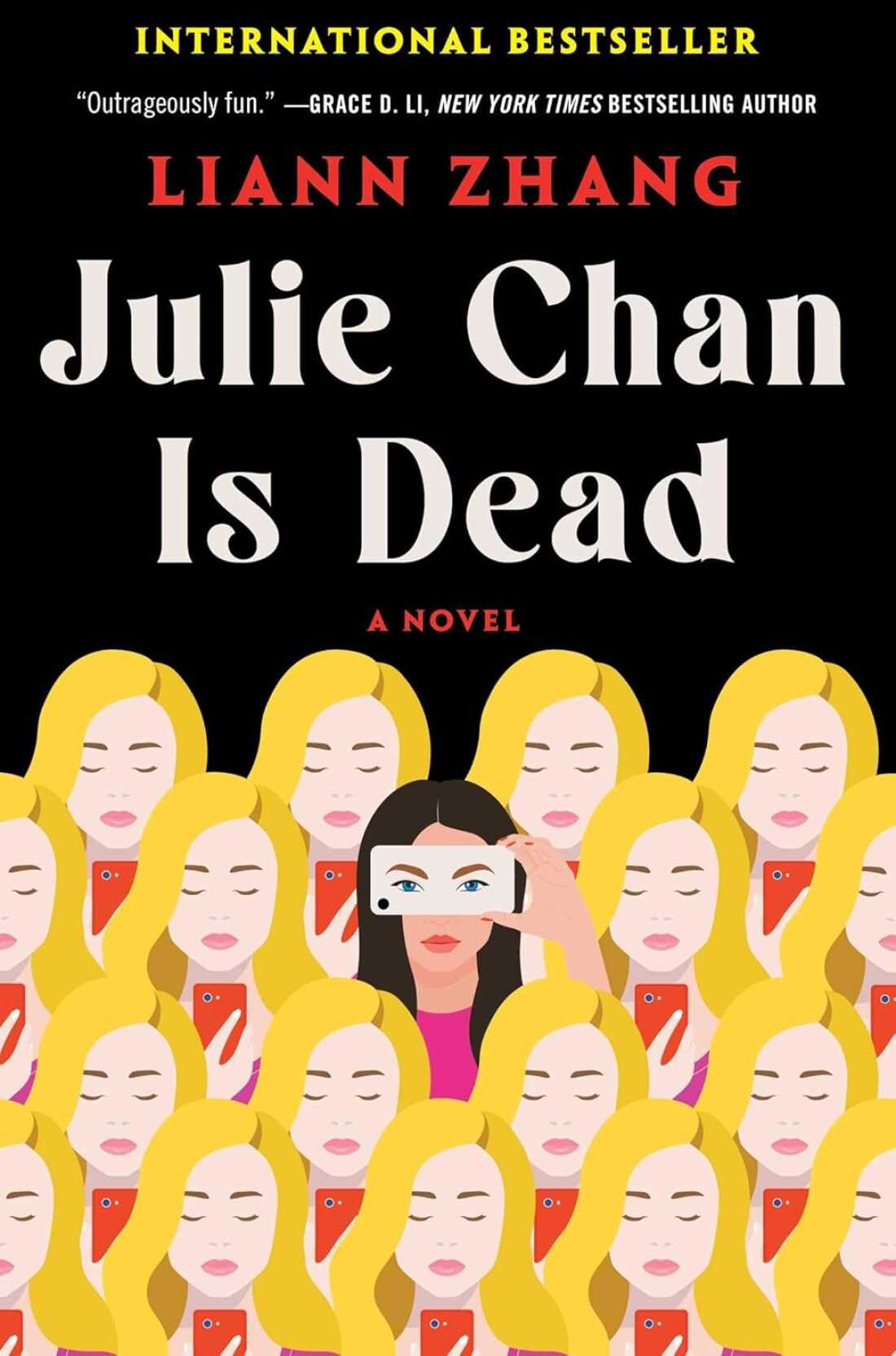
Julie Chan Is Dead, by Liann Zhang
Julie and her estranged twin, Chloe, may look identical, but that’s where the similarities end. Julie works at a supermarket, while her sister revels in the love of millions as a social media influencer. But when Chloe dies, Julie realizes she can pass for her twin – if people don’t look too closely. What follows is a thrilling, haunting look at the upkeep of pretending to be someone you’re not, whether on-screen or in person. As Julie goes to brow-raising lengths to keep up the farce and maintain her newfound audience’s love, you’ll find yourself asking whether she has a limit. — Hafsa Fathima, assistant producer, Pop Culture Happy Hour
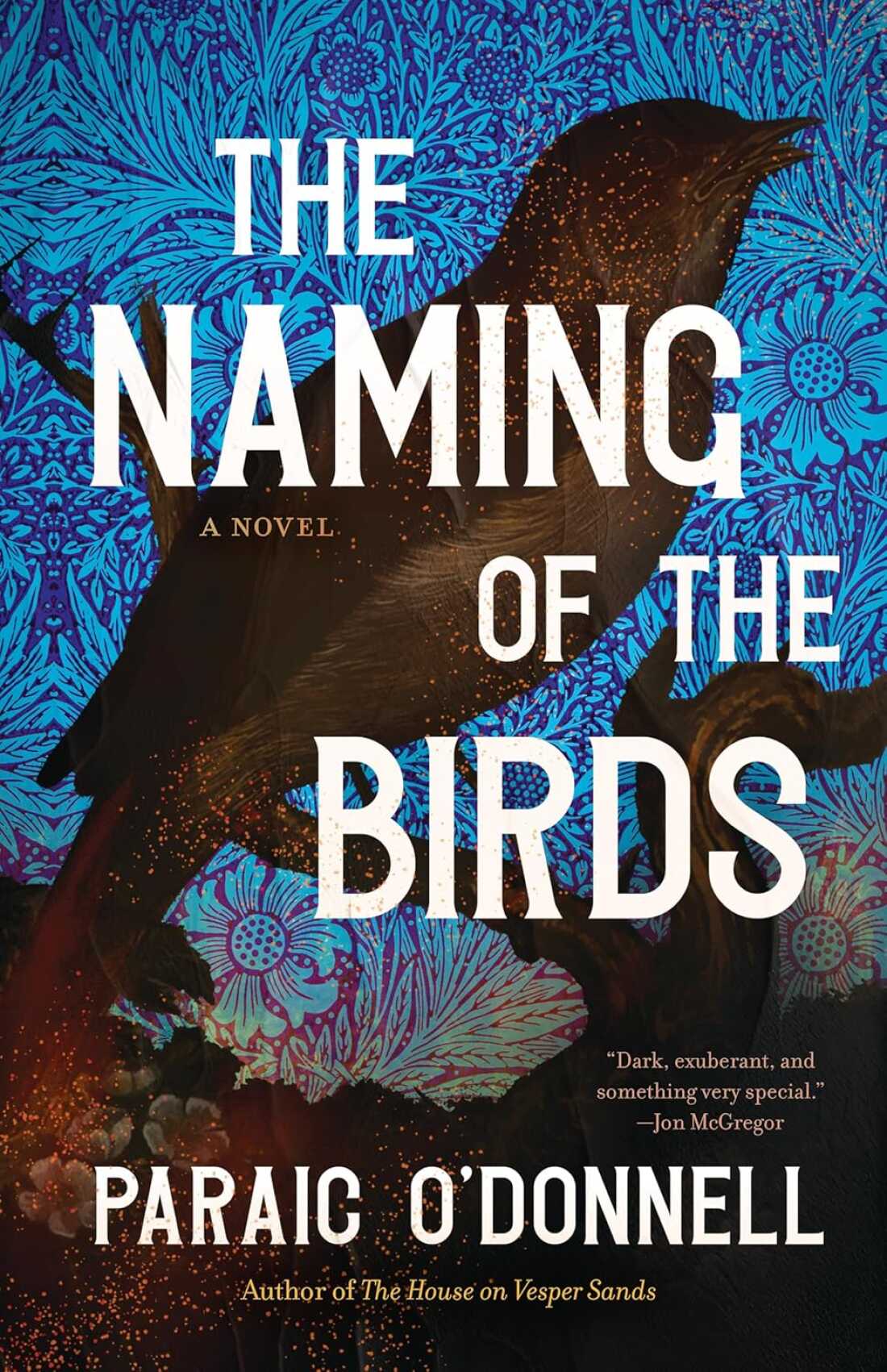
The Naming of the Birds, by Paraic O’Donnell
This Victorian mystery novel is Dickens meets Sherlock Holmes meets La Femme Nikita, and it wears its genre conventions proudly. The heroes: a brilliant, gruff police officer and his bumbling assistant, aided by a plucky lady journalist. The crimes: elaborate serial murders of insignificant elderly men. The killings are connected to the book’s prologue, a harrowing tale of mistreated orphans seemingly in training to be assassins. The reader knows this, but the detectives do not, giving the events a frisson of dramatic irony as the body count ticks up. — Holly J. Morris, digital trainer

Old Soul, by Susan Barker
Jake and Mariko meet when they both miss their flight out of Osaka and decide to share a meal. Later, drunk, Mariko tells Jake about how her twin brother died, and Jake is eerily reminded of a beloved friend’s strange death. The deceased both began behaving differently shortly before they died, after meeting an exceptionally charming woman, and both had biological oddities discovered during their autopsies. Could it have been the same woman? If so, who is she? And what is she after? If you, too, are a sucker for books that follow a central mystery through the stories of seemingly disparate but ultimately interconnected characters, this one is a must. — Ilana Masad, book critic and author of Beings

The Stalker, by Paula Bomer
The antihero of Paula Bomer’s novel is Doughty, a liar, misogynist and dyed-in-the-wool sociopath who manages to fail upward by preying on women who fall for his deceit. The novel chronicles his time in New York City, where he hurts everyone he can, with no semblance of guilt or even basic humanity. This is, in part, a darkly funny novel, and Bomer walks a fine line brilliantly – the moments of humor don’t detract from the book’s important themes. — Michael Schaub, book critic
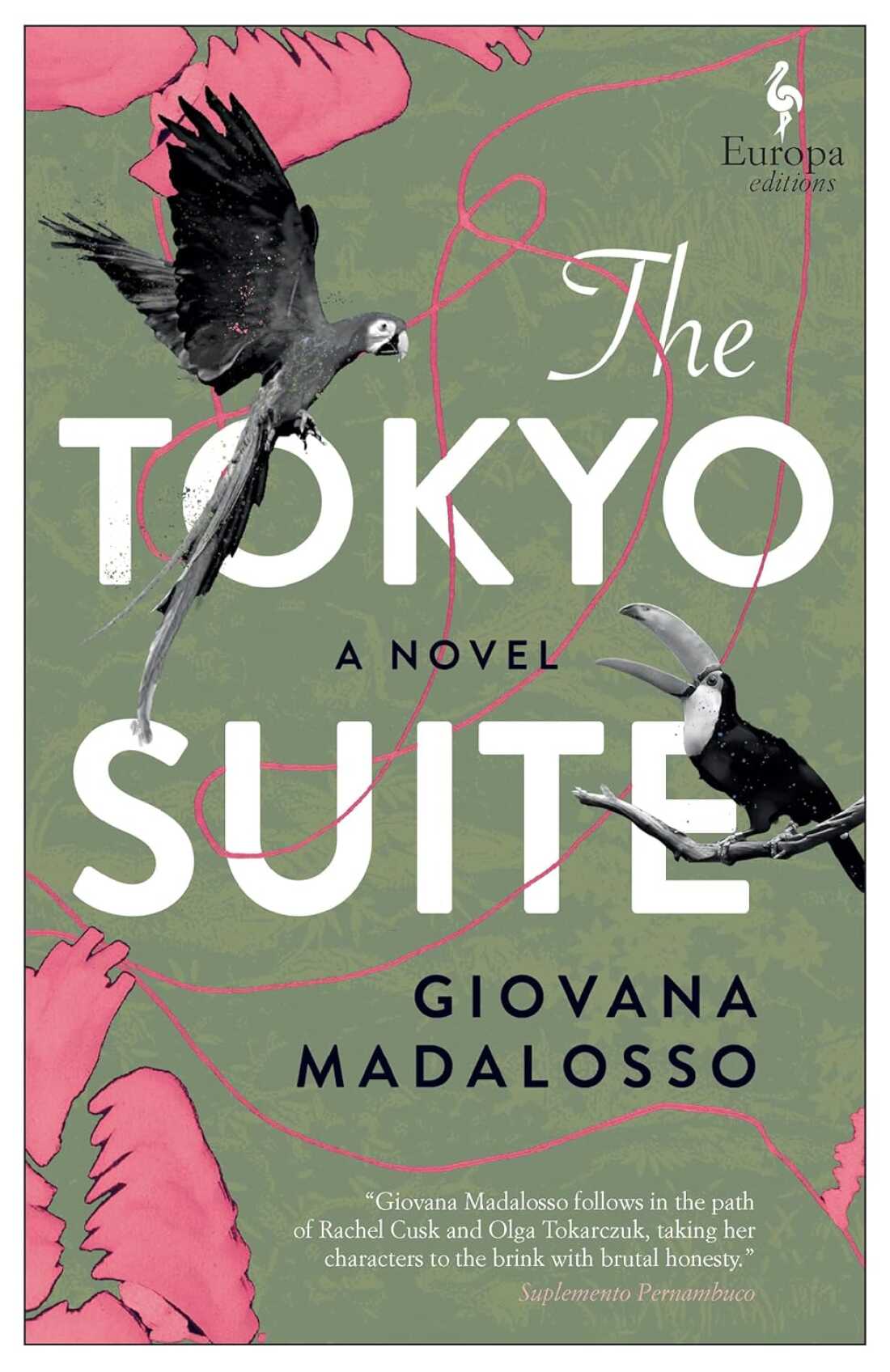
The Tokyo Suite, by Giovana Madalosso, translated by Bruna Dantas Lobato
The dual narratives of The Tokyo Suite grip the reader right from the opening chapters, which alternate between the points of view of a mother distracted by her job as an executive and the nanny who kidnaps the exec’s daughter. As this two-hander unfolds, Giovana Madalosso plays with the reader’s sympathies as both protagonists entangle themselves in the consequences of their bad choices. By the end, you’re certain the only path forward is tragedy, but instead you’ll be left thinking about what happens beyond the pages long after you close the book. — Leland Cheuk, book critic and author of No Good Very Bad Asian
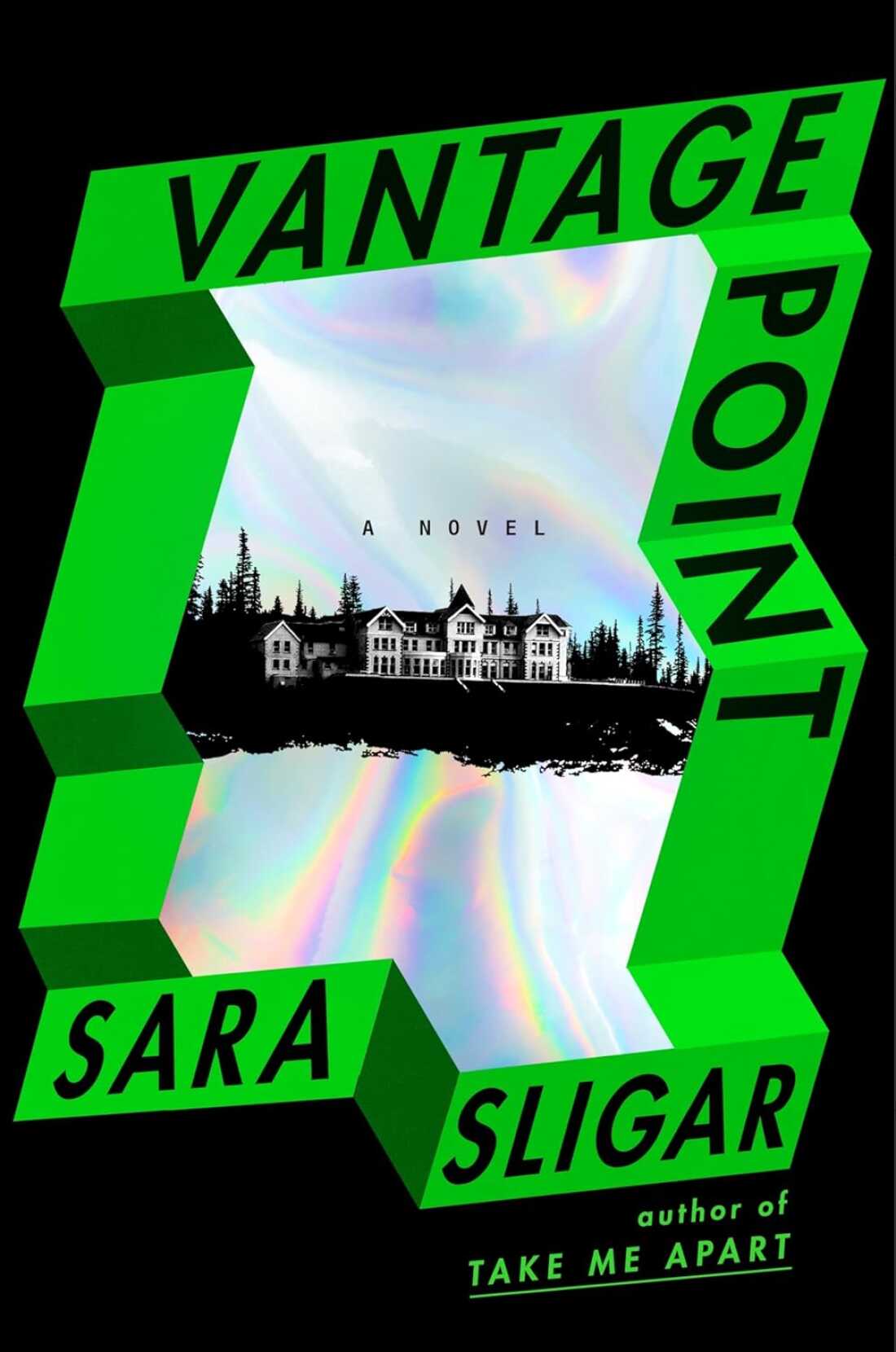
Vantage Point, by Sara Sligar
A summer mystery with a rich, troubled family and a curse? Sign me up. Vantage Point is set on a secluded island in Maine and reads like a tech thriller with the soul of a gothic dynastic horror story. It’s told from the dual perspectives of Clara, the youngest member of the wealthy, politically connected and highly unlucky Wieland family, and Jess, Clara’s childhood best friend who’s married to Clara’s brother, Senate hopeful Teddy. When a series of deepfake videos targets Clara and then Jess, it feels as though the famous Wieland curse has come into the digital age. The book is a rich drama about friendship, class and inherited trauma — all in the package of a propulsive yarn. — Barrie Hardymon, senior editor, Investigations Unit
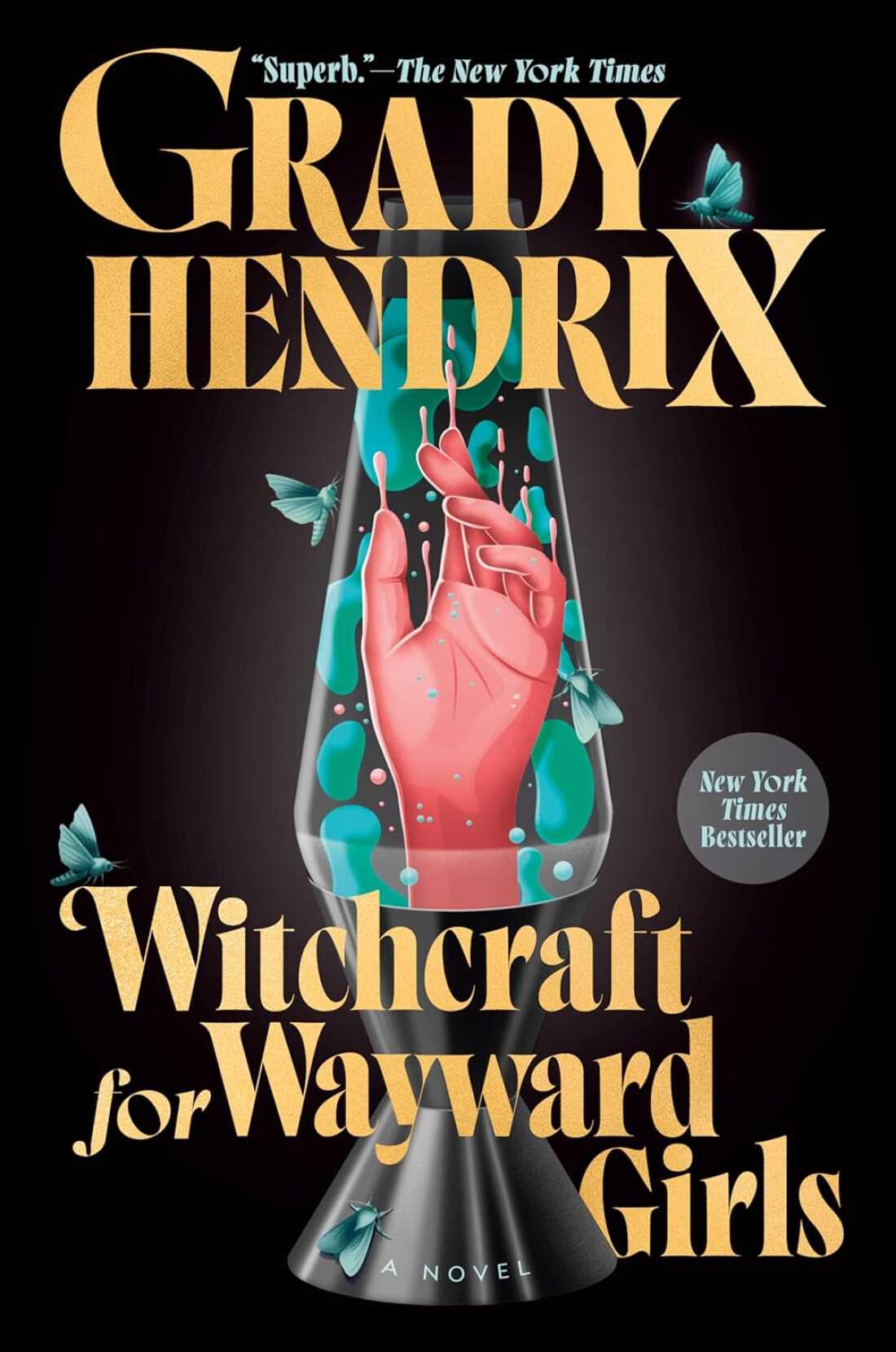
Witchcraft for Wayward Girls, by Grady Hendrix
In the 1970s, young women who got pregnant before marriage were sent to homes to have their babies away from prying eyes. It was like a magic trick — a practice in concealment, disappearance and forgetting. In a state of complete powerlessness, hidden away in the stifling heat of St. Augustine, Fla., Fern — not her real name, never give your real name — meets other young girls like herself. Then a visiting librarian gives Fern a book on witchcraft, and she learns what she is willing to give up in return for that power. — Christina Cala, senior producer, Code Switch
This is just a fraction of the 380+ titles we included in Books We Love this year. Click here to check out this year’s titles, or browse nearly 4,000 books from the last 13 years.


Can you say no to a friend’s wedding?
Getty Images/Getty images
hide caption
toggle caption
Getty Images/Getty images
Are we spending too much on other people’s weddings?
Going to a friend’s weddings can be so fun and meaningful… but it can also really hurt your wallet. A survey by LendingTree found that 31% of people who had been to a wedding in the past five years had accrued debt to attend. So what’s driving up the cost of weddings for guests? And what makes it so hard to say no to these expenses?
Brittany breaks it down with Allyson Rees, senior analyst at trend forecasting firm WGSN, and Annie Joy Williams, assistant editor at The Atlantic.
This episode was produced by Liam McBain, with additional support from Corey Antonio Rose. It was edited by Neena Pathak. Our Supervising Producer is Cher Vincent. Our Executive Producer is Barton Girdwood. Our VP of Programming is Yolanda Sangweni.
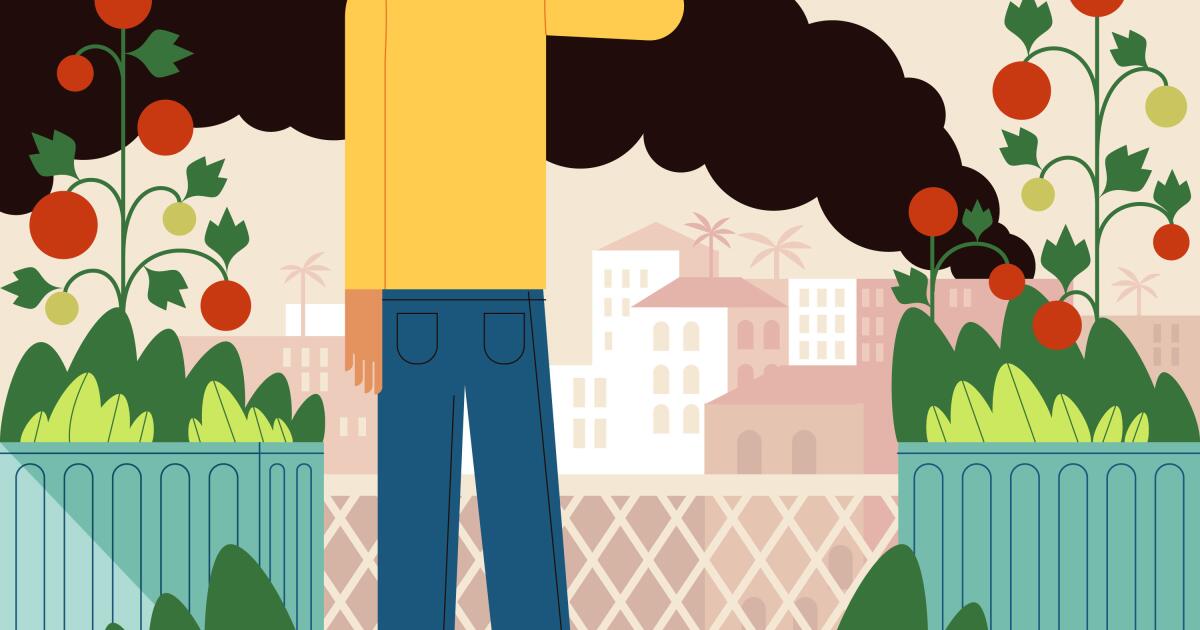
After the eight-day-long fire in a 500,000-square-foot Boyle Heights warehouse, eastern Los Angeles residents are contending with putrid smells, soot and potentially hazardous airborne chemicals after heavy plumes of smoke spread throughout the city. But those who grow food in nearby neighborhoods may also be wondering: How will the fires affect the plants and produce in my garden?
The Boyle Heights warehouse, owned by Lineage — a global temperature-controlled storage facility operator — housed 85 million pounds of frozen food and other products. In the days since the fire, local emergency visits for smoke inhalation and throat pain spiked while agencies still scramble to measure the amount of PM 2.5 — harmful fine particles — and heavy metals, like lead and arsenic, in the air.
According to researchers, any toxic airborne chemicals would likely stem from the charred foam insulation, metal exterior, burned solar panels and any lithium batteries that might have been present inside the warehouse.
After a fire, heavy metal particles can spread through ash and smoke over gardens and inhibit growth, said Olukayode Jegede, an agricultural toxicologist and assistant professor at UC Davis. Since the warehouse fire is so recent and cleanup has just begun, Jegede said the precise impact on gardens can’t be measured until comprehensive soil tests are conducted in the area.
While the L.A. city government hasn’t announced plans for soil testing, the Contaminant Level Evaluation and Analysis for Neighborhoods project at USC is offering free contaminant testing for Boyle Heights and East L.A. residents. Residents can collect soil samples and deliver them to Boyle Heights City Hall and other locations for an evaluation of lead, arsenic, chromium and mercury levels.
The good news is produce, plants and roots can still be preserved. According to Jegede, many of the soil tests conducted last year in the Altadena area after the Eaton fire showed that gardens and poultry were not as contaminated as one might expect.
“Quite a number of the soils we tested [in Altadena] were not really contaminated,” Jegede said. “We weren’t seeing many soils with concerning elevated levels of metal, so gardeners should not be too alarmed when these things happen.”
Nevertheless, there are several measures that gardeners can take to keep themselves, their children, plants and produce safe from potentially harmful contaminants stemming from the fire. Researchers, gardening experts and horticulturists offered some guidance on the handling, recultivation and cleanup that can keep you and your garden in good health.
How do I remove ash and contaminants from my garden?
Altadena horticulturist Leigh Adams said Boyle Heights plants and produce already live in a difficult environment, surrounded by industrial warehouses that spread contaminants daily.
“That area has been used industrially for 100 years, and the soil is impacted by many, many, many things,” Adams said. “Low-income neighborhoods and gardens usually don’t have a lot of resistance against dominant manufacturing.”
This means that the contamination of gardens in eastern L.A. won’t be as catastrophic as compared with those in Altadena, a more suburban environment, Adams said. But fallen ash still poses major health risks if ingested or inhaled.
An advisory from University of California Agricultural and Natural Resources last year recommended suiting up in an N95/KN95 mask, long sleeves, pants, close-toed shoes and gloves before attempting to deal with ash in the garden to limit exposure to potentially toxic contaminants. The advisory added that individuals should make sure all of this gear is cleaned thoroughly before bringing it back inside.
Once in the proper gear, Adams recommends removing the top two inches of topsoil from gardens, where the highest concentration of contaminants will settle after a fire. Using a plastic bag to collect the soil and disposing of it in the garbage — not green yard waste bins — will help to reduce the spread of airborne chemicals.
Gardeners with raised beds are advised to remove approximately six inches of soil, because excess ash can raise the pH level and prevent nutrients from soaking into the soil bed.
After this, watering the garden gently but plentifully will help to promote soil health and get rid of most of the ash present on plant leaves and stems. Adams said replacing the top two inches of soil with store-bought mulch or straw will help to contain any remaining ash and prevent it from spreading any further.
Experts say to avoid using leaf blowers if ash is present in the garden because they can send particles airborne. Doing so will increase the likelihood of heavy metal particles, which can carry lung irritants and carcinogens, being spread and inhaled.
A Boyle Heights resident keep a watchful eye on the fire at the 5,000-square-foot commercial building, which stores 85 million pounds of frozen food.
(Genaro Molina / Los Angeles Times)
Is it safe for me to eat produce from my garden?
Several studies, including one from the UC Cooperative Extension of Sonoma County, have shown that consuming produce in a fire-affected area poses minimal health risks.
Jegede said most root vegetables like potatoes and carrots, along with any fruit that has an outer layer, can be washed to remove potential contaminants, even if they were covered in ash. Peeling the outer layer of your produce can also help to reduce potential risks, he said.
Lettuce and other leafy foods with multiple layers pose a higher risk of contamination, but with a vigorous wash and peeling the outer layers, even the greens can be saved. The County of Los Angeles Department of Public Health recommends soaking leafy produce and fuzzy fruits like peaches in a 10% white vinegar and 90% water mixture.
Jegede said if the leaves or fruit are too delicate to wash or ash is still visible, it would be best to dispose of the produce.
How can I tell if my soil is contaminated?
After ridding your garden of visible ash, you might wonder how to tell if your plants will still thrive in the soil.
At-home soil tests that measure for alkaline, fertility and pH levels are widely available and can be purchased for $15 to $100 (for more detailed results) online. But Jegede said these tests can’t tell the full story of soil health.
Comprehensive soil testing is “something you can’t do properly at home,” Jegede said. “In labs, we are testing for metals like lithium and zinc, stuff that an at-home test will not show … If it comes to the point that you’re worried about your soil, I would just send it out to a lab.”
Wallace Laboratories in El Segundo, Babcock Laboratories in Riverside, Waypoint Analytical in Anaheim and other labs offer more detailed soil tests that measure heavy metal particles in addition to other fertility factors. Prices at Wallace Laboratories can range from $115 to $295 for a complete compost test.
The soil below two inches should be unharmed, Adams said, so long as new compost is set and plants are watered plentifully, which will promote natural biological cycles.
“What you’re doing is capping the soil, so that moisture stays in there, and instead of being dirt, it’s a living system called soil,” Adams said. “The more carbon we can get into our soil, the better.”
What can I do to help my soil recover?
For the last 12 years, Adams has been working with Metabolic Studio, a Los Angeles-based art and research hub focused on environmentalism, on methods for bioremediation, the practice of using additional fungi, plants and compost to decontaminate ash and break down contaminants.
Adams said straw, mushrooms, corn, rye and sunflowers are great bioremediators that can help to repair damage to soils. She said certain samples she’s worked on with Metabolic Studio have gone from testing at high heavy metal levels to nearly contaminant-free.
But for a more immediate fix, wash your produce, water your plants and have a little patience during ash cleanups. Your garden should look better in no time, Adams and Jegede said.

Inde Navarrette and Michael Johnston in Obsession.
Focus Features
hide caption
toggle caption
Focus Features
Two big horror films, Obsession and Backrooms, just smashed all box office expectations. So much of their success has been driven by Gen Z, which is now the biggest moviegoing demographic. But what makes a movie a Gen Z movie? Today we’re bringing you an episode of NPR’s It’s Been a Minute. Host Brittany Luse talks about this trend with Sam Adams and Reanna Cruz.
If you want to hear more about these movies, check out these episodes:
In ‘Obsession,’ love hurts. It really, really, really hurts.
‘Backrooms’ brings YouTube horror to the big screen
Zendaya brings ‘The Drama,’ we bring the spoilers
Connect with Pop Culture Happy Hour:
Letterboxd / Facebook
Our weekly newsletter
Support Pop Culture Happy Hour+
-

 New Hampshire2 minutes ago
New hampshire set to approve world’s first $100 million bitcoin-backed municipal bond
-

 New Jersey5 minutes ago
Police conclude investigation at Walmart in Cherry Hill, officials say
-

 New Mexico10 minutes ago
Monsoon high shifts slightly west but rain is still possible Wednesday in New Mexico
-

 North Carolina17 minutes ago
North Carolina Republican operative shaping the state’s early voting plans is reassigned
-

 North Dakota20 minutes ago
West Fargo Attorney Chosen for North Dakota Ethics Commission Position
-

 Ohio25 minutes ago
Jeff’s Donuts opens first Ohio location, open 24 hours
-

 Oklahoma32 minutes ago
5 Things To Know: Oklahoma County inmate death, deadly OKC hit-and-run
-

 Oregon35 minutes ago
Oregon to ask court to delay Paramount deal for 60 days while it reviews records

