Health
Popular vitamin D supplement may have an unexpected effect, experts warn


NEWYou can now listen to Fox News articles!
Vitamin D is known to be essential to many aspects of human health — but a new study suggests that taking a certain form of it can have a negative effect.
The more potent and longer-lasting form, vitamin D3 (cholecalciferol) is produced naturally when the body is exposed to sunlight and is also found in animal products, while vitamin D2 (ergocalciferol) comes from plant or fungal sources, per the National Institutes of Health.
Researchers from the University of Surrey in the U.K. found that taking vitamin D2 can cause reduced levels of vitamin D3 in the body.
OVERLOOKED SUPPLEMENT COULD SLOW AGING AND BOOST BRAIN AND HEART HEALTH, EXPERT SAYS
They made this determination by analyzing 11 randomized controlled trials including 655 adults, which showed that people taking vitamin D2 supplements had less vitamin D3 than those who did not take D2, according to a university press release.
The findings of the study — conducted along with the John Innes Centre and the Quadram Institute Bioscience in Norwich, England — were published in the journal Nutrition Reviews.
Vitamin D is known to be essential to human health — but a new study suggests that taking a certain form of it can have a negative effect. (iStock)
“Vitamin D supplements are important, especially between October and March, when our bodies cannot make vitamin D from sunlight in the U.K.,” lead researcher Emily Brown, a Ph.D. research fellow from the University of Surrey’s Nutrition, Exercise, Chronobiology & Sleep Discipline, stated in the press release.
“However, we discovered that vitamin D2 supplements can actually decrease levels of vitamin D3 in the body, which is a previously unknown effect of taking these supplements. This study suggests that, subject to personal considerations, vitamin D3 supplements may be more beneficial for most individuals over vitamin D2.”
COMMON VITAMIN SHOWN TO SLASH SKIN CANCER RISK IN SOME GROUPS, STUDY SUGGESTS
Previous research has suggested that the two forms of vitamin D are not interchangeable. A study published in Frontiers in Immunology, also conducted by the University of Surrey, found that vitamin D3 is more effective in boosting the immune system and protecting the body from viral and bacterial diseases, the release noted.
Some foods containing vitamin D3 include fatty fish, egg yolks, cod liver oil and fortified dairy and animal foods, health sources confirm. (iStock)
“We have shown that vitamin D3, but not vitamin D2, appears to stimulate the type I interferon signaling system in the body – a key part of the immune system that provides a first line of defense against bacteria and viruses,” stated Professor Colin Smith, who led the above study. “Thus, a healthy vitamin D3 status may help prevent viruses and bacteria from gaining a foothold in the body.”
Professor Martin Warren, chief scientific officer at the Quadram Institute, confirmed in the release that vitamin D deficiency is a “significant public health concern,” particularly during the winter months.
“This collaborative research effort aligns well with the Quadram Institute’s mission to deliver healthier lives through food innovation to enhance the nutrient density of the food we eat,” he said. “Tackling this with the most effective form of vitamin D supplementation or fortification is of the utmost importance to the health of the nation.”
More research is needed to determine whether vitamins D2 and D3 affect the body differently — and whether that could change doctors’ medical advice on which type to take, the researchers concluded. (iStock)
More research is needed to determine whether vitamins D2 and D3 affect the body differently — and whether that could change doctors’ medical advice on which type to take, the researchers concluded.
There were several limitations to the analysis, the study findings noted.
CLICK HERE TO SIGN UP FOR OUR HEALTH NEWSLETTER
For example, there were only a small number of studies with many differences among them, such as their duration, the amount and timing of doses, and how results were measured. There was also the potential for biases due to incomplete reporting of details.
The results could also be affected by factors such as the amount of sunlight exposure, as well as some people taking supplements and others eating vitamin-fortified foods, the researchers noted.
CLICK HERE FOR MORE HEALTH STORIES
Some foods containing vitamin D3 include fatty fish, egg yolks, cod liver oil and fortified dairy and animal foods, health sources confirm. Vitamin D2 can be found in mushrooms, fortified foods and some plant/fungal-based supplements.
The study was supported by the Biotechnology and Biological Sciences Research Council (BBSRC).



Health
Microwaved squishy toy explodes onto boy’s face and chest amid viral trend, causing horrific burns

NEWYou can now listen to Fox News articles!
An Alabama teenager and his family are warning about the dangers of a viral social media trend after he suffered third-degree burns when a microwaved sensory toy exploded.
Eli Blackmon, now 13, was 11 when he saw videos on TikTok showing people putting NeeDoh squishy toys in the microwave in order to soften them.
The NeeDoh, a sensory toy similar to a stress ball, is described on the company’s website as a “gratifying super soft, super stretchy dough filled groovy glob.”
DANGEROUS TIKTOK TREND LEAVES BOY BADLY BURNED AS DOCTORS ISSUE WARNING
“I thought it was harmless because an adult tried it and nothing happened,” he told Fox News Digital this week.
“When I took it out, my older sister held it for a few minutes, then I was playing with it. As soon as I squeezed it, it burst and the hot gel exploded onto my neck, chest and hands.”
An Alabama teenager and his family are warning about the dangers of a viral social media trend after he suffered third-degree burns when a microwaved sensory toy exploded. (Fallon Blackmon)
The hot gel caused third-degree burns on the boy’s neck and chest.
“At first I was just feeling frantic because I wasn’t sure what was going on because he was just screaming and not communicating,” the teen’s mother, Fallon Blackmon, told Fox News Digital.
‘BEANTOK’ TREND GOES VIRAL WITH WILD GUT HEALTH PROMISES — HERE’S WHAT EXPERTS SAY
“My husband is a fire medic and I work in emergency call taking, so I had a little knowledge of how serious it was. That obviously didn’t keep me from panicking on the inside.”
She was not aware of this trend before her child’s injury, she said.
“If I was aware, we would have had a conversation about not doing it.”
Eli Blackmon had weekly visits with the burn unit for four months, during which the doctors scraped off dead skin and performed wound care. (Fallon Blackmon)
Eli Blackmon recalled feeling extreme pain after the injury.
“I thought I was going to die. I kept telling my parents, ‘I don’t want to die, I’m sorry,’ and I that I loved them.”
Blackmon was transported by ambulance to the emergency department at the local children’s hospital, and was later sent to the burn unit for wound care and debridement.
‘TANMAXXING’ TREND COULD COME AT A DANGEROUS COST, SKIN CANCER EXPERTS WARN
“With how severe the burn was, they would typically recommend skin grafts, but they wouldn’t consider it for him because of the risks to his airway,” his mother said.
Blackmon had weekly visits with the burn unit for four months, during which the doctors scraped off dead skin and performed wound care.
Blackmon, who is a jiu-jitsu athlete, missed months of training and competing due to the injury. (Fallon Blackmon)
“This was done with no pain meds or numbing, so all his follow-up appointments were very painful,” Fallon Blackmon said.
“Once the wound started to heal and the scarring began, they had to do chemical burns because he was developing granulation tissue.”
“Don’t do it! It’s stupid! It causes so much pain.”
The teen also developed a rash from the bandages, which quickly turned into a staph infection.
“Another issue was that the burn was pulling fluids from his body, and this caused severe lower GI issues for months,” his mother said.
TEST YOURSELF WITH OUR LATEST LIFESTYLE QUIZ
Blackmon, who is a jiu-jitsu athlete, missed months of training and competing due to the injury. The family also faced thousands of dollars worth of hospital bills, doctor bills and wound care supplies over the four-month care period.
“I thought I was going to die. I kept telling my parents, ‘I don’t want to die, I’m sorry,’ and I that I loved them,” Blackmon recalled about the incident. (Fallon Blackmon)
Now, the teen and his mother aim to help prevent other families from going through the same ordeal.
“If you purchase these types of toys, please just mention this trend and not to do it,” she urged parents. “Even if they don’t have social media, kids in school are hearing it from other kids.”
CLICK HERE TO SIGN UP FOR OUR HEALTH NEWSLETTER
Today, Blackmon attends to his scar each day so that it doesn’t cause any issues with neck mobility.
“I have to do stretches and moisturize and massage it daily,” he said.
CLICK HERE FOR MORE HEALTH STORIES
“It hasn’t really changed my confidence because all my friends and family are very supportive and tell me my scar is cool.”
To other kids who may be thinking about participating in this social media trend, Blackmon’s advice is simple: “Don’t do it! It’s stupid! It causes so much pain and other problems.”
The NeeDoh, a sensory toy similar to a stress ball, is described on the company’s website as a “gratifying super soft, super stretchy dough filled groovy glob.” (Whitney Grubb)
“Actually, just don’t do any trends on TikTok, even if you think they are harmless,” he added. “Talk to your parents.”
Blackmon’s mother agreed, noting that sharing the story and receiving negative criticism from adults online would be worth preventing another child from being “scarred for life” and experiencing something so traumatic.
CLICK HERE TO DOWNLOAD THE FOX NEWS APP
A spokesperson for TikTok USDS Joint Venture previously shared with Fox News Digital that any content that “promotes dangerous behavior” and may lead to serious injury is considered a violation of the platform’s Community Guidelines. The company claims that it immediately removes these videos when they are found.
Fox News Digital reached out to the manufacturer of NeeDoh requesting comment.

NEWYou can now listen to Fox News articles!
New details surrounding Sen. Lindsey Graham’s sudden death have drawn attention to a cardiovascular emergency that can become fatal within minutes.
A statement released by Graham’s office on Sunday cited preliminary findings from the District of Columbia’s Office of the Chief Medical Examiner, identifying the cause of death as an aortic dissection due to arteriosclerotic cardiovascular disease.
Authorities said Graham, 71, was transported to George Washington University Hospital, where he was pronounced dead at 10:23 p.m. Saturday. An autopsy was completed Sunday.
MEDICAL EXAMINER RELEASES PRELIMINARY FINDINGS IN LINDSEY GRAHAM’S DEATH AS DEATH CERTIFICATE REMAINS PENDING
“The death certificate will be PENDING until all the toxicological and microscopic testing are finalized, and at that point the death certificate will be updated to reflect the cause of death and appropriately classify the manner of death,” the statement said.
Fox News Digital reached out to Graham’s office requesting comment.
New details surrounding Sen. Lindsey Graham’s sudden death have drawn new attention to a cardiovascular emergency that can become fatal within minutes. (Getty Images)
What is an aortic dissection?
An aortic dissection is a life-threatening medical emergency in which a tear develops in the inner layer of the aorta — the body’s largest artery, according to Mayo Clinic.
“It occurs when the layers of the aorta come apart and the inner one tears,” Fox News senior medical analyst Dr. Marc Siegel, who did not treat Graham, told Fox News Digital.
YOUR RESTING HEART RATE COULD REVEAL MORE ABOUT YOUR HEALTH THAN YOU THINK, DOCTORS SAY
Blood rushes through the tear and causes the layers of the aortic wall to separate, which can disrupt blood flow to vital organs or lead to a fatal rupture if not treated immediately.
“It can come on in minutes or days and may be hard to recognize,” added Siegel, noting that while dissections can evolve over time, symptoms often appear suddenly.
A spontaneous coronary artery dissection is a rare, sometimes fatal traumatic condition that can disrupt blood flow to vital organs or lead to a fatal rupture if not treated immediately. (iStock)
Dr. Kenneth Perry, an emergency physician based in South Carolina, said the best way to visualize the condition is to think of the aorta as a hose.
“The wall of the hose has multiple layers to it, and if the layers separate, the water can no longer pass down the regular opening in the tube,” Perry, who also was not involved in Graham’s care, told Fox News Digital. “Often, this starts as a very small tear that keeps progressing because of the water pressure.”
DIABETES DRUG COULD SLASH RISK OF FATAL HEART CONDITION IN ONE GROUP, SCIENTISTS REVEAL
“The same thing is happening in the aorta,” he went on. “The small tear in the wall of the aorta continues to progress, usually from severely elevated blood pressure.”
As the tear continues past the smaller arteries coming from the aorta, blood can no longer flow from the heart to the other organs.
Sen. Lindsey Graham talks with reporters in the U.S. Capitol on March 10, 2026. Authorities said Graham, 71, was transported to George Washington University Hospital, where he was pronounced dead at 10:23 p.m. Saturday. (Tom Williams/CQ-Roll Call, Inc via Getty Images)
“This causes the organs that need that blood to die from lack of oxygen,” Perry said. “The only way to survive such a diagnosis is very early identification and strict blood pressure control with emergent operative management.”
Aortic dissection is relatively rare, affecting an estimated three to four people per 100,000 each year, according to Cleveland Clinic.
What causes an aortic dissection?
In Graham’s case, the preliminary findings cited arteriosclerotic cardiovascular disease. This condition is most commonly associated with atherosclerosis, in which plaque builds up inside the arteries, causing them to harden and narrow.
Over time, this process can weaken the wall of the aorta, increasing the risk of an aortic dissection.
“It can come on in minutes or days and may be hard to recognize.”
High-risk groups
Arteriosclerotic cardiovascular disease can develop over time and is driven by several factors, according to the American Heart Association and Mayo Clinic.
Some of the groups at highest risk include the following.
- People with uncontrolled high blood pressure (hypertension), which places constant stress on the aortic wall
- Older adults, particularly those in their 60s and 70s
- Men, who are diagnosed more often than women
- People with atherosclerosis (hardening of the arteries) or other cardiovascular disease
- Those with an aortic aneurysm, which weakens the wall of the aorta
- People born with certain heart defects, such as a bicuspid aortic valve
- Those with inherited connective tissue disorders, including Marfan syndrome, Loeys-Dietz syndrome and vascular Ehlers-Danlos syndrome
- Smokers and people with longstanding high cholesterol, both of which contribute to artery damage
- People with diabetes and obesity
- Those who are physically inactive and/or eat an unhealthy diet
Sen. Lindsey Graham speaks during a Senate Judiciary Committee meeting on Nov. 9, 2023, in Washington, D.C. Graham’s fatal condition was linked to arteriosclerotic cardiovascular disease. (Alex Wong/Getty Images)
“Graham’s father had a cardiac arrest, and if it was from a dissection, it would increase the risk,” Siegel noted.
Warning signs you should never ignore
Symptoms of an aortic dissection can come on suddenly and often mimic those of a heart attack or stroke, experts say.
Anyone experiencing any of the below warning signs should call 911 for immediate emergency medical care, according to Siegel and other health experts.
CLICK HERE TO SIGN UP FOR OUR HEALTH NEWSLETTER
- Sudden, severe chest or upper back pain, often described as tearing, ripping or stabbing, which may spread to the neck or back
- Shortness of breath
- Sudden, severe abdominal pain
- Loss of consciousness (fainting)
- Stroke-like symptoms, such as sudden vision changes, difficulty speaking, weakness or numbness on one side of the body
- Leg pain or difficulty walking
Arteriosclerotic cardiovascular disease can develop over time and is driven by several factors, according to the American Heart Association and Mayo Clinic. (iStock)
“Aortic dissection is one of the diseases that emergency physicians think of often when someone presents with chest pain — specifically pain described as a tearing sensation, with elevated blood pressure,” Perry told Fox News Digital.
“We often describe the aortic dissection patient as appearing to have a ‘kidney stone of the chest,’ — meaning they have severe pain and cannot get comfortable, similar to kidney stone patients.”
Diagnosis and treatment
Early diagnosis and treatment greatly improve the chances of survival for those who have suffered an aortic dissection.
Doctors typically diagnose an aortic dissection using imaging tests, including a CT scan, transesophageal echocardiogram (ultrasound), magnetic resonance angiography (MRI-based scan) and chest X-ray, per Mayo Clinic.
CLICK HERE FOR MORE HEALTH STORIES
The condition requires immediate medical treatment, which will depend on which part of the aorta is affected.
Type A dissections involve the ascending (upper) aorta near the heart, which typically require emergency surgery.
According to the American Heart Association, an untreated acute aortic dissection is one of the deadliest cardiovascular emergencies. (iStock)
Type B dissections affect the descending (lower) aorta farther from the heart, according to Mayo Clinic. These may be treated with medications to lower blood pressure and heart rate, although some may also require surgery or a stent.
Those who survive the event will generally need lifelong blood pressure management and regular imaging to monitor the aorta, per the above source.
TEST YOURSELF WITH OUR LATEST LIFESTYLE QUIZ
“This condition has a high mortality rate,” Siegel said.
According to the American Heart Association, an untreated acute aortic dissection is one of the deadliest cardiovascular emergencies.
“We often describe the aortic dissection patient as appearing to have a ‘kidney stone of the chest.’”
For untreated dissections involving the ascending aorta, the risk of death increases by approximately 1% to 2% for every hour treatment is delayed after symptoms begin, according to the American College of Cardiology and the American Heart Association.
Without treatment, more than half of people with a Type A aortic dissection die within one month. About 20% of Type A patients will die in the hospital, compared to 10% for treated Type B dissections.
Can it be prevented?
While not all aortic dissections can be prevented, people can reduce their risk by controlling certain lifestyle factors.
“You need to make sure your blood pressure is well-controlled, your cholesterol is low and that you are seen regularly by a doctor,” Siegel advised.
Smokers should kick the habit, he said, as they are at a highly increased risk.
CLICK HERE TO DOWNLOAD THE FOX NEWS APP
Maintaining a healthy weight and following treatment plans for underlying heart or vascular conditions can also reduce the risk, according to Mayo Clinic.
People with a family history of aortic disease or inherited connective tissue disorders should discuss screening with their healthcare provider, doctors advise.

NEWYou can now listen to Fox News articles!
A terminally ill man who chose to provide for his kids over spending money on a wedding has finally tied the knot with his fiancé – 20 years after he first proposed to her.
Dean Pennell, 63, met his partner Kay Beaman, 62, through their children 24 years ago in Basildon, Essex.
The couple held off on wedding plans in order to provide for their 10 children.
THE BEST TIME TO TALK TO YOUR PARENTS ABOUT SENIOR CARE — BEFORE IT’S TOO LATE
But after being told he had just weeks to live, Pennell — who has terminal cancer — finally married Beaman on June 18 at Colchester Hospital in Essex, England, news agency SWNS reported.
The new wife said, “I am absolutely elated. We have waited a long time, and it’s so special to be able to celebrate our marriage here, with our families.”
Dean Pennell, who has terminal cancer, married longtime love Kay Beaman at Colchester Hospital on June 18, 2026. The couple is pictured here. (SWNS)
She added to SWNS, “Dean proposed when we first got together — but with 10 children between us, money would not allow.”
She added, “We were planning to get married this year, but with the situation as it was, we decided to bring the wedding forward.”
BRIDE IS WALKED DOWN WEDDING AISLE BY MAN WHO RECEIVED HER LATE FATHER’S HEART
The couple were joined by their family and friends, including their 10 children and some of their 18 grandchildren.
The event was organized in less than a week by a variety of hospital staff members, SWNS noted.
Beaman, front left, and Pennell, front right, at Colchester Hospital, along with Langham Ward manager Lucy Everett, matron Emma Davis and patient flow coordinator Donna Knox. Family and friends are shown in the background. (SWNS)
Said Beaman, “It was very hard for Dean. He had been so excited in the lead-up to the wedding, and I would get a phone call from him at the hospital every morning telling me how many days there were to go until the wedding.”
CLICK HERE TO SIGN UP FOR OUR HEALTH NEWSLETTER
She said that “when the day came, he was adamant, as difficult as it was, that he was going to stand up for as much as the ceremony as possible — and we had a lovely day.”
After being told he had just weeks to live, Pennell, who has terminal cancer, finally married his fiancé on June 18. (SWNS)
She noted her new husband “was exhausted afterward. Dean is now back at home, and we are living life to suit us.”
A former electroplater, Pennell added, “It was absolutely brilliant. The staff worked really hard to organize the wedding.”
TEST YOURSELF WITH OUR LATEST LIFESTYLE QUIZ
Ward manager Lucy Everett said, “It has been a pleasure to be able to help Dean and Kay. It’s rare that we get to celebrate a wedding at Colchester Hospital — it’s a first for me,” as SWNS reported.
CLICK HERE TO DOWNLOAD THE FOX NEWS APP
The East Suffolk and North Essex Foundation Trust also presented the couple with a clock — displaying the exact time the happy couple said “I do” on their big day.
-
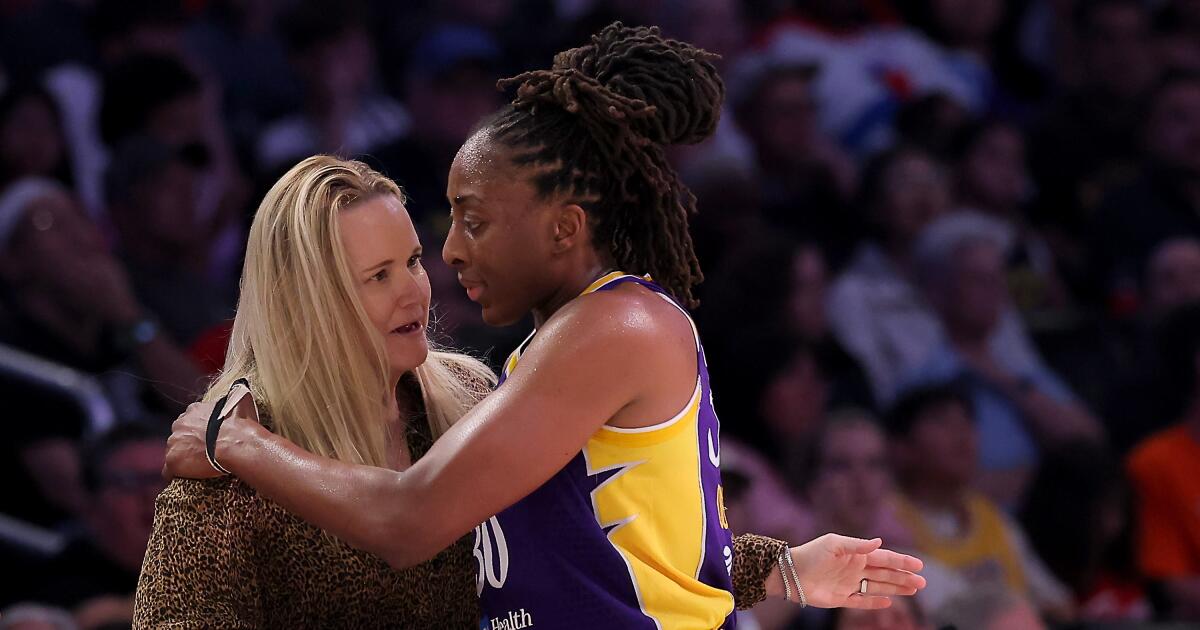 Sports3 minutes ago
What will the Sparks do next? The franchise is at a crossroads after firing its GM
-
World15 minutes ago
Euronews explains: can Hungary's PM Magyar really remove president Sulyok from office?
-

 News45 minutes ago
Mexico files criminal complaints in US over migrant deaths in custody
-

 Videos2 hours ago
New explosions near Iranian port cities, says state media | BBC News
-

 Los Angeles, Ca2 hours ago
Big rig crash spills cinder blocks on 101 Freeway; lanes blocked in Tarzana
-
 Detroit, MI3 hours ago
How to watch ‘The Odyssey’ in IMAX, 70mm and more in metro Detroit
-

 San Francisco, CA3 hours ago
Sold-Out SF Marathon 2026: The Races, Routes and Road Closures (Plus How to Watch It All) | KQED
-

 Dallas, TX3 hours ago
Top 10 Dallas Cowboys of 2026: Rashan Gary is Complete EDGE Dallas Needed

