New Mexico
House Speaker Johnson opposes radiation compensation for Missouri, New Mexico • Kentucky Lantern

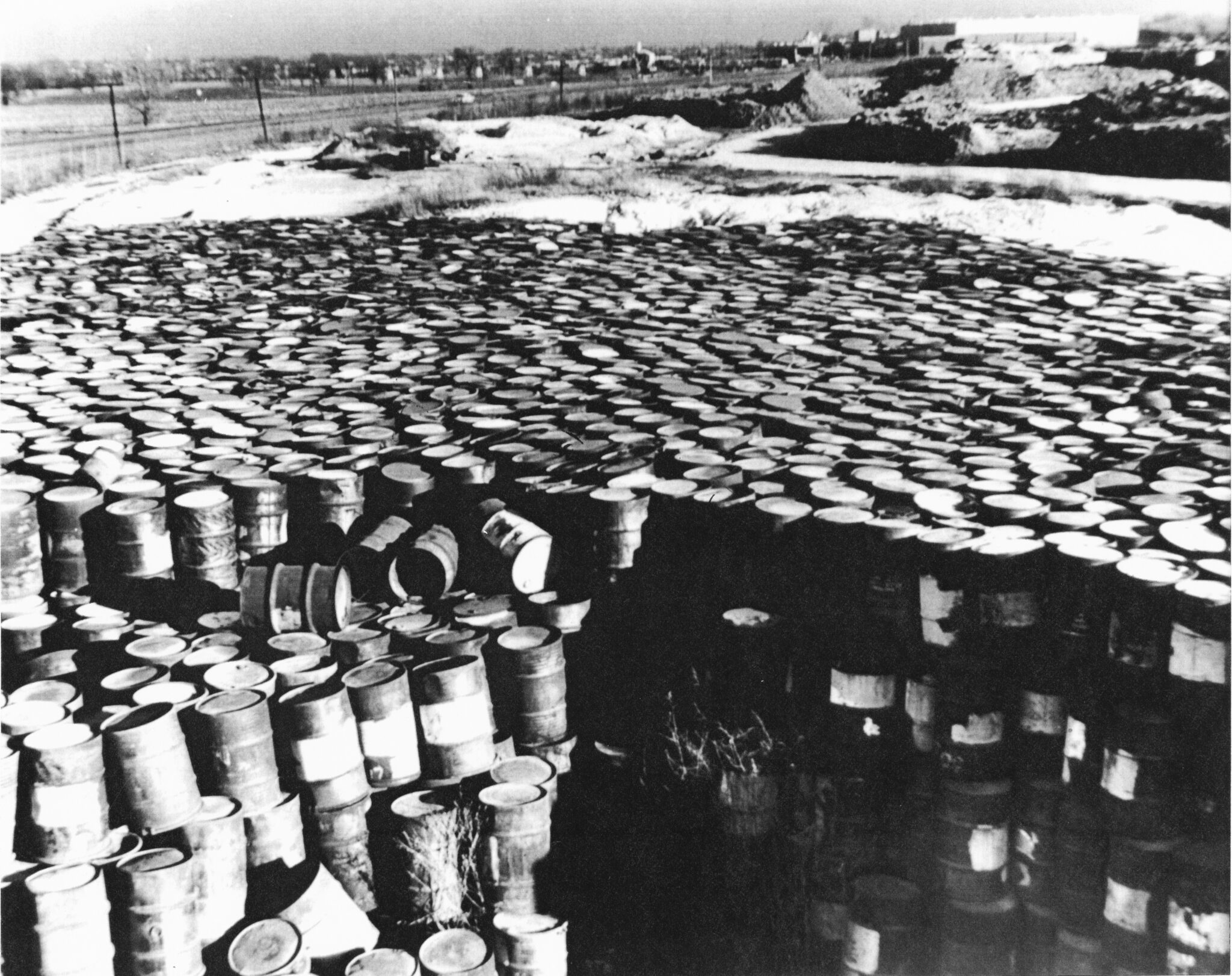
Offering compensation to thousands of Americans across nine states exposed to radiation from the nation’s nuclear weapons program would be too expensive, U.S. House Speaker Mike Johnson’s office said Wednesday.
With less than two weeks until the existing Radiation Exposure Compensation Act expires, a spokesperson in Johnson’s office said the speaker supports renewing the program where it already exists but not expanding it, creating a huge obstacle for advocates and cancer patients from St. Louis to the Navajo Nation who were exposed to bomb testing or nuclear waste.
“House Republican Leadership is committed to ensuring the federal government fulfills its existing obligations to Americans exposed to nuclear radiation,” the spokesperson said in a statement to The Independent. “Unfortunately, the current Senate bill is estimated to cost $50-60 billion in new mandatory spending with no offsets and was supported by only 20 of 49 Republicans in the Senate.”
The Radiation Exposure Compensation Act, or RECA, originally passed by Congress in 1990, offers compensation to uranium miners and civilians who were downwind of nuclear bomb testing in Arizona, Utah and Nevada. It expires June 10, and for months, advocates and members of Congress — especially from Missouri and New Mexico — have been lobbying Congress to expand it.
U.S. senators have twice passed legislation that would expand RECA, but it hasn’t gone anywhere in the House of Representatives. The legislation would add the remaining parts of Arizona, Utah and Nevada to the program and bring coverage to downwinders in Colorado, Idaho, Montana, New Mexico and Guam. It would also offer coverage for residents exposed to radioactive waste in Missouri, Tennessee, Alaska and Kentucky.
Dawn Chapman, who co-founded Just Moms STL to advocate for communities affected by World War II-era nuclear waste that contaminated parts of the St. Louis area, called Johnson’s statement “shocking.”
“I think that’s a pitiful excuse,” Chapman said of the limited Republican support. “I think that there isn’t even an excuse for the fiscal conservatives that say, ‘Put America first,’ because they clearly didn’t do that.”
Chapman and supporters of the legislation believe the $50-60 billion price tag is an overestimation, and she noted that cost is spread over five years.
She said supporters have worked to cut the costs of the program, including narrowing the list of health conditions that would qualify for compensation. If costs were a concern, Chapman said, Johnson should have met with advocates to work on further cuts.
Chapman said she’d return to Washington, D.C., next week, and “the least he can do is meet with us for 10 minutes.”
Johnson’s position was revealed Tuesday evening on social media by U.S. Sen. Josh Hawley, a Missouri Republican, and sparked outrage among the state’s congressional delegation.
U.S. Reps. Cori Bush, a Democrat from St. Louis, and Ann Wagner, a Republican from the nearby suburbs, vowed to oppose any extension of RECA that didn’t add Missouri.
On social media Wednesday afternoon, Hawley said the federal government “has not begun to meet its obligations to nuclear radiation victims.”
“(Missouri) victims have gotten zilch,” Hawley said.
Parts of the St. Louis area have been contaminated for 75 years with radioactive waste left over from the effort to build the world’s first atomic bomb during World War II. Uranium refined in downtown St. Louis was used in the first sustained nuclear chain reaction in Chicago, a breakthrough in the Manhattan Project, the name given to the effort to develop the bomb.
After the war, waste from uranium refining efforts was trucked from St. Louis to surrounding counties and dumped near Coldwater Creek and in a quarry in Weldon Spring, polluting surface and groundwater. Remaining waste was dumped at the West Lake Landfill in Bridgeton, where it remains today.
Generations of St. Louis-area families lived in homes near contaminated sites without warning from the federal government. A study by the federal Agency for Toxic Substances and Disease Registry found exposure to the creek elevated residents’ risk of cancer. Residents of nearby communities suffer higher-than-normal rates of breast, colon, prostate, kidney and bladder cancers and leukemia. Childhood brain and nervous system cancers are also higher.
This story is republished from the Missouri Independent, a sister publication to the Kentucky Lantern and part of the nonprofit States Newsroom network.



New Mexico leaders are backing a bipartisan bill after 12 confirmed U.S. screwworm cases, including one case in a Lea County dog.
SANTA FE, N.M. – New Mexico leaders are backing a bipartisan bill after 12 confirmed U.S. screwworm cases, including one case in a Lea County dog.
New Mexico State Veterinarian Dr. Samantha Holeck said the parasite has spread to New Mexico, though officials say they have not found any human cases.
“This is also not a political issue this is a nationwide issue that we all need to address because it affects all warm blooded animals including humans,” Holeck said.
U.S. Reps. Gabe Vasquez and Teresa Leger Fernandez support the Protect America’s Herds Act.
The bill would create a grant program to train people to identify, treat, prevent and report screwworm. It would also support more livestock inspections and education for ranchers.
Rep. Teresa Leger Fernandez said she heard concerns from tribal leaders about the cost of protecting cattle herds.
“I spoke with one of our tribal leaders today and they have cattle operation and they’re worried, and they’re talking about how much more money they’re having to pay to go make sure they check on their herds and there are extra costs,” Leger Fernandez said.
Funding would prioritize states and tribal communities most at risk for screwworm outbreaks.
State health officials said screwworm is not a food safety issue. They also said ranchers should stay alert but not alarmed.

New Mexico isn’t done with Meta yet. After the second phase of a landmark trial, the state is asking a judge to make the company pay almost $1 billion to address harm done to young people in New Mexico, SourceNM reports. In a court filing, attorneys with the New Mexico Department of Justice argue that Meta’s addictive design features and recommendation algorithms “substantially contributed to the increase and severity” of problems including depression and eating disorders. The state wants a judge to order Meta to pay $953 million into a fund for public education and behavioral health programs, reports Fox News.
- After the first phase of the trial in March, a jury found the company endangered children and misled the public about its platforms’ safety. Meta was ordered to pay $375 million in damages, $5,000 for each violation.
New Mexico Attorney General Raúl Torrez has argued Meta executives prioritized profit over minors’ safety, ignored internal warnings, and misrepresented what they knew about harms to young users. In the second phase, First Judicial District Court Chief Judge Bryan Biedscheid heard arguments on whether the company’s actions created a public nuisance, the Santa Fe New Mexican reports. Final filings in that phase of the trial were submitted Friday. Beyond potential financial penalties, Biedscheid will also rule on the state’s request for Meta to make changes including stricter age controls and “safer algorithms” that “do not prioritize engagement over well being.”
Meta says New Mexico is overreaching, warning that the proposed mandates are “impractical and ill-considered” and “would risk leaving teens less safe, infringe on parental rights, and stifle free expression.” Meta argues that New Mexico hasn’t proven that its platforms affect mental health outcomes. In court filings, Meta has claimed that the state is seeking $3.7 billion, not $953 million, but Chief Deputy Attorney General James Grayson says the higher figure is an expert’s estimate of the cost to fund all child mental health interventions in the state. “We’re not trying to hold Meta responsible for mental health harms in general in New Mexico, only for what social media has cost,” Grayson tells the New Mexican.
-

 California1 minute ago
Is California’s ‘Big One’ coming soon? Maps show growing danger.
-

 Colorado9 minutes ago
Colorado summer travel ideas, from glamping and hot air balloons to swimming and fishing
-

 Connecticut11 minutes ago
Joe Deko Appointed to State Legislature’s Group Studying Prepaid Funeral Contracts to Protect Consumers
-

 Delaware16 minutes ago
After devastating fire at historic Delaware church, a summer festival carries on
-

 Florida24 minutes ago
Ex-Florida juvenile probation officer accused of leaking court info to drug traffickers
-

 Georgia26 minutes ago
Georgia National Fair announces ticket pricing changes for 2026
-

 Hawaii31 minutes ago
Hawaii economy remains resilient despite inflation – The Garden Island
-

 Idaho38 minutes ago
Idaho Targets Japanese Beetle in Caldwell to Protect Agriculture

