Seattle, WA
Seattle among Top 20 happiest cities in U.S., study finds


SEATTLE – Seattle has ranked among the Top 20 happiest cities in America, according to a new study.
A study from WalletHub ranked 182 of the largest cities in the U.S. based on how “happy” they are — weighing metrics like emotional and physical well-being, income and employment, and community and environment. Seattle is the top-ranked city in Washington at #18, followed by Tacoma at #89, Vancouver at #100 and Spokane at #124.
Fremont, California earned the #1 spot owing to 80% of households making an income above $75,000.
“Money can buy happiness to a certain degree because a stable income is essential for a person’s physical and mental well-being,” said WalletHub analyst Cassandra Happe. “However, plenty of other factors affect happiness as well, and the happiest cities combine economic security with kind communities and conditions that are conducive to low depression rates and high life satisfaction.”
Seattle’s high ranking comes from emotional and physical well-being (ranked 8th) and income and employment (ranked 14th). Surprisingly, the Emerald City ranks 128th for community and environment, beaten out by Tacoma (103rd). Looking at individual metrics, Seattle ranks among the highest for adequate sleep rate, while Spokane ranks at one of the highest depression rates in the U.S.
The study’s methodology takes each category — emotional and physical well-being, income and employment, community and environment — and measures it based on several subcategories, each weighed to varying levels:
- Emotional and physical well-being
Life-satisfaction index
Depression rate
Suicide rate
Adequate sleep rate
Physical health index
Sports participation rate
Share of people who used marijuana in the past month
Opioid prescriptions per 100 people
Share of adults with mental health determined “not good”
Life expectancy
Food insecurity rate
- Life-satisfaction index
- Depression rate
- Suicide rate
- Adequate sleep rate
- Physical health index
- Sports participation rate
- Share of people who used marijuana in the past month
- Opioid prescriptions per 100 people
- Share of adults with mental health determined “not good”
- Life expectancy
- Food insecurity rate
- Income and employment
Income growth rate
Households earning annual incomes over $75,000
Poverty rate
Job satisfaction
4+ star job opportunities
Job security
Unemployment rate
Underemployment rate
Bankruptcy rate
Weekly work hours
Commute time
- Income growth rate
- Households earning annual incomes over $75,000
- Poverty rate
- Job satisfaction
- 4+ star job opportunities
- Job security
- Unemployment rate
- Underemployment rate
- Bankruptcy rate
- Weekly work hours
- Commute time
- Community and environment
Separation and divorce rate
Hate crime incidents per capita
Ideal weather
Acres of park land per 1,000 residents
Average leisure time spent per day
Well-being community index score
- Separation and divorce rate
- Hate crime incidents per capita
- Ideal weather
- Acres of park land per 1,000 residents
- Average leisure time spent per day
- Well-being community index score
For the full list, visit the WalletHub study here.



Seattle, WA
COUNTDOWN: Two days until West Seattle Fourth of July Kids’ Parade! Here’s the newest info

Just two days until hundreds of West Seattle’s youngest residents will parade through the streets of North Admiral with their families, as the Admiral Neighborhood Association again presents the West Seattle Fourth of July Kids’ Parade. We’ve checked in with parade coordinators for the newest info:
>Gina Topp (SPS School Board President, Admiral resident, and owner of Mission Cantina) will kick off the parade.
–Kavya Bhatkar (age 10), a School of Rock student, will sing the anthem.
-Title sponsors for the parade are: Neighborhood Naturopathic and Primary Care and Holy Rosary.
-Food available for purchase including:
Seattle Pops
West Seattle Grounds
Where Ya at Matt
Empanadas El Pachi
La La Lemonade
Seattle Sorbet
Hawk Dogs
Sugar & Spoon
The parade starts at 10 am Saturday from 45th SW and SW Sunset, heads west on Sunset for a bit, turns south and then east, ending at Hamilton Viewpoint Park for a post-parade celebration with sack races, activity booths, the aforementioned food/treat vendors, and if they’re not called away to an emergency, an SFD truck to see. No RSVP or registration required to be in the parade – just show up (non-motorized bikes, trikes, scooters, strollers, etc., welcome, or just walk).

(2024 reader photo of fireworks damage on Nino Cantu SW Athletic Complex turf)
Here’s the annual announcement from Seattle Parks – we’ve excised the non-local parks:
Seattle Parks and Recreation will turn on field lighting on ballfields throughout the city on the evening of Friday, July 3 and Saturday, July 4 to protect the surfaces. The ballfield lights will be turned on at approximately 9 PM.
The lights will be turned on to discourage the use of fireworks. Fireworks are illegal in the city of Seattle and will destroy the artificial turf on the fields or surrounding facilities. The approximate replacement cost for the synthetic surface based on per average full-size field (110,000 square feet) is $1.2 million. All the fields have been renovated in the past several years and benefit field users including soccer, football, baseball, ultimate frisbee and lacrosse.
The fields will be monitored from 9 PM to 3 AM
Lights at the following synthetic fields will be turned off at 3 AM on July 3 and 4:
Delridge Playfield, 4458 Delridge Way SW
Hiawatha Playfield, 2700 California Ave. SW
South Park Playfield, 8319 8th Ave S
Walt Hundley Playfield, 6920 34th Avenue SWLights will be turned off at the following grass fields at 11 PM on July 3 and 4:
West Seattle Stadium, 4432 35th Ave. SW
Comparing this to last year’s announcement, the lights will be on longer the night before the 4th, and the “monitoring” will be an hour later.

SEATTLE — Sharp divisions emerged Wednesday as Seattle residents, housing advocates and environmental activists sparred over a proposal that would dramatically reshape the city’s land-use appeals process.
At issue is legislation proposed by Seattle City Councilmember Eddie Lin. The bill would eliminate State Environmental Policy Act (SEPA) appeals to the city’s Hearing Examiner for major legislative actions, including Comprehensive Plan amendments and development regulations.
It prompted impassioned testimony at a public hearing before the Seattle City Council’s Land Use Committee, which Lin chairs.
Lin said his bill would prevent costly delays that have slowed housing production and climate-focused planning. Opponents countered that it would strip residents of one of their few affordable avenues for holding city government accountable on environmental issues before projects move forward.
Lin said that concentrating new housing in dense, walkable neighborhoods near transit reduces suburban sprawl, preserves forests and farmland, lowers greenhouse gas emissions and limits pollution harmful to salmon and orcas.
Lin said Seattle can achieve both affordable housing and a healthy urban tree canopy through thoughtful planning. However, having projects repeatedly delayed by appeals that ultimately have little legal standing is something the city cannot afford, Lin said.
Over the past several years, Washington lawmakers have expanded exemptions within SEPA specifically to reduce red tape for housing production. But Seattle’s municipal code still allows administrative appeals on many actions that state law has already exempted.
Although those appeals are frequently dismissed because of state law, city officials said the process itself can significantly delay legislation.
Under Lin’s proposal, residents could no longer file administrative SEPA appeals before the Hearing Examiner for major legislative actions. Instead, challenges would have to be brought before the Washington Growth Management Hearings Board or King County Superior Court.
During the public hearing, opponents said such a change would effectively place environmental appeals beyond the reach of many residents because pursuing litigation requires attorneys and substantially higher costs.
Several speakers warned that raising the financial barrier to appeals would disproportionately silence neighborhoods and community groups with limited resources.
Environmental advocates also argued the legislation removes an important layer of independent oversight before major decisions become law. They said appeals have historically uncovered flaws in Environmental Impact Statements, revealed previously undisclosed information and prompted improvements before projects advance.
The debate is expected to intensify as Seattle prepares for the next phase of updating its Comprehensive Plan under Mayor Katie Wilson’s administration. The forthcoming environmental review of the plan, which includes proposals for taller and denser development across the city, is likely to make the question of who can challenge environmental reviews a central issue in the coming year.
No vote was taken following Wednesday’s public hearing. The legislation will return to the City Council for further consideration.
-

 Health4 minutes ago
She Ate High-Protein Ice Cream Daily and Lost 193 Lbs—Her Keys to Success
-
 Lifestyle19 minutes ago
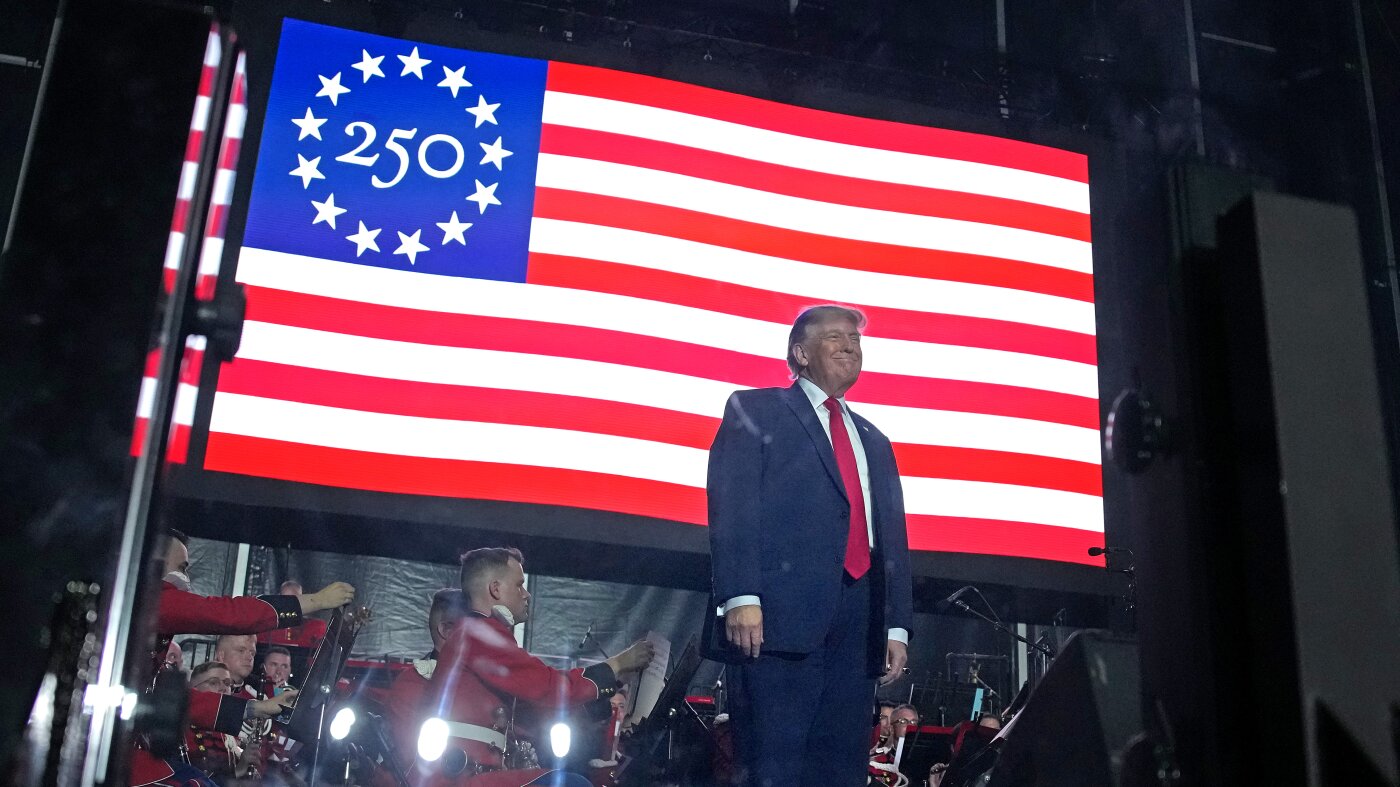
House Democrats accuse Trump of ‘hijacking’ America’s 250th birthday for his own gain
-

 Technology31 minutes ago
Tesla driver faces manslaughter charges over Texas crash that killed a woman inside her home
-

 World34 minutes ago
Six Kurdish fighters killed in IRGC ambush as clashes spread across western Iran
-

 Politics39 minutes ago
Sanctuary county refused 615 ICE transfer requests, turned over just 11 illegal immigrants, records show
-

 Health45 minutes ago
Mystery parasite leaves Americans battling ‘explosive’ illness as CDC investigates
-

 Sports49 minutes ago
2026 World Cup Round Of 16 Odds: Who’s Favored To Advance?
-

 Technology58 minutes ago
Fox News AI Newsletter: American manufacturer says AI is creating jobs, not replacing them

