Utah
What ESPN’s post-spring SP+ rankings say about expectations for BYU, Utah and Utah State


There are widespread expectations for the three FBS programs in the state of Utah this fall.
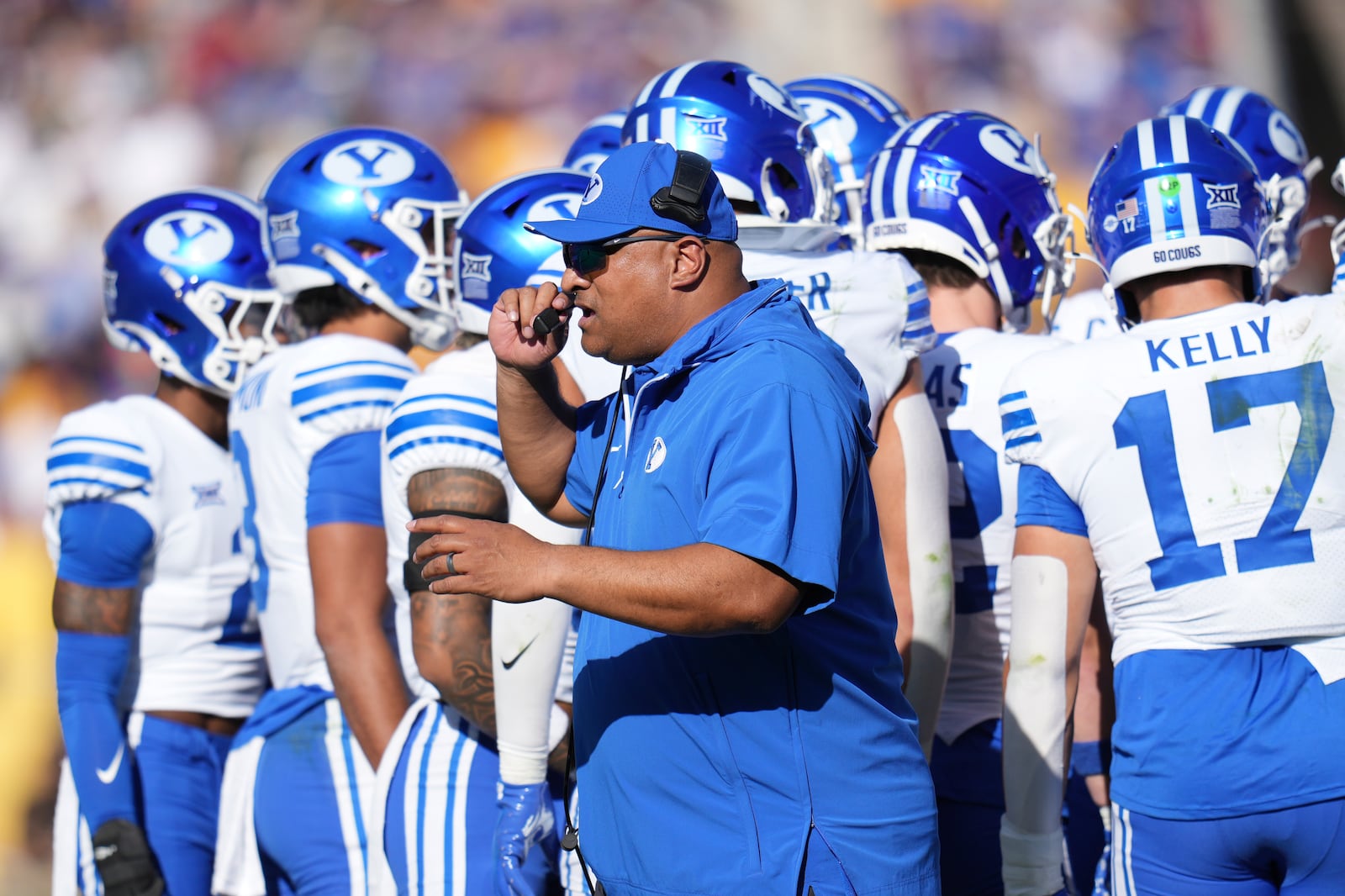
For BYU, the Cougars are hoping to use an 11-2 season last year to springboard to further success in 2025 and are viewed as one of the favorites to win the Big 12.
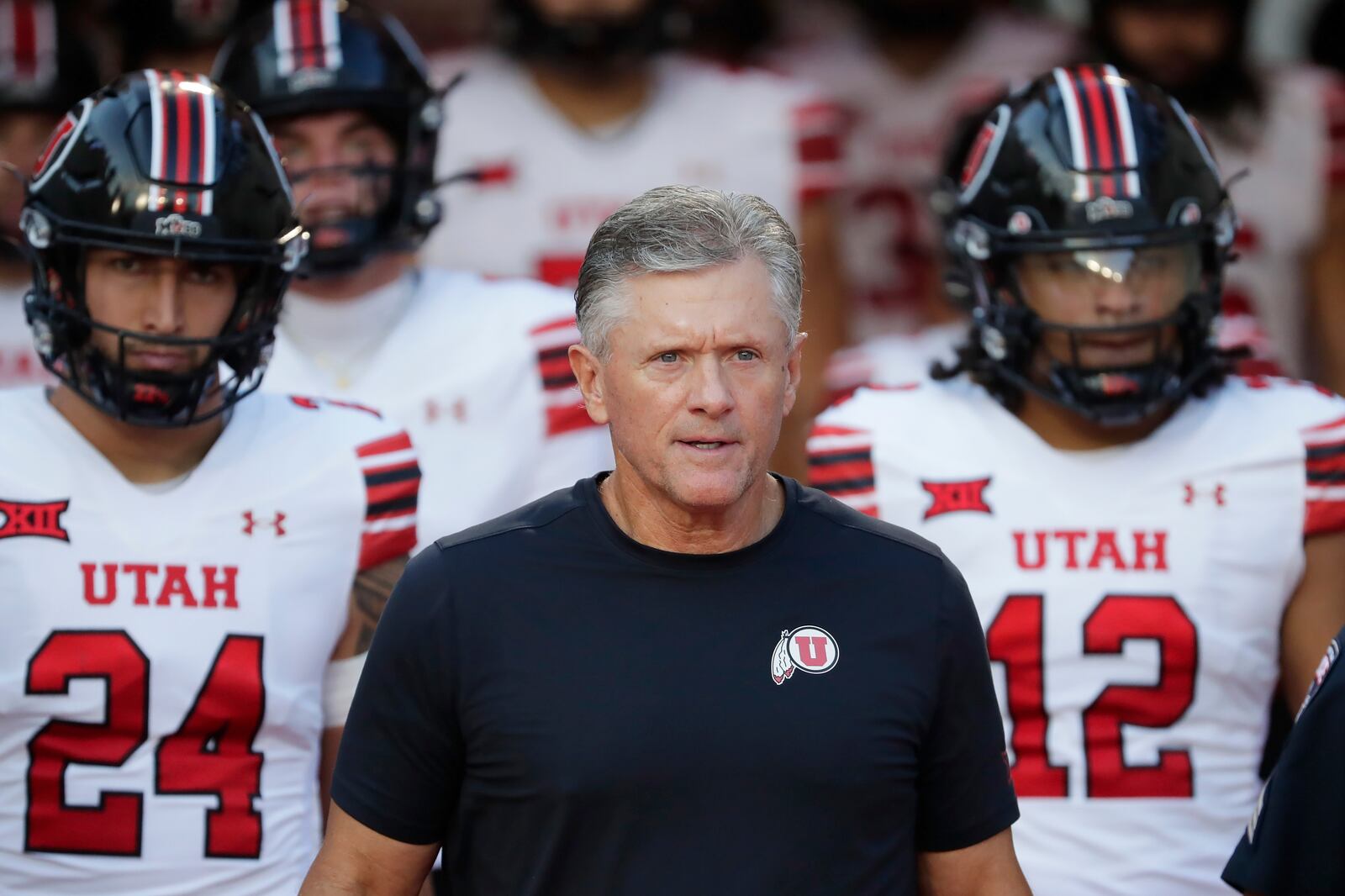
For Utah, the Utes are looking to overcome a rare losing campaign and regain their footing as one of college football’s top 25 programs — all with a new offensive identity.
Special Collector’s Issue: “1984: The Year BYU was Second to None”
Get an inclusive look inside BYU Football’s 1984 National Championship season.
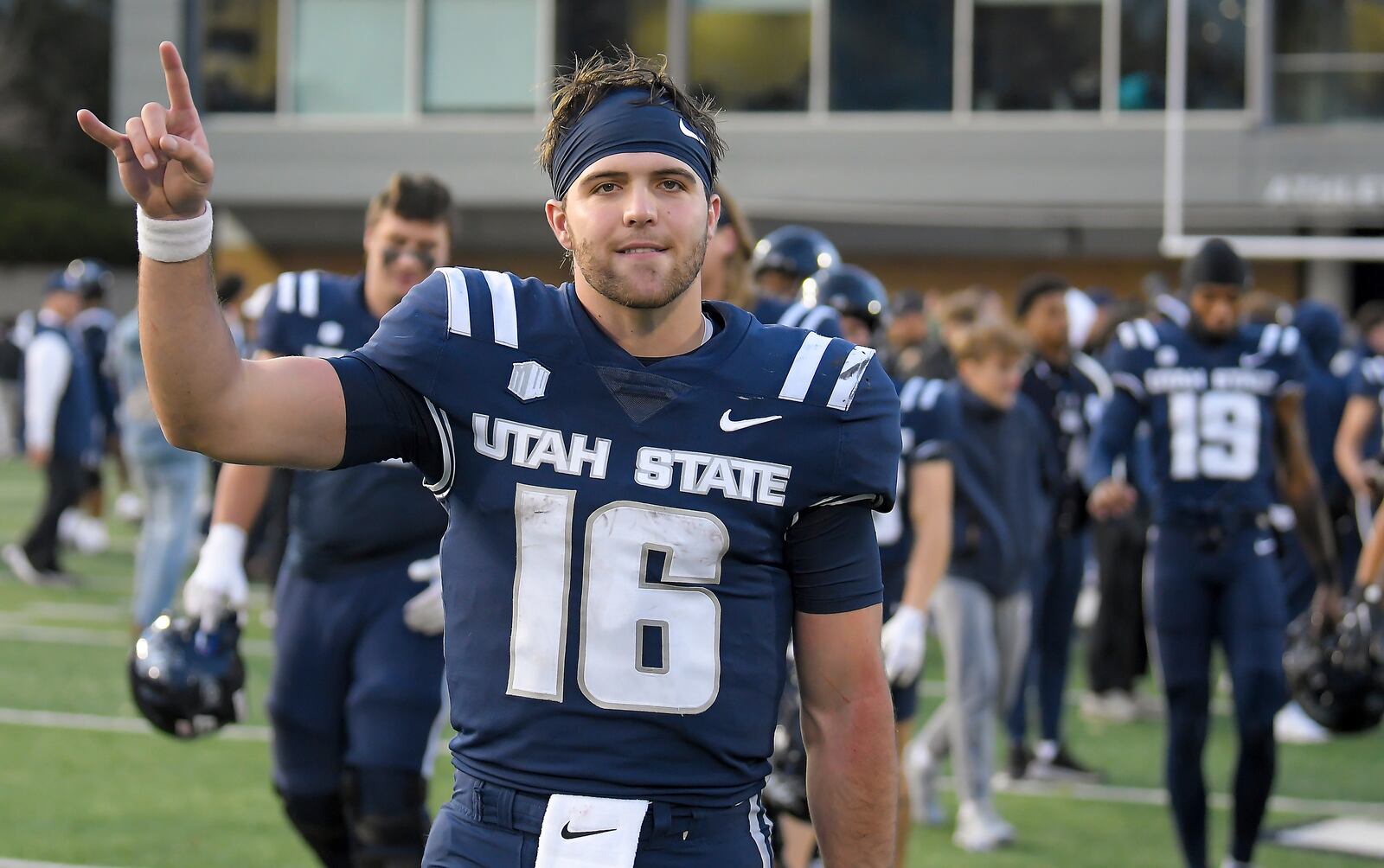
For Utah State, the Aggies are trying to forge ahead and regain some stability under a familiar face — first-year head coach Bronco Mendenhall, who was the coach at BYU from 2005-2015.
Those expectations are reflected in the post-spring ESPN SP+ rankings from Bill Connelly, which were updated last week.
There are three main factors that go into Connelly’s rankings — the returning production for a team, its recent recruiting efforts and the program’s recent history.
Connelly explained that his SP+ rankings “aren’t intended to be a guess at what the AP Top 25 will look like at the end of the year. These are simply early offseason power rankings based on the information we have been able to gather to date.”
What do these post-spring rankings — with the transfer portal closed — say about the 2025 prospects for BYU, Utah and Utah State?
Where does BYU football rank in ESPN’s post-spring SP+ rankings?
- BYU is ranked No. 27 overall in the SP+ rankings with a 11.5 rating, including No. 29 on offense, No. 30 on defense and No. 10 on special teams.
- The Cougars are ranked fourth among Big 12 teams, behind only Kansas State (No. 18), defending league champion Arizona State (No. 22) and Texas Tech (No. 26).
- BYU is ranked No. 64 nationally in strength of schedule, with nonconference matchups against the ACC’s Stanford (No. 88), the American Athletic Conference’s East Carolina (No. 90) and FCS opponent Portland State (not ranked).
- Connelly said the SP+ rating gives BYU a 7% chance of going 11-1 or better, tied for second in the Big 12 — Kansas State is at 17% and Texas Tech is tied with BYU at 7%, with Arizona State next at 5%.
- The Cougars are 52nd in returning production at 59%, including 38th on offense at 65% and 72nd on defense at 52%.
Where does Utah football rank in ESPN’s post-spring SP+ rankings?
- Utah is ranked No. 31 overall in the SP+ rankings with an 11.0 rating, including No. 54 on offense, No. 16 on defense and No. 36 on special teams.
- The Utes are ranked sixth among Big 12 teams, behind only Kansas State (No. 18), defending league champion Arizona State (No. 22), Texas Tech (No. 26), BYU (No. 27) and TCU (No. 29).
- Utah is ranked No. 55 nationally in strength of schedule, with nonconference matchups against the Big Ten’s UCLA (No. 51), the Mountain West’s Wyoming (No. 105) and FCS opponent Cal Poly (not ranked).
- The Utes are 17th in returning production at 65%, including 11th on offense at 75% and 60th on defense at 56%.
Big 12 teams in the ESPN post-spring SP+ rankings
- No. 18: Kansas State
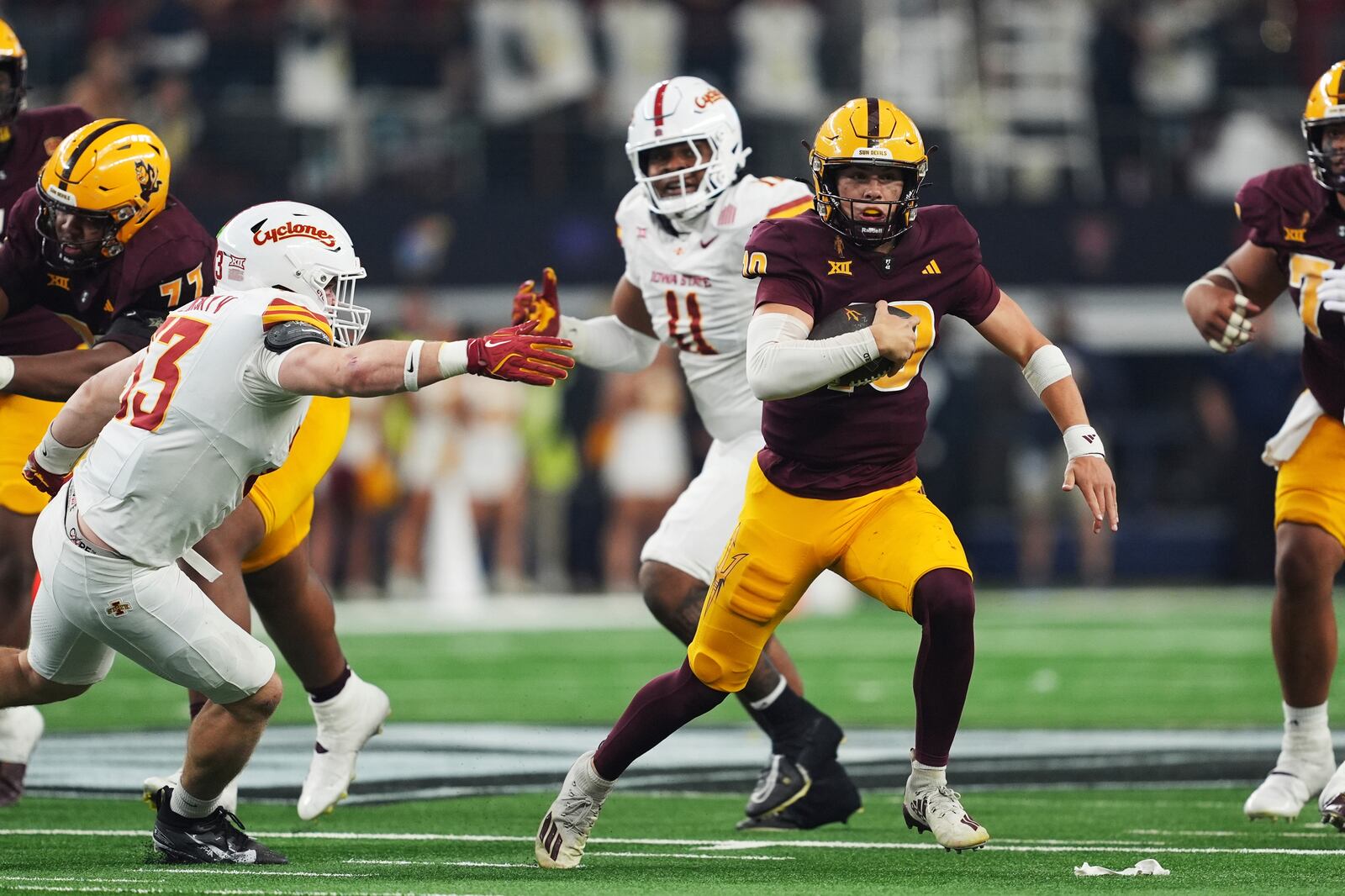
- No. 22: Arizona State
- No. 26: Texas Tech
- No. 27: BYU
- No. 29: TCU
- No. 31: Utah
- No. 32: Iowa State
- No. 35: Baylor
- No. 50: Kansas
- No. 52: Colorado
- No. 57: West Virginia
- No. 58: Oklahoma State
- No. 59: Houston
- No. 60: Arizona
- No. 61: UCF
- No. 66: Cincinnati
Big 12 observations from ESPN’s post-spring SP+ rankings
- The Big 12’s highest-ranked team in the SP+ rankings — Kansas State at No. 18 — is lower than the highest-ranked program from each of the other power conferences, with the SEC having 10 teams ahead of the first Big 12 team, the Big Ten four and the ACC two.
- Half of the the Big 12’s 16 teams are ranked in the top 35. That’s behind the SEC (12 in the top 35) and the Big Ten (nine).
- The Big 12’s lowest-ranked team in the SP+ rankings — Cincinnati at No. 66 — is higher than the lowest-ranked program from each of the other power conferences, including the SEC (Mississippi State, No. 71), Big Ten (Purdue, No. 101) and ACC (Stanford, No. 88).
- The average ranking of Big 12 teams in the SP+ rankings is 42.7, with an average rating of 6.3. By comparison, the SEC has an average ranking of 22.4, with an average rating of 15.3, the Big Ten with averages of a 38.2 ranking and a 9.5 rating and the ACC with a 47.3 ranking and a 5.0 rating.
- The Big 12 has the highest average returning production amongst all FBS conferences, at 61.8%, per Connelly’s numbers.
- The Big 12 is fourth in average strength of schedule rating by conference (0.902), just below the ACC (0.891).
Where does Utah State football rank in ESPN’s post-spring SP+ rankings?
- Utah State is ranked No. 119 overall in the SP+ rankings with a minus-14.8 rating, including No. 88 on offense, No. 132 on defense and No. 76 on special teams.
- The Aggies are ranked 10th among Mountain West teams, ahead of only Nevada (No. 124) and New Mexico (No. 130).
- Utah State is ranked No. 82 nationally in strength of schedule, with nonconference matchups against the SEC’s Texas A&M (No. 15) and Vanderbilt (No. 55), Conference USA’s UTEP (No. 123) and FCS opponent McNeese State (not ranked).
- The Aggies are 133rd in returning production at 31%, including 135th on offense at 19% and 98th on defense at 43%.
Mountain West teams in the ESPN post-spring SP+ rankings
- No. 33: Boise State
- No. 75: UNLV
- No. 83: San Jose State
- No. 89: Fresno State
- No. 94: Air Force
- No. 97: Colorado State
- No. 102: San Diego State
- No. 105: Wyoming
- No. 108: Hawaii
- No. 119: Utah State
- No. 124: Nevada
- No. 130: New Mexico
Mountain West observations from ESPN’s post-spring SP+ rankings
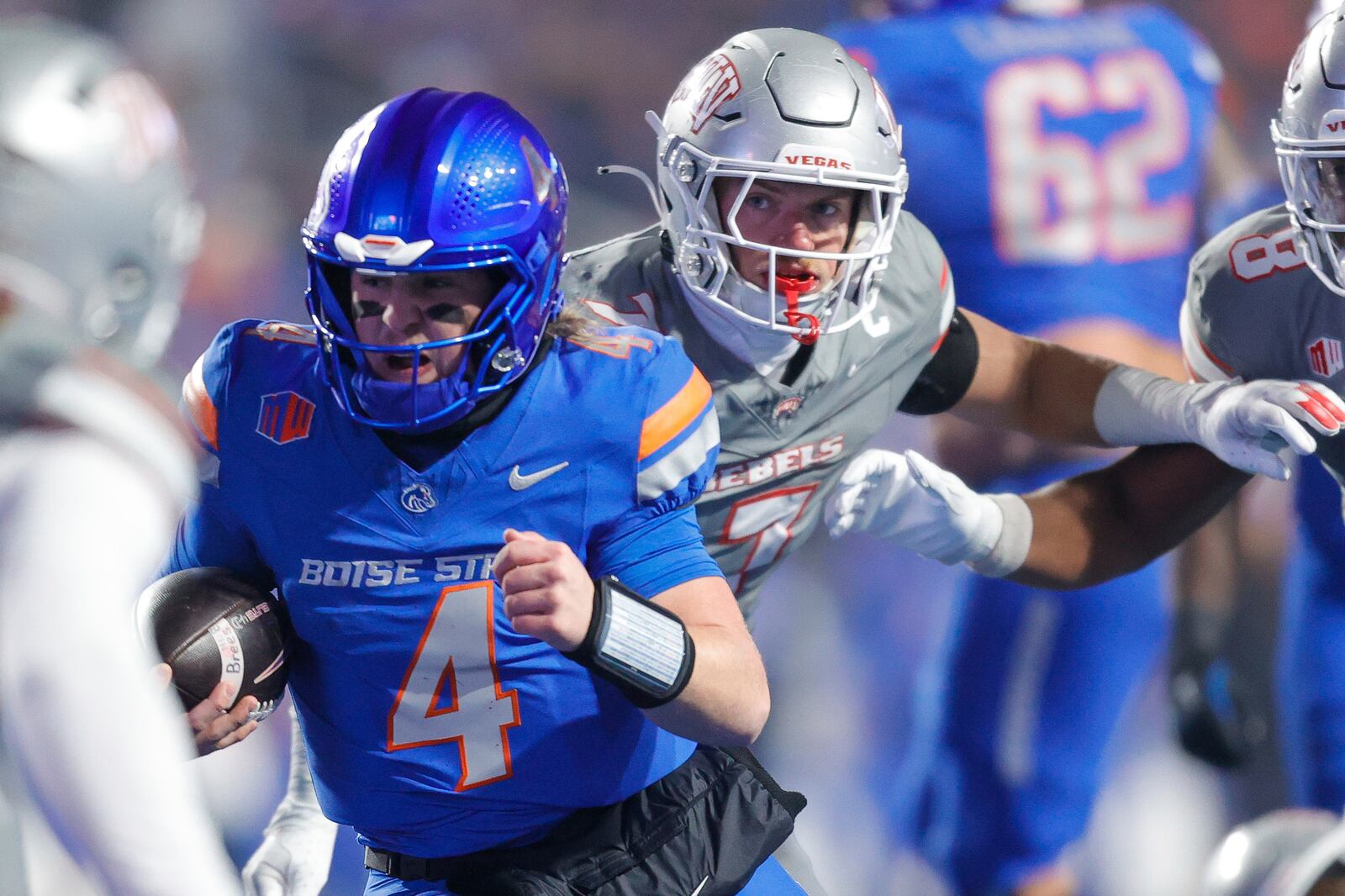
- Boise State, at No. 33, is the highest-ranked Group of 6 conference team in the SP+ rankings. The Broncos are 15 spots ahead of the next-highest Group of 6 team, No. 48 Tulane of the American Athletic Conference.
- The AAC has five teams — Tulane, Memphis (No. 53), UTSA (No. 62), Army (No. 67) and Navy (No. 68) — before the second-highest ranked MWC team, UNLV at No. 75.
- Half of the Mountain West’s 12 teams are ranked in the 100s in the SP+ rankings.
- The average ranking of MWC teams in the SP+ rankings is 96.6, with an average rating of minus-8.6.
- The Mountain West’s average rating per school of minus-8.6 is third among Group of 6 conferences, behind the AAC (minus-7.8) and Sun Belt (minus-8.1).
- The MWC has an average returning production of 46.5%, per Connelly’s numbers.
- The Mountain West is seventh in the nation in average strength of schedule rating by conference (0.959) and third among Group of 6 conferences.



SALT LAKE CITY — A California man in Utah, as part of his duties with the National Guard, is accused of trying to solicit sex from a young teenager.
Joshua Ruben Rodriguez, 29, of Fresno, was charged Tuesday in 3rd District Court with attempted rape of a child, a first-degree felony, and enticement of a minor, a second-degree felony.
The investigation began when an agent with the Utah State Bureau of Investigation posed as a 13-year-old girl on a “popular social media site … in an attempt to locate and apprehend adults attempting to have sexual contact with children,” according to charging documents.
On April 16, Rodriguez sent the agent a message — believing he was talking to a teen girl — that stated, “I’ll be direct with you, I would like to get to know you and (have sex with) your mind into a daze to where you feel like a woman,” according to charging documents.
When the “girl” asked if he had a problem with her age, Rodriguez replied, “I don’t have a problem with your age,” the charges state.
The agent told Rodriguez to meet at an apartment complex in Salt Lake County where the girl lived, claiming her mother would be gone. When Rodriguez arrived, he was taken into custody, the charges state.
“(Rodriguez) does not have ties to Utah. He is a resident of Fresno, California. (He) was in town as part of his military service with the California National Guard,” prosecutors stated in charging documents while requesting he be held without bail pending trial.

ST. GEORGE, Utah (KUTV) — One person was hospitalized at the St. George Regional Hospital after a car rolled and caught fire just south of the Utah-Arizona border.
The Beaver Dam and Littlefield Fire Department in Arizona said its crews responded to the crash near the Black Rock Road exit – roughly two miles south of the state border – on Sunday night.
Upon arrival, crews put out the car fire and found the driver had left the scene. A single occupant, who was able to get out of the car on their own, was transported to the hospital by a Beaver Dam ambulance.
MORE | Crashes
Their condition has not been publicly released.
Details on what led to the crash and the condition of the driver were not immediately available.
The Beaver Dam and Littlefield Fire Department said law enforcement investigated the scene.
BE THE FIRST TO COMMENT
_____

SALT LAKE CITY — The Utah Jazz missed out on the NBA Playoffs, but still scored a big win thanks to a coin flip.
In Monday’s tiebreaker coin flip to determine who had the fourth-worst record in the league last season, the Jazz came out winners over the Sacramento Kings, who had the same 22-60 record.
Had the Jazz lost the coin flip, they would have been fifth in NBA Draft Lottery odds. Only the worst four teams are guaranteed to remain within the top eight of the lottery.
If Utah had fallen to fifth, there would have been the chance they could have dropped out of the top 8 teams in the lottery, and owed the draft pick to Oklahoma City, which was top-8 protected in a previous trade.
The Jazz now have an 11.5 percent chance to win the first overall pick in the NBA Draft Lottery, which is scheduled for Sunday, May 10.
-
 Sports5 minutes ago
Sun Valley Poly High’s Fabian Bravo shows flashes of Koufax dominance
-

 World17 minutes ago
Moldovan oligarch sentenced to 19 years in prison over $1bn fraud
-

 New York2 hours ago
Trump’s Immigration Crackdown Pervades Long Island Suburbs
-

 Detroit, MI3 hours ago
Chris Simms projects Detroit Lions first-round NFL draft pick
-

 San Francisco, CA3 hours ago
San Francisco sets $3.4B price tag for public takeover of PG&E
-

 Dallas, TX3 hours ago
Game Day Guide: Stars at Wild | Dallas Stars
-

 Miami, FL3 hours ago
May a steadying presence as Cards hold off Marlins in Miami
-

 Boston, MA3 hours ago
Tyrese Maxey, VJ Edgecombe flex in Boston: Takeaways from Celtics-76ers Game 2