San Francisco, CA
San Francisco 49ers 2024 NFL Draft picks, analysis and rookie spotlight | NFL Draft | PFF


The 2024 NFL Draft is now in the rearview mirror. After a flurry of selections from April 25 to April 27, 257 players were selected to join the NFL.
With that, we give you our full recap of the San Francisco 49ers‘ draft, with analysis on every selection the team made during the weekend and an in-depth look at their top pick.
For more information on the players your favorite team drafted, it’s not too late to get the 2024 NFL Draft Guide, which includes expanded scouting reports, draft grades, offseason reports, unique advanced data, PFF grades and much more.
Click here for more draft tools:
2024 Mock Draft Simulator | 2024 Big Board | 2024 Draft Guide
2024 Player Profiles | 2024 Mock Drafts | NCAA Premium Stats
2024 Draft Picks
Pearsall — The 49ers take Pearsall, a slot receiver from Florida who excelled during the pre-draft process. Pearsall was productive and reliable, and his measurables are up to NFL standards. He only dropped five passes since the beginning of 2020, which is tied for the fewest among Power Five receivers with at least 200 targets in that span. This pick could also add intrigue to trade rumors swirling around Brandon Aiyuk and Deebo Samuel.
Green — Green, PFF’s 89th-ranked player in the class, had a spectacular season at Florida State. He posted a 90.0 PFF coverage grade in 2023. The strange part about the fit with the 49ers is that they are generally a zone-heavy defense. They do run a high rate of press coverage, though, so they may have a plan in place for Green’s role in their defense.
Puni — A powerful mauler in the run game, Puni started 27 games at left tackle over the past four seasons at Kansas but likely projects inside due to his desire to win in a phone booth as well as a lack of flexibility and inconsistent hand usage in his pass sets. He can help out at tackle in a pinch, offering the 49ers a nice depth piece with positional versatility in the third round.
Mustapha — Mustapha is coming off his best season in 2023, earning a 79.6 PFF grade. He was particularly impressive against the run, earning an 87.5 PFF run-defense grade, fifth among Power Five safeties.
Guerendo — Guerendo makes fast people look… not so fast. His 4.33-second 40-yard dash ranked first among running backs at the NFL scouting combine. He has the ability to make people miss once he reaches the second level of the defense. Guerendo is also a capable receiving threat out of the backfield, earning an 84.1 receiving grade in 2023.
Cowing — This is a strong fit for Cowing and his skill set. He’s a very solid route runner and a lethal weapon in the red zone. He racked up nine receiving touchdowns in 2023, tied for second among FBS receivers, in large part due to his ability to win quickly. In the Shanahan-style offense, Cowing will not only be a tremendous threat in the passing game, but also a decoy defensive coordinators have to worry about in unique formations/motion concepts.
Kingston — Kingston was a solid pass blocker in college, at Washington State and then USC. He earned a 74.0-plus PFF pass-blocking grade in every season and allowed 17 quarterback pressures, including one sack, from 464 pass-blocking snaps this past season.
Bethune — Bethune flashes solid ability in coverage. He recorded two forced incompletions and an interception with the Seminoles in 2023. Bethune’s 76.0 PFF grade ranked 50th at the position in 2023.
Rookie Spotlight: WR Ricky Pearsall, Florida
Strengths:
• Nuanced and savvy route runner — always uses head/shoulder fake to create a little bit more separation.
• Quick off the line with good releases.
• Tough receiver who has some great receptions through contact.
Weaknesses:
• Agility is a bit stiff for a player of his size with his projected role.
• Was a decent vertical threat at the college level but likely won’t be based on straight-line speed in the NFL. Certain schemes could help him.
The bottom line
Ultimately, Pearsall won’t intimidate defenders on the line of scrimmage, but he will once the ball is snapped. He is a ready-made slot receiver who can contribute early in his NFL career.


A Northern California brewery has become the latest victim of declining alcohol consumption after it announced the closure of its taproom in a trendy San Francisco neighborhood.
“We’re sharing that our San Francisco Tasting Room will close Today, Monday, June 29,” a message on Ballast Point Brewing’s Instagram page read about the closure of its location in Mission Bay.
“We’re grateful to everyone who visited, shared a beer, celebrated milestones, and made this location part of the local craft beer community over the years.”
“Thank you for your support and for the memories we’ve made together,” it added.
Started in San Diego’s Home Brew Mart in 1992, the craft beer company has been a favorite of IPA lovers for decades, according to their website.
Known for fan-favorite brews like Fathom, Sculpin and Longfin IPA — the San Diego beer maker rocketed from local favorite to craft brewing giant after opening a flagship brewery and restaurant in the city’s Little Italy neighborhood in 2013.
By 2015, Ballast Point had become one of the country’s top craft breweries by sales volume — and landed a staggering $1 billion buyout from Constellation Brands.
But the brewery’s fortunes quickly went flat.
Just five years later, Constellation unloaded Ballast Point to Chicago-based brewer Kings & Convicts in a deal reportedly worth less than $100 million, according to Food & Wine.
Even as ownership changed hands, Ballast Point continued expanding its footprint, opening restaurants and tasting rooms across California between 2013 and 2023 — including its San Francisco location, which debuted in 2023, the San Francisco Chronicle reported.
Three years later the company announced to fans it was leaving, with no explanation as to why. It also pointed out people could still visit their tasting rooms in “Little Italy, Anaheim, and Long Beach” and find their beers at their favorite “local bars, restaurants, and grocery stores.”
“To everyone who supported our San Francisco Tasting Room over the years, thank you,” the message added.
“Your enthusiasm and loyalty have meant the world to us, and we look forward to raising a glass with you again soon.”
Other craft beer companies and wine makers have experienced similar situations amid declining sales of liquor, beer and wine over the past few years.
Earlier this year, major winemaker Gallo announced the closure of a large production facility and the elimination of nearly 100 jobs across the wine growing region of Napa and Sonoma counties.
The company said there would be staff cuts at Louis M. Martini Winery and the Orin Swift Tasting Room in St. Helena, as well as J Vineyards and Frei Ranch in Healdsburg.
In January, Constellation Brands notified more than 200 people at the Mission Bell Winery in Madera that they would be out of work. And Jean-Charles Boisset Collection closed two Napa Valley tasting rooms.
Last year, two big Northern California brewing company’s — San Francisco’s Fort Point Beer Co and Sonoma County-based HenHouse brewing — merged in order to keep operating.
The number of American adults who say they consume alcohol has fallen to 54%, according to an August 2025 Gallup poll.

Streetsblog has migrated to a new comment system. New commenters can register directly in the comments section of any article. Returning commenters: your previous comments and display name have been preserved, but you’ll need to reclaim your account by clicking “Forgot your password?” on the sign-in form, entering your email, and following the verification link to set a new password — this is required because passwords could not be carried over during the migration. For questions, contact tips@streetsblog.org.

June 27, 1776, was a momentous day for the Bay Area, California, and the world as 240 men, women, and children arrived mostly by foot from Mexico to what is now called San Francisco to set up camp and lay the groundwork for the future.
The “traveling village” is known as the Anza Expedition.
On Saturday, the 250th anniversary of the event was commemorated on Pershing Square at the Presidio of San Francisco in a two-hour ceremony.
The celebration opened with piercing fifes and thundering drums from the Young Patriots Fife & Drum Corps from Pleasanton, as a nod to America’s quincentennial.
But it was then followed up by a Spanish hymn, sung by musicians, dressed in 18th-century Spanish Colonial attire, including the garb of soldado, vaquero, pioneers, military, and indigenous peoples. The song is known as “Alabado” and it was sung by the ancestors as they made their long journey to the Bay.
A proclamation on a scroll was then read with gusto by local actor Dane Andrew, who was portraying the Spanish trailblazer Lt. Colonel Juan Bautista de Anza.
The message was loud and clear: When it comes to history in the Bay Area, Spain swings a big sword.
“People don’t realize in California our early Spanish history. While on the East Coast was becoming a brand-new U.S.A. was a small part. Actually, Spain owned a large part of the West Coast,” remarked Andrew.
The Anza Expedition established the first reliable overland route from Mexico to what was then known as Alta California, claiming San Francisco Bay for the Spanish Crown.
In 1776, the expedition’s leaders established both the Presidio as well as Mission San Francisco de Asis, which is known today as Mission Dolores.
In the crowd, the direct descendants of those who traveled the long, arduous route, including 98-year-old Eddie Grijalva of Vallejo. He was accompanied by his wife Lydia and her son Jeff.
“What an honor to be here and to remember my ancestor,” exclaimed Grijalva.
The event was coordinated by the nonprofit Los Californianos. The nonprofit represents the direct descendants of those who were part of the Anza Expedition. Its documented purpose includes efforts “to preserve the heritage of early Hispanic Californians in Alta California, to conduct research on genealogy, and to provide an accurate and authentic interpretation of Alta California’s history”
Carol Eber represents the group and is the co-chair of the event. She told us the group is thrilled to celebrate its heritage along with the quincentennial of the United States.
“We have a celebration on the East Coast. We wanted to have the 250th celebration on the West Coast as well as recognizing history was made on both coasts,” noted Eber.
During the ceremony, the crowd recited the Pledge of Allegiance and heard from Superintendent David A. Smith, who is with the Golden Gate National Recreation Area.
There were also presentations from the Daughters of the American Revolution and a group called “Our American Patriots”. The keynote speech was delivered by Professor Damian Bacich. He focused on San Francisco’s Spanish-American Legacy.
Also on hand for the festivities, the Consul General of Mexico Marco Mena. Mena told CBS News Bay Area that this was his first visit to Presidio and found it beautiful. He was pleased to be invited.
“The Anza expedition is very related to Mexico, especially to the states of Sonora and Sinaloa,” Mena explained.
As the Presidio ceremony was underway, a mass was said at Mission Dolores. The event concluded with a Roll Call, which was the reading of the names who those who walked on the route in 1776.
Descendants, including Grijalva, placed a flower in a memorial wreath as children were asked to blow bubbles for expedition members named without descendants.
Afterwards, participants went on docent-led tours of the Presidio’s Heritage Gallery and also were invited to tour the site of the Spanish Presidio Chapel.
-
 Business3 seconds ago
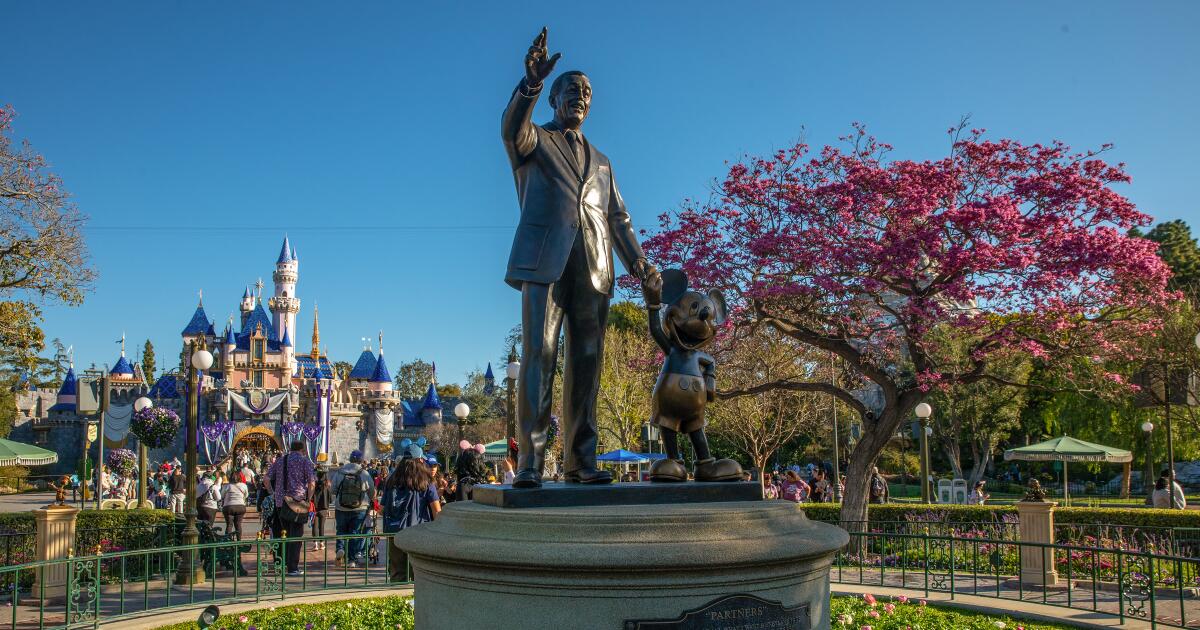
Disneyland to offer $59 evening tickets next month
-
 Entertainment3 minutes ago
After Amazon drops OpenAI movie ‘Artificial,’ film finds new home at Neon
-

 Lifestyle8 minutes ago
ICICLE: Capturing Interest in Chinese Brands
-
 Politics15 minutes ago
Newsom signs off on 100% California tax for money from Trump’s $1.8-billion ‘slush fund’
-
 Science18 minutes ago
After bold pledge, EPA shelves microplastics testing in U.S. drinking water
-
 Sports23 minutes ago
Walter Alston, Dave Roberts and everyone in between: The 10 managers in L.A. Dodgers history
-

 World33 minutes ago
World’s oceans experience hottest June ever, scientists say more heat ahead
-
 News1 hour ago
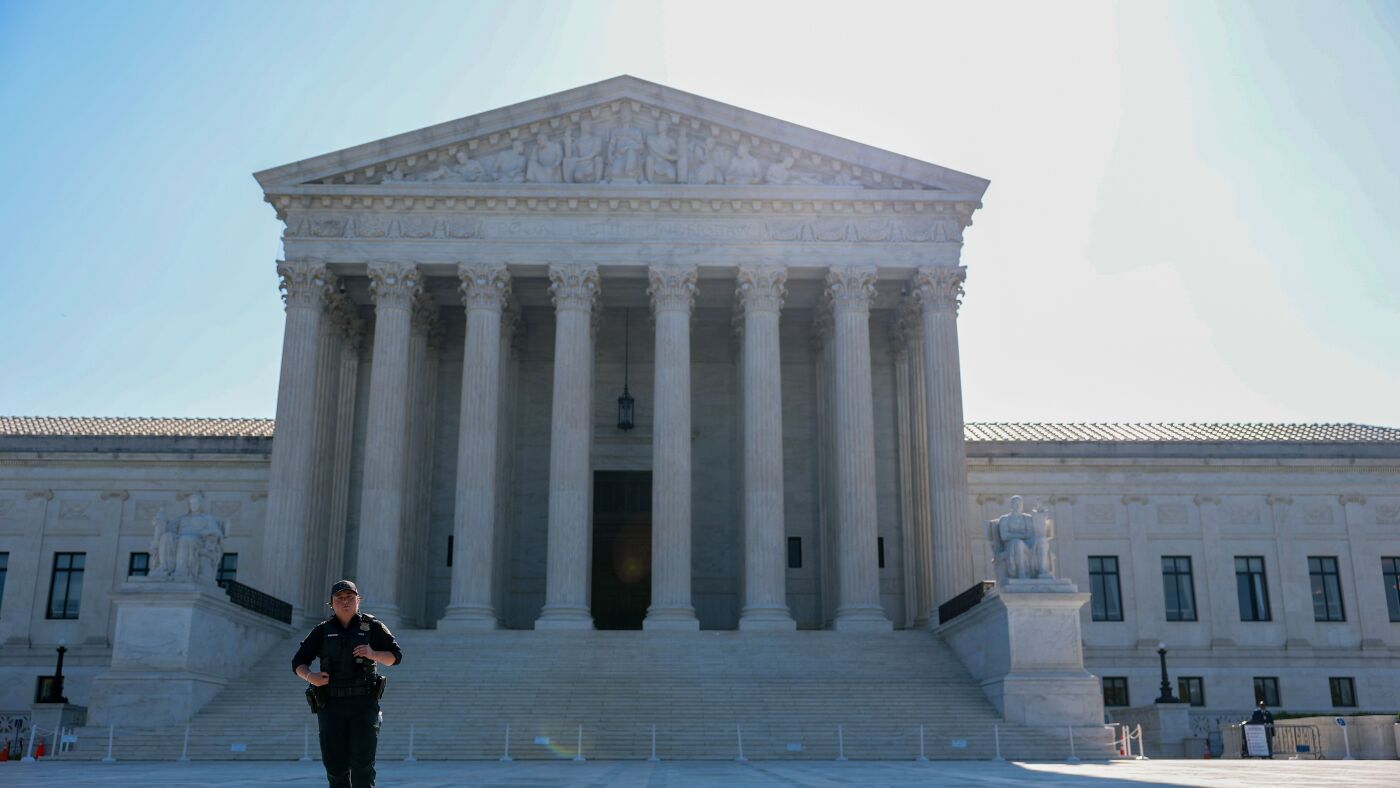
What the Supreme Court did on the final day of its term

