San Francisco, CA
How To Spend The Perfect Weekend In San Francisco


San Francisco is a city that seduces with fog-draped hills, vermilion bridges, and clattering cable cars ascending toward painted Victorians—perched like jewels above the glimmering bay. At Fisherman’s Wharf, barking sea lions sprawl beside barnacled WWII ships while golden-crusted sourdough crackles in century-old ovens. Glide across the Golden Gate into Sausalito, where sailboats bob beside art galleries and café terraces—or wander from the rusted cell blocks of Alcatraz to the kaleidoscopic pulse of Haight-Ashbury—where psychedelic murals and vintage storefronts still whisper stories of rebellion. Whether you’re sipping molten hot chocolate beneath ivy-cloaked brick at Ghirardelli Square or watching the skyline shimmer in a wintertime festival of light—this guide is your blueprint for the perfect San Francisco weekend.
Stroll the waterfront where sea lions bask and sourdough simmers.
Fishermans Wharf and F-Line Street Car
San Francisco Travel Association
Fisherman’s Wharf brims with maritime charm—San Francisco’s must-visit waterfront district. Wander past historic naval ships moored at Hyde Street Pier, watch playful sea lions lounge at Pier 39, or savor steaming clam chowder in sourdough bread bowls from Boudin Bakery & Café. The area buzzes with eccentric street performers and quirky attractions, such as Musée Mécanique—a nostalgic arcade museum located on Pier 45, housing over 300 coin-operated machines, ranging from antique music boxes to vintage pinball games and the famously eerie “Laffing Sal” (admission is free). Grab a crab cocktail, whirl around on the vintage carousel, or set sail on a scenic bay cruise beneath the Golden Gate Bridge, gliding past the city’s iconic skyline.
Read More:
Pedal across the Pacific’s most famous bridge.
Cycling the Golden Gate Bridge is a rite of passage—where panoramic bay views unfurl beneath soaring red arches. Glide past smoothie-sipping joggers while sailboats drift below, tracing a classic coastal route from the lively Marina District to the storybook charm of Sausalito.
Ride the rails of history and explore its beating heart.
San Francisco Cable Car
getty
Hop aboard a San Francisco cable car and hang tight as it climbs sky-high streets—passing painted Victorian homes and corner cafés spilling with jazz. With every clang of the bell and rumble of the tracks, you’re riding history in motion. At Nob Hill, jump off to explore the Cable Car Museum—home to the massive wheels and cables that power the system, vintage cars from the 1870s, and the original grip handles and brake shoes that made it all possible (tickets from $8 per person).
Read More:
Glide through the city in a car with no driver and no limits.
Waymo Taxi
San Francisco Travel Association
Exploring San Francisco in a Waymo driverless car adds a futuristic thrill to city sightseeing—gliding hands-free through vibrant neighborhoods as landmarks like Coit Tower, Lombard Street, and the Painted Ladies drift past your window. Cruise down Market Street—skimming past buzzing tech hubs—while your autonomous vehicle conquers steep hills and tight turns with uncanny precision.
Zigzag down the world’s crookedest street.
Lombard Street
San Francisco Travel Association
Twisting through lush gardens and steep inclines, Lombard Street is one of San Francisco’s most photographed landmarks. Descend its famously crooked path, flanked by cascading hydrangeas and storybook Edwardian homes, then watch cars zigzag cautiously through eight tight switchbacks while tourists crowd the sidewalks, snapping photos of the surreal descent.
Read More:
Step into America’s most infamous prison.
Shrouded in fog, Alcatraz Island offers one of San Francisco’s most haunting tours. Cross the bay by ferry as the infamous prison emerges, perched on its rocky outcrop. Wander through rusted cell blocks and narrow corridors, while an audio tour—voiced by former inmates and guards—immerses you in tales of escape attempts, isolation, and resilience.
Rise above the city in an Art Deco beacon.
Perched atop Telegraph Hill, Coit Tower crowns the skyline with its unmistakable fluted silhouette. Step inside to discover vivid 1930s murals portraying city life during the Great Depression, then ride the vintage elevator skyward for sweeping views from the Bay Bridge to the Golden Gate.
Read More:
Indulge in chocolate history beneath ivy-draped brick.
Ghirardelli Square Sundae
Freddie Paull
Once the beating heart of a 19th-century chocolate empire, Ghirardelli Square remains one of San Francisco’s most indulgent delights. Meander through red-brick courtyards where boutique shops and intimate cafés nestle beneath ivy-draped façades—all perfumed by the unmistakable scent of melted chocolate. Then, step into the historic Ghirardelli Chocolate Shop—where chocolatiers craft glossy bars and hand-pour truffles with precision—culminating in the legendary hot fudge sundae, served beneath vintage chandeliers.
Admire the city’s most iconic row of resilience.
The Painted Ladies are a postcard-perfect row of Victorian homes poised gracefully against the city skyline—adorned with ornate trim and jewel-toned, candy-colored façades. Built between the late 1800s and early 1900s, these architectural gems survived the 1906 earthquake and flourished as symbols of artistry and endurance.
Read More:
Let banjos and bluegrass echo through Golden Gate Park.
Hardly Strictly Bluegrass Festival
Jay Blakesberg
Set beneath towering eucalyptus trees, the Hardly Strictly Bluegrass Festival transforms Golden Gate Park into a haven of soulful harmonies. Having celebrated its 125th anniversary this year, the multi-day, entirely free event draws thousands of fans and dozens of artists every year—from folk icons to indie newcomers. Wander between stages, pick up Korean BBQ tacos, and settle into the festival’s laid-back vibe.
Step into the psychedelic pulse of the 1960s.
Tucked into San Francisco’s legendary Haight-Ashbury district, the newly opened Counterculture Museum invites you to relive the radical spirit of the 1960s—where psychedelic art, protest posters, and vintage vinyl trace a decade of rebellion, creativity, and cultural upheaval. Here, immersive exhibits—from a recreated crash pad to a blacklight poster workshop—unfold to the soundtrack of Jefferson Airplane.
Read More:
Wander through a rainforest beneath a living roof.
California Academy of Sciences
San Francisco Travel Association
Nestled within Golden Gate Park, the California Academy of Sciences is a living museum where science comes alive. Stroll beneath a towering rainforest dome, marvel at vibrant coral reef aquariums, and journey through the cosmos in the planetarium’s sweeping dome. Meanwhile, butterflies drift overhead, penguins shuffle behind glass, and the museum’s living roof flourishes with native plants from as far as Borneo and Madagascar.
Feel the crack of the bat echo across the bay.
Catch a heart-thumping baseball game at Oracle Park, where waterfront seats put you front and center as the San Francisco Giants take the field. The crack of the bat echoes across the stadium, sailboats bob in the bay, and the occasional foghorn cuts through the breeze—as you dig into a mountain of garlic fries and sip an ice-cold beer.
Read More:
Watch the city glow in a festival of light.
Illuminate SF Festival of Light
San Francisco Travel Association
When winter descends, San Francisco transforms into a luminous dreamscape during the Illuminate SF Festival of Light. From Market Street to the Mission, glowing sculptures, Point Cloud’s LED matrix, and shimmering projections turn city streets into open-air galleries—blending avant-garde art with cutting-edge technology in a kaleidoscope of color.
Frame the Golden Gate in sea spray and morning mist.
Cradled by rugged cliffs and rolling surf, Baker Beach offers one of San Francisco’s most iconic vistas—where the Golden Gate Bridge rises from the mist, its vermilion towers glowing against the horizon. Wander the windswept shoreline as waves break at your feet and Brandt’s cormorants wheel through the salt-laced air.
Read More:
Shop where street performers and couture collide.
Union Square, San Francisco
getty
In the heart of downtown, Union Square pulses with energy—where luxury storefronts, street performers, and the clang of cable cars converge in a sensory feast. Weave through crowds and flagship boutiques—Louis Vuitton, Valentino, Gucci—as the hum of live jazz drifts through the air. Pause for a croissant at Café de la Presse or a pour-over at Blue Bottle Coffee, framed by art galleries, historic hotels, and open-air cafés.
Hike through eucalyptus groves and coastal bluffs.
The Presidio offers a sensory-rich escape into San Francisco’s coastal wilderness—as one of the most visited national park sites in the U.S. Hike through eucalyptus groves scented with mint, beneath towering cypress trees where red-tailed hawks circle overhead. Trails weave past historic military outposts, hidden beaches, and earth-rooted art installations. From the shaded intimacy of Lovers’ Lane to the windswept drama of Batteries to Bluffs, each turn reveals California poppies clinging to cliffside trails.
Read More:
Enter a kaleidoscope of modern masterpieces.
SFMOMA
San Francisco Travel Association
Modern art pulses through downtown at SFMOMA—one of the largest contemporary art museums in the U.S. Seven floors showcase icons like Warhol, Kahlo, and Kusama, alongside immersive installations such as Yayoi Kusama’s Infinity Mirror Rooms and Olafur Eliasson’s One-way colour tunnel. The building itself—redesigned by Snøhetta—is a sculptural marvel. Don’t miss the Living Wall, a vertical garden of over 19,000 plants, or the rooftop sculpture garden, where monumental works by Alexander Calder and Ellsworth Kelly are framed by skyline views.
Pay homage to a house that rocked a generation.
Grateful Dead House
San Francisco Travel Association
Tucked along a quiet stretch of Ashbury Street, the Grateful Dead House remains a pilgrimage site for fans of the psychedelic era. This Victorian residence was the band’s communal home during the 1960s—when Haight-Ashbury pulsed as the heart of counterculture. Though privately owned and closed to the public, passersby often pause to snap photos. Nearby, murals, music shops, and vintage boutiques echo the house’s legacy—a living tribute to San Francisco’s imprint on rock history and the enduring ethos of peace, love, and rebellion.
Read More:
Let jazz spill into the streets at The Fillmore.
Fillmore Jazz Heritage Center
San Francisco Travel Association
Few venues carry the weight of musical history like The Fillmore. Once graced by legends—Hendrix, Miles Davis, Janis Joplin—it remains a sacred stage. Each summer, the Fillmore Jazz Festival—the largest free jazz festival on the West Coast—spills into the surrounding streets. Over 140 booths line the thoroughfare, offering hand-thrown ceramics, screen-printed apparel, vintage vinyl records, and artisanal jewelry. Drift through the crowd as the scent of smoky jerk chicken and grilled cheese mingles with fresh lumpia, vegan soul bowls, and small-batch kombucha.
Step beneath a soaring rotunda where art still echoes.
Aerial View of Palace of Fine Arts monument during dusk, San Francisco, California, USA.
getty
A domed relic of the 1915 Panama-Pacific Exposition, the Palace of Fine Arts remains one of San Francisco’s most iconic survivors. Framed by a lagoon and Corinthian colonnades, its Beaux-Arts grandeur evokes that of ancient Rome. Originally built to celebrate artistic achievement, it now houses a 1,000-seat theatre hosting concerts, dance, and lectures—from Afro-Peruvian songstress Eva Ayllón to cultural luminaries like Malala Yousafzai. Across town, however, the Great American Music Hall will mark its 120th anniversary in 2027, a gilded symbol of rebirth after the 1906 earthquake.
Read More:
Discover the legacy of a dreamer inside the Presidio.
Walt Disney Family Museum Staircase
Walt Disney Family Museum
Inside the Presidio, the Walt Disney Family Museum invites you into the life and legacy of Walt Disney: think original sketches, rare home videos, the groundbreaking multi-plane camera, and a detailed miniature of Disneyland as Walt envisioned it. Meanwhile, rotating exhibitions spotlight iconic Disney artists such as Mary Blair and Eyvind Earle and showcase global animation styles, ranging from Japanese anime to European stop-motion.
Hike windswept cliffs where shipwrecks whisper.
Land’s End
San Francisco Travel Association
Waves crash below rugged cliffs as you hike Lands End—a coastal trail offering sweeping views of the Pacific Ocean and the Golden Gate Bridge. Part of the Golden Gate National Recreation Area, the path winds through wind-sculpted cypress groves and leads to the haunting ruins of Sutro Baths. Well-marked and moderately accessible, the trail detours to pocket beaches like Mile Rock Beach and overlooks such as Eagle’s Point, where panoramic vistas reward the climb.
Read More:
Sip matcha beneath cherry blossoms and moss.
Japanese Tea Garden in San Francisco’s Golden Gate Park.
San Francisco Travel Association
Step into serenity at the Japanese Tea Garden—the oldest public Japanese garden in the United States. Nestled within Golden Gate Park, it invites you to wander past koi-filled ponds, curved footbridges, and ornate pagodas. Sip ceremonial matcha in the open-air tea house, stroll beneath clouds of cherry blossoms each spring, or pause before the towering bronze Buddha, a quiet sentinel amid the maples and moss.
Watch wild sea lions bask in the heart of the city.
Sea Lions at Pier 39
getty
Pier 39 isn’t just about clam chowder and souvenir shops. The sea lions sprawled across the floating docks have become one of San Francisco’s most endearing—and unexpected—attractions. They began arriving after the 1989 earthquake and never left, favoring the marina’s wooden platforms over their former rocky haunts. Just steps away, the Sea Lion Center offers interactive exhibits on pinniped anatomy, rescue operations, and coastal ecosystems—plus high-powered viewing scopes for an even closer look. Their barking, flopping, and sun-drenched lounging captivate guests year-round: a rare opportunity to witness wild marine mammals up close, right in the heart of the city’s bustling waterfront.
Read More:
Let murals speak truth in the Mission District.
Murals in the Mission
San Francisco Travel Association
Color explodes across the walls of Clarion Alley—a narrow passage in the Mission District known for its ever-changing murals. Created in 1992 by the Clarion Alley Mural Project (CAMP), this community-driven initiative showcases public art that confronts issues of social, economic, racial, and environmental justice. These murals are more than decoration—they’re storytelling tools, political statements, and cultural archives amplifying voices often marginalized.
Wander through one of America’s last Japantowns.
San Francisco’s Japantown—also known as Nihonmachi—is one of only three remaining historic Japantowns in the United States. At its heart lies the Japantown Peace Plaza, anchored by the striking five-tiered Peace Pagoda—a gift from Osaka, Japan, in 1968. Surrounding it is the Japan Center Mall, home to Kinokuniya Bookstore, which offers a wide selection of Japanese literature and manga. Enjoy handmade mochi from Benkyodo Company—a beloved institution since 1906—or savor steaming bowls of ramen at local favorites like Marufuku. Each April, the Northern California Cherry Blossom Festival celebrates Japanese traditions through taiko drumming, street food stalls, and artisan booths.
Read More:
Walk the rainbow where pride meets protest.
Rainbow crosswalks, legacy bars, and decades of activism have defined this iconic LGBTQ+ district—which has served as a global beacon of pride and resistance since the 1970s. Here, Harvey Milk’s camera shop—now a memorial at 575 Castro Street—became a hub for political organizing. Today, drag shows light up venues like Beaux, while rallies and Pride celebrations spill out into the streets.
Cross the city on foot from bay to bluffs.
Crosstown Trail
San Francisco Travel Association
From bay to headlands, the Crosstown Trail slices diagonally across San Francisco in a sweeping 17-mile arc. Beginning at Sunrise Point Fishing Pier, the route winds northwest through the city’s layered topography—ascending stairways, threading through hillside neighborhoods, and weaving across parks both iconic and obscure—before culminating at Lands End Lookout.
Read More:
Hear jazz legends echo through Hayes Valley.
SFJAZZ Center
San Francisco Travel Association
Jazz pulses through the walls of SFJAZZ Center, a state-of-the-art venue in Hayes Valley—and the first in the United States built solely for jazz performance and education. Since opening in 2013, it has hosted over 300 performances annually, including the flagship San Francisco Jazz Festival and the SFJAZZ Collective—an all-star ensemble that commissions new works and reimagines jazz masters. From stripped-down solo sets to genre-bending big band blowouts, the center champions improvisation, experimentation, and cultural dialogue—welcoming legends such as Herbie Hancock, Wynton Marsalis, and George Benson.
Taste tradition in North America’s oldest Chinatown.
Chinatown’s culinary story unfolds one bite at a time. On foot, you’ll trace the legacy of dim sum parlors, herbal apothecaries, family-run bakeries, and lantern-strung alleys. Sample hand-folded pork buns, fragrant mooncakes, and rare teas—while learning how this enclave shaped San Francisco’s Chinese American heritage. Meanwhile, architectural icons such as the Dragon Gate and the glowing Tin How Temple reflect centuries of resilience and artistry.
Read More:
Ascend a sculptural tower where continents converge.
de Young museum
San Francisco Travel Association
Nestled in Golden Gate Park, the de Young museum has welcomed visitors since 1895 with a collection that spans centuries and continents. Reimagined in 2005 by Herzog & de Meuron, its angular Hamon Tower rises above the treetops—offering panoramic views across the city’s skyline and the park’s canopy. Inside, galleries trace American art from the 17th century to the present, interwoven with African textiles, Oceanic carvings, and contemporary installations. Signature pieces? Georgia O’Keeffe’s desert blooms, Diego Rivera’s murals, and rotating exhibitions like Rose B. Simpson: LEXICON.
Experiment with perception on the waterfront.
Exploratorium
The Exploratorium
Founded in 1969 by physicist Frank Oppenheimer, the Exploratorium houses over 700 interactive exhibits exploring light, sound, environmental science, and the quirks of human behavior. Signature experiences include the Tactile Dome—a pitch-black maze navigated entirely by touch—and the ethereal Fog Bridge, which envelops visitors in drifting mist along the waterfront.
Read More:
Wander the ruins of a vanished aquatic empire.
Built in 1894 by Adolph Sutro, the Sutro Baths once stood as the world’s largest indoor swimming facility—featuring seven saltwater pools, slides, trapezes, and seating for 3,700 guests. Today, its concrete ruins remain a hauntingly beautiful site within the Golden Gate National Recreation Area. Explore tide pools, coastal trails, and dramatic ocean vistas, while signs recount the rise and fall of Sutro’s grand vision. Just steps away, the Lands End Lookout features interactive exhibits on coastal ecology and maritime history—plus a glass-walled café with views toward the Farallon Islands.
Step into a Victorian greenhouse where orchids bloom and pitcher plants bite.
Conservatory of Flowers
San Francisco Travel Association
Commanding attention at the eastern edge of Golden Gate Park, the Conservatory of Flowers is a luminous Victorian greenhouse completed in 1879—the oldest surviving structure in the park. Modeled after London’s Kew Gardens, its five climate-controlled galleries house over 1,700 plant species—including jewel-toned Paphiopedilum orchids, towering imperial philodendrons, and ancient cycads like Encephalartos ferox. The lowland tropics room evokes equatorial humidity with vibrant bromeliads and carnivorous pitcher plants. Outside, manicured lawns frame its gleaming white façade, which becomes a canvas for seasonal light projections, such as Photosynthesis.
Read More:
Sail past icons and under arches on a narrated bay cruise.
Golden Bay City Cruise
City Cruises San Francisco
Departing from Pier 43½ in Fisherman’s Wharf, the Golden Gate Bay Cruise has been a San Francisco staple since its debut at the 1939 Golden Gate International Exposition. This one-hour narrated journey sails past the city’s historic waterfront, glides beneath the Golden Gate Bridge, and circles Alcatraz Island’s forbidding silhouette. A complimentary audio guide, available in 16 languages, illuminates the city’s maritime lore—from its Gold Rush boomtown days to modern icon status. Wildlife sightings? Expect harbor porpoises, sea lions, and more.
Trace the beat of rebellion in North Beach.
Beat Museum
San Francisco Travel Association
Tucked into North Beach’s literary heart, the Beat Museum honors the radical spirit of the postwar Beat Generation. Located at 540 Broadway, just steps from City Lights Bookstore, it brims with original manuscripts like Kerouac’s On the Road scroll facsimile, first editions of Howl and A Coney Island of the Mind, and personal letters between Neal Cassady and Allen Ginsberg. Artifacts include Kerouac’s jacket, Cassady’s wristwatch, and Ginsberg’s typewriter. Exhibits trace the Beats’ embrace of Eastern philosophy, jazz improvisation, and countercultural rebellion.
Read More:
Browse creaky floors where literary freedom still roars.
City Lights Bookstore
getty
Perched at 261 Columbus Avenue in North Beach, City Lights Bookstore has been a beacon of literary freedom since 1953. Co-founded by poet Lawrence Ferlinghetti and Peter D. Martin, it was the first all-paperback bookstore in the U.S., and later became a publisher of radical voices—including Ginsberg’s Howl, which sparked a landmark obscenity trial. Designated a San Francisco Historic Landmark in 2001, its creaky floors and handwritten signs evoke decades of countercultural ferment. Today, City Lights remains fiercely independent—curating progressive literature, poetry, and global fiction across three intimate levels.
Engage with art that interrogates identity and civic belonging.
Yerba Buena Center for the Arts
San Francisco Travel Association
Located at 701 Mission Street in the heart of SoMa, Yerba Buena Center for the Arts (YBCA) has served as San Francisco’s leading incubator for socially engaged art since 1993. Designed by Fumihiko Maki and James Stewart Polshek—it presents year-round exhibitions, performances, and film screenings that spotlight local and international artists. Recent programming includes MAKIBAKA: A Living Legacy—honoring Filipino resistance movements—Bay Area Now, which explores urban transformation; and CROSSROADS at 14, a film series that interrogates memory, migration, and civic belonging.
Read More:
Spot shaggy giants grazing in the heart of the city.
Bison Paddock in Golden Gate Park
getty
Since 1891, the Bison Paddock in Golden Gate Park has offered an unexpected glimpse of the American frontier in the heart of San Francisco. Originally introduced by Park Superintendent John McLaren to help preserve a species nearing extinction, the first resident was a bull named Ben Harrison, shipped from Kansas conservationist C.J. Jones’ ranch. Today, the paddock—maintained by the San Francisco Zoo and Recreation & Parks Department—houses a small herd of American bison, North America’s largest land mammals. Best bit? You can spot them grazing near John F. Kennedy Drive, especially in the morning.
Taste the terroir beneath a historic clock tower.
Held three times a week beneath the iconic clock tower of San Francisco’s Ferry Building, the Ferry Plaza Farmers Market has connected city dwellers with sustainable growers since 1993. Saturdays brim with energy, drawing over 100 regional vendors and acclaimed Bay Area chefs in search of dry-farmed Early Girl tomatoes, grass-fed lamb from Sonoma, and triple-cream cow’s milk cheeses aged in Marin. On-site cooking demos by chefs from Zuni Café and State Bird Provisions showcase seasonal ingredients in action, while CUESA-led programs, such as Foodwise Kids and Foodwise Teens, invite the next generation to explore the roots of their food—hands in the soil.
Read More:
Explore Black culture through art, migration, and cosmic imagination.
Museum of the African Diaspora
Museum of the African Diaspora
Founded in 2005, the Museum of the African Diaspora (MoAD) is one of the few U.S. institutions exclusively dedicated to celebrating Black cultures through contemporary art, history, and storytelling. Exhibitions span Afro-Caribbean, Afro-Latinx, and African-American narratives—often exploring themes of migration, identity, and resilience. In 2025, MoAD marked its 20th anniversary with a major renovation and the launch of Unbound: Art, Blackness & the Universe—a cosmic exploration of Blackness through visual art.
Walk through a tunnel of sharks and swirling schools.
San Francisco’s Pier 39 in Fisherman’s Wharf
San Francisco Travel Association
Located at Pier 39 along the Embarcadero, the Aquarium of the Bay houses over 20,000 marine animals native to the Bay and nearby watersheds. Its signature feature—a 300-foot acrylic tunnel—immerses visitors in the underwater world of leopard sharks, bat rays, and swirling schools of anchovies. The Touch the Bay exhibit invites hands-on encounters with sea stars and anemones, while the River Otter habitat showcases playful North American river otters.
Read More:
Wander windswept dunes where art meets ecology.
Sunset Dunes
San Francisco Recreation and Parks
Sunset Dunes is San Francisco’s newest coastal park—a two-mile, 50-acre transformation of the Upper Great Highway between Lincoln Way and Sloat Boulevard. Opened in April 2025, it’s now the largest pedestrianization project in California history. Its evolving identity is shaped by native dune restoration led by the Golden Gate National Parks Conservancy, large-scale public art like the windswept steel sculptures of “Shifting Shorelines,” and community rituals including sunrise yoga facing the Pacific and monthly habitat stewardship days where volunteers plant beach grass and remove invasive ice plant to protect nesting snowy plovers.
Shop vintage where counterculture still breathes.
Haight-Ashbury
San Francisco Travel Association
Thrift shopping in Haight-Ashbury offers a tactile connection to the neighborhood’s 1960s counterculture—where vintage isn’t a trend, it’s provenance. Held Over, founded in 1974 within a former bank, still stocks military surplus and authentic Levi’s from the era. Meanwhile, Wasteland curates designer resale with a punk edge—and Indigo Vintage Collective channels Gen Z flair through rotating local vendors. Love on Haight, a psychedelic boutique and nonprofit, reinvests its proceeds into housing and harm reduction for unhoused artists.
Read More:
Watch the skyline shimmer from across the bay.
Just beyond the Golden Gate Bridge, Sausalito offers one of the most cinematic vantage points of San Francisco’s skyline—especially at sunset, when the city’s silhouette ignites in gold against the bay. From the waterfront promenade along Bridgeway, you’ll spot the Transamerica Pyramid, Salesforce Tower, and the clustered high-rises of downtown shimmering across the water. As your ferry glides toward Sausalito, Alcatraz hovers mid-bay—and once ashore, settle in with a glass of wine at Barrel House Tavern as you watch the light fade over the city.
Step into gilded grandeur where opera meets history.
War Memorial Opera House
San Francisco Travel Association
The War Memorial Opera House is a Beaux-Arts masterpiece by architect Arthur Brown Jr., located at 301 Van Ness Avenue. This 3,146-seat landmark is home to the San Francisco Opera and Ballet, staging over 60 performances annually. Designated a California Historical Landmark, it also holds global significance as the site where the United Nations Charter was signed in 1945. Inside, gilded ceilings meet sweeping marble staircases, and glittering crystal chandeliers aplenty.
Read More:
Feast under string lights and swing by mini-golf.
SPARK Social San Francisco
Chris Weisler Studio LLC
SPARK Social SF is Mission Bay’s open-air playground for food lovers—featuring a rotating lineup of over 150 vendors throughout the year, offering everything from Korean BBQ and wood-fired pizza to vegan tacos and boba tea. Open seven days a week, it also includes a beer and sangria garden, rentable fire pits, and picnic-style tables built for feasting. Hidden gem? Across the street, Parklab Gardens hosts San Francisco’s only outdoor mini-golf course.
Hike twin summits where hawks soar and wildflowers bloom.
Twin Peaks
San Francisco Travel Association
Twin Peaks rises 922 feet above sea level, making it San Francisco’s second-highest point after Mount Davidson. Originally named Los Pechos de la Choca (“Breasts of the Maiden”) by Spanish settlers, the twin summits—Eureka and Noe—offer panoramic views of the Bay Area, including the Golden Gate Bridge, Alcatraz, and the downtown skyline. Hikers can join the Twin Peaks Trail—a 2-mile loop with a moderate 275-foot elevation gain, accessible from Clarendon Avenue or Twin Peaks Boulevard. Along the way, enjoy native wildflowers, coastal scrub, and occasional sightings of red-tailed hawks.
Read More:
Sip skyline spirits where fire pits glow and martinis tell tales.
Starlite Bar, San Francisco
Starlite
San Francisco’s rooftop bars offer a heady mix of skyline views and cocktail artistry—Starlite revives its legendary perch with Art Deco glam and DJ sets, while Cavaña pulses with Latin spirits and Bay Bridge vistas. Charmaine’s atop the Proper Hotel blends fire pits with fashion-forward crowds, and Bar Sprezzatura adds Venetian flair to a courtyard escape. For a deeper pour, the SF Martini Trail spans 23 bars citywide, honoring the city’s claim to the cocktail’s origin with inventive riffs like mezcal-gin hybrids and seaweed-infused vodka.
Learn More
For more San Francisco inspiration, head to sftravel.com.
More From Forbes:



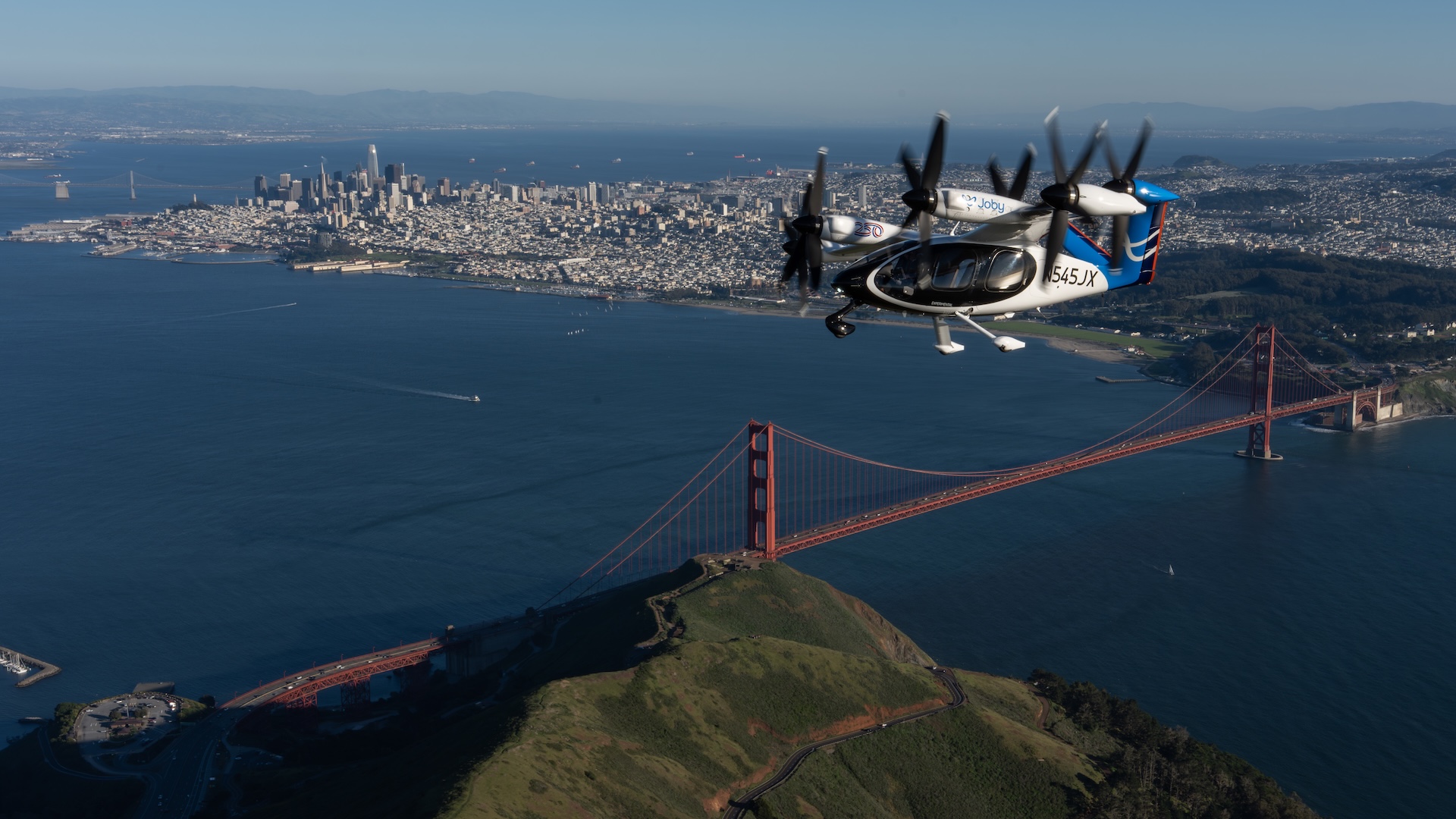
Joby Aviation has kick-started a nationwide tour of its flying taxi. The first flight saw its aircraft fly over the San Francisco Bay Area and around the Golden Gate Bridge.
The flight took place around the same time the FAA announced a nationwide pilot program aimed at finally making commercial air taxi services a reality.
Joby Aviation kickstarts nationwide eVTOL tour
The Joby air taxi is piloted, though the company eventually aims to automate its flight services. It will be capable of flying as many as four passengers on short, urban trips, reaching cruise speeds of roughly 200 mph. Its fixed wings feature six propellers and are capable of swiveling forward after takeoff for increased speed.
Joby Aviation’s nationwide tour, dubbed the “Electric Skies Tour”, will include demonstrations in several cities throughout the US.
In a press statement, the company stated: “With one of the world’s most recognizable skylines as a backdrop, the company showcased its operational readiness in a region defined by traffic congestion, demonstrating that the future of quiet, emissions-free flight, is not just a concept, but nearing commercial readiness.”
The San Francisco flight was conducted using a pre-production prototype, designated N545JX. According to a report by the San Francisco Chronicle, the N545JX aircraft “cruised along in virtual silence” as it flew across the bay. Separately, Joby revealed earlier this month that it had flown its first “FAA-conforming” air taxi.
“With an operational foundation built on thousands of test flights and more than 50,000 miles logged across its fleet, the company is now ready to scale its presence across the US,” the company said in its statement.
The Trump administration’s air taxi push
Joby Aviation also noted that it is among a handful of firms selected as partners in the White House’s recently announced eVTOL Integration Pilot Program (eIPP). The other companies selected are Archer Aviation, BETA Technologies, Electra, Wisk, Ampaire, Elroy Air, and Reliable Robotics.
“Here’s an opportunity for the industry to roll out in a similar way to how Waymo rolled out,” Archer Aviation CEO Adam Archer explained in a video on X after the eIPP announcement. “Rather than an all-or-nothing type certificate where you can go anywhere, or no type certificate where you can’t go anywhere… You can think about it as a few concentrated areas with very, very high margins of safety, allowing us to start very low-level operations, and then expand from there.”
According to Joby, eIPP gives it the opportunity to “begin early operations across 10 states: Arizona, Florida, Idaho, New Jersey, New York, North Carolina, Oklahoma, Oregon, Texas, and Utah.” The company added that the program also has the “potential to meaningfully accelerate the path to commercial service.”
If all goes to plan, Joby Aviation claims it will help realize a society where a daily commute can “take minutes, not hours.”
“Our technology provides an opportunity to build on the immense potential of this region while protecting it for the next generation,” said JoeBen Bevirt, founder and CEO of Joby. “By providing clean, quiet service with minimal infrastructure investment, we are making flight an everyday reality for the community.”

The San Francisco Giants didn’t make that “major” move in the offseason. They saved those for last offseason and last year’s trade deadline.
Still, San Francisco did plenty to position itself as a team that could be better than 81-81 last season. Not all moves are created equal. Not all moves work out the way the franchise hoped. The value of some of those moves have yet to be determined.
But, on their face, here are the moves that already look smart and already look, eh, dumb, going into opening day.
Smart
Signing Luis Arráez
The Venezuela native had a huge World Baseball Classic as his home country won the title for the first time. He had his second career multi-home run game in his WBC career. He returned to spring training and the bat kept cooking. He slashed .353/.389/.412.
While many envisioned him as a leadoff hitter due to his impressive ability to get contact and his three batting titles, San Francisco is toying with batting him later in the order. He’s one of the few contact hitters that could excel in that role, and he gives the lineup flexibility.
Signing Tyler Mahle and Adrian Houser
The Giants may get the best version of both pitchers. Before Sunday’s exhibition game in Sacramento, Mahle had thrown 10 scoreless innings in spring and showed no signs of the shoulder fatigue that limited him last season. Houser has thrown 11 innings and while he hasn’t been as effective, he looks like the innings-eater the Giants hoped they signed.
With the season-ending injury to Hayden Birdsong and the underperformance of the Carsons — Seymour and Whisenhunt — signing the two veterans to inexpensive deals looks smarter by the day.
Signing Harrison Bader
He’s day-to-day with a tight hamstring, but it’s a minor inconvenience this early in the campaign. San Francisco knew what they were getting when they signed him — a Gold Glove level center fielder with a resurgent bat who can make their entire outfield better. It allowed San Francisco to move Jung Hoo Lee to right field, which should improve his defensive numbers. San Francisco locked him into a cheap two-year deal. It should pay off handsomely.
Dumb
Not Signing Left-Handed Relief Help Sooner
San Francisco knew it was going to have some issues at left-handed relief. Erik Miller was going to need time to recover from a back issue. Sam Hentges won’t be ready after arthroscopic knee surgery. Then the Giants lost Reiver Sanmartin for three months to hip surgery. At one point the only healthy left-handed reliever in camp was Matt Gage.
San Francisco tried addressing it by signing Joey Lucchesi. But the Giants released him on Sunday after signing Ryan Borucki. But a bit more careful planning might have lessened San Francisco’s need to scramble this late in camp.
Not Adding Healthy Closing Experience
The Giants signed left-hander Jason Foley to bolster the bullpen. He had 28 saves for the Detroit Tigers in 2024. There was one problem. His recovery from shoulder surgery will keep him out of the lineup until the second half of the season.
That puts the pressure on Ryan Walker to not only be the closer but keep the job. He wants the pressure, he has said repeatedly in camp. He’s held the job before but not consistently. If he meets the moment, the Giants look smart for trusting him. If he can’t, San Francisco doesn’t have a healthy back-up plan until the All-Star break.

Fire department units were dispatched to the 3900 block of Mission Street, near College Avenue, to assist PG&E crews in “a possible gas odor or possible gas leak.”
SAN FRANCISCO – San Francisco authorities are investigating a possible gas leak in the St. Mary’s Park neighborhood on Saturday evening after a person died amid reports of a permeating odor.
Emergency crews called:
Fire department units were sent about 6:15 p.m. to the 3900 block of Mission Street, near College Avenue, to assist PG&E crews in investigating “a possible gas odor or possible gas leak,” the San Francisco Fire Department told KTVU.
“Upon entering the building, a civilian was discovered receiving medical attention but passed away on scene,” the fire department said.
The person’s identity was not released, but the San Francisco Police Department told KTVU that foul play was not suspected in their death.
However, the exact manner of their death was not immediately known.
What’s next:
The SFFD said it was investigating the scene, along with PG&E and the SFPD.
PG&E told KTVU that there were no gas leaks or “impacts from PG&E” located in the area, and that reports of a leak and odor came from outside the building where the victim died.
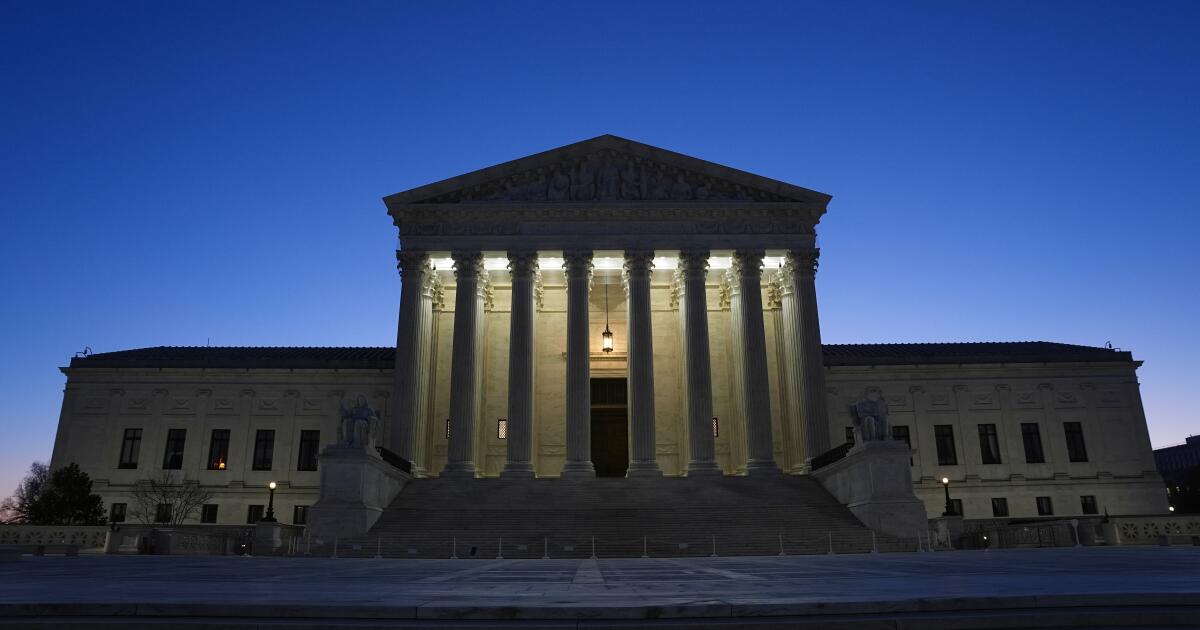
Californians may need to mail ballots early as Supreme Court signals support for new election day deadline
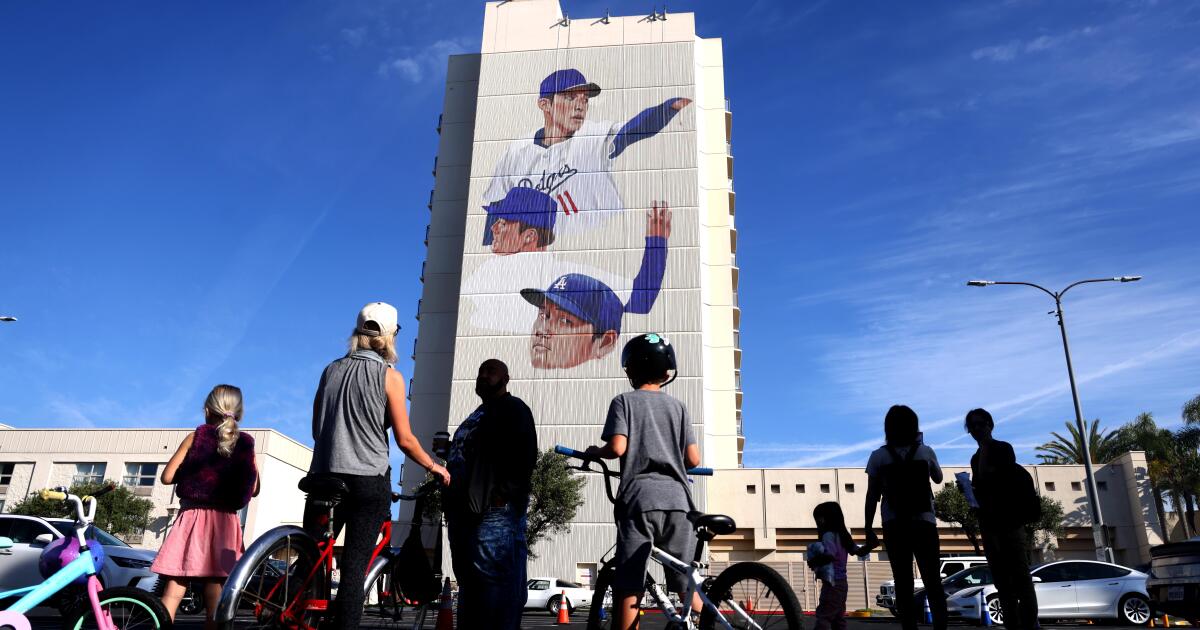
Ohtani. Yamamoto. Sasaki. A 12-story ‘cultural bridge’ between L.A. and Japan to debut in Torrance

How the Iran war is about to hit your wallet

Suspect in slaying of Loyola University student was in the country illegally, officials say

How a Family of 3 Lives on $500,000 on the Upper West Side

Florida High School Football Rankings: Top 25 teams – Oct. 21

How old is Bo Nix? What to know about Oregon quarterback ahead of 2024 NFL Draft

Cleary's 21 help Le Moyne down Central Connecticut State 69-64 in OT

99th annual Pony Swim held in Virginia

Indiana Members Credit Union announced as new anchor tenant at Bottleworks District
How the Iran war is about to hit your wallet
Suspect in slaying of Loyola University student was in the country illegally, officials say

Video: Plane Collides With Vehicle at LaGuardia Airport

As cattle herds shrink and beef prices rise, investors back AI cow collars

French elections: Paris stays left as far right makes mixed gains
-

 Detroit, MI5 days ago
Drummer Brian Pastoria, longtime Detroit music advocate, dies at 68
-

 Oklahoma1 week ago
Family rallies around Oklahoma father after head-on crash
-

 Georgia1 week ago
How ICE plans for a detention warehouse pushed a Georgia town to fight back | CNN Politics
-
 Science1 week ago
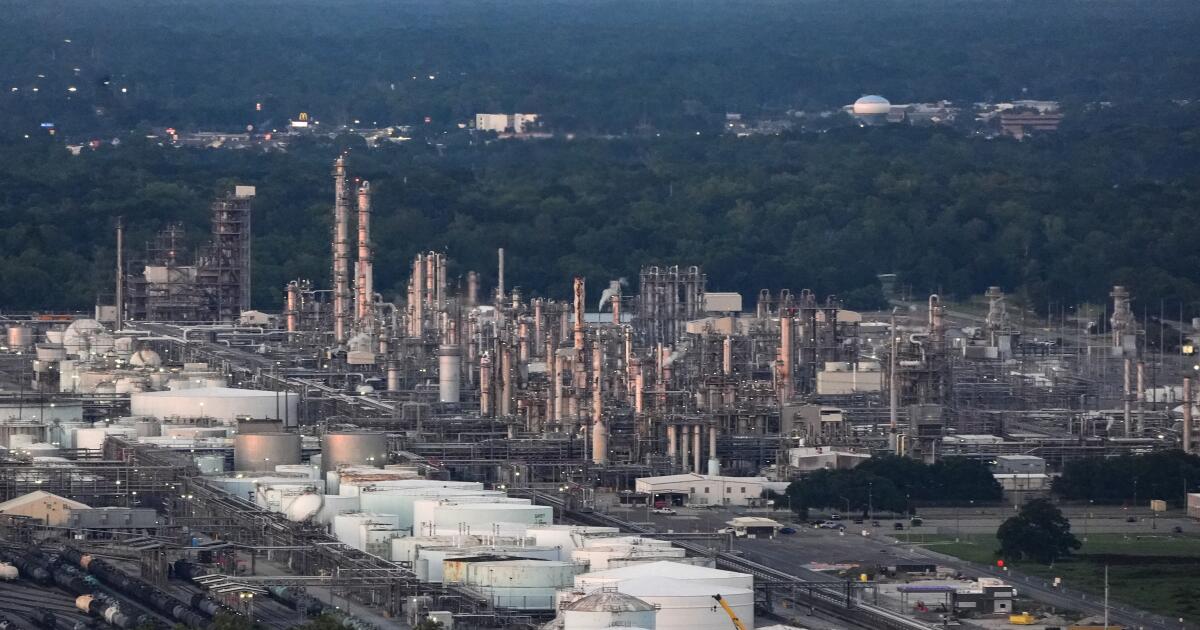
Federal EPA moves to roll back recent limits on ethylene oxide, a carcinogen
-

 Alaska1 week ago
Police looking for man considered ‘armed and dangerous’
-

 Movie Reviews4 days ago
‘Youth’ Twitter review: Ken Karunaas impresses audiences; Suraj Venjaramoodu adds charm; music wins praise | – The Times of India
-
 Science1 week ago
Long COVID leaves thousands of L.A. county residents sick, broke and ignored
-

 Education1 week ago
Video: Turning Point USA Clubs Expand to High Schools Across America