Montana
Polebridge Mercantile owners bring store back to Kiowa Junction


There hasn’t been a business at Kiowa Junction in years, but the new Kyiyo Bakery and Mercantile aims to fill that gap — including bringing back the junction’s famous fried chicken at the request of many locals.
Kyiyo Bakery and Mercantile is named after the Blackfeet word for bear (pronounced “key-eye-oh” k̇yīyō) That’s according to owner Will Hammerquist, who has also run the Polebridge Mercantile with his wife Katerina for nearly 10 years. He didn’t have plans to expand the business, but when the opportunity arose to build something at the Kiowa Junction, he decided to give it a shot.
“This was an opportunity to expand and do it in a way where I saw real need. We’re also kind of in a little bit of a food desert out here. There’s a lot of cars that go by and we’re at least 12 miles from the closest stores. And it’s a busy intersection, so we saw it as an opportunity to do something that people could really enjoy,” Hammerquist said.
Kiowa Junction is the area where Montana 49 (or Looking Glass Highway) meets U.S. 89 just west of Browning. The land was on the market for several years before Hammerquist purchased it after the start of the pandemic. There was a year of demo work, tearing down the dilapidated buildings that used to be a pit stop for many at the junction. The area was developed around the 70s or 80s and included a store where the current mercantile sits and a now defunct small amusement park across the street.
The store is now selling fried chicken, in addition to other deli items, to pay homage to the former store — cheekily referred to as Kiowa Fried Chicken on shirts and stickers at the mercantile.
Currently, Hammerquist and his team are building cabin rentals across from the mercantile, but remnants of the amusement park are still there, like a bumper boats pond where a beaver has now made a home.
Living with the flora and fauna at the Kiowa Junction is a goal for Hammerquist, and he doesn’t plan to develop the sites larger than what the original footprint encompassed. It’s one reason why he chose the name Kyiyo, because bears, along with moose, foxes, elk and deer frequent the area. He’s also heard wolves howling nearby.
The developed area of the property is around three acres, but the wild land of the property is over 100 acres. Eventually, he said nature trails will be created for people to enjoy.
“There’s an incredible diversity of wildflowers too, so it’s a really special place. This is definitely a wildlife corridor. The wildlife comes up off Two Medicine Ridge, out of Glacier Park, and they use this little area here to work their way out into the river bottoms,” Hammerquist said.
Working with members of the Blackfeet Nation was also a top priority, as the property is on the reservation and has historically served the community in and outside of Browning. The mercantile is selling Blackfeet made products, like bison jerky made from the tribe’s herd and jewelry made by local artisans.
The tribe’s cultural preservation office gave Hammerquist the go ahead to use the name Kyiyo — as a way to honor the bear and also the history of the Blackfeet people in the area.
“Working with the Blackfeet Nation on this project has been a real honor and having the support that they’ve given us has really been special,” Hammerquist said. “Hundreds of Montanans made this project happen. We had a lot of workers coming from Great Falls, we had a lot of guys come in from Kalispell. And so that’s really just been a neat thing to see, so many Montanans come together to make this project happen.”
Despite its distance from town, Kyiyo isn’t nearly as remote as Polebridge located on the west side of Glacier National Park. So, there are many aspects of running the east side business that Hammerquist said is much easier to contend with — like paved roads, easy connection to electricity and garbage service.
Hiring for the location has been a bit different from Polebridge, too. Hammerquist said since the mercantile is close to Browning and its surrounding communities, it has a local workforce to pull from. This differs from the North Fork, where Polebridge hires mostly seasonal workers from other places. He said some seasonal staff was still hired for Kyiyo, and he was able to offer housing by renovating an old motel on the property.
“It’s gonna be a good mix. I think part of the fun is that exchange of someone who might be in college who’s never been to Montana here, working with a cashier who’s lived on the Blackfeet Nation their whole life, you know, that’s a cultural exchange,” Hammerquist said. “We’re having a lot of laughs and we’re learning a lot. We’re making some mistakes, but we’re having fun while we’re doing it.”
Still, Hammerquist sees a lot in common with his two stores. Both are surrounded by wilderness and aim to make their visitors appreciate a slower pace of life, he said.
“I always tell my employees at Polebridge that our customers are having the best day of their life and you’re a part of that experience, right?” Hammerquist said. “To have a bakery where you don’t have a rush of people who are late for work at 7 a.m. is a very unique thing. So, none of this would be possible without our customers and their support.”
The long-term vision for Kyiyo Mercantile is to have it become a destination for families, he said. Eventually, he wants to build a playground and put in picnic tables around the store, creating a place where both visitors and locals know they can make an enjoyable pit stop.
“I kind of feel it’s a special area, when you look down you see the aspen grove, and it’s always just been its very shaded spot. It’s pretty protected from the wind, it’s still windy, but it’s not as windy as it can be in other places. So, it just sort of came to me that this could be a great place for people to come again,” Hammerquist said.
Kyiyo Bakery and Mercantile is now open seven days a week from 7 a.m. to 9 p.m. Find more information at www.kyiyomerc.com.
Reporter Taylor Inman can be reached at 406-758-4433 or by emailing tinman@dailyinterlake.com.



The Montana Lottery offers multiple draw games for those aiming to win big.
Here’s a look at July 8, 2026, results for each game:
Winning Powerball numbers from July 8 drawing
12-29-37-43-55, Powerball: 18, Power Play: 4
Check Powerball payouts and previous drawings here.
Winning Lotto America numbers from July 8 drawing
17-26-31-32-37, Star Ball: 01, ASB: 02
Check Lotto America payouts and previous drawings here.
Winning Big Sky Bonus numbers from July 8 drawing
03-13-16-17, Bonus: 10
Check Big Sky Bonus payouts and previous drawings here.
Winning Powerball Double Play numbers from July 8 drawing
06-27-33-44-69, Powerball: 23
Check Powerball Double Play payouts and previous drawings here.
Winning Montana Cash numbers from July 8 drawing
08-16-17-22-27
Check Montana Cash payouts and previous drawings here.
Winning Millionaire for Life numbers from July 8 drawing
16-18-43-48-50, Bonus: 01
Check Millionaire for Life payouts and previous drawings here.
Feeling lucky? Explore the latest lottery news & results
When are the Montana Lottery drawings held?
- Powerball: 8:59 p.m. MT on Monday, Wednesday, and Saturday.
- Mega Millions: 9 p.m. MT on Tuesday and Friday.
- Lucky For Life: 8:38 p.m. MT daily.
- Lotto America: 9 p.m. MT on Monday, Wednesday and Saturday.
- Big Sky Bonus: 7:30 p.m. MT daily.
- Powerball Double Play: 8:59 p.m. MT on Monday, Wednesday, and Saturday.
- Montana Cash: 8 p.m. MT on Wednesday and Saturday.
- Millionaire for Life: 9:15 p.m. MT daily.
Missed a draw? Peek at the past week’s winning numbers.
This results page was generated automatically using information from TinBu and a template written and reviewed by a Great Falls Tribune editor. You can send feedback using this form.

HELENA, Mont — Gov. Greg Gianforte is backing a new effort to keep data centers from driving up Montanans’ power bills.
This week, Gianforte announced Montana is signing on to the Ratepayer Protection Pledge — an initiative endorsed by President Trump.
Several major technology companies like Amazon, Google, Meta, Microsoft, OpenAI, Oracle, and XAI first signed the pledge back in March.
The pledge comes as data center development continues to grow — raising questions about how much new energy will be needed and who will pay for it.
NBC Montana spoke with Julia Haggerty, professor of geography and department head of earth sciences at Montana State University, about whether Montana’s power grid is ready for that growth.
“Not without resolution of significant transmission bottlenecks and massive amounts of new generation. So, while our grid is adequately, relatively adequately equipped to serve the needs of our current load base, it’s definitely not equipped to accommodate the new demands without a lot of expansion,” she said.
According to the pledge, data center developers will pay for new power generation, and infrastructure needed to support their operations.
“It does align with ongoing regulatory efforts to ensure that the cost of new generation associated with data centers is borne by the developers of those data centers and not customers,” Haggerty said.
The governor’s office says Gianforte’s support of the pledge is designed to encourage responsible data center investments while protecting Montana ratepayers from long-term costs.

-
Culture27 minutes ago
Which Version of the ‘Odyssey’ Should You Read?
-
 Lifestyle30 minutes ago
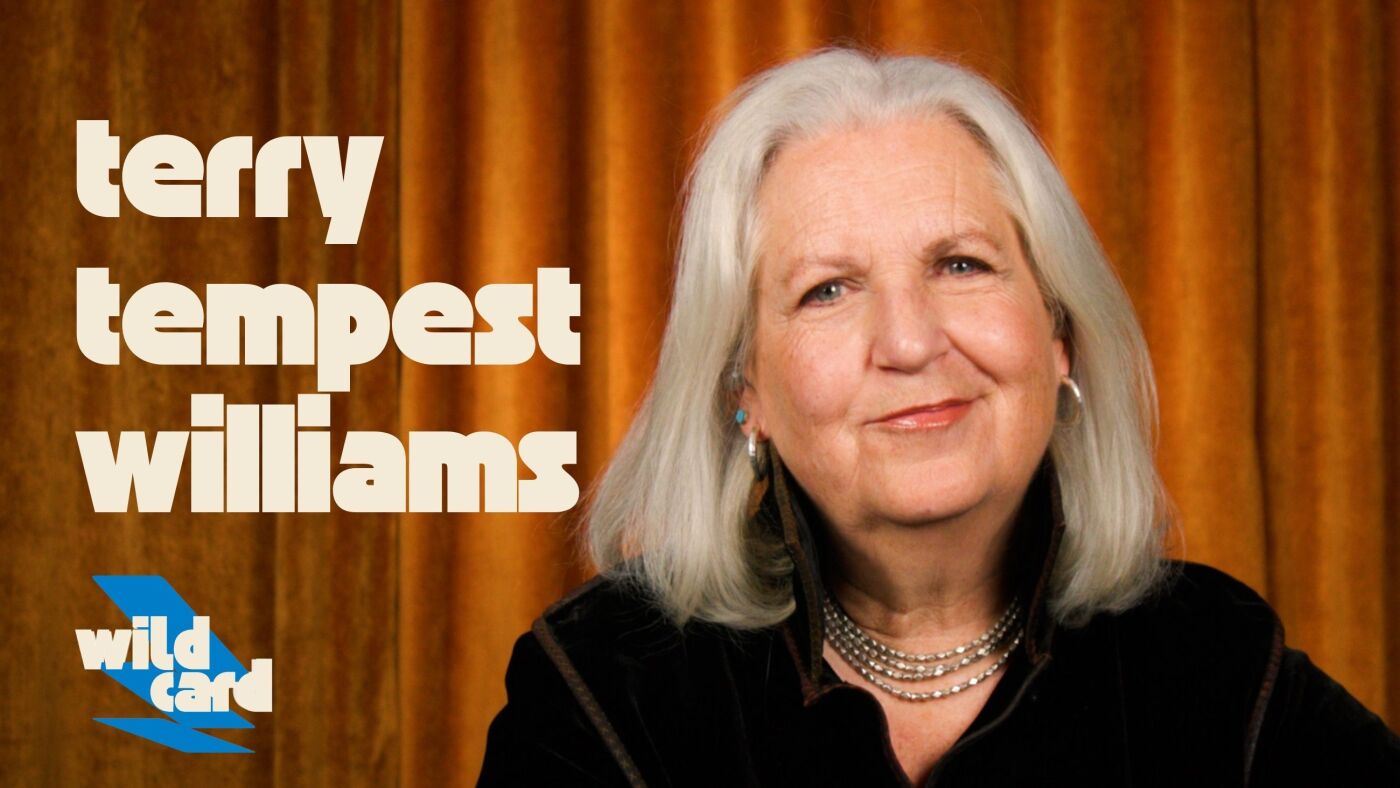
Terry Tempest Williams on why women with big ideas get labeled ‘crazy’ : Wild Card with Rachel Martin
-

 Technology42 minutes ago
Google’s Nest Thermostat has hit its best price of the year
-

 World45 minutes ago
Argentinian flight instructor jumps to death from plane, 22-year-old student forced to land alone
-

 Politics50 minutes ago
Omar’s disclosures erased millions, leaving her with potential negative net worth. She won’t explain why.
-

 Health57 minutes ago
Dr Oz links obesity to chronic disease surge, says GLP-1s can ‘jumpstart’ better health
-

 Sports60 minutes ago
Pirates star pitcher makes unfortunate history after being taken out in middle of perfect game bid
-

 Technology1 hour ago
Medical identity theft follows you into the doctor’s office

