Idaho
7 Little-Known Towns In Idaho


Did you know Idaho is more than potatoes and rugged terrains? It is renowned for its role in the westward expansion of the United States. The state is filled with stories of the pioneers, Native American heritage, and the mining legacy. Idaho has rare, lesser-known small towns within the Pacific Northwest. These towns offer stunning terrains and rich cultural history that are often overlooked. From its larger cities, Idaho’s smaller towns shine with beautiful sceneries, rich heritage, and small-town character. Of the seven selected for best of the lot, this guide will show you why these towns must be on your must-see travel spots throughout the Gem State.
Sandpoint
Sandpoint is a small town at the meeting of mountains and water, a haven for those looking for adventure or seeking solace. With approximately 9,000 residents, this town is anchored by the historic Panida Theatre, founded in 1927 and still running concerts, films, and community events. This celebrated theatre helps enrich the local cultural scene. Foodies will love the Fat Pig gastropub with innovative offerings like Duck Nachos and many kinds of beers. For shopping, head to the unique Cedar Street Bridge Public Market, located on a historic bridge and houses artisanal crafts, handmade jewelry, and locally made goods.
From winter skiing to summer hiking, Schweitzer Mountain Resort provides something for every outdoorsy taste. In turn, City Beach Park is a lakeside getaway that’s just right for picnics and fun on the water.
Wallace

This town is listed on the National Register of Historic Places due to its America’s silver mining heritage. The Wallace District Mining Museum presents over a century of mining history with more than 50 exhibits and 5,000 photographs and maps. For an actual hands-on experience, the Sierra Silver Mine Tour takes visitors underground, guided by retired miners who share first-hand accounts of the industry’s past. Outdoorsmen can hike, bike, or ski the famous Route of the Hiawatha, a 15-mile trail with an astonishing ten tunnels and seven trestles, each offering spectacular views of the Bitterroot Mountains.
Back in town, Wallace’s historic downtown is a charmer, filled with one-of-a-kind shops and restaurants. The 1313 Club dishes up hefty portions of good American comfort food in a restaurant lined with mining memorabilia, a slice of local history served with every meal. Furthermore, the Blackboard Cafe offers a more gourmet dining experience with fresh, quality ingredients in all its dishes within a fun and genuine atmosphere. For shoppers, Johnson’s Gems & Collectibles in historic downtown Wallace is truly a rare find.
McCall
Imagine a place that celebrates winter with an ice sculpture festival and invites you to paddle across calm waters in summer. McCall is such a retreat- a small town with less than 4,000 residents. Every winter, in January/February, the McCall Winter Carnival hosts the event with impressive ice sculptures and colorful parades that attract visitors everywhere. When the snow melts, Payette Lake is a kayaking, paddleboarding, and fishing destination. Ponderosa State Park reaches out into the lake and offers trails to hike and wildlife to watch.
History lovers can see the Central Idaho Historical Museum and learn more about the region. Dinner option: The Cutwater on Payette Lake has various food options and a great lake view. Afterward, visitors can get a souvenir from one of many local boutiques and artisan shops that take center stage in the McCall Shopping District.
Driggs
Adventure isn’t a sport here; it’s a way of life. This town of just over 2,000 is the southern entrance to Grand Teton National Park and Yellowstone. Families and adventurers alike will find endless fascination here. Nearby Grand Targhee Resort promises skiing, mountain biking, and spectacular views of the Tetons. Get hands-on explorations of regional geology and stunning history at the Teton Geotourism Center.
Keeping its quirk factor intact, downtown Driggs is surprisingly bustling, lined with several restaurant options and craft shops. For a meal worth remembering, try Forage Bistro & Lounge, which has seasonal menus that star Idaho trout and fresh local produce. Those who love to shop will find Barrels & Bins Natural Market a must-stop for organic groceries and one-of-a-kind regional goods.
Hailey
Hailey balances outdoor adventure and cultural richness in the heart of Idaho’s Wood River Valley. The Hailey Greenway Wanderer meanders along the Big Wood River, beckoning visitors onto its beautiful trails, ideal for walks and bike rides. Just up the road is the famous Sun Valley Resort, a center for skiing and golfing, along with fine dining.
History buffs can learn about the region’s past at the Blaine County Historical Museum, which features relics from Idaho’s pioneer days. C.K.’s Real Food menu changes seasonally for dishes such as Idaho trout and second-to-none in-state produce. With a small population of just about 8,000 folks, Hailey hits that perfect spot in being unpretentious yet approachable.
Weiser
Since 1953, Weiser, Idaho, buzzes every June with the sounds of the National Oldtime Fiddlers’ Contest and Festival, which draws competitors and audiences from around the country. Besides its rich history in music, Weiser has plenty of historical landmarks and nature. Weiser River Trail is an 84-mile trail that calls cyclists, runners, and horseback riders to hop on and witness scenic terrain from Weiser to New Meadows.
As for dining after touring, Tara’s Place Family Restaurant serves American-style homemade cooking; their clam chowder is served every Friday night. For shopping, boutiques and antique shops fill the downtown area, and shops that represent the town’s rich history, like Second Chance or a short drive to The Vintage Bunkhouse in Fruitland.
Cascade
This town promises a getaway spent enjoying adventure and leisure. Lake Cascade has over 27,000 acres of area, great for fishing, boating, and swimming. On the Payette River at Kelly’s Whitewater Park, kayakers and stand-up paddleboarders of every skill level can ride the engineered rapids and play waves. Nature geothermal pools in a calm forested landscape make for a soothing experience at Gold Fork Hot Springs.
After a day of exploration, head to Palooza Basecamp & Eatery and enjoy an evening of great food and exciting vibes. Downtown Cascade boasts several boutiques and artisan shops with one-of-a-kind finds that speak to the town’s creative spirit. Cascade blends natural beauty, outdoor recreation, and small-town charm in a way that could easily be called one of Idaho’s best-kept secrets.
The Takeaway
Each of Idaho’s less well-known towns offers a different look into the diverse beauty and history of the state, from the serene shores of Sandpoint to the silver-lined legacy of Wallace and from year-round outdoor escapes in McCall to the tranquil hot springs of Cascade. Small towns can most definitely hold big adventures. Whether you are discovering Driggs’ gateway to iconic national parks, the cultural vibrancy of Hailey in Wood River Valley, or the fiddle festival charm of Weiser, each town has a story to be unwrapped. Plan your trip and let these Idaho hidden treasures surprise you with unforgettable experiences.



ONTARIO, Oregon — A fire in a lot near W. Idaho Ave and South Oregon Street in Ontario has visibly damaged sheds and power lines.
Idaho News 6 arrived at the scene Sunday morning at around 12 p.m., finding nearby sheds across a fence line scorched, but standing. Power lines appeared to be damaged in the blaze.
No fire, police, or EMS were still on scene, and there were no surrounding road closures.
Idaho News 6 has reached out to officials and is awaiting additional information.

ADRIAN, Oregon — The Friends of the Owyhee organized a clean-up in Malheur County in Oregon, and volunteers came out to pick up trash and get rid of abandoned campers.
“We had two abandoned RV’S and a camper that were abandoned out on public lands,” said Tim Davis, who runs the Friends of the Owyhee. “They were sitting there for upwards of a year, and it is really clear that it is hard to get rid of these.”
WATCH| Check out the video to see volunteers demolish a camper—
Volunteers camp out for the Succor Creek Clean-Up in the Owyhees
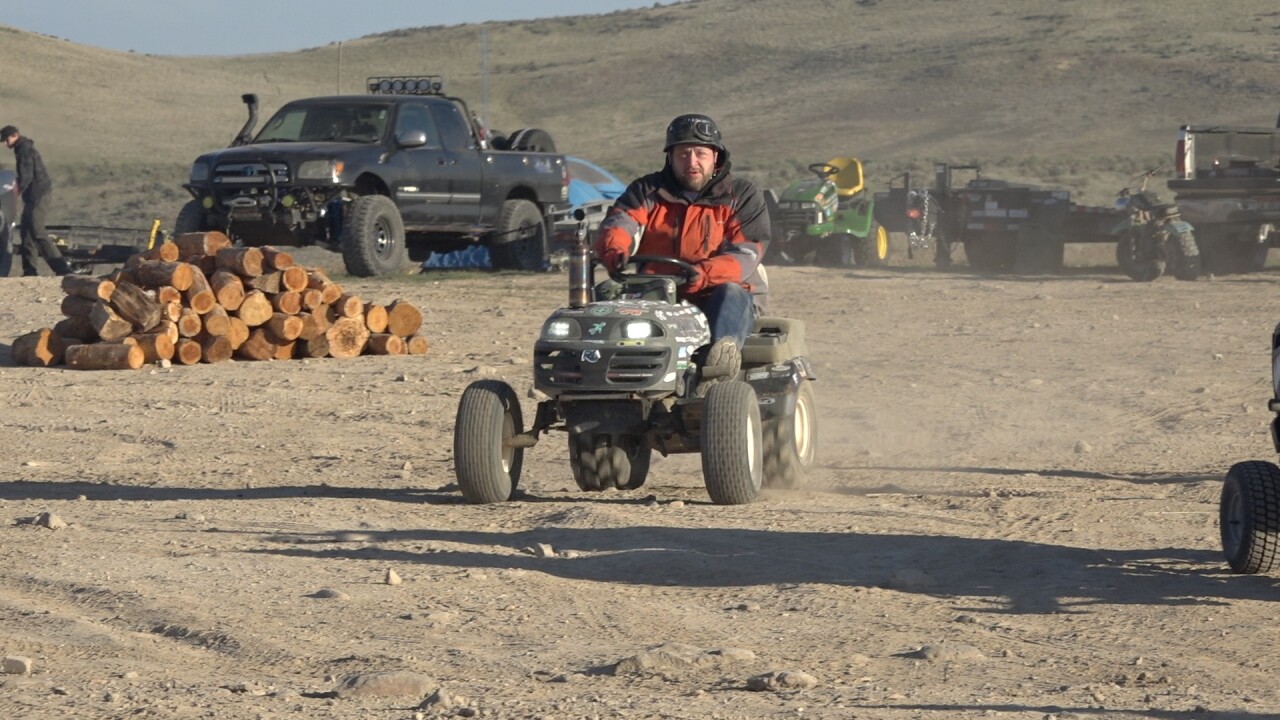
Davis worked with the local sheriff’s office and the BLM to remove the campers, but he found it difficult because there was no place to take these recreational vehicles. The Gambler 500, an off-road group, brought out some people to demolish a camper with an excavator.
“That is awesome to see the turnout with the army of volunteers we have today,” said Brian Arndt of the Gambler 500 group. “We are going to be able to get the camper all in the dumpster, get it cleaned down to the frame, and then everything that can be recycled will be recycled.”
Volunteers camped out on Succor Creek Road on Friday night so they could get an early start on Saturday. Many volunteers will camp out again on Saturday night and finish the clean-up on Sunday.
“Malheur is the 12th largest county in the United States, and it’s 74 percent public land,” said Davis. “We have very few resources with the BLM; they are understaffed, they have one rec planner right now, so us, as public land owners, should be able to step up and keep this place clean.”
Lela Blizzard works as the lone recreational planner for the Vail District of the BLM, who says most sites have signs that say pack it in and pack it out. She says the BLM really needs the cooperation of the public because of how large it is, and she was happy to see how many volunteers showed up.
“I just want to tell them thank you because I know they are taking time out of their weekend to come out here to help us make sure the land continues to look nice for everyone who comes out to enjoy it,” said Blizzard.

Griz Ward is one of the volunteers, and he enjoyed camping out, but he also would like to see people pick up after themselves. When it comes to outdoor recreation, it is so important to be part of the solution and not part of the problem.
“If you come out here and play in the area, be respectful,” said Ward. “Pack it in and pack it out, leave no trace and do the right thing, or frankly, stay home.”
The Succor Creek Clean-Up also received a lot of support from the Treasure Valley, as they got donations from the Ontario Sanitation Service with the dumpsters, Tates Rents with the excavator, and United with porta-potties for the campsite.
Send tips to Idaho Backroads neighborhood reporter Steve Dent
Have an Idaho Backroads story idea? Share it with Steve below —

IDAHO — ‘No Kings 3’ protests will take place throughout Idaho on March 28, including in Boise and Twin Falls.
According to the Idaho 50501 Facebook page, there will be speakers & musicians playing at protests across the Treasure Valley.
Protests will take place in Boise, Caldwell, Nampa, Mountain Home, Twin Falls, and other Idaho cities.
NoKings.org
On March 28, Neighborhood Reporters Allie Triepke & Lorien Nettleton will bring coverage of the Boise & Twin Falls protests on Idaho News 6 at 10.

Tracking every Tennessee Titans pre-NFL draft visit for 2026

Scouting the women’s NCAA Elite 8 contest between Michigan and Texas

Rockslide caught on camera during Southern Utah wedding

Star bartender raised in VT hunts the ‘big shebang’ of a James Beard

Goochland residents sue county over Technology Overlay District approval

Florida High School Football Rankings: Top 25 teams – Oct. 21

How old is Bo Nix? What to know about Oregon quarterback ahead of 2024 NFL Draft

Cleary's 21 help Le Moyne down Central Connecticut State 69-64 in OT

99th annual Pony Swim held in Virginia

Indiana Members Credit Union announced as new anchor tenant at Bottleworks District

Video: Iran to Allow More Oil Ships Through Strait of Hormuz, Trump Says

Dem senator warns deportation could let Virginia woman’s illegal immigrant killer ‘escape accountability’

Newsletter: G7 ministers to hold talks on war’s economic fallout

ICE officers could remain at airports after TSA workers are paid

Scathing report claims nation’s oldest labor union ‘betrayed’ MAGA members through ‘shocking’ spending
-

 Sports1 week ago
IOC addresses execution of 19-year-old Iranian wrestler Saleh Mohammadi
-

 Miami, FL4 days ago
Jannik Sinner’s Girlfriend Laila Hasanovic Stuns in Ab-Revealing Post Amid Miami Open
-

 New Mexico1 week ago
Clovis shooting leaves one dead, four injured
-

 Tennessee7 days ago
Tennessee Police Investigating Alleged Assault Involving ‘Reacher’ Star Alan Ritchson
-

 Politics1 week ago
Schumer gambit fails as DHS shutdown hits 36 days and airport lines grow
-

 Minneapolis, MN4 days ago
Boy who shielded classmate during school shooting receives Medal of Honor
-

 Science1 week ago
Record Heat Meets a Major Snow Drought Across the West
-

 Technology1 week ago
YouTube job scam text: How to spot it fast