


In case you missed it, the Denver Summit — the Mile High City’s new NWSL team — made quite a debut today:
Denver, CO
Coloradans with Latino roots now encouraged to speak Spanish, after decades of assimilation


In the heart of Denver, Colorado, a rich tapestry of cultures lives in each neighborhood.
“We grew up with big families — Hispanic, Irish, Italian — in west Denver. I still live in the same neighborhood I grew up in,” said Rosemary Rodriguez, a Mexican American Denver native.
It was in this neighborhood of west Denver where Rosemary made her best memories.

“It was a great time to be a kid,” she said.
She grew up living right next to her grandparents, who only spoke Spanish. Though they understood Rosemary’s English, and vice versa, not learning the language pains her to this day.
“It makes me sad that I couldn’t have the fruitful relationship with my Mexican grandmother that I had with my grandmother from Colorado,” said Rodriguez.

Like many Coloradans, Rodriguez was raised in an English-speaking household because her parents wanted her to speak English without an accent.
“We learned about discrimination that they experienced, that my mother, throughout her life, experienced because she had an accent,” said Rodriguez, “She spoke with a Spanish accent, and I think they saw it as a way to protect us from discrimination, even though we’re very obviously Indigenous-looking and Mexican.”
For Dr. Nicki Gonzales, a professor at Regis University and Colorado’s first Latina historian, she experienced a similar upbringing.
She notes that speaking Spanish wasn’t always seen positively, dating back to the early 1900s.
“I often think about my college experiences on the East Coast as a time when my world was shattered because I lived pretty sheltered,” said Gonzales.

While at Yale University, she learned why she wasn’t taught Spanish growing up in Denver. As a historian in Colorado, she uncovered the reasons behind it all.
“I had to learn more about my history through other people’s stories, and pieces of my history that had not been recorded,” said Gonzales. “For young people, it is important to have a vessel to tell their story. I always thought knowing your roots is very empowering.”
Learning your roots is empowering. Fast forward to 2024, and you have Denver Foos.
“The state has transformed — it’s almost a whole different place than when we grew up here in Denver, Colorado,” said Ben.
Brothers Ben and Abe Gallegos launched the social media page Denver Foos, which rose to popularity in 2020. They now also own a barbershop, all to learn and educate about Denver culture.
“A lot of people in Los Angeles and Las Vegas were surprised that there are Brown people who are Denver Broncos fans. They thought we were Raiders fans or Cowboys fans. Nope, we love the Broncos,” said Abe about his experience.

The brothers, through their social media accounts, share what it means to grow up Latino and Hispanic in Denver.
“It has helped us feel comfortable in our skin, in our culture, and the way we talk and the way we dress.”
For a long time, they felt anything but comfortable in their skin.
“I guess the perception of us was that we were all first-generation, but there are many of us who have been here for generations. We didn’t really cross the border; the border crossed us,” said Ben.
Assimilation for many of these families began after the Mexican-American War, which led to the 1848 Treaty of Guadalupe Hidalgo. This treaty transferred more than 50% of Mexico’s territory to the U.S. to end the war, moving the border south and crossing families like Ben and Abe’s, who had lived in the area for decades.
“They took people’s land away; they took people’s language away. We’re kind of like the last descendants of that generation,” said Ben.
Seven generations in, the brothers grew up in predominantly White neighborhoods, where they faced subtle but damaging prejudice. To fit in, not learning the native language was encouraged.
“There’s always this identity crisis of, ‘Am I too Hispanic? Am I not Hispanic enough?’ Like the movie ‘Selena’, we’ve got to be more American than the Americans and more Mexican than the Mexicans, and we have to work twice as hard,” said Ben.
Growing up in English-speaking households, they were culture-shocked when visiting cities like Los Angeles and Las Vegas, feeling they weren’t Mexican enough for not being able to speak Spanish.
“People need to be more educated about the people in this country. Some have been here long before it was established as the United States,” said Ben.
Now the brothers want to learn Spanish to teach the language to their future children one day.


The game ended on a 0-0 draw, but what a great day for Denver sports.
And that raises an interesting question: Is Denver the best sports town in the United States?
The sooner the Mile High City gets a WNBA team, the better.
Me, I think you can’t beat Denver for sports. But I’m willing to entertain other perspectives. Let us know in the comments!
- Fewer ads
- Create community posts
- Comment on articles, community posts
- Rec comments, community posts
- New, improved notifications system!

Paperboy has opened its first location outside of Texas.
Paperboy
Denver is a city that loves to brunch and now, one of Austin’s top daytime spots has opened a location in the West Highland neighborhood. Paperboy’s third outpost is its first outside of its home state of Texas. The concept, which founder Rynan Harms started in a food trailer, has taken over the former home of Rooted Craft American Kitchen (and FNG before that).
“We love this neighborhood because it’s still close to downtown but has its own unique and relaxed vibe,” says Robert Brown, Harms’ longtime business partner, who has lived in Denver for nearly a decade. “People know their neighbors, they show up to community events, they’re invested in this place in a way that feels increasingly rare. That sense of connection is something Paperboy has always tried to foster, and we’re honored to be a part of it here in Denver.”
The menu includes staples such as the chicken and biscuit drizzled with spicy honey; Texas Hash with roasted pork, sweet potato, onion, kale, poached egg and pecan mole; and the Paperboy Pancake, described as “a cake-forward cornmeal pancake that still manages to be impossibly fluffy.”
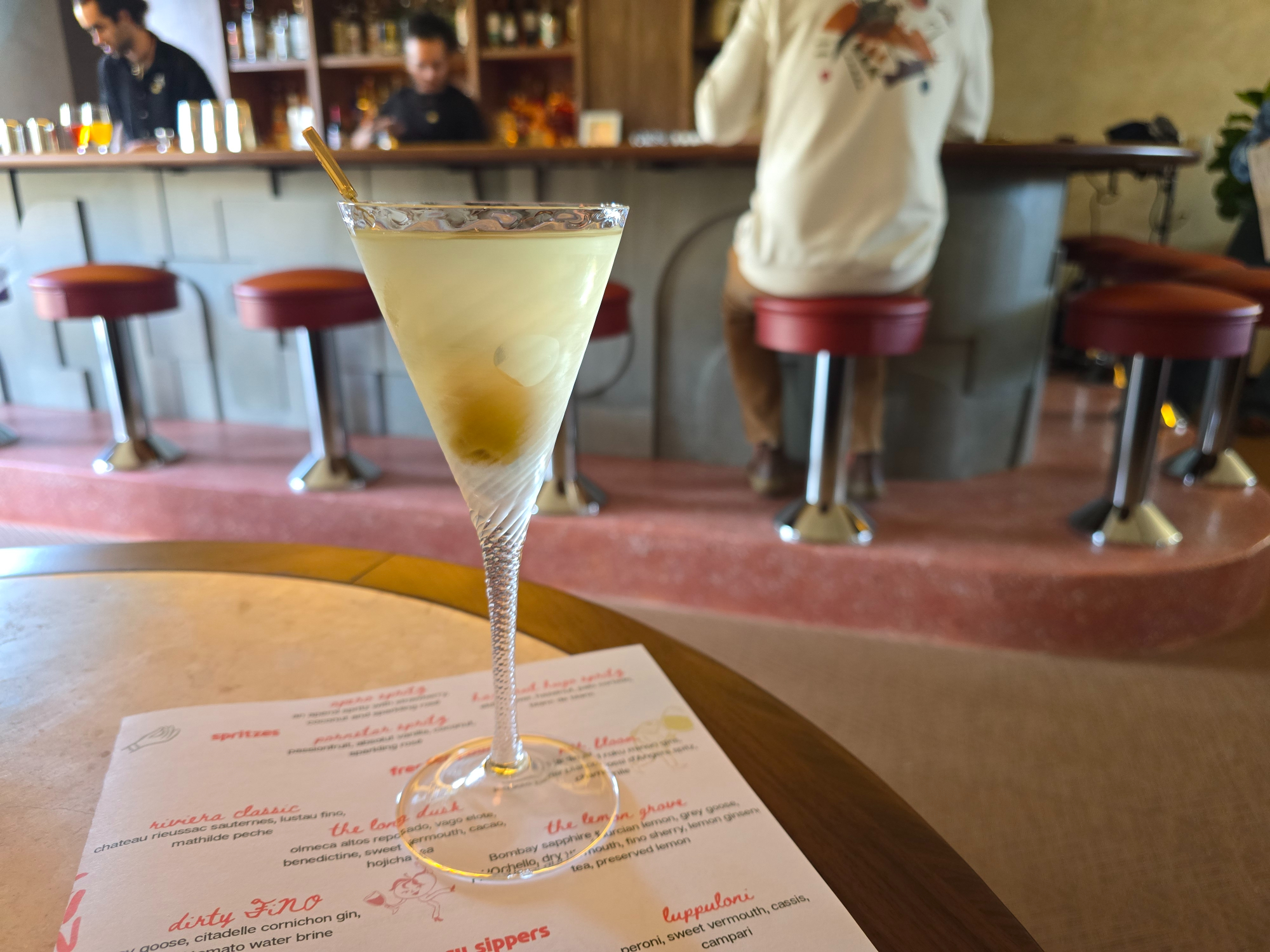
Also now open is FiNO, the restaurant inside the revamped All Inn Hotel on East Colfax. We enjoyed our first meal there; if you’re planning to visit, don’t miss the signature martini, the Medi Nachos and the caper-studded charred cabbage.
On East Sixth Avenue, the powerhouse duo behind the city’s best new barbecue restaurant, Riot BBQ, has debuted Chicken Riot in the former Truffle Cheese Shop space. Meanwhile, the former Whiskey Biscuit in Englewood is now the Barn, a neighborhood eatery from a pair of longtime hospitality pros, including former Brider chef Chase Devitt.
Taqueria Los Gallitos has expanded once again, adding an eighth location in the former Taco John’s near the shuttered Denver Merchandise Mart.
And just in time for the Rockies home opener on Friday, April 3, McGregor Square has opened its revamped food hall. The former Milepost Zero moniker is out. Now, the space is dubbed McGregor Square Food & Drink and includes six food stalls from local eateries: Anthony’s Pizza & Pasta, C Burger, G-Que BBQ, High Point Creamery, TaCo! and Tora Ramen.
There’s just one closure to report this week: Ballyhoo Table & Stage, which actually shuttered last month after an eviction notice was posted.
In other openings and closings news:
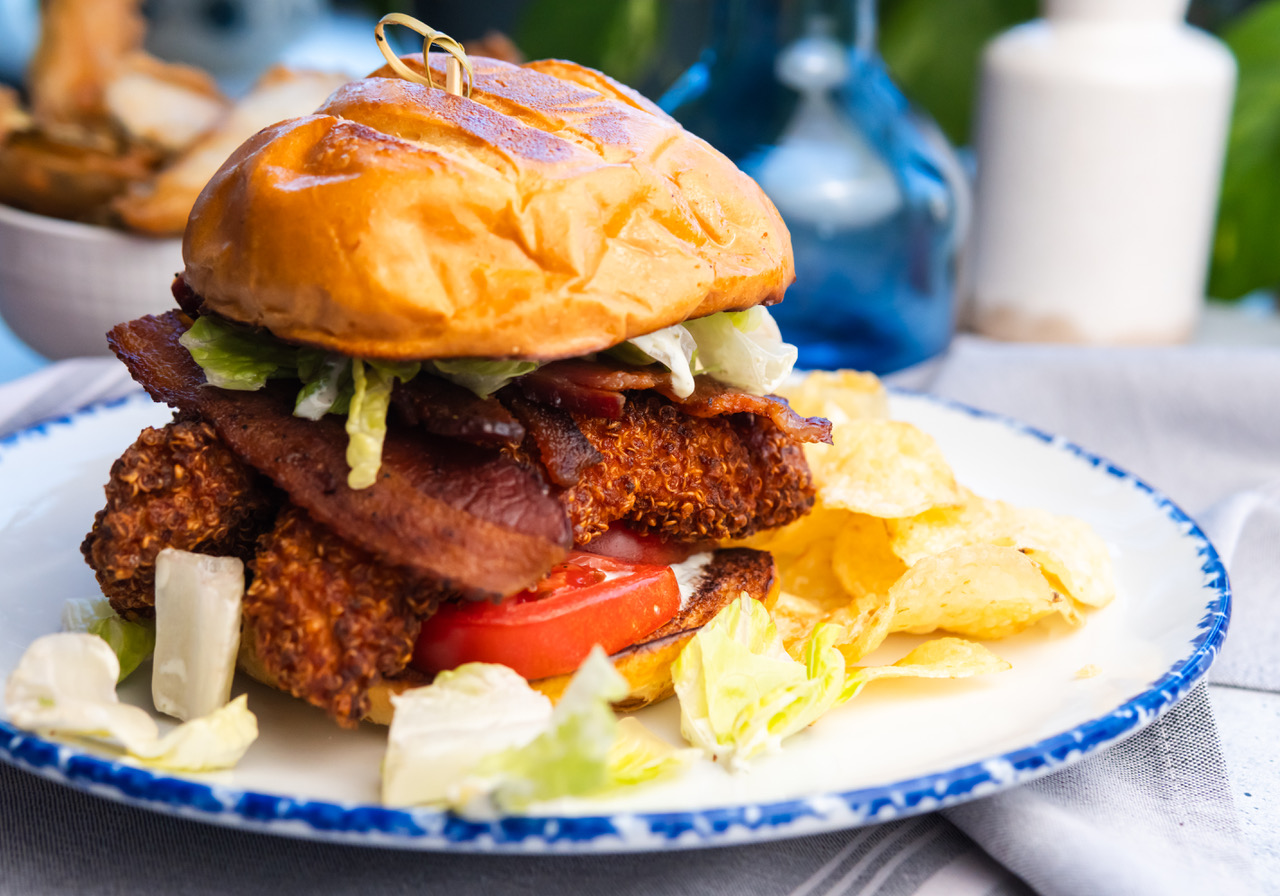
Here’s the complete list of restaurants and bars that opened and closed this week*:
Openings
The Barn South Broadway, 3299 South Broadway, Englewood
Chicken Riot, 2906 East Sixth Avenue
FiNO, 3015 East Colfax Avenue
McGregor Square Food & Drink, 1601 19th Street
Paperboy, 3940 West 32nd Avenue
Taqueria Los Gallitos, 5810 Logan Street
Closures
Ballyhoo Table & Stage, 3300 Tejon Street
*Or earlier and not previously reported.
Know of something we missed? Email cafe@westword.com.

Denver, Colo. (03/27/2026) – In front of another expected record-breaking crowd, the Washington Spirit is set to take on Denver Summit FC in the side’s inaugural home match at Empower Field at Mile High. With over 60,000 tickets already distributed, the match is poised to break the NWSL attendance record of 40,091 set last summer when the Spirit visited Bay FC at San Francisco’s Oracle Park. Kicking off at 2 p.m. EDT, the match will broadcast nationally on CBS.
The Spirit
Washington comes into this weekend’s fixture off a difficult 1-1 home draw with Utah Royals FC earlier this week. After scoring in the 18th minute, the Spirit nearly earned its first victory of 2026 but conceded an equalizer late and had to settle for a single point on the table. Washington’s goal was scored by midfielder Rebeca Bernal, the Mexican star’s first since transferring to the NWSL last year.
Saturday afternoon’s match will mark the first-ever meeting between the Spirit, one of the NWSL’s original clubs, and 2026 expansion side Denver Summit FC. Denver will be the 17th different opponent for Washington across its regular season history: the Spirit has played against 13 active clubs (all except expansion sides Denver and Boston) as well as defunct clubs the Boston Breakers, FC Kansas City and the Western New York Flash.
The Spirit has had success against expansion sides as of late, tallying 11 wins in 15 matches against NWSL clubs in their first season of competition since the start of the 2021 campaign. In 2024, the Spirit went a perfect 5-0-0 against Bay FC and Utah Royals FC, outscoring the teams 10-3 with a playoff win to boot. In 2022, Washington earned a 1-3-0 record against Angel City FC and San Diego Wave FC and, in 2021, the eventual NWSL champions went an impressive 5-1-0 against Kansas City and Racing Louisville FC.
This weekend’s matchup at Empower Field at Mile High, home of the NFL’s Denver Broncos, is set to shatter the NWSL’s single match attendance record with over 60,000 tickets already distributed. The Spirit has also been the visiting team for two of the league’s previous three record-setting attendances: 34,130 fans at Seattle’s Lumen Field when the Spirit took on the Reign and 40,091 in the stands at San Francisco’s historic Oracle Park to watch Washington play Bay FC.
Washington is in good standing in several attacking categories through three matches despite two draws and a loss. The Spirit remains first in the league in rate of possession at nearly 62% and top three in both shots and shots on target with 49 and 17, respectively. With just three goals through three matches, look for the Spirit attack to continue getting attempts on frame this weekend.
Following Saturday’s match, the Spirit will hit the road again next weekend for an away match against Bay FC in San Jose on Sunday, April 5. Washington’s next home match will be on Friday, April 24 at 8 p.m. EDT when the side hosts the defending Shield winner Kansas City Current at Audi Field. Information on tickets can be found HERE.
The Opponent
Denver Summit FC opened its inaugural season with three straight away matches, collecting a win, a loss and a draw to carry four points into its home opener this weekend. Summit FC dropped its first match to Bay FC 1-2 before drawing Orlando 1-1 and beating Gotham 2-0.
Summit FC is led in scoring by star German forward Melissa Kössler who has three goals in three matches, scoring once in each contest. With a goal tomorrow, the forward would join Alex Morgan as just the second player in league history to score in each of her first four matches with a club. Look for the Spirit defending third to place an emphasis on limiting chances to Kössler on Saturday afternoon.
Denver has only allowed one goal across its last 240 minutes of action after giving up two in the first 30 minutes of the side’s opener. The strong recent form of Summit FC’s defending third against the Spirit attacking third’s ability to generate chance after chance will be a point to watch this weekend.
Three former Spirit players are currently on the Summit FC roster as midfielders Meg Boade and Jordan Baggett and defender Camryn Biegalski signed with the side ahead of this season. Baggett spent four years with the Spirit after being drafted by the side in 2019 while Biegalski signed with Washington in 2021 and played three seasons, both winning the 2021 NWSL Championship with the team. Boade spent the first half of the 2025 season in DC as a short-term injury replacement, even scoring a goal for the Spirit.
Following tomorrow’s match, Denver will travel to Seattle to face Reign FC on Saturday, April 4.
All-Time Series History
This weekend’s match will be the first-ever meeting between the Spirit and Denver Summit FC.
About The Washington Spirit
The Washington Spirit is the premier professional women’s soccer team based in Washington, D.C. and plays at Audi Field in Buzzard Point. The Spirit was founded on November 21, 2012 and is an inaugural member of the National Women’s Soccer League (NWSL) the fastest growing sports league in the US. The club is home to some of the best players in the world who have won championships for both club and country. For more information about the Spirit, visit WashingtonSpirit.com and follow the club on Twitter, Instagram and Facebook.

Oregon2 minutes ago
How did a small Oregon town become a hub for industrial development?

Pennsylvania8 minutes ago
Greencastle fire company gets unclaimed money from PA Treasury

Rhode Island14 minutes ago
Medical school at URI won’t ensure primary care docs for RI | Opinion

South-Carolina20 minutes ago
South Carolina vs TCU predictions for Elite Eight game in March Madness
South Dakota26 minutes ago
SD Lottery Powerball, Lotto America winning numbers for March 28, 2026

Florida1 year ago
Florida High School Football Rankings: Top 25 teams – Oct. 21

Oregon2 years ago
How old is Bo Nix? What to know about Oregon quarterback ahead of 2024 NFL Draft

Connecticut2 years ago
Cleary's 21 help Le Moyne down Central Connecticut State 69-64 in OT

Virginia2 years ago
99th annual Pony Swim held in Virginia

Indiana2 years ago
Indiana Members Credit Union announced as new anchor tenant at Bottleworks District

Politics3 hours ago
JD Vance says he was ‘obsessed’ with UFOs, believes aliens are actually ‘demons’
World4 hours ago
The EU's recipe for trade deals : easy on beef, tough on wine

News5 hours ago
Photos: ‘No Kings’ protests across the country

Politics15 hours ago
Jeffries declines to break with indicted Democrat after ethics panel’s guilty verdict

World16 hours ago
Hundreds of thousands march through London in stand against the far right
-

 Sports1 week ago
IOC addresses execution of 19-year-old Iranian wrestler Saleh Mohammadi
-

 New Mexico7 days ago
Clovis shooting leaves one dead, four injured
-

 Tennessee6 days ago
Tennessee Police Investigating Alleged Assault Involving ‘Reacher’ Star Alan Ritchson
-

 Technology7 days ago
YouTube job scam text: How to spot it fast
-

 Minneapolis, MN3 days ago
Boy who shielded classmate during school shooting receives Medal of Honor
-

 Science1 week ago
Record Heat Meets a Major Snow Drought Across the West
-

 Texas1 week ago
How to buy Houston vs. Texas A&M 2026 March Madness tickets
-

 Politics1 week ago
Schumer gambit fails as DHS shutdown hits 36 days and airport lines grow