Denver, CO
Aaron Gordon, Nikola Jokic’s failsafe, is now a Nuggets playoff hero


INGLEWOOD, Calif. — Aaron Gordon was a high school basketball get-out-of-jail-free card. His athleticism was stress medicine for trapped teammates. His dexterity, a mulligan for inaccurate passes.
At Archbishop Mitty in the Bay Area, the varsity team believed in an unofficial doctrine.
“If you were ever in trouble — if I’m on the wing and I’m getting doubled — the failsafe is just: Throw it in the air,” Brandon Abajelo said, “and Aaron will go get it.”
One decade later, Gordon’s teammates still abide by that code. Even the consensus best basketball player in the world.
As Nikola Jokic backed himself into a proverbial corner Saturday by dribbling away from the basket, the Nuggets’ season was sinking into deep trouble. They had coughed up a 22-point lead in the fourth quarter. Their legs were cooked, like the stuffed chicken nuggets being used as props to heckle them at Intuit Dome. Overtime almost certainly would mean defeat in Game 4 of a first-round series they already trailed 2-1 to the Clippers.
Jokic hoisted a desperate shot — his signature “Sombor Shuffle” fade-away — thinking to himself, “this is going to be bad.” He was resigned to an overtime fate.
“I mean, to be honest, I didn’t want to give them enough time to shoot the ball,” he said. “So in my mind, I just wanted to wait (until) the last second and just jack it. So I did a couple dribbles. And that was a mistake.”
But Jokic has a failsafe for his mistakes. Throw it in the air. Gordon will go get it.
With the first walk-off dunk in NBA playoff history, Gordon might’ve saved the Nuggets’ season. For a few days at least, he instilled new hope and fended off the existential dread of a 3-1 series deficit. All he needed to do was correct the crooked parabola of Jokic’s shot. Elevating and snatching the ball above the rim, Denver’s power forward transformed an airball into a glorious rainbow. He plunked it in the pot of gold at the buzzer.
Nuggets 101, Clippers 99.
“AG was in the right spot,” Jokic said. “Like he always is.”
But did he arrive there too late? While Gordon navigated through chest bumps and embraces from teammates on an ecstatic beeline toward the locker room, scrutiny was already underway. By rule, the ball must be fully out of the shooter’s hands before the buzzer, or else the shot doesn’t count. In this unusual case, Gordon’s fingertips were attached when the ball was almost halfway through the net.
The replay-review process at Intuit Dome was its own spectacle. Every angle seemed to reveal a new truth and elicit a different reaction. Nuggets and Clippers players gazed up at the jumbotron together and tried to litigate the nanoseconds.
“We were debating back and forth about it,” Peyton Watson told The Denver Post.
Confidence on the Denver sideline depended on the individual.
“I knew it was good,” Watson said.
“I thought the game was over,” Gordon said, “so I was just trying to get off the court.”
“A lot of doubt,” Michael Porter Jr. said with a laugh. “It was like somewhere between the 0.1 (seconds) and 0.0 range.”
“I was walking off the court like, ‘I don’t think so,’” Christian Braun said, chalking it up to his tendency to assume the worst.
“I didn’t want to have excitement and then go down,” Jokic said. “I thought that it was close, but it was really, really close.”
That’s how the Nuggets do business in the playoffs these days. Twice last year, they needed dramatic shots from Jamal Murray to break the Lakers’ hearts. They suffered a 20-point collapse in a wild Game 7 loss to Minnesota. Their two wins in this series have been decided in overtime or at the buzzer. That 22-point lead was too simple.
Gordon has a heroic playoff moment worthy of his importance to Denver now. And it was the most fitting type of play — dirty work in the dunker position. He once claimed to have the “best hands in the business.” Mostly, they serve Jokic’s fondness for trying adventurous no-look passes at close proximity. But this time, Gordon bailed out an unpredictable heave that had zero intention of being an assist.
“One of the best things about him was the way he gets rebounds,” Gordon’s high school coach, Tim Kennedy, remembered. “His ability just to get a feel for where the ball is coming and get his hands on it. That competitive nature of his.”
Denver’s locker room was buzzing in the afterglow of the dunk. The next playoff game was on the television in the middle of the room. At halftime, ESPN relived the buzzer-beater from every conceivable camera angle. A small handful of Nuggets crowded around, teasing Gordon with fake amazement that he was on TV. Gordon remained seated at his stall across the room. He responded with a bashful smile.
His final stat line in Game 4 was productive but fairly modest, at least compared to the box-score contributions of Jokic and a couple of other starters — 14 points, six rebounds and five assists.
If those numbers don’t exactly jump off the page, maybe that’s the most fitting aspect of an instant classic.
“Aaron doesn’t care if it’s 12, 8 and 4 … as long as we win,” said Nuggets interim coach David Adelman, who also coached Gordon in Orlando. “And some nights, it’s 22, 12 and 6. If we lose, he doesn’t care. He wants to win.
“There are certain people in our league that I would define as championship pieces. I think we say that too much. He is one of those people. He is the definition of that, and he always has been, since he got to us.”
Originally Published:



When the Mount Blue Sky Road opens Memorial Day weekend from Echo Lake to the iconic mountain’s 14,266-foot summit, conditions permitting, there will be a change in the way access to the road is managed.
Denver Mountain Parks will staff the welcome station at Echo Lake and manage the Mount Blue Sky Recreation Area, taking over that role from the Arapaho National Forest.
“Managing this complex, high-use recreation area has always been a shared stewardship effort between the national forest, the city of Denver and state of Colorado,” forest supervisor Christopher Stubbs said in a joint news release. “We have been working together on this mountain for more than a century. In the early years, Denver had the greater presence with their (Echo Lake) lodge and restaurants on the mountain. For the past four decades, the forest service has been at the helm. Now it’s Denver’s turn again.”
The Mount Blue Sky Road did not open last summer due to a road repair project near Summit Lake. CDOT maintains the highway and plows it in the spring for summer access. More than 100,000 visitors drive the road annually. It typically opens around Memorial Day, after the roadway is clear of snow, and closes on Labor Day.
Denver Mountain Parks will collect fees, manage the reservation system and set operating hours. Reservations are expected to become available on recreation.gov in May.
The cost of entry will be $20 per car and $15 for motorcycles. Bikes and pedestrians will be free.
Subscribe to our weekly newsletter, The Adventurist, to get outdoors news sent straight to your inbox.
Denver, CO
Historic 84-year-old Bonnie Brae gas station in Denver officially listed for sale by family

DENVER — After 84 years of pumping gas and cleaning windshields, the family-owned Bonnie Brae Conoco in Denver is officially up for sale.
Located at the corner of University and Exposition, the station has been a staple in the neighborhood for generations. Owner Ken Wilson believes it could be the only remaining full-service, family-owned gas station in the city.
“Some people wouldn’t know what to do if we stopped doing this,” Wilson said.
Mike Castellucci
Wilson started working at the station when he was 12 years old. His family has owned the business through the decades, keeping photos from the 1940s through the 1970s.
“So many memories. I love coming to work. When I come here I feel like my dad never left,” Wilson said.
Wilson noted that his father died 14 years ago.
► Watch Mike Castellucci’s report in the player below:
Historic Bonnie Brae Conoco gas station in Denver officially listed for sale
The station was previously known for a sign that read “not for sale.” Now, the sign has changed to indicate the property is on the market.
“We’re just looking to the future. It’s a great property. It’s been good to us. We love the neighborhood. I love coming to work. So it’s not like I’m dying to sell this. We think it’s a very valuable property,” Wilson said.
Mike Castellucci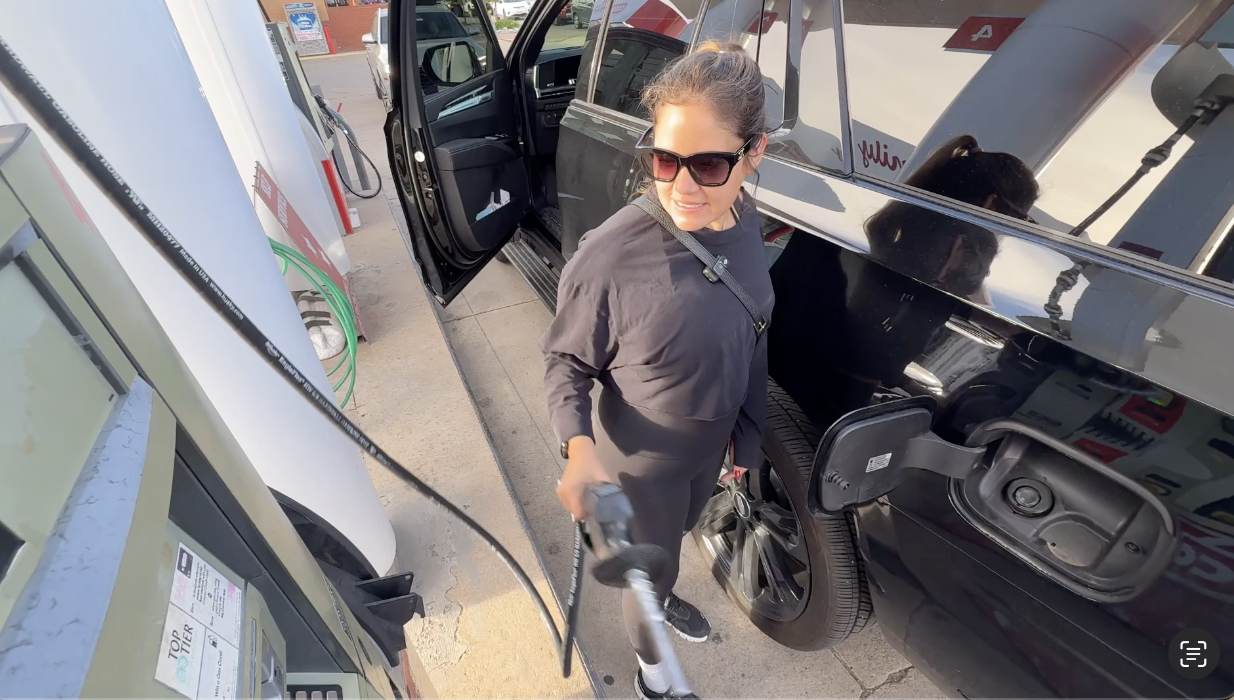
Today, employee Claude Espinoza is changing out winter tires for summer tires.
“I get it. Only so long you can run a family business,” Espinoza said.
Customers like Ali Halberson, who spent $100 to fill her car, are feeling the impact of changing times.
“I was really empty,” Halberson said.
While Halberson thinks current gas prices are “terrible,” customers in the neighborhood do not want to pay the price of watching the Wilson family’s station disappear. Other gas stations that used to operate across the street and next door are long gone, leaving the Bonnie Brae Conoco as a final remnant of a bygone era.
This story was reported on-air by a journalist and has been converted to this platform with the assistance of AI. Our editorial team verifies all reporting on all platforms for fairness and accuracy.

Denver7 | Your Voice: Get in touch with Mike Castellucci
Denver7’s Mike Castellucci covers stories that have an impact in all of Colorado’s communities, but specializes in reporting on community connections. If you’d like to get in touch with Mike, fill out the form below to send him an email.

Denver Fashion Week has become one of the city’s most buzzed-about events – but if you’ve never been, it’s easy to feel unsure about what to expect.
The good news: it’s far more accessible (and fun) than you think – and that’s exactly why people keep coming back.
Your first Fashion Week experience doesn’t have to happen in New York or Paris. It’s happening right here at Denver Fashion Week.
Seats are limited, and the most popular nights go quickly—especially VIP. Get your tickets HERE
What’s the vibe?
Forget the intimidating, ultra-elite energy of New York or Paris. Denver Fashion Week strikes a balance between elevated and inclusive. Think high-energy, visually immersive, and social.
You’re not sitting quietly—you’re part of the atmosphere.
You’ll see a mix of:
- Designers, models, local creatives, and stylists
- Influencers, press, brands, sponsors, and photographers
- Fashion, beauty, art, and music lovers dressed to be seen
The energy builds as the night goes on — from pre-show cocktails to the moment the lights dim and the runway comes alive. It’s part fashion show, part social scene, and part cultural experience.

What to wear?
The most common question: What do I wear?
The short answer — there are no strict rules. But this is your moment to show up intentionally styled.
Think of it as: elevated self-expression.


Go-To Outfit Ideas:
Elevated Streetwear
Oversized blazer, cargos or tailored pants, heels or sleek sneakers. Effortlessly cool and on-trend.
Minimal Chic
Slip dress, neutral tones, sleek bun, gold jewelry. Clean, understated and polished.
Bold Statement Look
Metallics, textures, statement outerwear or dramatic silhouettes. Perfect for turning heads.
If you’re debating between playing it safe or going bold – lean bold. This is one of the few nights in Denver where more fashion-forward always works.
What is the timeline of the night?
- Arrive early to avoid the line and find parking
- Grab a cocktail, take photos, mingle, shop
- Runway show begins
- Ask where the after party is!

What is the VIP Lounge Experience?
Experience Fashion at the Highest Level
If you’re looking to turn your night into something unforgettable, the VIP experience is where Denver Fashion Week truly comes alive.
VIP access is available to First + Second Runway Seat ticket holders, giving you a front-row connection to every moment on the runway.
VIP Perks Include:
- Priority seating with premium runway views
- Exclusive check-in experience
- Elevated atmosphere among Denver’s fashion insiders
- Exclusive access to the VIP Lounge
- Complimentary hors d’oeuvres (while supplies last)
- Elevated photo opportunities of every look
- Networking alongside press, influencers, celebrities, and fashion insiders
- Exclusive VIP discounts at select pop-up vendors
- An up-close experience of cutting-edge runway production
- Access to the VIP cash bar

Why does seating matters?
- First and second Row: premium, closest to the action, elevated photo opportunities of every look, and gain VIP lounge access.
- General Admission: relaxed, and enjoy a state-of-the-art fashion show production.
Does Denver Fashion Week support the community?
In honor of Mental Health Awareness Month this May, Denver Fashion Week has announced Ardent Grove, a Colorado-based nonprofit mental health clinic, as its official community partner for the Spring 2026 shows

Where will Denver Fashion Week be held?
For Spring 2026, Denver Fashion Week will once again transform the luxurious Furniture Row Showroom into a fully immersive runway environment. Known for its expansive layouts, modern architecture, and refined aesthetic, the space offers a setting rarely seen in traditional fashion venues.
Instead of conventional warehouses or hotel ballrooms, the runway unfolds inside a curated interior design landscape — where elevated home décor meets cutting-edge fashion.

Is it worth it?
Denver Fashion Week is more than a runway — it’s a full experience blending fashion, culture, and community.
If you love fashion, creativity, or just want a unique night out in Denver, absolutely.
And once you go, you’ll get it.

Where to stay?
Elevate your Denver Fashion Week experience with our hotel partner, Vīb Hotel. Enjoy 35% off during DFW when you book directly and stay just minutes from the action in style and comfort.
Where to buy tickets?
Seats are limited, and the most popular nights go quickly—especially VIP.
Get your tickets HERE or below

SUSTAINABLE Spring ’26 Presented by Furniture Row
Where: Furniture Row Showroom – 5445 Bannock St, Denver
Cost: $30+
The Lowdown:
This show honors designers committed to ethical production, eco-conscious materials and slow fashion principles. From upcycled textiles to responsible sourcing and transparent manufacturing, this runway proves that sustainability and high design can coexist beautifully.

SOCIETY Spring ’26 Presented by Furniture Row
Where: Furniture Row Showroom – 5445 Bannock St, Denver
Cost: $30+
The Lowdown:
Denver Fashion Week’s most elevated and couture-driven evening. This showcase highlights avant-garde collections, luxury craftsmanship and bold artistic expression. It’s a celebration of high fashion — where visionary design and dramatic silhouettes command the runway.

Family Day: YOUTH + MOMMY & ME Spring ’26 Presented by Furniture Row
Where: Furniture Row Showroom – 5445 Bannock St, Denver
Cost: $30+
The Lowdown:
A heartwarming and high-energy experience celebrates the next generation of fashion. Featuring youth designers, young models and coordinated parent-child looks, this daytime runway brings together families, creativity and community in a joyful celebration of style at every.

STREETWEAR & SNEAKERS Spring ’26 Presented by Furniture Row
Where: Furniture Row Showroom – 5445 Bannock St, Denver
Cost: $30+
The Lowdown:
Streetwear & Sneakers taps into culture, edge and urban influence. This show highlights bold graphics, statement footwear, layered styling and trend-driven collections rooted in music, art and street culture. Expect high-impact energy and looks that define what’s next in everyday fashion.

MAXIMALISM Spring ’26 Presented by Furniture Row
Where: Furniture Row Showroom – 5445 Bannock St, Denver
Cost: $30+
The Lowdown:
Maximalism Night embraces fearless self-expression. Designers will showcase vibrant color stories, dramatic textures, exaggerated silhouettes and unapologetic styling. It’s a runway dedicated to more — more volume, more detail, more personality.

OUTERWEAR + ATHLEISURE Spring ’26 Presented by Furniture Row
Where: Furniture Row Showroom – 5445 Bannock St, Denver
Cost: $30+
The Lowdown:
New for Spring 2026, Outerwear & Athleisure celebrates Colorado’s unique intersection of performance and polish. This show highlights technical innovation, structured outerwear, luxury sportswear and contemporary layering designed for movement and style.

ADAPTIVE Spring ’26 Presented by Furniture Row
Where: Furniture Row Showroom – 5445 Bannock St, Denver
Cost: $30+
The Lowdown:
Denver Fashion Week, in partnership with Guided By Humanity, invites you to a defining moment of the season, The Adaptive Runway Show, which spotlights inclusive design created for individuals of all abilities.

SWIM & RESORT WEAR Spring ’26 Presented by Furniture Row
Where: Furniture Row Showroom – 5445 Bannock St, Denver
Cost: $30+
The Lowdown:
Back by demand, Swimsuit & Resort Wear delivers high-energy glamour and vacation-ready style. Designers will present bold swim silhouettes, sculptural one-pieces, vibrant prints and flowing resort looks that set the tone for Summer 2026. It’s an evening of color, confidence and destination-inspired drama.

Commercial Ships Transit Strait of Hormuz as U.S. Blockades Iran’s Ports

Two Detroit Pistons Facing Uncertain Roles in NBA Playoff Rotation

Meet the District 2 candidates: How should SFUSD students be assigned to schools?

Stephen Jones’ Comments Add Fuel To Dallas Cowboys NFL Draft Trade Rumors

Forward Brant Byers leaving Miami RedHawks for Penn State | Report

Florida High School Football Rankings: Top 25 teams – Oct. 21

How old is Bo Nix? What to know about Oregon quarterback ahead of 2024 NFL Draft

Cleary's 21 help Le Moyne down Central Connecticut State 69-64 in OT

99th annual Pony Swim held in Virginia

Indiana Members Credit Union announced as new anchor tenant at Bottleworks District
Commercial Ships Transit Strait of Hormuz as U.S. Blockades Iran’s Ports

Video: How Stephen Miller Is Adjusting Trump’s Immigration Agenda

Biden DOJ weaponized FACE Act against pro-life Americans, 882-report alleges

Mass drone warfare is Europe’s rising security threat
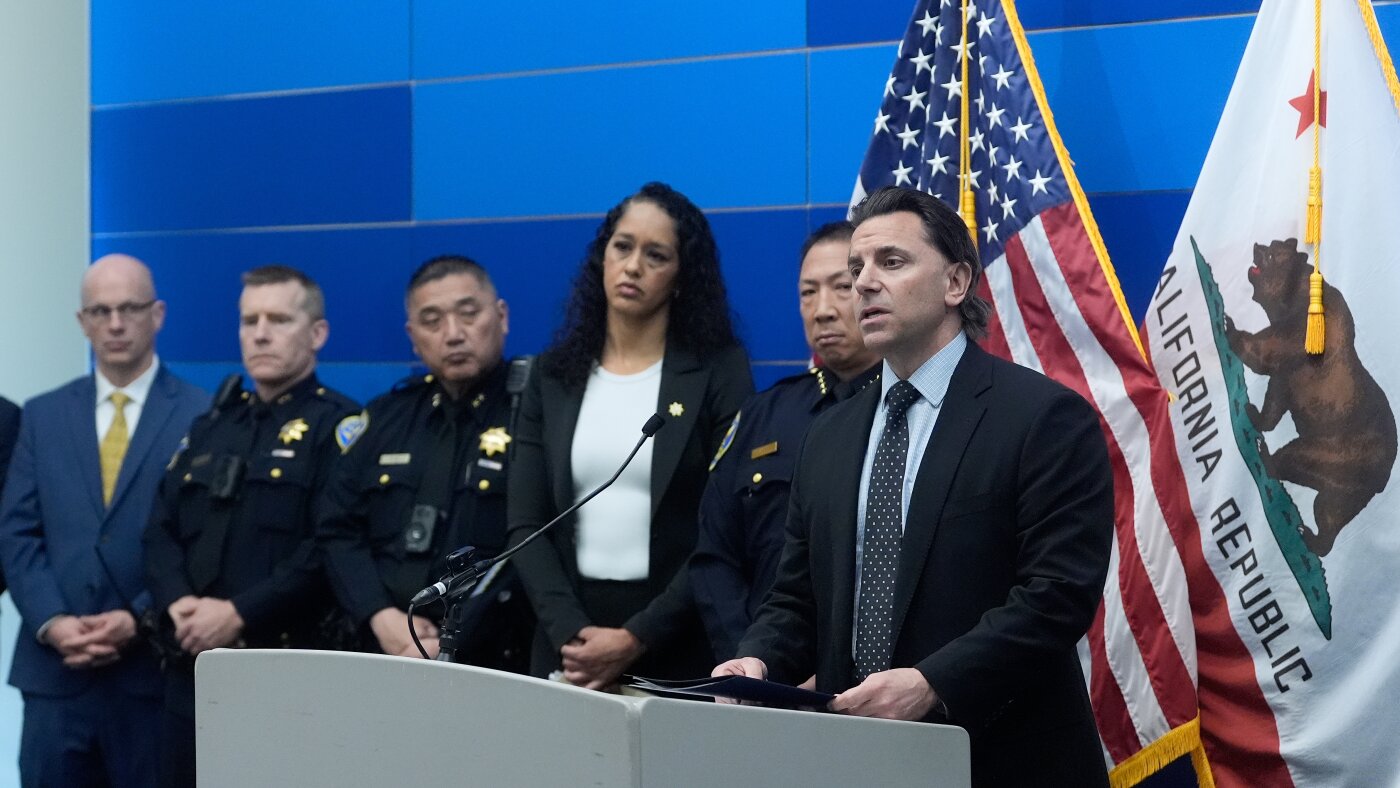
Man accused in Molotov cocktail attack of OpenAI CEO’s home charged with attempted murder
-

 Atlanta, GA1 week ago
1 teenage girl killed, another injured in shooting at Piedmont Park, police say
-

 Georgia1 week ago
Georgia House Special Runoff Election 2026 Live Results
-

 Arkansas4 days ago
Arkansas TV meteorologist Melinda Mayo retires after nearly four decades on air
-

 Pennsylvania1 week ago
Parents charged after toddler injured by wolf at Pennsylvania zoo
-
 Milwaukee, WI1 week ago
Potawatomi Casino Hotel evacuated after fire breaks out in rooftop HVAC system
-

 Austin, TX7 days ago
ABC Kite Fest Returns to Austin for Annual Celebration – Austin Today
-

 World1 week ago
Zelenskyy warns US-Iran war could divert critical aid from Ukraine
-

 Ohio7 hours ago
‘Little Rascals’ star Bug Hall arrested in Ohio