Washington, D.C
Gun shops that sold weapons trafficked into DC sued by nation's capital and Maryland


Three gun shops that sold nearly three dozen firearms to a man who trafficked the weapons in and around Washington, D.C., are facing a new lawsuit jointly filed Tuesday by attorneys general for Maryland and the nation’s capital.
At least nine of those guns have now been found at crime scene and or with people wanted on warrants for violent offenses, D.C. Attorney General Brian Schwalb said. Many of the others are still unaccounted for.
“Our city is being flooded with illegal weapons,” he said. “All three of these stores ignored the red flags.”
Washington, D.C., has struggled with gun violence in recent years. The nation’s capital saw its highest number of homicides in more than three decades last year, and more than 90% of those were carried out with firearms, the suit states.
“Many of us watch the news and we wonder where all these guns are coming from,” said Maryland Attorney General Anthony Brown. “Now we have part of the answer.”
In Washington, the supply of weapons is often fueled by people who buy guns for others who can’t legally possess them, Schwalb said. About 95% of guns recovered in Washington, D.C., which has strict gun laws, originally come from nearby Maryland or Virginia, Schwalb said. While some of those are stolen weapons, more come from illegal straw sales, according to data about firearm trafficking investigations from the Bureau of Alcohol, Tobacco, Firearms and Explosives.
The suit seeks unspecified damages and court action to halt any future straw purchases.
The lawsuit is the first to be filed jointly and comes as cities and states around the country file civil suits against gun shops, including in New Jersey, Minnesota, Chicago and Philadelphia. Kansas City also settled a suit last year against a gun dealer accused of ignoring evidence that guns were being sold illegally.
Licensed firearm dealers do work with ATF to identify possible straw purchases, said Larry Keane, senior vice president at the National Shooting Sports Foundation, an industry group. Still, he said that warning signs may not always be obvious at busy stores, where a buyer might encounter different employees on different days.
“The focus should be on the actions of the criminal, not trying to scapegoat retailers who do their best every day to try to prevent straw purchasing,” he said, pointing to a 2016 Justice Department survey of people in prison that found a relatively small number had gotten firearms from a retail source.
The new suit, filed with the gun safety group Everytown Law, accuses the Maryland-based stores of failing to respond to warning signs, including bulk purchasing and repetitive purchases.
The three stores sold a total of nearly three dozen similar weapons to Demetrius Minor over a seven-month period in 2021, the suit said. Nearly all were trafficked to others, including people who aren’t legally allowed to buy firearms, the suit alleges. One gun, for example, was found in a D.C. hotel room along with an illegal large-capacity magazine and another was found at the home of a stabbing suspect, the suit says.
Minor pleaded guilty to one count of dealing in firearms without a license last year in a plea deal with prosecutors and was sentenced to 18 months in prison. An attorney who represented Minor could not immediately be reached for comment.
One store, Atlantic Guns, Inc., said it has “never and will never knowingly sell to someone who we have reason to believe is committing a straw purchase.” Another, United Gun Shop, declined immediate comment, and the third, Engage Armament LLC, did not immediately respond.
The lawsuit seeks unspecified damages and court action to halt any future straw purchases.



Washington, D.C
Nurses at Washington D.C.’s largest hospital call on leadership to reverse planned cuts to maternal health

RNs at MedStar Washington Hospital Center say closure of postpartum unit will disproportionately harm marginalized and underserved communities
Union nurses at MedStar Washington Hospital Center (MWHC) in Washington, D.C. are demanding that management stop the planned closure of an entire postpartum unit, announced National Nurses Organizing Committee/National Nurses United (NNOC/NNU). The hospital notified the union on May 26, 2026 of its intention to eliminate 11 maternal health beds and displace eight nurses by July 26, 2026, leaving MWHC with one postpartum unit.
In a follow-up town hall with staff nurses, Chief Nursing Officer Ariam Yitbarek confirmed the closure. Other leaders have additionally informed staff that the hospital will strictly limit scheduled C-sections and inductions for patients from numerous D.C. maternal health organizations. The list of organizations includes many that primarily serve low-income patients, immigrants, and patients of color, all communities with significantly higher risks of maternal mortality. Additionally, staff were informed that Kaiser Permanente, which notably insures a large number of DC city employees and even many of MWHC’s own workers, will see a strict limit on scheduling inductions and C-sections for their patients as well.
“Closing postpartum unit 5F will gravely impact those most affected by health disparities,” said Stephanie Sims-Coates, RN in the neonatal intensive care unit. “Our low-income families and families of color will be most affected by this closure. Families trust the medical staff at MWHC and plan to come to us for their care. In a city where Black women make up 90 percent of pregnancy-related deaths despite being only half the population, the hospital’s decision to close this unit is a significant mistake.”
Community leaders and healthcare workers are joining the call for MedStar to put patients before profits and keep the unit open. This past weekend, nurses met with D.C. mayoral candidate and Ward 4 councilwoman Janeese Lewis George about the planned closure and the impact it would have on DC’s most vulnerable residents.
“Maternal mortality is a crisis for Washington, DC, and our healthcare system needs to address the crisis immediately, rather than exacerbate the challenges that birthing parents face,” said Councilwoman Janeese Lewis George. “Now is the time to invest in health care, rather than make cuts. I want to work with the hospital to identify solutions that work for patients and the provider.”
“In my time at Washington Hospital Center, I’ve seen the hospital tout its Safe Moms, Safe Babies program and host a community baby shower specifically designed to call attention to the maternal mortality crisis,” said Marcqueata “Tiya” Butler, RN in the Mother/Baby unit. “Their current plan to shut down 11 postpartum beds betrays the hospital’s stated commitments. They are aware of persistent inequities in access to care. We are calling on the hospital to consider the impacts on the community, safeguard the mothers and infants of DC and commit to addressing the maternal mortality rate.”
In 2024, MedStar Health, a registered non-profit, reported $9 billion in operating revenue.
NNOC/NNU represents more than 2,200 registered nurses at Washington Hospital Center.
National Nurses United is the largest and fastest-growing union and professional association of registered nurses in the United States with more than 225,000 members nationwide. NNU affiliates include California Nurses Association/National Nurses Organizing Committee, DC Nurses Association, Michigan Nurses Association, Minnesota Nurses Association, and New York State Nurses Association.


WASHINGTON (7News) — Tuesday was the last day the D.C. Council could vote to enact an expanded curfew in time for summer.
7News learned it never even made it on the agenda for a discussion and went to council members to find out why.
For the next two months, it’ll be up to the mayor to declare a curfew until the permanent version kicks in. There is already a city curfew. The curfew that has been up for debate for more than a year is the expanded version of the curfew. The expanded version allows the Metropolitan Police Department to create zones where teens 17 and under cannot gather in groups of nine or more.
RELATED | DC curfews pushed large groups into local neighborhoods, some residents say
Mayor Muriel Bowser currently has her own curfew order in place, which ends Saturday. The mayor can continue issuing an order. Councilmembers against the expanded curfew said that’s why it doesn’t need to come from the council.
In a video posted two weeks ago, D.C Council public safety chair Brooke Pinto said she wanted her councilmembers to vote to fill the gap today. 7News asked her why she never presented it to the council.
“Unfortunately, in working with my colleagues over the last several weeks, we did not have the votes,” said Pinto. “We have to have enough votes to pass the law and make sure that we didn’t have a gap.”
Bowser, in a letter to council Tuesday, said councilmembers Trayon White, Robert White, Zachary Parker, Brianne Nadeau and Janese Lewis-George are “blocking the will of the public and majority of council.”
7News spoke to three of the members she called out about the mayor’s pushback.
“I reject the rhetoric and the political games that are being played, and I’m wanting for us to get to the bottom of how do we stop the teen takeovers and the delinquent behavior we’ve been seeing,” Parker said.
“I stand by my belief that a curfew policy is a failed policy, kind of smoke and mirrors, and what we really needed is investments in our young people, so I’m pretty firm on that,” Nadeau said.
“We have to choose our tools and the time we use those tools. I’ve supported the curfew in the past, but I think with the current surge of more federal troops that have been impending, we’re putting our youth in even more danger by extending that work. I know the executive has put in an emergency executive order that will fill the gap. I hope that comes alongside extended hours, I’ve funded at DPR, extended weekends, and opening more safe spaces for youth here in the city. And that’s the solution that we do agree on,” Lewis-George said.
The mayor has not confirmed if she’ll issue another order, but it is on the table.
-

 Technology3 minutes ago
Microsoft Is Pulling the Plug on Publisher This Fall. These 8 Alternatives Prove You Don't Need It
-

 World10 minutes ago
Trump expands Cuba sanctions beyond US companies in major crackdown on foreign enablers
-

 Politics13 minutes ago
Bessent flips script on Dem senator with reminder about his son’s past ties to Epstein
-

 Health25 minutes ago
New ways to prevent flu revealed in ‘accidental’ lab breakthrough, study finds
-

 Sports28 minutes ago
Russell Wilson announces retirement from NFL after 14 seasons
-

 Technology33 minutes ago
Dark web monitoring: does it put your data at risk?
-
 Business40 minutes ago
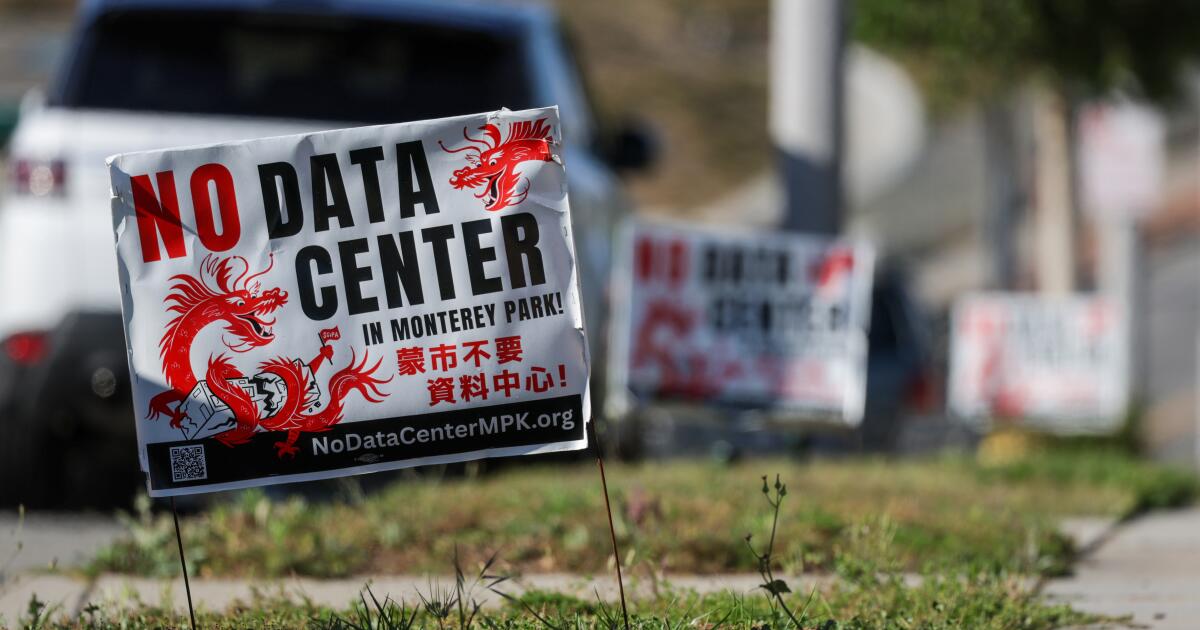
In a first for the country, voters in Monterey Park ban data centers
-
 Entertainment43 minutes ago
Review: Muscling past a flat script, a big-screen ‘Masters of the Universe’ embraces its own silliness

