Virginia
State group says Virginia should budget more for invasive species management – The Henrico Citizen


An area in Pony Pasture Park of the James River Park System showing native plant vegetation, including Virginia Creeper, Common Moonseed, Mockernut Hickory seedlings and Virginia Wild Rye. (Meghan McIntyre/Virginia Mercury)
A state group dedicated to dealing with invasive species in Virginia is recommending that the General Assembly include an extra $2.45 million in its next budget to limit the spread of invasive plant and animal species in the commonwealth.
The proposal backed by the Virginia Invasive Species Working Group Wednesday would pay for seven additional state positions to help eradicate and slow the spread of invasive species and development of a statewide coordinated response to problems related to invasives.
The recommendations will now head to the chairs of the House and Senate money and natural resources committees for their consideration.
Invasive species, said Secretary of Natural and Historic Resources Travis Voyles, “are costly to control, reduce productivity within forest and grow faster than native species and spread quickly. So addressing this issue of this magnitude is a long-term effort that must be implemented, in our view, over a period of time.”
The $2.45 million in funding is meant to support the full rollout of Virginia’s Invasive Species Management Plan, a document crafted in 2018 that outlines how state agencies can minimize the economic, environmental and human harms of invasive species.
The working group calls for the funds to be split among the four Virginia agencies primarily impacted by invasive species: the Department of Agriculture and Consumer Services, Department of Forestry, Department of Conservation and Recreation and Department of Wildlife Resources.
Species of special concern include wavy leaf grass, which invades forest floors; spotted lanternflies and two-horned trapa plants, the latter of which are invading ponds in Northern Virginia; black fountain grass, which leaves pastureland unusable by cattle; and zebra and quagga mussels, which attack native mussel species and damage infrastructure.
While DCR biologist Kevin Heffernan said the proposed funding is only a “drop in the bucket” when it comes to dealing with the destruction caused by invasive species, he called it a much-needed start.
Secretary of Agriculture and Forestry Matt Lohr similarly called the proposal a “first step” but said “there’s really never going to be enough money to do it all.”
“We wanted to be realistic, because you can spend $20 million a year and probably still not eradicate all these things,” Lohr said.
Heffernan noted the public has become increasingly interested in invasive species in recent years.
“People got to start knowing their parks and their backyards and started asking questions and they’ve been interested in native plants and native pollinators,” he said. “They’re starting to ask questions about those, and what comes up often is invasive species are a threat to all of those.”
Rod Walker and Jim Hurley of the Blue Ridge Partnership for Regional Invasive Species Management (PRISM) said a record 70 to 80 people attended one of their workshops on invasive species this year.
“These are people who wanted to be there to make a difference … people from all over the state representing a lot of constituencies,” Walker said.
Correction: An earlier version of this story incorrectly attributed a statement about a PRISM invasive species workshop’s attendance to Tom Smith instead of Jim Hurley.
* * *
This article first appeared on Virginia Mercury and is republished here with permission. Virginia Mercury is part of States Newsroom, a network of news bureaus supported by grants and a coalition of donors as a 501c(3) public charity. Virginia Mercury maintains editorial independence.



Lovingston, VA (7News) — Good Morning Washington interviews Amanda Beckwith of Virginia Distillery Company- one of the contributing distilleries to the Virginia Spirits Board’s 250th Celebration Trio Pack, a special, exclusive release created to commemorate America’s upcoming 250th anniversary. This limited-edition package features a curated collection of a rum, a gin, and a whiskey, all crafted from scratch by distillers in Virginia to celebrate the rich history and current state of distilling within the Commonwealth.
Beckwith elaborates on VA Distillery Company’s role in the project, noting her focus on Virginia-grown grain to make the bottle of unique whiskey that is included in the Trio Pack. It is also worth noting that the Trio Packs themselves were bottled and produced right here at Virginia Distilling Company!
American single malts are the newest official category of American whiskey, distilled from one grain and from a single distillery. Virginia Distillery Co specializes in this new category of whiskey and crafted their contribution to the Trio Pack with this very specialty. Given the limited remaining availability of the Trio Pack, its historical value and collectible nature, the message it loud and clear encouraging viewers to grab a pack before they are all gone!
BE THE FIRST TO COMMENT
21+ Please drink responsibly, this content is sponsored by Virginia Distillery Company.


Powerball, Mega Millions jackpots: What to know in case you win
Here’s what to know in case you win the Powerball or Mega Millions jackpot.
Just the FAQs, USA TODAY
The Virginia Lottery offers multiple draw games for those aiming to win big.
Here’s a look at June 24, 2026, results for each game:
Powerball
Powerball drawings are held Monday, Wednesday and Saturday at 11 p.m.
13-14-16-21-38, Powerball: 14, Power Play: 2
Check Powerball payouts and previous drawings here.
Saturday, June 27, 2026
Pick 3
DAY drawing at 1:59 p.m. NIGHT drawing at 11 p.m. each day.
Night: 3-1-5, FB: 8
Day: 7-8-8, FB: 4
Check Pick 3 payouts and previous drawings here.
Pick 4
DAY drawing at 1:59 p.m. NIGHT drawing at 11 p.m. each day.
Night: 4-7-2-1, FB: 7
Day: 7-3-4-6, FB: 3
Check Pick 4 payouts and previous drawings here.
Pick 5
DAY drawing at 1:59 p.m. NIGHT drawing at 11 p.m. each day.
Night: 7-5-2-6-9, FB: 0
Day: 6-9-4-0-7, FB: 0
Check Pick 5 payouts and previous drawings here.
Cash Pop
Drawing times: Coffee Break 9 a.m.; Lunch Break 12 p.m.; Rush Hour 5 p.m.; Prime Time 9 p.m.; After Hours 11:59 p.m.
Coffee Break: 12
After Hours: 08
Prime Time: 13
Rush Hour: 01
Lunch Break: 14
Check Cash Pop payouts and previous drawings here.
Cash 5
Drawing every day at 11 p.m.
09-12-15-24-43
Check Cash 5 payouts and previous drawings here.
Bank a Million
Bank a Million draws are held every Wednesday and Saturday at 11 p.m.
18-21-25-33-36-39, Bonus: 13
Check Bank a Million payouts and previous drawings here.
Millionaire for Life
Drawing everyday at 11:15 p.m.
03-04-10-36-37, Bonus: 05
Check Millionaire for Life payouts and previous drawings here.
Feeling lucky? Explore the latest lottery news & results
This results page was generated automatically using information from TinBu and a template written and reviewed by a Center for Community Journalism (CCJ) editor. You can send feedback using this form.

If you need help with the Public File, call (540) 512-1559
At WSLS, we are committed to informing and delighting our audience. In our commitment to covering our communities with innovation and excellence, we incorporate Artificial Intelligence (AI) technologies to enhance our news gathering, reporting, and presentation processes. Read our article to see how we are using Artificial Intelligence.
-
 Politics8 minutes ago
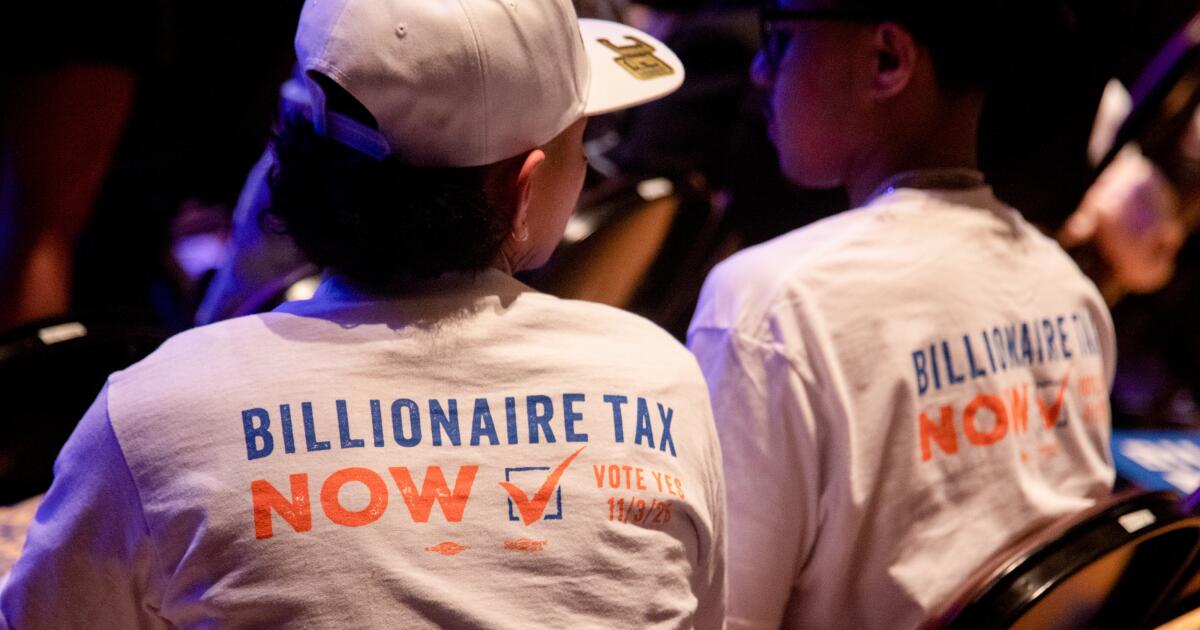
Controversial billionaire tax proposal will appear on November ballot
-
 Sports16 minutes ago
Shohei Ohtani is the first Dodger to be named 2026 All-Star
-

 World26 minutes ago
Who will control Africa’s AI infrastructure and at what cost
-
 News53 minutes ago
The Supreme Court says the U.S. can turn away asylum seekers at the border
-

 Los Angeles, Ca2 hours ago
Jury says it is deadlocked in trial of man accused in Palisades Fire
-

 Detroit, MI3 hours ago
Scene active as police shoot, kill man on Detroit’s west side
-

 San Francisco, CA3 hours ago
Civil grand jury report warns of wildfire risk at SF’s Glen Canyon Park
-

 Dallas, TX3 hours ago
Ivory Coast advances at World Cup, how to buy Ivory Coast tickets

