


Who doesn’t love strolling cobblestone streets after a hearty meal of shrimp and grits? Well, maybe some don’t — but the millions of people flocking to Charleston every year suggest otherwise.
Between the sun-drenched beaches and the rich cultural history, it’s no wonder many vacationers start wondering what it would actually take to call the Palmetto State “home.”
Long regarded as a retiree’s paradise, South Carolina’s biggest draw remains its incredibly low property taxes, which are some of the lowest in the nation. Plus, no “death tax” in the state means your heirs have more wealth to hold onto.
From just $107.88 $24.99 for Kiplinger Personal Finance
Become a smarter, better informed investor. Subscribe from just $107.88 $24.99, plus get up to 4 Special Issues
CLICK FOR FREE ISSUE
Sign up for Kiplinger’s Free Newsletters
Profit and prosper with the best of expert advice on investing, taxes, retirement, personal finance and more – straight to your e-mail.
Profit and prosper with the best of expert advice – straight to your e-mail.
So if you’re looking to make the move without breaking the bank, here are the ten cheapest places to live in South Carolina right now.
Cheapest places to live in South Carolina
After ranking property tax bills from highest to lowest per county in South Carolina, you can bet on one thing: Rural areas win out. You’ll typically find a lower cost of living in the countryside than in the hustle and bustle of a big city.
But if you want to cash in on historic sites, state parks, and motor speedways (and maybe want to commute for other enjoyments), check out these cheap places to live in South Carolina.
Note: Kiplinger used the latest data presented by the Tax Foundation (sourced from the U.S. Census Bureau) to find the cheapest counties in South Carolina to live in.
Williamsburg County
(Image credit: Getty Images)
Median property tax bill: $687
Median home price: $104,500
Williamsburg homes are pretty affordable, with a median home price of around $104,500. Property tax bills can be cheap too, sitting right under $690 per 2026 data released by the Tax Foundation.
If you have dreams of living in Charleston but want the feel of a small town, Williamsburg may be perfect for you, according to the county’s Economic Development Board. The area features historic homes dating back to the 1700s, backdropped against southern magnolias and pine forests.
Residents enjoy fishing, hiking, and paddling at the new Black River State Park, shopping at the local farmer’s market, or exploring historic ties at the Williamsburgh Society Museum. Plus, you’re about a 90-minute drive from Myrtle Beach and Charleston.
Come to Williamsburg for down-home southern comfort and charm, and stay for the relatively low property tax bills.
Allendale County
(Image credit: Getty Images)
Median property tax bill: $669
Median home price: $76,200
Allendale has the lowest median home price on our list, at only $76,200. The median property tax bill is also relatively cheap at just $669, according to the latest data from the U.S. Census Bureau.
Allendale County remains one of the most budget-friendly entry points in South Carolina, though it’s a choice that requires a love for true rural isolation.
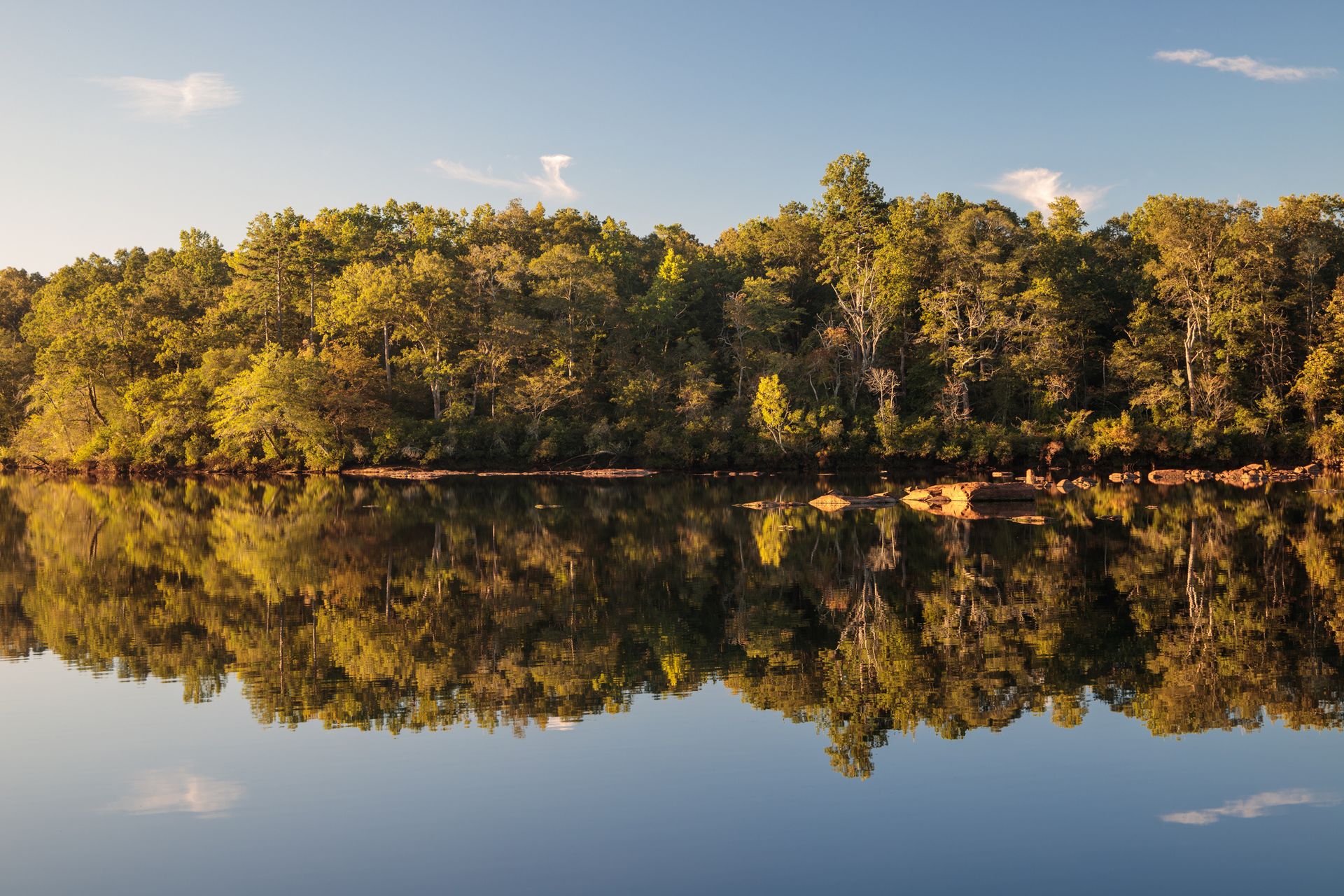
In the summer, residents head to Barnwell State Park for lakefront swimming and fishing. As the humidity drops in the fall, the area becomes an explorer’s playground — from the walking trails at Burton’s Ferry Bridge to the world-renowned archaeological discoveries at the Topper Site.
If you have the flexibility of a remote job and a desire to trade the hustle for a significantly slower pace, you might consider relocating to Allendale County, South Carolina.
Darlington County

(Image credit: Getty Images)
Median property tax bill: $652
Median home price: $158,200
Home prices are relatively low in Darlington; the median price tag is hardly above $158,000. The median property tax bill is also cheap — less than $655 — according to the Tax Foundation.
Most people know Darlington County for one thing: “The Track Too Tough to Tame.” As home to NASCAR’s oldest superspeedway, the county pulses with energy twice per year, drawing over 47,000 fans to the area. But once the engines quiet down, you’re left with one of the most affordable and hospitable regions in the Pee Dee.
You can trade the asphalt for the cypress-lined boardwalks of Williamson Park or take a walking tour through one of the county’s five nationally recognized historic districts, where massive oaks and antebellum architecture define the landscape.
Whether you’re here for the adrenaline of the Southern 500 or the quiet beauty of the South Carolina botanical trails, Darlington County proves you don’t have to sacrifice culture for cost.
Cherokee County
(Image credit: Getty Images)
Median property tax bill: $614
Median home price: $142,000
Named after the Cherokee people who inhabited the land, the county tends to have a lower median price, at around $142,000. Property taxes can be relatively affordable as well, with a median bill of $614, according to the latest 2026 data from the U.S. Census Bureau.
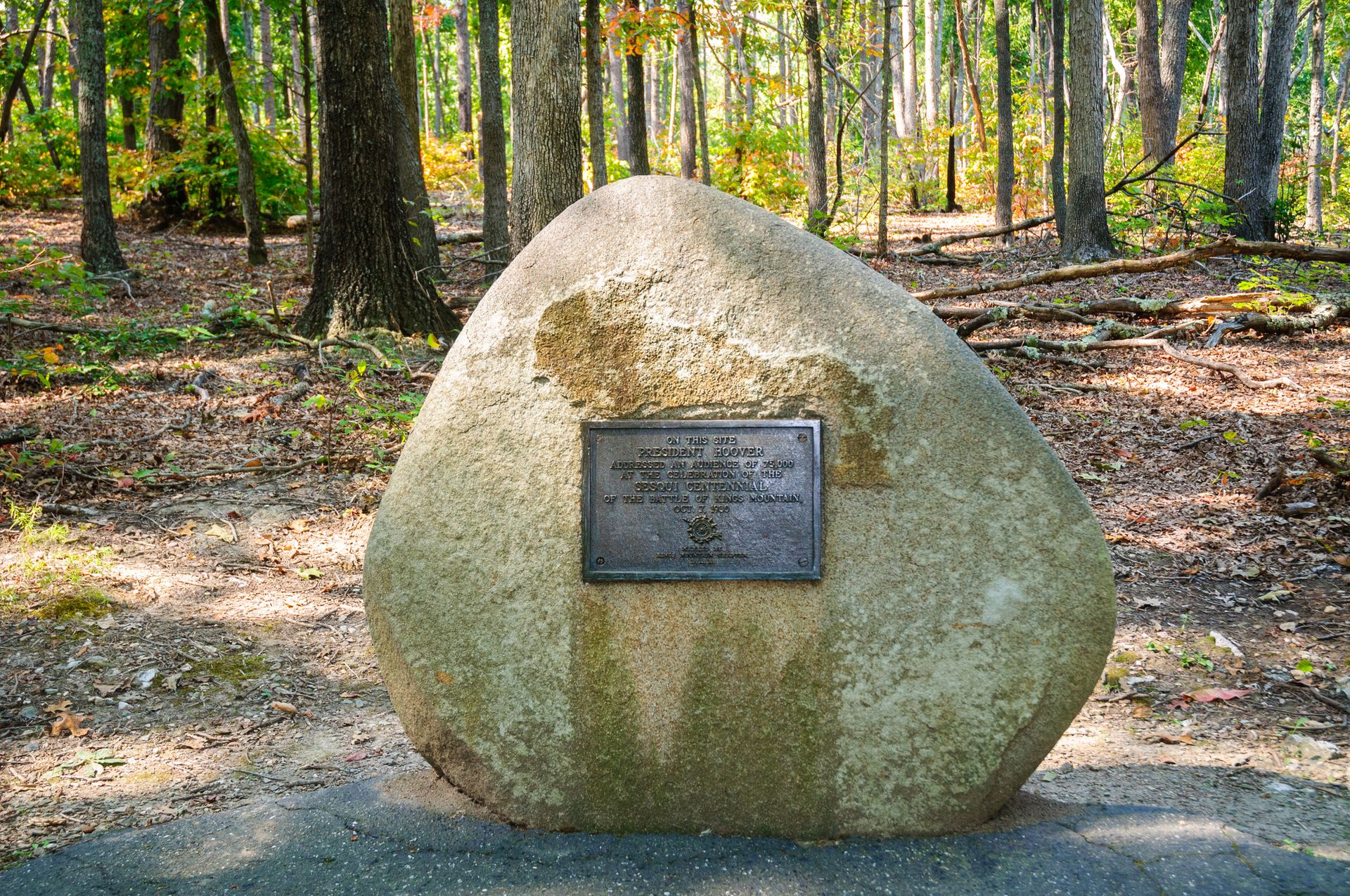
History buffs — especially those with an interest in military strategy — will find a lot to love in Cherokee County. This is the home of the Kings Mountain National Military Park, the site of the battle Thomas Jefferson famously called “the turn of the tide of success” during the Revolutionary War. Today, the county keeps that spirit alive through lantern tours along campaign trails, war demonstrations, and visitations to colonial-era sites.
But it’s not all about the past; the area boasts a vibrant modern culture, from the seasonal productions at a local theater to the South Carolina Peach Festival, which transforms the city of Gaffney into a hub of live music and carnival fun every July.
If you’re looking for deep-rooted heritage and a community that celebrates its “peachy” local flavor, Cherokee is a top-tier budget pick.
Lee County
(Image credit: Getty Images)
Median property tax bill: $599
Median home price: $104,600
Located in the Pee Dee region, Lee has relatively low home prices, with a median of around $104,600. Property tax bills are barely shy of $600, per the latest information from the Tax Foundation.
Lee County is a place that proves art can grow anywhere. The region is home to the world-renowned Pearl Fryar Topiary Garden, a three-acre “living” masterpiece of hope and inspiration.
Following the legendary artist’s passing in early April 2026, his work has become a rallying point for the community; now preserved by a local nonprofit, the garden remains a sanctuary for those who find peace in horticulture and grassroots creativity.
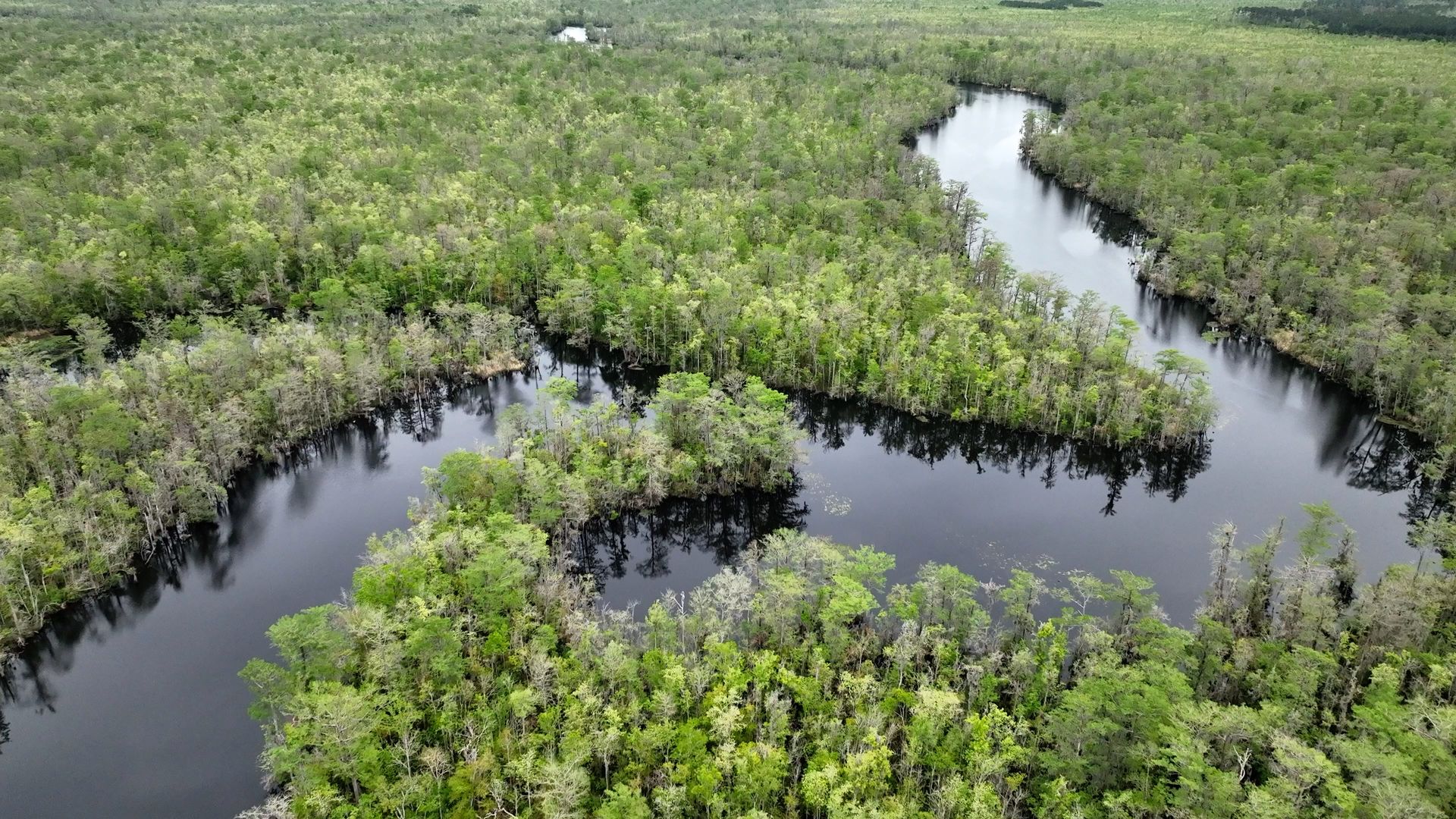
The beauty extends beyond the garden to the banks of the Lynches River and the sprawling trails of Lee State Park. It’s a quiet, rural lifestyle, but the area is currently seeing a modern spark; the county seat of Bishopville is undergoing a major $5 million downtown revitalization, including a new technical education center that is breathing fresh life into historic structures.
In Lee County, you aren’t just buying an affordable home — you’re joining a community dedicated to growth, preservation, and the legendary hospitality of the Pee Dee.
Union County
(Image credit: Getty Images)
Median property tax bill: $579
Median home price: $103,600
Union home prices are relatively low, under $104,000, according to the Tax Foundation. Median property tax bills are relatively low at approximately $579 per year. The property tax bill in Union is also cheaper than all surrounding South Carolina counties.
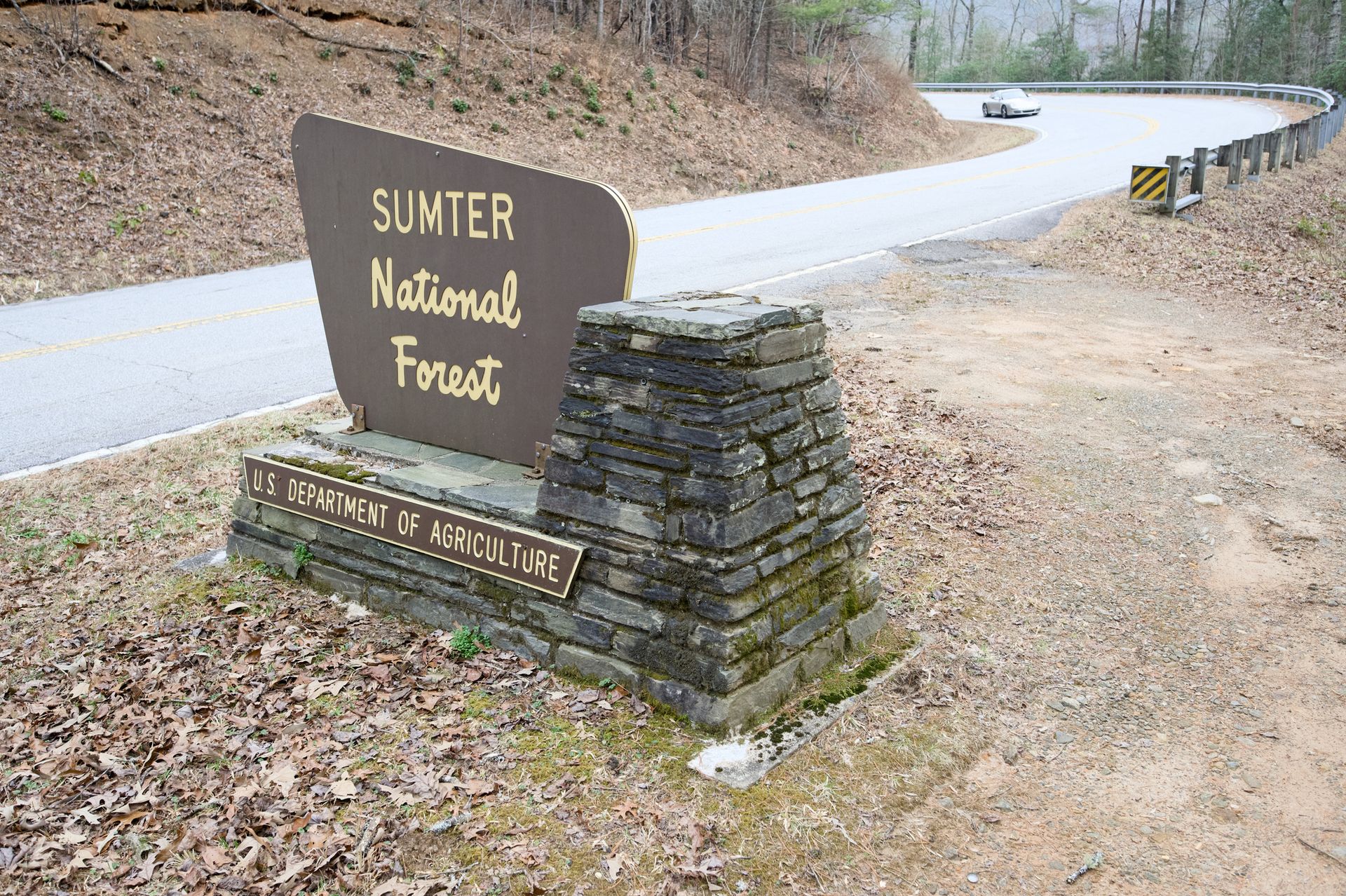
For those who want their backyard to be nearly 62,000 acres of wilderness, Union County is a dream. Home to a significant portion of the Sumter National Forest, the area offers endless territory for hunting, camping, and hiking. Water lovers can spend their weekends on the Tyger River Canoe Trail or fishing at one of the county’s five major lakes.
After a day in the forest, you might want to stop at Midway BBQ in Buffalo. As the last remaining “hash house” in the county, this 85-year-old Southern institution serves up local flavors that travel guides consistently rank as a “must-visit.”
Whether it’s an afternoon or an eventual stay, Union County offers plenty to do with a relatively low property tax bill to boot.
Marlboro County

(Image credit: Getty Images)
Median property tax bill: $496
Median home price: $82,000
Marlboro County has the second-lowest median home price on our list at $82,000. And the median property tax bill hovers at $496, according to the U.S. Census Bureau.
If you’re looking for a place with “kick,” Marlboro County has it — literally. The region is the birthplace of Blenheim Ginger Ale, a cult-favorite spicy soda that’s been bottled there since 1903.
Beyond the soda pop, the Marlboro lifestyle is surprisingly active. Until two years ago, residents flocked to Lake Paul Wallace, a 300-acre oasis in Bennettsville that features a rare “split” design: one side is a peaceful waterfowl refuge and fishing spot, while the other boasts a white sandy beach for swimming and water skiing.
However, recent damage to the dam has caused closures, though the state of South Carolina has allocated $25 million for repairs to begin in 2027.
Between the historic heritage sites in the county seat and the sprawling fields of strawberries and corn, Marlboro offers a quintessential rural South Carolina experience with cheap property tax bills.
Chesterfield County

(Image credit: Getty Images)
Median property tax bill: $487
Median home price: $116,200
Chesterfield can be relatively affordable, with the median home price around $116,200. Meanwhile, the median property tax bill in the area is just $487, according to the Tax Foundation.
Often described as the “Gateway to the Carolinas,” Chesterfield is the ideal spot for those who value peace over proximity. The county is rural, scenic, and considered by some a top-tier choice for retirees or families looking to trade city noise for starlit nights. The trade-off? You’ll likely face a 45-minute drive for major retail hubs — but for many, the cost savings make the commute more than worth it.
The region is a playground for outdoor enthusiasts. You can spend your mornings horseback riding through the Sand Hills State Forest or golfing at one of the area’s championship 18-hole courses.
For those ready to settle into the great outdoors, Chesterfield County may be one of South Carolina’s best-kept secrets.
Dillon County
(Image credit: Getty Images)
Median property tax bill: $452
Median home price: $85,400
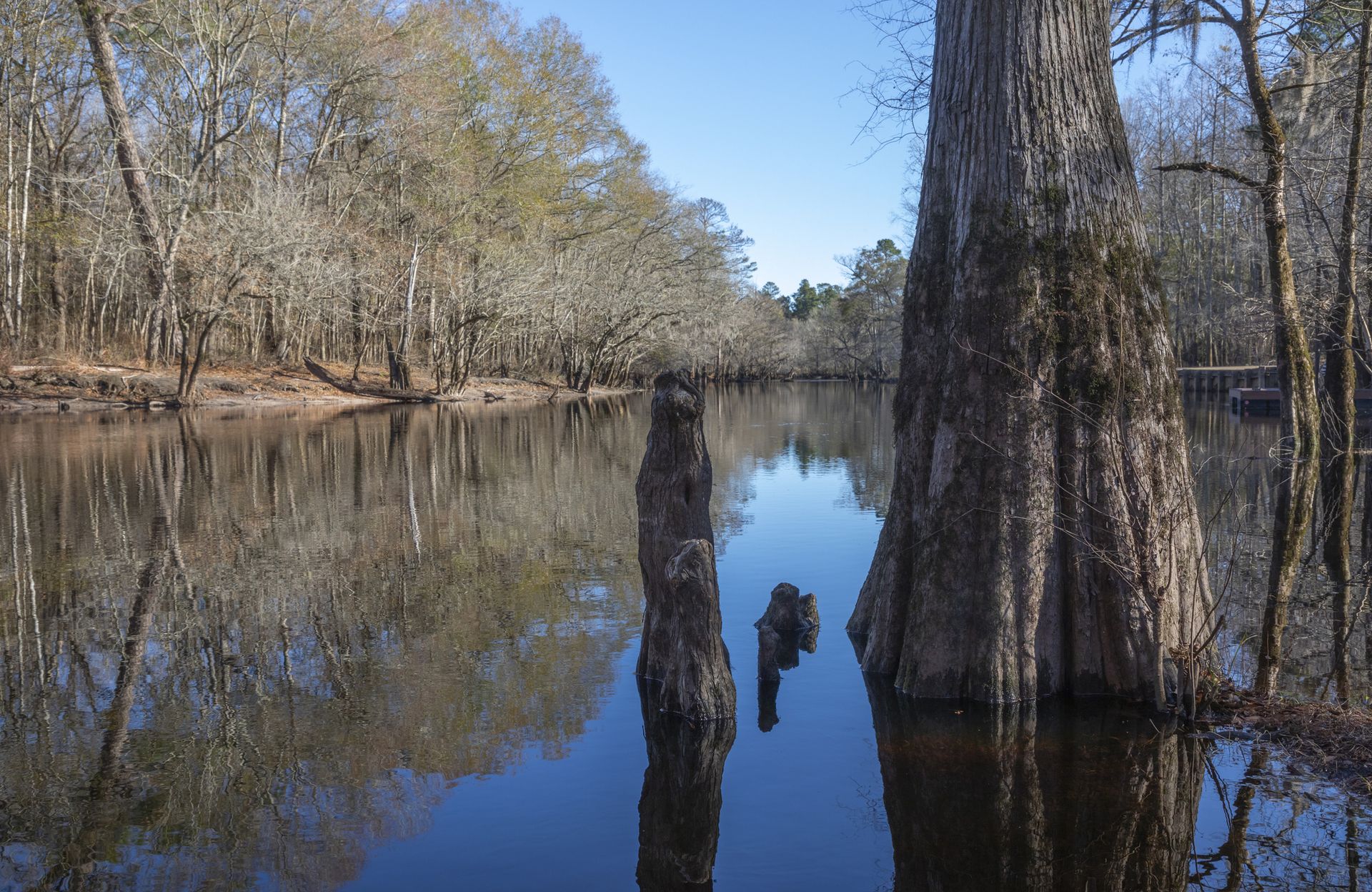
About 40 minutes out from Florence is Dillon County, South Carolina. But home prices are more affordable in Dillon than in metropolitan areas. The median house price is $85,400, and property tax bills can also be quite cheap. Residents pay a median bill of $452, according to 2026 data.
For those searching for a “small-town” soul with a slow, intentional pace, Dillon County is a top contender.
Outdoor life is the heartbeat of the region, with locals spending their weekends camping and fishing at Little Pee Dee State Park. While travelers might recognize the county for the neon lights of the famous “South of the Border” attraction along I-95, residents know the area for its quiet streets and community staples like the Dillon County Theatre and the local history museum.
If you enjoy high-octane weekends, the Dillon Motor Speedway also provides a local alternative to the larger tracks, keeping the racing tradition alive without the “big city” traffic.
Dillon County is the perfect escape for those looking to disconnect from the metro life without disconnecting from their savings account.
Marion County
(Image credit: Getty Images)
Median property tax bill: $436
Median home price: $93,200
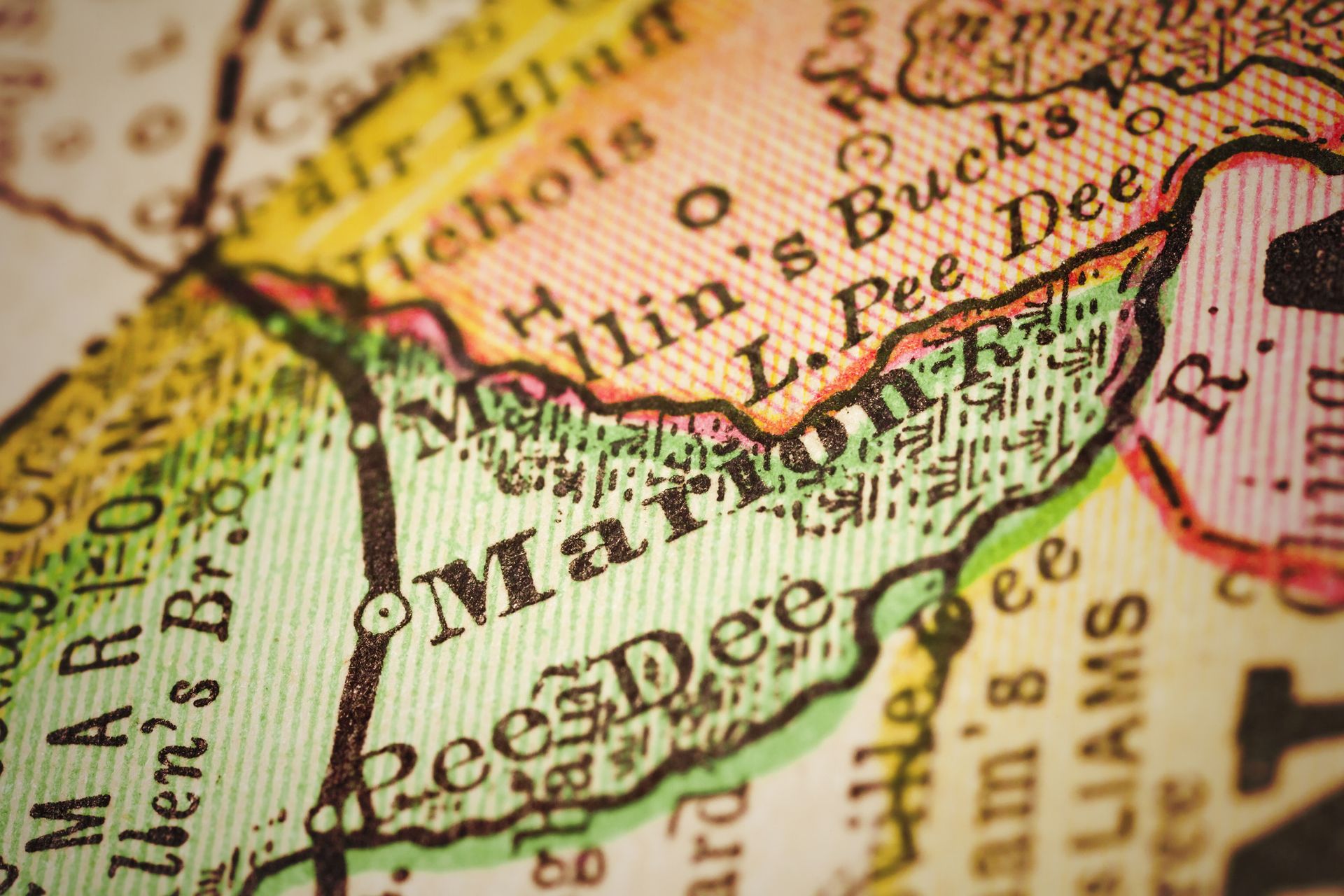
Marion County is the cheapest place to live in South Carolina. The median property tax bill is only $436, and home prices are around $93,200, per the most recent Tax Foundation information.
Known as “Swamp Fox” country for its deep ties to the winding Little Pee Dee River and revolutionary war leader Francis Marion, this county is steeped in rustic history.
Today, Marion is defined by its stunning antebellum architecture and serves as the ultimate affordable alternative to the coast — offering a peaceful retreat approximately 45 minutes away from the bustle of Myrtle Beach.
Charming, moss-draped streets lead residents to the historic train depot and the scenic Catfish Creek Canal, where hiking and biking trails offer a front-row seat to the area’s natural beauty. For a deeper dive into the local soul, the Holliday House offers immersive tours that capture the elegance of a bygone era.
Adventure and tranquility await in Marion County, the cheapest place to live in South Carolina.






