Oklahoma
What to know heading into Alabama softball's super regional at Oklahoma


What to know heading into Alabama softball’s super regional at Oklahoma
Alabama softball is two wins away from its third straight Women’s College World Series appearance. To advance, the Crimson Tide must get past the four-time defending national champion.
After entering this year’s NCAA Tournament as the No. 15 national seed, Alabama (40-21) cruised to its 19th regional title in 20 years. Now, in order to reach Oklahoma City, the Tide must make a pitstop in Norman, Oklahoma, where it will need to beat the No. 2 national seed Sooners (48-7) in a best-of-three series this weekend.
Alabama joined Tennessee and Florida as the only three teams to record multiple wins over Oklahoma this season. The Tide beat the Sooners two out of three games in Tuscaloosa, Alabama, last month, suffering a 5-1 defeat in the series opener before battling back for a 6-1 victory in Game 2 and an extra-inning 2-1 win in Game 3.
Repeating the feat in Oklahoma’s Love Stadium, where the Sooners are 25-2 this season, will be a much tougher feat. However, Alabama head coach Patrick Murphy isn’t stressing the challenge.
“We have nothing to lose, right?” Murphy told reporters Wednesday. “They should win. They’re favored. They’re at home. All the things are in their favor. So all we’re going to do is go out there and play our hardest with a lot of energy, have short-term memories. If something bad happens, who cares? So what, now what? And move on to the next pitch.”
Alabama and Oklahoma will square off at 4 p.m. CT on Friday for Game 1, followed by a 2 p.m. start time on Saturday for Game 2. If necessary, Game 3 of the series will be on Sunday at a time yet to be determined.
Here’s everything you need to know about the super regional.
Alabama names to watch
Audrey Vandagriff | CF | Freshman
Alabama’s success at the plate starts with Vandagriff — figuratively and literally. Earlier this week, the Tide’s leadoff hitter was named one of three finalists for the National Fastpitch Coaches Association’s National Freshman of the Year award. Vandagriff leads Alabama with a .406 batting average, 69 hits, 51 runs scored, eight doubles and 37 walks. The speedy center fielder also tops the team with 50 stolen bases, which ranks second nationally.
Vandagriff joins former Tide speedsters Brittany Rogers and Kayla Braud as the third player in program history to reach 50 stolen bases in a season. She is now 10 steals away from Rogers’ single-season program record of 60 set in the 2008 season.
During Alabama’s series win over Oklahoma last month, Vandagriff combined to go 4-for-10 at the plate, including a walk-off solo home run in the bottom of the eighth during Alabama’s 2-1 win in Game 3.
Kali Heivilin | 2B | Senior
Heivilin carried Alabama at the plate during last week’s Tuscaloosa Regional. During three wins over Jackson State and Virginia Tech, the senior second baseman went a combined 3-for-7 with a pair of walks and four RBIs. That included a two-run home run to put the Tide ahead during its Game 2 win over Virginia Tech.
Heivilin leads the team with 14 home runs and is tied for the team lead with 46 RBIs. She’s also second on the team with a .371 batting average and a .464 on-base percentage. During last month’s series against Oklahoma, Heivilin went 4-for-9 with a pair of RBIs, including a home run in Game 2 of the series.
Catelyn Riley | SP | Senior
Riley earned the win in Alabama’s regional-clinching victory over Virginia Tech last Sunday. The Tide will need the Ole Miss transfer to come up big again in the circle if it’s going to silence a loaded Oklahoma lineup.
Riley leads the team with a 2.57 earned run average while posting an 11-3 record with 63 strikeouts over 117 innings pitched. During last month’s series against Oklahoma, Riley pitched a combined 13⅔ innings, giving up just one earned run on 10 hits while striking out eight batters. That included a complete-game performance during Alabama’s 2-1 victory over eight innings in Game 3.
Jocelyn Briski | SP | Sophomore
Briski has Alabama’s best stuff in the circle, but the sophomore has struggled with consistency this season. She has posted a 17-12 record with a 2.78 ERA over 161 innings pitched while leading the team with 116 strikeouts.
Briski is coming off a solid performance during the Tuscaloosa Regional, in which she earned the win in Game 2 before coming in for the save in Game 3. Over 7⅔ innings against Virginia Tech, she allowed three earned runs on seven hits while striking out six batters.
Briski came in relief to take the loss in Game 1 of Alabama’s series against Oklahoma last month. However, she rebounded for a complete-game win in Game 2. Over 8⅓ innings against the Sooners, she gave up three earned runs on three hits while striking out three batters.
Oklahoma names to watch
Kasidi Pickering | RF | Sophomore
Pickering leads Oklahoma with a .419 batting average and a .567 on-base percentage. The slugging leadoff hitter is also tied for the team lead with 54 RBIs and ranks second with 17 home runs. During her three games against Alabama earlier this year, she went 3-for-11 with an RBI.
Nelly McEnroe-Marinas | 3B | Redshirt freshman
After a preseason injury sidelined her last season, McEnroe-Marinas has put together a stellar debut season for the Sooners this spring. The redshirt freshman third baseman is hitting .347 with 14 home runs and 47 RBIs. She also led the SEC with 10 home runs during conference play. McEnroe-Marinas struggled in her three games against Alabama, going just 1-for-11 with a pair of RBIs.
Sam Landry | SP | Senior
Landry has been Oklahoma’s ace this season, compiling a 22-4 record with a 2.00 ERA while striking out 165 batters over 160⅔ innings. The Louisiana transfer earned SEC Newcomer of the Year and was also part of the SEC All-Defensive Team on top of earning first-team all-conference honors.
Landry went 1-1 against Alabama earlier this year, winning Game 1 before taking the loss in Game 3. The right-hander pitched a combined 14-plus innings against the Tide, giving up three earned runs on 10 hits while striking out 11 batters.
Familiar foe, unfamiliar territory
Alabama and Oklahoma have met 17 times previously, with Alabama holding a 10-7 record in the all-time series. However, this will be the Tide’s first-ever trip to Norman where it will play in front of a rowdy Love’s Field crowd that seats more than 4,000 fans.
“I talked to somebody, and they said, ‘Murph, you’re going to feel like you’re playing at the Rhoads House. They’re just cheering against you,’” Murphy told reporters. “It’s that type of atmosphere, and it’s really cool. And kudos to the Oklahoma athletic department for investing almost $42 million into the softball stadium, and it’s paying off. The return on investment is tremendous.”
While Love’s Field is intimidating to most, the intense environment won’t be anything new for the Tide. Alabama is used to playing in front of packed crowds at Rhoads Stadium and faced the No. 9 ranked strength of schedule this season, according to Warren Nolan.
“I would say that we’re the most prepared that we could be,” Alabama catcher Marlie Giles told reporters. “We’re blessed to be in an awesome conference, and we’ve played at some really hard places like Texas A&M. That stadium was crazy when we played there. We’ve played at Florida. Really this season has just prepared us for this atmosphere.”
Keeping the ball in the yard
Alabama did a good job of quieting the nation’s home run leader during the Tuscaloosa Regional, holding Virginia Tech’s Cori McMillan to 1-for-6 at the plate with a pair of strikeouts. The Tide’s pitchers will need a similar performance against an Oklahoma lineup that leads the SEC and ranks third nationally with 110 home runs over 55 games.
“They’ve got hitters up and down the lineup,” Murphy told reporters. “We need to keep the ball in the park, for sure, because that’s how they really win. They like to see the ball fly. So if we can keep the ball in the park, hold them to singles, runs, not big innings, that’s the goal for us.
During its three-game series against Alabama last month, Oklahoma scored four of its combined seven runs on home runs. That included a two-run shot from Maya Bland in Game 1, followed by solo home runs from Sydney Barker (Game 2) and McEnroe-Marinas (Game 3).


In this week’s Your Vote Counts, Oklahoma’s Own Scott Mitchell leads Jason Dunnington and Sen. Paul Rosino in a discussion about new Oklahoma laws, including those addressing data centers. Other topics include inflation and the ongoing impact of the war in Iran.

Looking for the perfect spot to celebrate Independence Day in Oklahoma this year? From massive fireworks displays over Grand Lake to food truck festivals and live music across the OKC metro, communities are pulling out all the stops to celebrate the Declaration of Independence. Grab your lawn chairs, round up the family, and get ready for an unforgettable week of summer fun. Here is your ultimate guide to the best Fourth of July events happening right in your backyard!
Key takeaways
- The bigger picture: Oklahoma communities are going all out for Independence Day in 2026, with celebrations spanning from Norman’s four-day Fourth Fest to major fireworks displays in Edmond, Tulsa, and on Grand Lake — giving families across the state plenty of options close to home.
- More details: Highlights include Liberty Fest in Edmond, one of the largest fireworks displays in the metro area, the Duck Creek Fireworks on Grand Lake featuring a War Bird flyover tribute synchronized to patriotic music, and Tribute to Liberty in Midwest City, which combines live music, a laser show, and fireworks in honor of the Declaration of Independence’s 250th anniversary.
- Why this matters: This year’s celebrations carry extra weight as part of America’s semiquincentennial, with several events — including Tribute to Liberty and the Duck Creek Fireworks — built around honoring both the nation’s founding and the service members who’ve defended it.
- Date: 9:45 p.m. July 1-4
- Location: Reaves Park; 2501 S Jenkins Ave., Norman
This year’s Fourth Fest is bigger than ever before, spanning four days. The city has added additional programming across multiple parks. Before the fireworks, enjoy a wide range of attractions including bouncy houses, local vendors, food trucks, pony rides, and a petting zoo. The fireworks show begins at 9:45 p.m. on July 4.
- Date: 8:30 p.m. July 3
- Location: Scissortail Park, 300 SW 7th St., Oklahoma City
OKCPHIL’s Red, White, and Boom concert is a high-energy celebration that brings the community together for an unforgettable summer evening of music. The Oklahoma City Philharmonic performs a vibrant program of American classics, fan favorites, and patriotic anthems.
- Date: 6-10 p.m. July 3
- Location: Boomer Lake Park; 2310 E Lakeview Road, Stillwater
This Independence Day celebration will include area vendors, food trucks, hometown hospitality, and a fireworks show. Free parking will be available at Stillwater High School’s Pioneer Stadium.
- Date: July 3-4
- Location: Yukon City Park & Chisholm Trail Park, 2200 S Holly Ave., Yukon
Bring the whole family to Freedom Fest in Yukon! Experience a lineup of live outdoor concerts, peruse the food trucks on site, and enjoy the activities for kids.
- Date: 2-10 p.m. July 4
- Location: Buck Thomas Park, 1903 NE 12th St., Moore
Enjoy one of the largest fireworks shows in the state with food trucks, vendors, and activities throughout the day. Admission is free. Fireworks will begin around 9:45 p.m.
- Date: 7-10 p.m. July 4
- Location: Joe B. Barnes Regional Park, 8700 E Reno Ave., Midwest City
Bring your chairs and join Midwest City in its celebration of the 250th anniversary of the Declaration of Independence. Enjoy food trucks, games, The Wise Guys performing live on stage, a huge fireworks display, and a laser show.
- Date: 9:30 p.m. July 4
- Location: University of Central Oklahoma; 100 N University Drive, Edmond
Liberty Fest’s grand finale is one of the largest fireworks displays in the metro area. Bring your entire family to witness the spectacular show. Parking is available in lots on campus.
- Date: July 4
- Location: Grand Lake O’ the Cherokees, 32888 S 4507 Road, No. 8123, Afton
Duck Creek Fireworks is the longest-running tradition on Grand Lake. Keep an eye out for the highly anticipated War Bird flyover, a tribute to the men and women serving overseas. The fireworks, beginning at sunset, will be synchronized to patriotic music.
- Date: July 4
- Location: River West Festival Park, 2100 S Jackson Ave., Tulsa
Celebrate America’s independence at Tulsa’s annual FreedomFest celebration. This celebration includes all-ages entertainment and a variety of activities and tasty concessions. FreedomFest features one of the largest free fireworks displays in Oklahoma.


Odds of winning the Powerball and Mega Millions are NOT in your favor
Odds of hitting the jackpot in Mega Millions or Powerball are around 1-in-292 million. Here are things that you’re more likely to land than big bucks.
The Oklahoma Lottery offers several draw games for those aiming to win big.
Here’s a look at June 27, 2026, results for each game:
Winning Powerball numbers from June 27 drawing
03-16-28-30-59, Powerball: 11, Power Play: 2
Check Powerball payouts and previous drawings here.
Winning Lotto America numbers from June 27 drawing
03-08-18-22-39, Star Ball: 06, ASB: 02
Check Lotto America payouts and previous drawings here.
Winning Pick 3 numbers from June 27 drawing
3-6-9
Check Pick 3 payouts and previous drawings here.
Winning Cash 5 numbers from June 27 drawing
15-17-20-25-26
Check Cash 5 payouts and previous drawings here.
Winning Powerball Double Play numbers from June 27 drawing
02-26-34-43-45, Powerball: 15
Check Powerball Double Play payouts and previous drawings here.
Winning Millionaire for Life numbers from June 27 drawing
26-32-38-51-52, Bonus: 05
Check Millionaire for Life payouts and previous drawings here.
Feeling lucky? Explore the latest lottery news & results
Are you a winner? Here’s how to claim your lottery prize
- Sign Your Ticket: Please make sure to sign and complete the back of your ticket
- You have 180 days from the draw date to claim your prize.
- Prizes up to $600: Can be claimed at any Oklahoma Lottery retailer or at the Oklahoma Lottery Winner Center, located at 300 N. Broadway in downtown Oklahoma City. Hours of operation are Monday – Friday 7:30 am – 4:00 pm.
- Prizes from $601 to $49,999: These can be claimed at the Oklahoma Lottery Winner Center or by mail. Payments can be issued as a check or direct deposit (ACH). Claiming in person requires a photo of the front and back of the winning ticket, a valid ID, official proof of Social Security number and a completed claim form.
- Prizes of $50,000 or more: These can be claimed in person at the Oklahoma Lottery Winner Center or by mail. Payment options include check or ACH. Bring a photo of the front and back of the winning ticket, proof of Social Security number, a completed claim form, and valid ID.
Mail-in Claims: Mail the original signed ticket and a completed claim form to the Oklahoma Lottery, P.O. Box 548810, Oklahoma City, OK 73154. For direct deposit, include a voided check or bank letter with your account details. Non-winning tickets are not accepted, and Oklahoma Lottery assumes no responsibility for lost or stolen mail.
For additional details, refer to the official Oklahoma Lottery claim page.
When are the Oklahoma Lottery drawings held?
- Powerball: 9:59 p.m. CT Monday, Wednesday and Saturday.
- MEGA Millions: 10 p.m. CT Tuesday and Friday.
- Lucky for Life: 9:38 p.m. CT daily
- Lotto America: 9:15 p.m. CT Monday, Wednesday and Saturday.
- Pick 3: 9:10 p.m. CT daily.
- Cash 5: 9:10 p.m. CT daily.
- Powerball Double Play: 9:59 p.m. CT Monday, Wednesday and Saturday.
- Millionaire for Life: 10:15 p.m. CT daily.
This results page was generated automatically using information from TinBu and a template written and reviewed by an Oklahoma editor. You can send feedback using this form.
-
 Lifestyle7 minutes ago
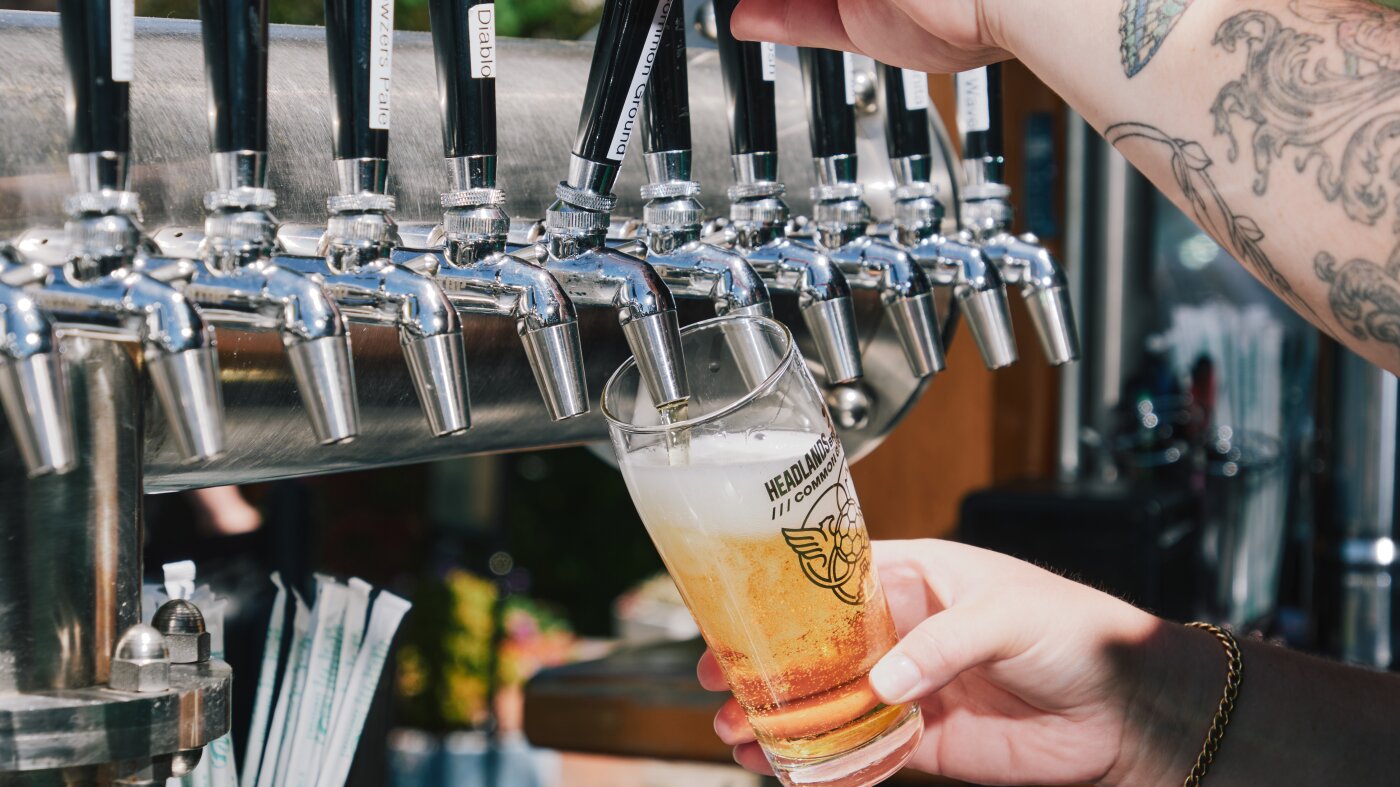
3 World Cup rivals find ‘Common Ground’ in a cross-border beer
-

 Technology19 minutes ago
The Flipper Zero creators’ Busy Bar productivity display will go on sale next month
-

 World22 minutes ago
Families watch in horror as skydiving plane crashes in France, killing all 11 aboard
-

 Politics27 minutes ago
DOJ launches grand jury probe into Marxist mogul Neville Roy Singham’s funding of leftist groups
-

 Health34 minutes ago
America’s lifespan has doubled since 1776 — experts reveal what changed
-

 Sports37 minutes ago
Thekla embarrasses Stardom’s Starlight Kid after retaining AEW World Women’s Championship at Forbidden Door
-

 Technology42 minutes ago
AI may spot deadly heart risk in a routine ECG
-
 Business49 minutes ago
SpaceX IPO sparks race for luxury housing in Southern California

