Oklahoma
OU conquers ’24 demons, reclaims gymnastics title


FORT WORTH, Texas — The Oklahoma Sooners had 366 days to stew on their early exit from the 2024 NCAA gymnastics championships and the denial of their quest for a three-peat.
After being inundated with a seemingly never-ending replay of what went wrong and, according to head coach K.J. Kindler, frequent criticism and hate, Oklahoma officially reclaimed its place atop the college gymnastics world by winning the NCAA women’s title Saturday with a 198.0125 final score, 0.4 better than runner-up UCLA.
It marked the Sooners’ third NCAA team title in four years and their seventh since 2014.
While the disappointment from the 2024 season made the victory even sweeter, Kindler insisted the team wasn’t thinking about redemption entering Saturday’s final at Dickies Arena — even if everyone else was.
“Our theme wasn’t redemption this year at all,” Kindler told reporters just moments after the team hoisted the trophy. “We did our best to put it behind us. It just was following us everywhere and so it was almost impossible. Every time you look in the rearview mirror, it was just there.
“And so does it make it sweet? Yes, but this team was capable of this last year. We just failed. And people fail all the time. They fail every day. And we talk about [it] all the time that the glory is in getting back up again.”
Oklahoma opened the meet on balance beam and set the tone for an impressive afternoon. Freshman Lily Pederson, who fell on the event during the semifinals Thursday, had one of the best performances of her college career with a 9.9375 in the third position. With six gymnasts competing on each event and the top five scores counting toward the total, the Sooners didn’t have to include a score under 9.90. Their 49.6125 put them in a tie with UCLA, which opened on floor, for the early lead.
After that, the Sooners took control, grabbing a .300 lead over the Bruins at the halfway mark, and never looked back.
“We did exactly what we do at the gym every single day,” fifth-year senior Audrey Davis said. “We didn’t change it, we didn’t try and be different. We went out there and we did our gymnastics. We left it all out on the floor, we really did. We ended on empty. And that was a big thing for our team, to really go out there and just do our normal, not to be any different, not to put too much pressure on ourselves [and] to really just enjoy it. And it started on beam. We fricking did that and then we went on and on and on and it was just amazing.”
By the time Oklahoma had finished its third rotation on vault and further extended its lead, the team appeared jovial and was seen dancing while waiting to rotate to its final event.
The final rotation on uneven bars felt more like a victory lap. The Sooners waited to formally cheer and react to what they had accomplished after the final scores were posted on the jumbotron, but their excitement was palpable and it was clear they knew well before it was official. Despite some strong performances by UCLA on beam during the fourth rotation, including a pair of 9.9375 scores by junior Jordan Chiles and senior Emma Malabuyo, the deficit was too much for the Bruins to overcome.
While not the result it had wanted, UCLA ultimately had its best result since 2019 with its second-place finish. Chiles had the best all-around score in the competition with a 39.7750 on the day.
Utah initially appeared to finish in third place before a last-minute score inquiry increased Missouri’s final total. Ultimately the Tigers finished in third place — the program’s best-ever result in its first final appearance — and Utah ended in fourth place. Many of the Red Rocks, including star senior Grace McCallum, appeared to be crying during the trophy presentation.
Utah’s reaction was a stark contrast to that of Oklahoma, just several feet away. The Sooners led a “Boomer Sooner” chant while waiting to accept their trophy and then danced to DJ Khaled’s “All I Do Is Win” while confetti rained down.
But it was the 2024 result that helped propel the team to victory.
Oklahoma used it as motivation throughout the preseason and throughout the regular season. Despite being ranked No. 1 for much of the regular season, Kindler and the Sooners referred to themselves as “underdogs” and believed they had something to prove. Having fallen in the semifinals last season after recording three uncharacteristic landing errors on vault, the team’s first event of the meet, Oklahoma admitted there was some relief Thursday after advancing, and Kindler said she was grateful “the dragon had been slayed.” She added she never again wanted “to see TV footage of Oklahoma falling over and over again on vault.”
With that weight lifted, and perhaps with the shocking semifinal elimination of LSU — the defending national champions and perhaps Oklahoma’s fiercest rival and threat for the title — the Sooners were able to simply focus on their performances Saturday afternoon. It was something Kindler had said they needed to figure out Thursday after their semifinal.
“After advancing, and we got to today, we were free,” Davis said. “We had no weight on our shoulders. We were free to do our best gymnastics.”
Added senior Jordan Bowers, who won the individual all-around title Thursday, “We were all very present, too. I would say that’s something our coaches have really talked to us about, especially this weekend, [just] being present and not thinking too far ahead or in the past.”
So while Kindler and the Sooners might not have been focused on redemption, they achieved it — and then some — with their staggering turnaround from one year ago.
With its seven team championships, Oklahoma moves into a tie with UCLA for third all time, trailing only Georgia (10) and Utah (9). While the Sooners are losing Davis, Bowers and Danielle Sievers, the team should remain among the front-runners to win the title in 2026. They return several star underclassmen, including junior Faith Torrez and Pederson. And Danae Fletcher, a senior who has been unable to compete since the first meet of the 2024 season due to two ACL tears, announced Saturday she would be coming back for a fifth year.



In this week’s Your Vote Counts, Oklahoma’s Own Scott Mitchell leads Jason Dunnington and Sen. Paul Rosino in a discussion about new Oklahoma laws, including those addressing data centers. Other topics include inflation and the ongoing impact of the war in Iran.

Looking for the perfect spot to celebrate Independence Day in Oklahoma this year? From massive fireworks displays over Grand Lake to food truck festivals and live music across the OKC metro, communities are pulling out all the stops to celebrate the Declaration of Independence. Grab your lawn chairs, round up the family, and get ready for an unforgettable week of summer fun. Here is your ultimate guide to the best Fourth of July events happening right in your backyard!
Key takeaways
- The bigger picture: Oklahoma communities are going all out for Independence Day in 2026, with celebrations spanning from Norman’s four-day Fourth Fest to major fireworks displays in Edmond, Tulsa, and on Grand Lake — giving families across the state plenty of options close to home.
- More details: Highlights include Liberty Fest in Edmond, one of the largest fireworks displays in the metro area, the Duck Creek Fireworks on Grand Lake featuring a War Bird flyover tribute synchronized to patriotic music, and Tribute to Liberty in Midwest City, which combines live music, a laser show, and fireworks in honor of the Declaration of Independence’s 250th anniversary.
- Why this matters: This year’s celebrations carry extra weight as part of America’s semiquincentennial, with several events — including Tribute to Liberty and the Duck Creek Fireworks — built around honoring both the nation’s founding and the service members who’ve defended it.
- Date: 9:45 p.m. July 1-4
- Location: Reaves Park; 2501 S Jenkins Ave., Norman
This year’s Fourth Fest is bigger than ever before, spanning four days. The city has added additional programming across multiple parks. Before the fireworks, enjoy a wide range of attractions including bouncy houses, local vendors, food trucks, pony rides, and a petting zoo. The fireworks show begins at 9:45 p.m. on July 4.
- Date: 8:30 p.m. July 3
- Location: Scissortail Park, 300 SW 7th St., Oklahoma City
OKCPHIL’s Red, White, and Boom concert is a high-energy celebration that brings the community together for an unforgettable summer evening of music. The Oklahoma City Philharmonic performs a vibrant program of American classics, fan favorites, and patriotic anthems.
- Date: 6-10 p.m. July 3
- Location: Boomer Lake Park; 2310 E Lakeview Road, Stillwater
This Independence Day celebration will include area vendors, food trucks, hometown hospitality, and a fireworks show. Free parking will be available at Stillwater High School’s Pioneer Stadium.
- Date: July 3-4
- Location: Yukon City Park & Chisholm Trail Park, 2200 S Holly Ave., Yukon
Bring the whole family to Freedom Fest in Yukon! Experience a lineup of live outdoor concerts, peruse the food trucks on site, and enjoy the activities for kids.
- Date: 2-10 p.m. July 4
- Location: Buck Thomas Park, 1903 NE 12th St., Moore
Enjoy one of the largest fireworks shows in the state with food trucks, vendors, and activities throughout the day. Admission is free. Fireworks will begin around 9:45 p.m.
- Date: 7-10 p.m. July 4
- Location: Joe B. Barnes Regional Park, 8700 E Reno Ave., Midwest City
Bring your chairs and join Midwest City in its celebration of the 250th anniversary of the Declaration of Independence. Enjoy food trucks, games, The Wise Guys performing live on stage, a huge fireworks display, and a laser show.
- Date: 9:30 p.m. July 4
- Location: University of Central Oklahoma; 100 N University Drive, Edmond
Liberty Fest’s grand finale is one of the largest fireworks displays in the metro area. Bring your entire family to witness the spectacular show. Parking is available in lots on campus.
- Date: July 4
- Location: Grand Lake O’ the Cherokees, 32888 S 4507 Road, No. 8123, Afton
Duck Creek Fireworks is the longest-running tradition on Grand Lake. Keep an eye out for the highly anticipated War Bird flyover, a tribute to the men and women serving overseas. The fireworks, beginning at sunset, will be synchronized to patriotic music.
- Date: July 4
- Location: River West Festival Park, 2100 S Jackson Ave., Tulsa
Celebrate America’s independence at Tulsa’s annual FreedomFest celebration. This celebration includes all-ages entertainment and a variety of activities and tasty concessions. FreedomFest features one of the largest free fireworks displays in Oklahoma.


Odds of winning the Powerball and Mega Millions are NOT in your favor
Odds of hitting the jackpot in Mega Millions or Powerball are around 1-in-292 million. Here are things that you’re more likely to land than big bucks.
The Oklahoma Lottery offers several draw games for those aiming to win big.
Here’s a look at June 27, 2026, results for each game:
Winning Powerball numbers from June 27 drawing
03-16-28-30-59, Powerball: 11, Power Play: 2
Check Powerball payouts and previous drawings here.
Winning Lotto America numbers from June 27 drawing
03-08-18-22-39, Star Ball: 06, ASB: 02
Check Lotto America payouts and previous drawings here.
Winning Pick 3 numbers from June 27 drawing
3-6-9
Check Pick 3 payouts and previous drawings here.
Winning Cash 5 numbers from June 27 drawing
15-17-20-25-26
Check Cash 5 payouts and previous drawings here.
Winning Powerball Double Play numbers from June 27 drawing
02-26-34-43-45, Powerball: 15
Check Powerball Double Play payouts and previous drawings here.
Winning Millionaire for Life numbers from June 27 drawing
26-32-38-51-52, Bonus: 05
Check Millionaire for Life payouts and previous drawings here.
Feeling lucky? Explore the latest lottery news & results
Are you a winner? Here’s how to claim your lottery prize
- Sign Your Ticket: Please make sure to sign and complete the back of your ticket
- You have 180 days from the draw date to claim your prize.
- Prizes up to $600: Can be claimed at any Oklahoma Lottery retailer or at the Oklahoma Lottery Winner Center, located at 300 N. Broadway in downtown Oklahoma City. Hours of operation are Monday – Friday 7:30 am – 4:00 pm.
- Prizes from $601 to $49,999: These can be claimed at the Oklahoma Lottery Winner Center or by mail. Payments can be issued as a check or direct deposit (ACH). Claiming in person requires a photo of the front and back of the winning ticket, a valid ID, official proof of Social Security number and a completed claim form.
- Prizes of $50,000 or more: These can be claimed in person at the Oklahoma Lottery Winner Center or by mail. Payment options include check or ACH. Bring a photo of the front and back of the winning ticket, proof of Social Security number, a completed claim form, and valid ID.
Mail-in Claims: Mail the original signed ticket and a completed claim form to the Oklahoma Lottery, P.O. Box 548810, Oklahoma City, OK 73154. For direct deposit, include a voided check or bank letter with your account details. Non-winning tickets are not accepted, and Oklahoma Lottery assumes no responsibility for lost or stolen mail.
For additional details, refer to the official Oklahoma Lottery claim page.
When are the Oklahoma Lottery drawings held?
- Powerball: 9:59 p.m. CT Monday, Wednesday and Saturday.
- MEGA Millions: 10 p.m. CT Tuesday and Friday.
- Lucky for Life: 9:38 p.m. CT daily
- Lotto America: 9:15 p.m. CT Monday, Wednesday and Saturday.
- Pick 3: 9:10 p.m. CT daily.
- Cash 5: 9:10 p.m. CT daily.
- Powerball Double Play: 9:59 p.m. CT Monday, Wednesday and Saturday.
- Millionaire for Life: 10:15 p.m. CT daily.
This results page was generated automatically using information from TinBu and a template written and reviewed by an Oklahoma editor. You can send feedback using this form.
-
West Virginia3 minutes ago
E-News | Suggest topics for Mountain State Conference on Disabilities
-

 Wyoming6 minutes ago
Red Flag Warning issued for northeast Wyoming as high winds increase fire danger
-

 Crypto11 minutes ago
Arthur Hayes Bets $2.2 Million on SYN, Backing Hypercall to Challenge Deribit
-
Finance18 minutes ago
Palestinian Authority pushes electronic payments to combat financial crisis, Israeli restrictions | The Jerusalem Post
-

 Fitness21 minutes ago
Business News: Stock and Share Market News, Economy and Finance News, Sensex, Nifty, Global Market, NSE, BSE Live IPO News – Moneycontrol.com
-

 Movie Reviews33 minutes ago
Movie Review: ‘Supergirl’ – Catholic Review
-

 World41 minutes ago
Clockenflap’s Justin Sweeting and Woozi Studio’s Mia Min Yen on Asia’s Live Music Boom at Golden Melody Festival: ‘No Longer Is a Fan Just Buying a Ticket, But Investing in a Memory’
-
 Lifestyle1 hour ago
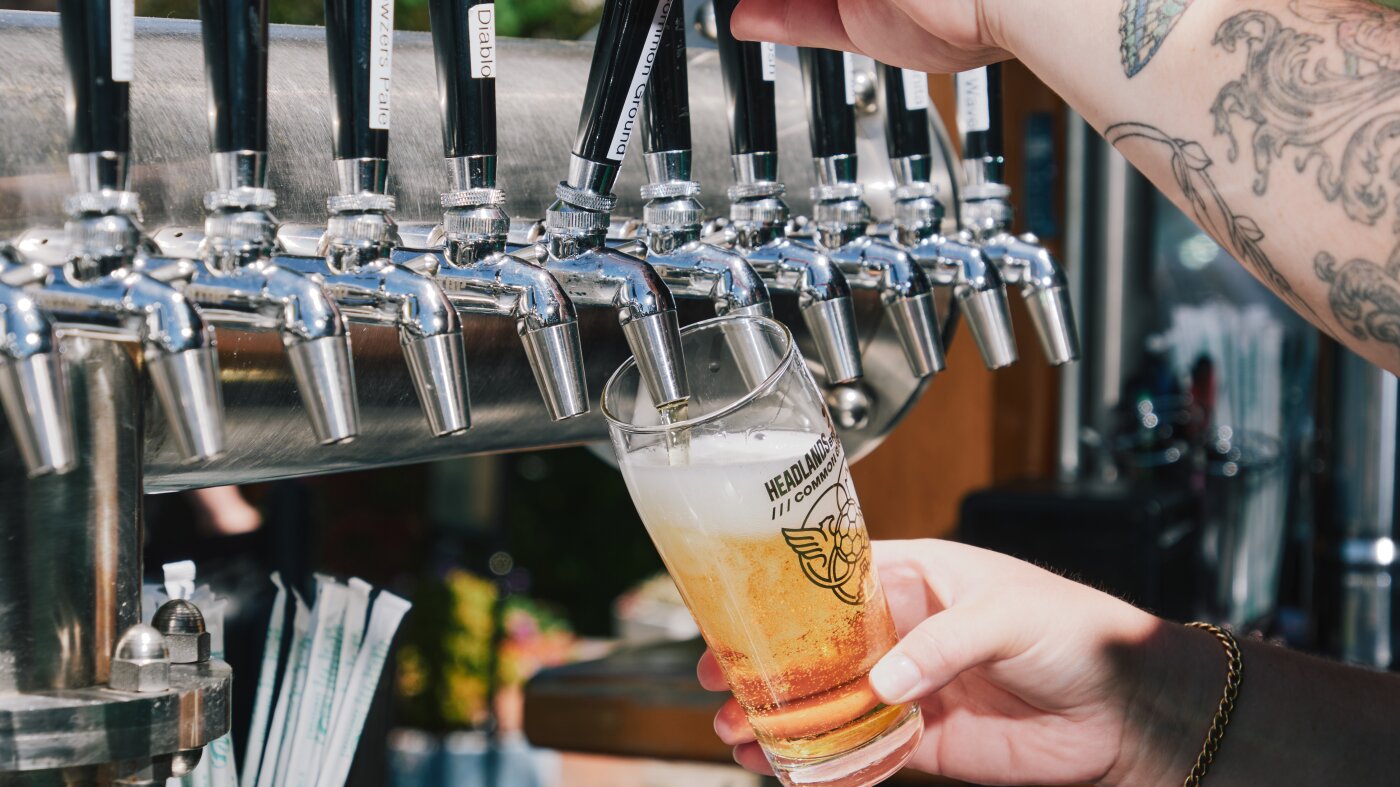
3 World Cup rivals find ‘Common Ground’ in a cross-border beer

