Alabama
New Alabama Privacy Law Adds to Compliance Challenges for Businesses | PYMNTS.com


Alabama has become the latest state to enact a comprehensive consumer privacy regime, adding further complexity to an already fragmented U.S. regulatory landscape and raising new compliance imperatives for businesses operating across state lines.


Alabama has Talent will return Aug. 1 to the Mount Vernon Performing Arts Center in Tallassee, where organizers hope to once again showcase performers from across the state while bringing communities together through the arts.
“There’s so much talent out there and a lot of it just needs an opportunity to be discovered,” organizer Veronica Harris said. “In a world where we seem more and more disconnected, doing things that promote community is a way for us to come together and connect.”
The second annual competition includes separate divisions for children under 16 and adults, with grand prizes of $500 and $1,000. Entry is free for contestants and family-friendly acts of all kinds are welcome. Registration remains open through July 20.
Among those helping spread the word locally is Greenville artist and Muse Alabama Executive Director Jill Marlar. After attending last year’s inaugural competition, Marlar contacted Harris and has since encouraged several of her own students to participate in this year’s youth division.
“It was top-notch talent and all different ages,” Marlar said. “To sit there in a place I grew up, in a full theater, and see that just really gave me chills.” She said meeting Harris and seeing the event firsthand inspired her to become involved and introduce her students to the competition.

Alabama baseball is expected to hear another player’s name called as the 2026 MLB Draft gets underway today.
Several members of the Crimson Tide’s latest College World Series team are eligible for selection, but the biggest name to watch is shortstop Justin Lebron.
Over three seasons in Tuscaloosa, Lebron accumulated a .309 clip with 46 home runs. Defensively, he was just as impressive, posting a .947 fielding percentage to continue solidifying himself as one of the top shortstops in the draft class.
The first round of the draft will start at noon on Saturday, July 11. Picks one through 40 can be seen on TV at MLB Network.
Where Justin Lebron stands in final 2026 MLB Draft projections
In the final MLB Pipeline mock draft, Jonathan Mayo picked Lebron to go 11th overall to the Washington Nationals. Jim Callis selected Lebron as the pick for the Los Angeles Angels, going 12th, which is also what The Athletic predicted in its July 10 mock.
ESPN’s last mock draft had Lebron going 10th to the Colorado Rockies.
FanGraphs’ mock draft on July 8 projected Lebron as the 17th overall pick, going to the Houston Astros.
Lebron’s highest projection came from USA Today. Wajih AlBaroudi had the 21 year-old going 8th overall to the Oakland A’s.
Emilee Smarr covers Alabama basketball and Crimson Tide athletics for The Tuscaloosa News. she can be reached via email at esmarr@usatodayco.com.
Alabama
Small Plane Makes Emergency Landing In Peanut Field Near Florida-Alabama Line : NorthEscambia.com

A single-engine plane made an emergency landing in an Alabama peanut field near the Florida state line on Friday afternoon.
The pilot and a student made the landing in the field after experiencing engine trouble, approximately 0.7 miles south-southwest of the runway at the Atmore Municipal Airport. There were no injuries.
The 2023 Diamond DA 40 NG plane belonging to Skywarrior Flight Training of Pensacola did not sustain any apparent damage.
For more photos, click here.
The incident occurred just north of Old Bratt Road, which is also known as State Line Road in Florida. The Florida-Alabama state line is generally considered to be along the middle of the roadway.
NorthEscambia.com photos, click to enlarge.

-

 Health2 minutes ago
Last American to use an iron lung dies at 78 years old after childhood polio diagnosis
-

 Sports5 minutes ago
Conor McGregor’s long-awaited Octagon return cut short by apparent knee injury seconds into UFC 329
-

 Technology10 minutes ago
Robotaxi pit stops could pop up near you
-
 Business17 minutes ago
‘Moana’ debuted just 10 years ago. Why Disney is remaking it as a live-action movie
-
 Entertainment20 minutes ago
Wes Anderson’s needle-drop genius gets its due at his Hollywood Bowl tribute
-
 Lifestyle25 minutes ago
‘The Odyssey’ is the mother of bad-trip tales. Why are we obsessed with travel disasters?
-
 Politics32 minutes ago
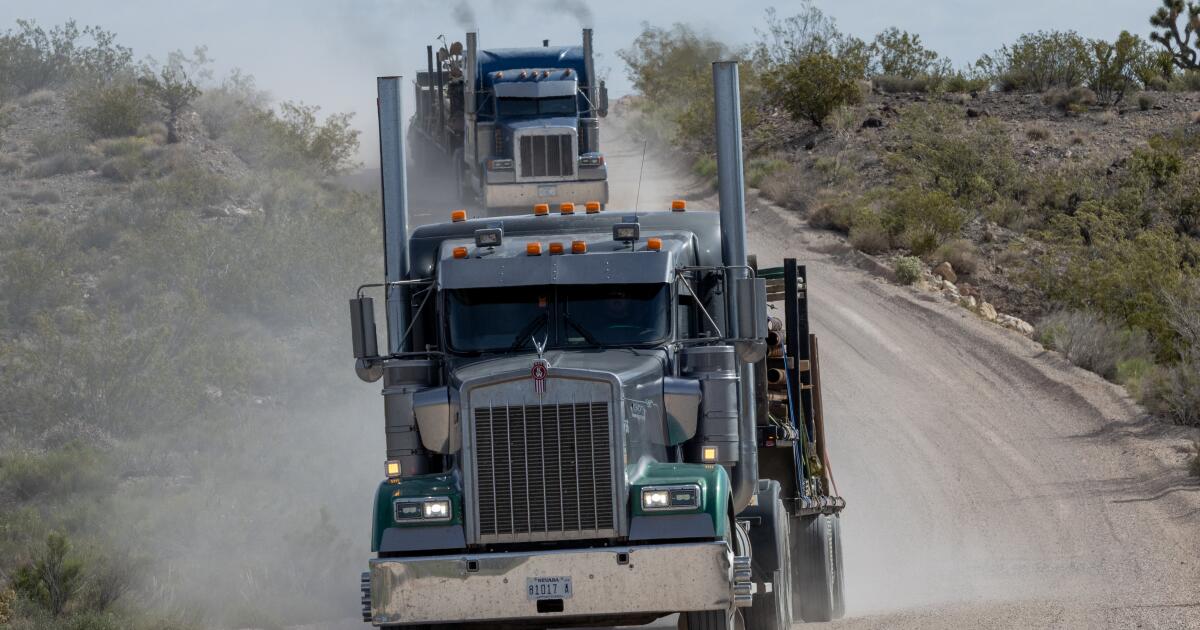
Trump slashes wildlife protections, putting endangered California animals at risk
-
 Sports40 minutes ago
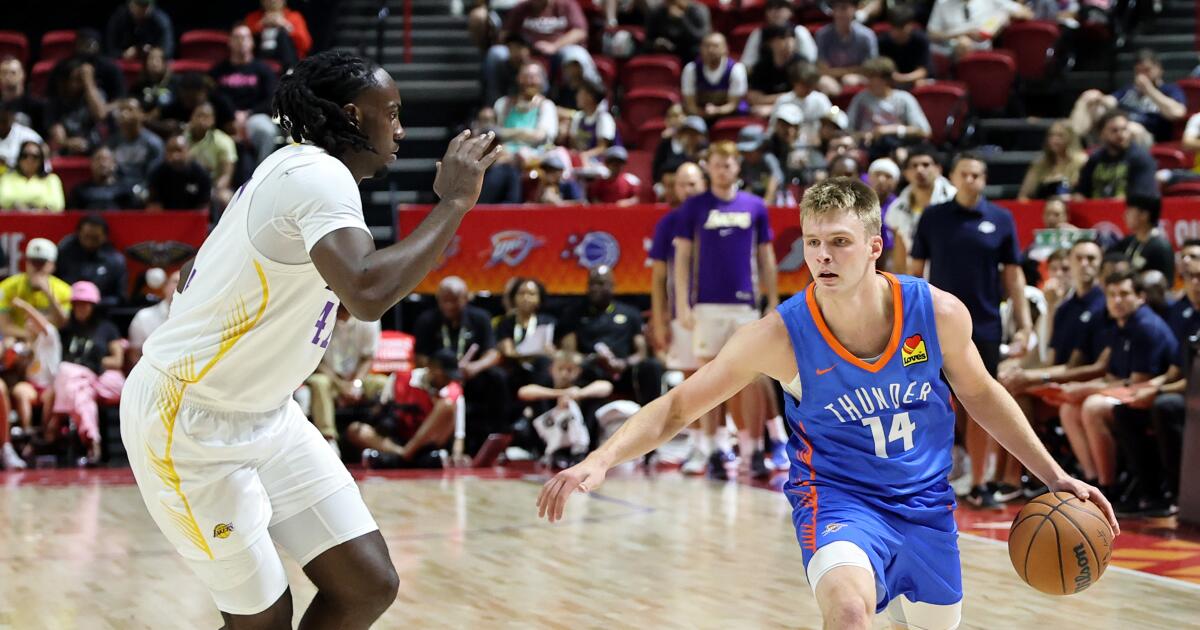
Lakers’ Arthur Kaluma erupts for 34 points in breakout Summer League performance

