Science
Plain ol' water is out. Hydration supplements are in. But do these top 8 brands really work?


You see them crowding checkout counters at grocery stores — a rainbow of bubble-gum pink, lime green and blueberry packets, slender and upright, like a multicolored chorus line of dancers tempting an impulse purchase. At the gym, they’re dissolved into enormous jugs of cherry-tinted water.
They’re especially prevalent on TikTok. Just search #watertok for a flood of #watergirlies, clutching Stanley tumblers at their #waterstations, which are crammed with neon-bright hydration powders and flavored syrups. #Wateroftheday? How about Strawberry Birthday Cake Water. Or Caramel Apple Sucker Water.

In L.A., water rules everything around us. Drink up, cool off and dive into our stories about hydrating and recreating in the city.
“If your water isn’t turning your mouth blue, you’re apparently hydrating wrong,” one skeptical dietitian observed on TikTok last year.
Hydration supplements in the form of powders, tablets and liquid additives have become a norm among consumers over the last decade, and are more popular than ever. The global electrolyte hydration drinks market was valued at $1.72 billion in 2023, according to Data Bridge Market Research. And it’s growing. The business of boosting one’s H2O is projected to reach $3.26 billion by 2031.
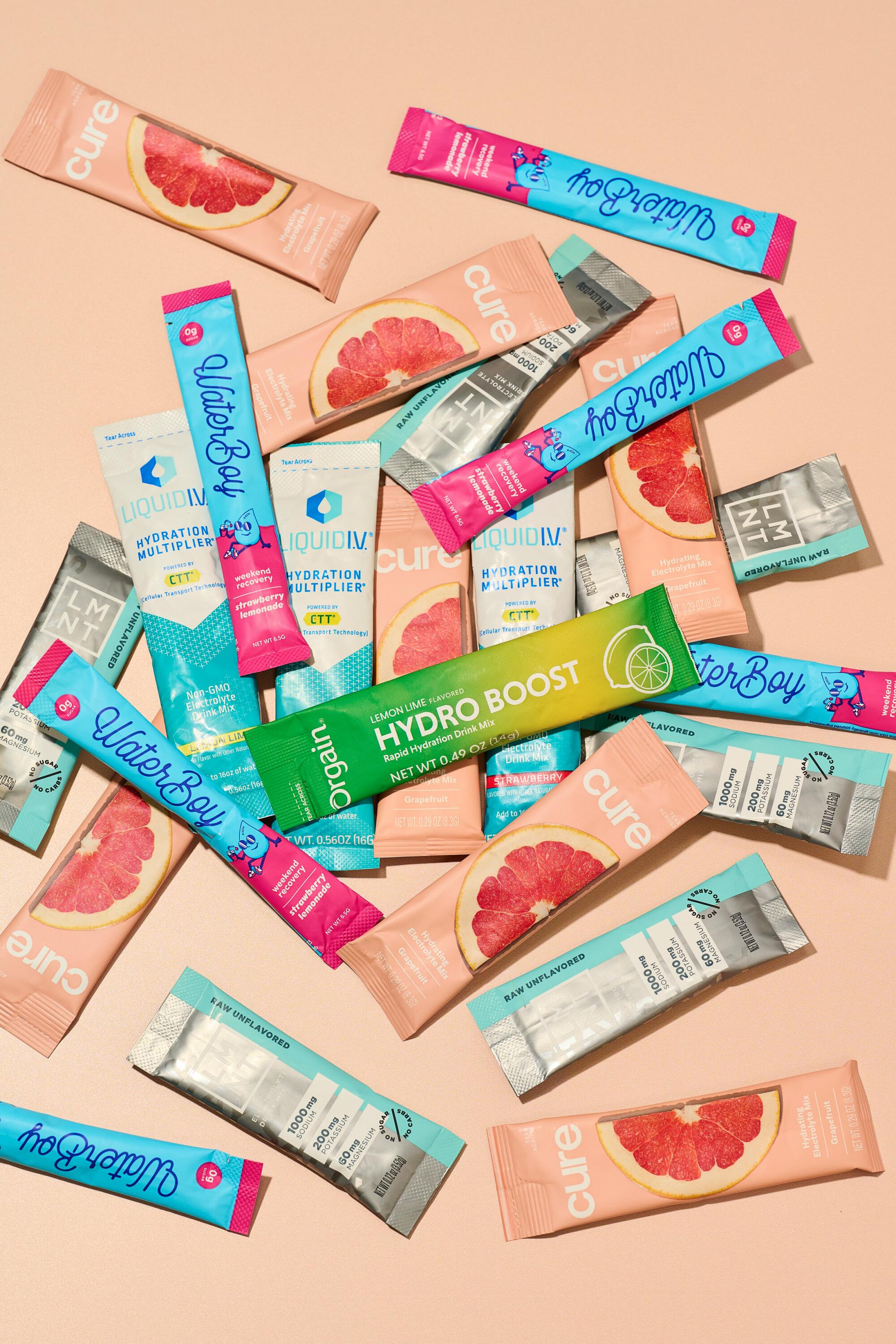
Hydration supplements are sold at most major grocery stores around L.A. The market for these powders has grown in recent years.
Why hydration is important
This bonanza of new hydration products plays to a basic but critical need: More than 50% of people around the globe, including in the U.S., are chronically underhydrated, according to the National Institutes of Health, which cites worldwide surveys. (“Underhydration” refers to people who don’t meet the recommended daily fluid intake, whereas “dehydration” refers to a more severe fluid deficit.)
Those statistics are concerning, considering hydration is the oil to our body’s engine. It aids in muscle repair, digestion, energy and focus. It’s necessary for lubricating joints, regulating body temperature and removing toxins from the body. It carries nutrients to cells and is crucial for hormonal balance, which can affect blood pressure and the menstrual cycle. Our level of hydration also contributes to our hair and skin health.
“Proper hydration keeps every system of the body running smoothly,” says dietitian-nutritionist Vanessa King, a spokesperson for the Academy of Nutrition and Dietetics.
After years of striving to adhere to a 1945 U.S. Food and Nutrition Board recommendation of eight glasses of water a day, it tracks that we’d want to zhuzh up the ritual. (Some studies, however, suggest we need less water daily and that water requirements vary for individuals.) But is there any actual health value to these water additives? Do they aid with hangovers, enhance our workouts or energize us? Or are they simply there to make plain old water taste like a piña colada?
It depends on what product you’re peppering into your Hydro Flask.
“Hydration supplements can replenish you when your fluid status is down — so after workouts, for hangovers or when you’ve been sick,” says Dr. Vijaya Surampudi, an endocrinologist, nutrition specialist and professor at UCLA. “Depending on their composition, some get better absorbed and improve your hydration. Some are just for flavoring and they can have a lot of sugar or artificial coloring — it can be like drinking a soda.”
Hydration supplements can help replenish your body’s fluid status after workouts, colds or when you’re hungover, according to UCLA professor Dr. Vijaya Surampudi.
She notes that because these powders and tablets are categorized as supplements, they aren’t regulated by the U.S. Food and Drug Administration. “So you just have to trust what’s on the label.” (To fill this gap in regulation, some sleuthing social media users have even carved out a niche content genre in which they analyze the ingredients listed on the labels of celebrity-backed supplements.)
What’s in hydration supplements?
More often than not, a hydration powder or tablet includes a mix of four main ingredients: electrolytes (such as sodium, potassium, magnesium and chloride), a carbohydrate (such as glucose), vitamins (typically B vitamins, sometimes C) and amino acids. Depending on their quantity, and how they interact with one another, those ingredients may help hydrate your body more efficiently.
How these ingredients chemically interact with one another directly affects hydration. Water follows sodium for absorption, for example, and sodium molecules travel best with glucose molecules across the lining of the gastrointestinal tract, Surampudi says, so carbohydrates like sugar are not a bad thing in your supplements — they’re actually preferred.
Even so, it’s a delicate balance. A supplement with too much sugar may work against your aim to be healthier.
“The body stores excess sugar for energy later, and that’s stored as fat,” Surampudi says. “And if you drink too much [sugary fluids], that can lead to health complications.”
While sugar and sodium help fuel hydration, those with diabetes or high blood pressure should be careful with hydration supplements, paying attention to their sugar or salt intake.
“Use it with caution and discuss with your healthcare provider,” Surampudi says.
Do we need them?
Hydration supplements aren’t unsafe for most people to take daily if the sugar content is moderate — but they’re often not necessary, says Dr. Christopher Duggan, editor of the American Journal of Clinical Nutrition and a Harvard Medical School professor.
Most adults and children don’t meet daily hydration recommendations, he says, which is currently 13 eight-ounce cups of fluid for healthy men and nine for healthy women, according to the National Academy of Medicine. (Note this recommendation includes all fluids, not just water. And we tend to get 20% of our water intake from food.)
“So if adding a light flavoring gets them to drink more water, that’s probably not a terrible thing,” Duggan said. “But if the expense is high, it’s ultimately not worthwhile. Because unless you’re participating in vigorous exercise or your GI tract doesn’t work normally, water alone is probably an adequate hydration.”
Some hydration supplements even contain ingredients that are not hydrating when consumed in large quantities, such as caffeine. Though caffeine is a diuretic, consuming up to 400 mg of it daily can actually help with hydration, according to the Academy of Nutrition and Dietetics’ King. Other flavored powders contain various B vitamins, which may cause problems in excess.
“B6, if you consume too much of it because you’re getting it elsewhere, there’s a risk for some people of neuropathy, which means damage to the peripheral nerves (which are outside of the brain and spinal cord), and which can cause numbness and tingling, among other things,” Surampudi said.
Surampudi recommends consuming hydration supplements only in moments when your body is especially challenged.
“If there’s a situation where you’re fluid down, or in a high altitude or in an extremely hot climate, that’s where these things can be helpful,” she said.
How 8 top hydration supplement brands perform
So take your hydration boosters with a healthy dose of skepticism. Here’s an analysis of eight hydration supplements — the good, the bad and the meh — according to L.A.-based dietitian Katie Chapmon.
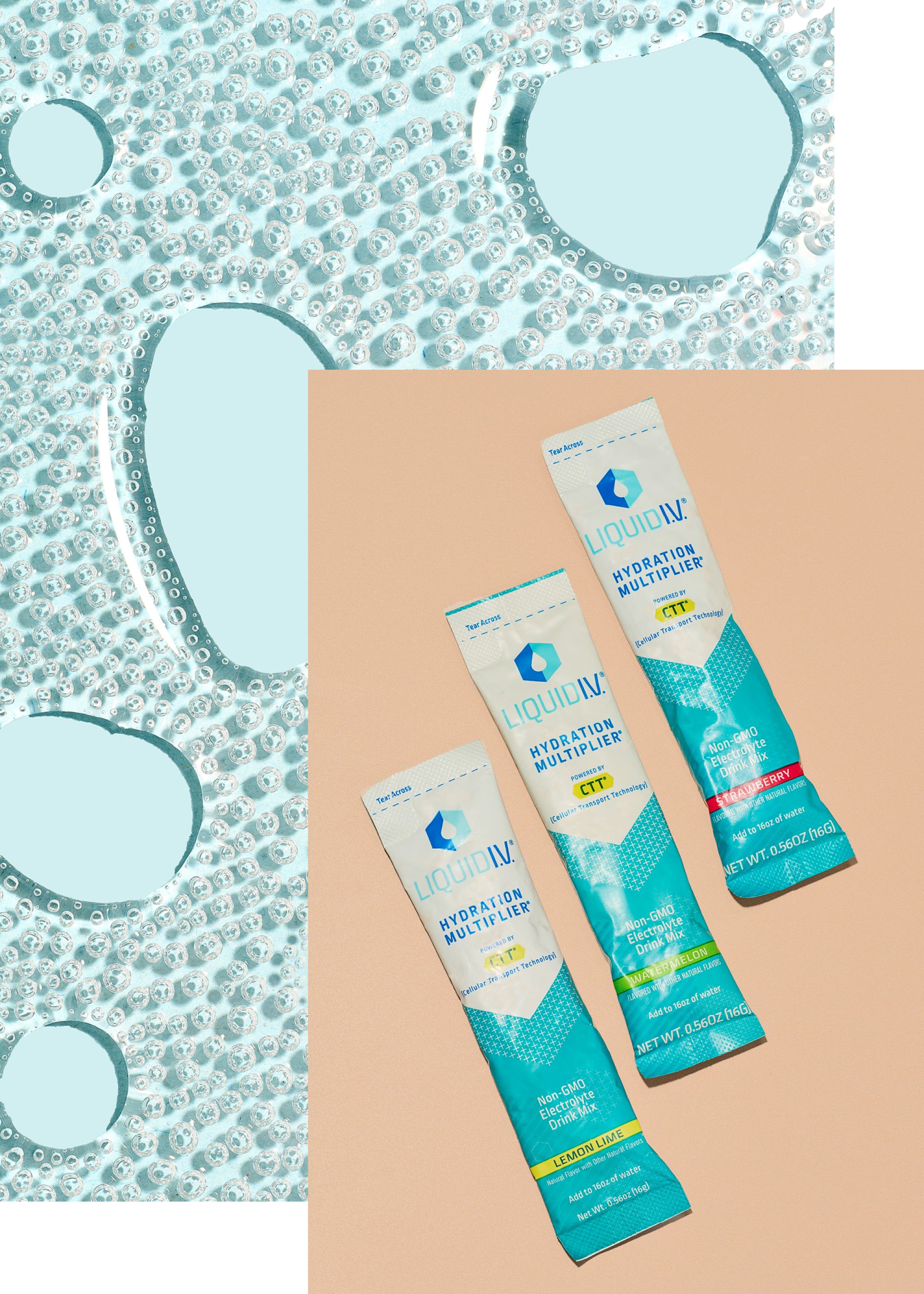
Liquid I.V.’s Hydration Multiplier.
(Rebecca Peloquin / For The Times)
Liquid I.V.’s Hydration Multiplier. “I would not have someone choose this to use every day because the added sugar is really too much — it’s the first and second listed ingredients. The other thing is: They boast, on their website, that the hydration multiplier has ‘3x the electrolytes of the leading sports drink.’ And that may be wonderful for someone who is doing very high-impact sports or who would require serious electrolytes replacement, but it’s not for the average person. Electrolytes balance out our cells, but if we have too much it throws off that balance and our cells can actually become oversaturated; it can make it harder for that cell to work and to get hydrated. This is why a more moderate amount of electrolytes may be a better option for athletes and heavy sweaters.”
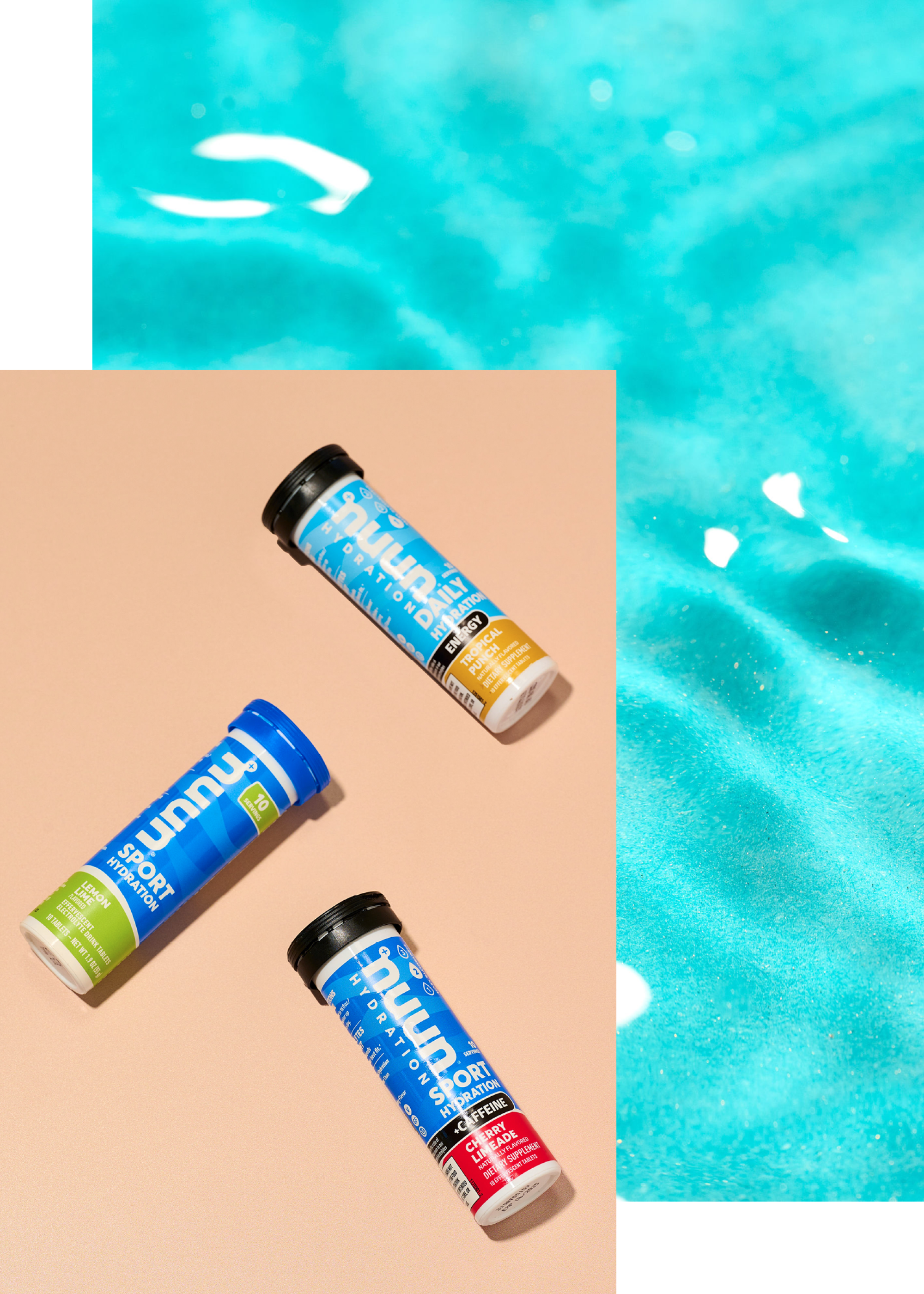
Nuun Sport Hydration.
(Rebecca Peloquin / For The Times)
Nuun Sport Hydration. “This one has a lower amount of added sugar. It might be for someone who wants to flavor their water — which, alone, would help increase fluid intake and therefore their hydration. It has electrolytes — your sodium, magnesium, potassium, chloride — but I would not have someone use this from a serious athletic standpoint because athletes need to not only replenish electrolytes lost but also sugars lost through expelling energy through exercise. Would it help hydrate cells? Sure, a little bit. But most people will end up drinking this because they like the flavors — and a lot of people like Nuun’s flavors.”
Cure Hydrating Electrolyte Drink Mix. “I like this one as a water flavoring — out of all of them, it was one of my favorites for that. But it’s not a true electrolyte blend. It includes sodium and Himalayan salt. But there’s no chloride and magnesium. This would not be a recommendation for gym-goers or athletes as it doesn’t contain any sugars, which are needed for adequate electrolyte and energy replenishment. It’s just a water flavoring because it contains lower amounts of sodium and potassium than other hydration alternatives. The ingredients are straightforward and clean — it has no added sugar, which is great — but it’s not in the same boat as an electrolyte product, even though it’s advertised as that.”
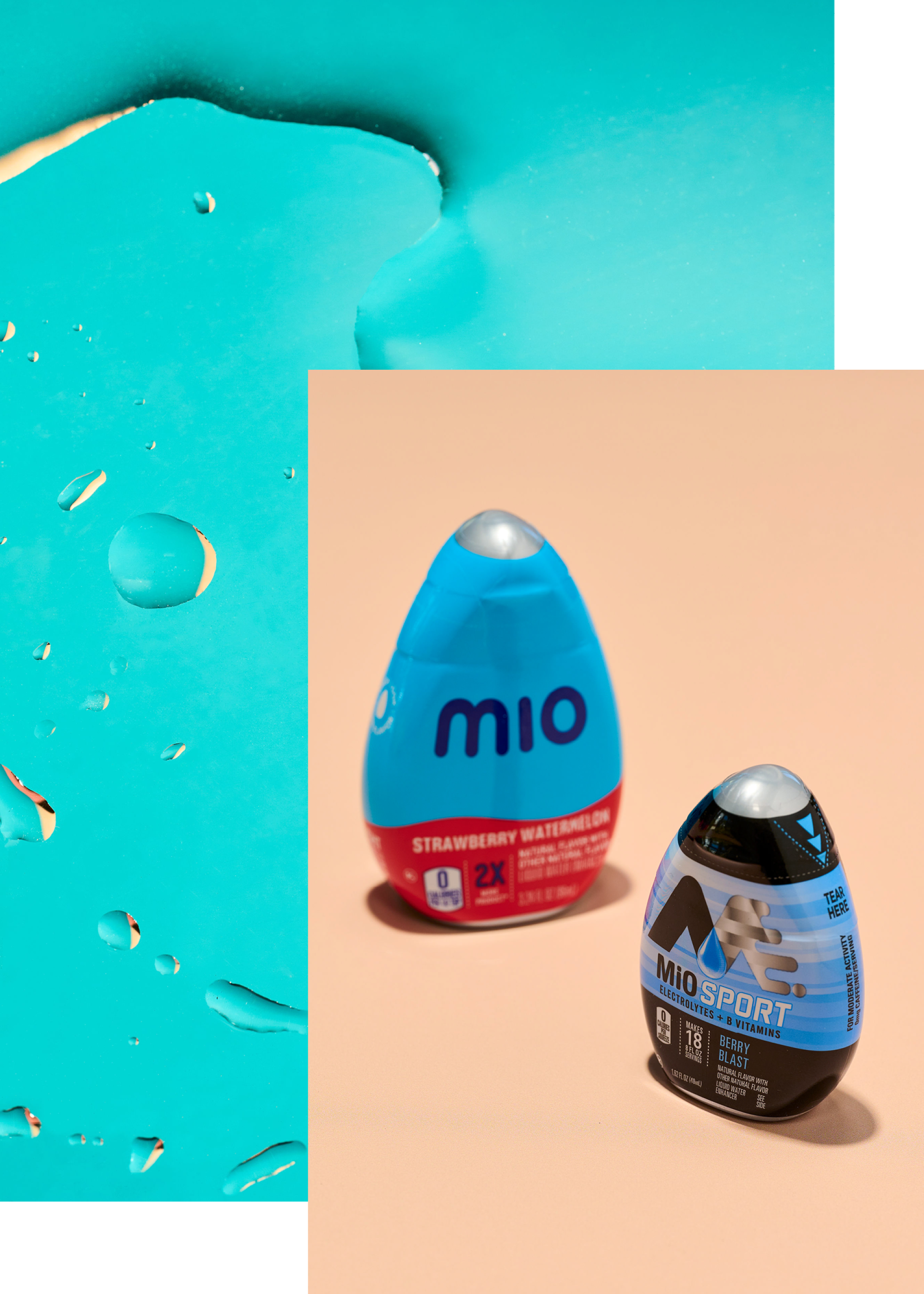
MIO Strawberry Watermelon Liquid Water Enhancer and MIO Sport Electrolytes + B Vitamins.
(Rebecca Peloquin / For The Times)
MIO Strawberry Watermelon Liquid Water Enhancer and MIO Sport Electrolytes + B Vitamins. “Out of all of these, MIO is probably one of my least favorites. The first is just a water flavoring, but all these additives — like sucrose acetate and Red 40 — they’re not good for you. Red 40 is a synthetic food dye. It’s considered safe, but a lot of people can have allergies causing headaches. It’s safe but not as good as Cure, which uses a natural additive like beet powder for color. Mio Sport uses Blue 1 for coloring, also a synthetic dye. It does contain B vitamins — B3, B6 and B12 — but not the complete B complex of eight B vitamins. It’s also not as strong of an electrolyte blend. Like Cure, it is missing your chloride and magnesium.”
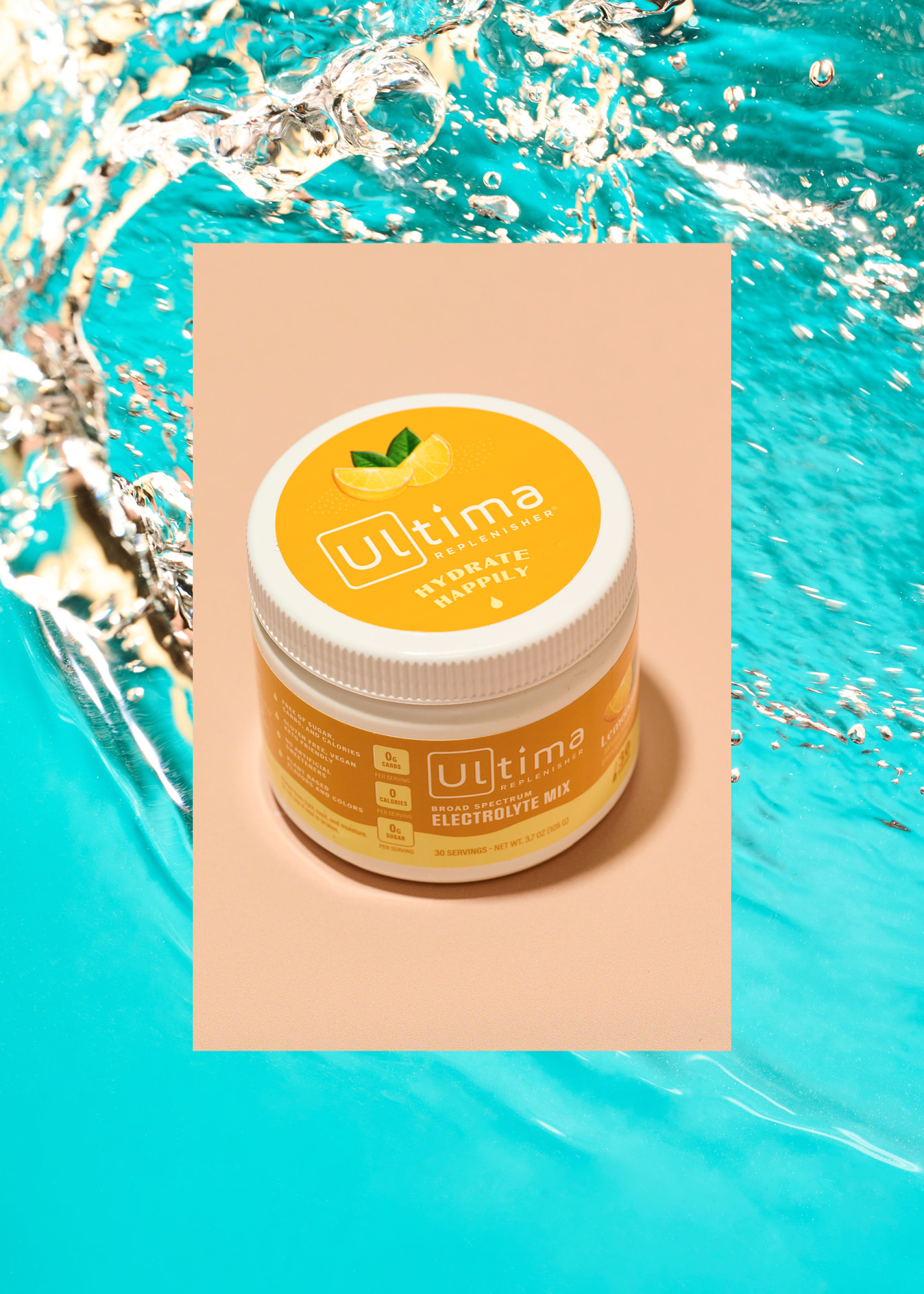
Ultima Replenisher, Broad Spectrum Electrolyte Mix.
(Rebecca Peloquin / For The Times)
Ultima Replenisher, Broad Spectrum Electrolyte Mix. “This one is OK from a standpoint that it’s going to flavor water and has the electrolytes that we’re looking for, like potassium, sodium, magnesium and chloride. But they’re relatively low amounts, containing one-sixth the amount of sodium in Nuun and Orgain; therefore, it is not for serious athletes.”
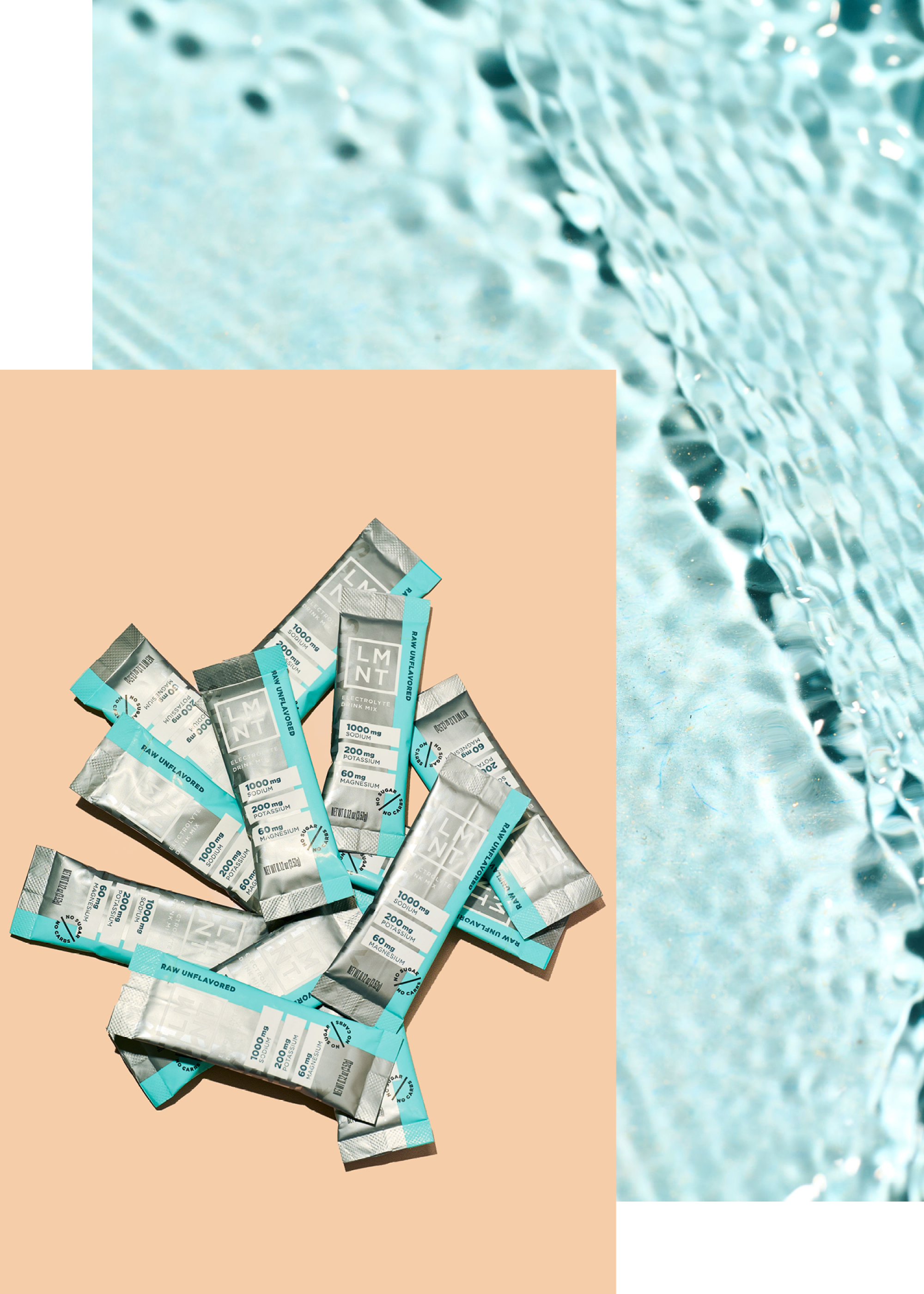
LMNT Zero-Sugar Electrolytes, Raw Unflavored.
(Rebecca Peloquin / For The Times)
LMNT Zero-Sugar Electrolytes, Raw Unflavored. “This is a clean, straightforward brand and zero calories — just your electrolytes. It isn’t flavored, though, so would not be an adequate water flavoring product. It would be good for a smoothie boost or if someone is on an elimination diet. But you’d need to add in a carbohydrate source, like fruit, for this to be more hydrating. It would have to be a whole lemon squeezed in. Or, if doing a smoothie, add a quarter cup of frozen berries to help absorb the electrolytes and help hydration.”
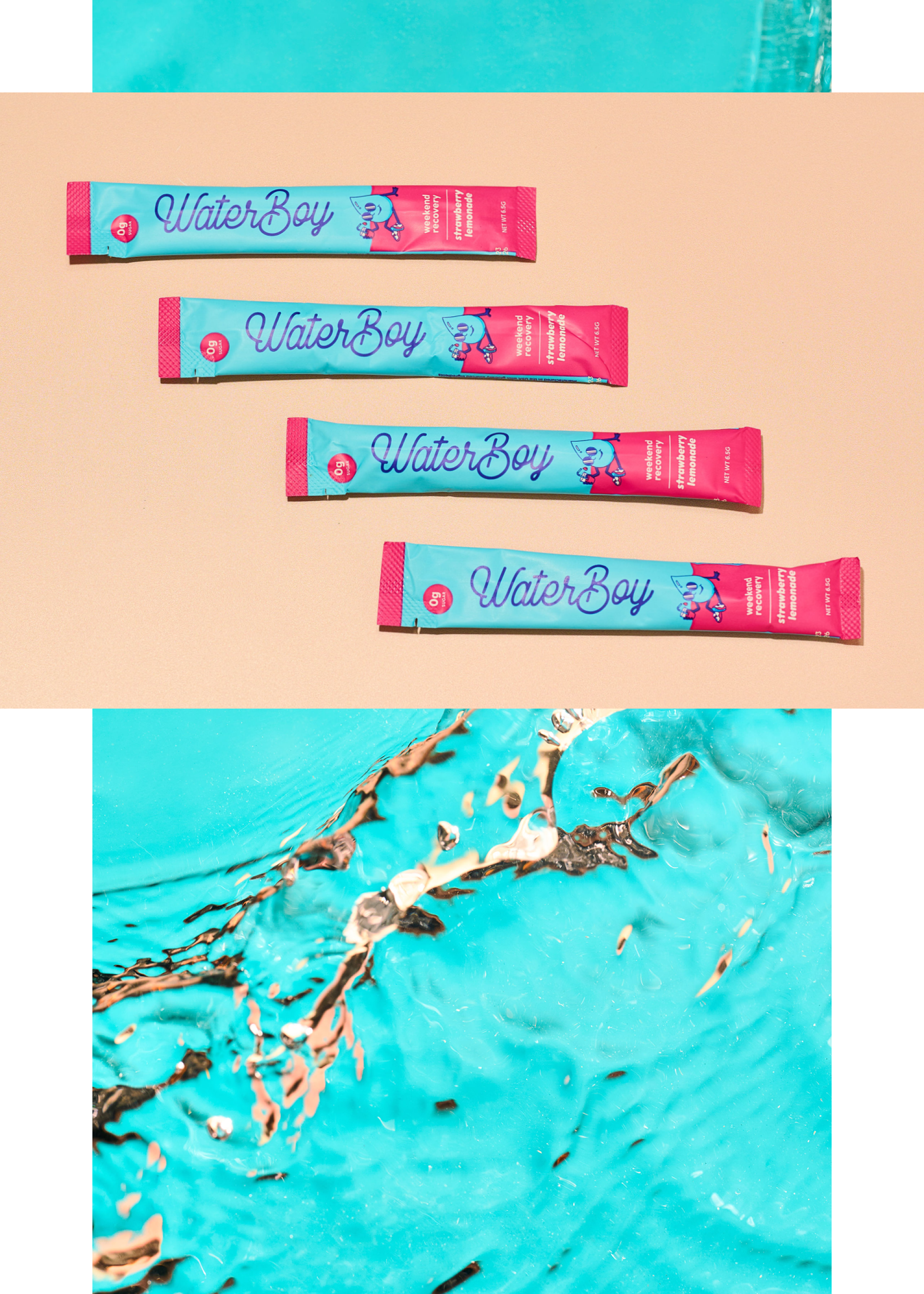
Water Boy Hydration Electrolyte Drink Mix for Weekend Recovery.
(Rebecca Peloquin / For The Times)
Water Boy Hydration Electrolyte Drink Mix for Weekend Recovery. “I was nervous about the high sodium content here. Sodium is the first ingredient and it’s almost 50% of your daily value. Compared to the other electrolytes — potassium, magnesium and chloride — the sodium is very high and the others are low. It’s a really odd balance. But it has zero sugar and it has only 1 gram of carbohydrates, which, from the ingredient list, I’m assuming is coming from a natural flavor or potentially the vegetable juice. But it’s not enough carbohydrates to balance out the high sodium content. This product is marketed as a ‘hangover’ cure because alcohol dehydrates the body; dehydration is a major contributor to hangover symptoms. Rehydrating the body using alkaline salt neutralizes the acid from alcohol and dehydration; however, this product would benefit from a better balance of all electrolytes, not just high amounts of sodium.”
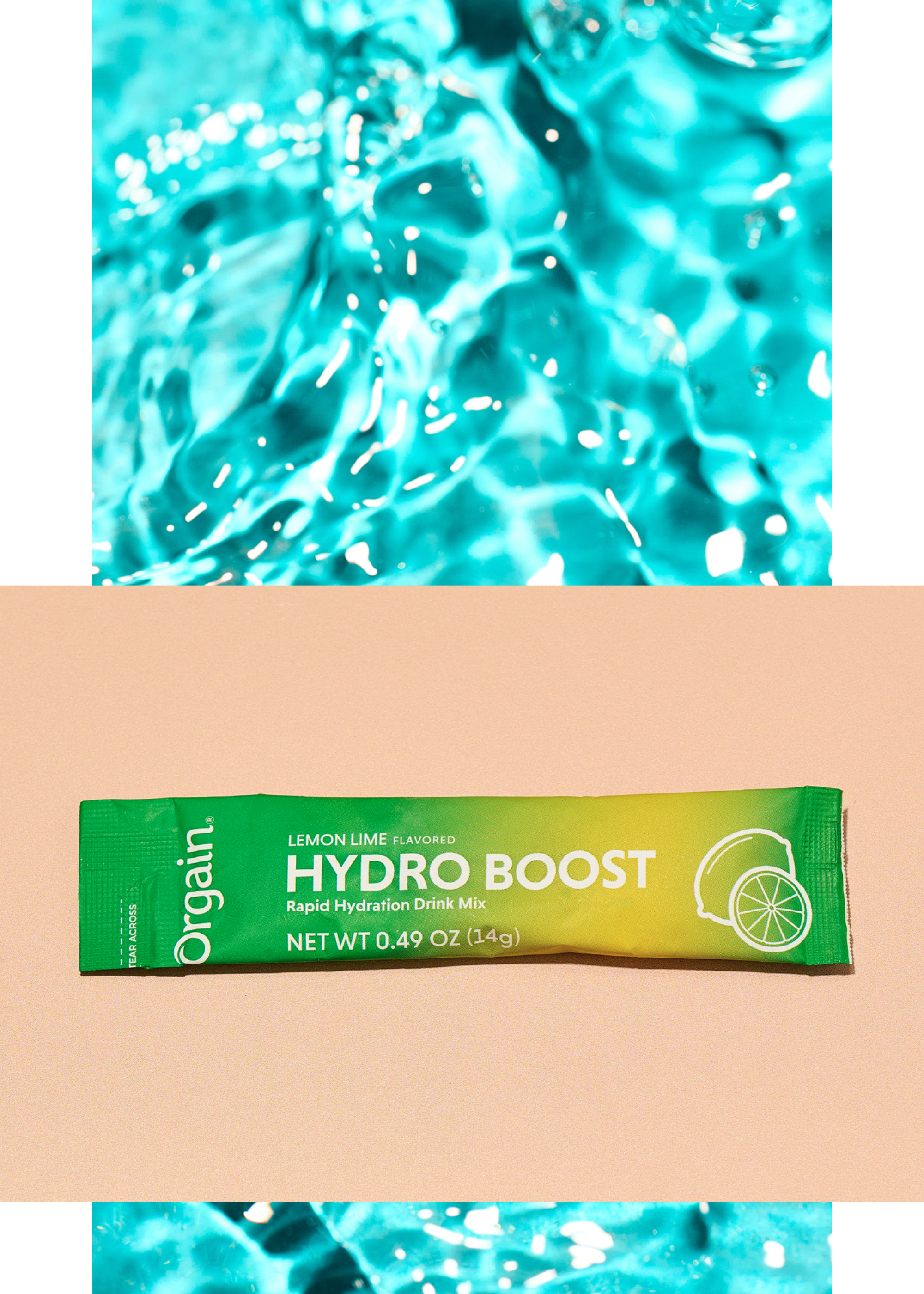
Orgain Hydro Boost, Rapid Hydration Drink Mix.
(Rebecca Peloquin / For The Times)
Orgain Hydro Boost, Rapid Hydration Drink Mix. “I like this one for athletes. Sugar is the first ingredient, but for athletes that would help absorb the electrolytes. And it would also replenish glucose storage in the muscles. And I like the balance of sodium and chloride here too. There’s also potassium. It’s missing magnesium, but because the sodium and chloride are so well balanced it outweighs that. There’s also no synthetic flavoring. It’s all things like organic lemon juice and organic monk fruit. It’s not for everyday use because of the high sugar content, but great for athletes for specific use like a long-intense bike training, high energy, intermittent workouts or an event, like a sports game.”


new video loaded: NASA Announces Artemis III Crew
transcript
transcript
NASA Announces Artemis III Crew
NASA announced the crew of Artemis III mission, which will fly to low-Earth orbit to test rendezvous and docking maneuvers with one or two lunar landers.
-
“I am excited to welcome you as the next crew in the Artemis journey to successfully return to the moon — this time to stay.” “I’m honored by the role that I’ve been given. I’m also very humbled by the task in front of us. But first and foremost, I’m grateful.” “So with that, the Artemis II crew, comrade, hands you the baton. You got the controls.” “As you know, we had a significant anomaly at our Launch Complex 36A on May 28. We’ve redoubled our efforts and are moving forward.”
By Alisa Shodiyev Kaff
June 9, 2026
Science
Santa Monica Mountains’ last steelhead trout survived the Palisades fire — and even had babies

Scientists feared the Santa Monica Mountains’ last remaining steelhead trout were dead, smothered by debris flows unleashed by the Palisades fire.
But the endangered fish surprised them: A team of biologists recently spotted 30 of the rare trout — and 21 babies — in Topanga Creek.
“There was a lot of happy dancing in the creek,” said Rosi Dagit, principal conservation biologist for the Resource Conservation District of the Santa Monica Mountains, which works with public and private landowners to conserve natural resources.
That’s because the steelhead here are endangered, at both the state and federal levels. Once, they swam in most streams of the Santa Monicas, but their numbers plummeted amid overfishing and coastal development. Increasingly frequent wildfire has further stressed their habitat. Topanga Creek, a biodiversity hot spot, is home to their last known population in the mountains that stretch from the Hollywood Hills to Point Mugu in Ventura County.
The trout that were spotted, including this one, are part of a distinct Southern California population that’s listed as endangered at the state and federal levels.
(RCDSMM Stream Team)
The California Department of Fish and Wildlife spearheaded a complex mission to rescue trout threatened by the Palisades fire that sparked in January 2025.
Time was of the essence. The fire hadn’t yet been fully contained. But rain was on the way, which would sweep massive amounts of sediment from the denuded hillsides into the water. Fish are often killed this way.
Crews stunned the fish with electricity, scooped them up in buckets, trucked them to a hatchery and ultimately moved them to Arroyo Hondo Creek in Santa Barbara County.
Within days, Topanga Creek was choked with mud. Some assumed the fish left behind were goners.
But in March, the conservation district’s team found four. The following month, when water conditions were clearer, they saw more.
“These fish continue to amaze me,” said Kyle Evans, environmental program manager for the state Department of Fish and Wildlife, who had seen the damage to the creek. “I had seen populations get wiped out in similar situations. So when I heard, I was thrilled.”
Evans surmises the fish that survived were in an area of the creek where less charred material and sediment were swept in.
“These fish likely hunkered down, were hiding under some rocks or places to try to get away from the main concentration of flow,” he said. “And luckily they weren’t buried.”
The ones that were spotted were fairly small, around 6 to 14 inches. Rainbow trout and steelhead trout are the same species, but with different lifestyles. If the fish remain in freshwater, they’ll be considered rainbows. However, they can migrate to the ocean and become steelhead, where they typically grow larger before returning to their natal waters to spawn.
Topanga Creek hasn’t fully recovered from the damage it sustained, but scientists say it’s looking better. Surveys last year were “so depressing,” Dagit said, with very few animals, and stretches that were essentially transformed into flat roads from all the sediment buildup. Some of the riparian canopy burned right down to the creek.
Then came 32 inches of rain over the last nine months, scouring out and moving sediment, creating deeper pools. Dagit said they recently found newt egg masses for the first time in years, as well as a few adult newts and many frogs. Plants that provide cover are starting to recover.
She provided photos comparing certain pools last year and this year, some dramatically transformed. In September 2025, the Shrine Pool could have been an overgrown hiking trail. This April, it was filled with shallow water.

The Shrine Pool in September 2025, left, and the same location in April 2026, right, with RCDSMM’s Isaac Yelchin donning a wetsuit.
(RCDSMM Stream Team)
Topanga Creek is home to another endangered fish, the small but hardy northern tidewater goby, often described as cute. Not long before the trout operation, Dagit led a rescue of hundreds of these fish too. Many were repatriated to the lagoon at the mouth of the creek in a moving ceremony last June.
There’s still the matter of what to do with the trout that were moved to Santa Barbara County last year. Evans would like to bring them home to the Santa Monicas at some point, but isn’t sure if it will happen. On one hand, they could bolster the small, genetically isolated surviving population. On the other, they might inadvertently bring in a disease or bacteria. There is some time to decide. Evans estimates the creek still needs to recover for two to three more years.
For now, the fish are functioning fine in their adopted creek. Experts worried the trauma wrought by the move would disrupt their spawning process, but they had babies that spring. This year, they spawned again.

The Pacifica Municipal Pier was shut down and taped off Thursday after city workers noticed cracks running through the landmark structure and concrete chunks falling into the ocean.
It’s just one of many coastal California structures that have recently crumbled under pressure from a rising and relentless ocean.
Officials from the small, beach city south of San Francisco said the pier was closed due to “cracking, separation, and displacement of the concrete walkway and structural elements.”
It will stay closed while structural engineers asses its safety.
Photos taken by city employees show a wide crack that runs from top to bottom and across the structure as well. Other photos show a large horizontal crack under the foundation of a small restaurant on the pier, the Chit Chat Cafe.
The cafe was also shut down.
This is not the first time the 53-year-old pier has shown signs of stress. In 2021, part of it was shut down after handrails along the edge collapsed. And in 2023, after a series of storms pummeled the Central California coast, damaging parts of the pier, the structure was partially closed for more than year.
Those same storms caused extensive damage in Aptos and Capitola, 70 miles south, where piers and waterfront infrastructure were swept away or damaged.
In 2024, a 150- to 180- foot section of the Santa Cruz wharf was ripped off by powerful waves.
At least 10 of the state’s dozens of coastal public piers were closed for part or all of 2024 due to structural damage sustained in winter storms since 2022. At least five others have longer-term upgrades planned to address structural issues.
“These things are costly to maintain,” said Zach Plopper, senior environmental director at Surfrider. “They are a part of our California coastal culture in many ways, but we’re going to need to reckon with, one, the state that they’re in, and two, the continuous and worsening threats they’re going to experience,”
He said most of the piers were constructed in the early 1900s, and they weren’t built to withstand decades of rough seas, storms and rising sea level.
“With this incoming El Niño, which is forecasted to be significant, and this marine heat wave we’re in the midst of, we’re kind of in uncharted waters as far as what this winter could bring in terms of storms and swells to the California coast, and we’re likely going to see a lot more damage,” he said. “Not just piers, but roads and other coastal infrastructure up and down the state.”
There was no storm in Pacifica earlier this week, so no single event could be blamed for the destruction.
However, a 2025 report from an outside engineering firm, GHD, found that several sections of the pier were in “poor” or “serious” condition, and they recommended closure before anticipated storms or events that could “subject the piles to high winds, swells and large waves.”
The firm found several areas of the pier where concrete was missing and rebar was exposed and corroding.
“The pier has continued to experience high winds and large waves in a harsh marine environment,” the engineers wrote in the report, noting that continuous exposure to seawater or marine spray was “detrimental” to the structure.
A 2023 city report estimated it would cost $19 million to repair.
That same year, a state law was enacted to require local governments along the California coast to plan for sea level rise in the coming decades.
Sea level has risen some 8 inches, on average, along the coast in the past 150 years, Plopper said, and researchers anticipate another foot in the next 25 years.
“We’re going to see profound shifts on our coastline, none that we have ever experienced before, and building static structures on the coast just doesn’t work all that well,” he said. “We’re going to have to make some really hard decisions.”
-

 Iowa36 seconds ago
Here’s what to know as another year brings another watering ban
-

 Kansas4 minutes ago
Kansas boy discovers 15-foot marine reptile fossil from 85 million years ago during geology field trip
-

 Kentucky9 minutes ago
What states spend the most on fast food? Kentucky ranks among the top
-

 Louisiana16 minutes ago
Winnsboro woman dies in single-vehicle crash on LA Highway 867
-

 Maine18 minutes ago
Live updates: Midterms take shape in California, Maine, S.C. and Nevada; Trump to sign ICE bill
-

 Maryland24 minutes ago
Alert Days Wednesday through Friday for severe weather risk, intense heat in Maryland
-

 Michigan31 minutes ago
Trieu: For Michigan State targets, visits, in-state decisions loom
-

 Massachusetts33 minutes ago
Make Father’s Day memorable with these 10 activities in Massachusetts

