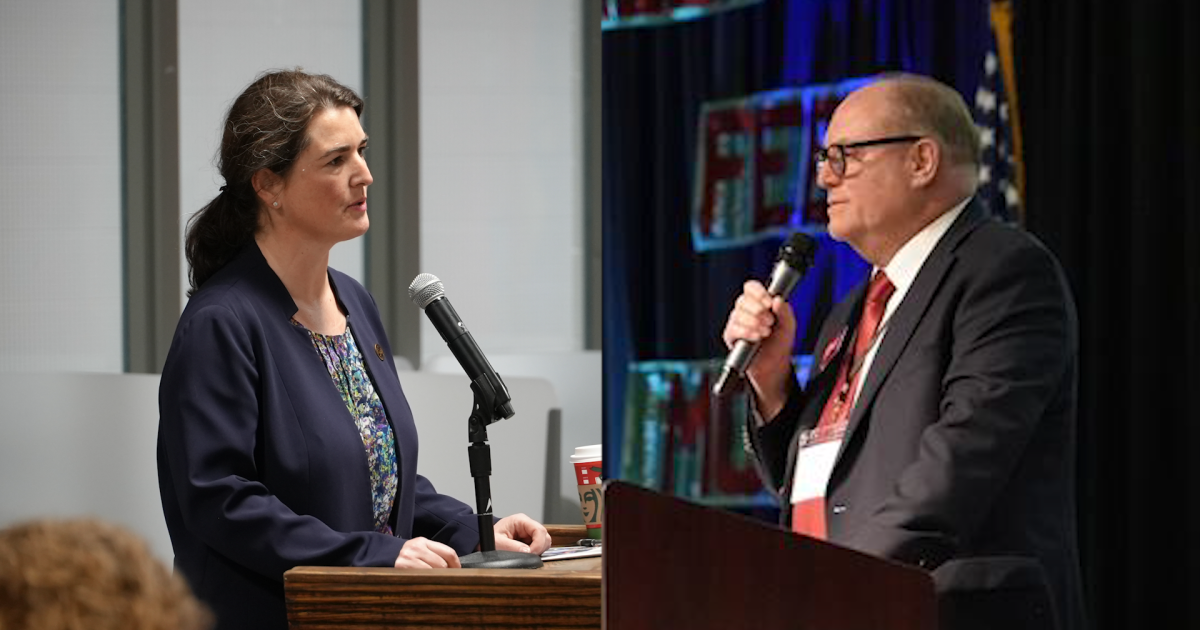
Mequon-based Big League Distributing has announced that it will distribute Illinois-made Alexander James Whiskey expressions – a brand created by former Division I college athlete Jesse Steward Jr. – in Wisconsin.
Steward – who was a sprinter and jumper at Purdue University and Lewis University (as well as being an operations supervisor at O’Hare International Airport, which is probably a challenging sport of its own!) – has a bourbon and a rye so far.
X
Each is distilled by Two Eagles Distillery in Mount Prospect, Illinois, aged four years in charred American white oak barrels and bottled at 90 proof.
Advertisement
“Big League Distributing and Alexander James are a great match,” says Steward, who launched his whiskey brand on his 30th birthday in October 2021. “The BLD team understands that behind every high-quality product is a meaningful story. And those stories are key ingredients.
“Alexander James was born of my family’s rich history passed down to me from my father, his father and so on, each story told over a glass of whiskey. BLD also made history in its founding. Wisconsin is a state of discerning diners and drinkers, and we are confident that Alexander James will resonate.”
The deal is the first to distribute Steward’s whiskeys outside Illinois.
But, I admit I’ve buried the lead here, because Big League Distributing (BLD), founded in March by former professional baseball player Larry Hisle Jr. and journalist James H. Burnett III, appears to be Wisconsin’s first-ever Black-owned alcohol distributor.
“BLD, to the best of our knowledge and that of alcohol industry veterans we consulted, is the first Black-founded, minority-owned alcohol distributorship in Wisconsin,” Hisle says, noting that four years of planning went into the 2024 launch.
Advertisement
“Black-founded because two African American men created the company before bringing in our third partner, an Indian American man (Krishan Mehta), whose father was a successful first-generation immigrant from India.”
In addition to Steward’s bourbon and rye, BLD distributes more than a dozen wine varietals from two different California-based wineries and a New York-Jersey Metro-area importer. Among them are Baker Family Wines, which is co-owned by former LMB star Dusty Baker, and Robert Randolph Prosecco, a label created by Grammy-nominated guitarist Robert Randolph.
X
“We had a great tequila brand on board as well, but a catastrophic production issue iced that arrangement,” Hisle says. “It has been a roller coaster ride – but thankfully far more ups than downs – as we’ve grown our business over the past five years.
“We’ve learned a great deal, including the solution to the chicken-or-egg question of which to put the most energy into at first/up front: scoring more ‘carriers’ or building up a variety of product offerings and inventory to ensure stability and lower the risk of supply line interruptions.”
What they learned? Focus on the latter and the former will come.
Advertisement
“Now that we’ve got a healthy variety, we’re making an aggressive push to get into more venues,” he says. “We hear from restaurant and tavern owners every week requesting meetings to either taste or coordinate the purchase of our products. This game is a marathon and not a sprint. And we’re in a good place, a great place.”
To help further expand its business, BLD will host an industry tasting event later this month for owners, managers and buyers at local restaurants, taverns, retail outlets and entertainment venues that sell alcoholic beverages.
Of course, the Alexander James Whiskey bourbon and rye will be featured.
“We’re especially excited to work with Jesse Steward, founder of Alexander James, for several reasons,” Hisle says. “His distillery produces quality whiskeys. To date, his products are the closest to Wisconsin that we carry, geographically. So, the logistics will be easier.
“And there’s a personal element. We want people to work with us because we offer great products and service. But we recognize that we’ve made history with our entree into the wholesale alcohol business. To be executives on the distribution side of this industry is extremely rare for people of color, especially Black Americans. It’s less rare but still something of a novelty to see ‘us’ on the production side. So we feel a bond with Jesse as both his operation and ours push to rise and thrive in this industry.”
LAS VEGAS – Wisconsin hockey’s Zach Schulz is skating and practicing with the team, but is he ready to return to game action?
The Badgers’ junior defenseman, who is a New York Islanders draft pick, has been out since Dec. 6 due to a broken leg he suffered against Notre Dame. Badgers coach Mike Hastings has noted that the 6-foot-1, 194-pound lefty was working toward a possible return this season.
Thursday, April 9 would be as good of a time as any.
Advertisement
Outside of Michigan, North Dakota, the Badgers’ opponent in the national semifinal at 4 p.m. Thursday at T-Mobile Arena, will be the most prolific scoring team they’ve faced this season. The Fighting Hawks have 11 20-point scorers and rank third in the nation in scoring with 3.85 goals per game.
If Schulz’s return is going to happen, now would seem to be the time. Then again, maybe not.
“I do believe part of my responsibility or our responsibility as a program is to put young people in positions to succeed,” Hastings said during a press conference Wednesday April 8 at T-Mobile Arena. “We asked them to do the work, and he has done all the work.”
The Badgers’ blue line has been hit hard by injuries. In addition to Schulz, junior Logan Hensler is done for the year with a lower leg injury he suffered against Minnesota Jan. 31. Schulz was on the No. 1 line at the time of his injury. Hensler was part of the No. 2 group.
Advertisement
Their absences partially explains some of the struggles the Badgers have had at times on defense. Getting a piece of that D-core back would provide a boost for a unit that will need to be on top of its game against North Dakota.
Hastings said he plans to talk with Schulz on Wednesday night.
“This has been a process that both of us committed to with our unbelievable training staff and doctors that are here and with his effort, he’s put himself in a position to be in that conversation,” Hastings said. “When (the injury) happened, we were hoping that would be the case, and that’s the case.”
More: Freshman class provides boost during Wisconsin hockey’s bounce-back season
Advertisement
More: Daniel Hauser’s ability to handle adversity key to Wisconsin’s run to Frozen Four
Sprinkles early Wednesday ahead of a big warmup to end the week.
Advertisement
REALLY AWESOME TO SEE HOW FAR HOPEFULLY THIS CAN TAKE US TO MORE EXPLORATION. YES, YES, 100%. AND THIS MORNING, OTHERWISE NOT PERFECT. IT’S NOT TOO BAD. WE’RE WAKING UP TO A FEW SHOWERS ACROSS SOUTHEASTERN WISCONSIN, BUT IF YOU DIDN’T LIKE THE WEATHER YESTERDAY, WE ARE GOING TO BE DRASTICALLY DIFFERENT BY THIS AFTERNOON. HIGH TEMPERATURES YESTERDAY TOPPED OUT CLOSE TO ABOUT 34 DEGREES. THAT’S WHERE WE’RE SITTING FOR A LOT OF SOUTHEASTERN WISCONSIN RIGHT NOW. WE’RE GOING TO WARM UP INTO THE 60S THIS AFTERNOON. YES, SOME OF US ARE WAKING UP TO MAYBE A FEW SNOWFLAKES OUT THERE. MOST OF US ARE WAKING UP JUST TO RAIN SHOWERS TO KICK OFF THE DAY TODAY, SOME DRIER CONDITIONS SOUTH OF I 94 IN OUR VIEWING AREA RIGHT NOW. BUT YOU CAN SEE THE ACTIVITY THAT’S STRETCHING BACK WEST OF MADISON. JUST A FEW LIGHT SHOWERS AND SPRINKLES ARE LOOKING POSSIBLE THROUGH ABOUT 10:00. THERE’S RAIN ALL THE WAY BACK CLOSE TO WATERLOO RIGHT NOW, SO IT’S NOT GOING TO STICK AROUND THE ENTIRE TIME. WE’LL HAVE DRY TIME BETWEEN NOW AND 10:00, BUT ON AND OFF SHOWERS ARE STILL POSSIBLE. MILWAUKEE HAS HAD SOME SHOWERS THIS MORNING. YOU CAN SEE THE RAINDROPS ON THE CAMERA LENS THERE IN OCONOMOWOC, AS WELL AS BROOKFIELD. DELAVAN SO FAR HAS STAYED PRETTY DRY AND RIGHT NOW IT LOOKS LIKE RAIN IS A LITTLE MORE LIKELY. CLOSER TO AND NORTH OF I-94. RAIN IN MILWAUKEE RIGHT NOW. THOSE CHANCES STICK AROUND INTO THE MORNING. BUT THE BIG STORY TODAY IT IS THE WARM UP. IT IS GOING TO BE NICE LATER THIS AFTERNOON. SHOWER CHANCES JUST ABOUT 9 OR 10:00. THEN THE REST OF YOUR WEDNESDAY IS GOING TO BE DRY OVERNIGHT TONIGHT. ANOTHER CHANCE FOR SOME RAIN THAT MOVES OUT BY THURSDAY. BUT THURSDAY INTO FRIDAY, ANOTHER RAIN CHANCE IS ON THE WAY. MOST OF OUR DAYLIGHT HOURS ARE LOOKING DRY 56 DEGREES ON SATURDAY, DRY FOR SATURDAY. THEN WE’RE TRACKING. WILL TRACK MORE RAIN CHANCES SUNDAY, MONDAY AND TUESDAY AND A BIG COOLDOWN AS WE HEAD INTO TUESDAY. BY WEDNESDAY OF NEXT WEEK, TEMPERATURES COULD BE ON THE CHILLY SIDE. ONCE AGAIN. HERE’S FUTURE CAST. NOTICE IT’S MAINLY RAIN THAT WE’RE SEEING, BUT I CAN’T RULE OUT A FEW SNOWFLAKES HERE. OVER THE NEXT HOUR OR SO. THEN JUST SOME SHOWERS FOR THE EARLY PART OF THE DAY. AND THEN SUNSHINE IS BACK. IT WILL BE WINDY, SOME GUSTS AS HIGH AS 35MPH, BUT THAT’S BRINGING IN TEMPERATURES IN THE 60S LATER TODAY. AND THEN A COLD FRONT MOVES THROUGH AND RAIN CHANCES BUILD BACK IN REALLY FROM ABOUT 10:00 TONIGHT THROUGH ABOUT THREE, 4:00 IN THE MORNING. AND MOST OF YOUR THURSDAY IS DRY AND SUNNY. THEN NOTICE LATE THURSDAY EVENING INTO EARLY FRIDAY MORNING. THAT’S WHEN WE’LL TRACK OUR NEXT CHANCE FOR SOME RAIN. SO THE BOTTOM LINE, THE BIG CHANGE FROM WHAT WE SAW THE LAST COUPLE OF DAYS IS THE TEMPERATURES WILL BE BACK IN THE 50S AND THE 60S TODAY THROUGH FRIDAY, AND REALLY THROUGH MOST OF THE SEVEN DAY FORECAST, WE HAVE RAIN CHANCES EVERY SINGLE DAY, BUT MOST OF THAT RAIN IS FALLING DURING THE OVERNIGHT HOURS, AND WE COULD HAVE A FEW SHOWERS LINGERING OR BUILDING IN IN THE EVENING OR LINGERING INTO THE MORNING. BUT FOR THE MOST PART, DAYLIGHT HOURS. AS WE HEAD THROUGH THE REST OF THE WORKWEEK IS GOING TO BE DRY, BUT WE DO HAVE SOME SHOWERS OUT THERE TO KICK OFF THE DAY. TODAY THERE COULD BE SOME WET ROADS FOR YOUR MORNING COMMUTE. RAIN CHANCES RETURN LATE THIS EVENING AND OVERNIGHT TONIGHT. SOME SHOWER CHANCES LATE TOMORROW INTO THURSDAY, BUT AGAIN MAINLY OVERNIGHT RAIN CHANCES. SO THOSE 50S AND 60S WILL HAVE A CHANCE TO GET OUTSIDE AND ENJOY 56 DEGREES ON SATURDAY. RIGHT NOW, SUNDAY 70. THAT’S FANTASTIC. AND IT DOESN’T LOOK LIKE A WASHOUT, BUT WE ARE TRACKING STORM CHANCES SUNDAY AND MONDAY. OH MY GOODNESS. HOPEFULLY WE’RE TURNING A CORNER, BUT IT IS STILL SO EARLY. FINGERS CROSSED. IT’S WILD TO THINK THAT WE PROBABLY HAVE SOME SNOWFLAKES AROUND RIGHT NOW AND WE’
Advertisement
Impact Day: Wintry mix to 60s in SE Wisconsin
Sprinkles early Wednesday ahead of a big warmup to end the week.
Updated: 5:46 AM CDT Apr 8, 2026
Advertisement
Editorial Standards ⓘ
Early rain showers Wednesday morning, with parts of the area seeing a wintry mix as temperatures start near freezing. Showers move out later this morning. Skies will gradually clear through the afternoon, with highs warming into the low to middle 60s.Rain with a few thunderstorms return late Wednesday evening and night. Rain will move out by early Thursday morning. Thursday will be a bit cooler, but still mild with a mix of sun and clouds. Another chance for rain returns late in the evening, with shower chances lingering into early Friday. Most of Friday is expected to stay dry, with highs in the low 50s.Drier Saturday with seasonable temperatures in the low 50s. Looking ahead, a more active pattern returns with chances for storms Sunday and Monday as temperatures jump into the low 70s. Rain chances continue Tuesday, with afternoon highs dropping back into the low 50s.
MILWAUKEE —
Advertisement
Early rain showers Wednesday morning, with parts of the area seeing a wintry mix as temperatures start near freezing. Showers move out later this morning. Skies will gradually clear through the afternoon, with highs warming into the low to middle 60s.
Rain with a few thunderstorms return late Wednesday evening and night. Rain will move out by early Thursday morning. Thursday will be a bit cooler, but still mild with a mix of sun and clouds. Another chance for rain returns late in the evening, with shower chances lingering into early Friday. Most of Friday is expected to stay dry, with highs in the low 50s.
Drier Saturday with seasonable temperatures in the low 50s. Looking ahead, a more active pattern returns with chances for storms Sunday and Monday as temperatures jump into the low 70s. Rain chances continue Tuesday, with afternoon highs dropping back into the low 50s.
OSHKOSH (WLUK) — The state defense lawyers association argues the judge made a mistake in allowing a Winnebago County jury to hear the case against Jason Lindemann, who crashed his power boat into a cruise boat.
Lindemann was sentenced to five months in jail and three years on probation and ordered to perform 150 hours of community service as a result of the July 9, 2022, crash between his powerboat and the On The Loos paddlewheel cruise boat. He was also ordered to pay $11,702.79 in restitution. The crash injured more than a dozen people.
Lindemann has appealed, claiming he drove his boat like “every boater does” and that the evidence doesn’t support the convictions. Prosecutors replied it believes Lindemann’s conviction should be upheld. Lindemann’s reply brief due is due April 14, then the appeals court will review the case and issue a ruling. That’s expected to take several months.
Advertisement
Surveillance video of a July 9, 2022, boat crash on the Fox River in Oshkosh. (Courtesy Winnebago County Sheriff’s Office)
On Tuesday, the Wisconsin Association of Criminal Defense Lawyers filed what’s known as a ‘friend of the court’ brief, offering its input on the issue of jury selection.
Brief from the Wisconsin Association of Criminal Defense Lawyers arguing for Jason Lindemann’s conviction in an Oshkosh boat crash to be overturned.
Click here to view the PDF file
Advertisement
It noted the extensive publicity on case, from the day of the crash, onwards.
“WACDL submits that a careful analysis of precedent, and a realistic assessment of the pretrial publicity at issue, require that prejudice be presumed. Lindemann’s community was sufficiently against him that drawing his jury from Winnebago County violated his due process rights. The circuit court thus erred in denying his request for a change of venue, and reversal is warranted,” wrote attorney Megan Sanders.
The brief also argues the judge’s faith in voir dire — the juror screening and selection process — was “unfounded,” given the case’s publicity.
It argues the convictions should be overturned.
JOIN THE CONVERSATION (1)
Advertisement
“There is an effective solution for the due process problem at issue here. Case law supports it, Lindemann sought it, and the State — after explaining its concerns about proceeding in Winnebago County — declined to contest his request. Under these circumstances, and with no cogent rationale for keeping the case in Oshkosh, the circuit court erred in denying Lindemann’s motion for a change of venue,” the brief states.