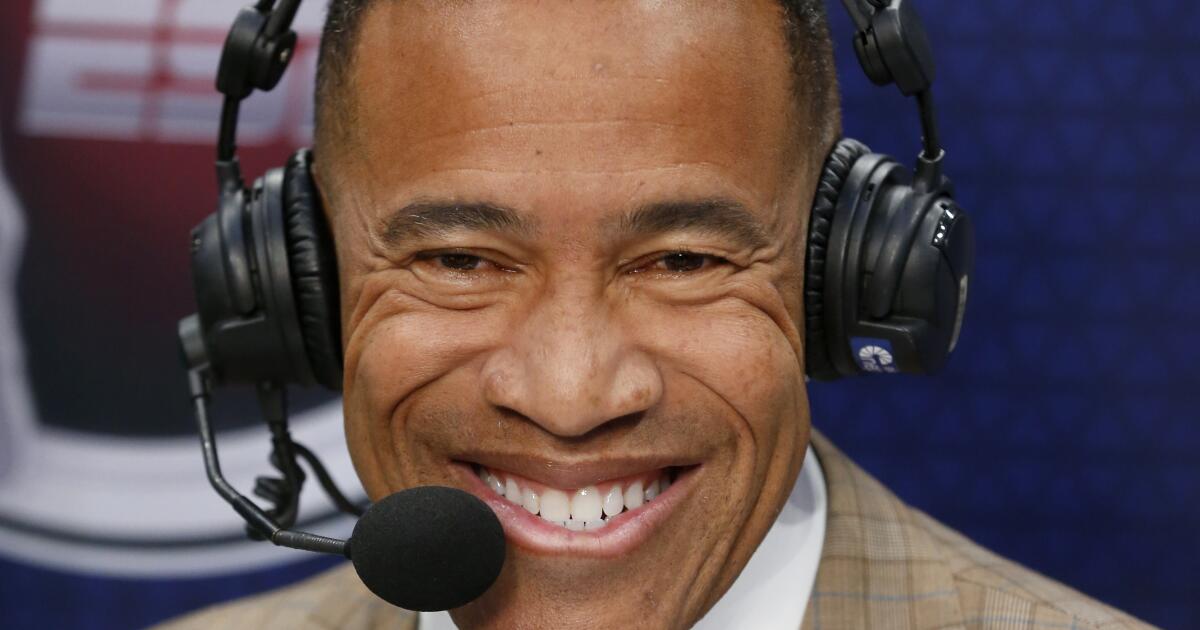
We’ve been over several other positions with these, but now we’ve arrived at the toughest to pick and probably the most Badgery of them all: Fullback.
This is a bit poignant since the current Wisconsin Badgers team doesn’t feature a fullback, but that’s a story for another day. So, let’s turn to my list of the best four who’ve ever put on a Badger uniform. (Note: Alan Ameche was considered a running back, not a fullback, for purposes of this exercise.)
As I’ve noted previously, there’s more than a bit of a recency bias in these (read: if you were good 50+ years ago you have an uphill battle), so please absorb it through that lens (and by all means let me know who I’ve missed).
Cecil Martin
This one is probably the easiest. The consummate Badger, 1998 team captain Cecil Martin not only opened more holes than we can count for Ron Dayne and won a Rose Bowl doing so, but he was also a four year starter at a premium position (at the time) and scored eight touchdowns.
Advertisement
Tough, strong, and athletic, Martin was an absolute bulldozer who parlayed his days in Madison into a solid NFL career for the Eagles after being taken in the sixth round. Yeah, Martin is in so get the chisel ready.
Matt Bernstein
His ”Hebrew Hammer” moniker is definitely worth some points here, as is rushing for 123 yards as a fill-in running back while fasting for Yom Kippur to beat Penn State.
But, this selection is mostly about him being a talented and steady Badger who delivered 53 touchdown-resulting blocks, an outstanding teammate, and dude who simply loves Madison. He also scored five times and caught 22 passes.
Trivia: He has 90 kick return yards and is a member of the National Jewish Sports Hall of Fame.
Alec Ingold
A smart, punishing blocker for four seasons in Madison, Ingold also had soft hands and nimble feet, which helped him to seven career Badger touchdowns and a nearly-19 yards per catch average.
Advertisement
Although he went undrafted, Ingold has carved out a meaningful role with the Raiders and Dolphins, and is signed in Miami through 2026, an unusual amount of job security for an NFL fullback in 2024.
Derek Watt
While he was the least heralded of the Watt brothers who played in Madison, Derek was a tough, talented fullback with a knack for big blocks.
He was the primary fullback for two of the top three Wisconsin football rushing seasons in school history in 2013 and 2014, and caught 15 passes for 139 yards as a senior in 2015.
A sixth-round pick for the Chargers in 2016, Watt played seven years in the NFL, including three alongside his brother T.J. in Pittsburgh.
Special Mention: Mark Montgomery, Chad Kuhns, Austin Ramesh, Dave Mohapp.
Advertisement
Honorable Mention: Chris Pressley, Mason Stokke, John Chenal, Bradie Ewing.
Warmer temps and storm chances build into Sunday and Monday
Advertisement
GET TO PLAY A PART TOO. THAT’S INCREDIBLE. I’M EXCITED. VERY, VERY COOL. STILL SOME RAIN A LITTLE BIT THIS MORNING AND I THINK IT MOVES OUT BY 7:00. WE HAD SOME IMPACTFUL RAIN OVERNIGHT. PARTS OF SOUTHEASTERN WISCONSIN, INCLUDING MILWAUKEE’S AIRPORT, PICKED UP MORE THAN HALF AN INCH. IT HAS BEEN A RAINY APRIL SO FAR. WE HAVE SEEN OVER FOUR INCHES OF RAIN ALREADY. WE’VE HARDLY STARTED THE MONTH OR A WEEK AND A HALF IN, BUT ON AVERAGE FOR THE ENTIRE MONTH OF APRIL, WE SEE UNDER FOUR INCHES OF RAIN. AND IT’S NOT JUST THE RAIN THAT WE’VE ALREADY SEEN. THERE IS MORE ON THE WAY. AS WE HEAD THROUGH THE SEVEN DAY FORECAST. THIS IS FORECAST PRECIPITATION THROUGH THE SEVEN DAY FORECAST. MOST OF THIS COMING SUNDAY THROUGH THURSDAY. BUT NOTICE PARTS OF SOUTHEASTERN WISCONSIN. MOST OF THE STATE PICKS UP MORE THAN TWO INCHES OF RAIN OVER THE NEXT SEVEN DAYS. WE’LL SEE ROUNDS OF STORM CHANCES AND EVEN THE POTENTIAL FOR SEVERE WEATHER. NEXT WEEK. IT IS FORECAST TO KEEP A REALLY CLOSE EYE ON RIGHT NOW 41 DEGREES. SOME SHOWERS LIKELY STILL AROUND THERE IN PEWAUKEE. FROM OUR CAMERA AT WAUKESHA COUNTY TECHNICAL COLLEGE. THERE’S ONE MORE AREA OF RAIN THAT’S GOING TO MOVE THROUGH SOUTHEASTERN WISCONSIN OVER THE NEXT HOUR AND A HALF OR SO. THEN WE’RE DRY, BUT YOU CAN SEE SOME CLEARING BACK BEHIND THOSE SHOWERS. WE’LL SEE A LITTLE MORE SUNSHINE EVEN AS WE HEAD TOWARDS 8:00 THIS MORNING. TEMPERATURES WILL BE MUCH COOLER TODAY THOUGH, THAN THEY HAVE BEEN THE LAST FEW DAYS. WE’VE GOTTEN CLOSE TO 70 DEGREES THE LAST TWO DAYS. TOMORROW. TODAY WE TOP OUT CLOSE TO ABOUT 4850 FURTHER INLAND. SO LET’S GO DAY BY DAY AS WE HEAD INTO AND PAST THE WEEKEND CLEARING SKIES TODAY AND MUCH, MUCH COOLER THAN WE HAVE BEEN TOMORROW. WE SHOULD BE DRY JUST ABOUT ALL DAY LONG. THERE IS A REALLY SLIM CHANCE FOR A STRAY SHOWER DURING THE AFTERNOON. RAIN AND STORM CHANCES INCREASE DURING THE OVERNIGHT HOURS. WAY WARMER ON SUNDAY WITH ROUNDS OF SHOWERS AND STORMS IN THE FORECAST. BUT I DO THINK THERE WILL BE SOME DRY TIME ON SUNDAY. MONDAY THERE’S ANOTHER CHANCE FOR RAIN AND STORMS, BUT RIGHT NOW IT DOES LOOK LIKE THERE’S A LOT OF DRY TIME. ON MONDAY. WE SEE MORE STORMS ON TUESDAY, MORE STORM CHANCES ON WEDNESDAY, MORE ON THURSDAY. AND LOOK AT THOSE TEMPERATURES SUNDAY THROUGH THURSDAY. AGAIN, I DON’T THINK ANY DAY IS NECESSARILY A COMPLETE WASHOUT. SO THERE SHOULD BE SOME TIME TO GET OUTSIDE AND ENJOY THOSE TEMPERATURES IN THE 60S AND 70S FUTURECAST HAS THAT LITTLE BIT OF RAIN RIGHT NOW. IT QUICKLY MOVES OUT. WE’LL SEE MORE SUNSHINE AS WE HEAD THROUGH THE AFTERNOON HOURS TODAY AND SUN THROUGH A LOT OF THE DAY TOMORROW. NOTICE BY 3:00, MAYBE A FEW SHOWERS AROUND. THIS MODEL IS KEEPING SOUTHEASTERN WISCONSIN DRY, BUT IT’S OVERNIGHT THAT WE SEE SOME STORM CHANCES INTO SUNDAY MORNING. AND THEN WE COULD SEE A FEW MORE STORMS AS WE HEAD INTO SUNDAY AFTERNOON AND EVENING. WE’RE STILL A LITTLE FAR OUT FOR EXACT TIMING ON SUNDAY STORM CHANCES, BUT I DO THINK WE’LL SEE SOME DRY TIME TO GET OUTSIDE AND ENJOY TEMPERATURES IN THE 70S. THEN IT’S AN ACTIVE STRETCH THROUGH MOST OF NEXT WEEK. NO DAY LOOKS LIKE A COMPLETE WASHOUT, BUT ESPECIALLY TUESDAY AND WEDNESDAY. WE’LL HAVE TO KEEP AN EYE ON THE POTENTIAL FOR SEVERE STORMS HERE IN SOUTHEASTERN WISCONSIN. AND WITH MORE HEAVY RAIN ON THE WAY. AFTER A SOGGY LAST WEEK AND A HALF OR SO, WE’LL HAVE TO KEEP AN EYE OUT FOR RIVER FLOODING CONCERNS AS WELL. 48 DEGREES FOR A HIGH TODAY, BUT WILL BE WARMER, INLAND. WARMER INLAND AGAIN TOMORROW. BUT EVERYONE SHOULD SEE HIGH TEMPERATURES IN THE 50S. THEN THAT ACTIVE STRETCH RETURNS TO SOUTHEASTERN WISCONSIN. DAILY STORM CHANCES. NO DAY IS A WASHOUT, BUT IF YOU HAVE OUTDOOR PLANS ON SUNDAY, KEEP AN EYE ON THE FORECAST. WE COULD SEE SOME IMPACTS. THAT 73, THOUGH LOOKING NICE AND QUITE A FEW 70S ON THE FORECAST. I KNOW. LOOKING FORWARD TO IT. IT’S JUST SO NICE TO HAVE THE WINDOWS OPEN YESTERDAY UNTIL THAT LAKE BREEZE KICKED IN AND IT DROPPED ABO
Advertisement
Spring warm-up and storm chances in SE Wisconsin
Warmer temps and storm chances build into Sunday and Monday
Updated: 6:12 AM CDT Apr 10, 2026
Advertisement
Editorial Standards ⓘ
Friday starts with a few early showers and sprinkles before skies gradually clear. Temperatures will stay on the cool side near the lake in the upper 40s, but inland spots warm into the mid-50s. Friday night turns partly cloudy and cool, with lows dipping to around 35 degrees.Saturday looks mainly dry with a mix of clouds and some sunshine with highs reaching the low 50s lakeside and upper 50s inland before rain and storm chances begin to move in late. Those storm chances stick around through Sunday and Monday, with a noticeable warm-up pushing highs into the 70s both days. Rounds of rain and storm chances are on the way Sunday through Thursday next week. Stay tuned to the forecast this weekend and next week, a few days next week could bring the chance for severe weather to SE Wisconsin.
MILWAUKEE —
Advertisement
Friday starts with a few early showers and sprinkles before skies gradually clear. Temperatures will stay on the cool side near the lake in the upper 40s, but inland spots warm into the mid-50s. Friday night turns partly cloudy and cool, with lows dipping to around 35 degrees.
Saturday looks mainly dry with a mix of clouds and some sunshine with highs reaching the low 50s lakeside and upper 50s inland before rain and storm chances begin to move in late. Those storm chances stick around through Sunday and Monday, with a noticeable warm-up pushing highs into the 70s both days.
Rounds of rain and storm chances are on the way Sunday through Thursday next week. Stay tuned to the forecast this weekend and next week, a few days next week could bring the chance for severe weather to SE Wisconsin.
Wisconsin Gov. Tony Evers signed a bill into law Thursday that legalizes online sports betting, making it the 33rd state to allow the practice.
But gamblers in Wisconsin will have to wait months or maybe even longer before they can start to legally place bets. The law Evers signed, which passed the Legislature with bipartisan support, requires the state to negotiate new deals with American Indian tribes that would run the sports betting.
Evers said he would not accept a plan that treats any one tribe better than another.
“The real work begins today,” he said in a statement. “Each of the 11 Tribes must now work diligently-and together-to shape the future of sports betting in Wisconsin. … An approach that exacerbates long-standing inequalities among Tribal Nations is not good for Wisconsinites or Wisconsin. I will not entertain it as governor.”
Advertisement
Gambling is legal in Wisconsin only on tribal lands under exclusive contracts between tribes and the state. Sports bets can currently be placed only at certain tribal casinos, and online sports betting is illegal.
Under the new Wisconsin law, online sports betting would be allowed only if the infrastructure to manage the bets, such as computer servers, is located on tribal lands in the state. That approach, known as the “hub-and-spoke” model, already is used in Florida.
Under the Wisconsin tribal compacts, a percentage of the money tribes earn through that gambling is returned to the state. In 2024, the tribes paid the state just over $66 million from revenue generated at casinos.
Evers said the new law represents a chance “to support mental health programs and to combat the opioid crisis, two issues that I know plague both Tribal Nations and communities across our state.”
Supporters of the measure include several Wisconsin tribes and the Milwaukee Brewers. They contend people currently are placing bets using offshore sportsbooks or prediction markets or crossing into other states where it’s legal, including neighboring Illinois.
Advertisement
The Sports Betting Alliance, which represents FanDuel, DraftKings, bet365, BetMGM and Fanatics, opposed the law. They argued that it wouldn’t make financial sense for them to partner with Wisconsin tribes, because federal law requires 60% of gambling revenues must go back to the tribes. They would prefer a state constitutional amendment opening sports betting to all operators.
Evers, who is not running for a third term this year, has originally said he would sign it as long as it had the support of the state’s 11 federally recognized tribes. But he later raised concerns because not every tribe was on board. Evers said Thursday that all 11 tribes are now in active negotiations over how to implement the new law.
Across the U.S., state-regulated sportsbooks handled nearly $167 billion of bets last year, generating revenues of nearly $17 billion after winnings were paid out to customers, according to the American Gaming Association. That marked an almost 23% increase over the previous year.
Wisconsin Badgers offensive lineman Blake Cherry goes through a drill during spring practice. Photo credit: UW Athletics
There was no shortage of things that went wrong for Luke Fickell and the University of Wisconsin football team during its 4–8 season in 2025.
You can point to the countless injuries at quarterback. You can point to an inconsistency at the skill positions. You can point to a lack of offensive identity. All of it is fair. But if you really strip it down from an execution standpoint, most of those problems trace back to one place.
Up front.
“That’s the number one thing offensively is the continuity of those guys up front,” Fickell said when asked about the focus for Wisconsin’s offensive line this spring. “I’m not going to dwell upon the past, but if there’s something that has probably not gone in the direction, individually or unit-wise, it has been the O-line. With the history here and what the expectations are here — that’s one of the big things.”
Advertisement
That’s not a throwaway line. That’s an acknowledgment.
Because for as much as the quarterback carousel defined last season, the offensive line never gave the offense a chance to stabilize or improve. There was constant shuffling. Players were asked to play out of position. Others were forced into roles they probably weren’t ready for yet.
And the result showed up in the numbers.
Wisconsin fielded the least productive offense in the Power Four last season, finishing No. 134 nationally in scoring (12.8 points per game) and No. 135 in total offense (253.1 yards per game). The run game — a foundational piece of the program’s identity — never found traction.
Then, after the season, more experience walked out the door.
Advertisement
Starting left guard Joe Brunner transferred to Indiana. Center Jake Renfro left for Illinois. Offensive tackle Riley Mahlman exhausted his eligibility.
Whatever continuity existed up front didn’t last.
So the response was predictable. Wisconsin moved on from A.J. Blazek and hired Eric Mateos as the new offensive line coach, leaning on his prior working relationship with offensive coordinator Jeff Grimes in hopes that familiarity can help this new group get up to speed quickly.
The next step was to go out and add bodies. A lot of them.
Most notably, Austin Kawecki arrives from Oklahoma State as a veteran presence expected to take over the starting center job. Kevin Heywood returns from an ACL injury and is expected to factor in at tackle. And then there’s P.J. Wilkins, an Ole Miss transfer who has primarily played guard in college but is now working at tackle since arriving in Madison.
Advertisement
That last part matters.
Because Mateos didn’t just inherit this group — he’s reshaping it.
“That’s what I really love about it, to be honest with you,” Fickell said about the offensive line. “I love being in that room right now because there are all new guys. There are some guys who played a little bit in [Colin] Cubberly and Emerson Mandell. But the nature of it is it’s a new group.”
It looks like one, too.
Colin Cubberly brings experience after being thrown into the fire last season. Emerson Mandell, who opened last year as the starting right guard, has shown positional flexibility after sliding out to tackle last season, but is now back working on the interior. Arkansas transfer Blake Cherry is competing on the interior, while younger or depth options like Lucas Simmons and Stylz Blackmon add competition behind them.
Advertisement
Even someone like Barrett Nelson, currently working back from another injury, is viewed as a candidate for the two-deep at tackle when healthy. There are more options. The challenge is turning that into answers.
“Look, we’ve got to get back to that group being a group,” said Fickell. “It’s not individuals. There are a lot of things we’ve got to be able to do… Yes, they understand the history. Yes, they understand the past. But it’s time to kind of say, ‘Look.’ This is a group that’s got to kind of reestablish the things that we believe in, and we are.”
And that’s where everything ties together. Because this isn’t just about fixing the offensive line in isolation, this is about supporting a completely reworked offense.
Nobody’s expecting this group to snap back to the gold standard of offensive line play that Wisconsin built its identity on overnight. But this is still a program that wants to run the ball, play with physicality up front, and lean into a system that now includes mobile quarterbacks.
Even if returning to an elite level immediately isn’t realistic, they do have to become a Big Ten-caliber unit — one capable of holding its own, creating movement, and giving the offense a chance to dictate terms instead of constantly reacting. Wisconsin has a new quarterback room led by Old Dominion transfer Colton Joseph. A reshaped running back group featuring Abu Sama and Darrion Dupree. A completely different mix at wide receiver. Changes at tight end. All of it depends on what happens up front.
Advertisement
If the line comes together, the Badgers’ offense has a path toward meaningful improvement after what was one of the least productive units Wisconsin has fielded in decades. If it doesn’t, it’s hard to see much changing, regardless of who’s under center or carrying the ball.
Fickell knows it. The staff knows it. The returning players know it.
Now it’s about proving it.
“I think that’s where a lot of the youth and the newer guys have been really refreshing — a little bit of a changeover,” Fickell said.
Refreshing is one way to put it. Necessary might be a better one. Because for Wisconsin to take a step forward and make it back to a bowl game for the first time since 2023, it starts where it always has. Up front.
Advertisement
We appreciate you taking the time to read our work at BadgerNotes.com. Your support means the world to us and has helped us become a leading independent source for Wisconsin Badgers coverage.
You can also follow Site Publisher Dillon Graffat @DillonGraff on X.