South Dakota
‘The very best in humanity’: How a stranger gave a South Dakota boy new life



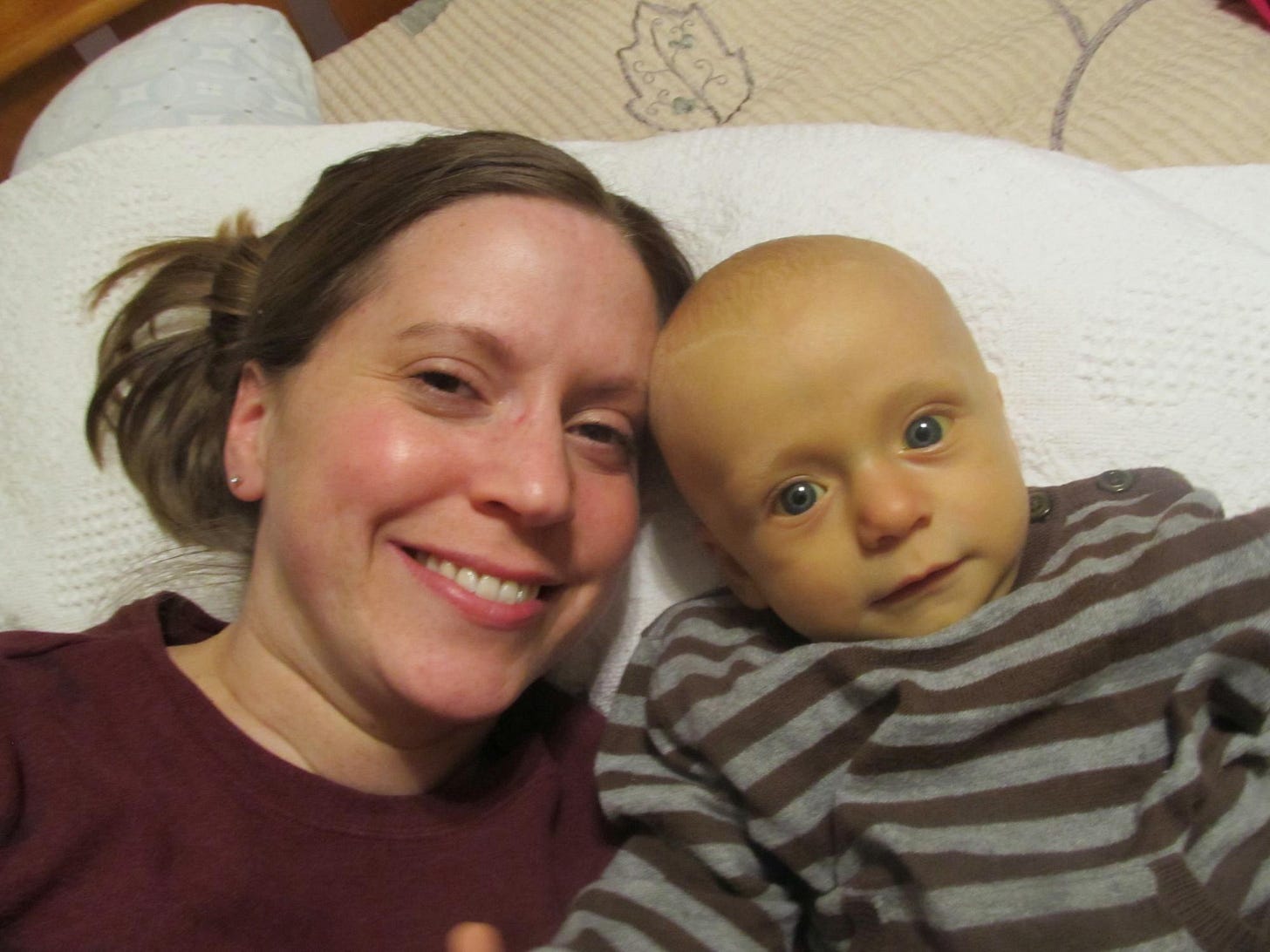
When her infant son began showing signs of jaundice following a full-term, healthy pregnancy, Sarah Beckstrom soon began a journey from fear, anger and sadness to eternal appreciation for a perfect stranger.
But the Mitchell mother and LifeSource, the region’s primary organ procurement organization that helps connect donors and recipients like baby Charlie — now a healthy and active teenager — say continued education around organ donation is necessary to ensure more families can feel what the Beckstroms have for the last decade.
“He was just not thriving. He couldn’t absorb, you know, milk. He was just kind of a not content child,” Beckstrom recently said in an interview with The Dakota Scout, recalling the early signs of the rare genetic liver condition — alpha-1 antitrypsin deficiency — that threatened her son’s life before his first birthday.

State apologizes, but can’t explain missing evidence in prison overdose case



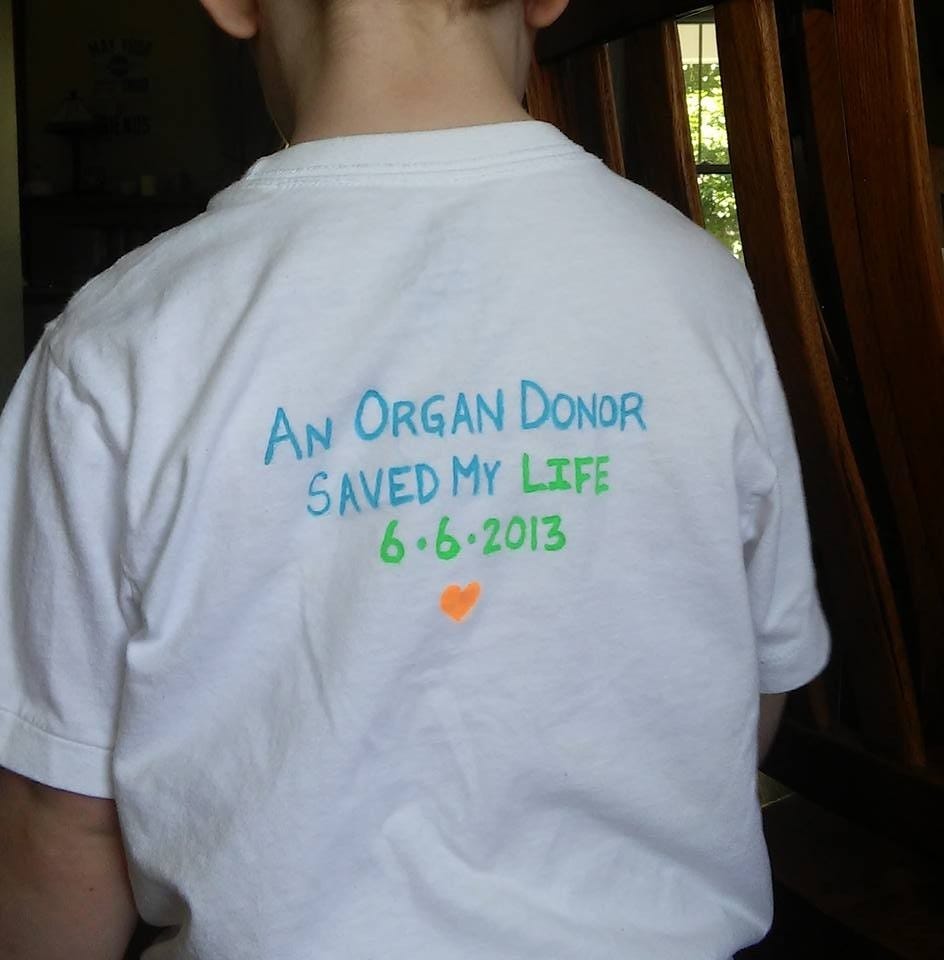
Charlie was placed on the organ waiting list at 7 months old. Three months later, the call came.
A 13-year-old donor had died, and his liver was a match.
Today Charlie is also 13 — a healthy, energetic one. But for Beckstrom, joy exists alongside grief — for the family who lost their child and ultimately saved hers.
“It was kind of like I wrote the donor’s family after, which was probably one of the most emotionally challenging, difficult things I’ve ever done,” she said. “That circle wasn’t closed for me. And I’m like, okay, I need to do more. Because they gave him a second chance at life.”



That’s why Beckstrom became a LifeSource ambassador, sharing Charlie’s story in hopes of encouraging more people to check the “yes” box on their driver’s license. The organization oversees the donation system across Minnesota, North Dakota and South Dakota — responding around the clock when someone dies under circumstances that allow organ donation, supporting families, coordinating recovery and transporting organs to recipients.
“When I think about people who say yes to donation, who put donor on their driver’s license, I think that’s the very best in humanity because they’re helping another person,” said Susan Mau Larson, chief administrative officer for LifeSource.
Only about 1 percent of deaths occur in a hospital while the patient is on a ventilator, the criteria that’s typically required for organ donation. But in recent years, medical innovations have helped expand the donor pool nationwide. Perfusion devices can preserve organs longer. The federal HOPE Act allows organ donation between HIV-positive donors and recipients. Broader medical criteria are also increasing the number of viable transplants. Nationally, transplants have risen by about 50 percent over the past decade.
Surgeons say the emotional weight of the process is shared in operating rooms across the country.
Dr. Hassan Turaihi, who performs one or two organ transplants a month at Sanford Health, says the work is both devastating and beautiful.



“Thousands of people are waiting for a second chance at life… a functional heart, a healthy liver, or a working lung,” he said. “Their lives are on pause desperately hoping for a miraculous call so organ donation is a miracle. It’s the ultimate sacrifice.”
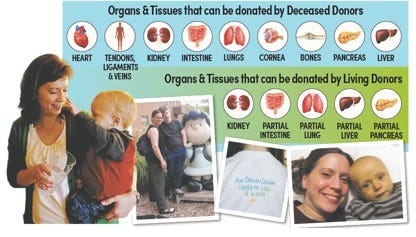
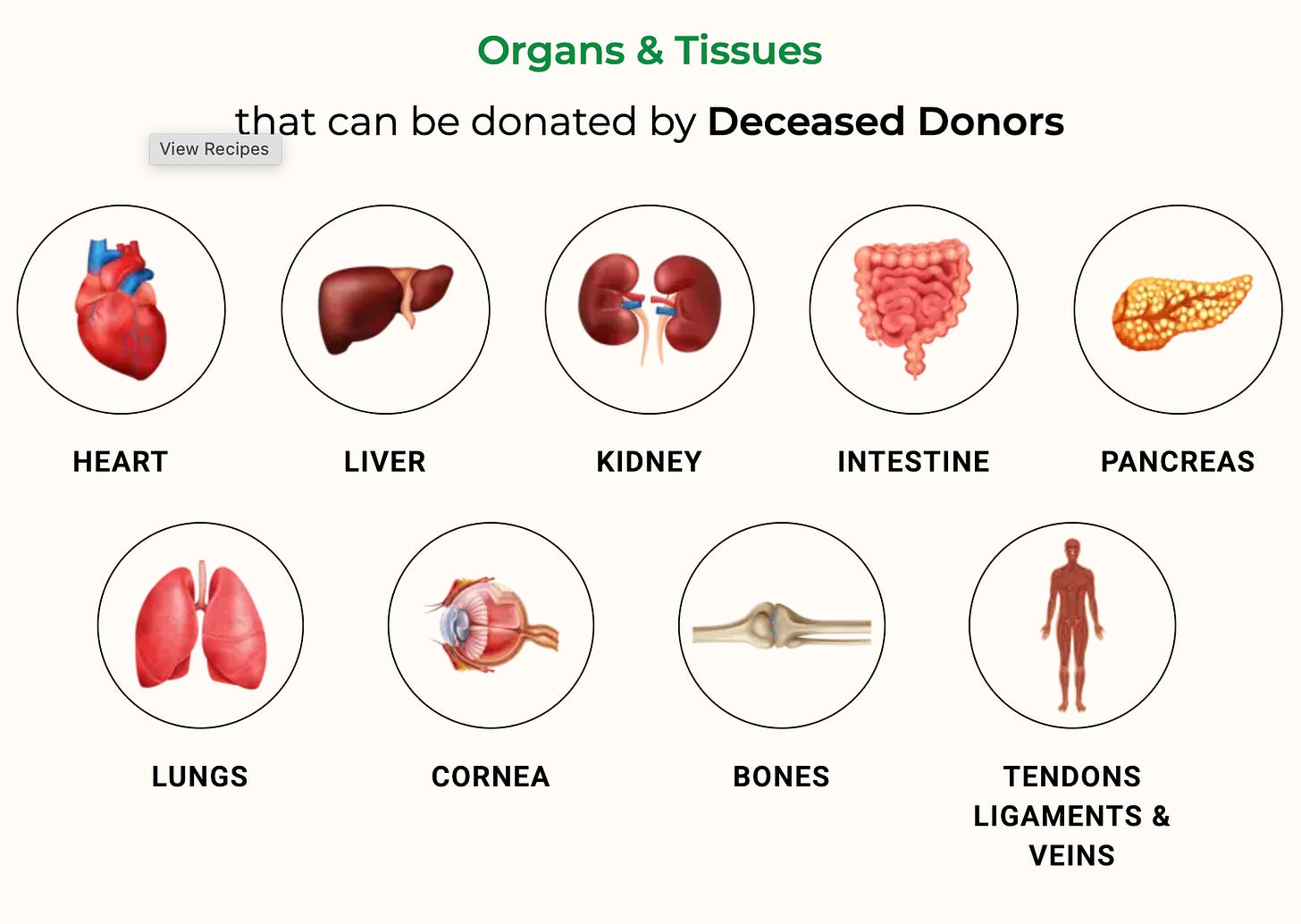
Up to eight people can benefit from a single donor — two kidneys, a heart, lungs, eyes, corneas, pancreas, small bowel and a liver, which can be split to help two patients.
“When I go in for those organ donations, it’s sad to hear the story of family and the donor who made the ultimate sacrifice, but at the same time you know you’re giving someone else the ability to have a new life and new chapter,” Turaihi said.

LifeSource leaders say South Dakota has long had one of the highest donor-registration rates in the nation. But in recent years the rate has slipped from about 60 percent to 57 percent. Mau Larson attributes the decline to national misinformation — claims that organs are lost in transit, that families feel pressured or that the process lacks oversight.


She pushed back on those narratives, emphasizing the accountability and transparency built into every step of the system.
The organization is also working to improve culturally responsive outreach, particularly among American Indian communities. Tribal engagement across South Dakota, including partnerships with Native chaplains and respect for beliefs surrounding keeping the body intact, are initiatives Mau Larson credits with donor rates staying strong in the state.
Data from the federal Organ Procurement and Transplantation Network show the number of American Indians receiving transplants in South Dakota was five in 2023, eight in 2024 and seven in 2025. The state has two kidney-transplant programs, but patients needing other organs — including hearts or livers — typically travel to Minnesota or Colorado. Meanwhile, the number of American Indian deceased donors in South Dakota fluctuated from six in 2023 to two in 2024 and five in 2025.



LifeSource operations are nationwide. In a three-state region that covers South Dakota, North Dakota and Minnesota, that means retrieval teams traveling frequently by air. Transporting organs involves specialized handling protocols, and recent federal changes have streamlined airline procedures and TSA requirements.
Despite ongoing budget negotiations in Washington, Mau Larson said LifeSource has avoided disruptions.
LifeSource leaders say they are grateful for South Dakota’s long record of donor registrations, and they continue answering questions for anyone unsure about what saying “yes” really means.
“We’re talking about helping another person,” Mau Larson said. “That’s the very best in humanity.”






SIOUX FALLS, S.D. (Dakota News Now) – Governor Rhoden officially signed HB 1082 into law on Friday, March 27.
HB 1082 is a bill that establishes parameters for reimbursing school districts that provide free or reduced-price meals to students.
Representative Kadyn Wittman, who has worked to pass the bill for several years, expressed excitement and gratitude in a post to Facebook on Friday.
“10,000 kids across our state will now have access to free school meals. No stigma. No barriers. Just the support they need to learn and grow,” wrote Wittman.
“So incredibly grateful to everyone who made this happen. This is a big win for South Dakota families!”
You can see the full bill and its sponsors here.
Copyright 2026 Dakota News Now. All rights reserved.

RAPID CITY, S.D. (KOTA) – Students at South Dakota Mines heard Wednesday from retired four-star general Maryanne Miller about her journey to the highest ranks of the U.S. military.
Miller is a retired four-star U.S. Air Force general. She is the only member of the Air Force Reserve ever to be promoted to this level.
She spoke about finding greatness and living a life of fulfillment. Her stories came from her time in the Air Force and as a volunteer for Saint Teresa of Calcutta’s Missionaries of Charity.
“We so much get focused on what is our next step in life, what’s the next career move, how do we make ourselves better in our career, and we forget about how do we make ourselves better as a human being,” Miller said. “Because they have to go tandem. If it’s not tandem, you’re going to get off track.”
Miller was commissioned in 1981 and rose through the ranks before becoming a four-star general in 2018. She was the only woman serving as a four-star officer in the military at the time. She retired in 2020 after serving for almost 40 years.
See a spelling or grammatical error in our story? Please click here to report it.
Do you have a photo or video of a breaking news story? Send it to us here with a brief description.
Copyright 2026 KOTA. All rights reserved.
South Dakota
USDA to offer distaster assistance to South Dakota agriculture producers impacted by winter storms

SIOUX FALLS, S.D. (Dakota News Now) – The U.S. Department of Agriculture is offering financial and technical assistance to South Dakota farmers and livestock producers who may have been impacted by the recent winter storms.
“I encourage impacted producers to contact their local USDA Service Center to report losses and learn more about program options available to assist in their recovery from crop, land, infrastructure, and livestock losses and damages.” said Richard Fordyce, Production and Conservation Under Secretary.
FSA’s Emergency Conservation Program and Emergency Forest Restoration Program can assist landowners with financial assistance to restore damaged land and conservation structures or forests.
“Our staff will work one-on-one with landowners to make assessments of the damages and develop methods that focus on effective recovery of the land.” said Jessica Michalski, Acting NRCS State Conservationist in South Dakota.
For more information about the disaster assistance program, click here.
Copyright 2026 Dakota News Now. All rights reserved.

Supreme Court says local elections board must hear residency challenge

Tiger Woods charged with DUI after rollover crash in Florida

Georgia Senate passes bill for hand-marked paper ballots

Hawaii police investigate alleged gun threat at Kealakehe Intermediate

Idaho Senate introduces new bill to give local municipalities authority to control rat populations

Florida High School Football Rankings: Top 25 teams – Oct. 21

How old is Bo Nix? What to know about Oregon quarterback ahead of 2024 NFL Draft

Cleary's 21 help Le Moyne down Central Connecticut State 69-64 in OT

99th annual Pony Swim held in Virginia

Indiana Members Credit Union announced as new anchor tenant at Bottleworks District

WATCH: Senate hearing goes silent after Angel Father confronts top Dem over daughter’s death

US diplomat Marco Rubio denounces settler violence, tolls in Hormuz strait

Iran-linked hackers have breached FBI Director Kash Patel’s personal emails | CNN Politics

Live: CPAC 2026 Day 2

Video: Will ICE Change Under Its New Leader?
-

 Detroit, MI1 week ago
Drummer Brian Pastoria, longtime Detroit music advocate, dies at 68
-

 Movie Reviews1 week ago
‘Youth’ Twitter review: Ken Karunaas impresses audiences; Suraj Venjaramoodu adds charm; music wins praise | – The Times of India
-

 Sports6 days ago
IOC addresses execution of 19-year-old Iranian wrestler Saleh Mohammadi
-

 New Mexico5 days ago
Clovis shooting leaves one dead, four injured
-
 Business1 week ago
Disney’s new CEO says his focus is on storytelling and creativity
-

 Technology5 days ago
YouTube job scam text: How to spot it fast
-

 Tennessee4 days ago
Tennessee Police Investigating Alleged Assault Involving ‘Reacher’ Star Alan Ritchson
-

 Texas1 week ago
How to buy Houston vs. Texas A&M 2026 March Madness tickets