Kansas
Kansas City traffic deaths keep going up, while its effort to make roads safer is underfunded


You’re trying to cross the street, only to jump back after a speeding car blazes through the crosswalk. You’re biking to work but nearly get hit after someone runs a red light. You’re driving back from the grocery store and have to swerve to avoid a reckless driver.
Kansas City residents know these experiences all too well, but many aren’t lucky enough to avoid being hit. In 2023, 102 people died in traffic crashes, according to the Kansas City Police Department.
That’s an increase from 2022, when 89 people died in crashes, and the opposite direction that Kansas City hoped it would see.
For the last three years, the city’s Vision Zero program has worked to change roadways with the goal of eliminating traffic fatalities entirely by the end of the decade.
But Kansas City still has one of the country’s highest rates of fatal car crashes, and local advocates and leaders say the city’s fortune won’t change without more funding.
“There is a lack of political will to make all of the investments and changes necessary to not only allow Vision Zero to take root but to enable it to succeed,” says Michael Kelley, policy director with transit advocacy group BikeWalkKC and a member of the Vision Zero task force.
“Until that changes, we are going to continue to be in this rut where it is somewhat making progress,” Kelley continued. “We are making some strides, but we’re not moving entirely in the direction of a safer Kansas City for everyone.”
Behind Vision Zero
Carlos Moreno
/
KCUR 89.3
In a city split by massive highways and imposing six-lane streets, Kansas City’s Vision Zero program tries to correct roads to be safer for all kinds of users — not just cars. Of those killed this year in crashes, 20% were pedestrians and 4% were on a bicycle.
Kansas City has multiple options for making existing roads safer, with varying degrees of difficulty and cost, depending on the specific needs of the area.
Across the metro, Kansas City has been slowly making intersection and crosswalk improvements and implementing “road diets,” reducing the number of driving lanes in favor of things like bike lanes, medians, widened sidewalks and even dedicated streetcar lanes.
Kansas City Council adopted the plan in 2020, but the city didn’t publish a final action plan until 2022. In the interim, the Public Works Department adapted road projects to the principles of the program.
City Manager Brian Platt said he believes that the new group of city council members, elected in August 2023, understand the urgency of Vision Zero.
“If anything, I’d say that the discussion and deliberation is more around how we do that and not if we should do that,” Platt said.
So far, most of the Vision Zero projects have been cheaper and quicker to build. Platt said that helps the city finalize the design and get feedback before making larger, more permanent changes.
One example is the Gillham Cycle Track — a two-way protected pedestrian and bike lane that connects the Plaza to the Crossroads — which the city is now trying to make stronger and more permanent.
However, the vast majority of fatal and serious injury crashes happen on just 12% of Kansas City roads, most notably Southwest Trafficway, Independence Avenue, Truman Road and Troost Avenue.
The city is slowly targeting those roads, known as the high injury network, but that requires more intricate fixes, and a lot more money.
Kansas City currently dedicates $500,000 a year to Vision Zero through General Obligation Bonds, which are paid off by property tax money but do not require a voter-approved tax increase. That money is only set to last through the 2025-26 fiscal year, however.
It’s also not enough to fund the projects the city already has planned.
“If you look at these projects we have, we’re only addressing intersections that are on the high injury network,” said Kansas City chief mobility officer Bailey Waters at a Vision Zero Taskforce meeting in December. “We’re not even able to go and look at doing corridors… with our existing funding, I don’t foresee us reaching our goal by 2030.”
What’s next for Vision Zero

Carlos Moreno
/
KCUR 89.3
The Public Works Department has 13 road improvement projects scheduled for 2024 under the Vision Zero program, which will use bonds and neighborhood PIAC funding. Those projects span the city, from the Northland to Waldo, from the Westside to 18th and Vine.
But they are still a fraction of the road improvements that Kansas City needs.
Public Works says it receives 200 neighborhood traffic calming requests each year through its 311 system. According to Waters, addressing those requests alone — with changes like speed humps and curb extensions — would cost about $5.4 million on their own.
Platt said he’s working with City Council and Mayor Quinton Lucas to consolidate and increase the money given to Vision Zero in the next budget.
Plus, a new federal Safe Streets and Roads for All grant will support a citywide speed limit review, where the city can analyze appropriate limits and investigate roads that have excessive speeding.
“We know that the data shows that the slower vehicles go, the less serious the injuries are and the fewer crashes we see,” Platt said. “That’s one of the main ways we help make our streets safer.”
Since Vision Zero began, minor injuries have decreased, but crashes where people are seriously injured or killed have remained consistently high.
The city will also update its Traffic Engineering and Operations manual to align with the mission, and help create a streets design guide — centralizing city planning resources for roads and green infrastructure so they include Vision Zero and Complete Streets priorities.
In that vein, Kansas City is also trying to fit projects that don’t fall directly under Vision Zero to align with the program’s principles.
That includes a recently announced $14 million plan at 75th and Wornall Road in Waldo, which includes upgraded pavement, intersection improvements and new sidewalks. The projected completion date is fall 2025.
In its 2022 action plan, the city found that fatal or serious injury crashes were twice as likely to happen in a transportation-disadvantaged area — where people have to spend more or take longer to get where they need to go. In Kansas City, those areas are primarily located east of Troost and in the Historic Northeast.
The report also found that Black people were twice as likely to be killed and nearly four times as likely to be injured in a traffic crash than white people.
Kansas City’s ordinance creating Vision Zero makes it clear that the program is meant to address such inequities. But not all of its projects are made the same.

Carlos Moreno
/
KCUR 89.3
While most of the completed projects so far have been in the 3rd and 4th City Council districts, which covers those transportation-disadvantaged neighborhoods and much of downtown, those have also tended to be lower-cost efforts like speed humps and improved crosswalk signals.
Due to the scarcity of funding, most of the more permanent and more effective fixes have yet to be undertaken.
The other roadblock is external: Road safety projects aren’t always welcomed by their intended communities, something Kelley blames on a lack of engagement by the city.
Last year, bike lanes added to the 3rd district along Truman Road — a project that complimented, but wasn’t technically part of, Vision Zero — faced the threat of removal after residents and business owners complained. While City Council considered a compromise that would take away a bike lane on one side of the street, no action has been taken yet.
In other instances, Kelley said projects have been changed or held up because of controversy over where projects should go, and who deserves them first.
“There is still this mindset of, ‘If I give this place more, that means that I’m getting less,’” Kelley said. “We can’t continue to operate in a scarcity mindset because that inevitably means that the people who need it the most will continue to receive less than what they need to be safer.”
The Vision Zero task force says it’s working on an education campaign to make road improvement projects more understandable to residents, as well as less controversial. The city has also added a button to the 311 app and website so that residents can more easily make traffic-calming requests.
Kelley said the hardest part of his job is helping grieving families deal with the death of a loved one, “knowing they’re being killed on streets that we knew as a city were unsafe.”
Kelley wants to remain optimistic, though, that Kansas City will find a way to meet its goal.
“I have to be,” Kelley said, “because the alternative is I have more crying folks on the phone. More funerals and memorial services I’m asked to go to. I don’t want to think about a reality where we have more of that.”

Kansas
Chiefs Name Burns & McDonnell as Owner’s Representative for New Practice Facility and Headquarters in Olathe

KANSAS CITY, Mo. – On Thursday, the Kansas City Chiefs made their first major announcement for the club’s future day-to-day home, naming Kansas City-based Burns & McDonnell as owner’s representative for the team’s practice facility and headquarters project in Olathe, Kansas.
“We are extremely excited to have Burns & McDonnell join our project team as owner’s representative for our new practice facility and headquarters that we will be building in Olathe,” Chiefs Executive Vice President and Chief Operations Officer Matt Kenny said. “As a local, employee-owned firm with a track record of project success around the world, we know they have the right mix of local knowledge as well as global experience to help us navigate the upcoming design and construction phases of a truly unique year-round home for our football team and staff.”
Burns & McDonnell will team with CAA ICON to serve as the franchise’s trusted advisor throughout the development of the new team facilities that support both business and football operations. Working alongside Chiefs project leaders, they will provide independent oversight and experienced leadership to guide the process from early planning through construction and occupancy. They will coordinate with architects, engineers, contractors, consultants, and other key stakeholders to support project execution, maintain alignment with budget and schedule objectives, manage risk, and help ensure the facility is delivered to the high standards expected by the Chiefs organization.
“We are honored to partner with the Kansas City Chiefs on this transformational project,” said Jon Wright, senior vice president and general manager of the Buildings Market at Burns & McDonnell. “The Chiefs have had an extraordinary impact on our region for generations, and this investment represents an exciting new chapter for the organization and the Kansas City community. As a Kansas City-based company, it is a privilege to help bring that vision to life by providing experienced project leadership from planning through construction. We look forward to working alongside the Chiefs and the entire project team to deliver a world-class facility for the organization, its staff and Chiefs Kingdom.”
Set to open ahead of the 2031 football season, the Chiefs new $300 million practice facility and headquarters – as well as an associated mixed-use development – will be located on approximately 155 acres near the intersection of College Boulevard and Ridgeview Road in Olathe.
Additional announcements related to the design and construction of the club’s new practice facility and headquarters in Olathe are expected to be announced in the coming weeks.
The Kansas Lottery offers several draw games for those aiming to win big.
Here’s a look at July 15, 2026, results for each game:
Winning Powerball numbers from July 15 drawing
02-07-18-29-38, Powerball: 16, Power Play: 2
Check Powerball payouts and previous drawings here.
Winning Pick 3 numbers from July 15 drawing
Midday: 3-3-6
Evening: 0-9-9
Check Pick 3 payouts and previous drawings here.
Winning 2 By 2 numbers from July 15 drawing
Red Balls: 02-03, White Balls: 08-22
Check 2 By 2 payouts and previous drawings here.
Winning Lotto America numbers from July 15 drawing
26-29-41-46-47, Star Ball: 09, ASB: 02
Check Lotto America payouts and previous drawings here.
Winning Super Kansas Cash numbers from July 15 drawing
06-08-14-24-26, Cash Ball: 01
Check Super Kansas Cash payouts and previous drawings here.
Winning Millionaire for Life numbers from July 15 drawing
01-05-18-23-33, Bonus: 05
Check Millionaire for Life payouts and previous drawings here.
Feeling lucky? Explore the latest lottery news & results
Are you a winner? Here’s how to claim your lottery prize
All Kansas Lottery retailers will redeem prizes up to $599. For prizes over $599, winners can submit winning tickets through the mail or in person at select Kansas Lottery offices.
By mail, send a winner claim form and your signed lottery ticket to:
Kansas Lottery Headquarters
128 N Kansas Avenue
Topeka, KS 66603-3638
(785) 296-5700
To submit in person, sign the back of your ticket, fill out a claim form, and deliver the form along with your signed lottery ticket to Kansas Lottery headquarters. 128 N Kansas Avenue, Topeka, KS 66603-3638, (785) 296-5700. Hours: 8 a.m. to 5 p.m., Monday through Friday. This office can cash prizes of any amount.
Check previous winning numbers and payouts at Kansas Lottery.
When are the Kansas Lottery drawings held?
- Powerball: 9:59 p.m. CT Monday, Wednesday and Saturday.
- Mega Millions: 10 p.m. CT Tuesday and Friday.
- Pick 3 Midday/Evening: 1:10 p.m. and 9:10 p.m. CT daily.
- 2 By 2: 9:30 p.m. CT daily.
- Lucky for Life: 9:38 p.m. CT daily.
- Lotto America: 9:15 p.m. CT Monday, Wednesday and Saturday.
- Super Kansas Cash: 9:10 p.m. CT Monday, Wednesday and Saturday.
- Millionaire for Life: 10:15 p.m. CT daily.
This results page was generated automatically using information from TinBu and a template written and reviewed by a Kansas editor. You can send feedback using this form.

WICHITA, Kan. (KWCH) – As health officials gain insight into the nationwide outbreak of the intestinal illness, cyclosporiasis, data from the Kansas Department of Health and Environment show a sharp increase in cases within the Sunflower State.
As of Wednesday, KDHE is reporting 55 cases of the “explosive diarrhea” outbreak for the year, including 25 this month. A breakdown of the Kansas cases shows a balance of cases among males and females. The state data doesn’t break down county-by-county numbers, but on Tuesday, Sedgwick County confirmed five cases for the year, a total that is likely to jump with the additional statewide confirmations.
Also on Tuesday, the Michigan Department of Health and Human Services said it identified lettuce and other salad greens as a potential source of the outbreak.
Adding to the concern about produce, Taco Bell issued a statement saying it had “voluntarily and temporarily removed limited ingredients at select restaurants as a precautionary measure.
“We will continue to closely monitor the situation and follow the guidance of public health authorities,” the restaurant chain said.
Sedgwick County offered guidance on ways to protect yourself from cyclosporiasis and bacterial illnesses connected with produce:
- Wash fruits and vegetables thoroughly under running water before eating, cutting, or preparing them.
- Scrub firm fruits and vegetables, such as melons and cucumbers, with a clean produce brush.
- Cut away any damaged or bruised areas on fruits and vegetables before preparing and eating.
- Avoid bagged lettuce or salad mixes. When eating a whole head of lettuce, remove the first two or three layers of leaves and thoroughly wash the inner leaves under running water. Separate the leaves as you wash them.
- Heating food to 158 degrees or higher kills the parasite.
- Practice good hand hygiene by washing hands with soap and water before preparing or eating food and after using the bathroom or changing diapers.
- Travelers to cyclosporiasis-endemic areas should follow food and water precautions, including avoiding foods and beverages that may be contaminated.
- Be aware that Cyclospora is unlikely to be killed by routine chemical disinfection or sanitizing methods.
- If you develop symptoms of cyclosporiasis, especially persistent watery diarrhea, contact a healthcare provider for evaluation and treatment recommendations.
Copyright 2026 KWCH. All rights reserved. To report a correction or typo, please email news@kwch.com
-
 Business3 minutes ago
Netflix reports higher profits as investors worry about growth
-
 Entertainment9 minutes ago
Kris Jenner’s mom, beloved matriarch Mary Jo ‘MJ’ Shannon, dies at 91
-
 Politics21 minutes ago
Trump repeats debunked claims about voting vulnerabilities in prime-time speech
-
 Science27 minutes ago
Bass administration quietly replaced chief heat officer a month ago
-
 Sports33 minutes ago
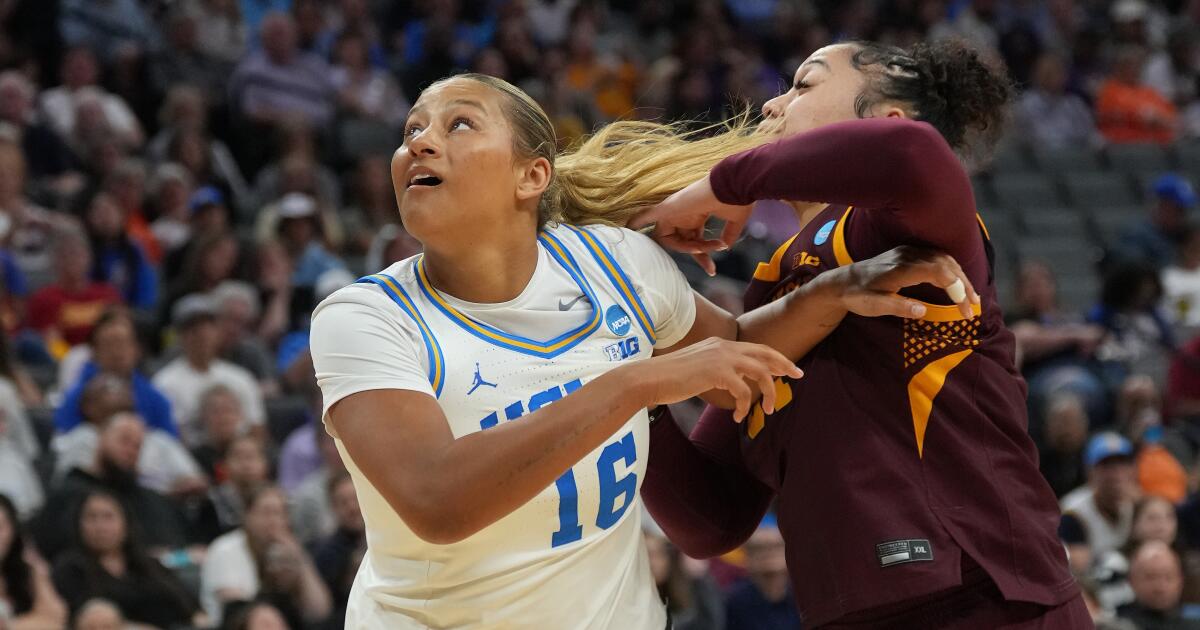
UCLA women embrace new players, tougher standards in bid to repeat as champs
-

 World45 minutes ago
China rebukes UK over nationalisation of British Steel
-
 News1 hour ago
Flood sirens blare in South Central Texas as rivers reach perilous heights
-

 Los Angeles, Ca3 hours ago
Arrest made in deadly shooting at 4th of July gathering in Compton; search for 2nd suspect continues

