Illinois
Illinois State Medical Society welcomes health insurance reform

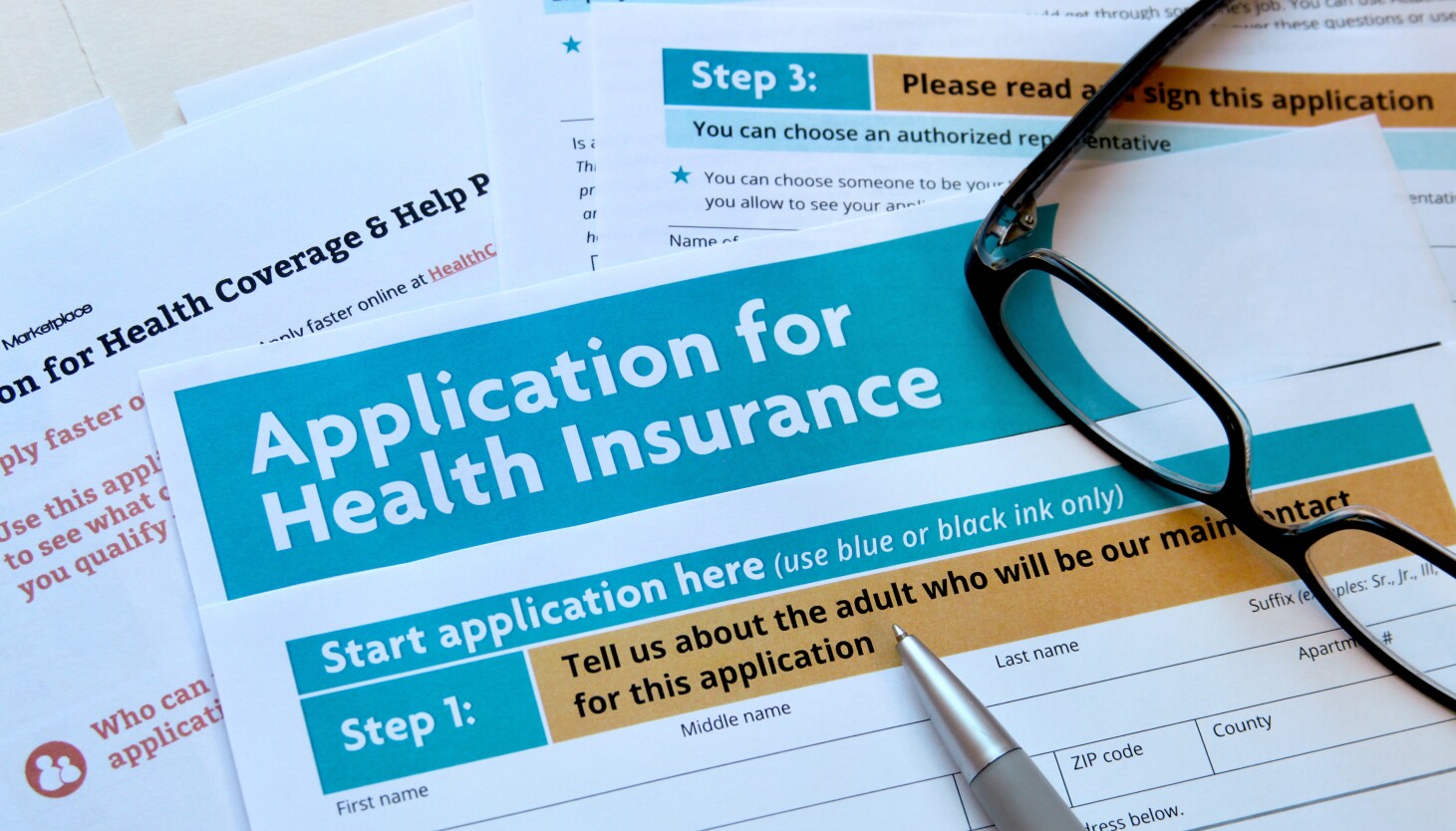
We applaud Gov. J.B. Pritzker’s commitment to tackle health insurance reform as outlined in his recent State of the State address. The governor has vowed to tighten up how payers conduct “utilization reviews,” which is the process insurers use to determine whether a medical service will be covered under the health plan. The governor is also promising to prohibit step therapy, another impediment that patients must endure while the insurance companies decide whether to grant permission for treatments recommended by their physician. As the governor said, doctors and patients should be making decisions about medical care, not insurance companies.
It’s time to hold these payers accountable. No more ghost networks that are misleading patients on available physicians within their insurance network and no more making patients and physicians jump through hoops so bureaucrats can make medical decisions or delay care.
SEND LETTERS TO: letters@suntimes.com. To be considered for publication, letters must include your full name, your neighborhood or hometown and a phone number for verification purposes. Letters should be a maximum of approximately 375 words.
It’s welcome news that these efforts that the physicians of the Illinois State Medical Society (ISMS) have been fighting for years now have the full backing of the governor’s office. Both the Prior Authorization Reform Act (2021) and the Network Adequacy and Transparency Act (2017) were ISMS-backed legislative initiatives to improve patient care and access to the physicians Illinoisans need and deserve in their communities.
We look forward to working with the governor and members of the Illinois General Assembly to make sure the people of Illinois have access to quality healthcare and that the administrative burdens on physicians are lessened so that more of their time can be spent on delivering patient care.
Rodney S. Alford, president, Illinois State Medical Society
City, state should get ownership stake for new facilities
If the mega-wealthy owners of the Bears, White Sox or any other team want taxpayer dollars via government funding for new facilities (or related infrastructure), then the city or state should receive a commensurate ownership stake in the team in return. There have been more than enough no-strings handouts to millionaires and billionaires over the years, thanks. Typically, these trips to the public trough are premised on fantastical projections of economic activity and tax revenue, which never materialize at the promised levels.
The federal government insisted on receiving ownership stakes in auto companies when they were bailed out by the billions during the Great Recession, and taxpayers made a profit when those shares were eventually sold. This practice should be the rule, not the exception, when eye-popping sums of public money flow to private interests.
Jason Liechty, Lincoln Square
Unhoused Chicagoans shouldn’t be an afterthought
A report from The Chicago Coalition for the Homeless found that people living in Chicago without a permanent address, living on the streets, or in shelters exceeded 68,000 prior to the surge of migrants into the city beginning in 2022.
I commend the City of Chicago for rolling out the carpet and helping these immigrants by providing the basic necessities of life.
My only complaint is why we did not afford our own citizens, more than 68,000 of them, the same?
The level of help that we are providing now to the thousands of people without homes coming from across the boarder.
If Chicago truly is a sanctuary city, our homeless citizens should have been afforded the same necessities of life.
John Livaich, Oak Lawn



Illinois
Before Beatlemania, George Harrison visited his sister in Illinois. The house is now for sale

For the skinny British musician, it was an unassuming trip to visit his sister’s family in September 1963 in Benton, Illinois.
He went camping. He jammed with local musicians. He drank root beer delivered on roller skates. He shopped for records. He bought a guitar. Then he went home.
The next time people in Benton saw George Harrison, it was with 73 million others who tuned in to watch his band, the Beatles, make their U.S. debut on “The Ed Sullivan Show” about four months later. The British Invasion, which changed popular music and American culture, was underway.
Now, the house where Harrison and his brother Peter stayed in Benton, 100 miles (160 kilometers) southeast of St. Louis, is for sale.
You’ll forgive Beatles fans if they’re worried about its future. In 1995, the house at 113 McCann Street had a date with the wrecking ball. Activists, including Harrison’s sister, Louise Harrison Caldwell, who had moved away in the late 1960s, stepped in to save it.
Coal mining brought the family of Harrison’s sister to Benton
Previously known for hosting the state’s last public hanging in 1928, Benton, population 6,700, was built on Southern Illinois’ rich veins of coal. Louise Caldwell moved to town when her husband, a mining engineer, got a job in what was then a thriving industry.
The house they chose is a five-bedroom bungalow built in 1935 with a brick facade across its wide front porch.
In the mid-1990s, a state agency bought the house from a subsequent owner with plans to flatten it for parking. Mega-fan Robert Bartel of Springfield, a Beatles author and documentarian, alerted the media and Fab Four loyalists.
Local investors repurchased it from the state and opened the Hard Day’s Nite Bed and Breakfast, featuring the couch Harrison traded guitar licks on and stacks of other loaned Beatles memorabilia, including a bevy from Bartel.
The bed-and-breakfast closed in 2010. Benton resident Grady Adams has since operated it as regular bed-and-bath apartments but now wants to sell, listing it for $105,000. Brian Calcaterra, Benton’s director of economic development, suggested the city draft an ordinance to protect the house from demolition by a new owner, but Benton Mayor Lee Messersmith said the city council has not discussed the matter.
“Of course, if it doesn’t get demo’d, I would prefer that,” Adams said.
Interest in reviving the bed-and-breakfast is unclear
Whether there’s interest — or energy — to return the McCann Street house to its Beatles glory is up for debate.
Jim Kirkpatrick of Creal Springs, author of “Before He Was Fab,” a recollection of Harrison’s visit which has been optioned for a movie, has had at least one encouraging conversation with someone considering purchase.
Benton business owner Robert Rea, a historian who helped save the Beatles house three decades ago, said the obsession has faded.
“When we did this (in 1995), the world went crazy because they thought, ‘George is going to come, he’s going to save the house,’” Rea said. “And I’m just being honest with you, maybe I’m missing it or something, but that momentum is not here.”
Harrison’s last chance to walk the streets in anonymity
Harrison’s trip was perhaps the last time the musician could enjoy obscurity. He camped in Shawnee National Forest. He sat in with a popular local group when they played a nearby Veterans of Foreign Wars hall. The band’s leader took him to a drive-in restaurant with carhops on skates, where he guzzled root beer for the first time.
At a record store on Benton’s downtown square, Harrison bought a pile of vinyl. Included was James Ray’s R&B single, “I’ve Got My Mind Set on You,” Harrison’s 1987 cover of which went to No. 1.
He also bought a Rickenbacker 425 guitar like the one bandmate John Lennon had. Harrison played the guitar a month later when the Beatles recorded “I Want to Hold Your Hand.” It sold at auction in 2014 for $675,000.
One day during Harrison’s visit, he and Caldwell dropped by WFRX radio, where then-17-year-old Marcia Schafer Raubach had a Saturday afternoon teen program. Harrison gave her a copy of “She Loves You,” which he told her had just hit the top of the British charts.
Raubach interviewed Harrison on the air, the first for a Beatle in America, and played the 45, which she still has. She said it sounded different than the songs American teens were then punching up on jukeboxes. But it didn’t make an impression on her audience.
Despite his longish hair in a land of crew cuts, Raubach found Harrison, dressed in a crisp white shirt, jeans and sandals, “very clean cut, he was personable and mannerly and they call him the ‘quiet Beatle’ — well, he was.”
“If I had known what they were going to become, I would have handled that differently,” Raubach, now 79, said. “It’s still amazing that he even came here and that I met him. I think he really liked Southern Illinois.”
Harrison never returned to Benton, though, dying in 2001 at 58. Caldwell was 91 when she died in 2023.

Processing Content
- Key insight: The Office of the Comptroller of the Currency is moving to preempt Illinois’ tax-and-tip swipe fee ban before it takes effect July 1, 2026.
- Supporting data: The draft interim final rule was sent to the Office of Management and Budget for approval and would take effect immediately once OMB has greenlighted the rule.
- Forward look: The rule could be issued within weeks and could potentially add a new wrinkle into ongoing litigation over the state law.
The Office of the Comptroller of the Currency this week sent a draft rule to the Office of Management and Budget that would preempt an Illinois state law banning the collection of interchange fees on taxes and tips.
A notice announcing the
Jaret Seiberg, policy analyst at TD Cowen said the rule’s consideration could take time.
“OMB reviews can vary significantly with some taking days and others months,” Seiberg wrote. “In this case, we expect an expedited review with the agency able to issue the interim final rule within a few weeks.”
Banks charge interchange fees — also known as swipe fees — every time a credit card is used, and those fees are justified as necessary to pay for fraud prevention, the cost of processing the transaction and offsetting the costs of credit card rewards. The fees are set by the card networks like Visa or Mastercard and often are around 2-3% of a transaction. Merchants
Critics of interchange fees, such as Eric Cohen, founder & CEO of
The Illinois Interchange Fee Prohibition Act, signed into law by Governor J.B. Pritzker in 2024, would bar banks and their affiliated card networks from levying such fees on the state sales tax and gratuity portions of transactions, with state officials saying merchants should not be charged for processing non-revenue.
Shortly after the law’s passage in 2024, the American Bankers Association, America’s Credit Unions, Illinois Bankers Association and Illinois Credit Union League sued Illinois Attorney General Kwame Raoul to block the measure, saying the rule is technically unworkable, acts as a price control and could cost issuers millions. The state has subsequently
The OCC has also filed amicus briefs backing the plaintiffs’ case, arguing the law should be blocked because it conflicts with federal banking law and would significantly interfere with national banks’ ability to earn money from card transactions. Ten former OCC officials also filed a brief supporting the plaintiffs.
The Illinois Retail Merchants Association responded to the OCC’s notice of the draft interim final rule with concern, saying the move prioritizes banks’ bottom lines over bringing down costs from merchants and consumers.
“This rushed announcement by the federal government to usurp Illinois law is unprecedented, prioritizing the bottom line of banks and credit card companies over meaningful relief for businesses and consumers. While the office has failed to explain their reasoning or allow public review, it’s clear the goal is an end-run around the legal process after a judge recently upheld the law,” said Rob Karr, president and CEO of the Illinois Retail Merchants Association. “Banks, credit card companies and credit card processors are doing all they can to preserve an uncompetitive and unfair system, including spending millions of dollars on ads spreading falsehoods and threatening to cause chaos for consumers. It’s time to end their reign over our pocketbooks.”
Seiberg says he expects more litigation in the future, but that preemption cases often go the agency’s way. The entrance of the OCC rulemaking could lead the appeals court currently reviewing banks’ challenge to the Illinois law to send the case back to the lower court to reconsider the impact of the rule on the overall case.
“We expect Illinois will challenge the OCC’s preemption order in court,” Seiberg wrote in a research note. “If the Illinois law survives legal challenge, then it is only a matter of time before most other states adopt similar policies. It also likely encourages states to seek other limits on interchange fees using the same legal reasoning that these fees are set by networks rather than banks.”

CHICAGO (WGN) — Charging your credit card at a restaurant or grocery store could change this summer if one swipe won’t cover the tax or tip.
It’s the first law of its kind in the country. While some feel it will save businesses money, banks aren’t happy about the change.
“In the restaurant business, we operate on very thin margins. Every decision matters. Even small disruptions can have a huge impact on our bottom line,” said Tremaine Branch, a Peoria restaurant owner concerned about the Interchange Fee Prohibition Act, which becomes law in Illinois on July 1.
As it stands now, when you swipe your credit or debit card for a purchase, the retailer’s bank pays an “interchange fee” to the consumer’s bank, typically around 2-3%. The Interchange Fee Prohibition Act would eliminate those fees on the tip and tax portions of the transaction.
The legislation was proposed to address concerns that businesses incur costs on money that isn’t part of their revenue for goods and services. After the bill passed, a group of financial institutions filed a lawsuit in 2024, and in March, a federal judge upheld the law.
Sam Toia, with the Illinois Restaurant Association, believes the legislation could benefit business owners.
“I have every faith banks can flip the software, we’re in 2026, to figure this out,” he said. “We’re out here fighting for our small independent restaurants throughout the state of Illinois that will save no swipe fees to our independent restaurants on taxes and tips. That will save them quite a bit of money.”
Businesses that don’t comply would face a $1,000-per-transaction penalty, however.
“There’s no workable technology in place right now that can actually do what this law requires,” said Ben Jackson, an executive vice president of government relations at Illinois Bankers Association. “It’s completely unknown whether Illinois businesses with that July 1 implementation date could put this law into practice.”
Businesses should check with their payment processor to update software and learn how to adjust their systems before July 1.

How Alex Palou became IndyCar’s most successful driver — and why he rejected F1

Swedish rights groups slam ‘honest living’ criteria for migrants

Orbán’s defeat is a win for democracy and a warning to Trump, some say

Pentagon Reportedly Asks Detroit to Use More Car Factories as Arms Factories

San Francisco considers closing some permanent supportive housing

Florida High School Football Rankings: Top 25 teams – Oct. 21

How old is Bo Nix? What to know about Oregon quarterback ahead of 2024 NFL Draft

Cleary's 21 help Le Moyne down Central Connecticut State 69-64 in OT

99th annual Pony Swim held in Virginia

Indiana Members Credit Union announced as new anchor tenant at Bottleworks District
Swedish rights groups slam ‘honest living’ criteria for migrants
Orbán’s defeat is a win for democracy and a warning to Trump, some say

Firefighters Likely Had Limited View of Approaching Plane in LaGuardia Crash

Tennessee governor signs nuclear family month resolution as critics push back on exclusions

Displaced Lebanese wary as ceasefire between Israel and Hezbollah begins
-

 Ohio3 days ago
‘Little Rascals’ star Bug Hall arrested in Ohio
-

 Georgia1 week ago
Georgia House Special Runoff Election 2026 Live Results
-

 Arkansas7 days ago
Arkansas TV meteorologist Melinda Mayo retires after nearly four decades on air
-

 Austin, TX1 week ago
ABC Kite Fest Returns to Austin for Annual Celebration – Austin Today
-

 Politics2 days ago
Dem fundraising giant in the hot seat as GOP lawmakers demand answers over dodged subpoena
-

 Politics6 days ago
Trump blasts Spanberger ahead of Virginia meetings, says state faces tax base exodus like New York, California
-

 Health1 week ago
Woman discovers missing nose ring traveled to her lungs, causing month-long cough
-

 San Francisco, CA5 days ago
President Trump terminates Presidio Trust