Illinois
DOJ sues Illinois city over untreated sewage discharge


An Illinois city once home to Miles Davis, Tina Turner and Senator Dick Durbin is being sued over allegations that its sewage discharge practices violate the Clean Water Act
Following an investigation by the Environmental Protection Agency (EPA), the Department of Justice (DOJ) and the EPA filed a complaint and a call for penalties and infrastructure improvements to sewage treatment in East St. Louis, Illinois, after finding that “hundreds of unlawful discharges of untreated sewage” ended up in the Mississippi River and Whispering Willow Lake in Frank Holten State Park, violating the Clean Water Act.
Whispering Willow Lake is used by the public for fishing and boating, and the parts of the Mississippi River investigated by the EPA are reserved for swimming and kayaking. Exposure to raw sewage and e. coli in water poses serious health risks, including skin infections, ear and eye infections, vomiting and diarrhea.
“East St. Louis’ failure to monitor outfalls interferes with EPA’s ability to evaluate the danger that discharges to these water bodies pose to human health,” the DOJ said.
Win McNamee/Getty Images
The DOJ said that both of East St. Louis’ sewage facilities are “in a state of disrepair” and added that “the city’s failure to properly operate and maintain these systems has led to additional discharges of combined or sanitary sewage into streets and buildings and has put members of the public at risk for unknowingly coming into contact with untreated sewage.”
Newsweek contacted East St. Louis Mayor Charles Powell III and the Illinois EPA via email for comment.
Another Illinois city, Cahokia Heights, recently reached a settlement with the EPA regarding its sewage treatment.
The settlement requires the city to pay a $30,000 civil penalty and implement an estimated $30 million to compliance measures to ensure that they do not release any more treated or untreated sewage into water, ditches, roads, yards and homes.
The Illinois EPA said that its Environmental Justice Policy exists to “promote environmental equity in this State,” and works to “ensure that communities are not disproportionately impacted by degradation of the environment or receive a less than equitable share of environmental protection and benefits.”
East St. Louis and Cahokia Heights are majority-Black cities that have experienced potentially toxic water because of sewage run-off and improperly maintained sewage systems.
“Both of these cases reflect the improper operation and maintenance of sewer systems located in environmental justice communities where both residents and the environment have been negatively impacted,” Illinois EPA Acting Director James Jennings said.
“Illinois EPA has worked closely with the Illinois Attorney General’s Office, the U.S. Environmental Protection Agency, and the U.S. Department of Justice to address our concerns and ultimately bring resolution to Cahokia Heights and East St. Louis.”
Do you have a story we should be covering? Do you have any questions about this article? Contact LiveNews@newsweek.com



(WGME) Sen. Tammy Duckworth, from the state of Illinois, is publicly opposing Dr. Nirav Shah’s run for the U.S. Senate in Maine, citing his past performance as Illinois’ public health director.
Duckworth posted on X Thursday that her opposition is based on Shah’s handling of a 2015 Legionnaires’ outbreak at a veterans home. Duckworth said Shah “put his image before the safety of veterans” during the outbreak, which resulted in the deaths of 13 people.
Shah has previously responded to criticism of how he handled the outbreak. During a debate on CBS13 when he was running for governor, Shah said, “If what we demand are leaders with unblemished records, then what we will get are leaders who have not been tested. I have been tested, I have learned, I am better for it, and that will make me a better governor for every single Mainer.”
Shah also responded directly to Duckworth’s comments, saying he was praised — including by Sen. Susan Collins — for how he handled the COVID-19 pandemic. He also reemphasized his willingness to answer questions in town halls across Maine.
Shah noted most Maine voters will likely not have a say in who gets the nomination, but said they still deserve to hear candidates’ thoughts in debates before taking on Collins.

SPRINGFIELD, Ill. (WCIA) — The Illinois State Board of Elections said it is “reviewing” a letter it received from the Department of Justice — a letter that is a thinly veiled threat to prosecute them for allegedly allowing noncitizens to vote.
The letter, addressed to Executive Director Bernadette Matthews, comes from the Civil Rights Division of the DOJ. It does not make any specific allegations that noncitizens are registered to vote in Illinois, and it does not allege that Matthews or anyone else is doing something illegal.
Instead, Assistant Attorney General Harmeet Dhillon, who signed the letter, said the letter serves as a “notice of federal laws applicable to state and local officials,” citing multiple laws that make only citizens of the United States eligible to vote.
However, Dhillon also mentioned laws that make it a criminal offense for not only noncitizens to register to vote and actually cast a ballot, but also for election officials to “knowingly and willfully” allow it to happen.
“Any election officer, including the chief election officer of the state, who knowingly retains noncitizens on the state’s voter registration list or facilitates noncitizens in receiving and casting ballots could be subject to criminal liability,” Dhillon said. “We encourage you to contact us to discuss what steps your state should take to maintain clean voter lists as required by law. The Department of Justice, Civil Rights Division, would like to assist your state in complying with these federal laws.”
The letter appears to be part of the Trump administration’s efforts to crack down on what it alleges to be widespread voting by noncitizens. Every other state in the country, plus Washington, D.C., reportedly received similar letters.
The Illinois State Board of Elections confirmed to WCIA that it received the letter and provided a copy but could not comment on it besides to say officials are “reviewing” it.

WILLIAMSON COUNTY, Ill. (HEARTLAND NEWS) – Officials are reminding residents to take lightning safety seriously following a recent strike that sent a Franklin County man to the hospital.
Lightning can strike more than 10 miles away from the storm itself, whether you’re at the pool, lake or courts. Emergency management officials say the biggest mistake people make is waiting until the rain starts before heading inside.
“Lightning often strikes outside the area of the heaviest rainfall, and if you can hear thunder, you’re in danger,” said Brian Burgess, director of the Williamson County Emergency Agency.
Scott Radecki teaches tennis lessons at Herrin City Park and constantly monitors weather conditions as part of his outdoor job. He tracks weather on his phone, especially on days with uncertain conditions.
“I’ve had lessons later in the day, had to go back to Marion, drive to courts, a popup storm came, started raining, so it’s just kind of part of the job and you just try to deal with it the best you can,” Radecki said.
Burgess said people need to know where they’ll go if storms develop before heading outdoors. The National Weather Service says you need to stay inside a safe building for at least 30 minutes after the last rumble of thunder because all thunderstorms produce lightning and are dangerous.
If you’re caught outside and can’t immediately find shelter, stay away from isolated tall trees, towers and utility poles. If you are in a group of people, make sure you spread out.
Lightning can also be dangerous inside buildings as well.The National Weather Service says Electricity travels through anything that’s metal or any medium, including electronics.
“Lightning will travel through wiring and plumbing if your building is struck, so don’t take a bath or a shower or wash dishes during the storm,” Burgess said.
Official organizations like the CDC offer a simple reminder: when thunder roars, go indoors.
Copyright 2026 KFVS. All rights reserved.
-

 San Francisco, CA5 minutes ago
Classical music series helps reconnect downtown San Francisco community
-

 Dallas, TX10 minutes ago
Dallas police officers, paramedics recall saving woman stuck in a ravine for days;
-

 Boston, MA20 minutes ago
Red Sox win 7th straight game just hours after landing in New York
-
 Denver, CO25 minutes ago
One tree at a time: Denver nonprofit works to close shade gap as heat dome threatens neighborhoods
-

 Seattle, WA32 minutes ago
VIDEO: West Seattle Summer Fest 2026 day 1, evening report
-

 San Diego, CA35 minutes ago
The World’s Number One Wellness Retreat is Right in Our Backyard
-
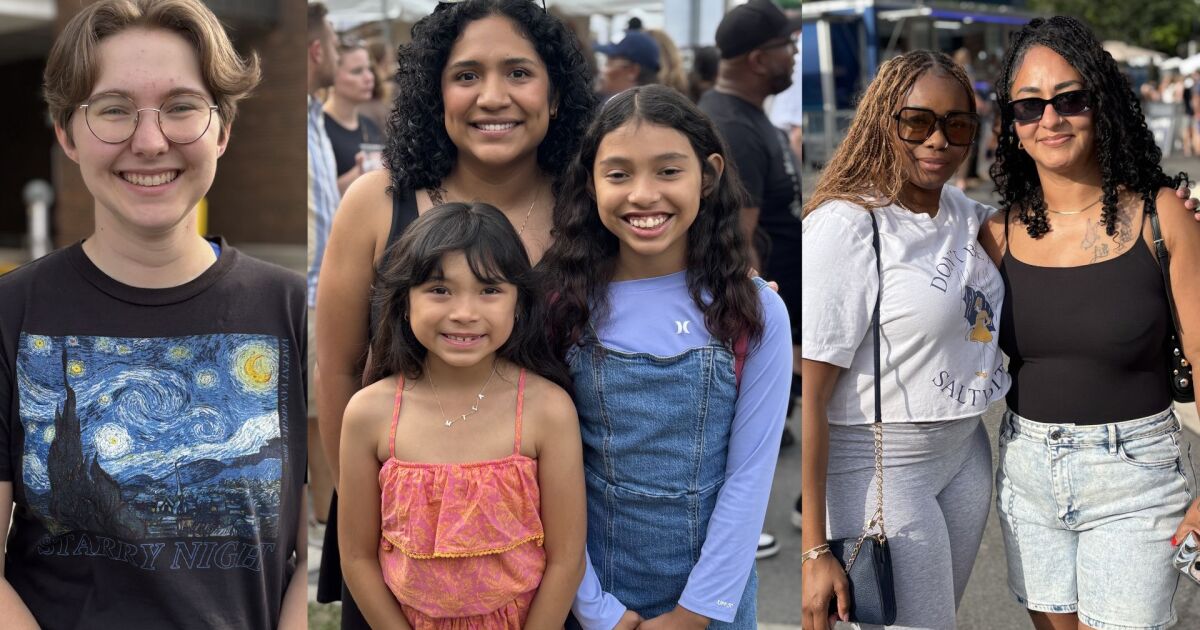 Milwaukee, WI40 minutes ago
Festivalgoers say Milwaukee’s summer events fill a gap in downtown entertainment
-

 Atlanta, GA47 minutes ago
Atlanta mentoring program brings ‘Save Our Sons Tour’ to Jacksonville’s Duval Day

