Detroit, MI
Part of Detroit Riverwalk reopens after infrastructure work


Detroit — A three-block portion of the Detroit Riverwalk just north of the Renaissance Center reopened this week after being closed for five months for the installation of an underground drainage system, state officials announced.
The stretch of the pedestrian and bicycle path that had been closed since Nov. 20 is between Beaubien and Rivard streets in downtown Detroit. Crews for the Michigan Department of Transportation installed a new storm sewer outfall intended to reduce the risk of flooding on nearby streets, officials said.
The sewer outfall is part of the larger I-375 project, a major infrastructure initiative around the I-375 corridor.
Sewer outfalls are key components of wastewater management systems, designed to safely discharge water and waste while protecting public health and the environment.
“The new storm sewer outfall will provide lasting environmental benefits for residents and businesses along the I-375 corridor and the riverfront by supporting cleaner water being discharged into the Detroit River and relieving pressure on the existing city combined sewer system after heavy rain events,” according to an MDOT press statement Thursday. “The installation of the new storm sewer will reduce the risk of flooding on streets and in neighborhoods.”
This week’s opening of the Riverwalk is ahead of the May 1 target date that had been set.
“Crews worked diligently through harsh winter and wet spring conditions to achieve our goal of reopening prior to seasonal festivities starting up,” said Jason Garza, MDOT’s Metro Region Deputy Engineer.
In addition to reopening the Riverwalk, crews also opened Atwater and Franklin streets to through-traffic between St. Antoine and Rivard streets.
The opening comes as the popular Riverwalk area is set to kick into high gear with a variety of events. The Riverwalk path runs continuously from Gabriel Richard Park, just east of the bridge leading to Belle Isle, to the Ralph Wilson park to the west. It attracts about 3 million people annually, according to the Detroit Riverfront Conservancy, the nonprofit that manages the Riverwalk and many of the adjoining parks and connected pedestrian/bike paths.
On Thursday afternoon, the Riverwalk was busy with walkers, bicyclists and people fishing such as Terraile Jefferson, 56, from Detroit.
“It’s always a good experience out here,” Jefferson said. “Especially when I catch something good.”
laguilar@detroitnews.com



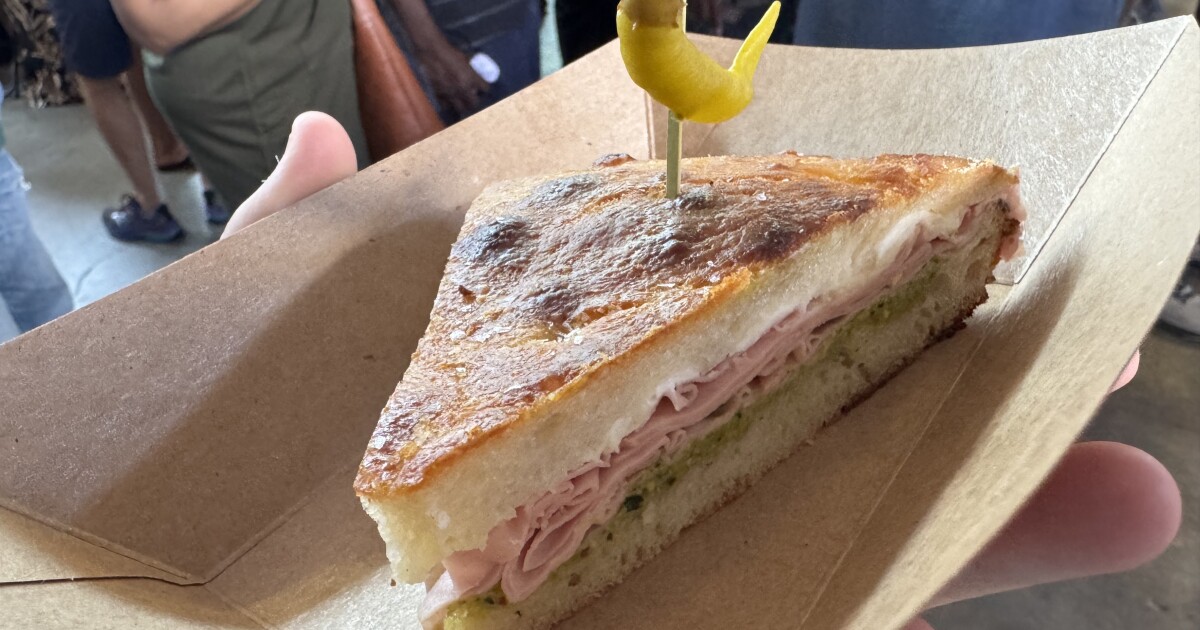
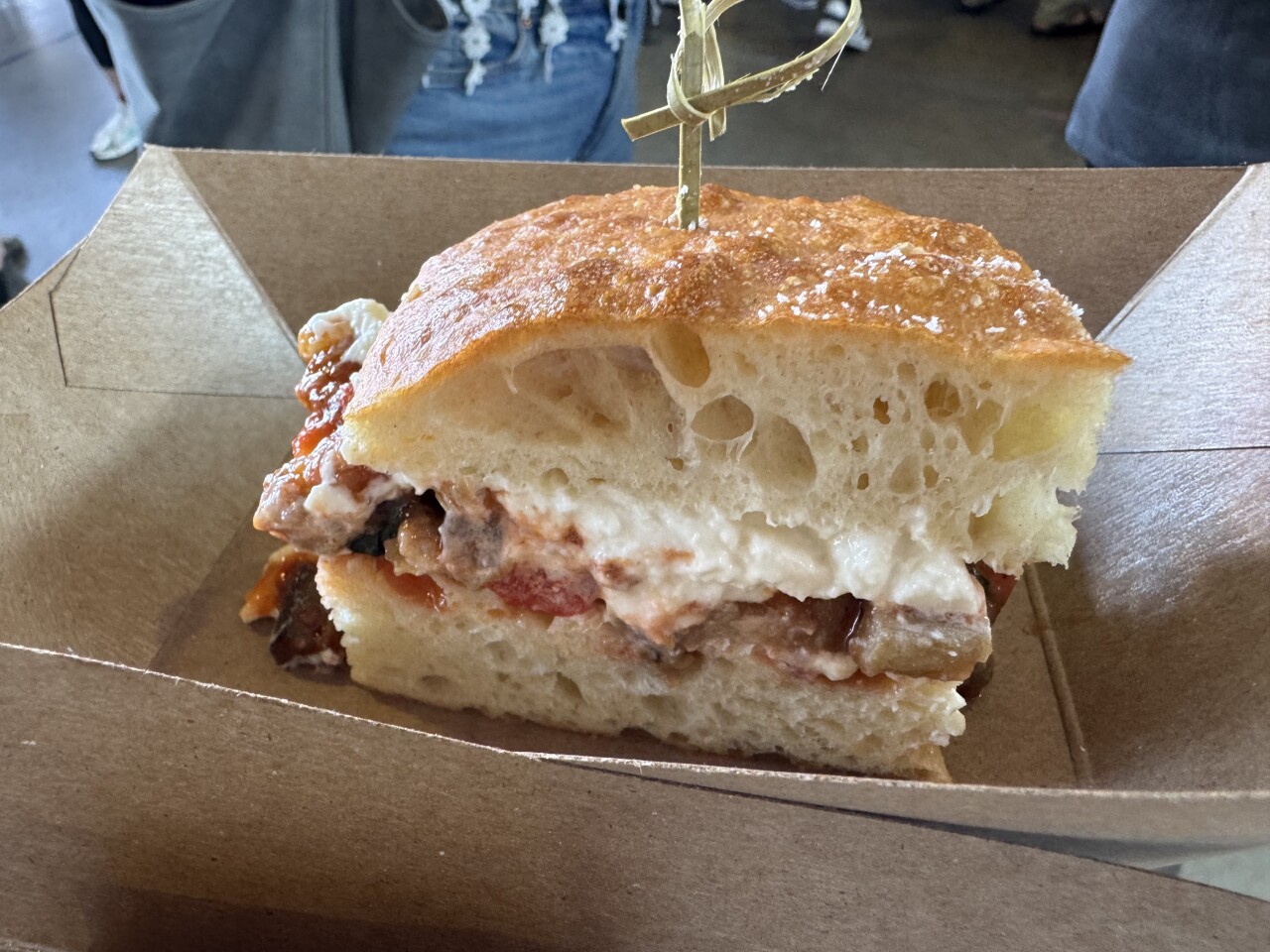
(WXYZ) — The third annual Detroit Sandwich Party is coming to Eastern Market on Labor Day weekend, bringing a massive free festival for sandwich lovers.
The festival is scheduled for Sunday, Sept. 6 at Eastern Market. It’s organized by Carlos Parisi, Will McDowell and Bekah Galang.
Watch our 2025 interview with Carlos in the video below
Detroit Sandwich Party returns to Eastern Market with an expansion on Aug. 31
Organizers are looking for vendors, volunteers and sponsors for the 2026 event. You can learn more and sign up to be a vendor, volunteer or sponsor here.
The event is free to enter, and each vendor will be selling smaller-sized sandwiches for purchase, so people can try as many sandwiches as they want.
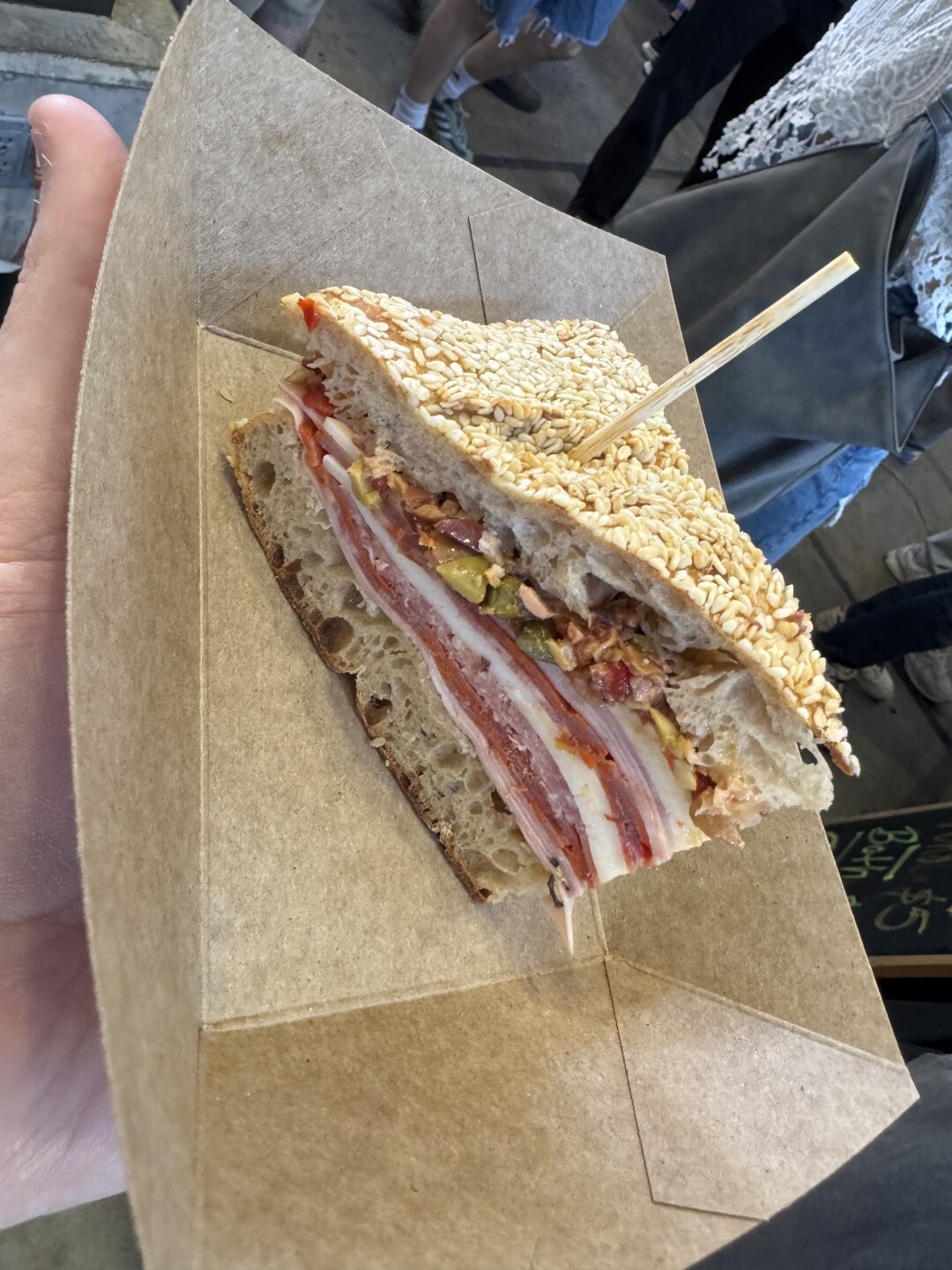
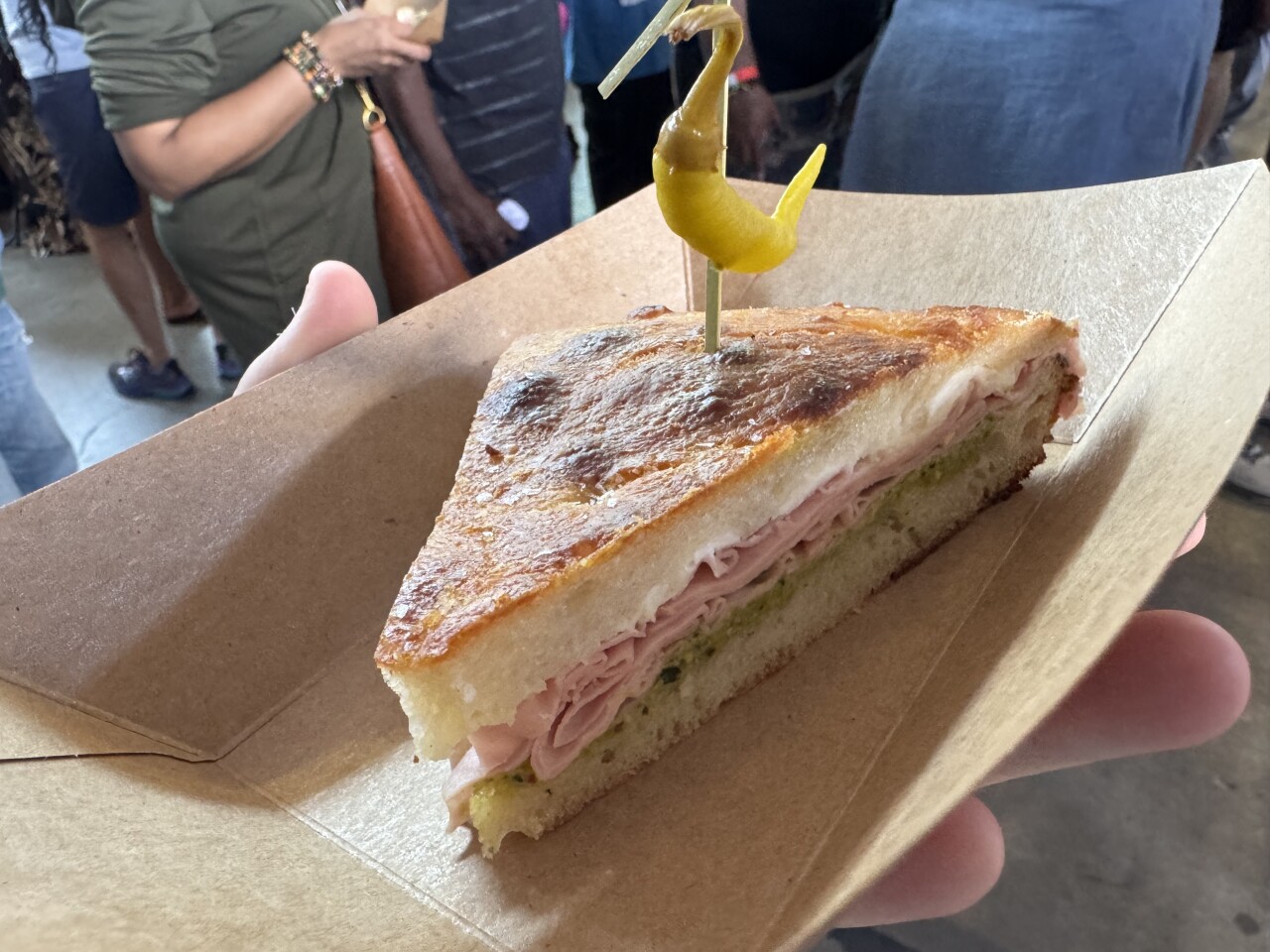
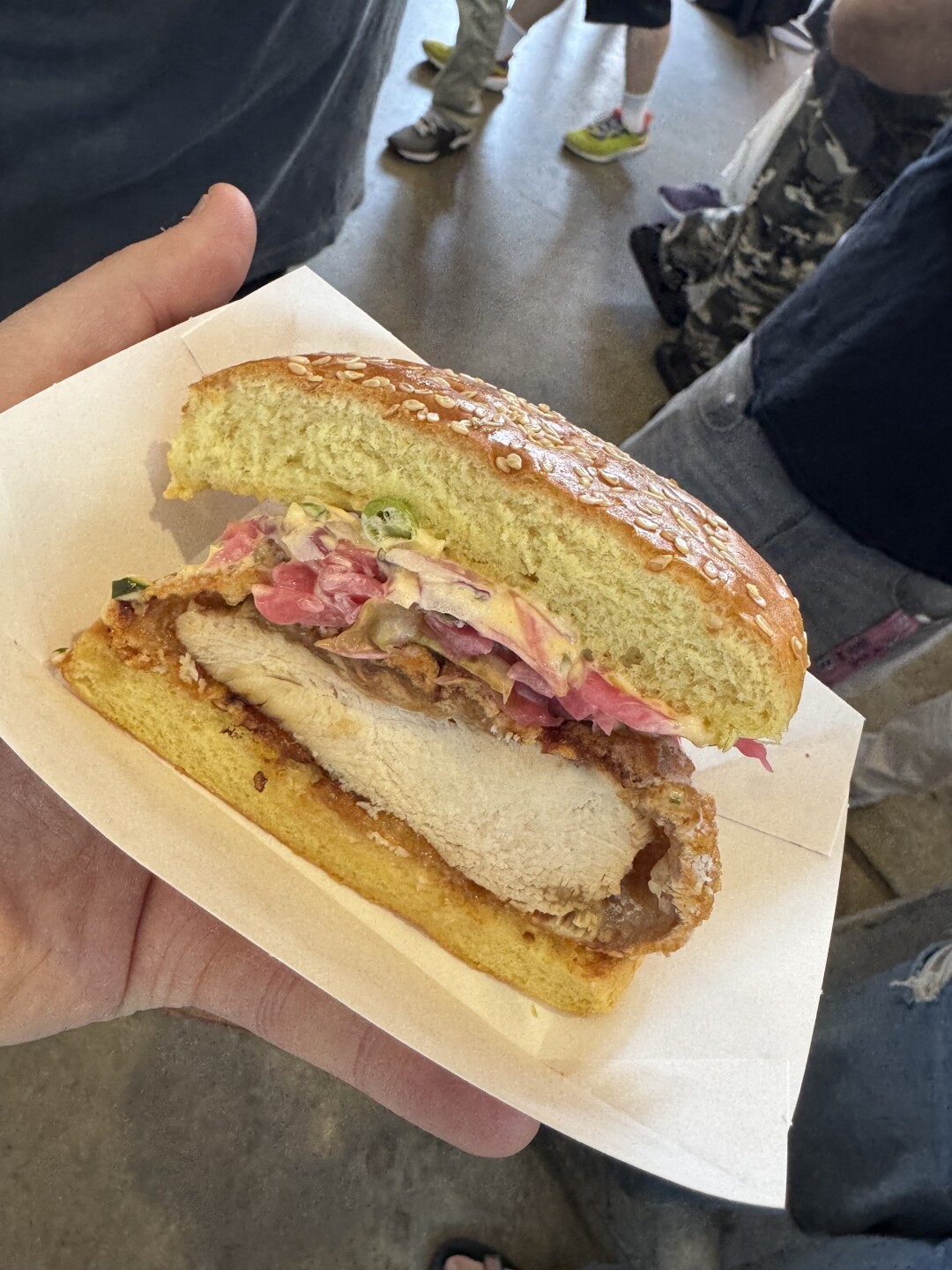
Below are some sandwiches from the 2025 festival from Leña, Tall Trees Cafe, Bar Chenin and more
WXYZ
WXYZ
WXYZ
WXYZ
WXYZ
Detroit, MI
Around 400 pairs of shoes intended for charity giveaway stolen from Detroit nonprofit, organization says

Shoes intended for an annual charity giveaway in Detroit were recently stolen from a local nonprofit organization’s warehouse. Now, the group is asking for your help.
NW Goldberg Cares was set to give away 1,000 pairs of sneakers at its annual Hoopfest, a community event tied to Mayor Mary Sheffield’s “Occupy the Summer” initiative, but on Friday, the nonprofit’s founder made a surprising discovery at their warehouse.
“I just happened to notice that something seemed very off about how many shoes were in the warehouse. Sure enough, I went to the back of the facility, saw a bunch of big boxes, as well as some bags that previously had sneakers in it, completely empty,” Daniel Washington, founder and executive director, NW Goldberg Cares, said.
Washington says a person or group stole about 400 pairs of shoes.
“From the looks of it, it looks like they were somehow able to pry up the door on the backside of the building, crawl underneath, and while somebody else was in, somebody was able to hand shoes out underneath the door,” he said.
Washington says a report was filed with the Detroit Police Department, but so far, they don’t have any leads.
“DPD staff is working on the case right now. We’ve been in contact with several sergeants on the issue, and at this point, we’re just hoping for some type of information on it or recovery of some sort,” Washington said.
The custom-designed brand shoes were donated by Social Status Detroit and USA Basketball. The value is more than $40,000.
“Depending on what shoes you’re talking about, you could go as up to $45,000 to $75,000. Because again, shoes, depending, were as much as $220 a shoe. So, a lot of loss,” Washington said.
Since the news broke, the community has stepped up to help.
“We have about over 130 pairs of individual shoes that were donated via our Amazon wish list, which has truly helped us in so many ways because, you know, without those types of donations, without people stepping up, you know, we would be up a creek without a paddle, as they say,” Washington said.
Hoopfest gives hope to kids and teens.
“For so many kids across this great city, they might not have ever had a brand new pair of shoes, right? Money is tight in the household, and at the end of the day, we want to give them that level of confidence or give them that little boost to say, ‘Hey, you deserve the experience of opening up a brand new pair of shoes,’” Washington said.
Washington shared the following final message with CBS News Detroit on Sunday:
“I encourage anybody who needs help, just reach out before you make it or do an act like this that compromises the integrity of an event like ours. Just reach out. Say, ‘We need help.’ Express your needs. Say, ‘Hey, we’d love some support in this way. Is there any way we could work alongside you?’”
The nonprofit founder says they’re resilient and they’re not going to let the incident stop Hoopfest from being a success. The event runs Friday through Sunday at Curtis Jones Park.
-
Vermont5 minutes ago
VT Lottery Powerball, Gimme 5 results for July 13, 2026
-

 Virginia11 minutes ago
Pete Eshelman appointed to Virginia Tourism Authority by Gov. Spanberger
-
 Washington17 minutes ago
US Air Force helicopter makes precautionary landing in Washington
-

 Wisconsin23 minutes ago
Wisconsin Lottery Powerball, Pick 3 results for July 13, 2026
-

 West Virginia29 minutes ago
West Virginia Wildlife Center’s popular ‘Rendezvous’ celebration returns this month
-

 Wyoming35 minutes ago
July 13 recap: Wyoming news you may have missed today
-

 Crypto41 minutes ago
Why Early Legal Action Matters After a Cryptocurrency Investment Scam
-

 Finance47 minutes ago
Goldman Sachs Sets $1 Trillion M&A Record

