Lifestyle
These muralists capture L.A. in their art. Now wrap your holiday gifts in their designs

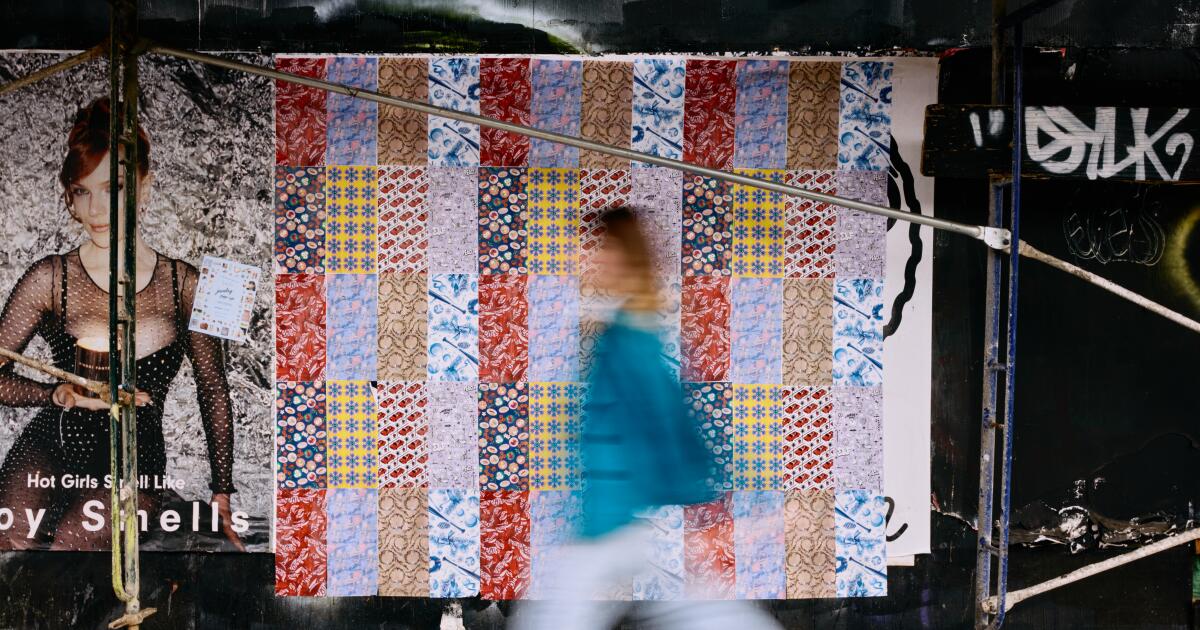
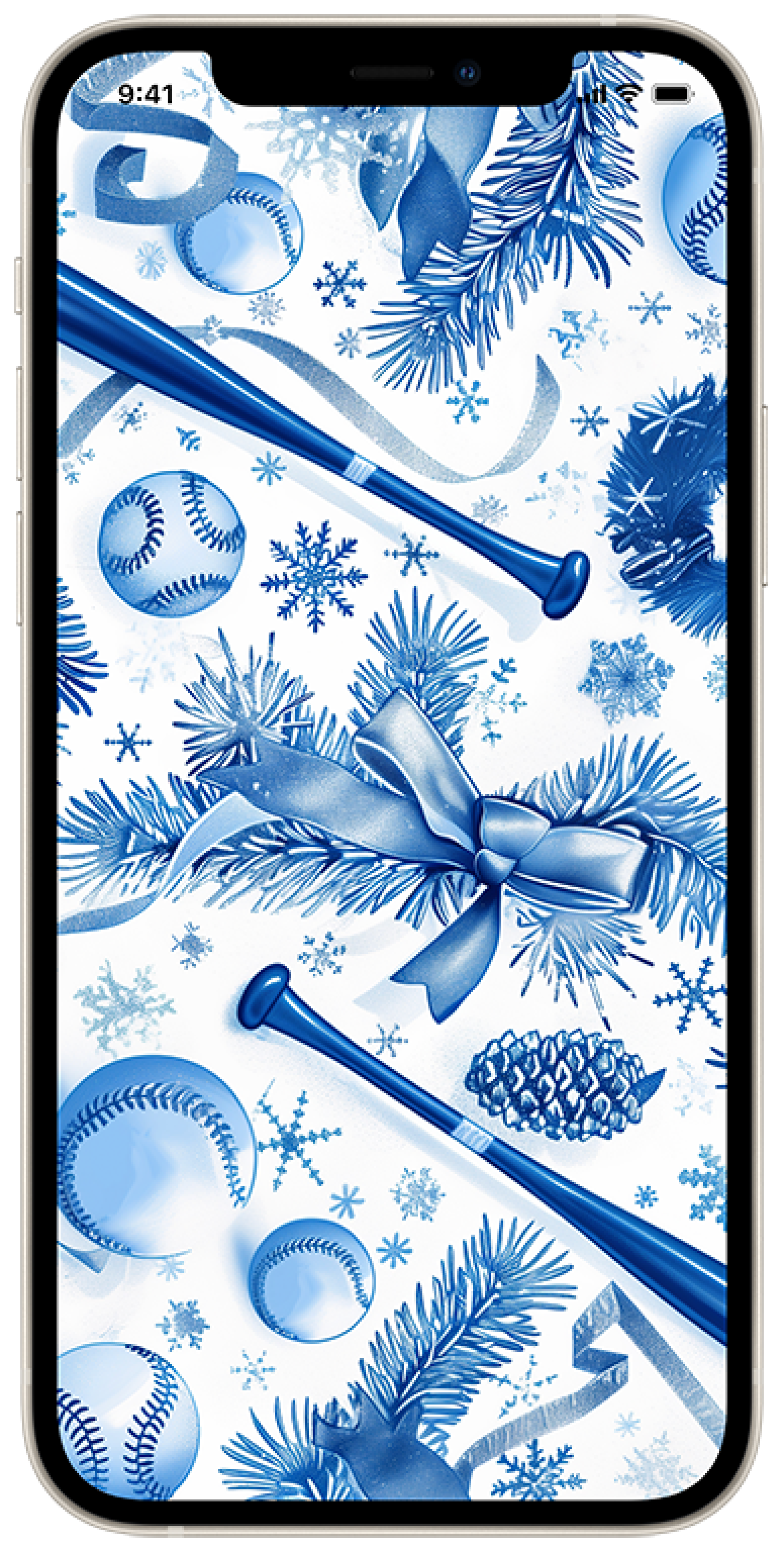
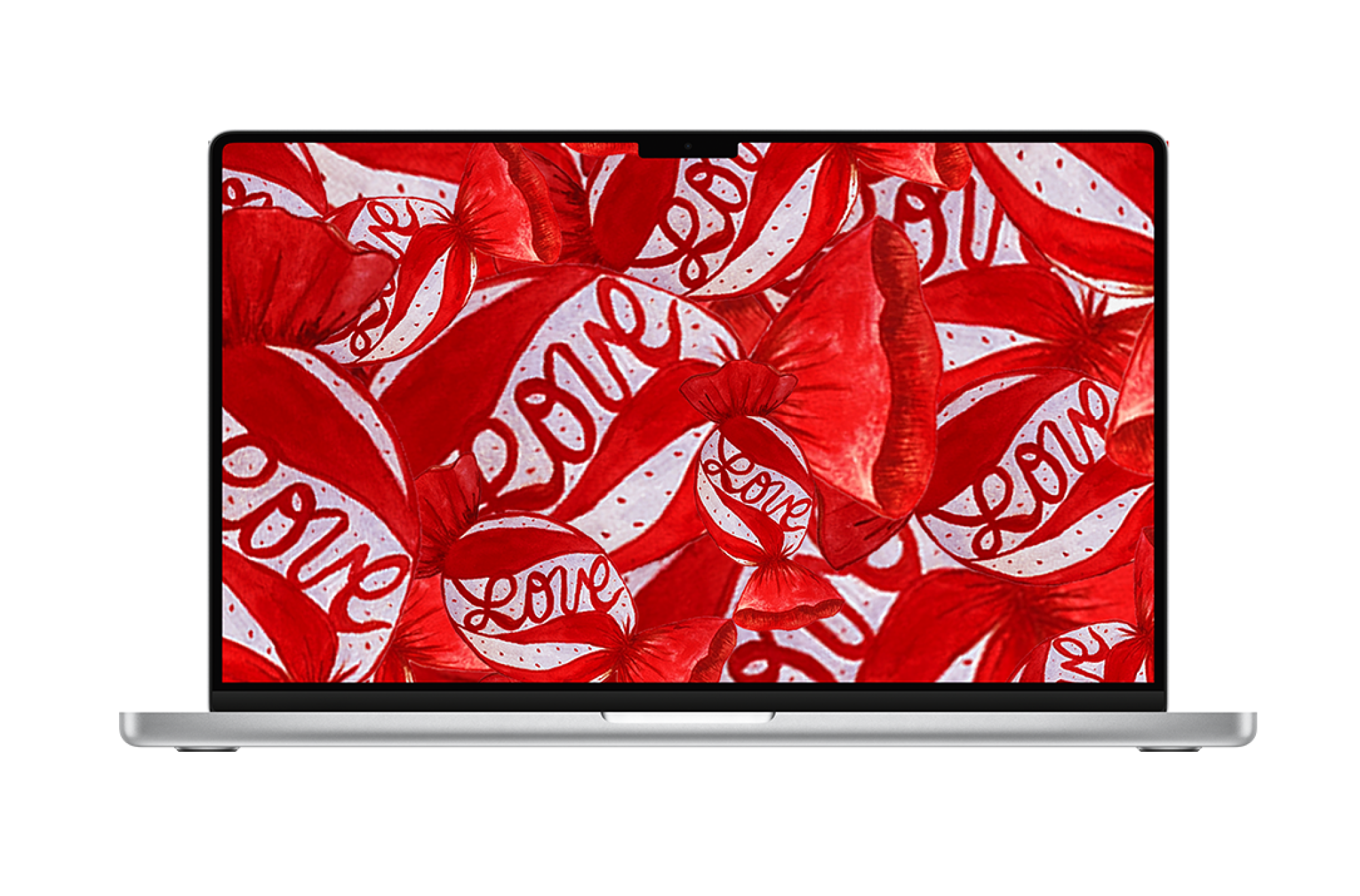
Muralists living and working in Los Angeles often bring color and culture to the city’s concrete façades. Their work is a tribute to the life and times of the city. For our annual holiday wrapping paper feature, Times art directors commissioned eight L.A.-based muralists to illustrate intriguing designs, from a Dodgers tribute to sweet treats perfect for the season. (You can find all the designs in Sunday’s Weekend print section.)
Here, you can read about the artists and download your favorite designs to use on your desktop and phone. Or you can print them out at home and use them to wrap to your heart’s content.
Daniel Antelo
Daniel “Downtown Daniel” Antelo is a muralist and oil painter from Los Angeles who’s celebrated for his dynamic style that fuses hyper-realism with abstract elements. His art, which has showcased the Dodgers, Nike and Kobe Bryant’s family, among other clients, reflects a deep connection to L.A.’s culture and community.
You can see more of his work on Instagram @downtowndaniel and on his website, downtowndaniel.net.

Download desktop background here
Download cellphone background here
Marisabel Bazan

Marisabel Bazan is a Panamanian artist based in Los Angeles who’s known for her vibrant, multidisciplinary works spanning painting, sculpture and public art. Her art explores themes of metamorphosis, mental health and the human spirit, with notable commissions such as “Dance of the Butterflies” (West Hollywood) and “Il Cammino Della Farfalla” (Panama City, Panama). Exhibited internationally, including at the United Nations in Geneva, Bazan’s work is part of prominent collections worldwide. A vocal mental health advocate, she merges creativity and humanitarian efforts through powerful projects and collaborations with global brands.
You can see more of her work on Instagram @marisabelbazan and on her website, marisabelbazan.com.
Download desktop background here

Download cellphone background here
Parisa Parnian

Parisa Parnian is an Iranian American artist and cultural storyteller based in Los Angeles whose work bridges the worlds of food, design and art.
With a creative practice focused on celebrating immigrant and diasporic communities, Parnian uses her illustrations to reflect her passion for connecting cultures by using bold patterns, vibrant colors and meaningful narratives. Her work, deeply inspired by her experiences as a culinary creative and visual artist, aims to honor heritage while also reimagining it for a modern, multicultural audience.
You can see more of her work on Instagram @savage_taste and on her website, savagemuse.com.

Download desktop background here

Download cellphone background here
Cleon Peterson

Cleon Peterson’s is an L.A.-based artist whose chaotic and violent paintings depict the struggle between power and submission in the fluctuating architecture of contemporary society. His category-defying work has illustrated features in the New York Times, fiction by George Saunders in the New Yorker and Penguin Classics’ edition of Philip K. Dick’s “The Man in the High Castle.” In 2020, he released a series of instrumental political posters disseminated through his website.
You can see more of his work on Instagram @cleonpeterson and on his website, cleonpeterson.com.

Download desktop background here

Download cellphone background here
Brenda Cibrian

Brenda Cibrian is an artist and muralist based in Los Angeles whose work centers on nostalgic, dreamy and introspective themes. When collaborating with communities and clients, she uses her murals to show cultural elements, nature and diversity with the intention of beautifying spaces with uplifting art. As a multidisciplinary visual artist, Cibrian says her mediums include large-scale murals, original paintings, illustrations and graphic design.
You can see more of her work on Instagram @brendacibrian_art and on her website, brendacibrian.com.

Download desktop background here

Download cellphone background here
Mikolaj Wyszynski

Mikolaj Wyszynski is a painter and illustrator from downtown Los Angeles. He works mainly in acrylics mixed with spray paint and enamels for his paintings and murals. His new work is focused on portraits with technology and fictional landscapes that are riddled with cybertrash.
You can see more of his work on Instagram @mikolajone and his website, mikolajw.com.

Download desktop background here

Download cellphone background here
Nuria Ortiz

Ms. Yellow, a.k.a. Nuria Ortiz, is a self-taught Mexican American muralist and teaching artist from Carson. She has dedicated her time to the creative development and empowerment of communities, working closely with schools, galleries, organizations, museums and others to develop art workshops, murals and mentorships for youth. The focal themes of her artwork are culture, folklore, mental health, education, unity, love and social justice.
You can see more of her work on Instagram @MsYellowArt.

Download desktop background here

Download cellphone background here
Kim Gaeta

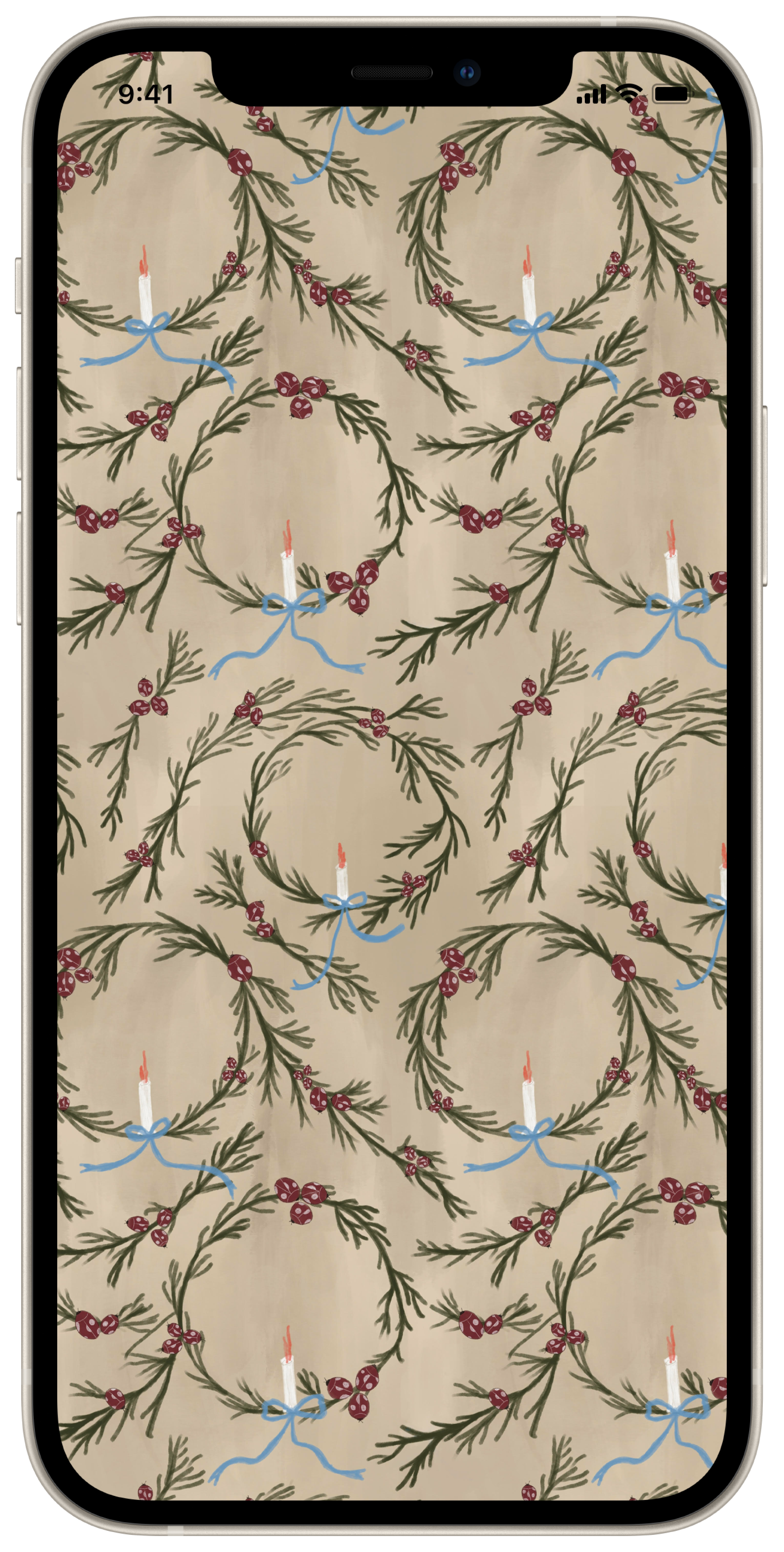
Kim Gaeta is a Mexican American artist and muralist who was born in Los Angeles. Her focus is on what unites the human condition with nature and the cycles of life and death. Working within a range of media including assemblage, drawing, printing and painting, she has explored floral, fauna, folklore and symbols. Her images are often surreal and focused on symbolism within nature.
The illustration below unites hope, prosperity and good luck in the new year. Kim uses lady bugs as berries to symbolize good fortune, the wreaths to symbolize eternal unity and the candles to symbolize light in darkness.
You can see more of her work on Instagram @tarantula_garden and on her website kimgaeta.com.

Download desktop background here
Download cellphone background here

For Iris van Herpen, couture is a laboratory as much as a runway. Our chief fashion critic, Vanessa Friedman, takes us inside this Dutch designer’s latest Paris show — from sci-fi-inspired gowns to an audacious attempt at a dress made of charged plasma.
Lifestyle
The BoF Podcast | Decoding Paris Haute Couture: Wonder, Restraint and the Call of the Void


-

 Texas7 minutes ago
Texas Rangers investigating City of Trinidad after water issues, controversial arrests, firings
-

 Utah9 minutes ago
President Trump expected to reduce the size of Utah monuments
-

 Vermont15 minutes ago
Vermont marks fourth straight year of July flooding as recovery drags on
-

 Virginia22 minutes ago
Vance leasing part of multimillion-dollar Virginia farm as an additional residence | CNN Politics
-

 Washington25 minutes ago
Washington State Democratic Party draws criticism over reparations, antisemitism language
-

 Wisconsin30 minutes ago
What’s new to eat and drink at the 2026 Wisconsin State Fair?
-

 West Virginia37 minutes ago
West Virginia to launch school clothing allowance program
-

 Wyoming40 minutes ago
Election Q&A: Laurie Longtine for Wyoming House District 59

