Lifestyle
So far, the biggest mystery of the new 'Jinx' is: What's the mystery?


The Jinx was interesting because murderer Robert Durst was a gruesomely fascinating interview subject. The Jinx – Part Two falters without his involvement.
HBO
hide caption
toggle caption
HBO

The Jinx was interesting because murderer Robert Durst was a gruesomely fascinating interview subject. The Jinx – Part Two falters without his involvement.
HBO
HBO’s The Jinx, which aired in 2015 (yes, nine years ago), was a huge contributor to the true-crime boom in television and audio. It came out the same year as Netflix’s Making a Murderer and only a few months after the first season of the podcast Serial. Few later attempts have been as successful, though, because they lack The Jinx‘s secret weapon: the participation of the extraordinarily strange, compulsively talkative, and now deceased subject, Robert Durst.
The story of the docuseries goes like this: Durst had long been suspected in both the disappearance of his wife, Kathie, in 1982 and the shooting death of his best friend, Susan Berman, in 2000. He had admitted shooting his neighbor, Morris Black, in 2001 but was acquitted by a jury on a theory of self-defense. For reasons known only to himself, Durst chose to live out his life as an ultrawealthy real estate tycoon, but also to sit for long interviews with director Andrew Jarecki for The Jinx to discuss the alleged crimes.
These interviews were what made The Jinx so compelling. Durst could not stop himself from talking, even when staying silent was obviously in his best interests. This extended to a hot-mic incident that Jarecki treated as a bombshell confession, even though it turned out to be a bit more complicated than that. The day before the finale aired, Durst was arrested for the murder of Berman, based in part on evidence that the documentarians had uncovered and provided to law enforcement. This follow-up series essentially covers his trial and the time leading up to it. But it, too, lacks the punch that Durst’s presence offered the original.
There are some things about the self-referential nature of this second chapter that are a little unpleasant. The Jinx is now part of the story of Durst’s life after his arrest. The filmmakers show some footage of the series finale viewing party they held in 2015 for (among others) the family of the disappeared first wife Durst is suspected of having killed. We watch their (apparent) relief and gratitude when the “confession” is played. Not shown: the incident reported in The New York Times in which another guest at the same party (Rosie O’Donnell, for whatever reason) immediately demanded to know why the filmmakers would have withheld this evidence from law enforcement to use it as the kicker to the show, a question that played out in the press as well, along with some other tough questions about the making of The Jinx. But the way the viewing party is shown in Part Two, nobody felt anything but vindicated and thankful.
It seems questionable to set up a viewing party for a putative victim’s family and film their reaction to your big reveal about her murder, and a bit sketchy to omit parts where people weren’t sure you were doing the good deed you think you were doing.
Ethically, those things raise some questions. But as television, the biggest problem with the episodes HBO provided to critics (four out of what will eventually be six) is that they’re pretty boring. Without Durst’s involvement (it seems that he finally stopped participating in documentary-making after he was arrested and died shortly after his conviction), the series often seems to be grasping for revelations. It’s also heavily reliant on reenactments, which aren’t particularly visually interesting and look a lot like every other true-crime reenactment on TV.
The third episode is the best of the four; without spoiling it, it sheds a bit of additional light on the back story, if you’re still looking for it. But what The Jinx – Part Two reveals is that The Jinx was interesting because while Durst might be a murderer, he was also a gruesomely fascinating interview subject. While there’s tape here of phone calls from when he was incarcerated, and sometimes you get those “Bob being Bob” moments, the mesmerizing aspects of the original are not there.
There’s no telling what might come in the final two episodes; perhaps they have more to say, and that’s why they were held back from critics. The big revelations in The Jinx came in the last two episodes, after all. But in the meantime, this feels like a mystery show in search of a mystery, a true crime series with limited truths to share.
This piece also appeared in NPR’s Pop Culture Happy Hour newsletter. Sign up for the newsletter so you don’t miss the next one, plus get weekly recommendations about what’s making us happy.
Listen to Pop Culture Happy Hour on Apple Podcasts and Spotify.



Lifestyle
L.A. Times Concierge: ‘Our anniversary trip to Paris fell through! Help us plan an L.A. escapade that feels special’

My husband and I celebrate our 40th wedding anniversary in April! Years ago we planned to go to Paris (as we did on our 25th), but now our 17-year-old dog can’t be left alone with a dog sitter for that long. And look, our cat is 15! Any recommendations for a special dinner (we live in the Pasadena/Highland Park area) and maybe a little escapade where we would only be gone for shorter bursts? Hints: We love theater, movies, the beach, laughing and food that is divine, but not so rich you can’t stand up after. I also can’t eat dairy. — Diane Kelber
Looking for things to do in L.A.? Ask us your questions and our expert guides will share highly specific recommendations.
Here’s what we suggest:
First and foremost, congratulations on 40 years of marriage! That’s a milestone definitely worth celebrating. Also, I hear you on not wanting to leave your dog for an extended period of time. Although you won’t be able to make it to Paris this time, hopefully we can bring glimpses of the romantic city to you here in L.A. I’ve compiled a list of spots for you to create your own adventure.
If you look closely enough, you can find slices of Europe in L.A. Or as my colleague Christopher Reynolds once put it, places that aim to “feed travel dreams or remind someone of home.” A prime example of this are the many French restaurants in the city where you can indulge in as many macarons, steak frites and beef bourguignon as you’d like. Two standout spots are Camélia and Pasjoli, both featured on the L.A. Times list of 101 Best Restaurants. Located in the downtown Arts District, Camélia merges French and Japanese cuisines. On the menu is uni pasta, hanger steak au poivre and a dry-aged burger with fries, which restaurant critic Bill Addison says doesn’t require any twists because “it’s simply a fantastic burger.”
Restaurant critic Jenn Harris says the Santa Monica-based Pasjoli “straddles the line between destination dining and the kind of neighborhood restaurant everybody wants to have down the street.” The eatery is best known for its tableside pressed duck, which the chef prepares in a theatrical fashion during dinner service. But if you’re not into duck, there are several other popular dishes on the menu, including French onion soup, steak frites, sole meuniere and what Harris calls “the best grilled cheese sandwich in the known universe” (though this might be a better option for your husband).
If you prefer a more laid-back vibe that makes you feel like you’ve been teleported to Saint-Germain-des-Prés in Paris, check out Figaro Bistrot in Los Feliz. As I wrote in a guide about neighborhood, the restaurant embodies the Parisian way of dining: guests linger over wine and good conversation.
Another L.A. spot that is reminiscent of Europe is the the Getty Center in Brentwood. Designed by architect Richard Meier, the sprawling hilltop complex is gleaming with manicured gardens, breathtaking city views and a museum, making it the perfect backdrop for a romantic date. Bring a blanket, your favorite snacks and have a picnic on the lawn near the central garden. The best part is that it’s free to visit (though reservations are required and parking rates vary depending on the time of day). For a more intimate experience, check out the Getty Villa in Malibu, modeled after the Villa dei Papiri in Herculaneum, Italy.
For a picturesque date that feels like you’ve been plopped onto a movie set, consider the Gondola Getaway in Long Beach. Here, a gondolier takes you on a loop around an enchanting residential Naples Island. Years ago, I went on a date there and I’ve been wanting to go back ever since.
Now for some rapid fire recommendations: Since you’re into theater, my colleague Lisa Boone suggests the Pasadena Playhouse, a Tony Award-winning theater, which is close to home for you. Times outdoors reporter Jaclyn Cosgrove also recommends drinks and dinner on the charming balcony at Checker Hall in Highland Park. Afterward, you can check out a live show next door at the Lodge Room. And because you love laughing, consider checking out Hollywood Improv, which hosts multiple events throughout the week.
Now, I know that these experiences aren’t Paris, but I hope they might help bring you and your husband a bit of what travelers feel when they’re there: excitement, adventure, passion and most importantly love. And when you’re with that special someone, I think you can capture those emotions no matter where you are. Happy anniversary!
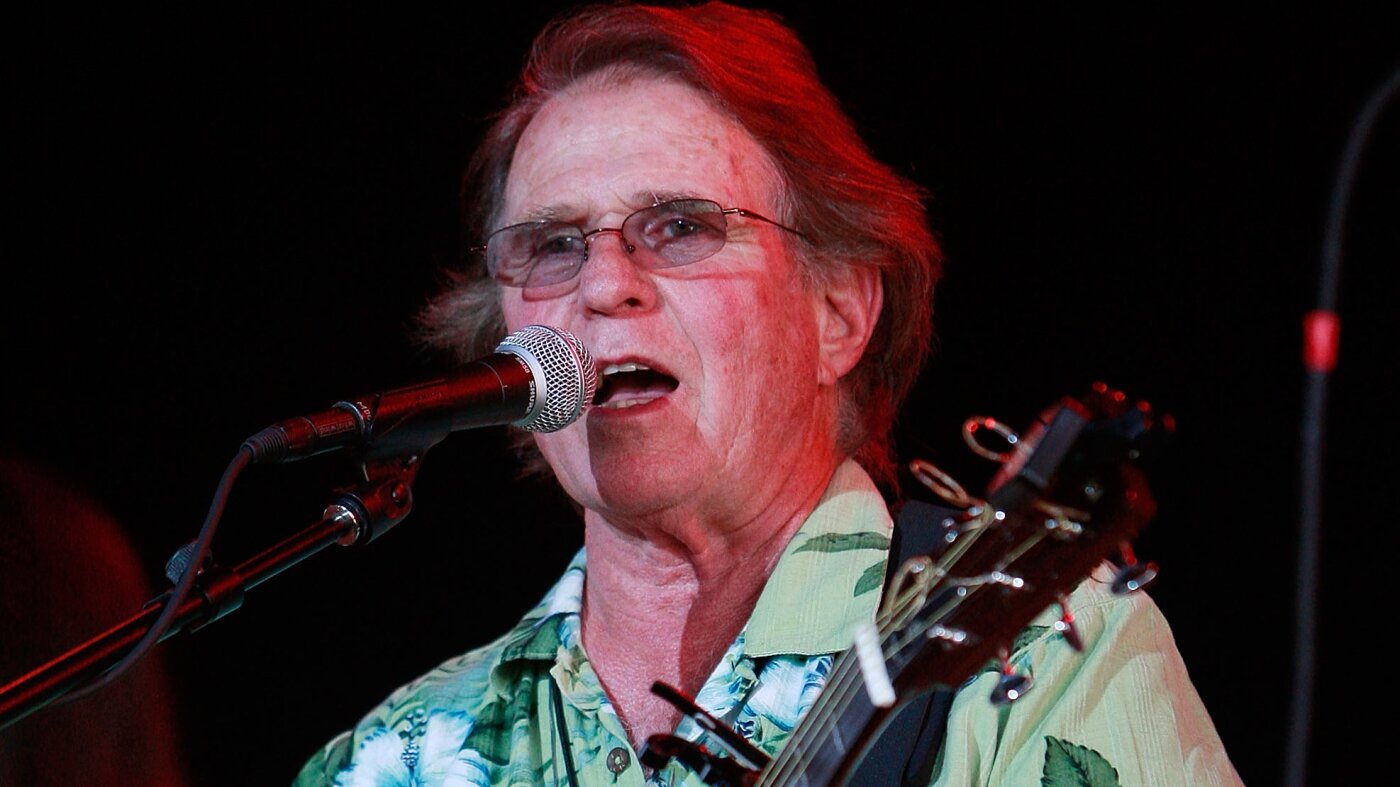
Singer Joe McDonald sings during the concert marking the 40th anniversary of the Woodstock music festival on Aug. 15, 2009 in Bethel, New York. McDonald has died at age 84.
Mario Tama/Getty Images
hide caption
toggle caption
Mario Tama/Getty Images
Country Joe McDonald, the singer-songwriter whose Vietnam War protest song became a signature anthem of the 1960s counterculture, has died at 84.
McDonald died on Saturday in Berkeley, Calif., according to a statement released by a publicist. His health had recently declined due to Parkinson’s disease.
Born in 1942, in Washington, D.C., he grew up in El Monte, Calif., outside Los Angeles, according to a biography on his website. As a young man he served in the U.S. Navy before turning to writing and music during the early 1960s, eventually becoming involved in the political and cultural ferment of the Bay Area.
In 1965 he helped form the band Country Joe and the Fish in Berkeley. The group became part of the emerging San Francisco psychedelic music scene, blending folk traditions with electric rock and pointed political commentary.
The band’s best-known song, “I-Feel-Like-I’m-Fixin’-to-Die Rag,” captured the growing anti-war sentiment of the Vietnam era. With its ragtime-influenced rhythm and sharply satirical lyrics about war and political leadership, the song quickly became associated with protests against the conflict.

McDonald delivered the song to some half a million people at the 1969 Woodstock festival in upstate New York. Performing solo, he led the crowd in a form of call-and-response before launching into the anti-war anthem, turning the performance into one of the defining scenes of the festival.
Country Joe and the Fish released several recordings during the late 1960s and toured widely, becoming closely identified with that era’s West Coast rock and protest movements.
McDonald later continued performing and recording as a solo artist, recording numerous albums across a career that spanned more than half a century. His work drew variously from folk, rock and blues traditions and often reflected his long-standing interest in political and social issues.
Although he became widely known for his opposition to the Vietnam War, McDonald frequently emphasized respect for those who served in the U.S. military. After his own service in the Navy, he remained engaged with veterans’ issues and occasionally performed at events connected to veterans and their experiences, according to his website biography.

Maren Morris to Trump Voters
You Got Bamboozled!!!
Published
Country music star Maren Morris is speaking her mind about what she sees as the failures of the Trump administration, and she doesn’t care if she loses fans over it.
According to Maren Morris, if you supported Donald Trump in his presidential elections, you voted for a “dementia ridden, diaper clad, cornball” and “you got bamboozled.”
Not only that … she doesn’t feel bad for the MAGA faithful who may feel disillusioned by their leader.
In a TikTok posted Friday, she said, “The is literally the result of ploying and voting for losers.”
Morris has expressed her dismay at music becoming so political since she’s jumped onto the scene — something she’s benefitted from due to songs like “My Church” — but she’s clearly not shy about her views.
“If you don’t agree with me … you can’t enjoy my music because of my viewpoints? You’re absolutely allowed to do that,” she said. “But I am only here for an iteration of revolutions around the sun, a couple, and so I do feel like I have sacrificed a lot of my mental health, my financial standing, my family, just because I am so deeply concerned and uncomfortable with the weird status quo of country music.”

You could be sharing your Social Security number when you don’t need to

Feud between Vegas gambler and Paramount exec sparks $150-million fraud lawsuit
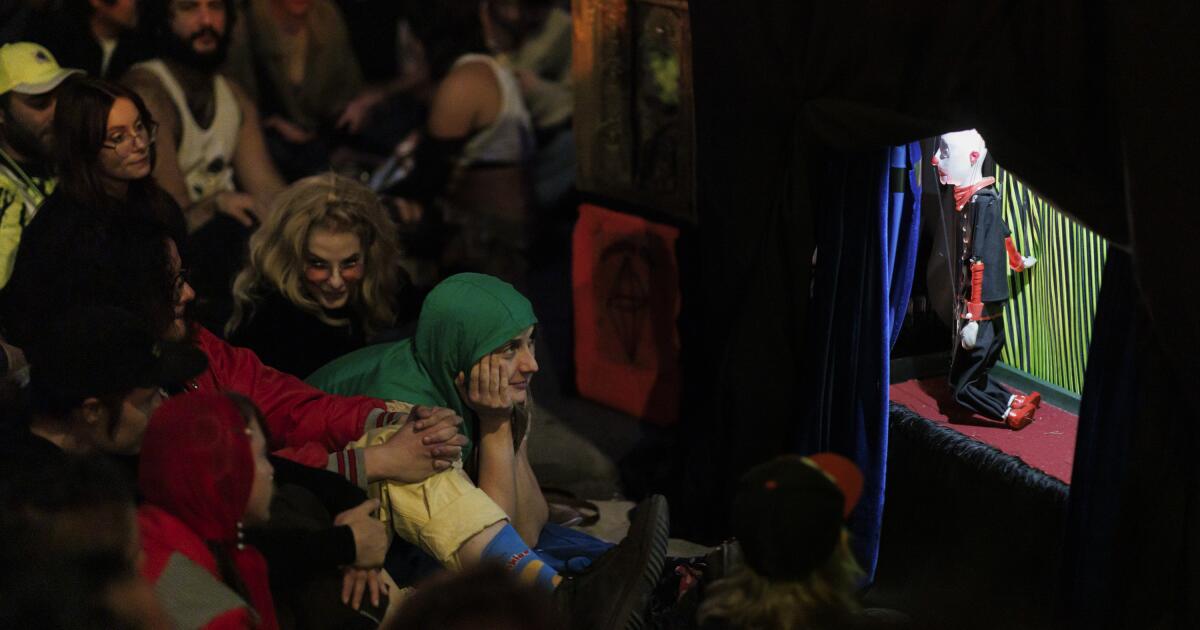
His underground puppet shows draw massive crowds to L.A. street corner — and fans don’t even know his name
L.A. Times Concierge: ‘Our anniversary trip to Paris fell through! Help us plan an L.A. escapade that feels special’
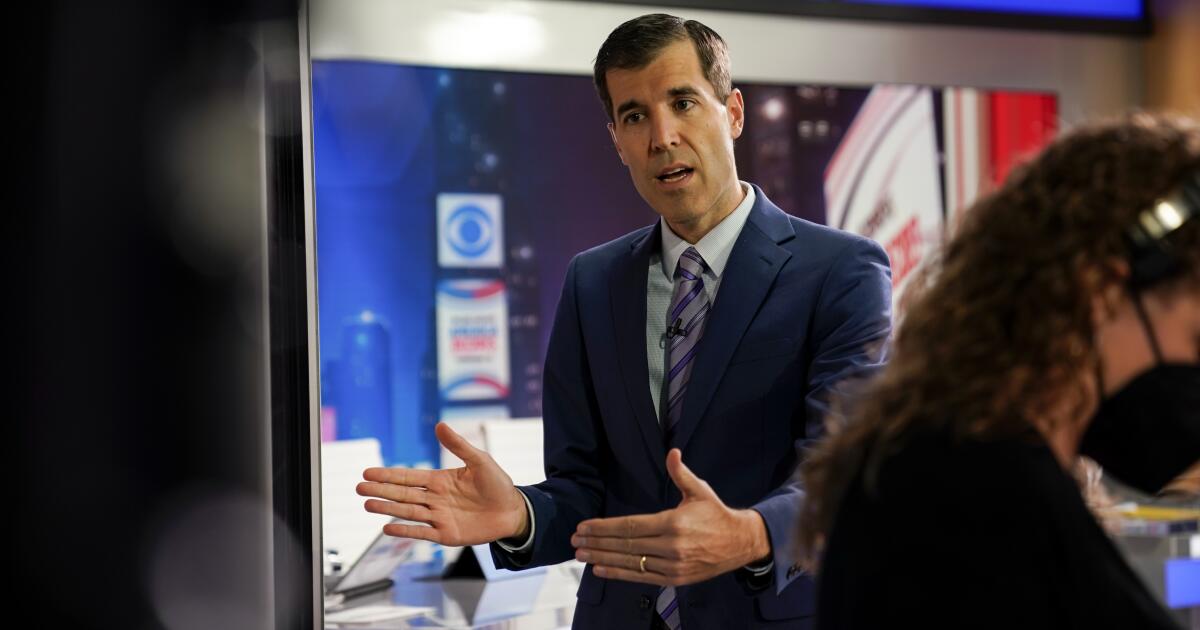
CBS News’ Justice Department correspondent Scott MacFarlane exits network

Florida High School Football Rankings: Top 25 teams – Oct. 21

Cleary's 21 help Le Moyne down Central Connecticut State 69-64 in OT

How old is Bo Nix? What to know about Oregon quarterback ahead of 2024 NFL Draft

99th annual Pony Swim held in Virginia

Indiana Members Credit Union announced as new anchor tenant at Bottleworks District

What defence support could Ukraine offer Middle East states amid Iran war?

Warrants served in New Jersey, Pennsylvania as feds look into possible NYC terrorism

Video: Airports Struggle to Staff T.S.A. During Partial Government Shutdown

Before-and-after satellite imagery offers a rare look at damage inside Iran
Hungary's opposition leader Péter Magyar calls on Russia to refrain from election interference
-

 Wisconsin1 week ago
Setting sail on iceboats across a frozen lake in Wisconsin
-

 Massachusetts6 days ago
Massachusetts man awaits word from family in Iran after attacks
-

 Maryland1 week ago
AM showers Sunday in Maryland
-

 Florida1 week ago
Florida man rescued after being stuck in shoulder-deep mud for days
-

 Pennsylvania4 days ago
Pa. man found guilty of raping teen girl who he took to Mexico
-

 Oregon1 week ago
2026 OSAA Oregon Wrestling State Championship Results And Brackets – FloWrestling
-

 News1 week ago
2 Survivors Describe the Terror and Tragedy of the Tahoe Avalanche
-

 Sports5 days ago
Keith Olbermann under fire for calling Lou Holtz a ‘scumbag’ after legendary coach’s death