Lifestyle
Navigating this world-record corn maze is a test of the human psyche


Deep inside one of the world’s largest corn mazes, where the tri-tip sandwiches and soft-serve ice cream purchased at the concession stand have become but a memory and all that can be seen in any direction are dirt paths and dead-end walls of green plants whispering in the breeze, people tend to reveal themselves.
From humble beginnings with a not-very-impressive pumpkin patch two decades ago, a farming family in this Solano County town decided to move into the corn maze game, hoping to have some seasonal fun and earn a little extra cash. And then, fueled by corny ambition and creative use of Excel spreadsheets, the Cooley family of Dixon went big. Really big.
Their Cool Patch Pumpkins corn maze has caused traffic back-ups on Interstate 80. It has prompted a frenzy of 911 calls to the Solano County Sheriff’s Department from people who find themselves lost in the labyrinth. It has twice earned a Guinness World Record as the world’s largest corn maze. And in doing so, it has become “a big part” of the farm’s revenue, according to Tayler Cooley, despite the vast acreage the family farms year-round.
Over the years, the maze has also served as a towering 60-acre experiment in human psychology.
“You can learn a lot” about a person from how they behave in a corn maze, said Brett Herbst, who said he built the first one west of the Mississippi in 1996, and now has a company, the Maize, that designs and builds them each fall for farmers around the country. (Cool Patch is not one of his customers.)
Minions created from hay bales greet drivers en route to Cool Patch Pumpkins in Dixon.
(Hector Amezcua / The Sacramento Bee)
Some people, it turns out, approach a hokey seasonal activity as they would an Olympic race: Speed is the goal. They grip their paper maps with tight fingers and fierce concentration. They blast around corners of corn, barely dodging small children. Woe to anyone in their group who wants to take a rest.
Others like to wander. They turn this way and that through the rustling 10-foot stalks, laughing when they get lost, and pausing for chats, snacks and selfies atop the four elevated bridges that connect different parts of the maze.
Sit quietly amongst the ears of corn, and it becomes easy to spot who is who:
“Guys, pick up the pace,” a young woman from UC Davis screamed at her companions as they ran by on a recent afternoon, explaining that they were racing against another group and could not pause to talk.
Contrast that with Amari Moore, 22, of Sacramento, who was taking a nice long break at one of the bridges. “I’m getting a little tired,” she said.
And then — and there is no nice way to put this — there are the cheaters. These are the people who, despairing of finding their way out honestly, simply smash and bash their way through the corn willy-nilly.
Or, those who lose all hope of escape and in their panic call 911 to plead for rescue from sheriff’s deputies. (The dispatchers tend to counsel waiting for help from on site — or taking the cheater’s route out.)

“You can learn a lot” about a person from how they behave in a corn maze, says professional corn maze designer Brett Herbst.
(Tayler Cooley)
Mazes and labyrinths have been around for thousands of years. In Greek mythology, the Minotaur — with the head of a bull and body of a man — was imprisoned at the center of a labyrinth in Crete and ate anyone who couldn’t find their way out. Theseus managed to kill the Minotaur, but still needed help from a princess to escape.
The farm town of Dixon, population 19,000, made its mark in mazes about 20 years ago — about the time corn mazes began to take off across the U.S. thanks to new computer programming that helps farmers plot out massive labyrinths with a sinuous web of passageways.
Matt Cooley, a second-generation farmer of walnuts, tomatoes, sunflowers, wheat and alfalfa, decided to grow a few pumpkins for Halloween and sell them by the side of the road. Then, someone gave him the idea to create a maze.
The Cool Patch maze, which rises from the flatlands near Interstate 80 just before the Sacramento Valley rolls up into the Vaca Mountains, got ever larger and more creative. Tayler Cooley, Matt’s daughter-in-law, is the designer. Each year, it has a theme. This year, the words “A House Divided Shall Not Stand” are carved into the corn, along with “God Bless America.” Is it a comment on the coming election, and the country’s profoundly divided electorate?
“This year we encourage our visitors and society as a whole to band together for the greater good of our nation,” the Cooley family explains on the Cool Patch website.
In recent years, the farm has also become famous for a symbol that people can get behind no matter their political persuasion: the minions of the “Despicable Me” film franchise. In recent years, one of the farm’s employees, Juan Ramirez, has crafted giant minions out of hay bales that are visible from the freeway.
Some scholars think mazes embody paradoxes. And it may be a paradox of modern agriculture that the Cooleys’ farm is not the only one that now brings in a substantial portion of its income from a maze that sprouts for only a few weeks each autumn. (The corn from the maze is harvested in November, Tayler Cooley said, and becomes animal feed.)

Four elevated bridges connect sections of the massive corn maze at Cool Patch Pumpkins in Dixon.
(Tayler Cooley)
Farming is a tough business, especially for small- and medium-sized farms, which can be rocked by the weather and fluctuations in commodities pricing and fuel costs.
When it comes to agritourism, corn mazes once lurked in the shadows of pumpkin patches, U-pick berry operations and apple orchard hayrides. But, perhaps because of those mythic roots and their ability to test the human psyche, they’ve exploded in popularity.
Herbst, founder of the Maize, said the first commercial corn maze he knows of was grown by a farmer in the early 1990s. Herbst built his own in 1996. These days, his company prepares maze designs for hundreds of farms. For an additional charge, his crew will carve out the maze.
“Corn maze has become a staple word for October, just like pumpkins,” he said.
In 2023, according to Guiness, a farmer in Quebec usurped Cool Patch for the title to world’s largest maze. But for the thousands of people who now view a trip to Dixon as one of their autumn rituals, it hardly matters.
“I grew up coming here,” said Becca Invanusich, 32, who was visiting on a recent Saturday from Santa Rosa with her fiance and two friends.
As a child, her maze style was to cheat: “I would just shoot right through it,” she said, gesturing to the rows of corn.
But as an adult, she said, she savors the mental challenge. Her group planned to solve the puzzle, no matter how long it took.
If you go: Cool Patch Pumpkins is located at 6150 Dixon Ave. W, off Interstate 80 in Dixon. Fall hours are daily, 9 a.m. to 8 p.m., weather permitting. The entry fee runs $22 per person. Children under 5 are free and so is parking.



new video loaded: Fashion Highlights From the 2026 Golden Globes
By Vanessa Friedman, Chevaz Clarke, Gabby Bulgarelli and Jon Hazell
January 12, 2026

My husband and I live in Pasadena. We moved from Los Feliz about 10 years ago. We have struggled to find LGBTQ+ events this far east. We can only hit up Boulevard so many times (although we love it). Any advice for finding LGBTQ+ events in Pasadena, Eagle Rock, Highland Park, Glendale or the SGV? I feel like there are bars out here that may host weekly events that I just don’t hear about. — Will Birnie
Looking for things to do in L.A.? Ask us your questions and our expert guides will share highly specific recommendations.
Here’s what we suggest:
Will, you are so right. While there are several queer bars around your former neighborhood (Hi Tops in Los Feliz, Akbar in Silver Lake, Club Bahia in Echo Park and Honey’s at Star Love in East Hollywood), they are few and far between in the eastern part of L.A. County. But your question sent me down a rabbit hole and I’m proud to report that I’ve found a handful of spots and regular events that you should check out in your area. (Shout out to my colleagues and everyone who responded to my request for help on Instagram.)
Highland Park is home to the Offbeat, which is one of my friend Jaycen Mitchell‘s favorite bars in the area. The beloved dive bar hosts karaoke nights, drag shows, live music performances, “RuPaul’s Drag Race” screenings and other themed nights throughout the week. “I’ve been able to see all of my favorite drag queens there in more intimate settings, and the DJs have had me and my friends dancing until we were the last ones there,” Mitchell tells me. Also in Highland Park is Blind Barber, a speakeasy that hosts Homo Happy Hour on Thursdays. Mitchell says the happy hour is always a good time and a chance to “show up as your authentic self, be in community and queen out with your girls.”
Then in Glendale, there’s Junior High, a nonprofit art gallery and inclusive gathering space that hosts a variety of events, including music shows, artist showcases, comedy nights, pottery workshops and more. A standout event is Fantasy Suite, a pole dance show that features queer dancers with varying body types. Cherry Jayne and Jax “Lil Sumthin” launched the queer strip club experience in 2022 after struggling to find work due to “fatphobia that plagues traditional strip club hiring,” they told me. The next event will take place Feb. 7 and will feature Valentine’s Day songs of love, lust and heartbreak.
At Footsies in Cypress Park, Latino queer artist and DJ Mino Sanchez and his boyfriend, Ivan Castaneda, who also DJs, have been hosting Gay Night for nearly four years. The event, which happens on the second Saturday of each month, features BIPOC queer DJs who spin house, disco, Spanish dance music, electronica, pop and international sounds. There’s also a drag performance at midnight. In El Monte, the San Gabriel Valley LGBTQ Center hosts Gayme Night on the third Thursday of every month. The all-ages event features karaoke along with video and board games.
And you already know and love Boulevard — it really is a gem (and it’s the only gay bar in Pasadena). Though it was at risk of closing during the pandemic, the 45-year-old bar survived and continues to host a drag trivia night on Tuesdays and a drag show on Friday nights hosted by Borgia Bloom Facade. Times food columnist Jenn Harris writes that the Boulevard bar has served as a “safe haven for the gay community in the area and an alternative to the West Hollywood bar scene.”
If you’re looking for a different type of community beyond bars and events, my colleague Jaclyn Cosgrove recommends Throop Unitarian Universalist Church in Pasadena. “My pastor, Rev. Tera Landers, likes to say she doesn’t like religion, but she loves church,” says Cosgrove, who also lives in Pasadena. “That’s in large part because of the community we have at [the church] including our choir, which has a large number of transgender and queer members. It is where I go to refill my cup every Sunday.”
I hope this list helps you and your husband find more spaces around your neighborhood to build community and have a great time.

Ariana Grande arrives at the 83rd Golden Globes on Sunday, Jan. 11, 2026, at the Beverly Hilton in Beverly Hills, Calif.
Jordan Strauss/Invision/AP
hide caption
toggle caption
Jordan Strauss/Invision/AP
The brightest stars in TV and film kicked off the 83rd annual Golden Globes tonight in Beverly Hills, Calif. with Ariana Grande, Noah Wyle, Teyana Taylor and George Clooney are just some the names who walked the red carpet. This year’s ceremony was hosted by comedian Nikki Glaser.
Here’s a glimpse of what some of the attendees are wearing tonight.
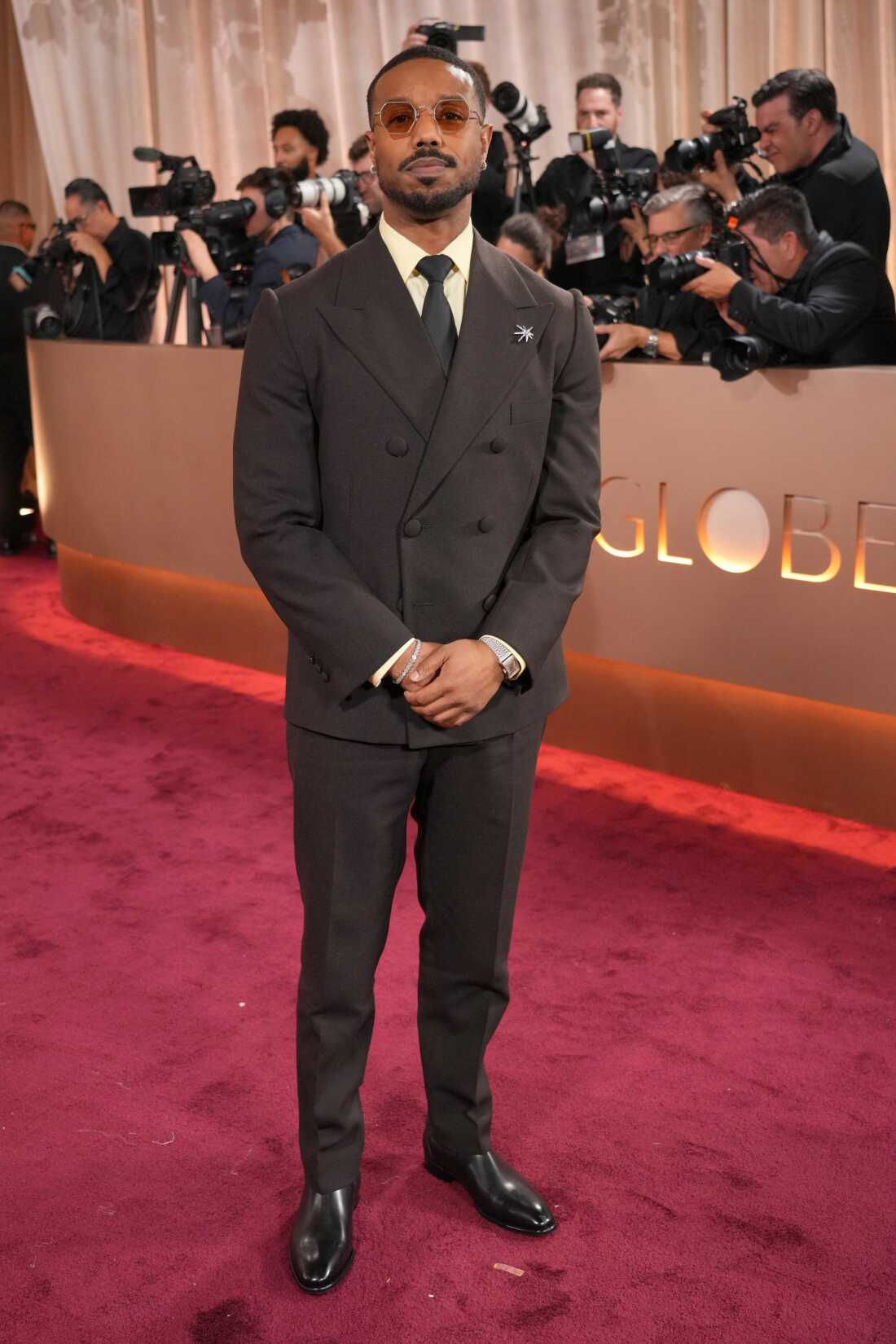
Michael B. Jordan
Jordan Strauss/Invision/AP
hide caption
toggle caption
Jordan Strauss/Invision/AP

Ryan Coogler and Zinzi Evans
Frederic J. Brown/AFP/Getty Images
hide caption
toggle caption
Frederic J. Brown/AFP/Getty Images

Jean Smart
Jordan StraussInvision/AP
hide caption
toggle caption
Jordan StraussInvision/AP
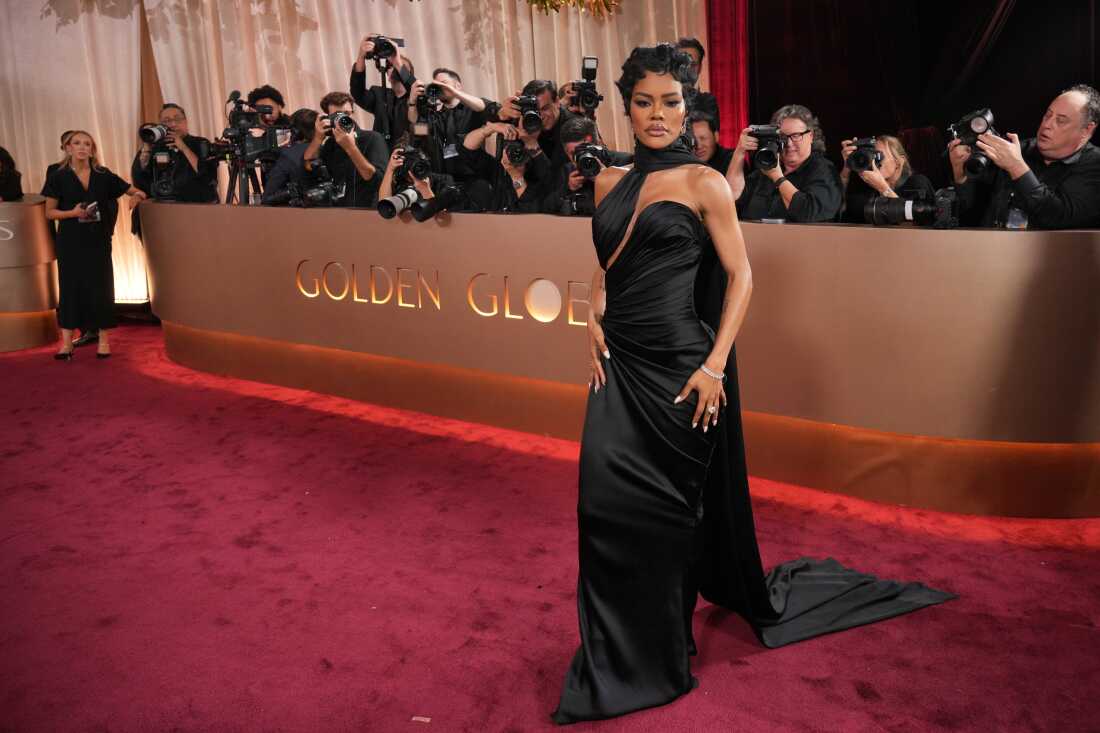
Teyana Taylor
Jordan Strauss/Invision/Invision
hide caption
toggle caption
Jordan Strauss/Invision/Invision
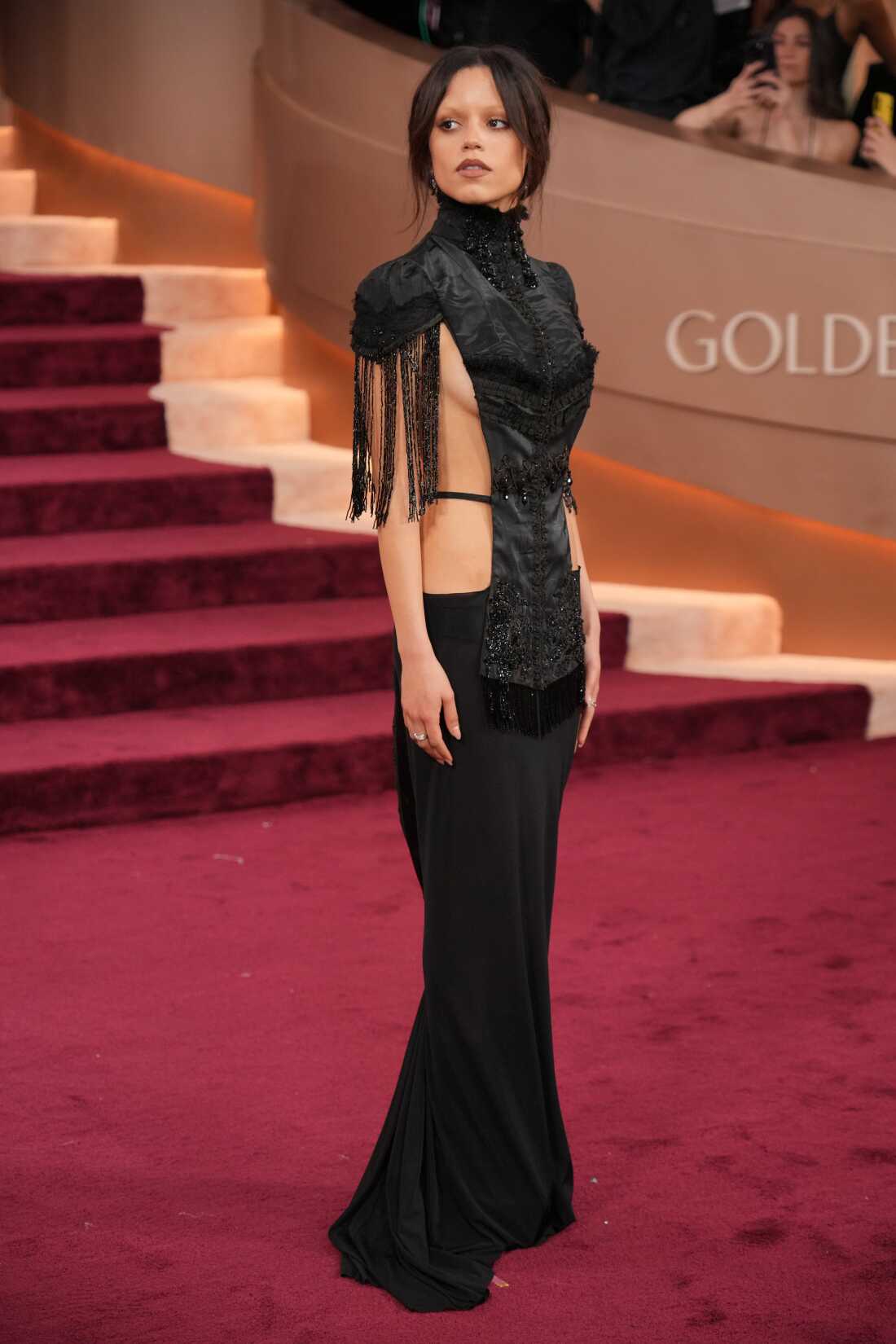
Jenna Ortega
Jordan Strauss/Invision/AP
hide caption
toggle caption
Jordan Strauss/Invision/AP

Owen Cooper
Jordan Strauss /Invision/Invision
hide caption
toggle caption
Jordan Strauss /Invision/Invision
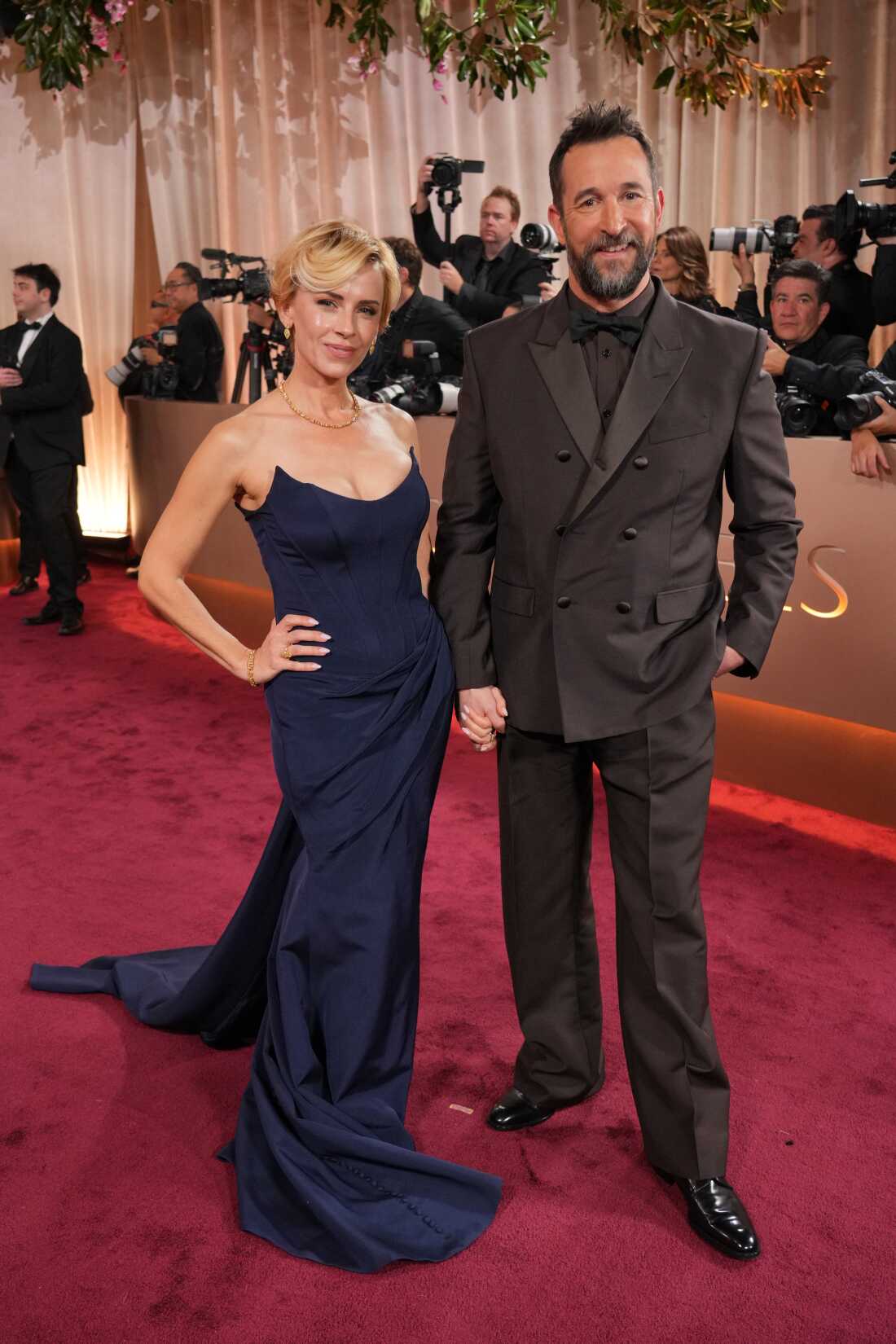
Sara Wells and Noah Wyle
Jordan Strauss/Invision/AP
hide caption
toggle caption
Jordan Strauss/Invision/AP

Claire Danes
Jordan Strauss/Invision/AP
hide caption
toggle caption
Jordan Strauss/Invision/AP

Stellan Skarsgård and Megan Everett-Skarsgard
Jordan Strauss/Invision/AP
hide caption
toggle caption
Jordan Strauss/Invision/AP

Amy Poehler
Jordan Strauss/ Invision/AP
hide caption
toggle caption
Jordan Strauss/ Invision/AP

EJAE
Jordan Strauss/Invision/AP
hide caption
toggle caption
Jordan Strauss/Invision/AP
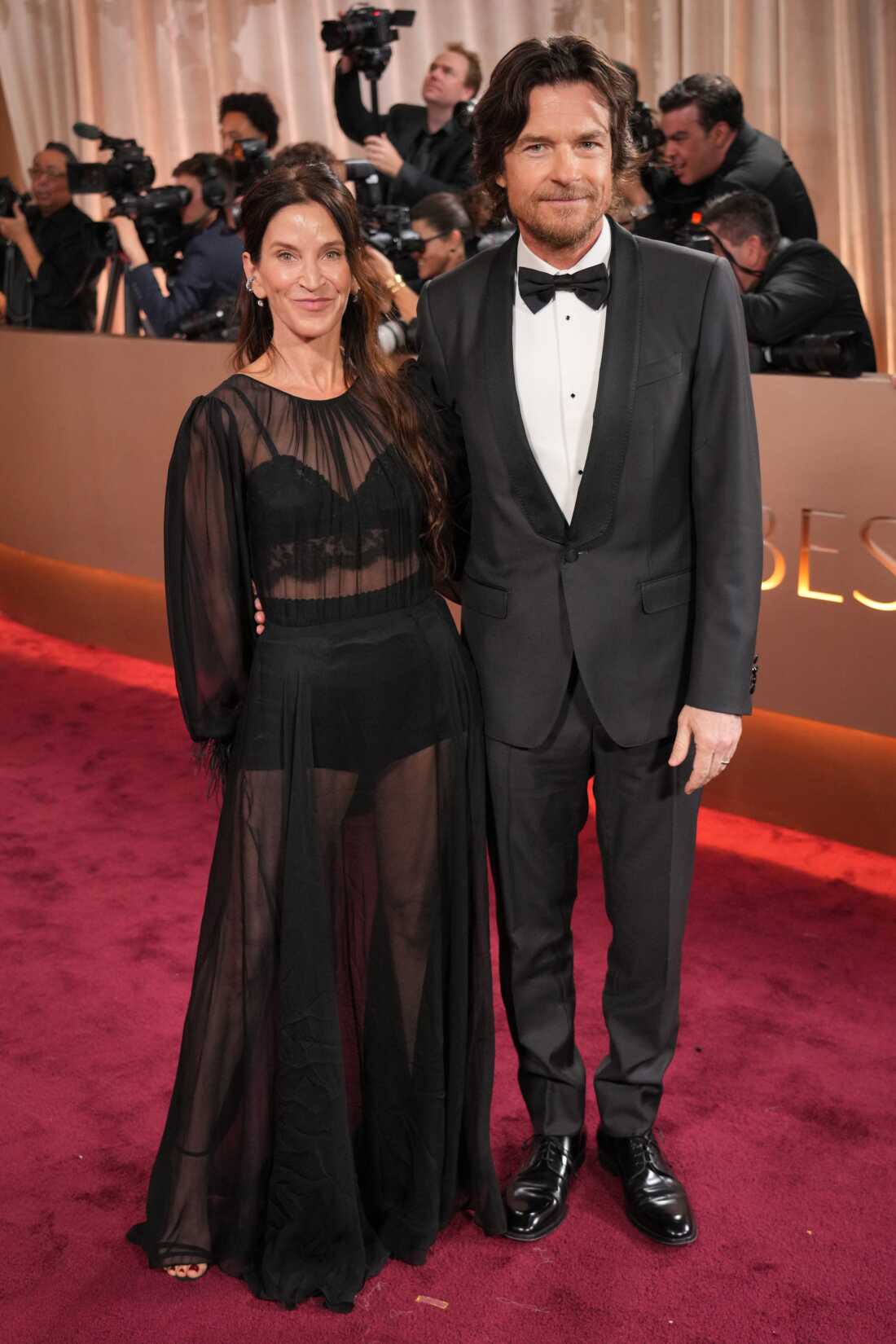
Amanda Anka and Jason Bateman
Jordan Strauss/Invision/AP
hide caption
toggle caption
Jordan Strauss/Invision/AP

Paul Mescal
Jordan Strauss/Invision/AP
hide caption
toggle caption
Jordan Strauss/Invision/AP

Adam Brody and Leighton Meester
Jjordan Strauss/Invision/AP
hide caption
toggle caption
Jjordan Strauss/Invision/AP
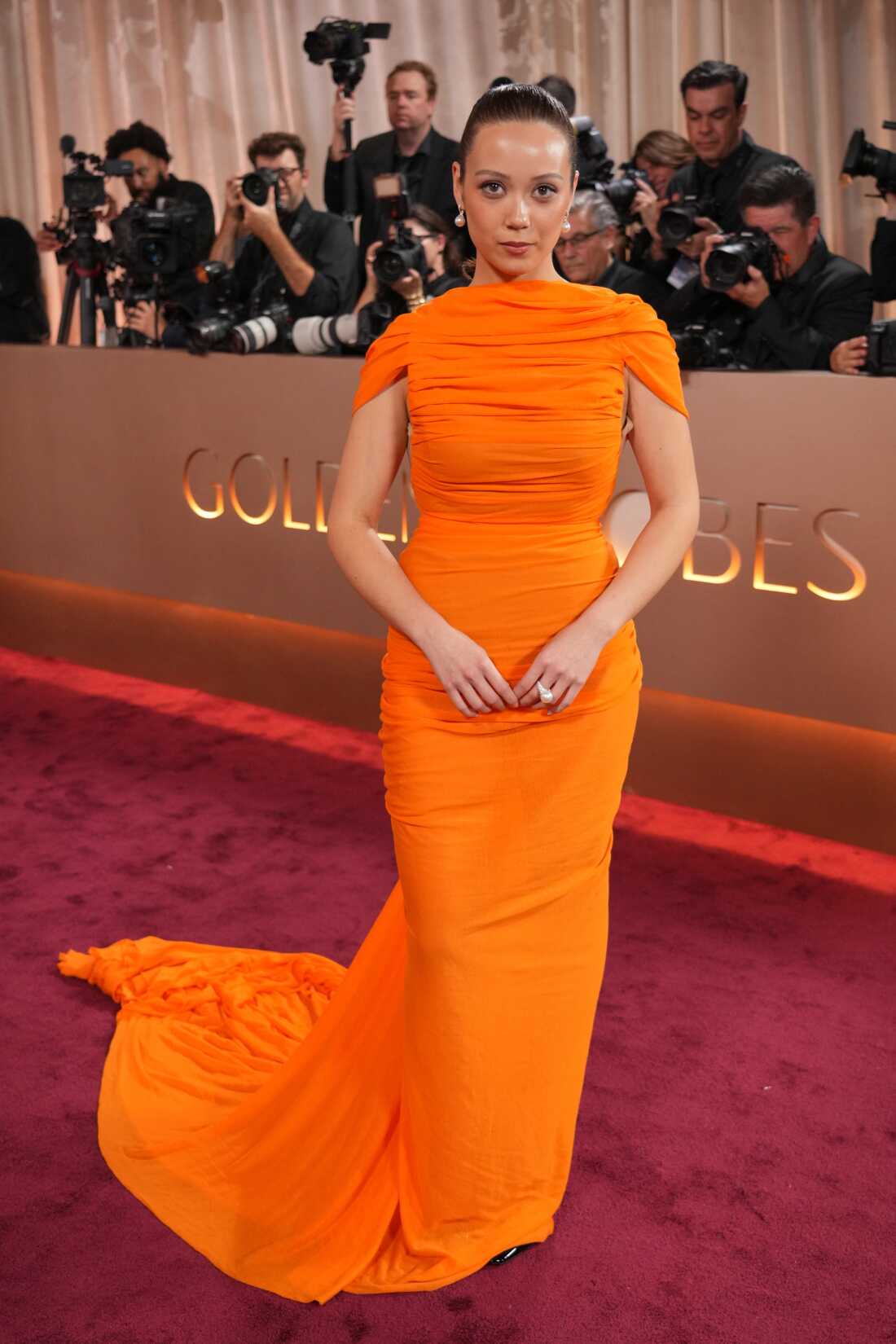
Laufey
Jordan Strauss/Invision/AP
hide caption
toggle caption
Jordan Strauss/Invision/AP

Kirsten Dunst and Jesse Plemons
Jordan Strauss/Invision/AP
hide caption
toggle caption
Jordan Strauss/Invision/AP
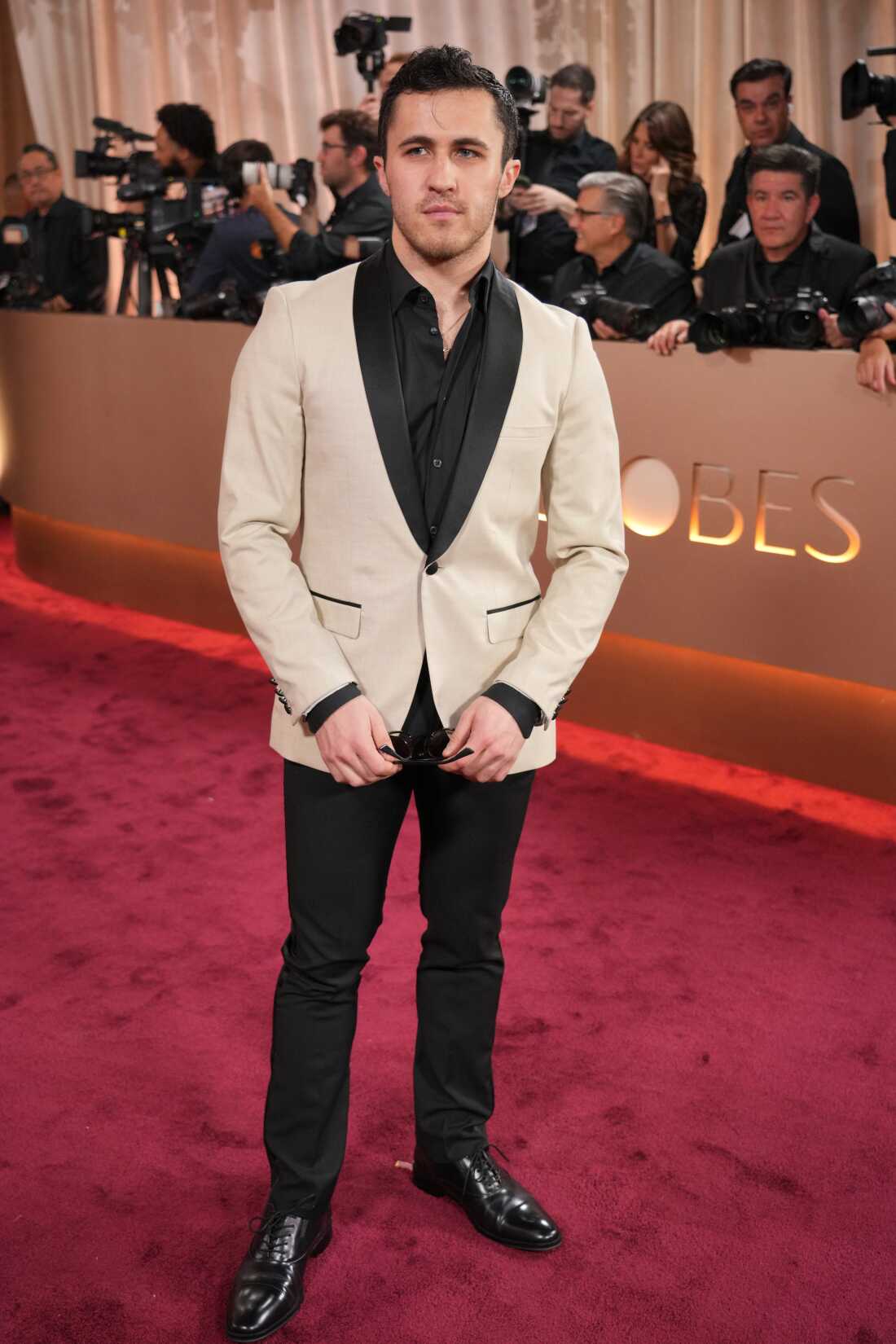
Chris Olsen
Jordan Strauss/Invision/AP
hide caption
toggle caption
Jordan Strauss/Invision/AP

Lisa Ann Walter
Jordan Strauss/Invision/AP
hide caption
toggle caption
Jordan Strauss/Invision/AP

Macaulay Culkin and Brenda Song
Jordan Strauss/Invision/AP
hide caption
toggle caption
Jordan Strauss/Invision/AP
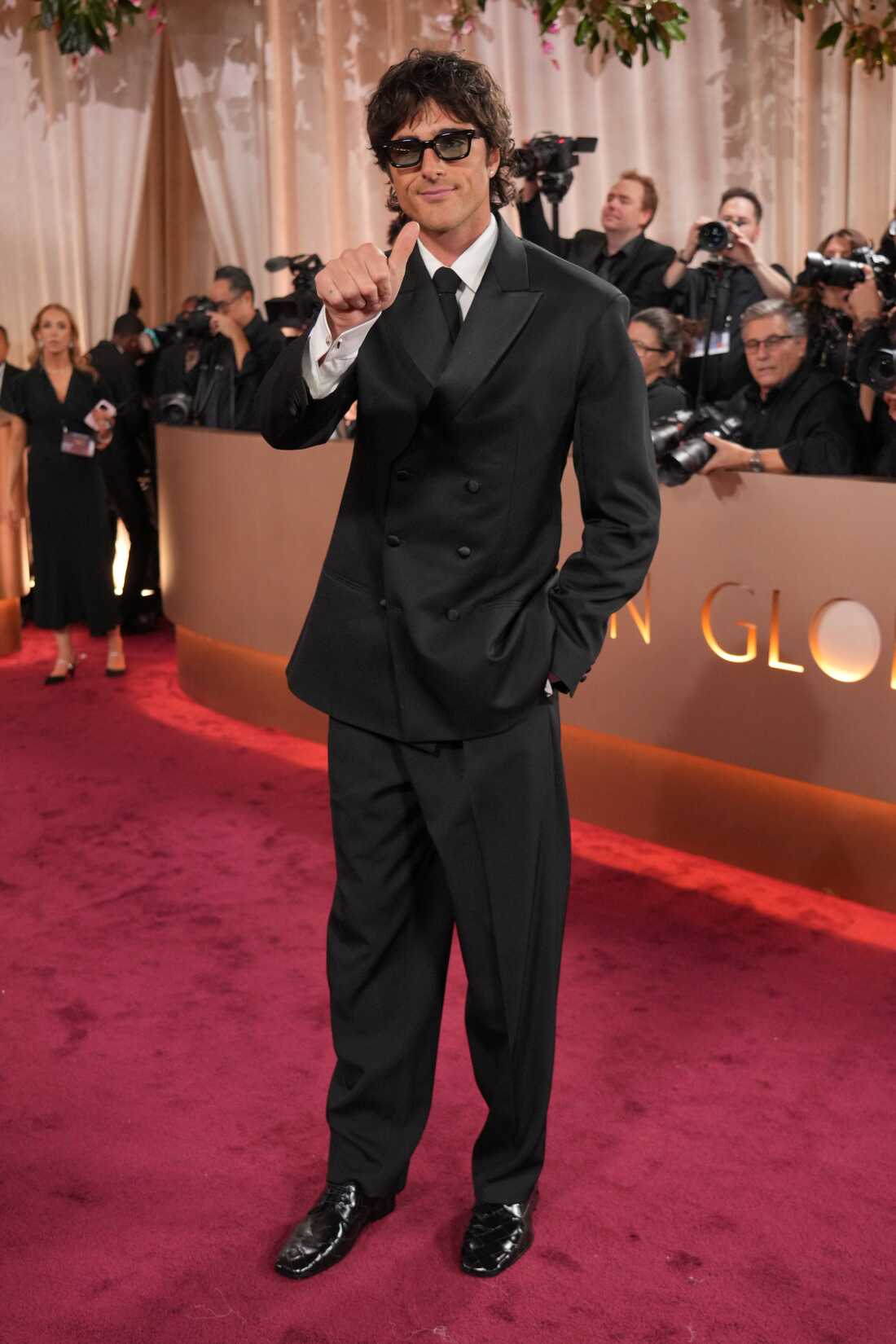
Jacob Elordi
Jordan Strauss/Invision/AP
hide caption
toggle caption
Jordan Strauss/Invision/AP

Selena Gomez and Benny Blanco
Jordan Strauss/Invision/AP
hide caption
toggle caption
Jordan Strauss/Invision/AP

Ryan Destiny
Jordan Strauss/Invision/AP
hide caption
toggle caption
Jordan Strauss/Invision/AP

Jennifer Garner
Jordan Strauss/Invision/AP
hide caption
toggle caption
Jordan Strauss/Invision/AP

Rose Byrne
Jordan Strauss/Invision//AP
hide caption
toggle caption
Jordan Strauss/Invision//AP

Kate Hudson
Jordan Strauss/Invision/AP
hide caption
toggle caption
Jordan Strauss/Invision/AP

Snoop Dogg
Jordan Strauss/Invision/AP
hide caption
toggle caption
Jordan Strauss/Invision/AP
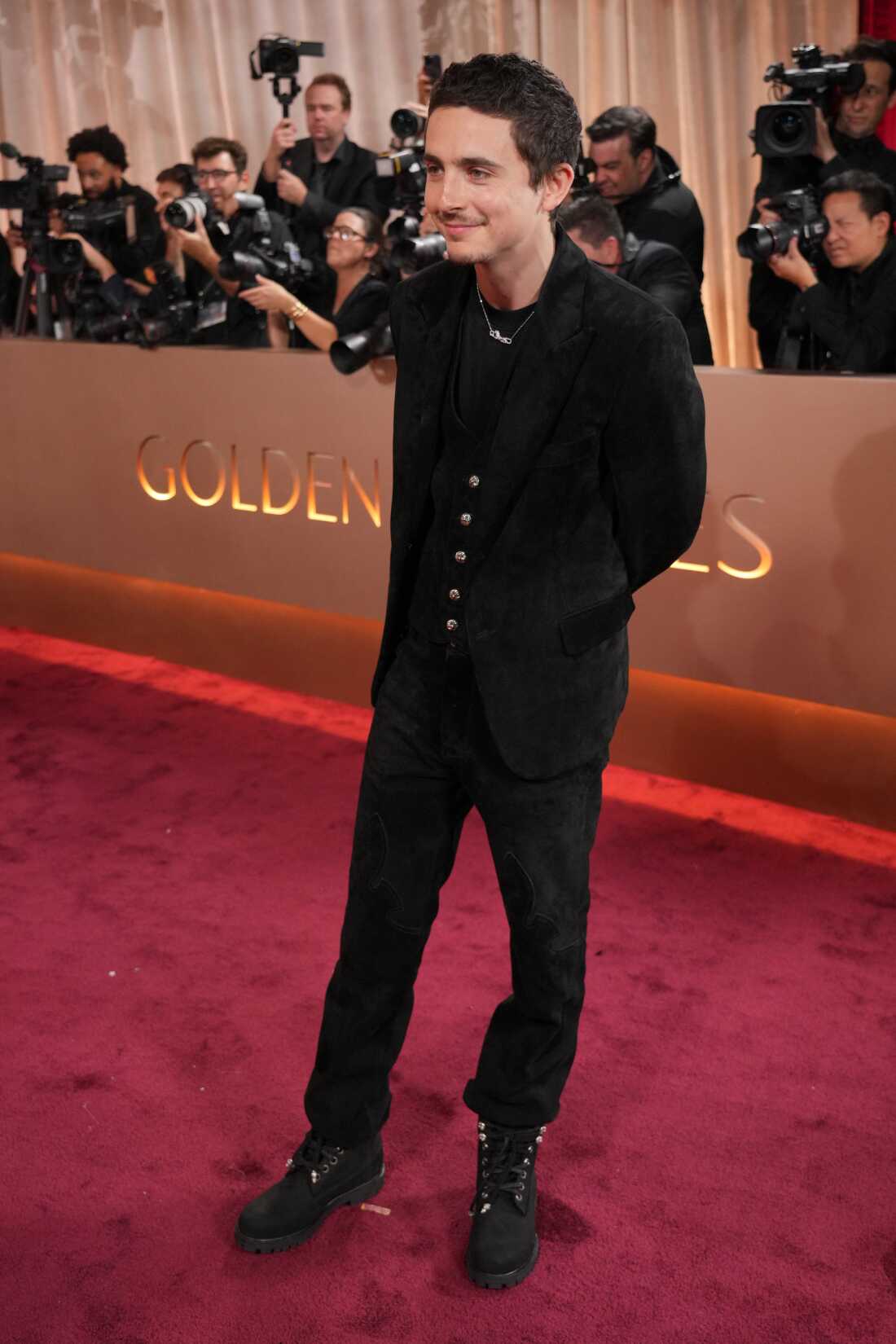
Timothée Chalamet
Jordan Strauss/Invision/AP
hide caption
toggle caption
Jordan Strauss/Invision/AP

Miley Cyrus
Jordan Strauss/Invision/AP
hide caption
toggle caption
Jordan Strauss/Invision/AP
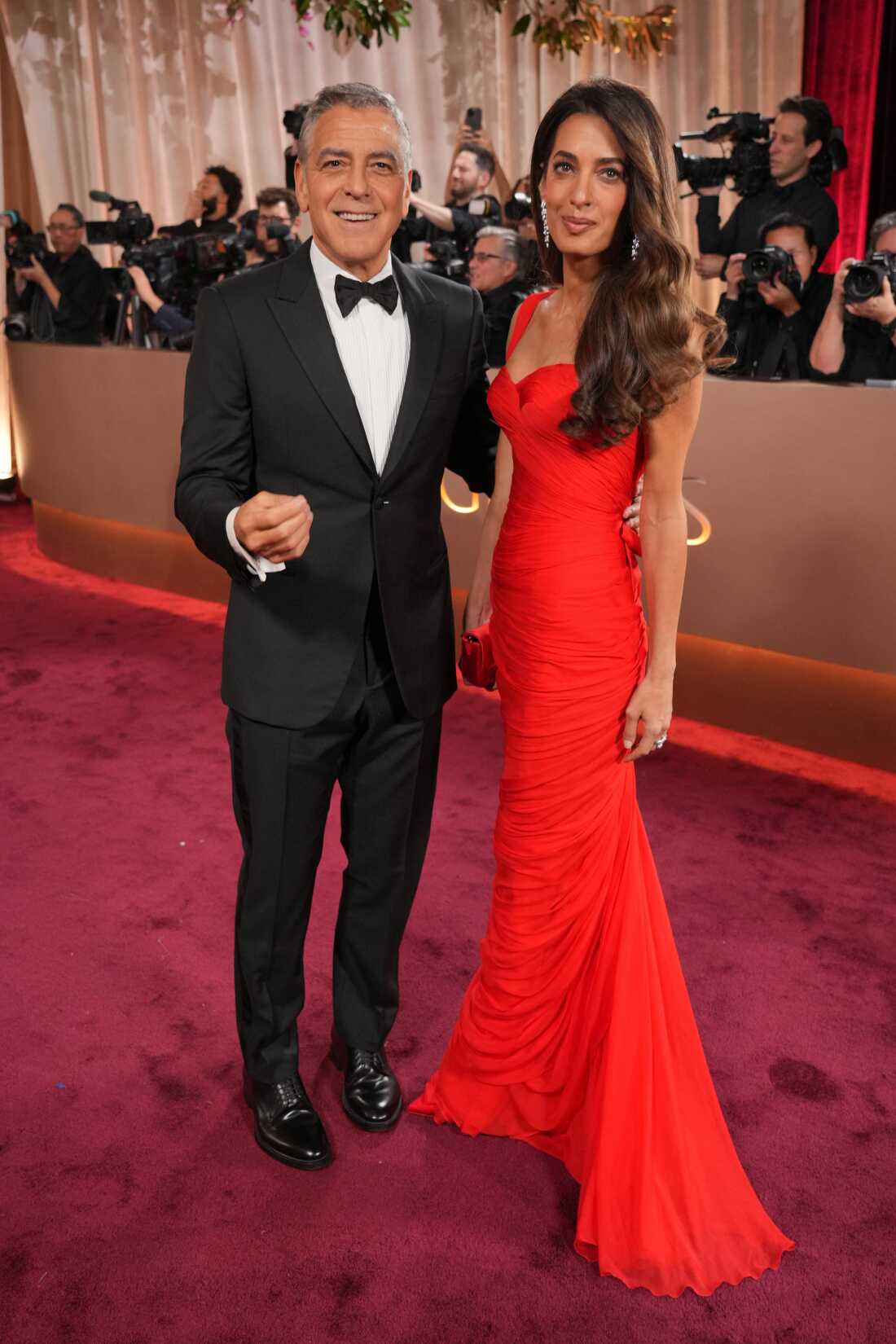
George Clooney and Amal Clooney
Jordan Strauss/Invision/AP
hide caption
toggle caption
Jordan Strauss/Invision/AP
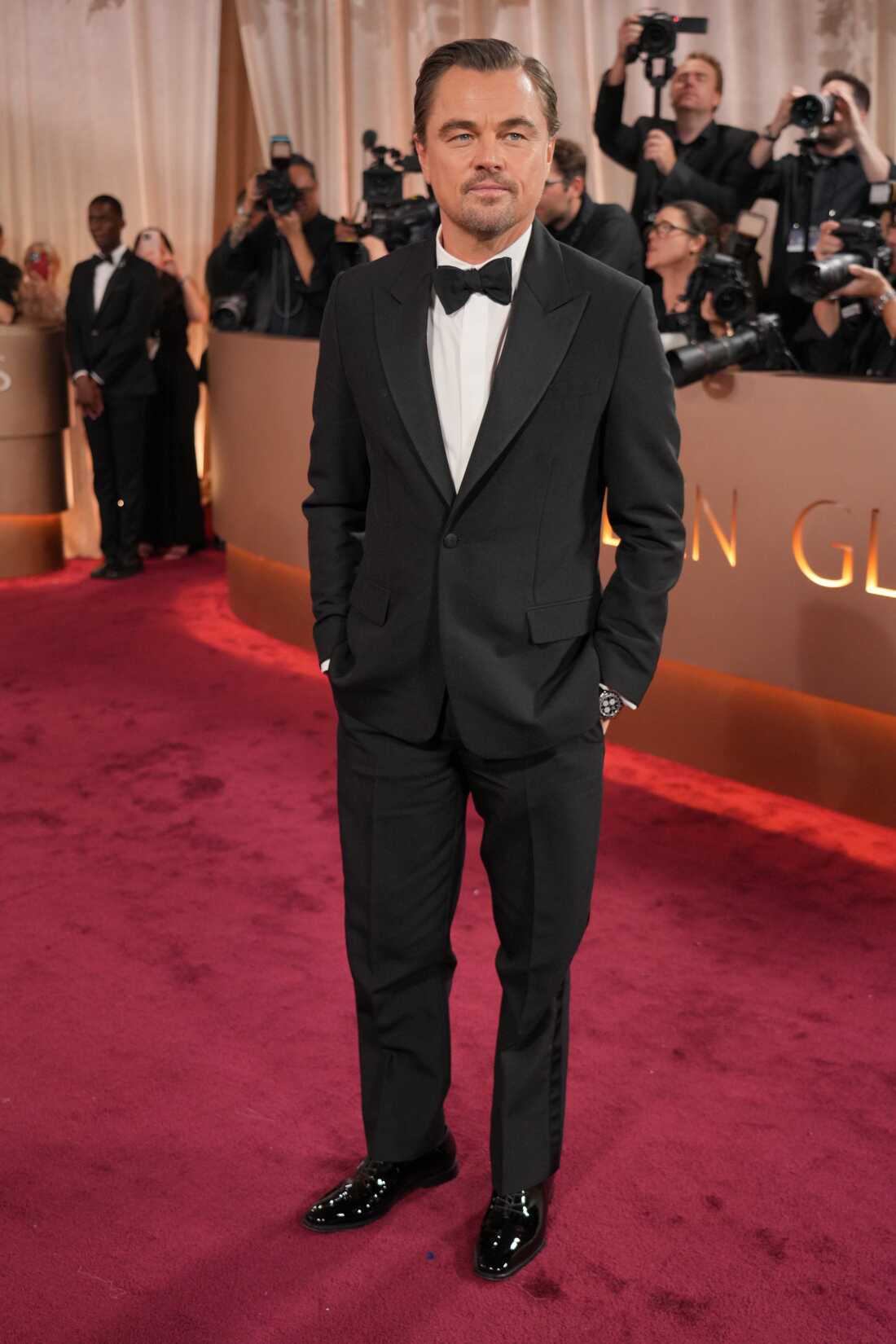
Leonardo DiCaprio
Jordan Strauss/Invision/AP
hide caption
toggle caption
Jordan Strauss/Invision/AP
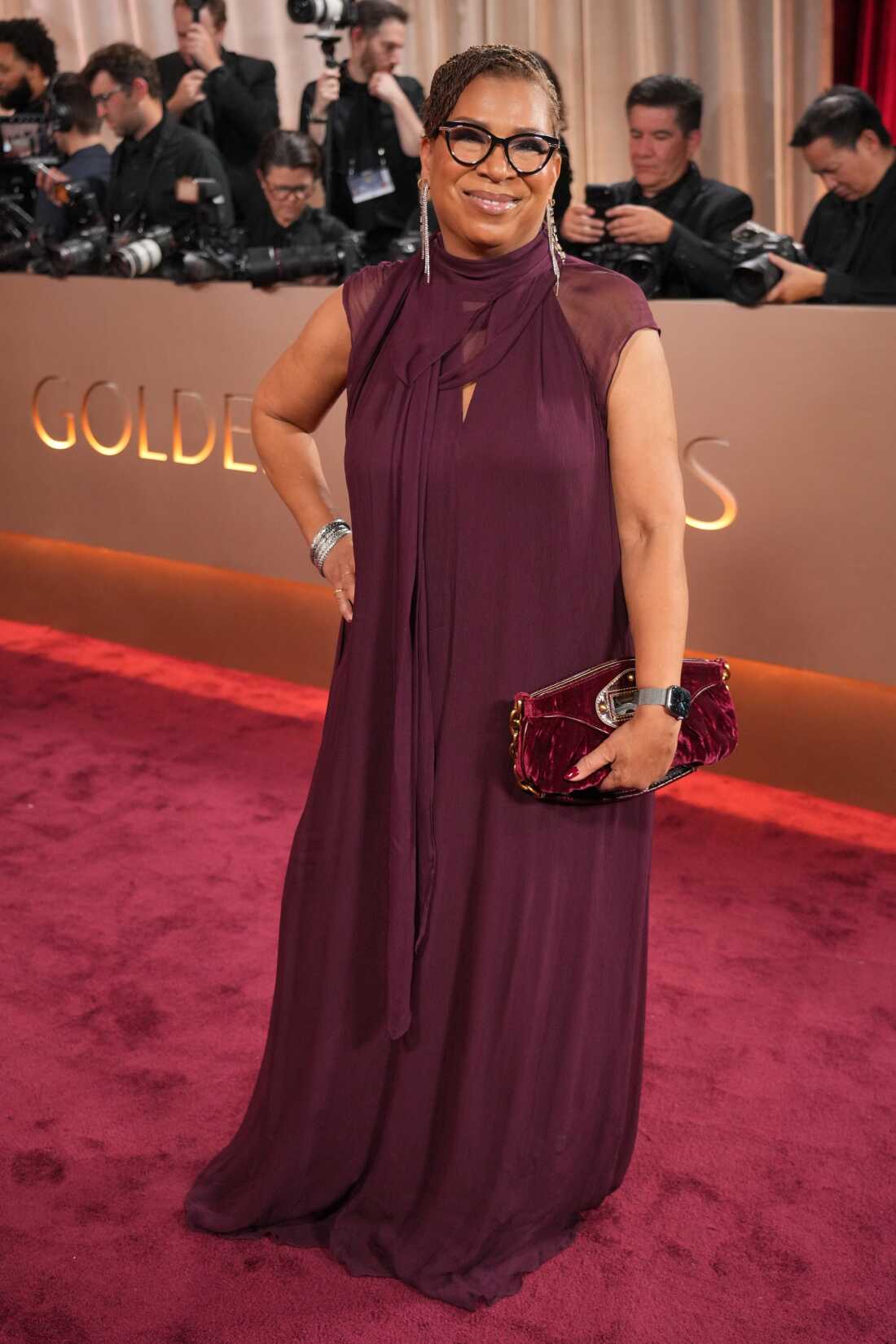
Michel Martin
Jordan Strauss/Invision/AP
hide caption
toggle caption
Jordan Strauss/Invision/AP
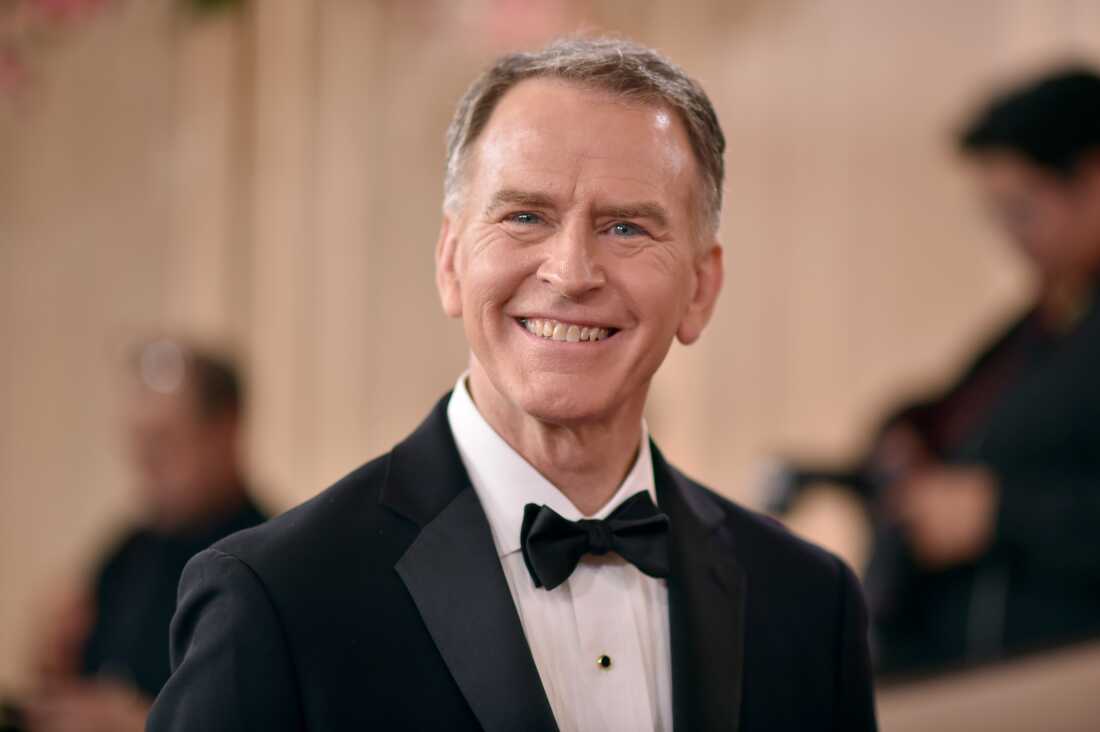
Steve Inskeep
Richard Shotwell/Invision/AP/AP
hide caption
toggle caption
Richard Shotwell/Invision/AP/AP

Leila Fadel
Jordan Strauss/Invision/AP
hide caption
toggle caption
Jordan Strauss/Invision/AP
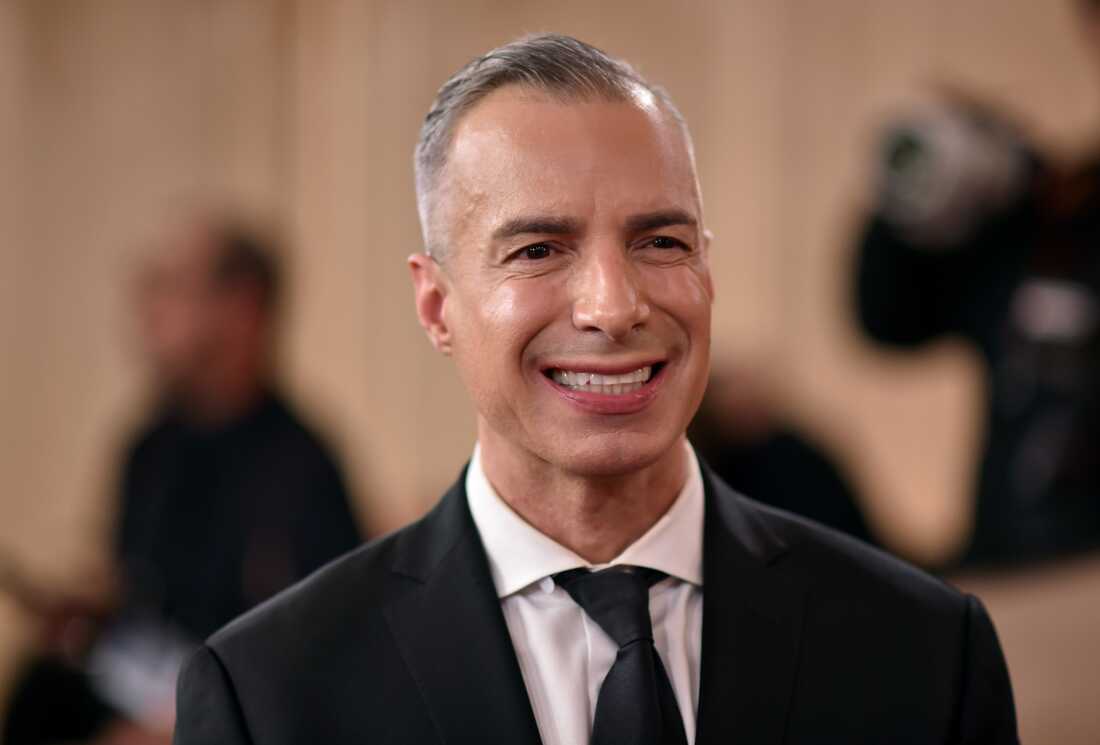
A Martinez
Richard Shotwell/Invision/AP
hide caption
toggle caption
Richard Shotwell/Invision/AP

Ben Falcone and Melissa McCarthy
Jordan Strauss/Invision/AP
hide caption
toggle caption
Jordan Strauss/Invision/AP

Amanda Seyfried
Jordan Strauss/Invision/InvisionAP
hide caption
toggle caption
Jordan Strauss/Invision/InvisionAP

William Stanford Davis
Jorden Strauss/Invision/AP
hide caption
toggle caption
Jorden Strauss/Invision/AP

Tessa Thompson
Jordan Strauss/Invision/AP
hide caption
toggle caption
Jordan Strauss/Invision/AP

Kathy Bates
Jordan Strauss/Invision/AP
hide caption
toggle caption
Jordan Strauss/Invision/AP

Dax Shepard and Kristen Bell
Jorden Strauss/Invision/AP
hide caption
toggle caption
Jorden Strauss/Invision/AP

Skylar Diggins
Jordan Strauss/Invision/AP
hide caption
toggle caption
Jordan Strauss/Invision/AP
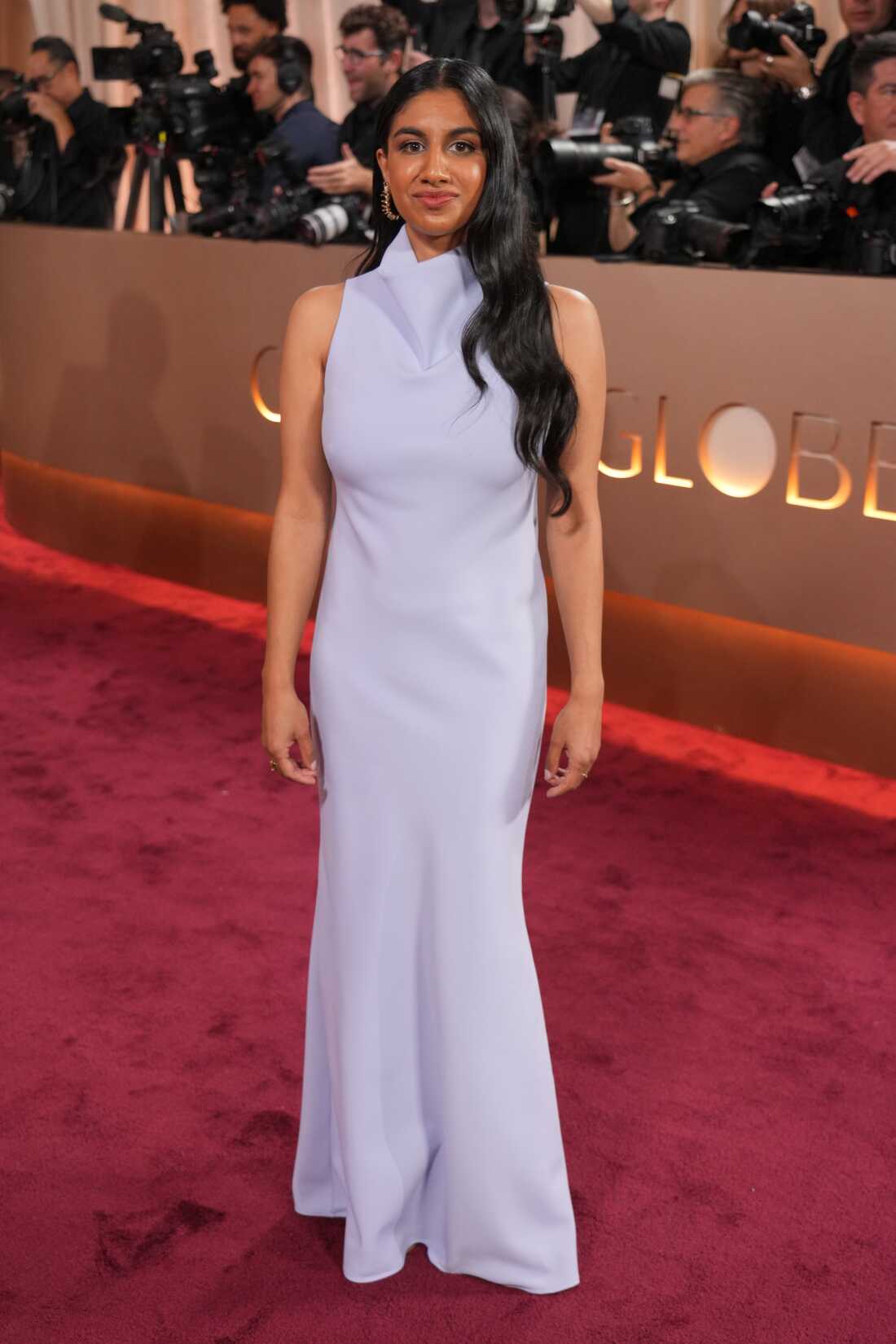
Monica Padman
Jordan Strauss/Invision/AP
hide caption
toggle caption
Jordan Strauss/Invision/AP

Adam Scott and Naomi Scott
Jordan Strauss/Invision/AP
hide caption
toggle caption
Jordan Strauss/Invision/AP
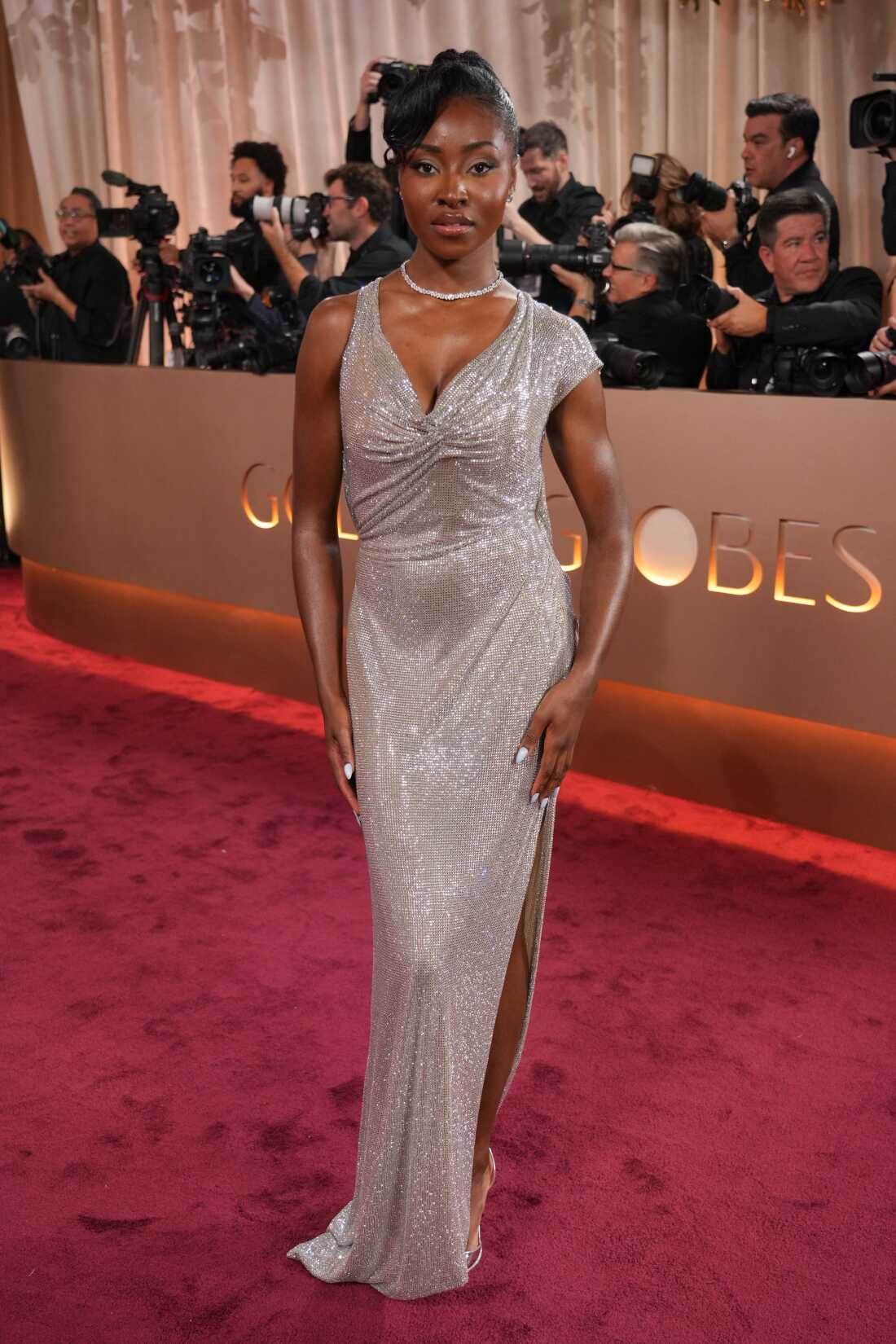
Jayme Lawson
Jordan Strauss/Invision/AP
hide caption
toggle caption
Jordan Strauss/Invision/AP

Maya Rudolph and Paul Thomas Anderson
Gilbert Flores/Penske Media/Getty Images
hide caption
toggle caption
Gilbert Flores/Penske Media/Getty Images

Emma Stone
Jordan Strauss/Invision/AP
hide caption
toggle caption
Jordan Strauss/Invision/AP
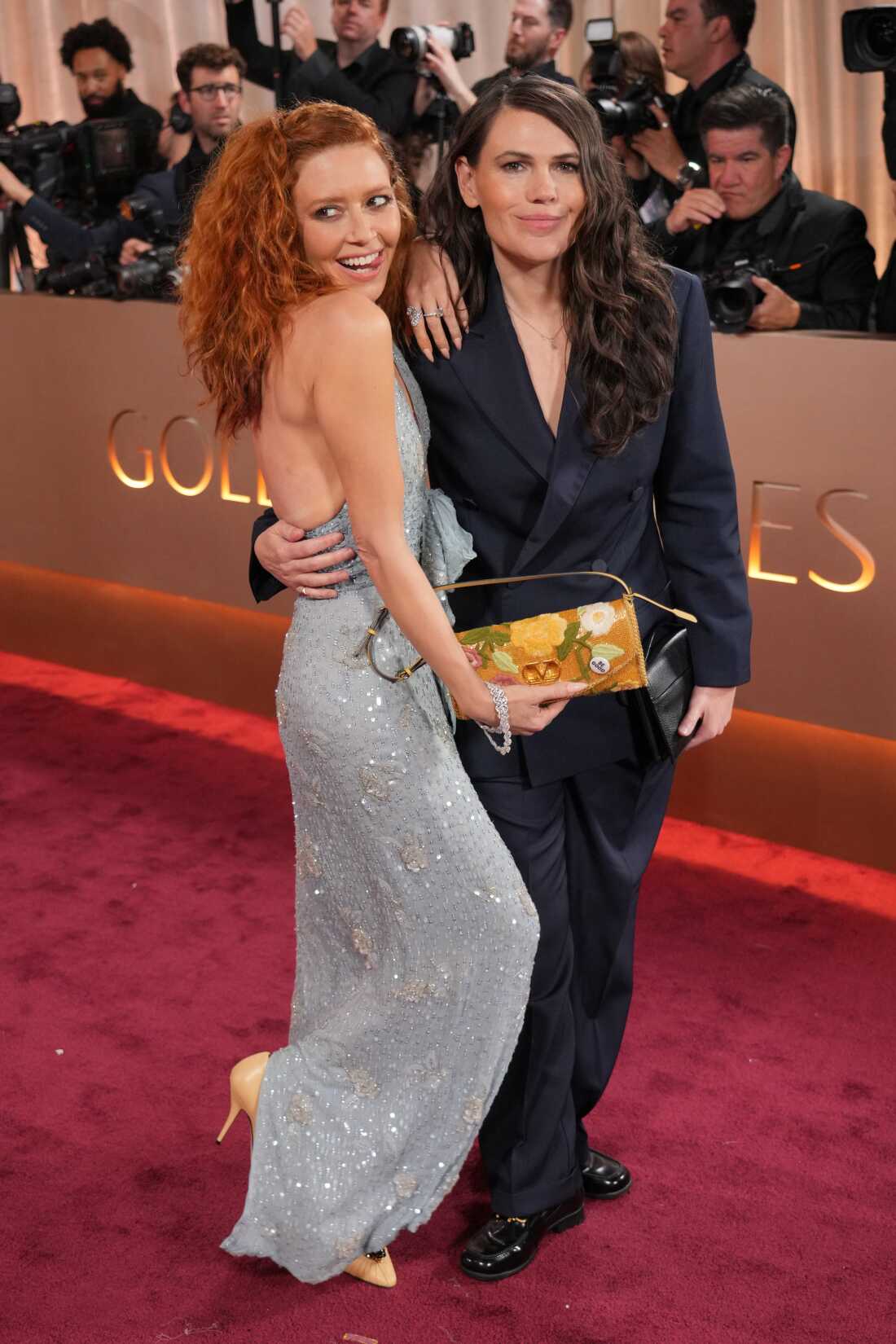
Natasha Lyonne and Clea DuVall
Jordan Strauss/Invision/AP/AP
hide caption
toggle caption
Jordan Strauss/Invision/AP/AP

Nischelle Turner
Jordan Strauss/Invision/AP/AP
hide caption
toggle caption
Jordan Strauss/Invision/AP/AP

Brett Goldstein
Jordan Strauss/Invision/AP
hide caption
toggle caption
Jordan Strauss/Invision/AP
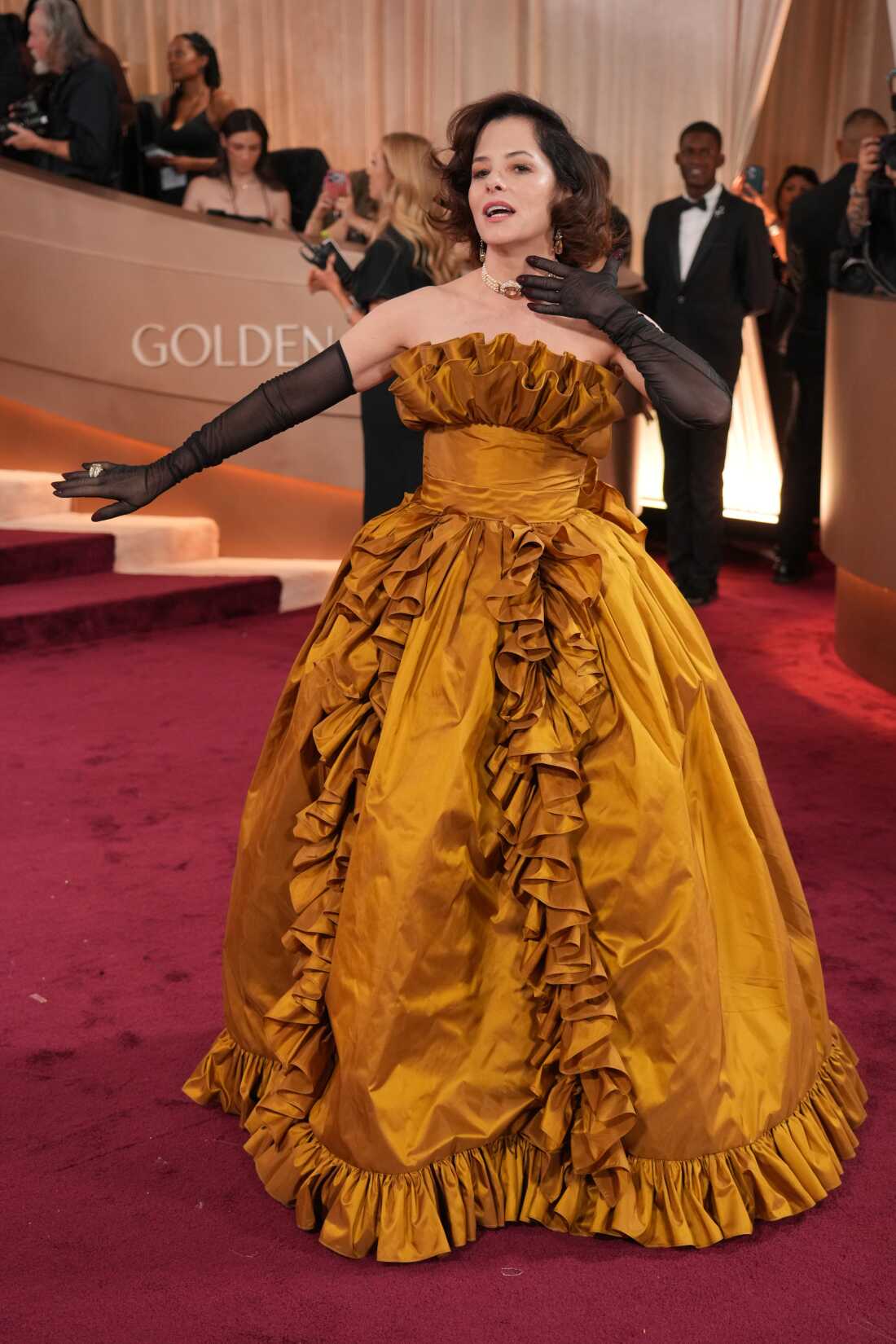
Parker Posey
Jordan Strauss/Invision/AP
hide caption
toggle caption
Jordan Strauss/Invision/AP

Vince Gilligan
Jordan Strauss/Invision/AP
hide caption
toggle caption
Jordan Strauss/Invision/AP

Chloé Zhao
Jordan Strauss/Invision/AP
hide caption
toggle caption
Jordan Strauss/Invision/AP

Mark Ruffalo and Sunrise Coigney
Jordan Strauss/Invision/AP
hide caption
toggle caption
Jordan Strauss/Invision/AP
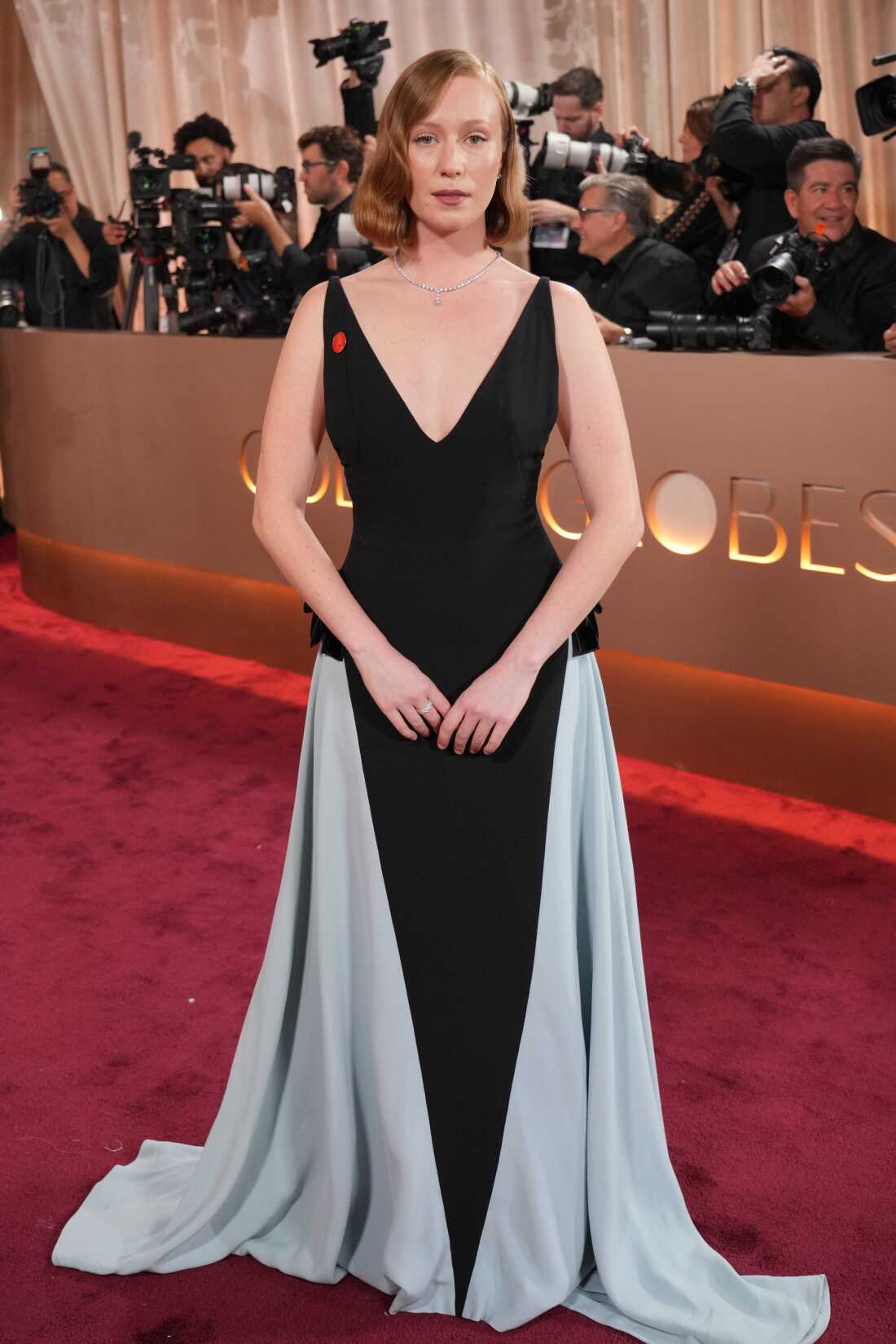
Hannah Einbinder
Jordan Strauss/ Invision/AP
hide caption
toggle caption
Jordan Strauss/ Invision/AP
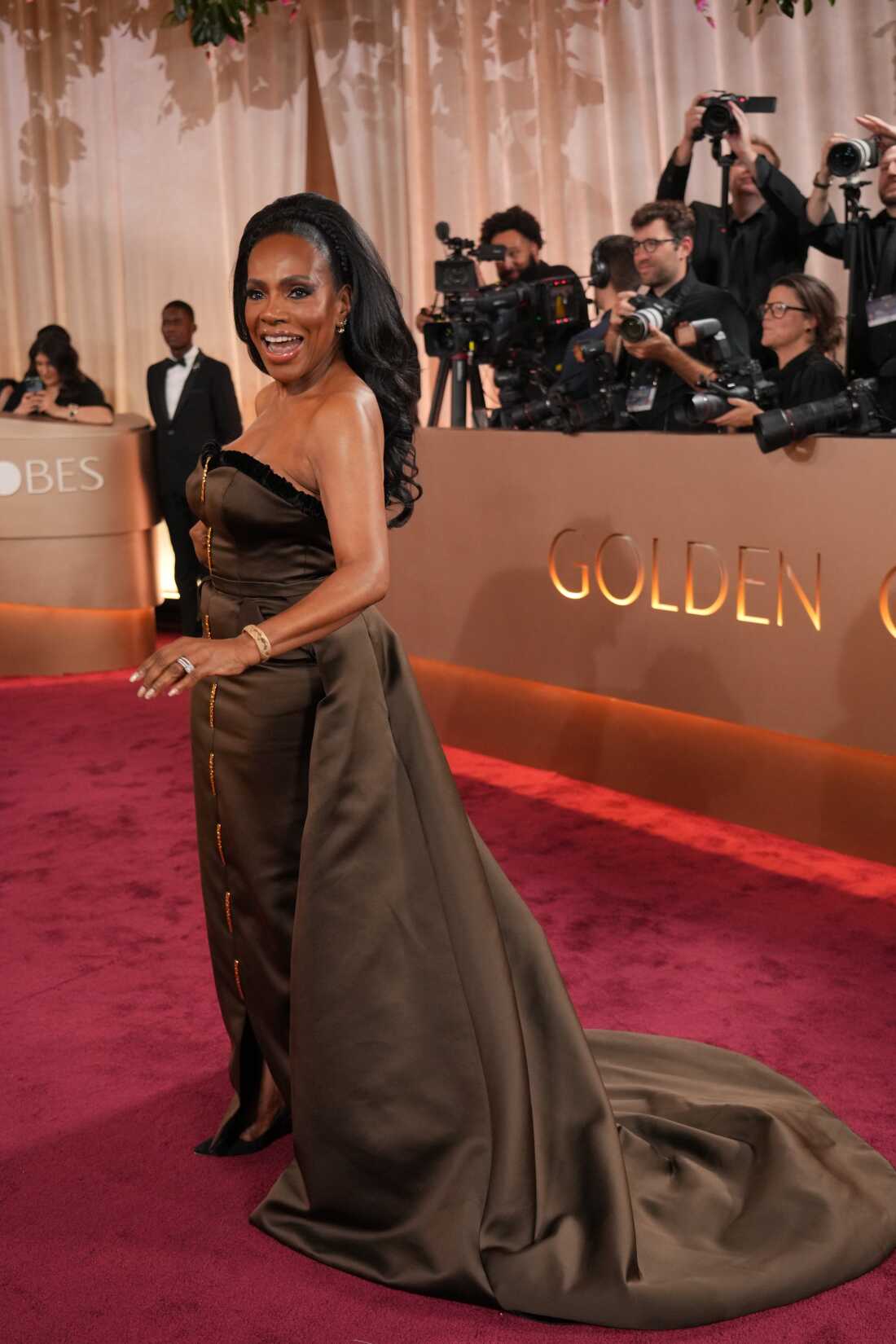
Sheryl Lee Ralph
Jordan Strauss/Invision/AP
hide caption
toggle caption
Jordan Strauss/Invision/AP

Keegan-Michael Key and Elle Key
Jordan Strauss/Invision/AP/AP
hide caption
toggle caption
Jordan Strauss/Invision/AP/AP

Justin Sylvester
Richard Shotwell/Invision/AP
hide caption
toggle caption
Richard Shotwell/Invision/AP
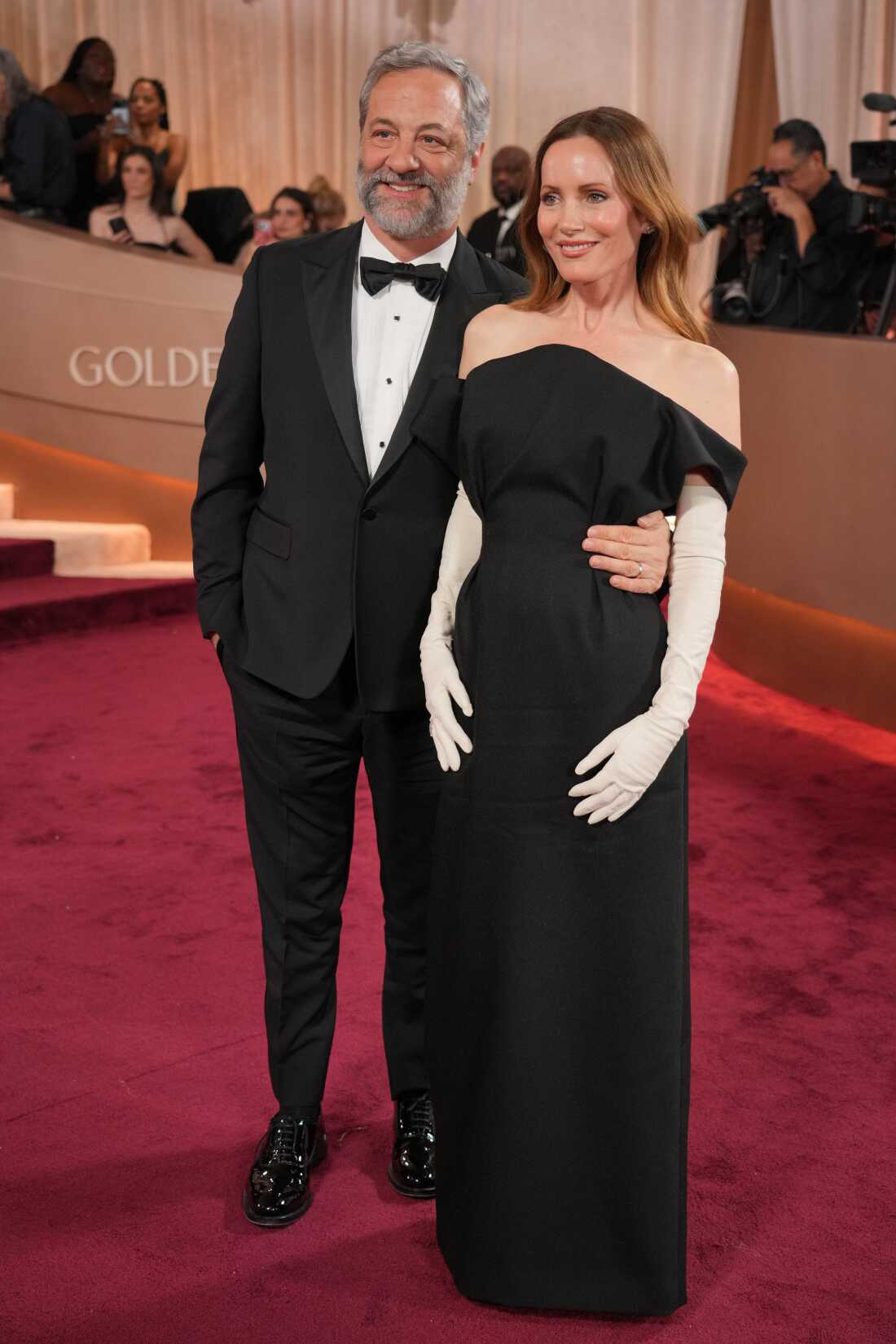
Judd Apatow and Lesley Mann
Jordan Strauss/Invision/AP
hide caption
toggle caption
Jordan Strauss/Invision/AP
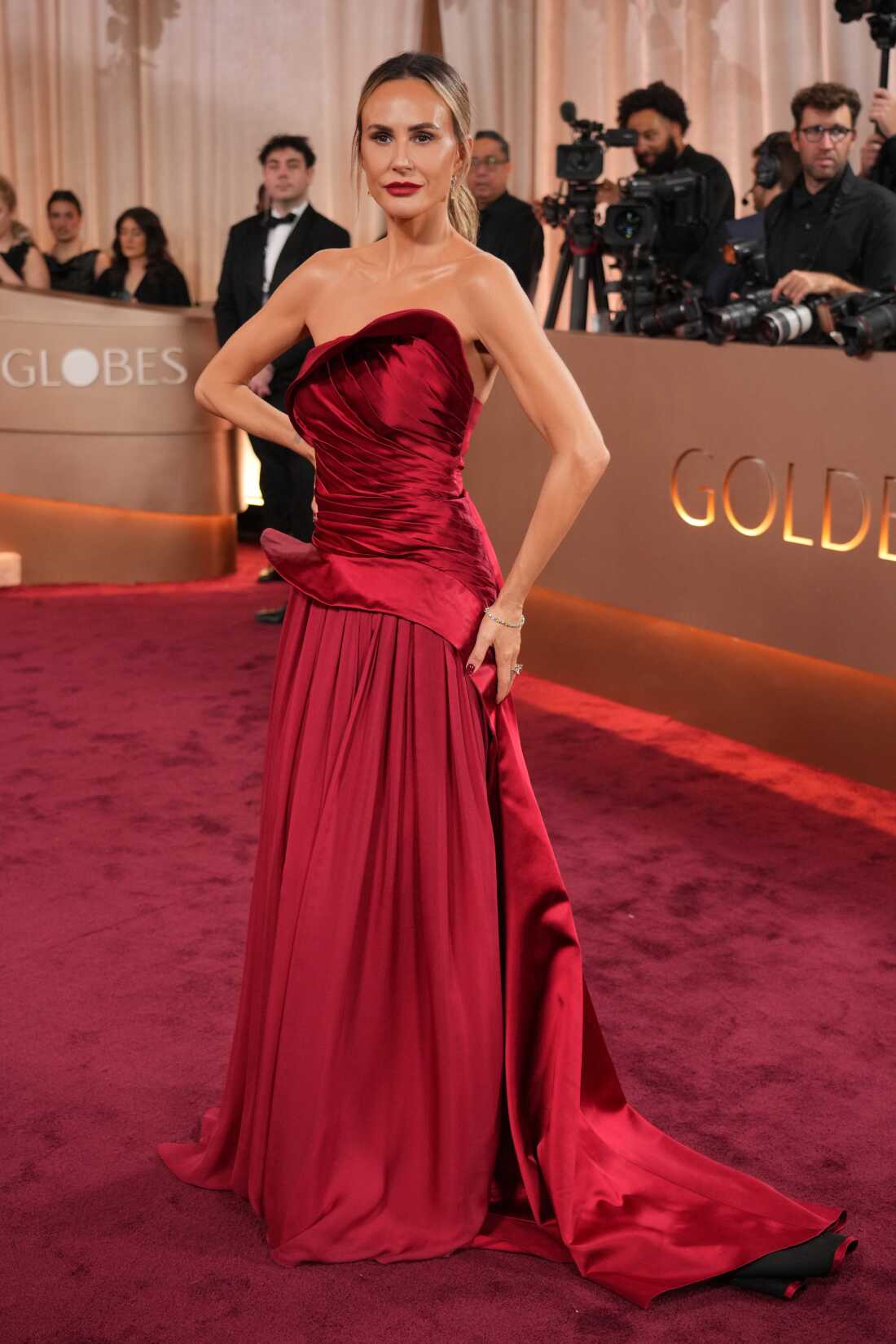
Keltie Knight
Jordan Strauss/Invision/AP
hide caption
toggle caption
Jordan Strauss/Invision/AP

Sarah Snook
Jordan Strauss/Invision/AP
hide caption
toggle caption
Jordan Strauss/Invision/AP

Glen Powell
Jordan Strauss/Invision/AP
hide caption
toggle caption
Jordan Strauss/Invision/AP

Piper Curda
Jordan Strauss/Invision/AP
hide caption
toggle caption
Jordan Strauss/Invision/AP
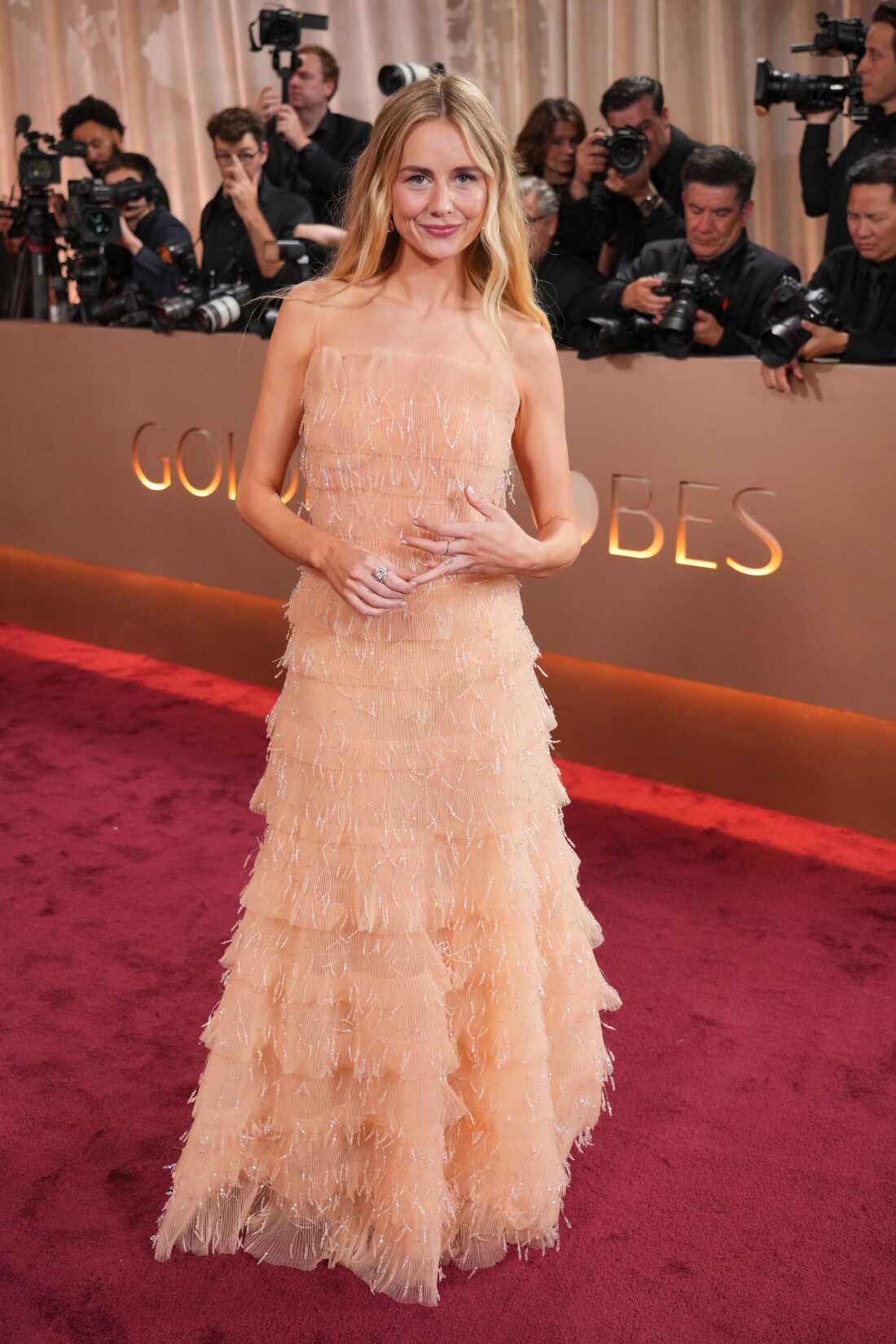
Justine Lupe
Jordan Strauss/Invision/AP
hide caption
toggle caption
Jordan Strauss/Invision/AP

Helen Hoehne
Jordan Strauss/Invision/AP
hide caption
toggle caption
Jordan Strauss/Invision/AP

Natasha Rothwell
Jordan Strauss/Invision/AP
hide caption
toggle caption
Jordan Strauss/Invision/AP
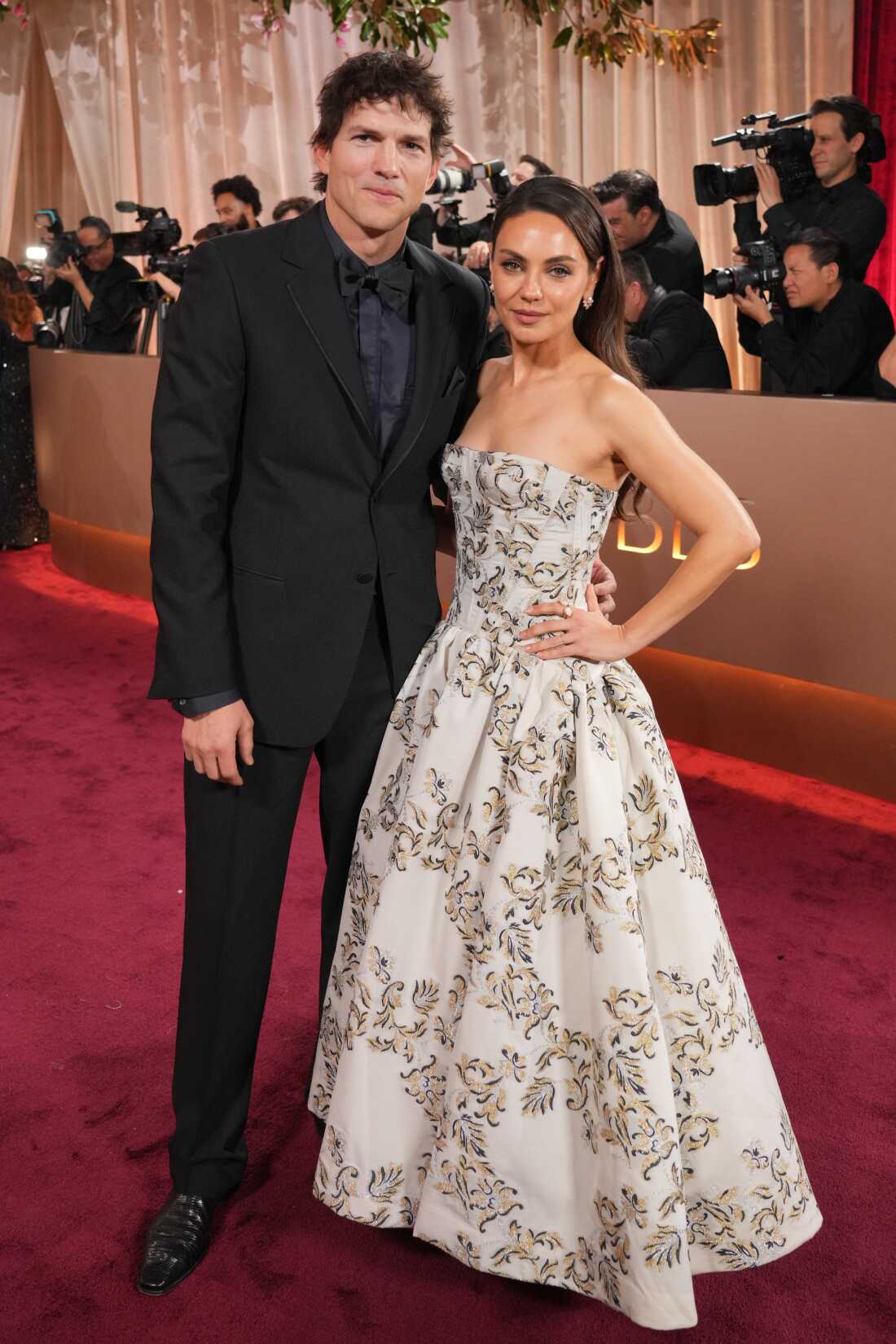
Ashton Kutcher and Mila Kunis
Jordan Strauss/Invision/AP
hide caption
toggle caption
Jordan Strauss/Invision/AP

Minnie Driver
Jordan Strauss/Invision/AP
hide caption
toggle caption
Jordan Strauss/Invision/AP
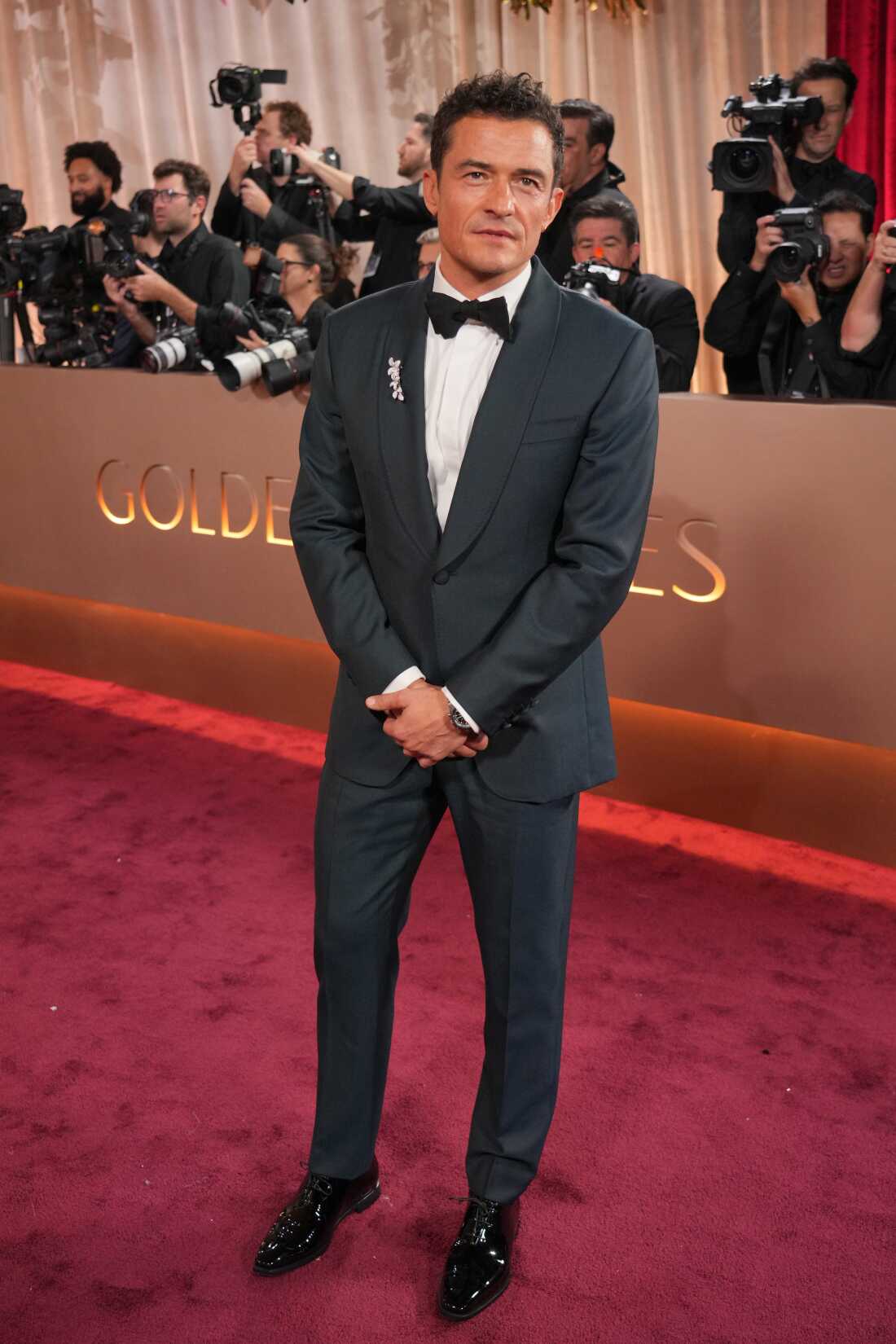
Orlando Bloom
Jordan Strauss/Invision/AP
hide caption
toggle caption
Jordan Strauss/Invision/AP

Hudson Williams
Richard Shotwell/Invision/AP
hide caption
toggle caption
Richard Shotwell/Invision/AP

Connor Storrie
Jordan Strauss/Invision/AP
hide caption
toggle caption
Jordan Strauss/Invision/AP

Erin Doherty
Jordan Strauss/Invision/AP
hide caption
toggle caption
Jordan Strauss/Invision/AP
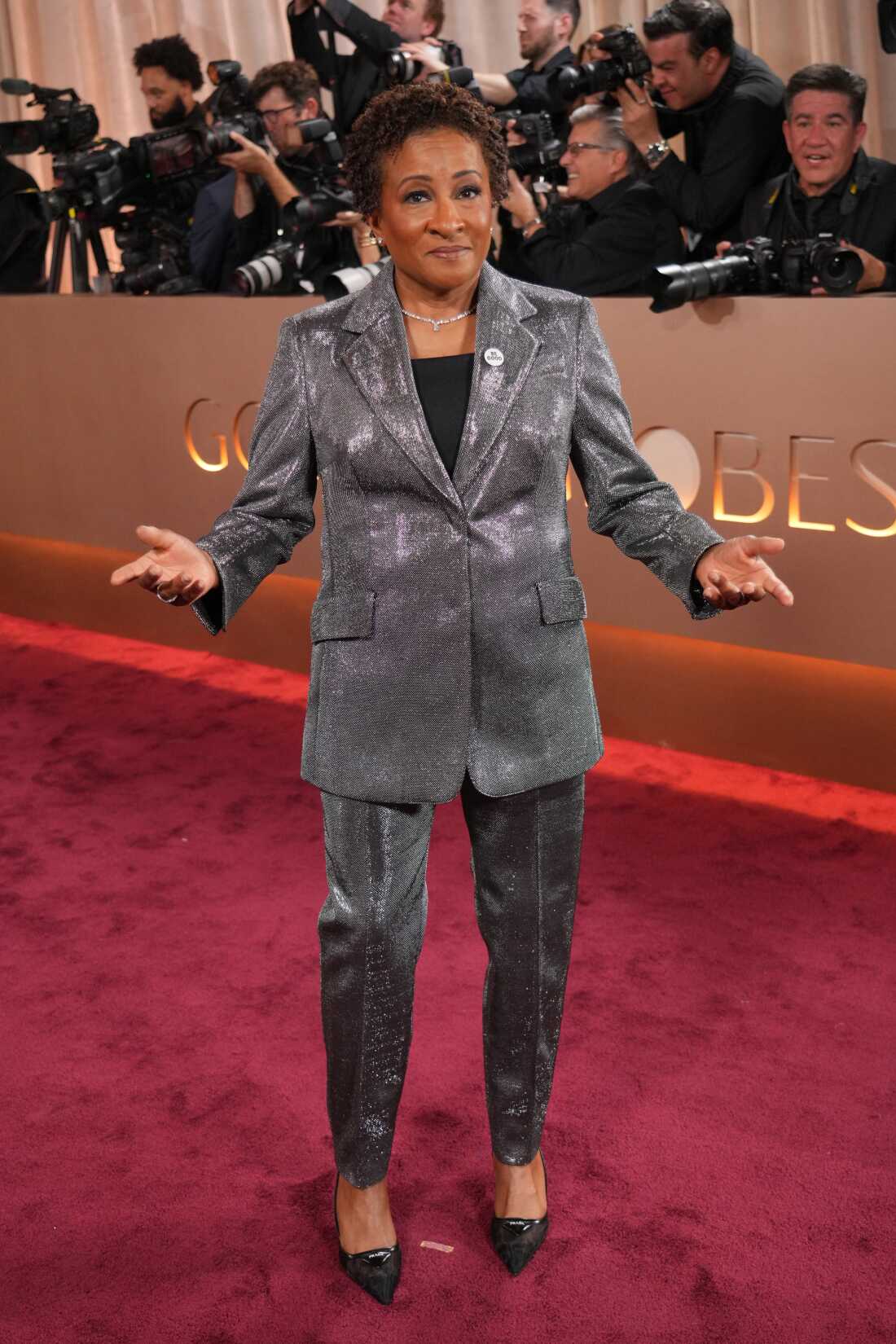
Wanda Sykes
Jordan Strauss/Invision/AP
hide caption
toggle caption
Jordan Strauss/Invision/AP

Nikki Glaser
Richard Shotwell/Invision/AP
hide caption
toggle caption
Richard Shotwell/Invision/AP

Julia Roberts
Jordan Strauss/Invision/AP
hide caption
toggle caption
Jordan Strauss/Invision/AP

Emily Blunt
Jordan Strauss/Invision/AP
hide caption
toggle caption
Jordan Strauss/Invision/AP

Chris Perfetti
Jordan Strauss/Invision/AP
hide caption
toggle caption
Jordan Strauss/Invision/AP

Rhea Seehorn
Jordan Strauss/Invision/AP
hide caption
toggle caption
Jordan Strauss/Invision/AP

Dakota Fanning
Jordan Strauss/Invision/Invision
hide caption
toggle caption
Jordan Strauss/Invision/Invision

Queen Latifah
Richard Shotwell/Invision/AP
hide caption
toggle caption
Richard Shotwell/Invision/AP

New Jersey files public nuisance lawsuit against scrapyard operator EMR

Lincoln County’s Rex Wilson named to fill vacant New Mexico Senate seat – Carlsbad Current-Argus

PSA Completes Move to North Carolina | AirlineGeeks.com

2025 tourism dip in ND reflects national trend

Michael McKee will be extradited to Ohio to face charges for grisly murder of dentist, wife

Florida High School Football Rankings: Top 25 teams – Oct. 21

Cleary's 21 help Le Moyne down Central Connecticut State 69-64 in OT

How old is Bo Nix? What to know about Oregon quarterback ahead of 2024 NFL Draft

99th annual Pony Swim held in Virginia

Video: ‘It Didn’t Have to Happen This Way:’ U.Va. Faculty Call for Review of Police Response to Protests

Video: What Our Photographer Saw in Minneapolis

Conservative legal group targets CFPB rule mandating race, sex data in home loans

EU auditors warn eased EU budget rules could undermine oversight

More federal agents head to Minnesota. And, U.S. Figure Skating announces Olympic team

San Antonio ends its abortion travel fund after new state law, legal action
-

 Detroit, MI1 week ago
2 hospitalized after shooting on Lodge Freeway in Detroit
-

 Technology6 days ago
Power bank feature creep is out of control
-

 Dallas, TX4 days ago
Anti-ICE protest outside Dallas City Hall follows deadly shooting in Minneapolis
-

 Delaware3 days ago
MERR responds to dead humpback whale washed up near Bethany Beach
-

 Dallas, TX1 week ago
Defensive coordinator candidates who could improve Cowboys’ brutal secondary in 2026
-

 Montana2 days ago
Service door of Crans-Montana bar where 40 died in fire was locked from inside, owner says
-

 Iowa6 days ago
Pat McAfee praises Audi Crooks, plays hype song for Iowa State star
-

 Health1 week ago
Viral New Year reset routine is helping people adopt healthier habits