Lifestyle
L.A. beauty rituals: For Barrington Darius, cutting hair is math, it’s theory and it’s art

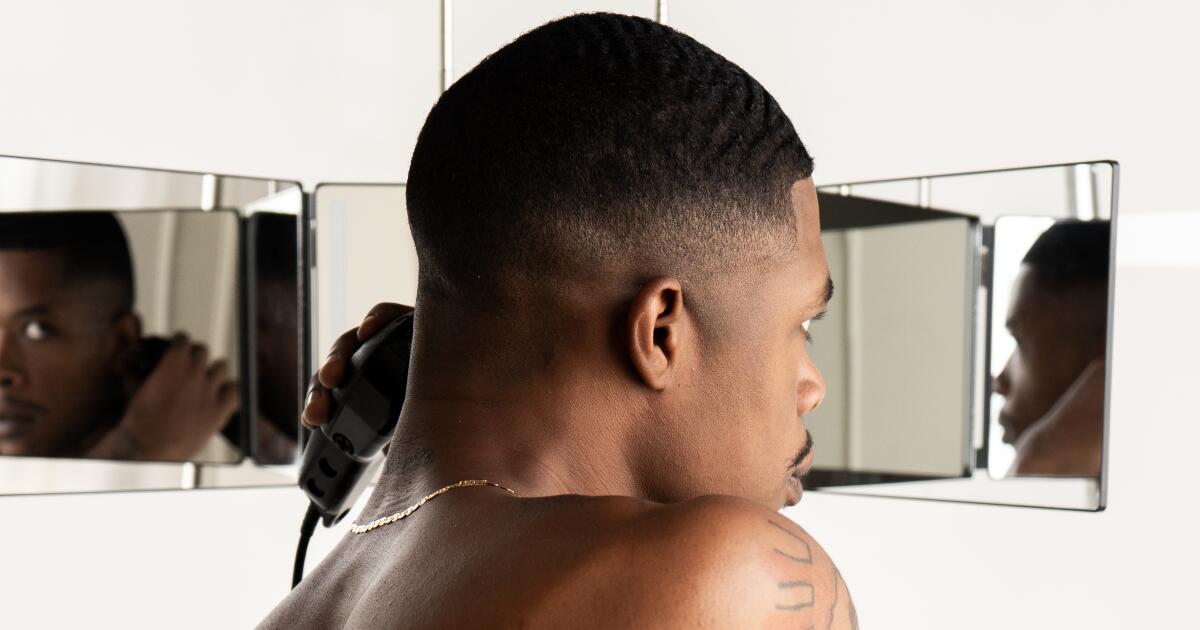

A skin, hair or makeup routine is never just a skin, hair or makeup routine. We dived deep into the beauty rituals of artists and aestheticians across L.A., and in turn learned more about their relationships to themselves and the world around them. A beauty ritual is as much personal as it is a portal: to better versions of ourselves, to better versions of the future. For Barrington Darius, a creative director, photographer, director and model, beauty is found in freedom, and freedom is found in practice, specifically a hair-cutting practice Darius has been perfecting for the last few years. As Darius says, cutting hair is math, it’s theory and it’s art. “When I cut my hair, I feel like that aura has been turned up. Aura points going up … My conversations are sharp. My thoughts are married to confidence. I speak directly.”
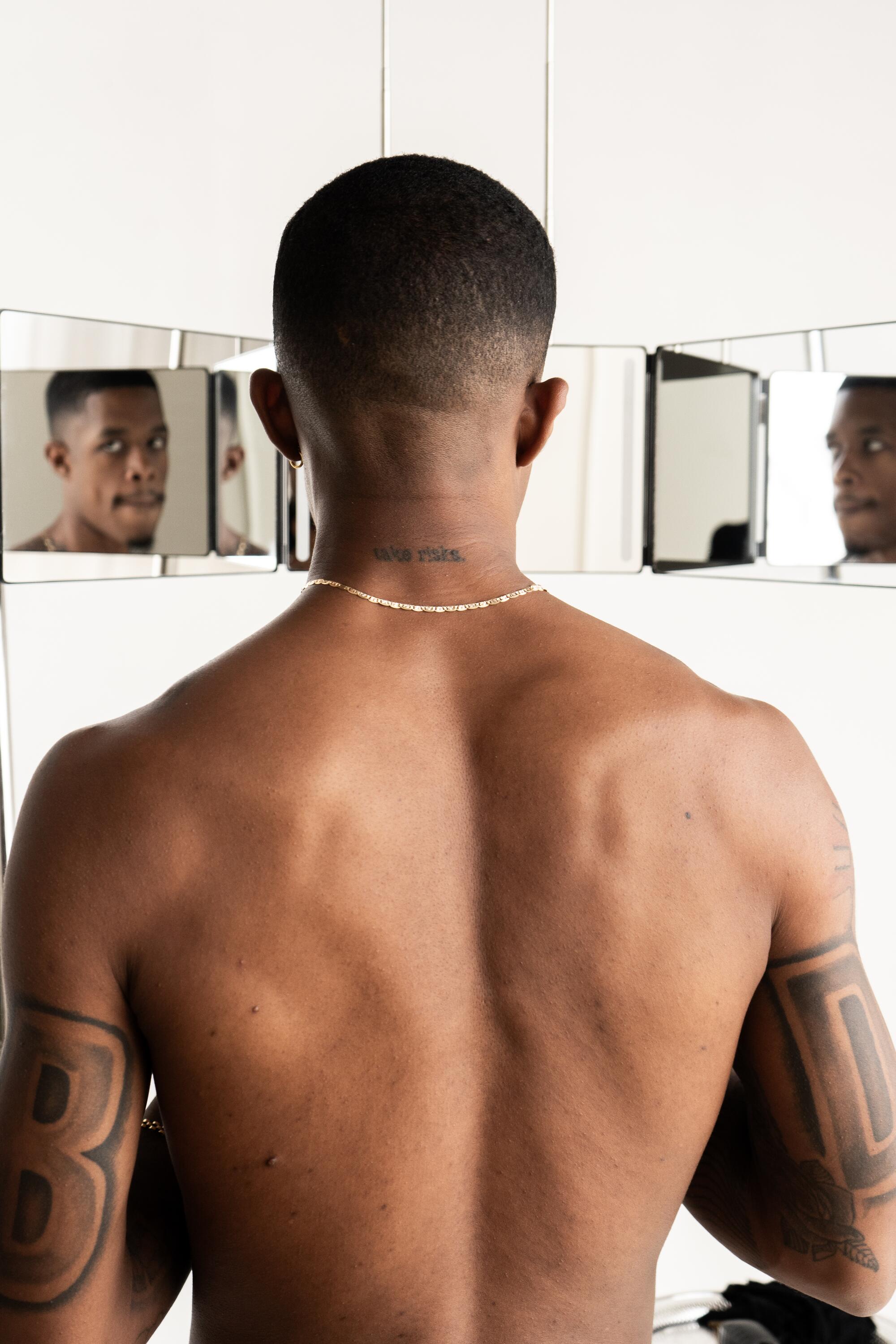
Cutting my hair is something I do in private. As an artist, I feel like I’m always kind of anxious about sharing. I do what I think are some magical things privately, but while some people share their magic — I use it for inspiration, for reference. I might be transitioning into that space where I share more. I have “take risk” tattooed on the back of my neck.
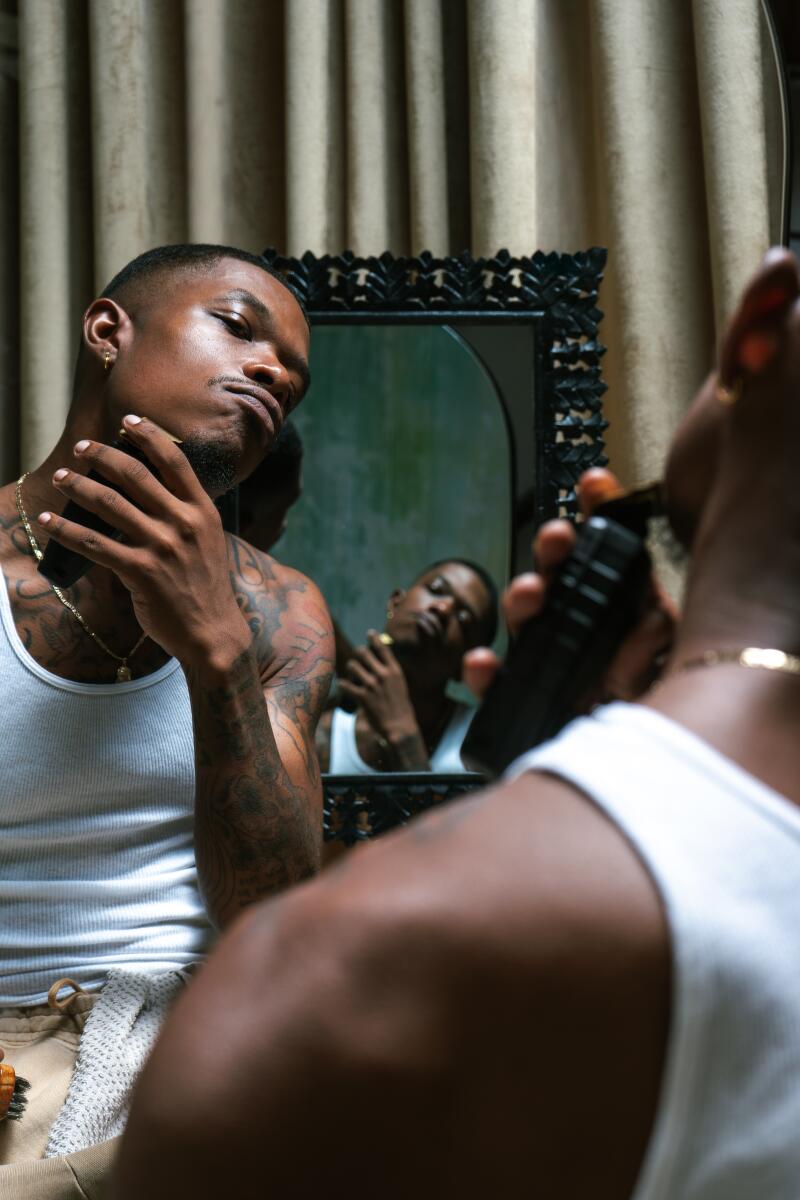
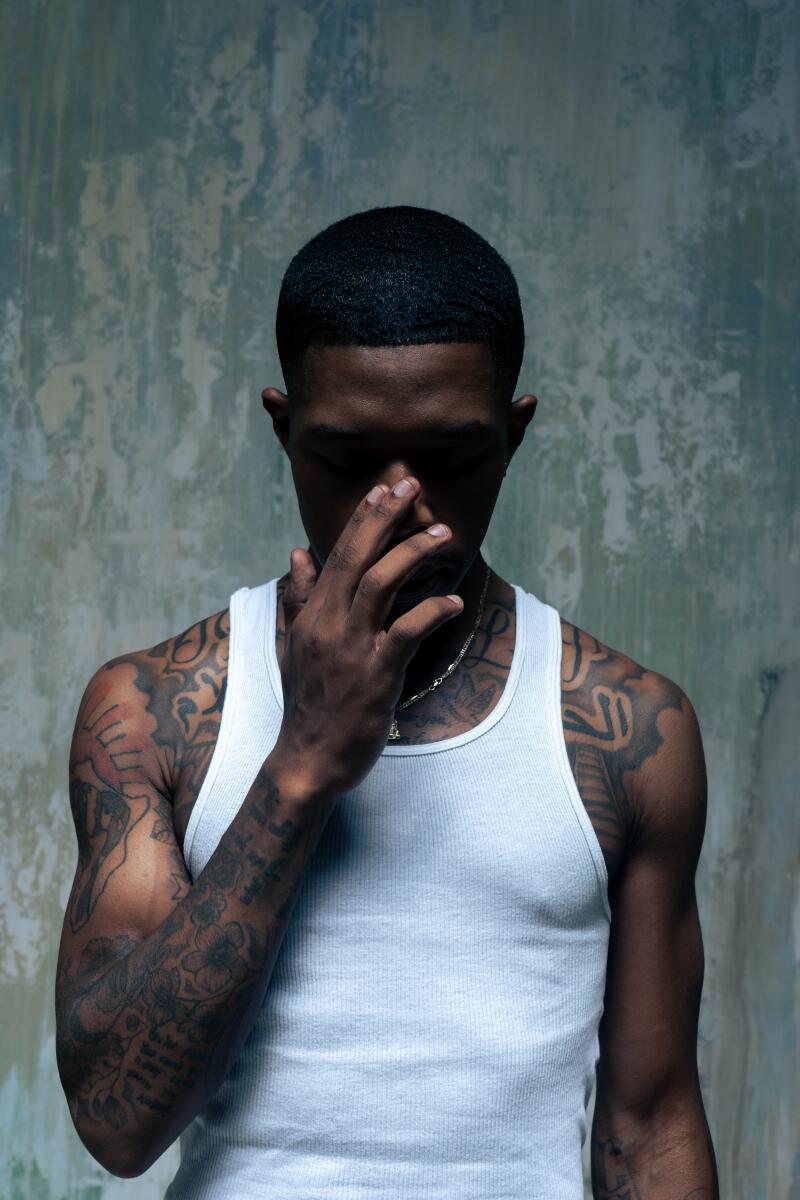
“When I cut my hair, I feel like that aura has been turned up. Aura points going up. It’s like, ‘I’m back.’ My conversations are sharp. My thoughts are married to confidence. I speak directly.”
— Barrington Darius
I think our haircut is our crown, so deciding to tinker with my crown at my own leisure, it’s liberating. As a creative director, filmmaker, photographer and everything else, I decide to follow off spirit — there’s never a right or wrong way. All that theory that goes into the photos, the films, the music, it’s literally the same exact thing with the practice of cutting hair. Cutting hair is math and also assessing — assessing the bones of what it’s about to be before you actually go into sculpting. You see some people’s heads and the hair that they have and it’s like, “You’re supposed to have that hair. It just fits.” I feel like I’m the fade. I’m the same every time, but I’m sharp. Every little corner that no one else thinks about, that sticks out most to me. With haircuts, there’s no Photoshop, so you have to be on point. When I cut my hair, I feel like that aura has been turned up. Aura points going up. It’s like, “I’m back.” My conversations are sharp. My thoughts are married to confidence. I speak directly. I hate to hurt people’s hearts but I do use soap and water as my skincare. My grandfather used Irish Spring, I use Irish Spring. It’s just something about that Black skin.
I plan everything. For so many years of my life, I’ve had this kind of linear vision — checkpoint to checkpoint to checkpoint. But as life introduces new realms, and everything gets shifted, your rituals change. But it’s been the same thing forever. I get up at 5 a.m. I just like the blue — I like when the blue comes up in the morning. I can sit there and see the gradient of no sun to sun and it just changes everything. I get up early, I download early, praise early. How I get up, how I include myself in the day, that’s my ritual.
I think I watched too much Spike Lee too early. “Mo’ Better Blues,” Spike Lee’s installment with Denzel [Washington], shaped my idea of beauty. I love jazz music. When you watch the film, you’ll see how selfish the Denzel character is in his space, even how he allots himself an hour of practice, no distractions, every day. I saw beauty in action. To be an example is leadership. If you move like you’re beautiful, people really just start believing you’re beautiful. I’m starting to look in the mirror like, “Wow, we are amazing human beings. We can learn to do things with our hands that we didn’t think we could do.” When I’m cutting my hair, I feel like I’m doing something real. Any practice makes you feel liberated.

Barrington wears Carhartt Wip Pants customized by the artist.
Prop styling: Synthea Gonzales
Production: Mere Studios




For Iris van Herpen, couture is a laboratory as much as a runway. Our chief fashion critic, Vanessa Friedman, takes us inside this Dutch designer’s latest Paris show — from sci-fi-inspired gowns to an audacious attempt at a dress made of charged plasma.
Lifestyle
The BoF Podcast | Decoding Paris Haute Couture: Wonder, Restraint and the Call of the Void


-

 Augusta, GA2 minutes ago
South Augusta YMCA will not renew Tobacco Road lease
-

 Washington, D.C7 minutes ago
Storm Team4 Forecast: Scattered showers and storms possible Saturday PM
-

 Cleveland, OH14 minutes ago
Cleveland’s First Round woes must end with the 2026 class
-

 Austin, TX17 minutes ago
Texas reports dozens of cyclosporiasis cases tied to contaminated fresh produce
-

 Alabama29 minutes ago
Small Plane Makes Emergency Landing In Peanut Field Near Florida-Alabama Line : NorthEscambia.com
-
Alaska32 minutes ago
An Alaska vacation can remind Israelis the world doesn’t revolve around them | The Jerusalem Post
-
 Arizona37 minutes ago
Arizona AG continues to investigate Glendale apartment complex after Friday deadline to fix A/C
-

 Arkansas44 minutes ago
Office of Keep Arkansas Beautiful Now Part of the ARDOT

