Lifestyle
Hunker down with these 13 mysteries and thrillers from 2025


Mysteries and thrillers are enjoyable no matter the season, but there’s something extra satisfying about curling up in the winter with a warm drink and an all-engrossing read. The 13 (spooked already?) books in this list, recommended by NPR staff and critics, fit the bill: stalkers, witchcraft, missing persons, suburban horror — there’s something here for every thrill-seeker. And for more nail-biters, check out Books We Love, our annual year-end reading guide.
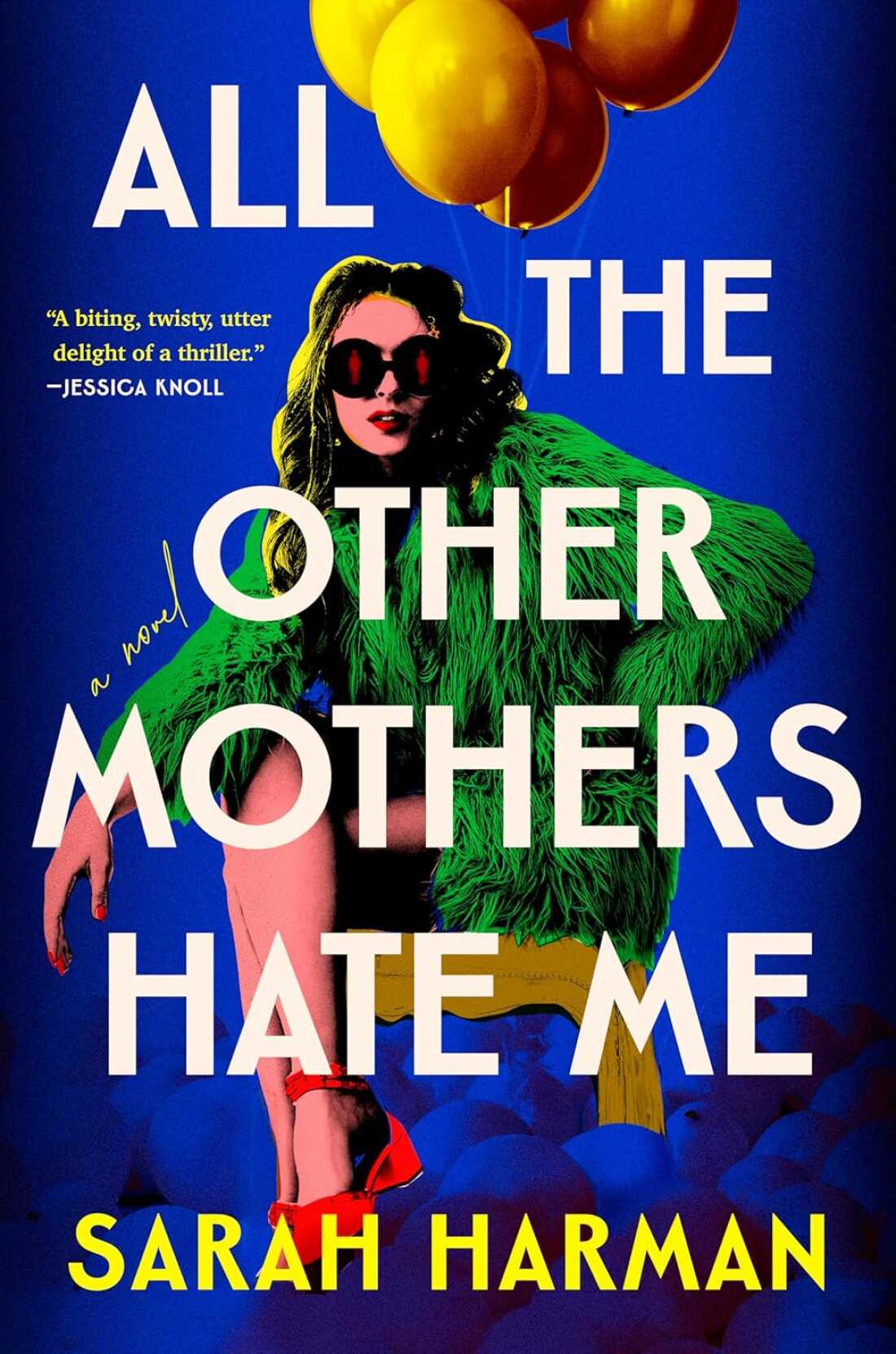
All the Other Mothers Hate Me, by Sarah Harman
This book got me out of a reading rut! It’s about a mom who is struggling to keep her life together – while simultaneously trying to solve the mystery of her son’s missing classmate. It’s got fun twists and turns and characters who surprise you. Very plot driven and definitely hard to put down. — Elissa Nadworny, correspondent
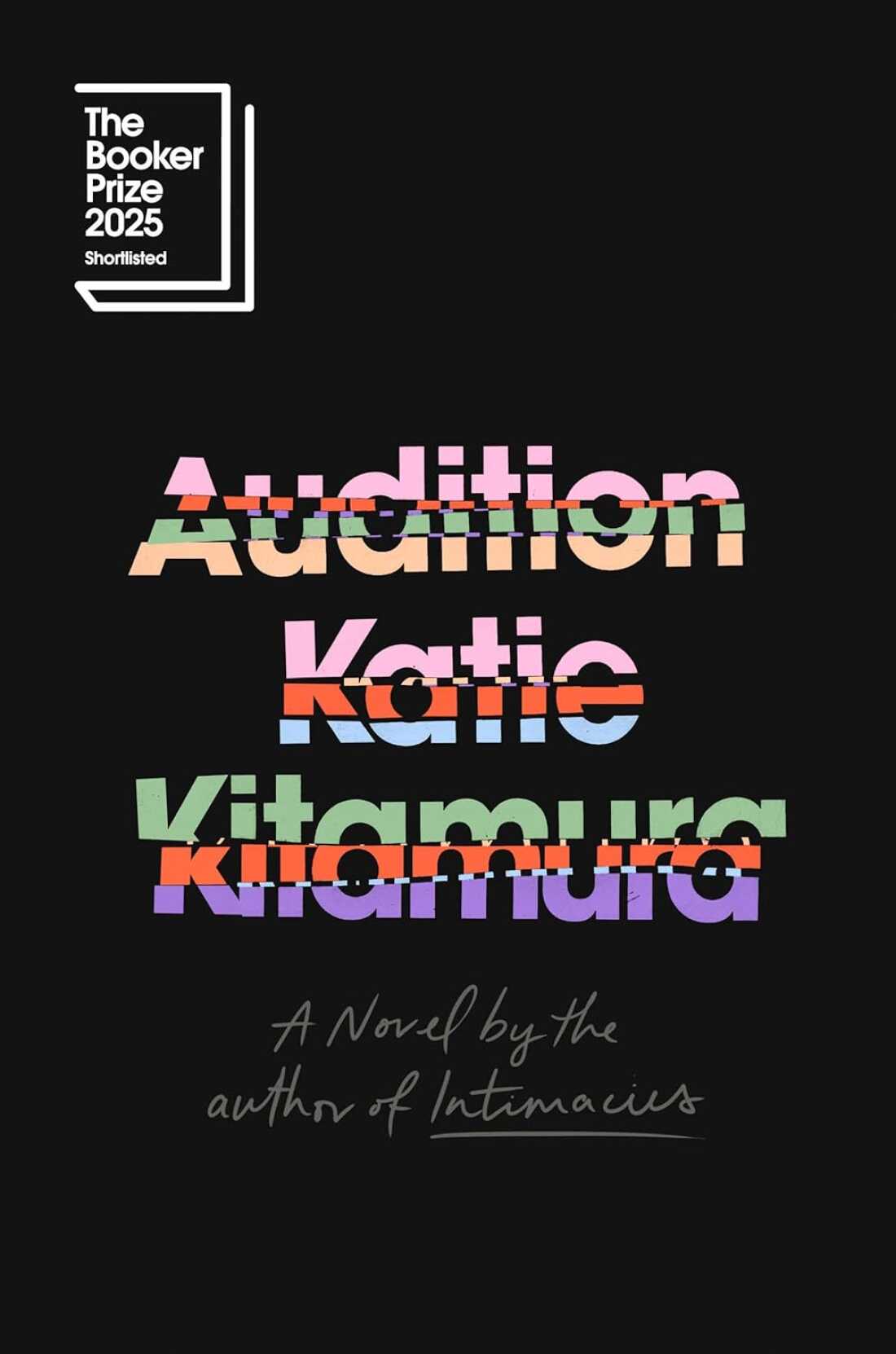
Audition, by Katie Kitamura
I guess I could explain the plot to you: An actress meets up with a man who is convinced she’s his mother. It turns out she’s not. I think? Maybe she is? Or, maybe she’s not but actually kind of is? What is a mother? The most impressive thing about this Booker Prize finalist is how Katie Kitamura plays with the narrative and toys with the reader without being overly clever about it all. She’s stingy with details and answers, but generous with intrigue and depth. — Andrew Limbong, correspondent, Culture Desk and host, Book of the Day
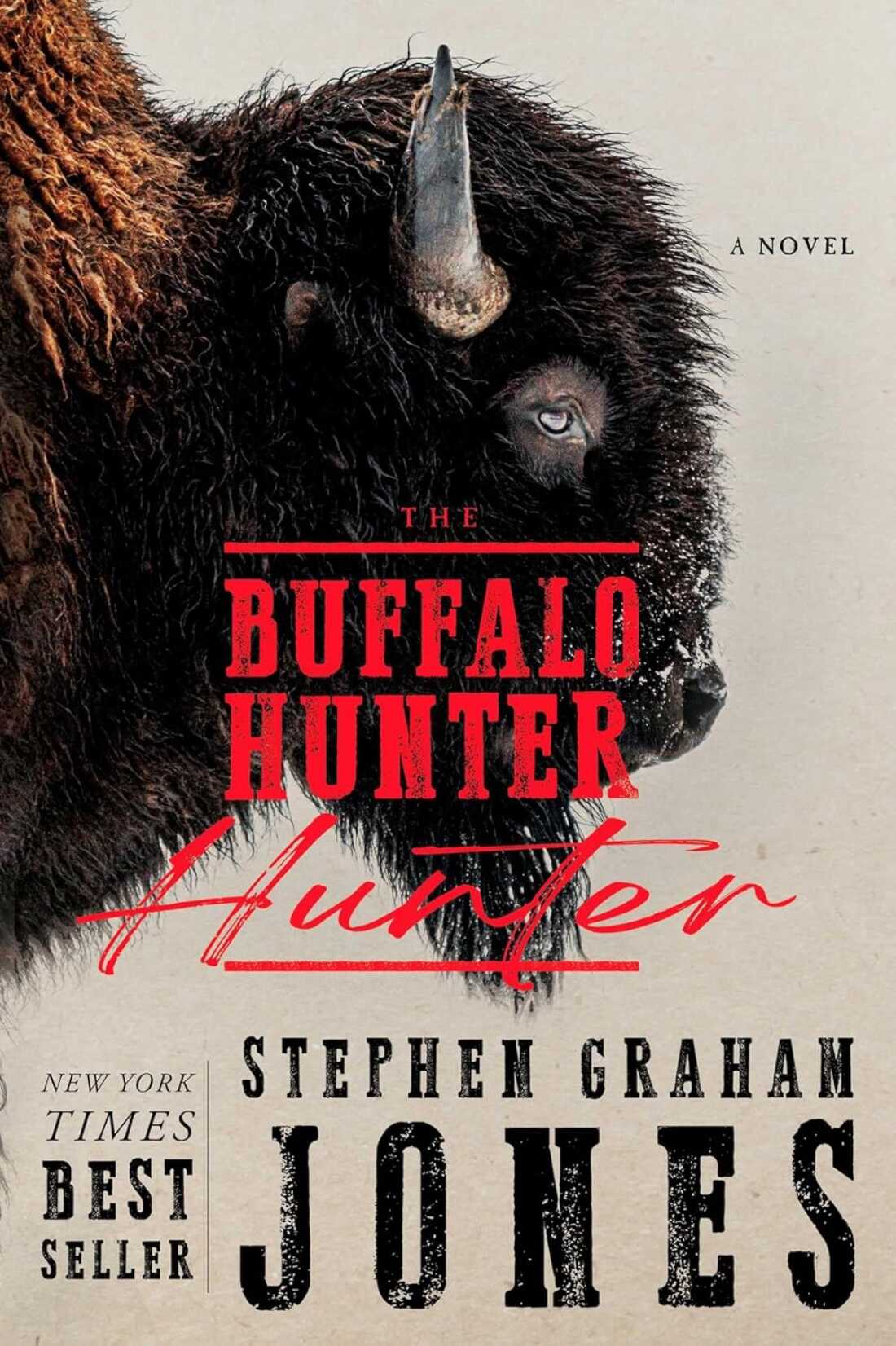
The Buffalo Hunter Hunter, by Stephen Graham Jones
The Buffalo Hunter Hunter is many things: a clever nesting doll of narratives, a sanguine revenge thriller stitched inside the corpse of an old vampire yarn, and a fearsome accounting of America’s murderous past. Lucky for us, Stephen Graham Jones has bound it all together with a hero (antihero?) for the ages — a man from the Blackfeet tribe, aptly named Good Stab, who is determined to right the wrongs of the past, even if it takes him a few lifetimes. — Cory Turner, correspondent and senior editor, Education

Death of the Author, by Nnedi Okorafor
This book will keep you guessing until the last chapter. The plot jumps back and forth between two connected stories: one about a human author and one about a robot obsessed with human stories. The book tackles some big themes, including fame and immigrant identity. But one of my favorite things about it is that the robot storyline is absolutely gripping. I couldn’t put this book down, and thank goodness I didn’t, or I would have missed the final twist! — Rebecca Hersher, correspondent, Climate Desk

Elita, by Kirsten Sundberg Lunstrum
This absorbing midcentury American take on Nordic noir opens with two men apprehending a seemingly feral girl on Elita, a tiny island in the Puget Sound that for years has been home only to a federal men’s prison. Kirsten Sundberg Lunstrum elevates the moody mystery with her choice of protagonist – Bernadette Baston, a scholar of child development and single mother, who consults on the girl’s case. Bernadette is fascinated by the child’s fierce independence in a world that sets stark constraints on the lives of women and girls. She must fight for her own independence in order to uncover the girl’s origins in this slow-burn study of insular communities and working motherhood. — Kristen Martin, book critic and author of The Sun Won’t Come Out Tomorrow: The Dark History of American Orphanhood

Heartwood, by Amity Gaige
Heartwood is a perfect thriller for people who don’t like thrillers (🙋♀). A nurse nicknamed Sparrow who is trying to move past the trauma of working during the height of the COVID-19 pandemic disappears while hiking the Appalachian Trail. The narration alternates among three women: a state game warden leading the search, a lonely retiree who becomes very invested and the missing woman herself, whose plight is told via the journal that keeps her going while lost. Heartwood is equal parts gripping and moving, filled with empathy and hope — not just for Sparrow’s safe return but for human connection overall. — Arielle Retting, senior editor, Newsroom
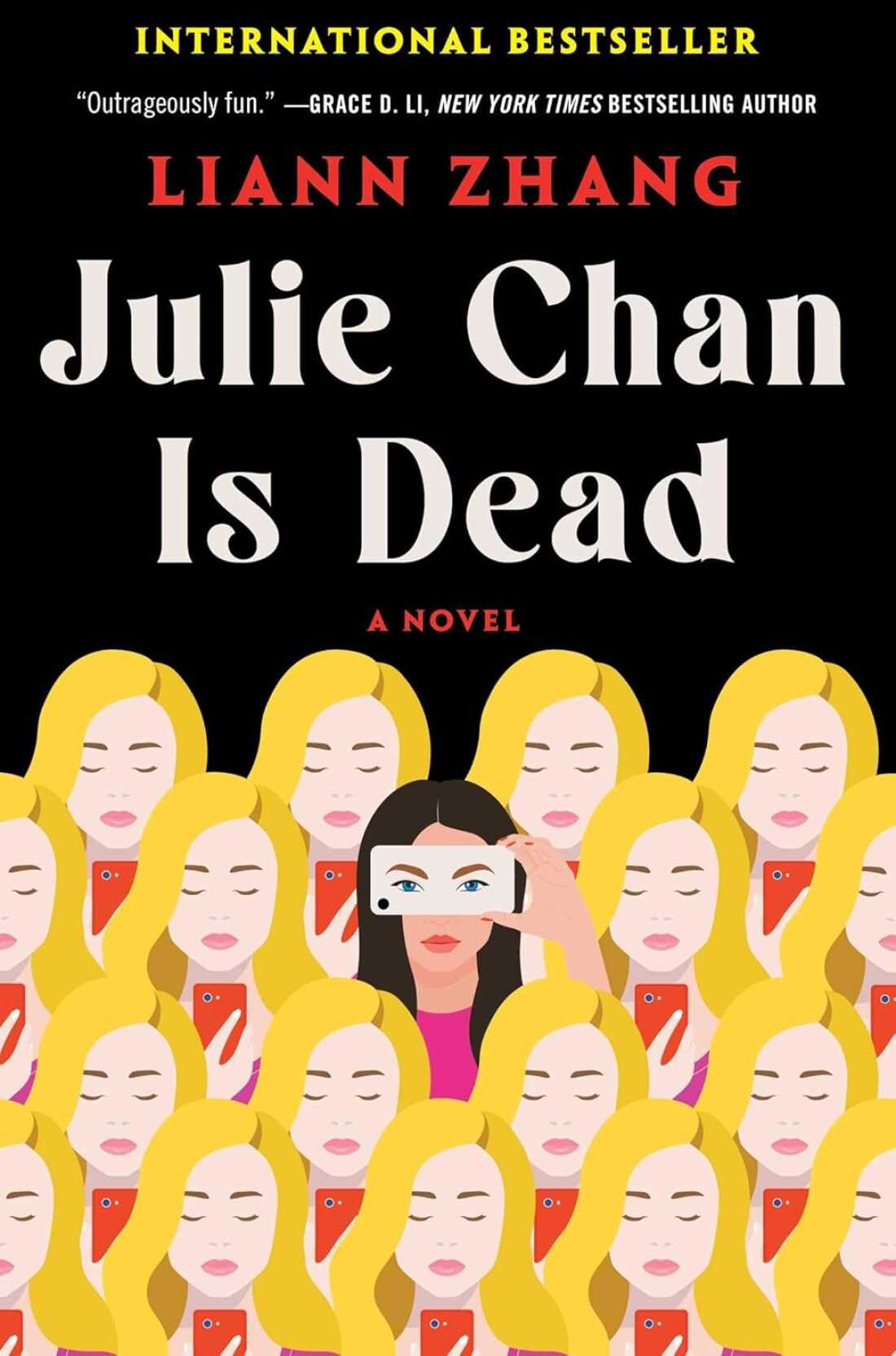
Julie Chan Is Dead, by Liann Zhang
Julie and her estranged twin, Chloe, may look identical, but that’s where the similarities end. Julie works at a supermarket, while her sister revels in the love of millions as a social media influencer. But when Chloe dies, Julie realizes she can pass for her twin – if people don’t look too closely. What follows is a thrilling, haunting look at the upkeep of pretending to be someone you’re not, whether on-screen or in person. As Julie goes to brow-raising lengths to keep up the farce and maintain her newfound audience’s love, you’ll find yourself asking whether she has a limit. — Hafsa Fathima, assistant producer, Pop Culture Happy Hour
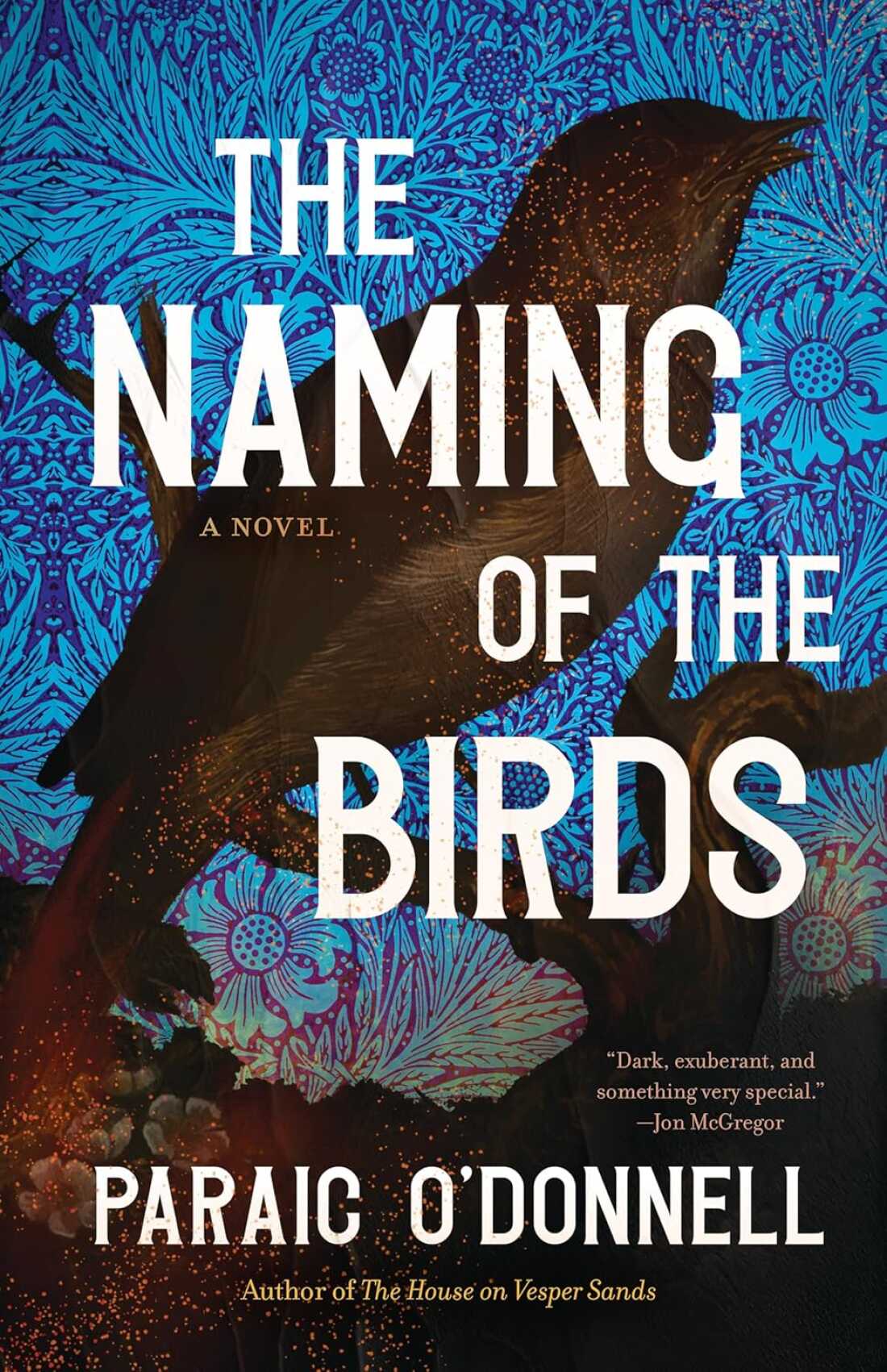
The Naming of the Birds, by Paraic O’Donnell
This Victorian mystery novel is Dickens meets Sherlock Holmes meets La Femme Nikita, and it wears its genre conventions proudly. The heroes: a brilliant, gruff police officer and his bumbling assistant, aided by a plucky lady journalist. The crimes: elaborate serial murders of insignificant elderly men. The killings are connected to the book’s prologue, a harrowing tale of mistreated orphans seemingly in training to be assassins. The reader knows this, but the detectives do not, giving the events a frisson of dramatic irony as the body count ticks up. — Holly J. Morris, digital trainer

Old Soul, by Susan Barker
Jake and Mariko meet when they both miss their flight out of Osaka and decide to share a meal. Later, drunk, Mariko tells Jake about how her twin brother died, and Jake is eerily reminded of a beloved friend’s strange death. The deceased both began behaving differently shortly before they died, after meeting an exceptionally charming woman, and both had biological oddities discovered during their autopsies. Could it have been the same woman? If so, who is she? And what is she after? If you, too, are a sucker for books that follow a central mystery through the stories of seemingly disparate but ultimately interconnected characters, this one is a must. — Ilana Masad, book critic and author of Beings
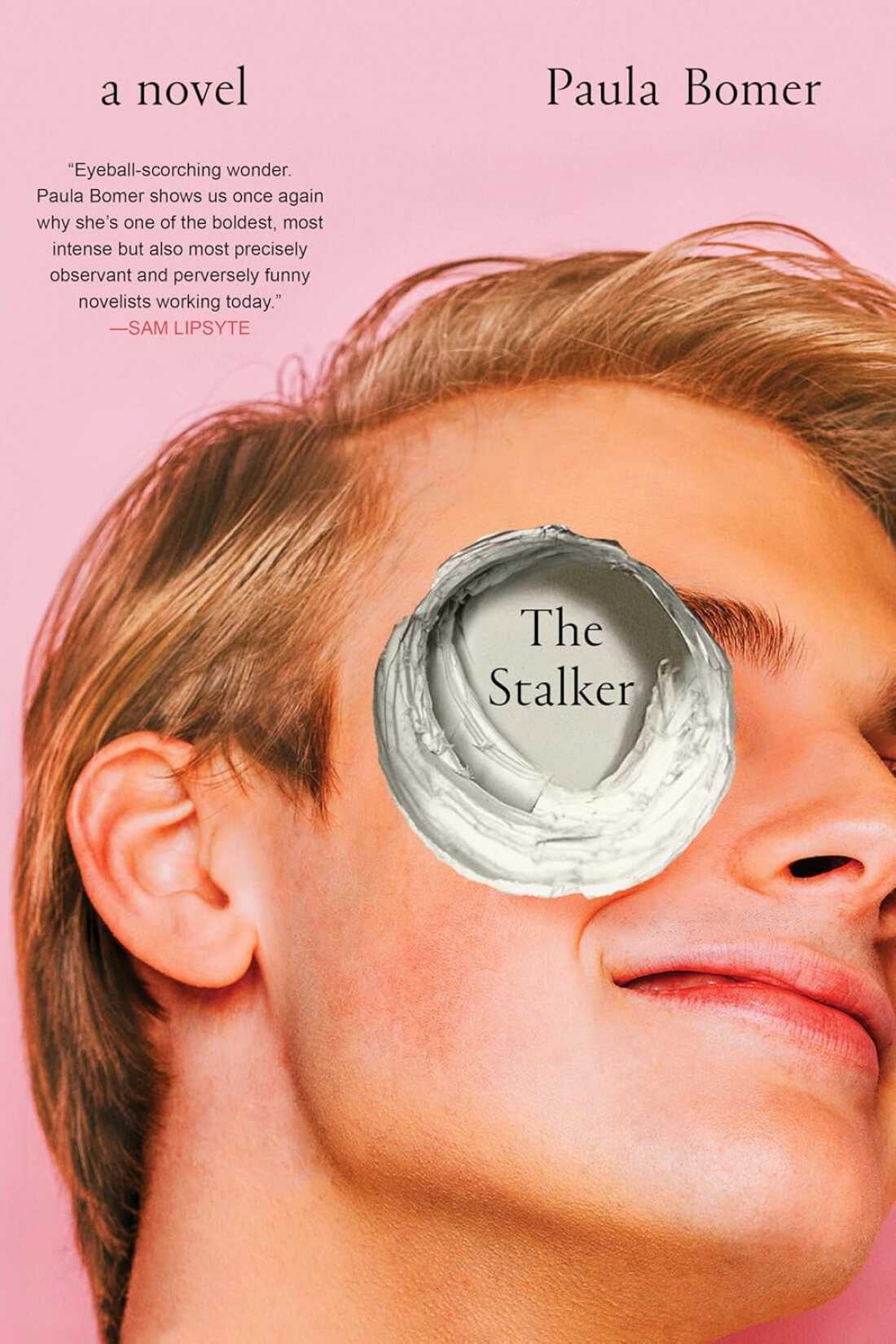
The Stalker, by Paula Bomer
The antihero of Paula Bomer’s novel is Doughty, a liar, misogynist and dyed-in-the-wool sociopath who manages to fail upward by preying on women who fall for his deceit. The novel chronicles his time in New York City, where he hurts everyone he can, with no semblance of guilt or even basic humanity. This is, in part, a darkly funny novel, and Bomer walks a fine line brilliantly – the moments of humor don’t detract from the book’s important themes. — Michael Schaub, book critic
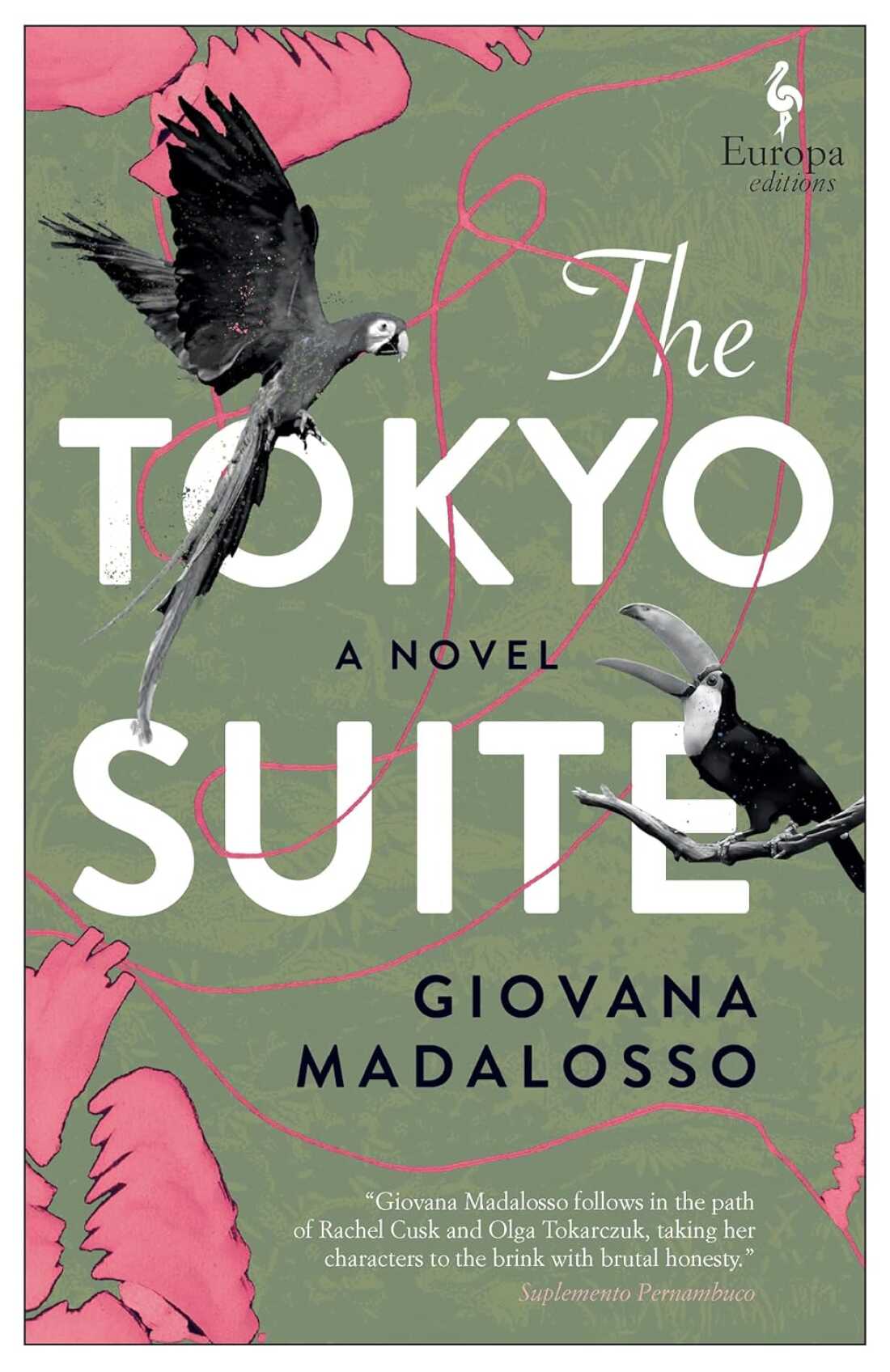
The Tokyo Suite, by Giovana Madalosso, translated by Bruna Dantas Lobato
The dual narratives of The Tokyo Suite grip the reader right from the opening chapters, which alternate between the points of view of a mother distracted by her job as an executive and the nanny who kidnaps the exec’s daughter. As this two-hander unfolds, Giovana Madalosso plays with the reader’s sympathies as both protagonists entangle themselves in the consequences of their bad choices. By the end, you’re certain the only path forward is tragedy, but instead you’ll be left thinking about what happens beyond the pages long after you close the book. — Leland Cheuk, book critic and author of No Good Very Bad Asian
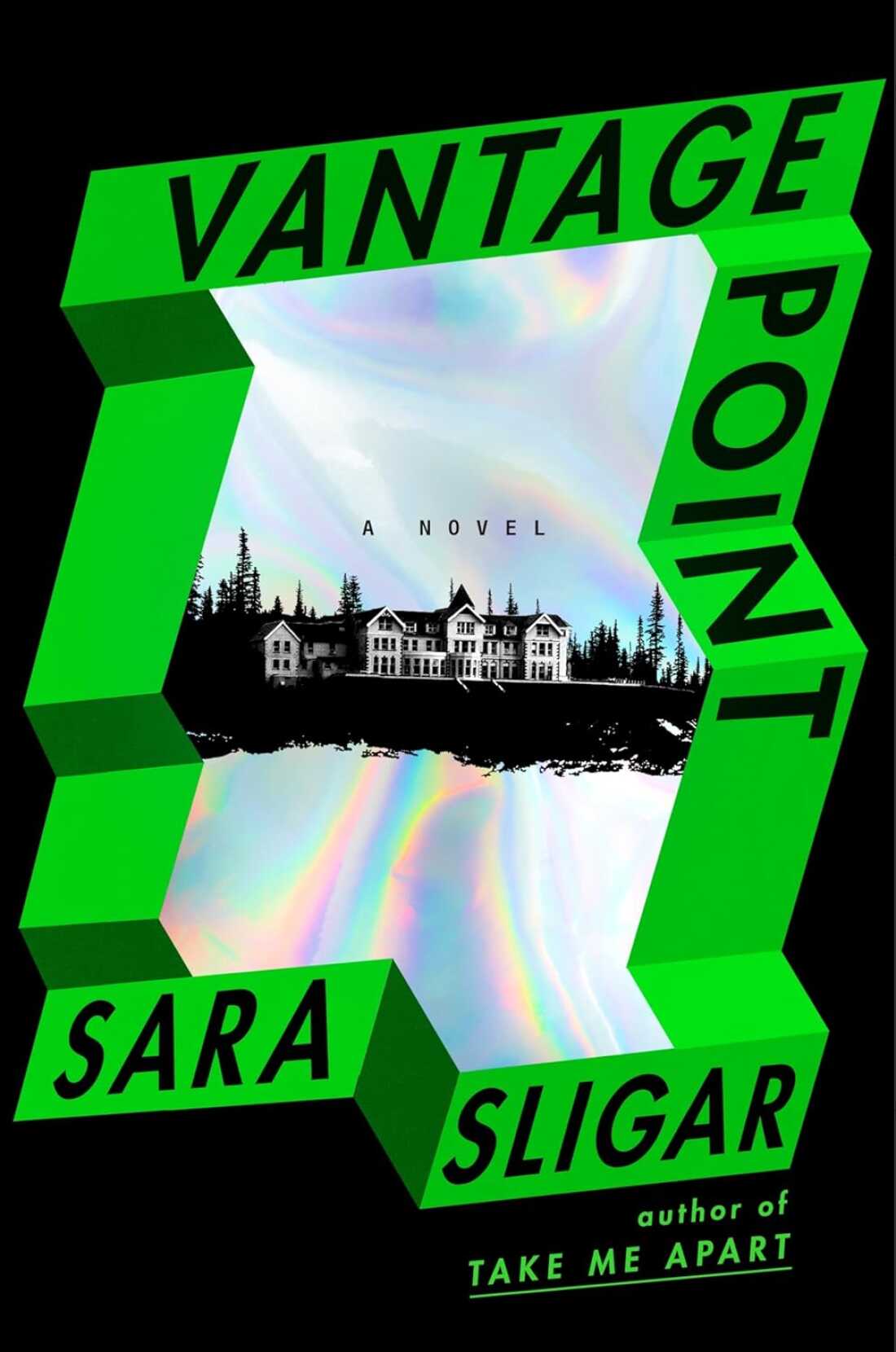
Vantage Point, by Sara Sligar
A summer mystery with a rich, troubled family and a curse? Sign me up. Vantage Point is set on a secluded island in Maine and reads like a tech thriller with the soul of a gothic dynastic horror story. It’s told from the dual perspectives of Clara, the youngest member of the wealthy, politically connected and highly unlucky Wieland family, and Jess, Clara’s childhood best friend who’s married to Clara’s brother, Senate hopeful Teddy. When a series of deepfake videos targets Clara and then Jess, it feels as though the famous Wieland curse has come into the digital age. The book is a rich drama about friendship, class and inherited trauma — all in the package of a propulsive yarn. — Barrie Hardymon, senior editor, Investigations Unit
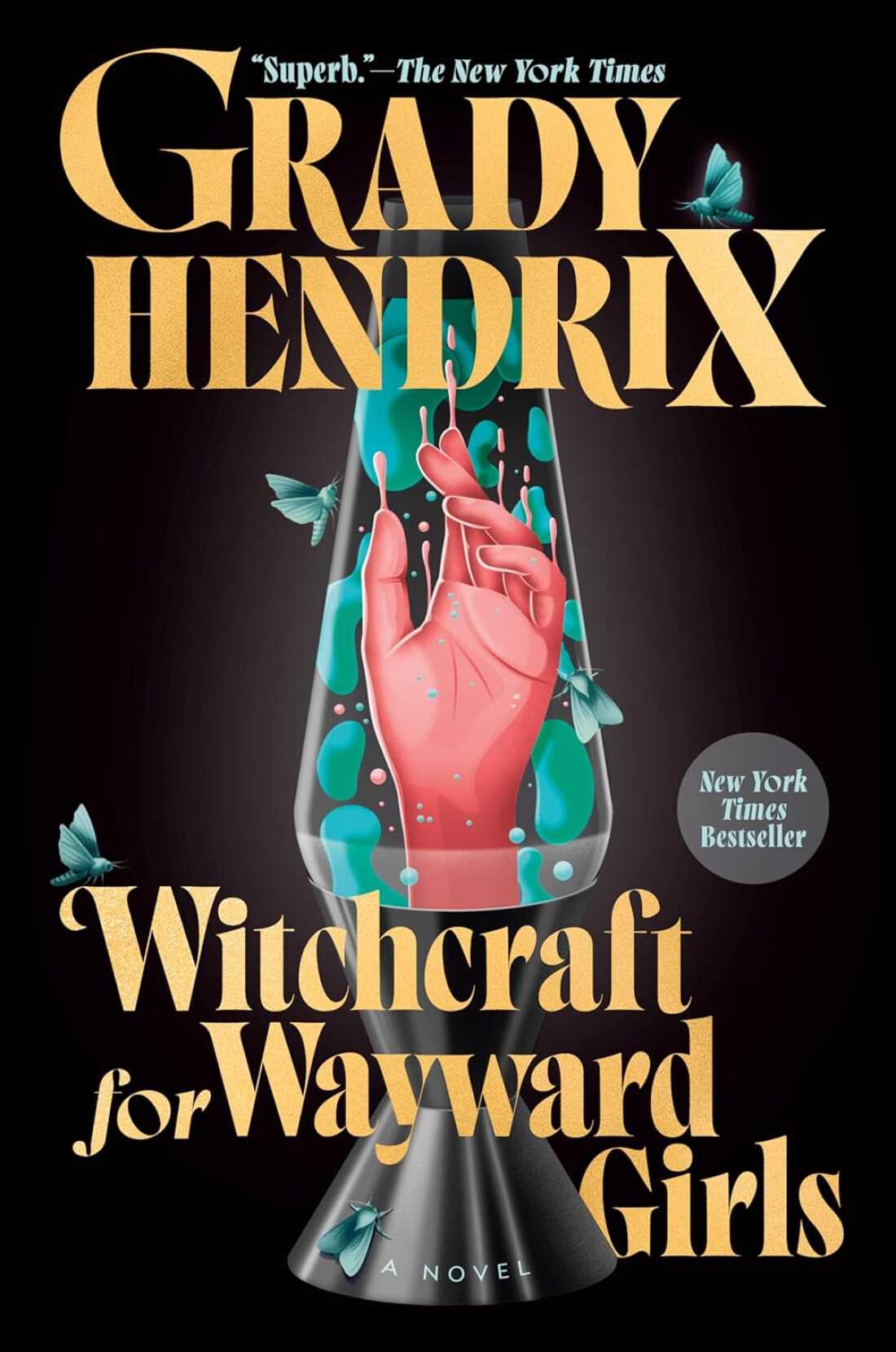
Witchcraft for Wayward Girls, by Grady Hendrix
In the 1970s, young women who got pregnant before marriage were sent to homes to have their babies away from prying eyes. It was like a magic trick — a practice in concealment, disappearance and forgetting. In a state of complete powerlessness, hidden away in the stifling heat of St. Augustine, Fla., Fern — not her real name, never give your real name — meets other young girls like herself. Then a visiting librarian gives Fern a book on witchcraft, and she learns what she is willing to give up in return for that power. — Christina Cala, senior producer, Code Switch
This is just a fraction of the 380+ titles we included in Books We Love this year. Click here to check out this year’s titles, or browse nearly 4,000 books from the last 13 years.



Neve Campbell in Scream 7.
Paramount Pictures
hide caption
toggle caption
Paramount Pictures
The OG Scream Queen Neve Campbell returns. Scream 7 re-centers the franchise back on Sidney Prescott. She has a new life, a family, and lots of baggage. You know the drill: Someone dressing up as the masked slasher Ghostface comes for her, her family and friends. There’s lots of stabbing and murder and so many red herrings it’s practically a smorgasbord.
Follow Pop Culture Happy Hour on Letterboxd at letterboxd.com/nprpopculture

Abriana Vicioso is the host of the Flower Hour, which takes place monthly.
(Jennifer McCord / For The Times)
Each flower carries a personal history. For Abriana Vicioso, the calla lily was her parents’ wedding flower — a symbol of her mother’s beauty. “She had this big, beautiful white calla lily in her hair,” Vicioso says. “I love my parents. They’re the reason I’m here. I’ll never forget where I came from.”
The Flower Hour begins with Vicioso announcing, with a warm smile: “Today is about touching grass.” The florist-by-trade gestures behind her to hundreds of flowers contained in buckets — blue thistles, ivory anemones and calla lilies painted silver — all twisted and unfurling into the air. “Tonight is going to be so sweet and intimate,” Vicioso says, eyeing the beautiful chaos at her feet. A grin buds across her face.
Moments before the workshop, participants sit at candlelit tables exchanging horoscopes and comparing their favorite flowers. A mention of the illustrious bird-of-paradise flower elicits coos and awe from the women. Izamar Vazquez, who is from Jalisco, Mexico, reveals her fondness for roses, which make her feel connected to her Mexican roots.
Vicioso hosts her flower-themed wellness workshop near the iconic Original Los Angeles Flower Market in downtown L.A. In January, the first Flower Hour event sold out, prompting her to make it a monthly series. Vicioso describes the event as a “three-part journey” where participants are invited to drink herbal tea, smoke rose-petal-rolled cannabis joints and create a floral arrangement. “The guide is to connect with the medicine of flowers,” Vicioso says.


Rose petal joints, tea and flower arranging are all part of The Flower Hour event’s offerings.
The event is hosted at the Art Club, a membership-based co-working space. “The Flower Hour is really beautiful. Everyone gets to explore their creativity while meeting new people,” says Lindsay Williams, the co-owner of the Art Club.
The idea for Flower Hour came to Vicioso during a conversation with her mother. “We joke all the time that flowers were destined to make their way into my life,” she says. She works as a florist and models on the side, even appearing in the pages of Vogue. Vicioso grew up in a Caribbean household, where flowers and offerings were part of daily life. “In my culture and religion, a lot of my family practices — an Afro-Caribbean religion — we build altars.”
Like many cultures, flowers carry sentimental value in her religion. “I’m Caribbean, so a lot of my family practices a Yoruba religion, which comes from Africa. In the Caribbean, it’s well known as Santería.”

-
Share via
After a difficult year and a breakup, Vicioso wanted to marry her love of flowers with community building. Because Vicioso uses cannabis medicinally, the workshop naturally includes a smoking component. “My family has smoked cannabis for a lot of reasons for a long time. It’s a really healing plant,” she explains.
In the workshop, even the cannabis gets the floral treatment. Vicioso presents her rose-petal-wrapped joints on a silver platter at each table. She rolled each by hand. “If you’ve never smoked a rose-petal-rolled joint, the difference with this is it’s going to have roses that have a slight tobacco effect,” she announces.
During the workshop, Vicioso stresses the importance of buying cannabis from local vendors. The cannabis provided was purchased from a Northern Californian vendor. The wellness workshop aims to reclaim the healing ritual of smoking cannabis. “This is a plant that has been commercialized,” Vicioso says. “There’s a lot of Black and Brown people who are in jail for this plant.”
The resulting workshop is what Vicioso describes as “an immersive wellness experience that is the intersection of wellness, creativity, community and an appreciation of flowers.” The workshop serves as a reminder to enjoy Earth’s innate beauty in the form of flowers — including cannabis. “It’s this gift that the universe gave us for free and that I have this deep connection with,” Vicioso says.


Conversation cards to generate discussion among participants (top, letf). The workshop serves as a “third space” for Angelenos to engage in tactile creativity and community building outside of traditional nightlife settings.
After enjoying lavender chamomile tea and smoking a joint, Vicioso introduces the flowers to the group before inviting them to pick their own. She emphasizes each flower’s personality traits, describing green dianthus as a “Dr. Seuss” plant. Then, there are calla lilies with their “main character moment.” It gets personal. “Start thinking of a flower in your life that you can discover,” she says. “If you’re feeling like you need inspiration, you can always remember that these flowers have stories.”
Vicioso infuses wisdom into her instruction on floral arrangements: There are no mistakes. Let the flowers tell you where they want to go, she urges. Intuition will be your guide — the wilder, the better.
“Hecho in Mexico” reads a sticker on a bunch of green stems. “Like me,” says Vazquez with a laugh. “They’re all doing their own thing. Like a family,” she says later, arranging stems.

The Flower Hour participants and Vicioso, center, chat as they build their own floral arrangements at the sold-out event.
Two participants — Vazquez and Rebeca Alvarado — are friends who run a floral design company together called Izza Rose. Like Vicioso, the friends have a connection to flowers through their Latin American culture. They met Vicioso in the floral industry and were overjoyed to discover her workshop.
“This is a great way to connect with other people,” says Vazquez.
Alvarado agrees, adding: “You’re getting to know people outside of going to bars. You can connect in different ways when there’s an activity.”
Vazquez uses flowers to stay connected to her Mexican heritage, adding that she prefers to support Mexican vendors. In recent months, the downtown L.A. flower market has struggled to recover from ongoing ICE raids. “Some are scared to come back,” says Vazquez.


Hand-rolled cannabis joints wrapped in rose petals are presented on a silver platter at The ArtClub (top, right). The Flower Hour aims to reclaim the healing rituals of cannabis and flowers.
Another participant, Barbara Rios, was attracted to the workshop for stress relief. “You can hang out with your friends, but it’s nice to do things with your hands,” she says. “I work a stressful job, and it’s nice to have that third space that we’re all craving.”
On this February night, the participants were predominantly women, save for one man. In the future, Vicioso hopes that more men learn to engage with flowers. “There’s a statistic about men receiving flowers for the first time at their funerals, and I think we have changed that,” she says.
To conclude the workshop, Vicioso encourages participants to build lasting friendships and incorporate flower arranging into their daily practice — even if it’s just with a small, inexpensive bouquet.
“Get some flowers together, go to the park, hang out with each other and hang out with me,” she says. Participants leave with flower arrangements in hand. In the darkness of the night air, it briefly looks as though the women carry silver calla lilies that are blooming from their palms.


An underwater view shows US’ Lilly King competing in a heat of the women’s 200m breaststroke swimming event during the Paris 2024 Olympic Games at the Paris La Defense Arena in Nanterre, west of Paris, on July 31, 2024. (Photo by François-Xavier MARIT / AFP) (Photo by FRANCOIS-XAVIER MARIT/AFP via Getty Images)
François-Xavier Marit/Getty Images
hide caption
toggle caption
François-Xavier Marit/Getty Images
This week’s show was recorded in Bloomington, Indiana with host Peter Sagal, judge and scorekeeper Bill Kurtis, Not My Job guest Lilly King and panelists Alonzo Bodden, Josh Gondelman, and Faith Salie. Click the audio link above to hear the whole show.
Who’s Bill This Time
State of the Union is Hot; The Tribal Council Convenes Again; A Glow Up In the Doll Aisle
Panel Questions
The Toot Tracker
Bluff The Listener
Our panelists tell three stories about a travel hack in the news, only one of which is true.
Not My Job: Olympic Swimmer Lilly King answers our questions about Lil’ Kings
Olympic Swimmer Lilly King plays our game called, “Lilly King meet these Lil’ Kings” Three questions about short kings.
Panel Questions
Cleaning Out The Cabinet; Bedtime Stacking
Limericks
Bill Kurtis reads three news-related limericks: Getting Cozy With Cross Country Skiing; Pickleball’s New Competition; Bees Get Freaky
Lightning Fill In The Blank
All the news we couldn’t fit anywhere else
Predictions
Our panelists predict, after American Girls, what’ll be the next toy to get an update.

Milwaukee Bucks injury report: Is Giannis playing tonight vs. Celtics?

Luke Kornet calls on Atlanta Hawks to cancel ‘Magic City Monday’ promo

Minneapolis man sentenced to nearly 30 years for murder of Deshaun Hill

Westfield’s historic Green Building set for relocation

Record number of peregrine falcons counted in Allegheny County

Florida High School Football Rankings: Top 25 teams – Oct. 21

Cleary's 21 help Le Moyne down Central Connecticut State 69-64 in OT

How old is Bo Nix? What to know about Oregon quarterback ahead of 2024 NFL Draft

99th annual Pony Swim held in Virginia

Indiana Members Credit Union announced as new anchor tenant at Bottleworks District

Map: Earthquake Shakes Central California

Gas prices could jump as Middle East tensions threaten global oil supply

Pakistan calls troops, orders 3-day curfew as 24 killed in pro-Iran rallies

US says Kuwait accidentally shot down 3 American jets

House Republicans push Johnson to go to war with Senate over SAVE Act
-

 World5 days ago
Exclusive: DeepSeek withholds latest AI model from US chipmakers including Nvidia, sources say
-

 Massachusetts5 days ago
Mother and daughter injured in Taunton house explosion
-

 Denver, CO5 days ago
10 acres charred, 5 injured in Thornton grass fire, evacuation orders lifted
-

 Louisiana1 week ago
Wildfire near Gum Swamp Road in Livingston Parish now under control; more than 200 acres burned
-

 Technology1 week ago
YouTube TV billing scam emails are hitting inboxes
-

 Politics1 week ago
OpenAI didn’t contact police despite employees flagging mass shooter’s concerning chatbot interactions: REPORT
-

 Technology1 week ago
Stellantis is in a crisis of its own making
-

 News1 week ago
World reacts as US top court limits Trump’s tariff powers