
Connect with us

Fitness

If You're Still Training Like This at 40, You're Damaging Your Body

Published

on

If You're Still Training Like This at 40, You're Damaging Your Body

It’s always important to stay up-to-date on ways to improve and enhance your workout routine and overall wellness. We looked into six gym habits you may be doing that are harmful after 40. Let’s see if any of these sound familiar. We spoke with Luke Jones, certified personal trainer at HERO Movement, who feels the biggest mistake made is training like you’re 25 when you’re actually 40. Your body is very different in this stage of life—and your workout should reflect that.

“The main challenge for most people is recovery. It’s not that you can’t train hard, but your body may need a little more time between intense sessions,” Luke points out. “Hormonal shifts, slower tissue repair, and reduced joint lubrication all mean that the “go hard or go home” mentality can backfire. What worked brilliantly at 25 might now lead to chronic soreness, plateaus, or even injuries. That said, your body is still incredibly capable-it just needs a bit more care and attention. The goal isn’t to pull back out of fear, but to train smarter, so you can stay consistent and injury-free.”

Although that’s the biggest bad habit, there are more.

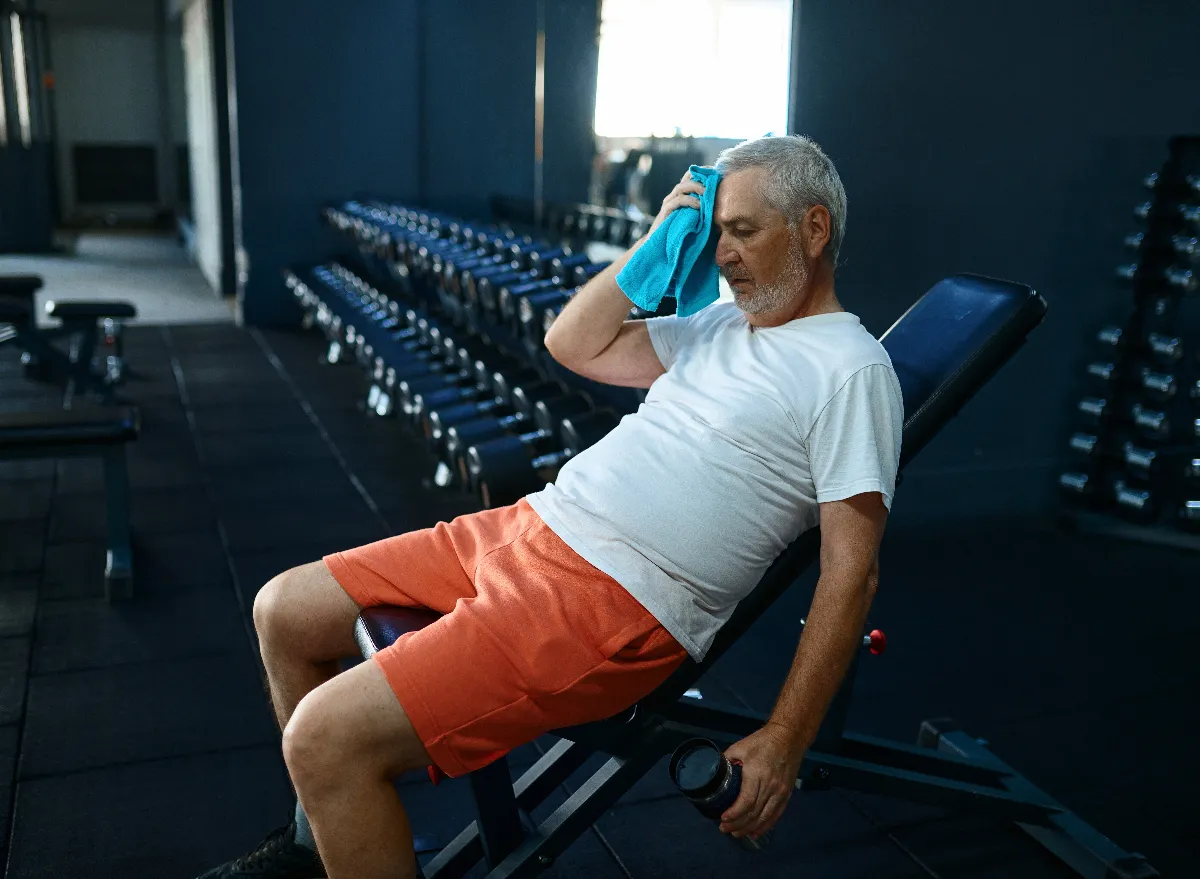
Pushing Every Set to the Limit

older man tired sitting on workout bench during workout
Shutterstock

It’s essential to pace yourself and understand your limitations.

Pushing every set to the limit can feel productive, but over time, it can place unnecessary stress on the joints, connective tissues and nervous system,” says Luke. “Recovery takes a little longer as we age, and constantly flirting with burnout can stall progress instead of speeding it up.”

Advertisement

What Happens to Your Body When You Lift Weights Every Day

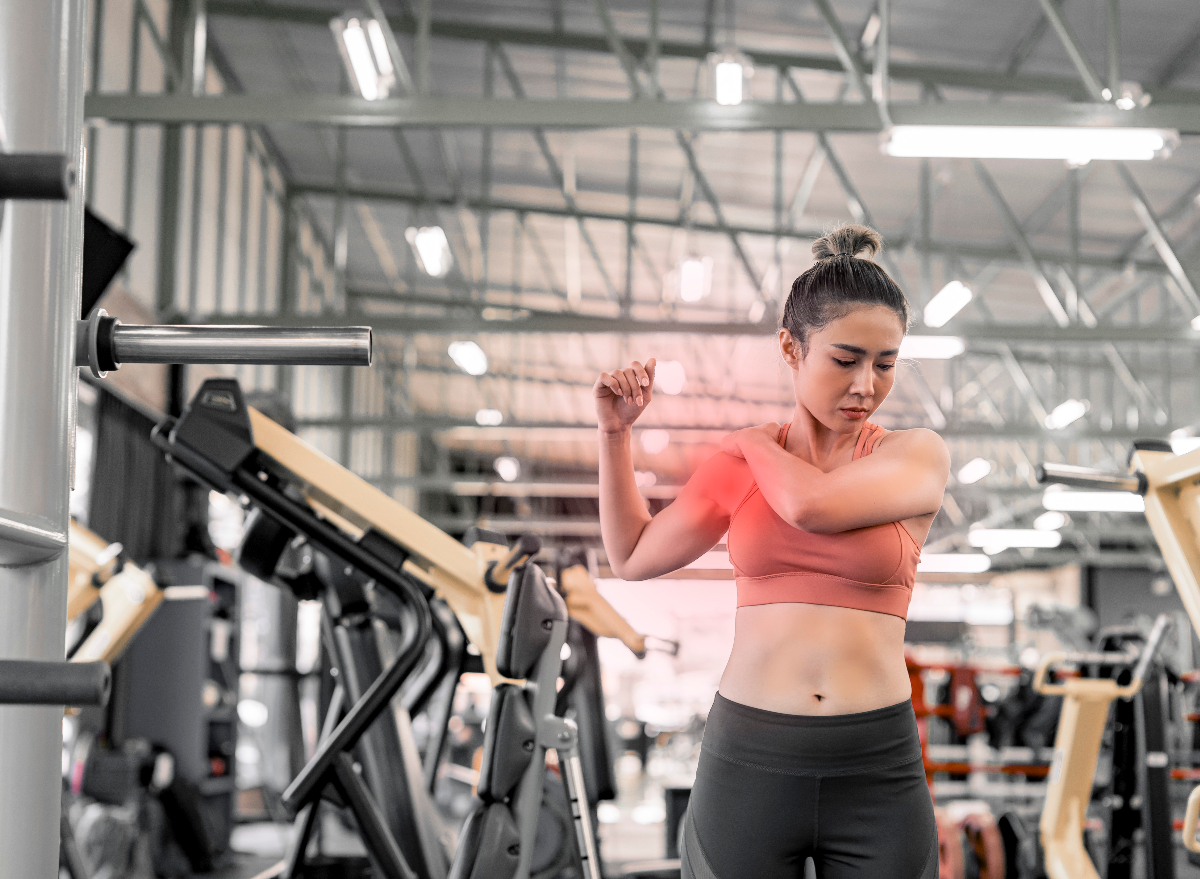
Skipping Warm-Ups and Mobility Work

woman gym injurywoman gym injury
Shutterstock

Everyone needs to warm up before a workout; not doing so puts you at risk of sustaining injury. Keep in mind, if you get injured, you won’t be exercising for a while.

“Rushing into training without properly prepping the body can increase injury risk, especially for joints like the shoulders, knees, and spine,” Luke warns. “A few minutes of movement prep can go a long way toward better performance and fewer setbacks!”

4 Weekly Exercises That Build Full-Body Fitness Fast, Trainer Says

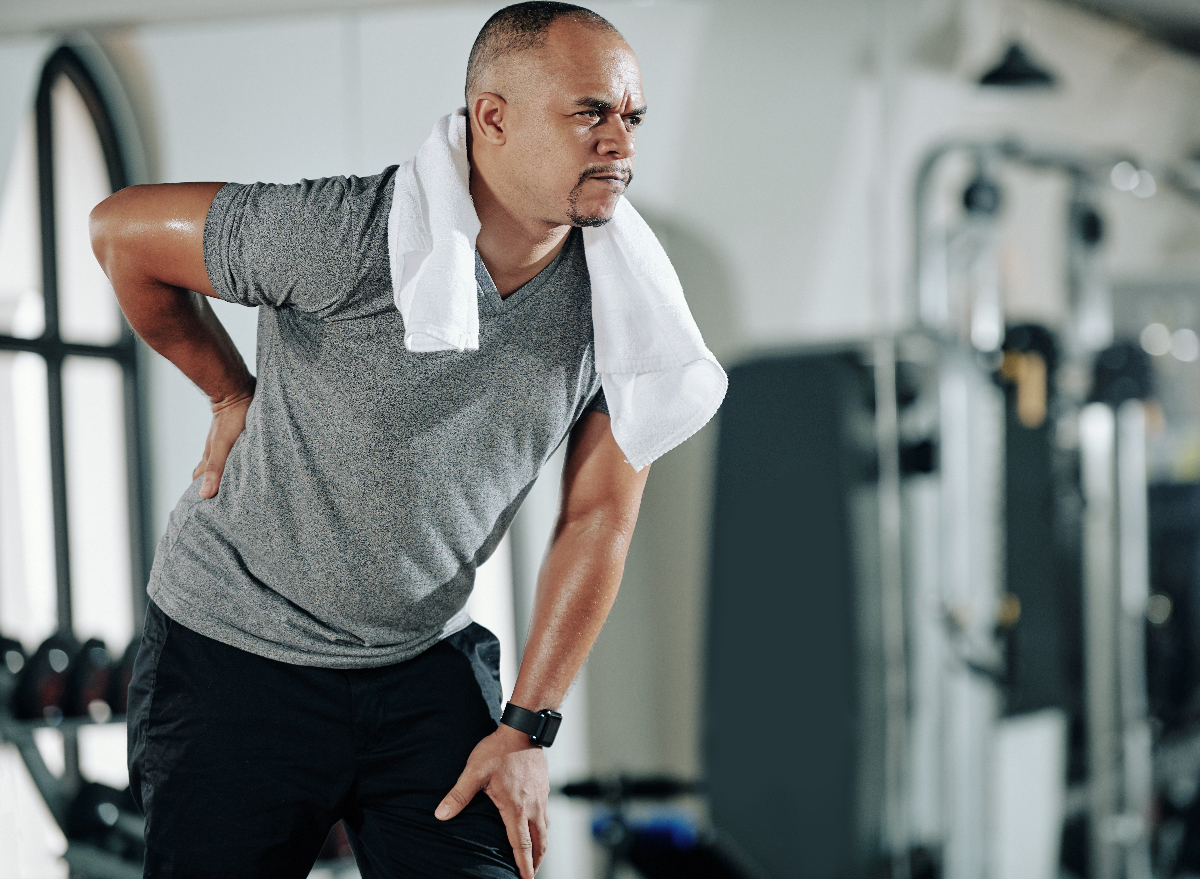
Following a Plan That Doesn’t Fit Your Abilities

man dealing with lower back pain at gym, concept of exercises that destroy your back after 50man dealing with lower back pain at gym, concept of exercises that destroy your back after 50
Shutterstock

It’s essential to know your abilities, including performance level and limitations.

“Many gym-goers follow generic online programs or intense workouts designed for younger athletes,” Luke tells us. “But after 40, things like recovery capacity, mobility, and injury history vary widely—training should reflect that, not ignore it.”

If You Can Do These 4 Bodyweight Workouts, Your Body Is Still Young

Advertisement

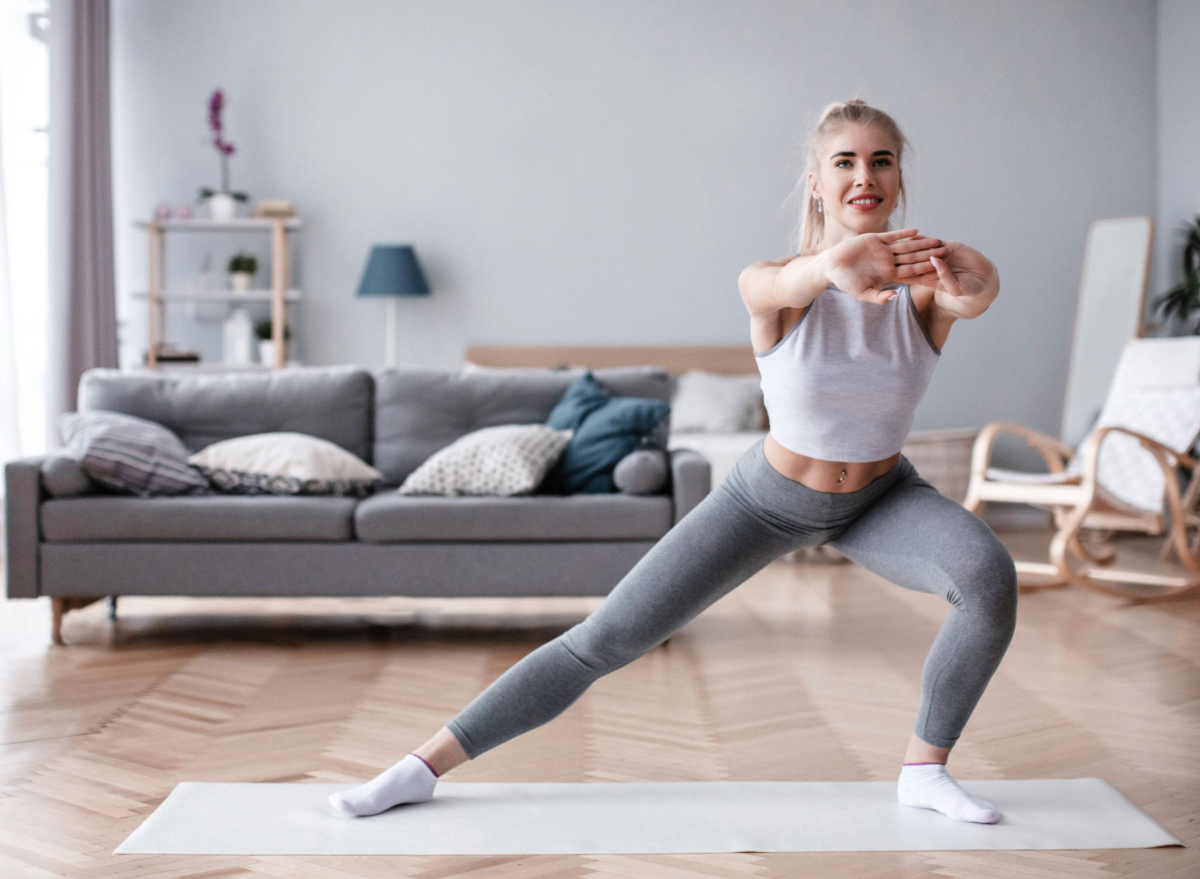
Avoiding Unilateral Training

woman doing side lunges, concept of superset workouts for belly fatwoman doing side lunges, concept of superset workouts for belly fat
Shutterstock

As you age, it’s increasingly necessary to assess your workout and tweak your routine. Little changes can make a big difference in your performance and results.

“There’s still plenty of room to chase the big bilateral lifts—deadlifts, squats, presses—if that’s your thing,” says Luke. “But while asymmetries aren’t something to panic about, they can accumulate as we age. Incorporating more single-leg and single-arm work, and moving through different planes—lateral lunges, rotations, that sort of thing—can help maintain balance, support joint health, and ultimately help you get more out of your big lifts (and everything else you do in day-to-day life).”

Ignoring Recovery

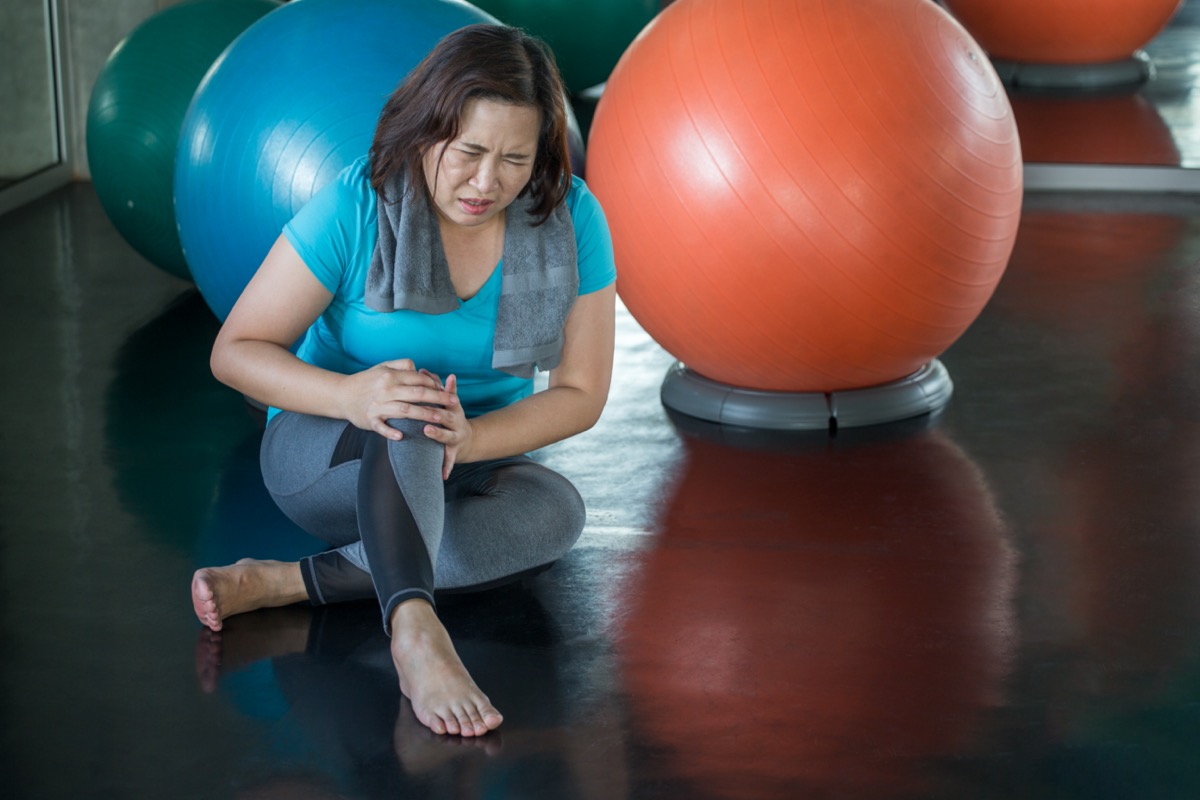
Senior fitness woman injury knee pain while exercising in gym. aged lady suffering from Arthritis . Old female workout .Mature sport training.rehabilitation.elderly osteoarthritis Healthy lifestyleSenior fitness woman injury knee pain while exercising in gym. aged lady suffering from Arthritis . Old female workout .Mature sport training.rehabilitation.elderly osteoarthritis Healthy lifestyle
Shutterstock

As previously mentioned, recovery is king when it comes to a solid workout plan. Don’t skip rest days and recovery sessions—ever.

“Mobility drills, foam rolling, and active rest days often get skipped in favor of squeezing in another tough workout,” Luke explains. “But building them in is essential for managing stiffness, supporting tissue health, and staying consistent.”

If You Can Pass This Tennis Ball Test, You May Live to 100

Over-Prioritizing Heavy Lifting

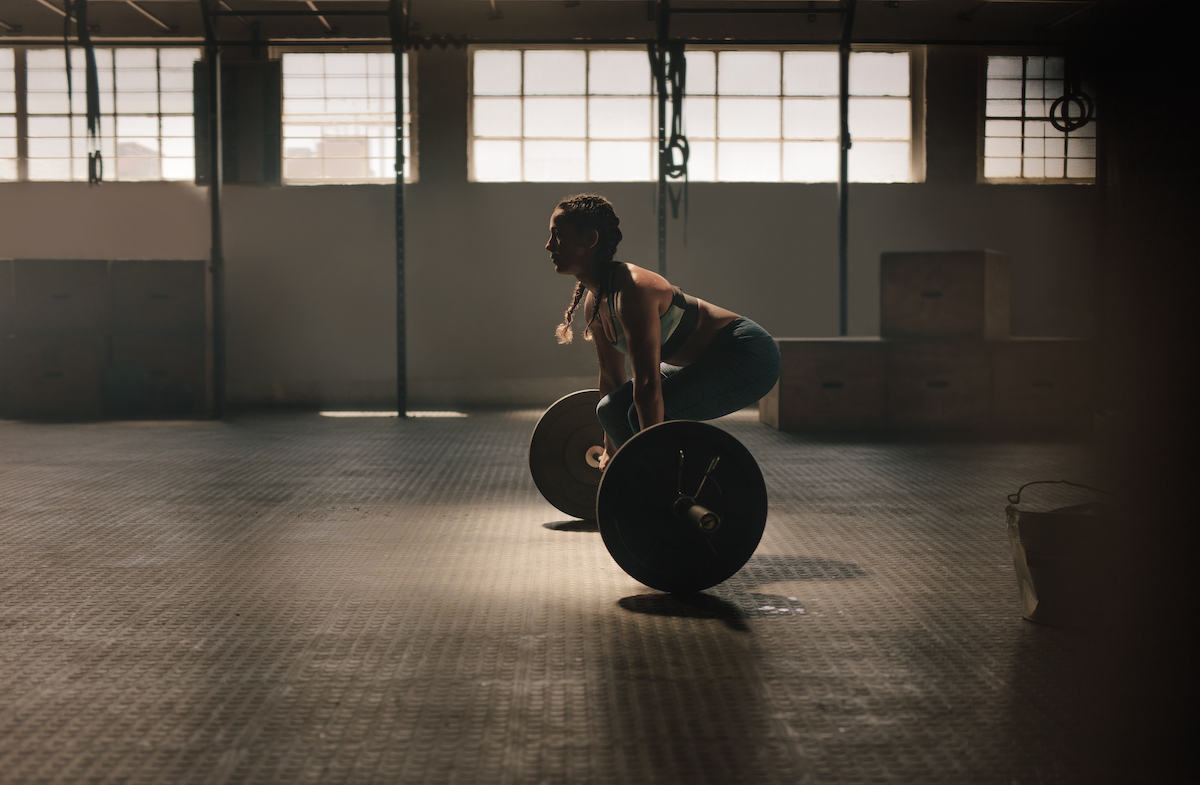
Muscular female athlete lifting heavy weights at gym. Fitness woman doing weightlifting exercise at health club.Muscular female athlete lifting heavy weights at gym. Fitness woman doing weightlifting exercise at health club.
Shutterstock

One habit that can easily get overlooked in performing workouts is prioritizing quality over quantity.

“Chasing personal bests week after week is great for motivation, but can be hard on the joints over time,” Luke states. “A more sustainable approach involves rotating load, tempo, and intent to build strength without burnout. Consistency over intensity.”

Advertisement

Alexa Mellardo

Alexa is a content strategist, editor, and writer based in Greenwich, Connecticut. She has 11+ years of experience creating content for travel, lifestyle, fitness, wellness, F&B, home, and celeb news publications. Read more about Alexa

Fitness

Exercise scientist reveals the strength training mistake many women make, even after lifting for years

Published

on

Exercise scientist reveals the strength training mistake many women make, even after lifting for years

Wondering how much weight you should be lifting in the gym to build strength? Dr Stacy Sims says that not going heavy enough could be the biggest mistake women are making in their workouts.

What strength training looks like might differ (for example, some prefer callisthenics over classic weight training) for some, but one thing is clear – it needs to be a challenge.

Continue Reading

Fitness

Jogging 101: Benefits for Your Body and Mind

Published

on

Jogging 101: Benefits for Your Body and Mind

Walking and running share a number of benefits — but what about that sweet middle ground between the two?

Advertisement

Cleveland Clinic is a non-profit academic medical center. Advertising on our site helps support our mission. We do not endorse non-Cleveland Clinic products or services. Policy

“Jogging is about creating a steady pace,” says sports and exercise medicine specialist Leonardo Oliveira, MD. “Instead of focusing on speed, you’re focused more on endurance with good, quality steps.”

Before your next jaunt, Dr. Oliveira shares the many benefits of jogging and how it can help improve your overall health and wellness.

Advertisement

9 benefits of jogging

Unlike running, where you’re focused on targeting different heart rate zones, jogging involves keeping a more stable and persistent pace. If you’re jogging at a moderate intensity, for example, your target heart rate will usually fall into zone 2, at 60% to 70% of your max heart rate.

“When you’re jogging, you should be able to carry on a conversation as you breathe through your nose,” says Dr. Oliveira. “If you’re doing just 15 minutes of jogging three times a week, you’re already going to notice the benefits.”

Here’s how you can benefit from jogging.

1. Reduces stress

Jogging, like other exercises, can help decrease your stress levels. As an aerobic exercise, it helps release endorphins, which can boost your mood and create feelings of euphoria or satisfaction. Not only does it provide an outlet for pent-up energy, but jogging outside also allows you to spend more time in nature, which provides even more mental health benefits.

“Research shows exercise can be as effective as medication when treating depression because of its wide-ranging benefits,” says Dr. Oliveira.

Advertisement

2. Burns calories

Jogging is a full-body exercise that offers a higher calorie burn than some other aerobic exercises. According to the widely used Compendium of Physical Activities, jogging burns about 7.5 calories per kilogram of body weight each hour. That means you can burn about:

  • 8 times as many calories as sitting quietly
  • 4 times as many calories as walking
  • 2.6 times as many calories as stationary cycling

“Jogging will burn more calories in a shorter period of time than cycling, especially if you’re not used to exercising,” reports Dr. Oliveira.

3. Improves insulin resistance and boosts metabolism

Insulin resistance is one of the biggest barriers to having a healthy metabolism. Insulin helps your body break down glucose for energy. But if your body can’t do that, your metabolism slows down, leading to:

  • Lower energy levels
  • Weight gain
  • An inability to burn fat

“Exercising at higher intensities helps increase metabolism and insulin resistance,” says Dr. Oliveira. “But researchers have also found that even lower-intensity exercises, like jogging, for longer periods of time can have the same effect.”

4. Strengthens your heart

Jogging also has positive impacts on your heart and its ability to pump blood to the rest of your body. That’s because it contributes to hypertrophy, or the strengthening of your heart’s muscle tissues.

“As you develop endurance, the amount of blood in one pump increases,” explains Dr. Oliveira. “When your heart gets stronger, it contracts more efficiently, which decreases your resting heart rate.”

5. Improves lung expansion and gas exchange

The more you work on building endurance and stamina, the more likely it is that you’ll improve your overall ability to breathe — both at rest and while jogging.

Advertisement

“Consistent aerobic exercise helps your lungs get stronger and more efficient,” says Dr. Oliveira. “Over time, you won’t need to breathe as often because each breath brings in more oxygen than before.”

6. Activates muscles

Jogging activates major muscle groups, including your:

  • Quads
  • Hamstrings
  • Glutes
  • Core
  • Back

“Strength training is a good complement to jogging because it can help strengthen all the areas of your body,” says Dr. Oliveira. “This can help you handle longer distances.”

7. Reduces stiffness

“Jogging is one of those activities where once you get going, you start to feel better,” notes Dr. Oliveira. “It’s an exercise that helps warm up your muscles and lubricate your joints, which can help with the overall sense of stiffness that comes with age.”

That said, jogging is still a high-impact exercise because it forces you to bear down weight as your feet hit the pavement. Consider working with a physical therapist or athletic trainer to reduce the risk of further injury if you:

  • Have arthritis
  • Have an active injury
  • Had previous sprains or fractures in your lower body

8. Improves endurance

“The more you jog, the more you’ll increase your functional aerobic capacity,” says Dr. Oliveira. “Someone who jogs regularly will have better physical fitness that will help them last longer on a bike or a walk than someone who’s just getting started.”

Your ability to breathe and move also extends to other daily activities that demand cardiovascular strength and endurance, like climbing stairs.

Advertisement

9. Provides better quality of life and other mental health benefits

Research shows that any amount of jogging — even just once a week — can improve your quality of life and lower your risk of dying from cancer and cardiovascular-related issues.

“Jogging is a great form of exercise, but it’s not the only one,” notes Dr. Oliveira. “The most important thing is to work on being healthy and strong. And for a lot of people, if you’re looking to advance your physical fitness, jogging is a good place to start.”

Continue Reading

Fitness

Michelle Yeoh, 63, uses ‘exercise snacking’ to stay fit – here’s why mini workouts have big benefits

Published

on

Michelle Yeoh, 63, uses ‘exercise snacking’ to stay fit – here’s why mini workouts have big benefits

As an increasing number of scientific studies are published citing the benefits of ‘exercise snacking’ – short bouts of physical activity sprinkled throughout the day – one celeb has sworn by the practise for several years already. The woman in question? Acting great Michelle Yeoh. Below, we look at the power of mini workouts and why the Oscar-winner’s go-to move is so effective.

Stretching

Michelle revealed to Vogue that she incorporates fitness into her morning routine in a way that’s incredibly time-efficient. ‘Remember, you can do your kicks, you can do your stretches, while you are also waking up,’ she said. Indeed, research has shown that regular stretching can improve flexibility, reduce muscle stiffness and improve blood circulation – all crucial elements of healthy ageing.

And you don’t have to stretch for very long, either. One study found that while static stretching improves flexibility in adults, there was no additional benefit observed beyond four minutes per session or 10 minutes per week. So, it seems that a short stretching sesh (you don’t even have to get out of bed to do it) like Michelle’s is a very worthwhile habit to adopt.

Squats

In her Vogue interview, Michelle also shared that she performs squats most days while doing her skincare routine. Virtually every expert and trainer we speak to here at Women’s Health lists squats as one of the most important moves for women to do as they age. A compound exercise (when multiple muscle groups are used), squats also mirror the vital movement pattern of sitting down and getting back up again.

Numerous studies have highlighted the benefits of this simple exercise for posture, strength and power, and one paper even found that intermittent squat exercises performed during prolonged periods of sitting may boost brain power. Whether you’re squatting mid-moisturise like Michelle or while you’re waiting for the kettle to boil, the science suggests sprinkling squats into your day can be really quite powerful.

Advertisement

The power of habit stacking

As Michelle’s routine shows, adopting a sustainable exercise routine often relies on habit stacking – adding a movement to something you already do every day, like doing your skincare or brushing your teeth.

BRB, we’re just off to do our daily squats.


After years living with endometriosis and undergoing seven rounds of IVF, Radio 4 presenter Emma Barnett turned to training with PT Frankie Holah to rebuild strength and a more positive relationship with her body. Download the Women’s Health UK app to access Frankie’s full training plan.

Get the app


Headshot of Hannah Bradfield

Hannah Bradfield is a Senior Health and Fitness Writer for Women’s Health UK. An NCTJ-accredited journalist, Hannah graduated from Loughborough University with a BA in English and Sport Science and an MA in Media and Cultural Analysis.  She has been covering sports, health and fitness for the last five years and has created content for outlets including BBC Sport, BBC Sounds, Runner’s World and Stylist. She especially enjoys interviewing those working within the community to improve access to sport, exercise and wellness. Hannah is a 2024 John Schofield Trust Fellow and was also named a 2022 Rising Star in Journalism by The Printing Charity.  A keen runner, Hannah was firmly a sprinter growing up (also dabbling in long jump) but has since transitioned to longer-distance running. While 10K is her favoured race distance, she loves running or volunteering at parkrun every Saturday, followed, of course, by pastries. She’s always looking for fun new runs and races to do and brunch spots to try.

Advertisement
Continue Reading

Trending
