Ohio
2026 NFL mock draft 6.0: Ohio State defenders rise after stellar combines; edge rushers dominate first round


With the 2026 NFL scouting combine in the books, this year’s NFL Draft class is becoming clearer.
While the quarterbacks and wide receivers got the most attention at the combine, it was a group of defensive prospects that stood out this past week in Indianapolis. Specifically, Ohio State edge rusher Arvell Reese and linebacker Sonny Styles put together a fantastic series of workouts to move into the top three of our latest mock draft. But there were plenty of other defenders who stood out. This mock draft is littered with them in a deep overall class of defensive linemen and defensive backs.
Advertisement
In this mock draft, Yahoo Sports’ Nate Tice makes the odd-numbered picks, and Charles McDonald makes the even.
More 2026 NFL mock drafts: 5.0 | 4.0 | 3.0 | 2.0 | 1.0
1. Las Vegas Raiders — Fernando Mendoza, QB, Indiana
Don’t overthink it. Barring some unforeseen path the Raiders take this offseason, Mendoza looks like the signal-caller of the future in Las Vegas. Mendoza checks a lot of boxes at QB, especially his overall size as Mendoza not only stands 6-foot-5 but weighed in at a strong 236 pounds in Indianapolis. And his sense of timing, ability to throw on the move, and willingness to push the ball are a great match for Klint Kubiak’s offense that constantly asks quarterbacks to work inside and outside of the pocket and into tight spots over the middle of the field. The Raiders’ skill position talent already has strong, young playmakers (maybe one more outside receiver would be nice!) who can help ease Mendoza’s transition to the next level.
Advertisement
2. New York Jets — Arvell Reese, LB/EDGE, Ohio State
Some players who split time between two positions are “tweeners” who don’t really excel at either spot. A very small number of players who play two spots put up elite performances at both. Reese fits into the latter. He’s a true front-seven weapon who should excel wherever his future team puts him. He can cover, play the run and rush the passer, making him a rare and versatile linebacker prospect at the top of the draft. The Jets’ defense was so bad that someone who can plug multiple spots depending on the situation is exactly what they need.
3. Arizona Cardinals — Sonny Styles, LB, Ohio State
Styles’ strong season had him already moving up draft boards, and an even stronger showing in Indianapolis only added rocket fuel to his rise. Styles’ range and smarts as an off-ball linebacker allow him to impact the run and pass, but he also has the length and strength to hold up as an edge rusher for snaps as well. The redbirds could look at offensive line here, too, but Styles’ ability to be a steadying force and impact player, with versatility thrown in, makes sense for any type of defense and franchise. But the Cardinals need stuff to build around. Plus there’s a nice bonus of it being an interesting fit for coordinator Nick Rallis’ knuckleball defense.
Advertisement
4. Tennessee Titans — Rueben Bain Jr., Edge, Miami
Tennessee started rebuilding its defense in Robert Saleh’s image by swapping T’Vondre Sweat for the Jets’ Jermaine Johnson. Now Saleh can continue to build what his best Jets defenses had: premier defensive line depth. Adding Bain, who would be a perfect fit in Saleh’s defense, would give the Titans a heavy-handed player on the edge who has high-end athleticism to negate any arm-length issues his frame should bring up. Jeffery Simmons and Bain would be … a pain.
5. New York Giants — Francis Mauigoa, OL, Miami
While there are other offensive tackles who are (spoilers for the next pick!) shooting up draft boards, the Giants go for Mauigoa. He could be the short-term and long-term answer for the Giants at right tackle or right guard. Mauigoa is a clean prospect with good hand usage and a strong build who can help the Giants’ offensive line from dipping after an underrated strong performance in 2025 (especially when Andrew Thomas was on the field). Perhaps he doesn’t have overwhelming athleticism. Still, he’s a player who allows the Giants to always have their best five offensive linemen on the field.
Advertisement
6. Cleveland Browns — Monroe Freeling, OT, Georgia
This is a big-time jump for Freeling, but he has all the traits NFL teams drool over for offensive tackle prospects in terms of size and athleticism. The Browns, who are facing the potential losses of the vast majority of their offensive line to free agency, will need to completely rebuild that unit — which is a bit overdue, but not to this severity. Freeling gives Cleveland a dart throw to have strong left tackle play if he continues his trend of rapid improvement over the past year.
Texas Tech edge rusher David Bailey helped his draft stock with a strong performance at the combine. (Photo by Lauren Leigh Bacho/Getty Images)
(Lauren Leigh Bacho via Getty Images)
7. Washington Commanders — David Bailey, EDGE, Texas Tech
As tempting as it will be to add an offensive player of some kind here, with tasty options at offensive line, wide receiver, tight end and running back, the Commanders instead add firepower to a defense that has to get faster, younger and just straight up better. Bailey is an explosive pass rusher who is constantly attacking offensive tackles. He will never be a strong run defender, but he has long arms (measured at 33 ¾ inches at the combine) and has improved in that area. Bailey is the exact type of talent injection this defense needs.
Advertisement
8. New Orleans Saints — Carnell Tate, WR, Ohio State
Tyler Shough will be getting a chance to show he can be the long-term quarterback this year, so shoring up the wide receiver room should be a priority. New Orleans is a bit thin in terms of premier skill talent after a few years of erosion, but Shough’s emergence gives them the ability to burn this pick on Tate, who should immediately step in as a legitimate starting option alongside former Buckeye Chris Olave.
9. Kansas City Chiefs — Jeremiyah Love, RB, Notre Dame
WHHHEEEEE! The Chiefs have a few needs they could address here, but I think an offensive skill player of some sort is the way to go. And why not go with Love, one of the best overall players in this draft and a walking, talking explosive play who could boost a run game that has been hyper-efficient the past few seasons, but has had the same explosiveness as a wet firecracker. Love behind a Chiefs offensive line that could end up being one of the league’s better units and in an Andy Reid screen game has me salivating.
10. Cincinnati Bengals — Caleb Downs, S, Ohio State
Cincinnati needs defense. Downs is arguably the best player in the draft. Whoever is the top defensive player available here, the Bengals should take him without thinking much about it. Downs’ position is the only reason he’s available here as safeties tend to slide down the board relative to their consensus rankings.
Advertisement
11. Miami Dolphins — Mansoor Delane, CB, LSU
Zone cornerback, meet zone coverage-calling head coach. Delane gets how to play the cornerback position. He’s smart and has a great feel for playing high-low concepts, with the quickness and burst to make plays on the football. He doesn’t have ideal length or top-end athleticism, but he gives the Dolphins and new head coach Jeff Hafley a young CB with pedigree to build around.
12. Dallas Cowboys — Jermod McCoy, CB, Tennessee
Dallas needs to keep plugging away at the holes in its secondary and can get a high-upside prospect in McCoy here to get a corner who can take advantage of Dallas’ defensive line talent. McCoy has excellent ball skills and can be a more steady player than the boom-bust talents that occupied this secondary in the past.
Advertisement
[Watch Yahoo Sports Network]
13. Los Angeles Rams (via Falcons) — Kenyon Sadiq, TE, Oregon
After dipping their toes in the Oregon tight end waters last draft with Terrance Ferguson in the second round and supercharging their multi-tight end looks, the Rams take the plunge with Sadiq. Yes, the Rams could add to their defensive backfield here, among other positions, but Sadiq would further weaponize a Rams offense that asks its skill players to do a bit of everything around the formation. Sadiq would give Sean McVay another field stretcher and yards-after-catch option while still deploying heavy bodies, with some grit as a blocker as a nice bonus. Sadiq would not only help the Rams for 2026, but he also shores up the position long-term for the Rams as they have several pending tight end free agents in 2027.
14. Baltimore Ravens — Vega Ioane, G, Penn State
Baltimore needs to add more high-end offensive line talent and Ioane may wind up being the only first-round caliber player on the interior this year. He perfectly fits the power running that Lamar Jackson and Derrick Henry have thrived with and is athletic enough to have versatility for new coordinator Declan Doyle as he begins to install his offense in Baltimore.
Advertisement
15. Tampa Bay Buccaneers — Keldric Faulk, DL/Edge, Auburn
Faulk has an ideal build for a classic defensive end and fits the type of defensive ends that Todd Bowles has deployed in the past (Logan Hall, William Gholston). Faulk is young and still developing as a pass rusher, but he can be a needle-moving run defender right out of the gate as he polishes the rest of his game. Faulk’s versatility to move across the defensive line helps him fit in any type of scheme, but is a clean fit in Bowles’ defense. A strong option to help out for 2026, but a swing at something more for the Bucs while picking in the middle of the first.
16. New York Jets (via Colts) — Avieon Terrell, CB, Clemson
Another player for the broken Jets’ defense. Like his older brother A.J., a Pro Bowl cornerback for the Falcons, Avieon didn’t have the most explosive day at the combine (his 34-inch vertical ranked among the bottom third of CBs and his 10-feet, 3-inch broad jump was also in the lower tier in this group) but he still has the profile of a starting outside cornerback in the NFL, which is still an incredibly valuable thing to find. That works here for the Jets.
Advertisement
17. Detroit Lions — Caleb Lomu, OT, Utah
While Giovanni Manu is still interesting to me, Lomu gives the Lions their Taylor Decker succession plan (and insurance for the 2026 season). Lomu has to continue to get stronger, but he has light feet, clean hand usage and the overall athleticism to stay on the left side and be a plus-blindside protector. Lomu has just turned 21, so a redshirt year under offensive line coach/run game coordinator Hank Fraley while continuing to add to his frame could make this a perfect player-team fit for a franchise that seems like it’s about to start transitioning to phase 2 of the Dan Campbell tenure.
18. Cleveland Browns (via Vikings) — Spencer Fano, OT, Utah
The Browns jump up here in the draft to grab the falling Fano, giving them two offensive tackles in the first round of this draft. Freeling and Fano could grow into a formidable OT duo for the Browns and when a team has so few offensive linemen under contract with a restrictive salary cap situation, the draft is the best way to go.
Advertisement
19. Carolina Panthers — CJ Allen, LB, Georgia
The Panthers could look to help out their trenches on both sides of the ball here, but they sorely need impact defensive players. Allen can be that solidifying force in the front seven who could help this defense finally step out of the doldrums. Allen’s intelligence, quickness, and overall two-way ability would help the Panthers shore up against the run and pass, while also having some blitzing juice to fit into coordinator Ejiro Evero’s defensive funkiness.
20. Dallas Cowboys (via Packers) — Cashius Howell, Edge, Texas A&M
Another dip on defense, this time the Cowboys add to their defensive end rotation with the speedy Howell. He’s similar to some of the players they already have on the roster, but this is a decent enough range and he would benefit from a strong room of defensive tackles.
Advertisement
21. Pittsburgh Steelers — Makai Lemon, WR, USC
I go back and forth with what kind of second wide receiver I would want to see in Pittsburgh in Mike McCarthy’s offense and across from DK Metcalf. While I’m personally higher on Denzel Boston than Lemon, I think Lemon’s quickness and route-running ability from the slot is actually a good fit for what I think McCarthy is going to want in his offense that has typically featured a steady heaping of quick-hitting passing plays. Lemon would also give Pittsburgh more yards-after-catch ability and a different flavor than Metcalf and the Steelers’ jumbo-size tight end room.
22. Los Angeles Chargers — Peter Woods, DL, Clemson
The Chargers go pure value here and take Woods, who was slotted as a top pick prior to the season. Woods has all the upside in the world to be an impact player on the interior and still flashed strong skills in a down year for the entire Clemson program. Woods would be a great young talent for the Chargers to add with the emerging Tuli Tuipulotu on the edge.
Advertisement
23. Philadelphia Eagles — Max Iheanachor, OT, Arizona State
When picking for the Eagles under general manager Howie Roseman, defaulting to a pick in the trenches isn’t the worst bet. And something I agree with! Especially with long-time right-side stalwart Lane Johnson contemplating retirement seemingly on a weekly basis and other question marks potentially emerging along the rest of the Eagles’ line. I’m high on Iheanachor, who is a great athlete in a large frame, and I think he has more polish to his game than the “project” label he gets despite being a latecomer to football. And this might end up as his floor when April comes.
24. Minnesota Vikings (via Browns) — Caleb Banks, DT, Florida
After flipping down with the Browns, the Vikings take a big swing at defensive tackle with Banks. He isn’t a finished product, but he’s a lot more polished than most designated projects and was incredibly disruptive in the three games he played this season. His movement skills and footwork are incredibly rare at 6-foot-6, 330, but he struggles to finish plays off the penetration he creates. Brian Flores would be a great coach to land with in regards to fixing that and the Vikings would have the chance for the elite interior talent this defense has been missing.
25. Chicago Bears — Kayden McDonald, DT, Ohio State
Left tackle is very live here for Chicago, but the Bears must look to add beef to their defensive interior. And what better person to add beef than someone with the last name McDonald. McDonald has good bulk and is a strong run defender who actually racks up tackles rather than just plodding in the middle with his quick feet and ability to consistently shed his block. He is just an average pass rusher, but can help shore up a run defense that was prone to leaks in 2025.
Advertisement
26. Buffalo Bills — Denzel Boston, WR, Washington
The Bills clearly have a big need at wide receiver and can take another swing on a wide receiver early in the draft. Boston had 1,600 yards and 20 touchdowns over the past two seasons and profiles as someone who has a chance to be a big-bodied wide receiver who has a bit more skills than players the Bills currently have.
27. San Francisco 49ers — Blake Miller, OT, Clemson
The 49ers’ run game lost some venom last season despite a Herculean effort from Christian McCaffrey. Perhaps this is the season that Kyle Shanahan and John Lynch add some pedigree to their offensive line. The 49ers paid Colton McKivitz and he’s under contract for a couple of more seasons, but Miller projects to be a tier or two better than McKivitz at right tackle. Miller’s agility makes him a good fit for a Shanahan offense. He played only the right side in college, but he has the athleticism and length to give the left side a shot in case the 49ers need a Trent Williams insurance/succession plan, too.
Advertisement
28. Houston Texans — Kadyn Proctor, OT, Alabama
Offensive line help arrives for the Texans, who take one of the biggest players in the draft who has a wide range of potential outcomes. Proctor is talented, but his play was a bit inconsistent this season and he’s a bit of an outlier in weight, at 370 pounds in-season for the Crimson Tide. Still, he’s an immense talent and is worth the swing at this point.
29. Los Angeles Rams — Brandon Cisse, CB, South Carolina
NOW is when the Rams add to their defensive backfield, this time with Cisse, who my friend Derrik Klassen from The Athletic described as “a safety playing the cornerback position.” I think Cisse needs to improve in his game recognition, but he has the feistiness and explosiveness to help out somewhere, whether it’s on the outside or with a move into the slot (the Rams loved their dime personnel packages under d-coordinator Chris Shula). His scrappiness and tackling ability will give him fans.
Advertisement
30. Denver Broncos — Akheem Mesidor, Edge, Miami
Another pass rusher for the Broncos because that’s what we do with teams at the bottom of a mock draft. Mesidor showed he can put heat on the quarterback on the edge and the interior of Miami’s defensive line, registering 12.5 sacks in the Hurricanes’ run to the national championship game. Pro Football Focus gave him a 92.5 pass rush grade, which is third among edge rushers. His PFF run defense score was 88.3, which ranked in the 91st percentile.
31. New England Patriots — KC Concepcion, WR, Texas A&M
The Patriots could go offensive line, but they need to add explosiveness to their pass catcher corps. Hello, KC Concepcion! While DeMario Douglas has been able to contribute big plays from the slot, Concepcion could provide the type of yards after catch and downfield ability that would give Drake Maye an explosive option to work with (along with the improved Kayshon Boutte and explosive, but raw, Kyle Williams).
Advertisement
32. Seattle Seahawks — Colton Hood, CB, Tennessee
Seattle may have a bit of a shakeup in its cornerback room this offseason, so adding another cost-controlled, long-term deal in the room might make sense. Hood had a great workout in Indianapolis — Next Gen Stats ranked his athletic score fourth among cornerbacks at the combine — and was a productive player on the ball for the Vols’ pass defense.



YOUNGSTOWN, Ohio (WKBN) — Part of Glenwood Avenue is closed due to a water main break in Youngstown.
Saturday afternoon, water could be seen flowing down Glenwood Avenue near Ravenwood Avenue.
The road is closed between Ravenwood Avenue and Clearmount Drive while crews repair the break.
Dominic O’Brien contributed to this report.

The U.S. Bicentennial in 1976 was a monumental, year-long celebration marking the 200th anniversary of the signing of the Declaration of Independence. Coming in the aftermath of the turbulent 1960s, the political disillusionment of the Watergate scandal and President Richard Nixon’s resignation in 1974, and the capture of Saigon by the North Vietnamese and the end of the Vietnam War in 1975, the Bicentennial served as a crucial moment of national healing.
The festivities culminated on the Fourth of July 1976, with spectacular events staged across the country. The most enduring legacy of the celebration in Columbus is Bicentennial Park, located in the Downtown riverfront area along the Scioto River.
Dedicated on July 4, 1976, this 4.7-acre green space was built to permanently commemorate the nation’s 200th birthday. The park’s initial centerpiece was a massive fountain system featuring four circular pools that could shoot water 60 feet into the air.
From May 22 to June 2, 1975, Columbus served as the 11th official stop for the American Freedom Train. This massive, steam-powered rolling museum carried more than 500 priceless historical artifacts – including copies of the Declaration of Independence and the Constitution – across all 48 contiguous states.
The train was displayed at the Defense Construction Supply Center [DCSC] in Whitehall and drew massive crowds of local families. Columbus held a special distinction during the tour: it was one of only three cities nationwide where the “Splendid Spirit” car was included with the train.
Warren Motts, the founding director of Motts Military Museum in Groveport, traveled with the train for its entire 25,000-mile journey, capturing the official photos that documented this historic event.
Beyond these massive metropolitan events, the true spirit of the Bicentennial thrived at the grassroots level. The American Revolution Bicentennial Administration (ARBA) encouraged local communities to form their own committees, leading to thousands of unique municipal projects.
Towns across the nation hosted local parades, commissioned historical murals, dedicated new parks, and sealed time capsules intended for the tricentennial in 2076.
It also triggered a resurgence of interest in local history and genealogy, as everyday citizens sought to trace their own roots back to the nation’s founding eras.
The civic energy and patriotism generated by the 1976 celebrations also helped pave the way for other major local traditions. Just a few years later, in 1981, Columbus launched its annual Red, White & Boom! celebration, which grew into the largest Independence Day fireworks display in the Midwest—a tradition deeply rooted in the community pride revived during the Bicentennial era.
Get involved in America 250 at your library this year! Visit columbulibrary.org for a full list of America 250 events.
Angela O’Neal is Local History & Genealogy Manager with the Columbus Metropolitan Library.

NORTHEAST OHIO (WOIO) – Thousands are without power Friday after severe weather sweeps across Northeast Ohio counties, creating weather-related damage.
FirstEnergy reports more than 71,000 in Northeast Ohio are without power Friday night.
More than 22,000 are without power in Cuyahoga County.
The utility company reports that more than 700 are without power in Erie County.
Lake County reports over 1,000 outages, and Portage has over 4,000 outages.
Trumbull County is experiencing over 1,000, and Ashtabula reports over 3,000.
Lorain County is experiencing more than 3,000 reported outages, and Geauga County has more than 7,000.
Medina County reported more than 1,000.
Chardon fire crews field wave of storm calls
The Chardon Fire Department shared the calls it responded to concerning storm damage Friday evening.
Fire crews said they responded to a tree in a house at 127 Burlington Oval.
The department said a tree fell on a gas line, causing a gas leak at 408 Charleston Avenue.
Wires were reported down on South Claridon Road, closing State Route 44 near South Street.
Wires were reported down on a house near Irma and South Hambden.
Fire crews said a tree was reported down on a home at 306 North Hambden.
The department also said alarms went off at UH Geauga Hospital.
Downed wires also closed Auburn and Twing roads.
The department said power was out on the south side of Chardon City.
Another tree was reported to have fallen into a house at 109 Burlington Oval, but no injuries were reported.
Fire crews said an incident involving a tree in a house and electric lines was reported at 11396 Aquilla Road, but no injuries were reported.
Fallen tree takes out power line in Independence
The city of Independence said a downed tree took out a live power line on lower Stone Road.
The city asked the public to avoid the area because of the danger posed by live wires.
The city said FirstEnergy had been notified and both police and firefighters were on scene.
Downed wires prompt closures across Hambden
The Hambden Fire Department said Friday night it was dealing with multiple storm-related incidents.
Crews said Claridon Troy Road was closed between Route 608 and Chardon Windsor Road because of downed poles and wires.
Kenny Drive was closed south of Leaders Mobile Home Park because of downed wires across the road, according to fire crews.
Multiple wires were reported down on Route 6 near Cutts and Grant Street along the north side of the road.
The department said the public should use caution in areas with downed wires and poles and should not attempt to move any of the wires.
Anyone with an electrical emergency or who encounters downed wires is asked to call 9-1-1.
Hambden Fire said people should not call 9-1-1 to report an outage.
The department said FirstEnergy is aware of these issues and is working to fix them.
Check FirstEnergy’s, AEP’s, and Cleveland Public Power’s websites for the latest outage numbers.
These outages come after severe thunderstorm warnings were issued for multiple Northeast Ohio counties this evening and were extended until 10:45 p.m.
SEND PHOTOS & VIDEO: Share your content with 19 News, and you may see it on TV or online.
Check back with the 19 News First Alert Weather team for the latest weather forecast.
Copyright 2026 WOIO. All rights reserved.
-
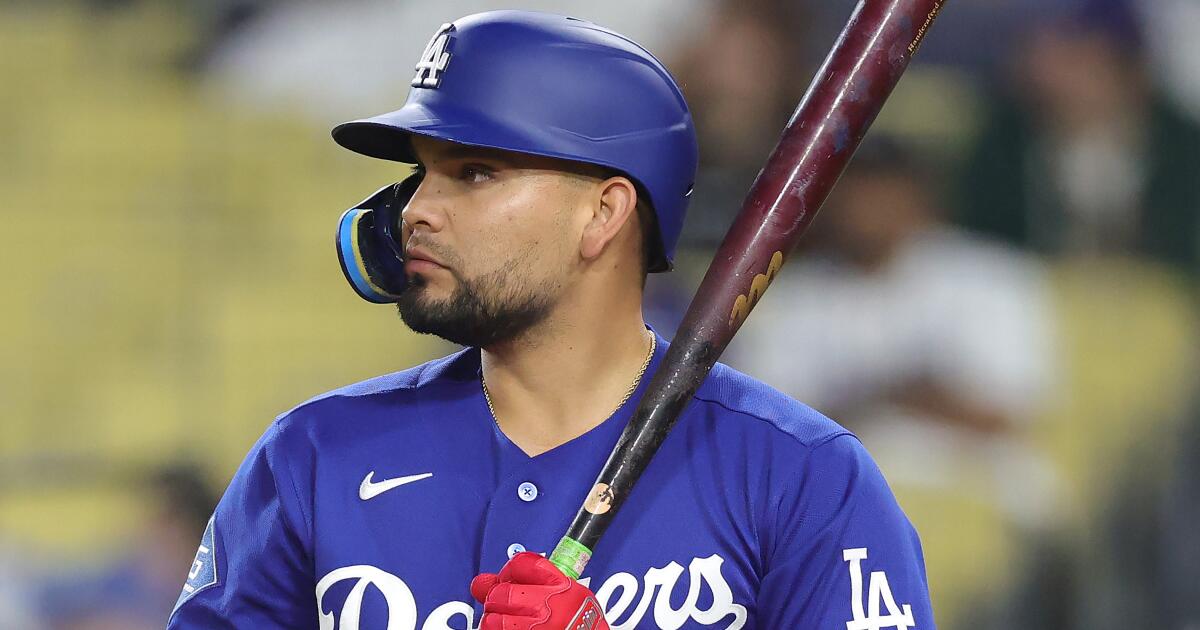 Sports7 minutes ago
Dodgers’ Eliezer Alfonzo praying his sister and stepmother will be found in Venezuela
-

 World17 minutes ago
Reform UK’s Farage failed to disclose funds from convicted criminal: Report
-
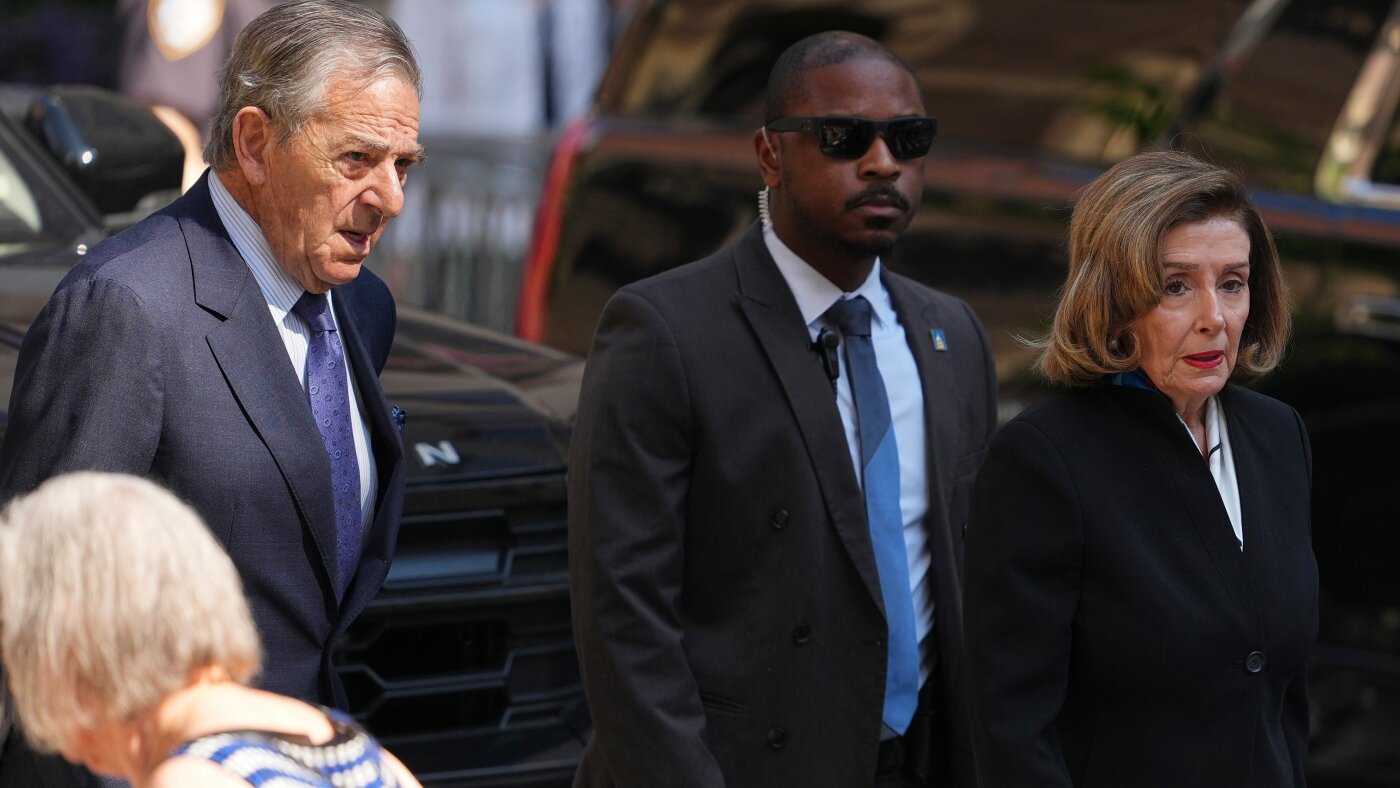 News44 minutes ago
Paul Pelosi in hit-and-run in California, car left with major damage, authorities say
-

 Los Angeles, Ca2 hours ago
Firefighters battle Fourth of July blazes around Los Angeles
-

 Detroit, MI2 hours ago
Storm chances linger into the start of the week across Metro Detroit
-

 San Francisco, CA3 hours ago
Relay for America runs flag from San Francisco to D.C. in message of unity
-

 Dallas, TX3 hours ago
Cowboys newcomer already looks like a waste of money in Dallas
-

 Miami, FL3 hours ago
Police search for suspect after man is shot while on a boat near hotel in Fort Lauderdale on 4th of July

