Fitness
How Regular Exercise Improves Health and Reduces Stress in Nigeria


In these difficult times, when personal finances are tight and the country is going through a stressful period, it’s essential to find ways to care for our health without incurring extra expenses. Exercise does not need to include the cost of a gym membership or a personal trainer. Instead, it can be a simple part of your daily routine. Here are ten compelling reasons to make exercise a regular part of your life.
Regular physical activity can significantly improve your mental health. Exercise releases endorphins, the body’s natural mood elevators, which can help reduce symptoms of depression and anxiety. Whether it’s a brisk walk around your neighbourhood or a quick workout at home, moving your body can lead to a happier, more relaxed state of mind.
- Enhances Physical Fitness
Engaging in regular exercise helps improve cardiovascular health, strengthens muscles, and enhances flexibility. Activities like walking, jogging, or even traditional Nigerian dances can contribute to maintaining a healthy weight, building stamina, and increasing overall physical strength.
Physical activity can help regulate your sleep patterns. Exercise increases the amount of deep sleep you get, which is crucial for your body to repair itself and build energy for the next day. Just 30 minutes of moderate exercises, such as walking or doing household chores, can help you fall asleep faster and enjoy a deeper sleep.
Exercise is a powerful stress reliever. It reduces levels of the body’s stress hormones, such as adrenaline and cortisol. Activities like walking, jogging, or even simple stretching can provide a distraction, allow for social interaction, and help you develop a sense of control and calmness.
Regular exercise is essential for maintaining heart health. It helps reduce the risk of heart disease by improving cholesterol levels, blood pressure, and blood circulation. A simple daily walk can go a long way in keeping your heart in good shape.
Moderate physical activity can significantly boost your immune system. Exercise promotes good circulation, which allows immune system cells and substances to move through the body more efficiently and effectively.
Exercise improves brain function and protects memory and thinking skills. Physical activity increases blood flow to the brain and promotes the growth of new brain cells. It also enhances the brain’s plasticity, allowing for better memory and learning capabilities.
Engaging in regular physical activity can add years to your life. Studies have shown that people who exercise regularly have a lower risk of premature death. Even small amounts of exercise, like daily walking, can extend your lifespan by reducing the risk of chronic diseases.
- Enhances Social Connections
Exercise can be a social activity. Joining a walking group, participating in community sports, or even dancing at local events can help you meet new people and build a supportive community. Social interactions through exercise can improve your mood and overall sense of well-being.
Ultimately, regular exercise enhances your quality of life. It helps you maintain independence as you age, manage chronic health conditions, and maintain physical and mental health. Integrating simple activities like walking or traditional dancing into your daily routine allows you to enjoy a healthier, more vibrant life.
In conclusion, you don’t need expensive gym memberships or intense workout regimes to reap the benefits of exercise. Simple activities like walking, gardening, or traditional dances can significantly improve your health and stress. So, lace up your shoes, gather your friends and family, and step towards a healthier, happier you!


Les Mills, the New Zealand Olympian who opened an Auckland gym in 1968 that grew into an international group fitness brand, has died aged 91, his family confirmed.
Mills, a four-time Olympic athlete and former Auckland mayor, and his wife, Colleen, founded the first Les Mills gym on Victoria Street in central Auckland after a sporting career in which he represented New Zealand in shot put and discus.
More than five decades later, Les Mills workouts are used by clubs around the world.
The business, now run by later generations of the Mills family, became internationally known for choreographed group-exercise classes set to music.
Mills’s son, Phillip, joined the business full-time in 1980, and his partner, Jackie, helped develop the music-driven group-fitness model that became central to its global expansion.
Les Mills became an international fitness brand. (Supplied: Les Mills)
Phillip Mills said in a statement that his father had achieved a great deal in his life, but the common thread was that he always wanted to help others.
“Dad was immensely strong, driven, and always cared deeply for the less advantaged,” he said.
“He left a lasting impression on everyone he met, and his spirit lives on in gym workouts around the world, continuing to help people fall in love with fitness.“
Les Mills was born Leslie Roy Mills in Auckland in 1934.
He competed at four Olympic Games from 1960 to 1972 and won five Commonwealth Games medals, including discus gold at the 1966 British Empire and Commonwealth Games in Kingston, Jamaica.
Move into politics
He later moved into local politics and served as mayor of Auckland from 1990 to 1998.
Juliet Yates served on Auckland Council during his first term.
She told RNZ he brought others together.
“He was a very, very pleasant person to work with,” she said.
“He was really good at bringing people together and achieving things for the benefit of the city,”
she said.
“At the time, I think the achievements of the council he was mayor of were benefiting the whole of the city.”
He also remained active in sport as a coach, helping guide New Zealand discus thrower Beatrice Faumuina to the world title in 1997 and Commonwealth Games gold in 1998.
Les Mills was appointed a Member of the Order of the British Empire in 1973 for services to sport and a Companion of the New Zealand Order of Merit in 2002 for services to local government and sport.
Reuters

Chester County has an elaborate new outdoor gym, installed as part of a national campaign to encourage exercise and combat obesity.
The infrastructure is called a Fitness Court and it features seven stations that enable people to get a workout in seven minutes.
MORE: Most costly add-on procedures marketed to improve IVF success show little benefit, study says
The Fitness Court was funded by Independence Blue Cross as part of the National Fitness Campaign. The $100 million initiative will work in collaboration with schools and municipalities to build 5,000 outdoor gyms across the country by 2030.
“By investing in accessible, welcoming spaces like this, we’re helping remove barriers to healthier lifestyles and ensuring more residents across Chester County have opportunities to stay active and connected close to home,” Marian Moskowitz, vice chair of the Chester County Board of Commissioners, said in a statement.
Last year, approximately 37% of the people in the United States were obese, down slightly from a record-high of nearly 40% in 2022, a recent Gallup poll reports. The drop is due in part to the rise in GLP-1 weight-loss medications. More than 34% of adults and more than 15% of children in Pennsylvania are obese, according to statistics from the Obesity Action Network, a national nonprofit advocacy group.
Obesity is a chronic condition that increases the risk of high blood pressure, high cholesterol, type 2 diabetes, heart disease, stroke, cancer and other serious health issues.
The Fitness Court is located at Charlestown Township Park, which already had play structures, basketball courts, picnic pavilions and a one-mile paved trail. The new outdoor gym is designed for people 14 and older and adaptable to different fitness levels.
People can use the Fitness Court app for workout challenges and metrics to help people track their exercise goals and outcomes.
Horsham Township in Montgomery County also has a Fitness Court at Lukens Park at 540 Dresher Road.
Other municipalities, schools and organizations throughout Southeastern Pennsylvania that own accessible public space may apply for grants to help build Fitness Courts, according to IBX.

InnerCity Weightlifting volunteers find a sense of fulfillment by helping clients improve their fitness.
When people think about treating or managing their mental health, therapy, journaling and reading are often among the first solutions that come to mind. While those are all valuable tools, one of the most effective outlets is often overlooked: physical fitness.
At the Lift US Foundation, based in Oakland, leaders emphasize the mental benefits of exercise for adolescents through a strength-training-focused approach. Through its partnership with the NBA Foundation, the organization has expanded its efforts to empower young people and, as founder Mike Jenkins describes it, “create superheroes.”
“The need in the community is very foundational about strength and health in general, physical and mental,” Jenkins said. “I locked in on a term I like to call generational health, and what that means is the young people in our program become the healthiest in their families, and they take those values going forward in their own.”
As for InnerCity Weightlifting, which is based in Boston and Chicago, the organization uses personal training to help people affected by systemic barriers and past challenges build a new path forward. The nonprofit helps individuals with histories of gang involvement earn personal training certifications before connecting them with paying clients.
Though some people may not want to pursue personal training full-time, ICW still provides them with fitness tools they can carry throughout life while also helping guide their next steps into the workforce.
“Learn how to work out safely, learn how to give your friends a workout and then tell us what you need, what kind of jobs you’re interested in, what’s holding you back from some stability,” said ICW’s head of development Ian Kilpatrick.
Fitness to opportunity
From the ground up, Lift US focuses on teaching young people how to understand their bodies through fitness, nutrition education, counseling, mentorship and mental health support, all while helping them develop a future-focused mindset beyond the program.
Seeing a program participant progress through each phase and ultimately succeed is Lift US’s ultimate goal.
Rucker Johnson Jr. joined the organization at age 10 with a passion for science, art and drawing. Over time, he developed a love for weightlifting as well, eventually earning a spot on Team USA and setting his sights on representing the country at the 2028 Olympic Games.
“A complete human. A complete person, physically strong, mentally strong, academically strong, and not relying on getting a football or baseball scholarship. They are just doing it to empower themselves,” Jenkins said.
Johnson Jr. also branched out to the Hidden Genius Project, an Oakland-based nonprofit that trains and mentors young Black men in technology, entrepreneurship, and leadership. The organization has partnered with the NBA Foundation for several years.
Job pathways beyond fitness
As mentioned before, ICW ultimately helps place participants into jobs even outside the fitness industry, with their interactions with clients playing a key role.
The organization has seen numerous trainers transition into different industries simply by networking and performing well with the people they train. “We had guys get jobs at Toyota because a training client was a manager at Toyota, we’ve had a client start a dog grooming business and hire her trainer as one of the first employees,” said Kilpatrick.
The organization also builds partnerships with corporations such as UPS and Home Depot to streamline job pathways for participants.
Looking ahead, ICW is also focusing on creating more in-house managerial roles for participants who may not want to become full-fledged trainers. Either way, the organization provides volunteers with a sense of belonging and direction that helps them rebuild stability in their lives.
At their core, both organizations aim to build belonging and long-term success through fitness, which is a great place to start.
-

 Movie Reviews11 minutes ago
Movie Review: ‘Supergirl’ – Catholic Review
-

 World19 minutes ago
Clockenflap’s Justin Sweeting and Woozi Studio’s Mia Min Yen on Asia’s Live Music Boom at Golden Melody Festival: ‘No Longer Is a Fan Just Buying a Ticket, But Investing in a Memory’
-
 Lifestyle59 minutes ago
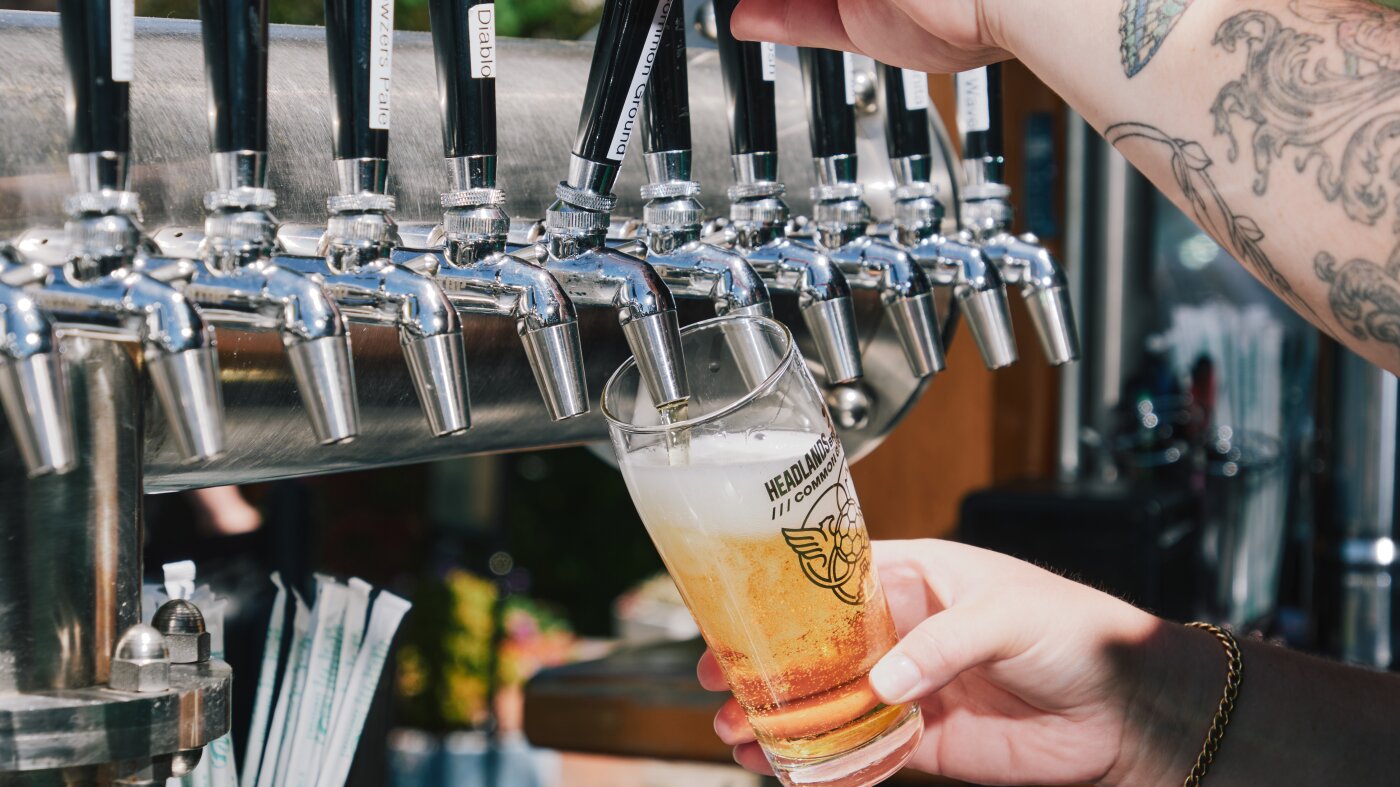
3 World Cup rivals find ‘Common Ground’ in a cross-border beer
-

 Technology1 hour ago
The Flipper Zero creators’ Busy Bar productivity display will go on sale next month
-

 World1 hour ago
Families watch in horror as skydiving plane crashes in France, killing all 11 aboard
-

 Politics1 hour ago
DOJ launches grand jury probe into Marxist mogul Neville Roy Singham’s funding of leftist groups
-

 Health1 hour ago
America’s lifespan has doubled since 1776 — experts reveal what changed
-

 Sports1 hour ago
Thekla embarrasses Stardom’s Starlight Kid after retaining AEW World Women’s Championship at Forbidden Door

