Hawaii
8 Reasons We Love Summer in Hawaiʻi


From identifying changing constellations in the night sky to noticing when ʻamaʻama (mullet) spawn, ancient Hawaiians were incredibly observant of their natural surroundings and the shifts in seasons.
They used a sophisticated lunar calendar consisting of 12 months, which were marked by the appearance of different stars and constellations. These months were divided into two seasons. The cooler, wetter season is Hoʻilo, which runs from about October to April. Kau Wela is the warm, drier season, which runs from about May through September.
With warm and pleasant weather throughout the 12 the year, it sometimes feels like we live in a perpetual summer in Hawaiʻi. Fall and spring are simply terms used to describe school semesters. However, locals know there are subtle differences between the seasons.
These are just a few of the reasons we look forward to the summer months in Hawaiʻi every year.
1. Seasonal Specialties
Photo: Grace Maeda
It’s not just mangoes that grow in abundance during the summer. Lychee, lilikoʻi, soursop and calamansi are just a few other favorites that locals often share with their neighbors. Across the Islands, farmers markets overflow with vibrant fruit stands, from the KCC Farmers Market on Oʻahu and Upcountry Farmers Market on Maui to the Grove Farm Market on Kauaʻi and Hilo Farmers Market on Hawaiʻi Island.
READ MORE: 9 Ways to Sink Your Teeth into Mango Season in Hawaiʻi
2. Shave Ice Season
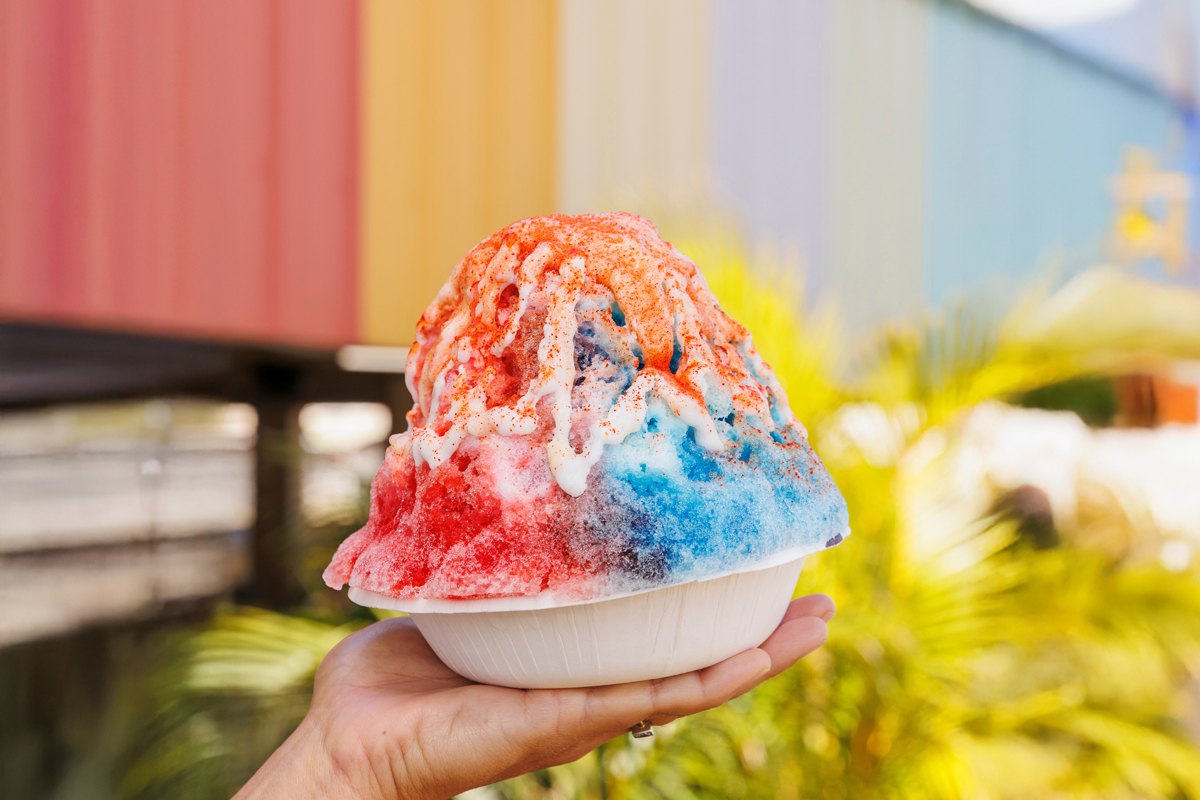
Photo: Aaron K. Yoshino
Sure, you can enjoy shave ice at any point in the year. But for many locals, it’s the sweet nostalgia of indulging in the refreshing treat after a day at the beach that takes you back to your “little kid” days during the summer.
READ MORE: Why Waiola Shave Ice is an Endearing Favorite
3. Pua Bloom

Photo: Grace Maeda
From pua kenikeni to plumeria, the Islands’ fragrant pua (flowers) often bloom in the summer months. It’s a great time of year to visit a botanical garden to see what plants are in season.
READ MORE: Escape to This Outdoor Oasis in Honolulu
4.Beach Days on the North Shore

Photo: Grace Maeda
Some of the best beaches across the Islands stretch along their northern coastlines. From ʻEhukai Beach Park on Oʻahu and Hoʻokipa Beach Park on Maui to Kēʻē Beach on Kauaʻi, it’s easy to be captivated by these sandy shores. During the winter months, these beaches are known for their large waves and dangerous rip currents. Fortunately, the conditions are typically much calmer in the summer, making for long and beautiful beach days.
5. South Shore Swells
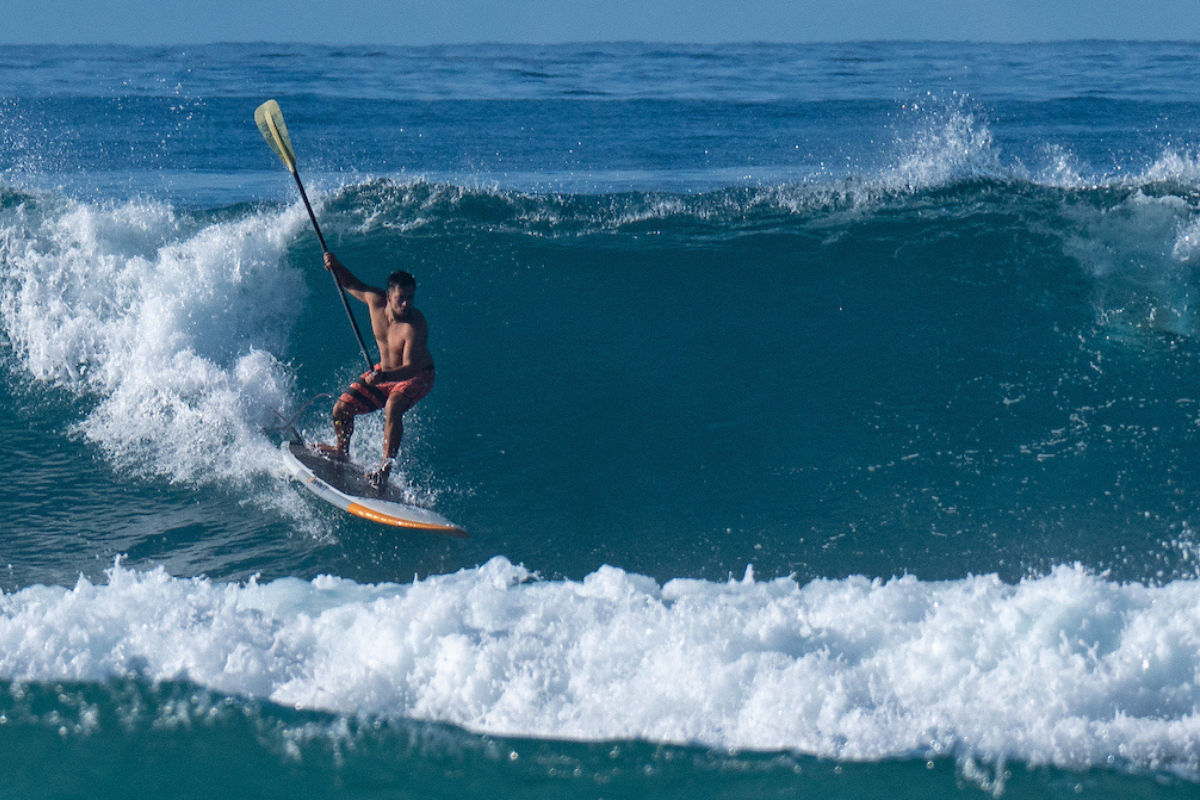
Photo: David Croxford
While the North Shore is graced by calmer waters in the summer, the south shores see exciting swells generated by winter storms in the Southern Hemisphere. These swells typically peak between May and September, bringing fun waves that are often ideal for beginners and longboarders.
6. King Kamehameha Day
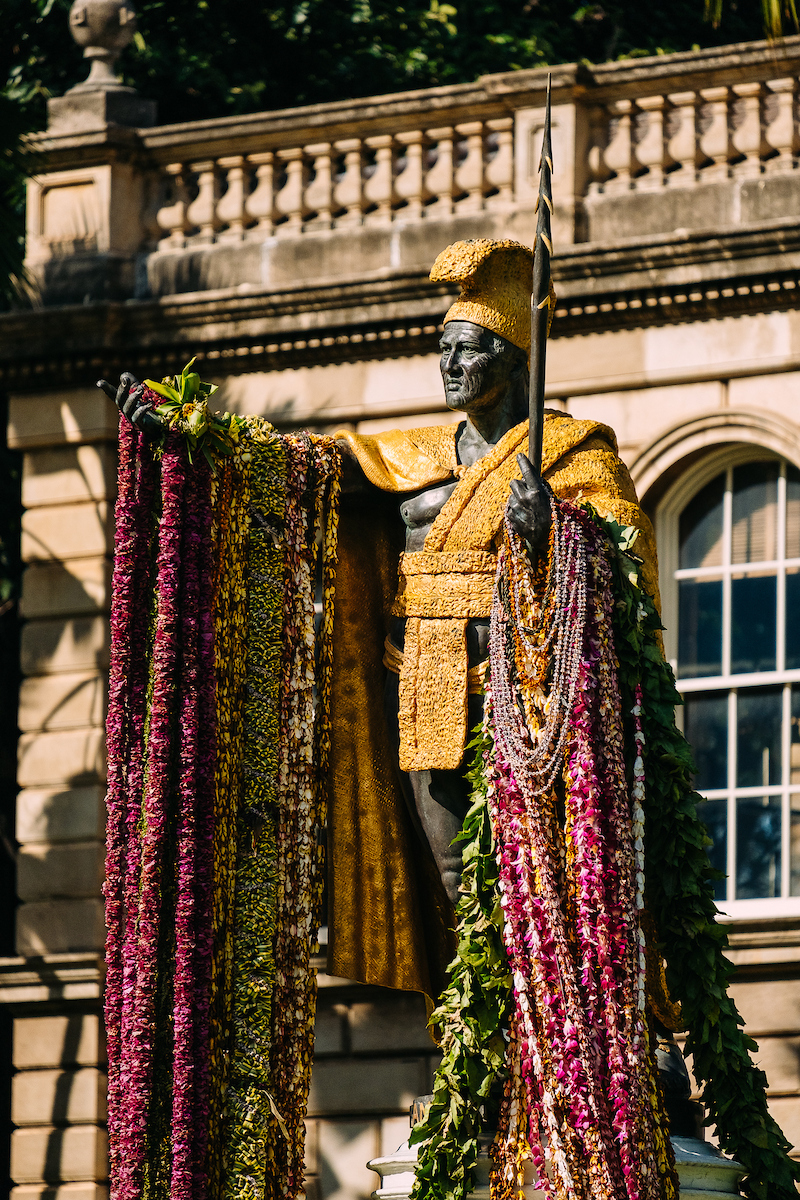
Photo: Aaron K. Yoshino
June 11 is an official state holiday celebrating Kamehameha the Great, one of the most important and legendary rulers in Hawaiian history. The monarch united all the major Hawaiian Islands, establishing the Kingdom of Hawaiʻi. On Oʻahu, state leaders and community members gather in Downtown Honolulu to adorn the King Kamehameha Statue with beautiful lei. On Hawaiʻi Island there are two statues of the king, one in Hilo and one in front of the North Kahala Civic Center. Both statues are ceremoniously draped in lei to celebrate Hawaiʻi’s great king.
READ MORE: 3 Legends About Hawaiʻi’s King Kamehameha
7. Summer Festivals in Hawaiʻi
Hawaiʻi hosts an exciting mix of annual events throughout the summer. Be sure to bookmark the Hawaiʻi Kuauli Pacific & Asia Cultural Festival on Hawaiʻi Island in early June, the Kapalua Wine and Food Festival on Maui at the end of June, and Duke’s OceanFest on Oʻahu in August.
8.Bon Dances
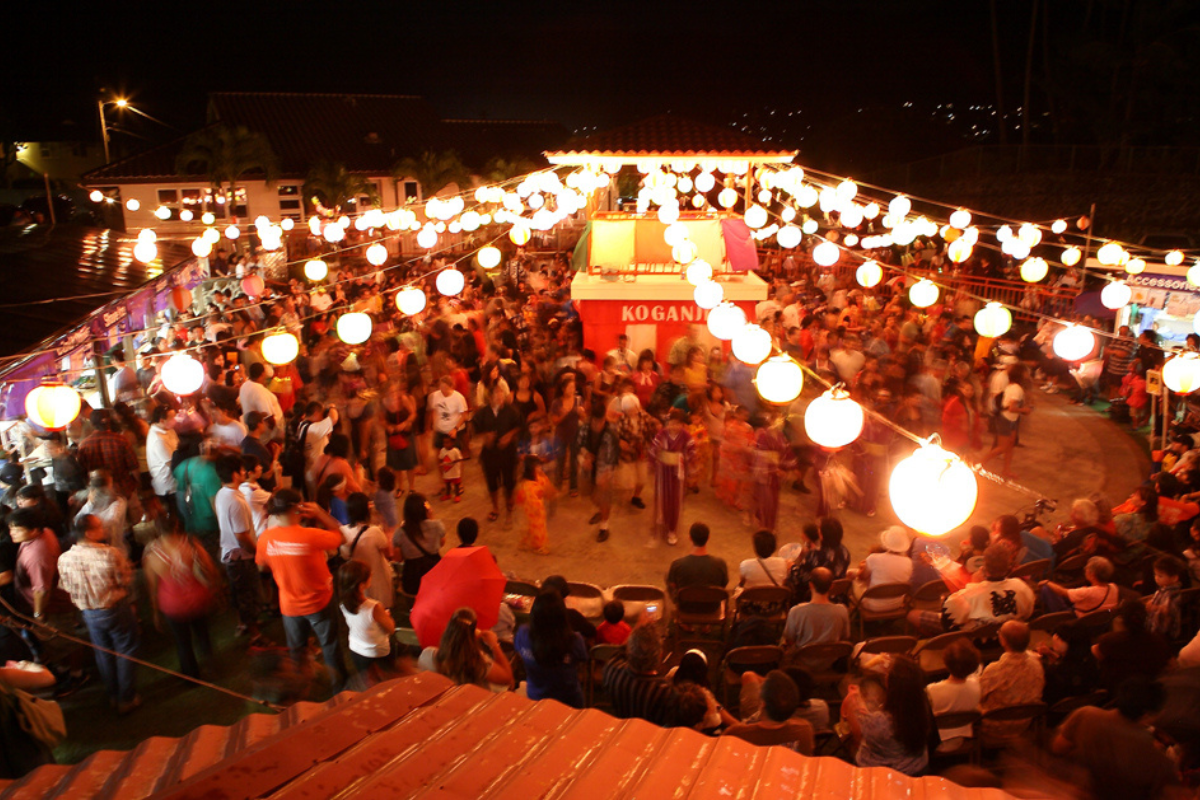
Photo: Hawaiʻi Tourism Authority (HTA)/Kazuya Kajita
When waves of immigrants arrived to work on sugar plantations in Hawaiʻi, they also brought many customs and traditions. Japanese plantation workers planted the seeds for Obon season. These festivals include Bon dances; a style of folk dance performed to honor ancestral spirits. Dancers circle around a yagura (tower). Across the Islands, Buddhist missions welcome everyone to participate.


The 51st episode of lava fountaining in Halemaumau at the summit of Kilauea volcano began at 8:30 a.m. Monday.
In its 10:30 a.m. Volcano Update, HVO stated that the fountains were reaching heights of about 950 feet above ground level from the north vent. No flows or lava fountaining are erupting from the south vent. Effusion rates reached a peak of 400 cubic yards per second.
All lava flows are confined to the Halemaumau crater within Hawaii Volcanoes National Park.
Sensors indicated that winds are blowing at 5-10 mph from the east-northeast direction. HVO notes that this suggests that volcanic gas emissions and volcanic material may be distributed in the west-southwest direction from Halemaumau. This means that it’s possible that wind may carry tephra toward the Kau District, including the communities of Pahala and Naalehu, as well as onto Highway 11 southwest of Volcano. Tephra fall is greatest within three miles of the vents, and lighter ash and Pele’s Hair may stay suspended for large distances from the vents.
As of HVO’s 10:30 a.m. update, very light fall of Pele’s Hair was reported from the Kau Desert trailhead along Highway 11. There were no reports of tephra falling in Pahala or anywhere outside of Hawaii Volcanoes National Park.
The National Weather Service issued a Special Weather Statement regarding the potential impacts from Episode 51’s wind-blown tephra. NWS reported that the plume from this eruption is reaching 18,000 feet above sea level and the low-level winds from the east-northeast would move the plume southwest, towards Pahala. High-level winds from the south would move the higher plume over communities adjacent to Hawaii Volcanoes National Park.
This story will be udpated.


Mechanical problems with a water treatment plant in Hawaii have left thousands of soldiers without central air conditioning in the barracks, a spokesman for U.S. Army Garrison Hawaii confirmed Tuesday in a statement to Military Times.
Four thousand soldiers in Area North Barracks are opening windows, turning on fans or using other tools to beat the heat while the base grapples with pump issues.
On July 10, deep-well pumps supporting Army installations in central and northern Oahu started experiencing problems.
According to the garrison, only one pump is currently pushing water to the surface. To maintain essential water services, water chiller systems have been turned off. Without the chiller systems — which make up almost 40% of the daily water use — the barracks do not receive central air conditioning. The incident was initially reported by Task & Purpose.
According to the National Weather Service, temperatures for the remainder of the week range from the mid-70s to the upper-80s.
Units are able to move troops to MWR facilities with central air conditioning, according to the service, but as of Sunday, no units had done so.
Repairs are underway, but an exact timeline for when the pumps will be fully functional again was not provided.
The cause of the issues has not been definitively identified, however “age and extreme heat due to ventilation system repairs are believed to be part of the cause,” said Nathan Wilkes, the garrison’s external communications chief.
The installation is prioritizing keeping safe drinking water available.
Barracks and residential housing have access to drinkable water, and plumbing and sanitation systems are operational. Wilkes also said the installation has paused irrigation systems pulling from Area North water supply.
Family housing still has air conditioning and water access, Wilkes added.
The garrison’s commander, Col. Rachel Sullivan, was scheduled to host a town hall on the installation’s Facebook page on Tuesday.
Eve Sampson is a reporter and former Army officer. She has covered conflict across the world, writing for The New York Times, The Washington Post and The Associated Press.
-
 Idaho5 minutes ago
How the City of Boise tests water samples to ensure the Boise River runs clean
-

 Illinois11 minutes ago
Data center fears mount after Illinois village residents prepare for the worst
-

 Indiana17 minutes ago
Statewide Silver Alert issued for two missing Indiana children
-

 Iowa23 minutes ago
Weight loss drug needles creating safety risk for eastern Iowa law enforcement
-
Kansas29 minutes ago
Kansas Lottery Powerball, Pick 3 winning numbers for July 15, 2026
-

 Kentucky34 minutes ago
Cyclosporiasis spreads across Kentucky
-

 Louisiana41 minutes ago
Louisiana pastor ordered to stay away from home of man he attacked
-

 Maine47 minutes ago
In Maine, Bobby Charles vs. Hannah Pingree is the race that matters | Opinion

