Hawaii
Is This What Passes for a Hawaii Flight Now?


Has something shifted on flights to Hawaii—and not in a good way? We just flew five and a half hours across the Pacific, and we got one poured beverage, no refills, and no meal purchase option.
We were in economy—if you think that was bad, wait to hear what happened in first class.
There are no trays, promised improved snacks, or new drink options—just the bare minimum on a route United once treated like something special—a route BOH editors have been flying for over 30 years.
One beverage, poured only, and a 3/4 ounce snack.
Service began early and ended fast. Economy passengers received a single poured beverage in a plastic cup. Flight attendants made clear there would be no second beverage service and no full cans offered. If you wanted more, water would be available—and it was offered once. It didn’t even feel like a Hawaii flight. It felt like an afterthought.
Pretzels, quinoa crisp, or stroopwafel followed. With little for the flight attendants to do, they became obsessed with the State of Hawaii Agriculture forms. They tried to collect ours early in the flight, and when it wasn’t ready, we were told we might be arrested if it wasn’t completed before landing. This was a first.
We’ve come to expect minimal service in economy, which is fine. However, this United Airlines flight from San Francisco to Kauai was different. After all, it was marketed and priced as a premium leisure route. Five plus hours in the air with one tiny drink and a small snack only questionably meets reasonable standards.
This might be why the pilot came out to extensively greet everyone before departure, trying to put everyone in a good mood before the flight, and the issues not of their making were revealed.
First class, minus the class.
Up front, things weren’t much better. Maybe they were worse. We were seated in the first row behind first class, where it was very clear: no meals were offered, and no alcohol was served. Instead, passengers received an apologetic explanation, one poured beverage, and a mileage credit as compensation.
It was a striking downgrade for a premium cabin on a long-haul Hawaii flight. There was no sense that this was a one-time issue; It felt routine. And if this is what first class looks like during peak summer travel, it raises the question: What exactly are travelers paying for?
The real issue: a meltdown at SFO.
The flight attendants didn’t sugarcoat it—and neither will we. United’s catering operation out of San Francisco is still a mess. Things haven’t stabilized after switching from Gate Gourmet to LSG Sky Chefs, which leaves flights in disarray. Many flights are going with minimal or missing onboard service, with service items sometimes stuffed into trash bags and boarded, and nobody at United seems surprised anymore.
Before departure, United sent a text admitting the problem: “Due to a catering transition, some of our outbound flights from San Francisco may not have our typical onboard selection.” Translation: Don’t expect much at all. According to the crew, the situation won’t improve until sometime after July.
What triggered this? United replaced longtime SFO caterer, Gate Gourmet, with LSG Sky Chefs. That shift came with a fallout: hundreds of Gate Gourmet employees were reportedly laid off, and LSG rehired many of the same people under different terms. It’s unclear what that means for quality, continuity, or morale, but passengers pay the price for how United handled the transition.
What triggered problems at United?
How could a company the size of United allow this to unfold, at its largest hub west of Denver and on key longer-haul domestic routes to Hawaii, among others? It’s a mystery even the crew couldn’t explain. We were told that some crew members have refused to work routes from San Francisco until this is resolved, and given the circumstances, we can see why.
It is abundantly clear that the transition was poorly timed and badly communicated, and paying passengers have been feeling it for a long time.
Travelers across routes have reported dry flights with no food, downgraded premium meals, and mystery substitutions. On this Hawaii flight, there was technically food. But that’s about as generous as we can be.
Navigating SFO was its own ordeal.
San Francisco International is also in the middle of a major construction project. Rob received a text from United warning: “San Francisco Airport (SFO) is currently undergoing renovations, which may require additional time to reach your gate.”
It meant the usual main entrance was closed, forcing a circuitous detour up and down and through the garage parking lot after getting off the AirTrain. Signage was limited, help was hard to find, and the layout felt more improvised than planned. Staff did their best, but the entire setup frustrated many travelers before the flight began.
This isn’t about any perks. It’s about the basics.
Most travelers flying to Hawaii from the mainland know they’re no longer getting free checked bags or a hot meal. But what’s happening now on United SFO routes is different. When five-plus-hour flights can’t offer passengers two beverages, that’s not even economy service. That’s a failure of planning.
Some others on social media said that United had warned them there would be no catering and that they should bring their food before boarding. Some reported a $15 credit from United, which at SFO wouldn’t go far for any meal.
It’s not the crew’s fault. They were efficient and apologetic. But they’re working within severe operational limits given to them. One good thing is that United flight attendants recently secured a tentative contract that includes raises of up to 45% over five years. It doesn’t fix the catering mess, but at least their patience in the cabin might finally pay off.
We’ll be watching this all summer.
Bring your food if you’re flying from San Francisco to Hawaii this season. That includes water. Don’t count on anything onboard. And don’t assume your United Hawaii flight will feel like anything special.
The only thing that stood out on this flight was high-quality Wi-Fi across the Pacific for $8, which we shared between the two of us with a Mobile Hotspot. The Viasat Wi-Fi on the route previously didn’t work most of the time. This article was written at 30k feet.
Have you flown on any routes from United San Francisco to Hawaii recently? Was your experience the same, or better? Let us know what you saw, and we’ll keep tracking what’s going on aboard Hawaii flights from the mainland.
Get Breaking Hawaii Travel News


HONOLULU (HawaiiNewsNow) – Concrete fell from the exterior of an Ala Moana Center parking structure Monday afternoon near the Kapiolani Boulevard exit, damaging a vehicle.
No injuries were reported.
Security blocked an exit lane as debris scattered across the roadway. Ala Moana Center said they are grateful no one was hurt, and the lane will remain closed while structural engineers and construction professionals assess the damage and make repairs.
Copyright 2026 Hawaii News Now. All rights reserved.
Hawaii
Hawaii weather: USGS revised 4.6 magnitude earthquake off Kona coast, south swell, passing showers


HAWAII VOLCANOES NATIONAL PARK, Hawaii (AP) — The on-and-off eruption of Hawaii’s Kilauea volcano broke a record Monday with the number of periods it has produced fountains of lava since it began erupting in December 2024, the Hawaiian Volcano Observatory said.
Monday marked 48 fountaining episodes, setting the record for any one eruption on Kilauea, said Katie Mulliken, a geologist and spokesperson with the observatory.
Episodes are separated by periods during which little to no lava erupts. Since lava is coming from the same vents in a crater at Kilauea’s summit, it is the same overall eruption, Mulliken said in an email.
There are several notable aspects of the current eruption, she said, including how accessible it is for viewing by residents and tourists. An eruption during the 1980s, in which 47 lava fountaining episodes occurred over about 3 1/2 years, occurred in a more remote area, she said.
The ongoing eruption is also reshaping the topography at the summit, she said.
But the lava fountains also can impact neighboring communities with volcanic fragments and ash, known as tephra.
Kilauea, located on Hawaii Island, is one of the world’s most active volcanoes.
-

 Health5 minutes ago
New ways to prevent flu revealed in ‘accidental’ lab breakthrough, study finds
-

 Sports8 minutes ago
Russell Wilson announces retirement from NFL after 14 seasons
-

 Technology13 minutes ago
Dark web monitoring: does it put your data at risk?
-
 Business20 minutes ago
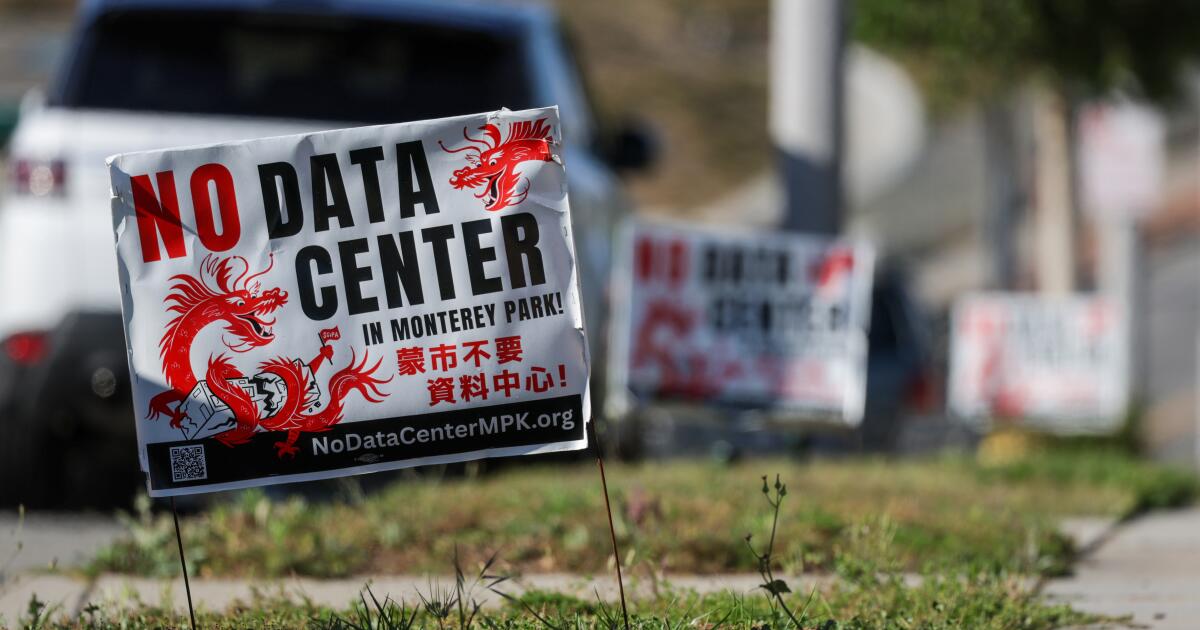
In a first for the country, voters in Monterey Park ban data centers
-
 Entertainment23 minutes ago
Review: Muscling past a flat script, a big-screen ‘Masters of the Universe’ embraces its own silliness
-
 Politics35 minutes ago
Hilton and Becerra lead California’s unsettled governor’s race; Steyer faces elimination
-
 Sports43 minutes ago
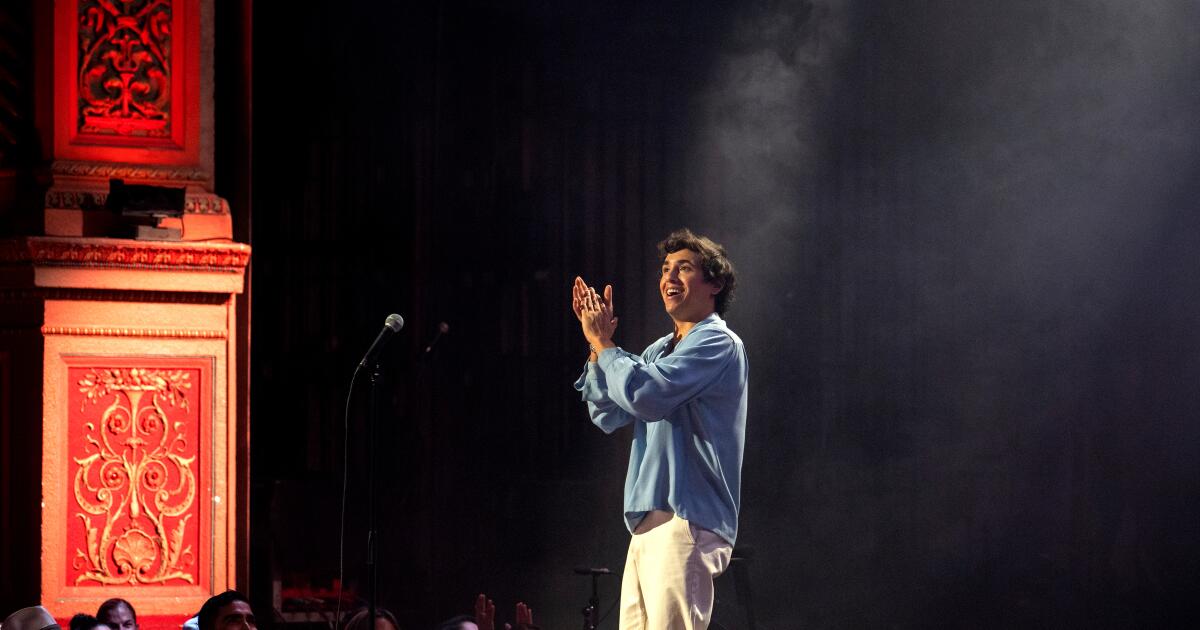
‘SNL’ star Marcello Hernández to host 2026 ESPYs as show leaves L.A. for New York
-

 World53 minutes ago
US House passes Iran war powers resolution in rare moment of Trump backlash

