Lifestyle
Photos: See all the red carpet looks from the 67th Grammy Awards


Sabrina Carpenter
Kevin Mazur/Getty Images
hide caption
toggle caption
Kevin Mazur/Getty Images
Celebrating its 67th year, the 2025 Grammy Awards are here! Music’s biggest stars will be celebrating at Crypto.com Arena in Los Angeles, where Trevor Noah will be hosting for his fifth consecutive year.
This year, the Grammy’s are partnering up with MusiCares to raise funds to support wildfire relief efforts and aid music professionals impacted by the wildfires in Los Angeles.
Here are some of tonight’s most memorable red carpet looks.

Chappell Roan
Jordan Strauss/Invision/AP
hide caption
toggle caption
Jordan Strauss/Invision/AP

Doechii
Matt Winkelmeyer/Getty Images for The Recording Academy
hide caption
toggle caption
Matt Winkelmeyer/Getty Images for The Recording Academy

Charli xcx
Robyn Beck/AFP via Getty Images
hide caption
toggle caption
Robyn Beck/AFP via Getty Images
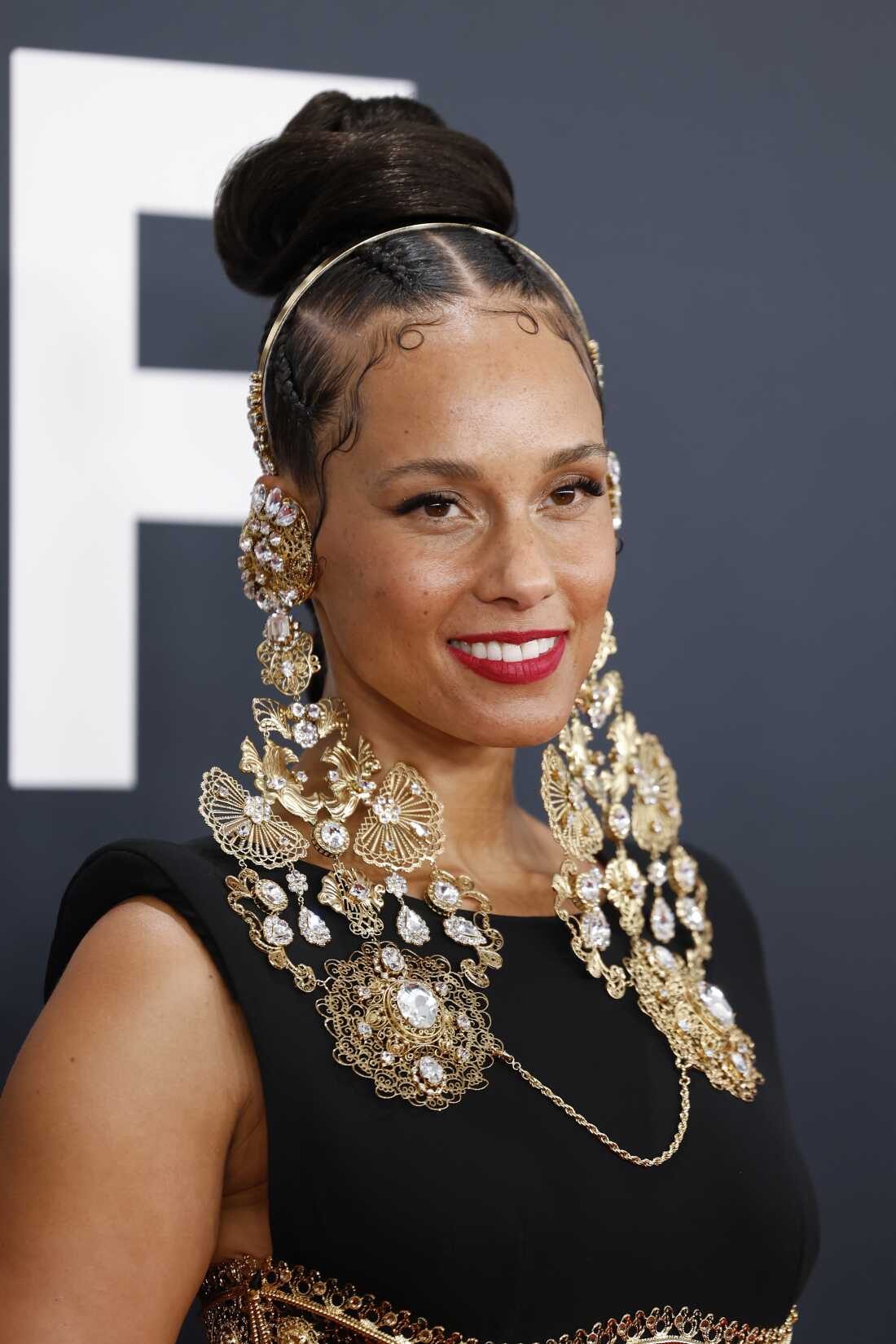
Alicia Keys
Frazer Harrison/Getty Images
hide caption
toggle caption
Frazer Harrison/Getty Images

Taylor Swift
Frazer Harrison/Getty Images
hide caption
toggle caption
Frazer Harrison/Getty Images

Shaboozey
Kevin Mazur/Getty Images for The Recording Academy
hide caption
toggle caption
Kevin Mazur/Getty Images for The Recording Academy

Olivia Rodrigo
Frazer Harrison/Getty Images
hide caption
toggle caption
Frazer Harrison/Getty Images

Jaden Smith
Frazer Harrison/Getty Images
hide caption
toggle caption
Frazer Harrison/Getty Images

Cardi B
Kevin Mazur/Getty Images for The Recording Academy
hide caption
toggle caption
Kevin Mazur/Getty Images for The Recording Academy

Gracie Abrams
Allen J. Schaben/Los Angeles Times via Getty Images
hide caption
toggle caption
Allen J. Schaben/Los Angeles Times via Getty Images

Kali Uchis
Matt Winkelmeyer/Getty Images for The Recording Academy
hide caption
toggle caption
Matt Winkelmeyer/Getty Images for The Recording Academy
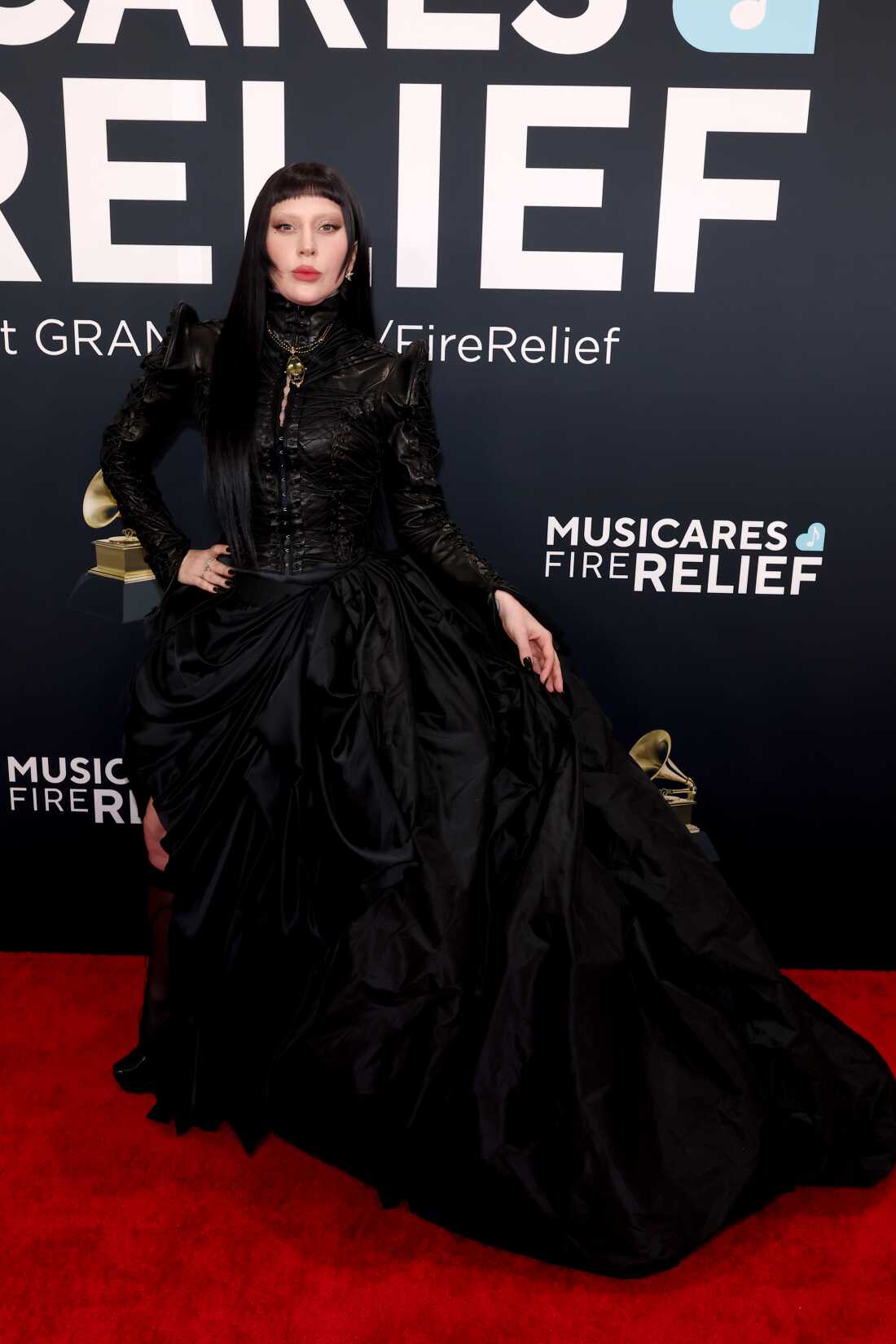
Lady Gaga
Matt Winkelmeyer/Getty Images for The Recording Academy
hide caption
toggle caption
Matt Winkelmeyer/Getty Images for The Recording Academy

Shakira
Matt Winkelmeyer/Getty Images for The Recording Academy
hide caption
toggle caption
Matt Winkelmeyer/Getty Images for The Recording Academy

Victoria Monét
Frazer Harrison/Getty Images
hide caption
toggle caption
Frazer Harrison/Getty Images

Billie Eilish
Matt Winkelmeyer/Getty Images for The Recording Academy
hide caption
toggle caption
Matt Winkelmeyer/Getty Images for The Recording Academy

Miley Cyrus
Robyn Beck/AFP via Getty Images
hide caption
toggle caption
Robyn Beck/AFP via Getty Images

Chrissy Teigen and John Legend
Frazer Harrison/Getty Images
hide caption
toggle caption
Frazer Harrison/Getty Images

Coco Jones
Matt Winkelmeyer/Getty Images for The Recording Academy
hide caption
toggle caption
Matt Winkelmeyer/Getty Images for The Recording Academy

Peso Pluma
Frazer Harrison/Getty Images
hide caption
toggle caption
Frazer Harrison/Getty Images

Avery Wilson
Frazer Harrison/Getty Images
hide caption
toggle caption
Frazer Harrison/Getty Images
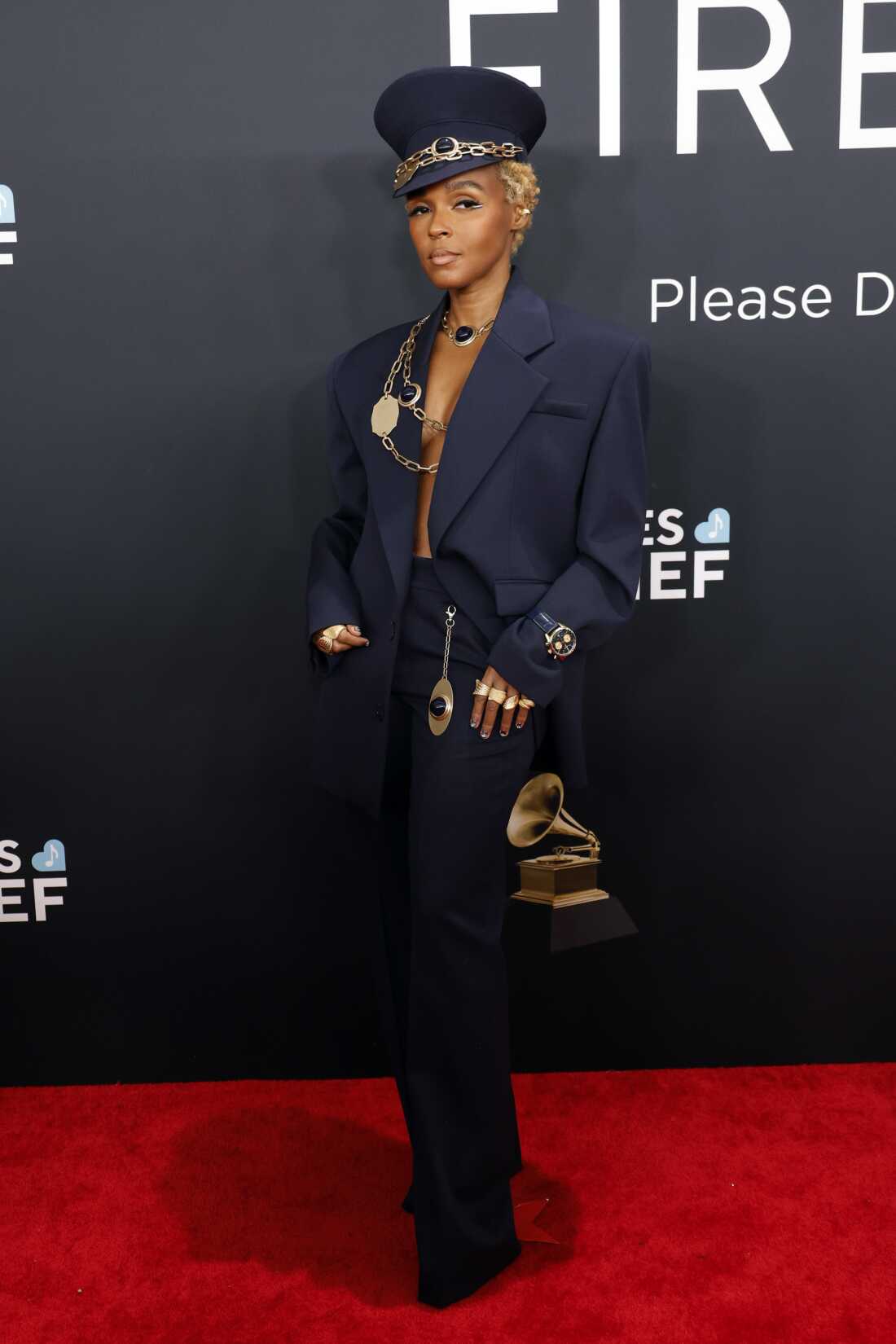
Janelle Monáe
Frazer Harrison/Getty Images
hide caption
toggle caption
Frazer Harrison/Getty Images

Troye Sivan
Kevin Mazur/Getty Images for The Recording Academy
hide caption
toggle caption
Kevin Mazur/Getty Images for The Recording Academy

Shenseea
Frazer Harrison/Getty Images
hide caption
toggle caption
Frazer Harrison/Getty Images

Cynthia Erivo
Frazer Harrison/Getty Images
hide caption
toggle caption
Frazer Harrison/Getty Images
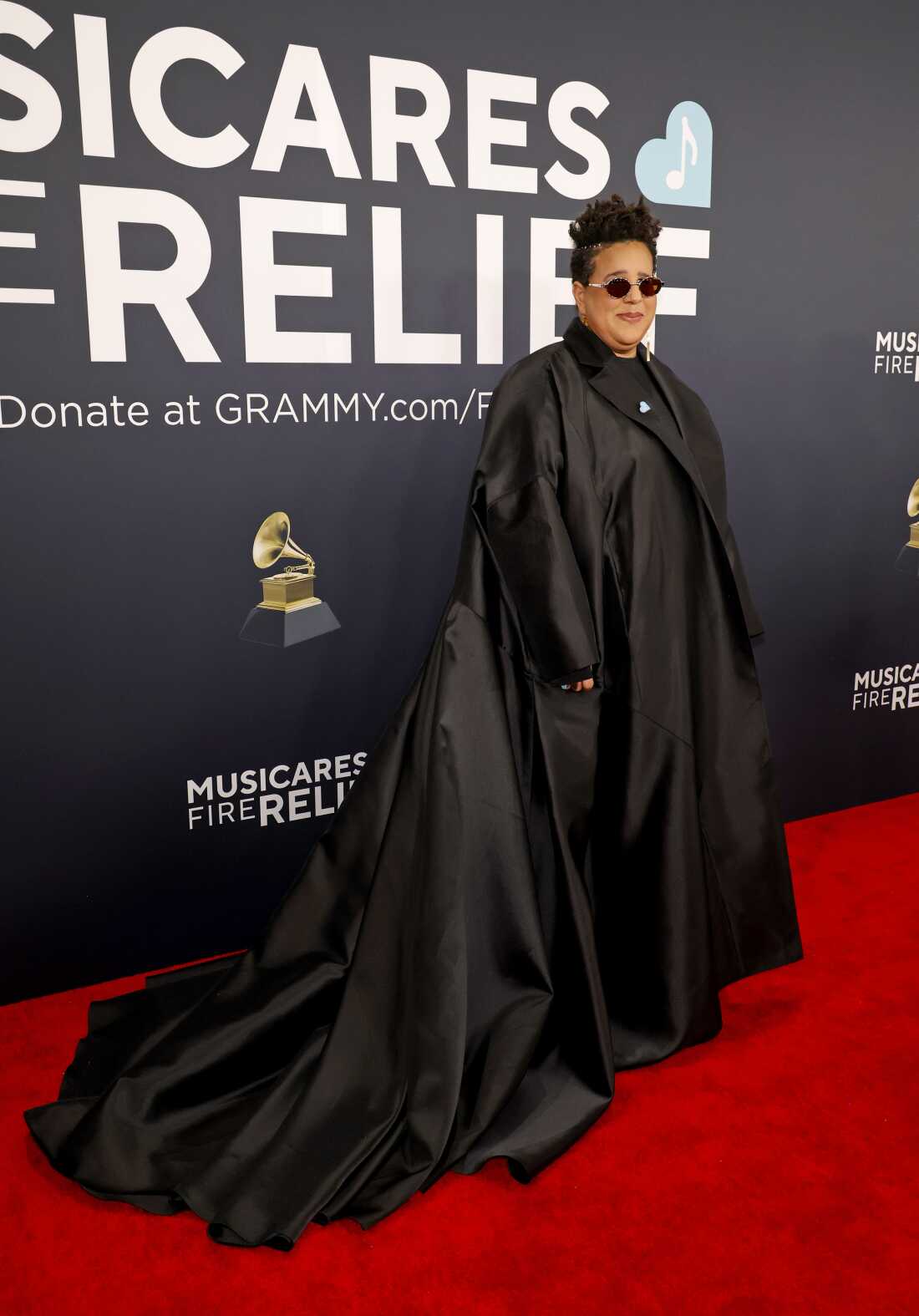
Brittany Howard
Frazer Harrison/Getty Images
hide caption
toggle caption
Frazer Harrison/Getty Images
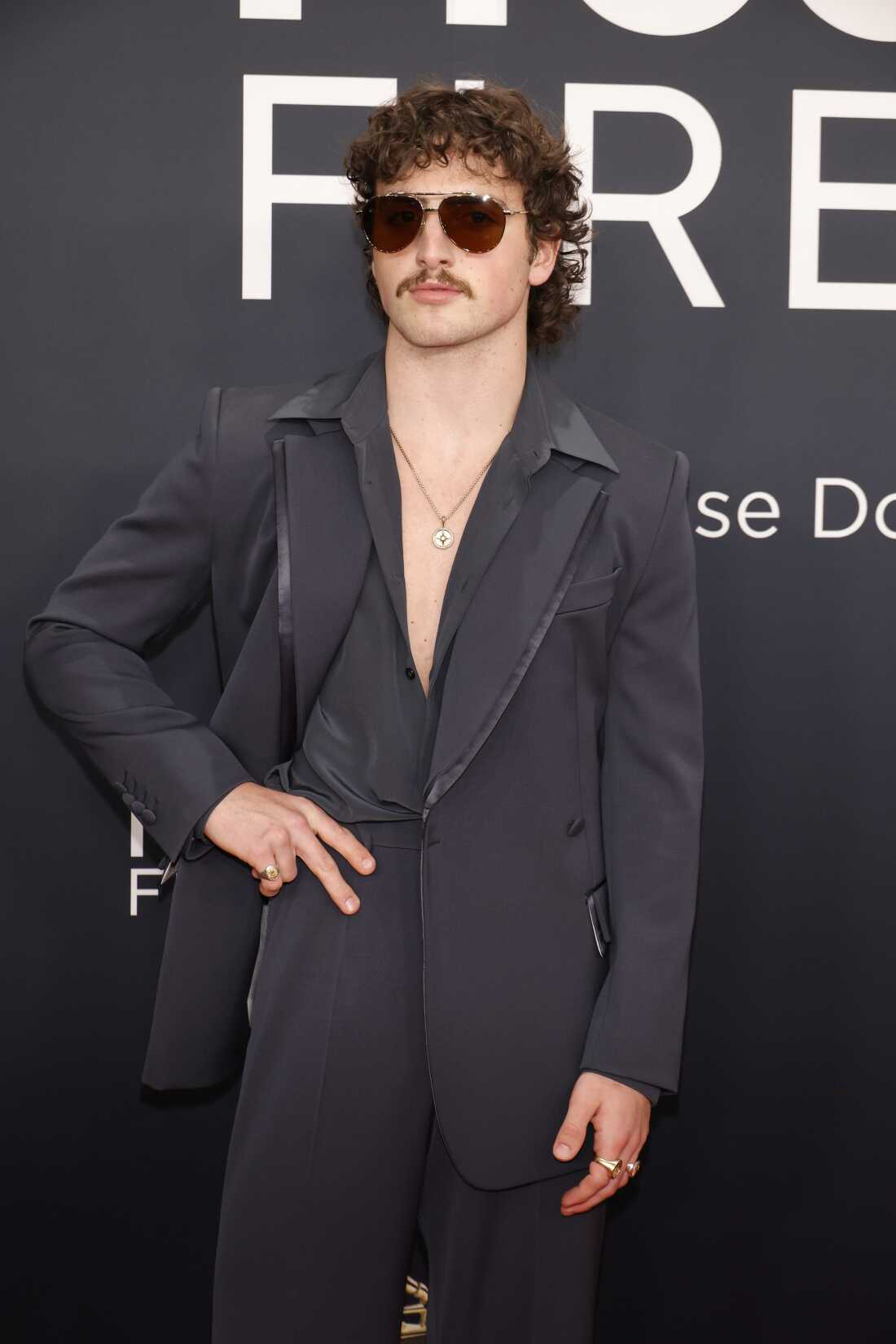
Benson Boone
Frazer Harrison/Getty Images
hide caption
toggle caption
Frazer Harrison/Getty Images

Tems
Kevin Mazur/Getty Images for The Recording Academy
hide caption
toggle caption
Kevin Mazur/Getty Images for The Recording Academy

Cimafunk
Matt Winkelmeyer/Getty Images for The Recording Academy
hide caption
toggle caption
Matt Winkelmeyer/Getty Images for The Recording Academy
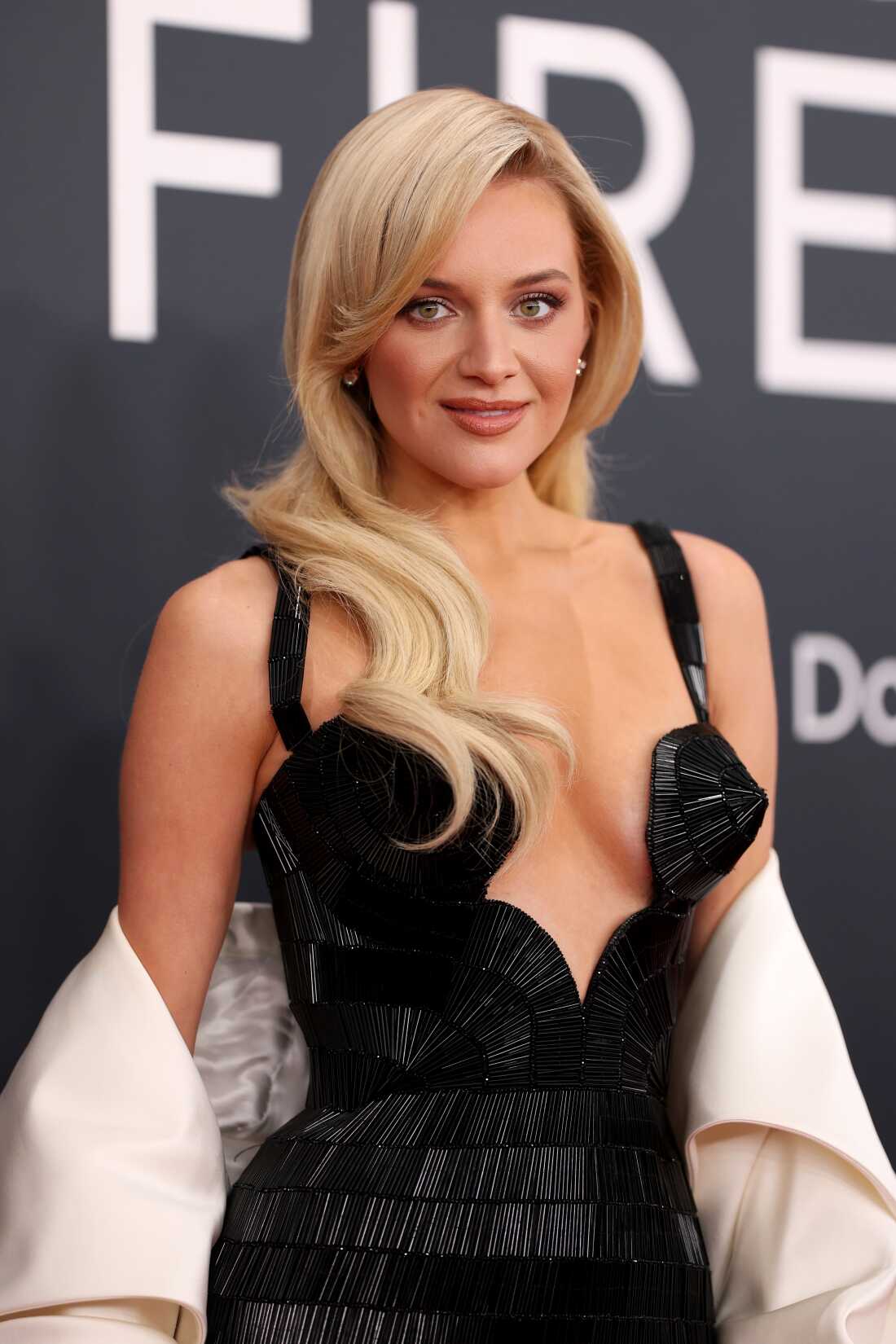
Kelsea Ballerini
Matt Winkelmeyer/Getty Images for The Recording Academy
hide caption
toggle caption
Matt Winkelmeyer/Getty Images for The Recording Academy

Trevor Noah
Matt Winkelmeyer/Getty Images for The Recording Academy
hide caption
toggle caption
Matt Winkelmeyer/Getty Images for The Recording Academy

J Balvin
Frazer Harrison/Getty Images
hide caption
toggle caption
Frazer Harrison/Getty Images

Charley Crockett
Frazer Harrison/Getty Images
hide caption
toggle caption
Frazer Harrison/Getty Images


Students walk on the Stanford University campus on March 14, 2019, in Stanford, Calif.
Ben Margot/AP
hide caption
toggle caption
Ben Margot/AP
When Theo Baker arrived at Stanford University a few years ago, he joined the student newspaper, following the path of his journalist parents, Peter Baker, a White House correspondent for The New York Times, and Susan Glasser, a writer for The New Yorker.
Through his reporting as a student journalist, he eventually broke a story about manipulated data in Stanford President Marc Tessier-Lavigne’s neuroscience research that helped lead to the university president’s resignation.
Theo Baker’s book, How to Rule the World: An Education in Power at Stanford University was released May 19. In it, Baker describes Stanford as a place where proximity to Silicon Valley gives rise to a parallel system of influence, recruitment and money, with investors looking to identify promising students almost as soon as they arrive on campus.
He told Morning Edition host Steve Inskeep there was “a sort of Stanford inside Stanford,” where elite students are drawn into an “alternate reality” of excess and access to cut corners.
In the interview, he discusses how Stanford is not just a university but also a pipeline where status and power can matter as much as ideas.
We reached out to Stanford University for comment and have not heard back.
Listen to the interview by clicking play on the blue box above.


The scoreboard shows the results of the women’s singles final match between Iga Swiatek of Poland and Amanda Anisimova of the U.S. at the Wimbledon Tennis Championships in London, Saturday, July 12, 2025.
Kirsty Wigglesworth/AP
hide caption
toggle caption
Kirsty Wigglesworth/AP
Fifteen points in tennis? Nice. Thirty, 40 — even better. Advantage — that sounds good. “Love” — that also must be great, right? Well, not quite.
As the French Open rolls on and Serena Williams has announced her return to the sport, maybe you’ve been paying a little more attention to tennis. The sport’s scoring system is notably distinct, and can sometimes be hard to grasp for newcomers. But even tennis aficionados might not know why, or how, “love” became the unmistakable callout for zero points. For this installment of NPR’s Word of the Week, we’re exploring how a word that signifies trailing behind got such a sweet name.
“Love” comes from the heart — or an egg?
It’s hard to pinpoint when the first tennis ball went over the net. Tennis is a derivative of lots of other sports, such as “jeu de paume,” a handball game played in France, said JT Buzanga, the collections manager at the International Tennis Hall of Fame museum.
But tennis became a patented, official sport in 1874, said Steve Flink, a journalist whose tennis coverage got him inducted into the International Tennis Hall of Fame. It has retained its unique, mysterious scoring system ever since.
“By and large, the original system has held up almost entirely,” Flink said.
The use of “love” goes back to the late 18th century, said Jesse Sheidlower, a lexicographer. But it was used earlier than that in card games such as whist and bridge. Before the term made its way to tennis, the sport favored plain old “nothing,” or “nil,” he said.
Why love in the first place, though? Historians don’t really know for sure, but there are a few theories.
The French could have something to do with it. Some historians believe “love” derives from “l’oeuf,” which means “the egg” in French. Because eggs are shaped like zeros, terms such as “goose egg” and “duck’s egg” have been used in other contexts to mean zero, Sheidlower said.
It’s also possible English speakers mispronounced l’oeuf as “love.” But Sheidlower isn’t convinced that’s the answer.
“It’s the French equivalent of an English expression. But since that expression doesn’t appear in French, the French word wouldn’t have been used,” he said.
To be sure, France has had a lot of influence on tennis culture, Buzanga said. For example, “deuce” or a game tied at 40 points, comes from the French word for “two”: “deux.” But he prefers another prominent theory: that “love” comes from the idiom “for the love of the game.” Even if a player hasn’t scored, it doesn’t matter, because their heart is in it. It’s the theory Sheidlower said is the most plausible, because the idiom was used by the English before tennis was popularized.

Another variation of the “love of the game” theory is that the word could have come from the Dutch “lof,” or “honor” — or the Latin “amare,” meaning “to love,” Flink said.
But if tennis’ “love” doesn’t come from a French word, the theory at least has a French sensibility.
“I think the ‘for the love of the game’ is kind of romantic,” Buzanga said.
“Love” probably isn’t going anywhere
Tennis used to be a sport of leisure. The style of play has changed a lot over the years; players are more athletic and competitive, for instance, Flink said. But the rules of the sport are more steadfast, he said.
“There’s this incredible, enduring respect for tradition in tennis,” he said. “Changes are not made easily.”
There has been one major change in modern history: the tie-break. Matches can go on and on because players have to score two consecutive points to break a deuce, or by two games to break a tied set. But the onset of television meant matches would have to get shorter if the sport wanted to capture a larger audience, Flink said.

Change even came for “love.” An alternative sprouted up in the 1970s, and is still used today: “bagel,” named for its zero shape, Sheidlower said. Novices may say “zero,” and insiders will understand what they mean, but they “will needle them about it,” Flink said.
But “love” still prevails.
“People kind of like it,” Flink said. “It’s different. Why say zero when you can say love?”
-

 Politics1 minute ago
Video: Jan. 6 Rioter Hired by Pentagon
-
Lifestyle31 minutes ago
‘How to Rule the World’ explores education and power at Stanford University
-

 Technology43 minutes ago
Cyberdecks used to look like little laptops, but now they’re getting more personal
-

 World46 minutes ago
Pete Hegseth warns narco-terrorists as U.S. backs Bolivia’s government amid coup warnings
-

 Politics51 minutes ago
Democrats split over Tlaib’s Lebanon measure as Republicans seize on Hezbollah omission
-

 Health58 minutes ago
Popular weight-loss diet shows surprising impact on serious mental health condition
-

 Sports1 hour ago
NBA bans two fans for life after court invasion during Knicks-Spurs Game 1
-

 Technology1 hour ago
Charter breach warning: What customers should know

